About Munda Bar
Munda Bar is a prominent dive site located in the Munda region of the Solomon Islands' Western Province. It distinguishes itself with a gently sloping reef, blanketed by a dense cover of hard corals that create a vibrant underwater landscape. The site is characterized by an abundance of reef fish species, providing a lively and dynamic diving experience for various skill levels. The topography transitions from a gradual slope to deeper sections, offering diverse environments for marine life. While the site is generally accessible, it provides numerous nooks and crannies within the coral formations, inviting exploration for smaller, hidden creatures. The clear waters and rich coral ecosystems make it a representative example of the healthy reef systems found in this part of the Pacific. Divers can expect frequent encounters with schools of fusiliers, snappers, and mackerel, along with occasional sightings of larger pelagics. The reef also hosts various residents such as painted crayfish, blue-spotted lagoon rays, and hawksbill turtles, adding to the site's biodiversity. The diving experience here is typically relaxed, focusing on observation of the thriving reef community rather than strong currents. Local dive operators often include Munda Bar in itineraries due to its accessibility and the consistent quality of its marine life. It serves as an excellent introduction to Munda's underwater offerings, complementing the more current-prone or wreck-focused sites in the area. The site's beauty is particularly enhanced by penetrating sunlight, creating excellent photographic opportunities in its shallower sections.
Highlights
Sloping hard coral reefAbundant reef fish populationHawksbill turtle sightingsBlue-spotted lagoon rayExcellent visibilityNumerous coral nooks
Season calendar
Best months to dive here
Jan
Feb
Mar
Apr
May
Jun
Jul
Aug
Sep
Oct
Nov
Dec
Excellent
Good
Dive site facts: Munda Bar
- Depth
- Not specified for Munda Bar, but general Munda reef dives are 5-60m
- Current
- Mild
- Visibility
- Excellent
- Water temperature
- 28-30°C
- Entry
- Boat
- Level
- All levels
- Dive type
- Reef, coral garden, macro
- Night dive
- Possible
- Region / port
- Munda, Western Province
- Coordinates
- 8.7983° S, 158.3354° E
Conditions & Currents
Munda Bar is characterized by generally mild currents, making it a comfortable dive for a wide range of divers. Unlike some of the more exposed sites in Munda, significant water movement is not a defining feature here, allowing for leisurely drift along the reef. Visibility is usually excellent, often exceeding 30 meters, contributing to an unhindered view of the extensive hard coral formations and abundant fish life. However, heavy rainfall, particularly during the wet season, can lead to temporary reductions in visibility. Entry and exit are typically managed by boat, with tenders providing easy access directly onto the reef. This site is well-suited for divers who prefer a relaxed pace without the challenge of strong currents, allowing ample time for observation and photography.
Marine life & sighting chances
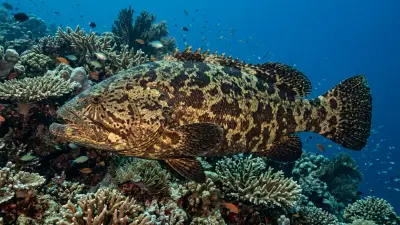
Flowery Grouper
common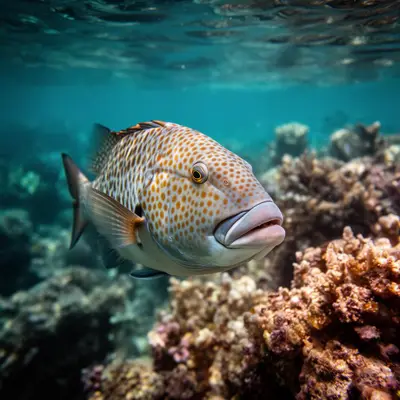
Sweetlips
common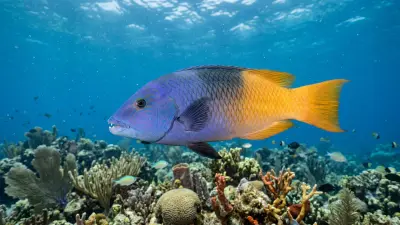
Maori Wrasse
common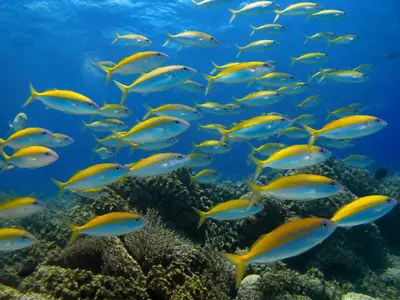
Fusilier
common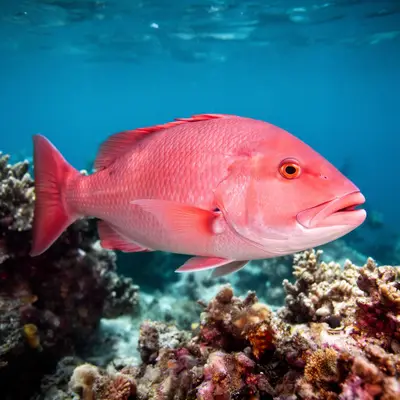
Snapper
common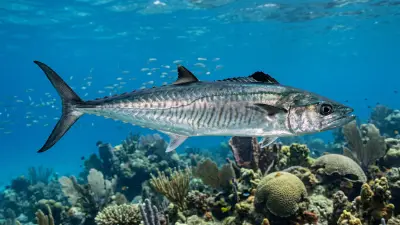
Mackerel
common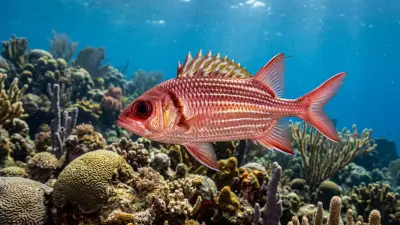
Squirrelfish
common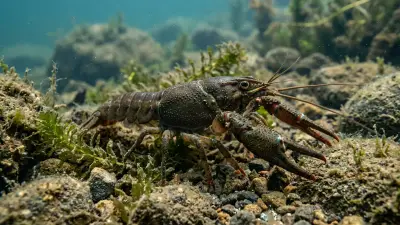
Painted Crayfish
common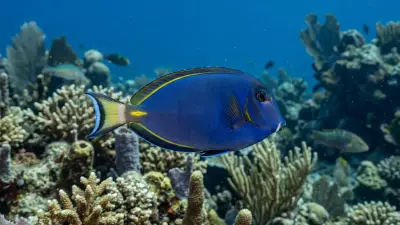
Blue-Spotted Lagoon Ray
occasional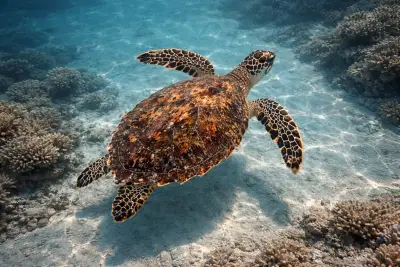
Hawksbill Turtle
occasional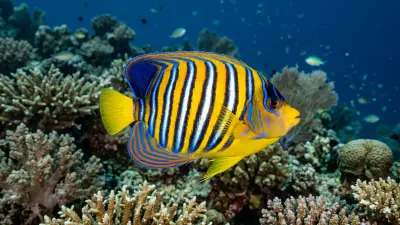
Angelfish
common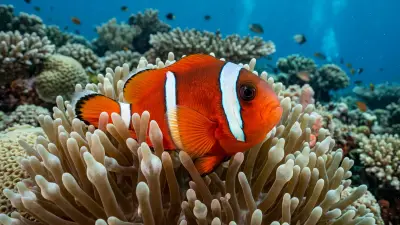
Anemonefish
common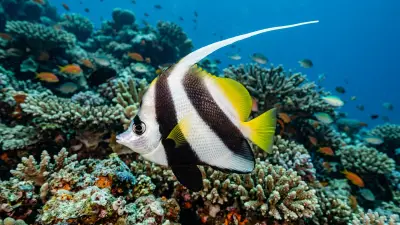
Bannerfish
commonDive profile & how the dive runs
A dive at Munda Bar typically begins with a boat entry onto the reef's gently sloping top. Divers then drift along the reef, exploring the extensive hard coral gardens. The route naturally follows the contour of the slope, revealing numerous small caves, ledges, and crevices that harbor painted crayfish and a variety of reef fish. The dive progresses through sections teeming with schooling fusiliers, snappers, and mackerel, while keeping an eye out for resident flowery groupers and Maori wrasse. Opportunities to spot a resting blue-spotted lagoon ray or a sleepy hawksbill turtle are common. The turn point is determined by air consumption and no-decompression limits, with the ascent initiated gradually along the reef contour. Safety stops are comfortably performed in the shallower, protected areas of the reef, providing an extended opportunity to observe the vibrant smaller inhabitants like angelfish and anemonefish amidst the healthy coral.
Underwater photography
Munda Bar is an excellent location for both wide-angle and macro photography, especially given its abundant reef life and excellent visibility. For wide-angle shots, a fisheye or wide-angle rectilinear lens effectively captures the sprawling hard coral gardens and the large schools of fusiliers, snappers, and mackerel. The ambient light in the shallower areas is often sufficient, but external strobes will enhance color vibrancy. For macro subjects, the numerous coral nooks and crannies are perfect for finding painted crayfish, smaller reef fish, and potentially pygmy seahorses, which thrive in healthy coral environments. Good buoyancy control is crucial to avoid disturbing delicate corals and marine life, allowing for stable shots. Always maintain a respectful distance from subjects, particularly when photographing turtles or rays.
Combine with nearby dive sites
- Shark Point
Known for dramatic wall dives and pelagic action, including various shark species.
- P39 Airacobra
A WWII fighter plane wreck at 28m, home to diverse fish life.
- Douglas SBD-4 Dauntless
A WWII dive bomber wreck at 14m, a historic plane shot down in 1943.
- Kasi Maru
A shallow Japanese freighter wreck, offering great photographic opportunities.
- Rainbow Wall
Features strong currents, grey reef sharks, and vibrant soft corals with abundant pelagics.
Getting there & logistics
Munda is a key destination in the Western Province of the Solomon Islands, accessible via Munda Airport (MUA), which hosts direct flights from Brisbane, Australia, making it a growing hub for divers. Dive operations, such as Dive Munda, are based directly in Munda, often connected with local accommodations like the Agnes Gateway Hotel. Divers typically arrange day trips from Munda, exploring the numerous reefs and wrecks within the Roviana Lagoon and nearby areas. Liveaboards also frequent the region, often including Munda sites in longer itineraries that cover the broader Solomon Islands. There are usually no specific park fees for diving Munda Bar itself, but dive package costs cover boat transfers and guide services. Trips often combine reef dives with famous WWII wrecks and other Munda area highlights, providing a comprehensive diving experience over several days.
Safety & environment
For diving in Munda, it is highly recommended to have comprehensive dive accident insurance, such as that provided by DAN, due to the remote nature of the Solomon Islands. The nearest recompression chamber is located in Honiara, requiring significant travel time and potentially complex logistics for emergency evacuations. Dive operators in Munda are generally experienced and provide thorough briefings, emphasizing safe diving practices, especially regarding currents at certain sites. For Munda Bar specifically, while currents are mild, maintaining good buoyancy is always essential to protect the delicate hard coral ecosystem. Divers should remain aware of their no-decompression limits, particularly during multi-day diving. It is prudent to carry a personal locator beacon (PLB) for added safety in this remote region.
Who it suits — and who it doesn't
Suited for
- Beginner divers looking for relaxed reef exploration
- Underwater photographers focusing on coral reefs and reef fish
- Divers seeking healthy hard coral ecosystems
- Those interested in abundant, diverse reef fish populations
- Divers who prefer mild currents and good visibility
Less suited for
- Divers exclusively seeking strong current drift dives
- Those solely interested in large pelagic encounters (though possible, not primary focus)
- Individuals who prefer only deep wreck diving
- Divers with limited buoyancy control (to protect corals)
FAQ
Munda Bar FAQ
What kind of marine life can I expect at Munda Bar?
Munda Bar is teeming with a diverse array of reef fish, including flowery groupers, sweetlips, Maori wrasse, fusiliers, snappers, mackerel, and squirrelfish. You can also spot interesting invertebrates like painted crayfish. Occasional sightings of blue-spotted lagoon rays and hawksbill turtles add to the excitement.
Are there strong currents at Munda Bar?
No, Munda Bar is known for its generally mild currents, making it a very comfortable dive site. This allows divers to leisurely explore the sloping reef and its inhabitants without the challenge of significant water movement. It's an ideal spot for relaxed reef exploration.
Is Munda Bar suitable for beginner divers?
Yes, Munda Bar is well-suited for beginner divers due to its mild currents and clear visibility. The sloping reef provides an easy progression for depth, and the abundant marine life ensures an engaging experience. Good buoyancy control is always encouraged to protect the delicate corals.
What are the water temperatures like at Munda Bar?
The water temperature at Munda Bar, like much of the Solomon Islands, is consistently warm throughout the year. Divers can expect temperatures ranging between 28°C and 30°C (82-86°F), making for very comfortable diving in a 3mm wetsuit or even a rash guard.
Can I do underwater photography at Munda Bar?
Munda Bar offers excellent opportunities for both wide-angle and macro photography. Its vibrant hard coral gardens and schooling reef fish are perfect for wide-angle shots, while the many nooks and crannies provide great subjects for macro. Good visibility and mild currents make photography easier here.
How is Munda Bar typically accessed?
Munda Bar is typically accessed via day boats or tenders from Munda. Dive operators based in Munda will transport divers to the site, usually as part of a multi-dive itinerary. The ease of access makes it a popular choice for local dive shops.
Why dive Munda Bar from a liveaboard?
Munda Bar is one of Solomon Islands's signature dive sites. A liveaboard sleeps you on the water and puts you in the water for three to four guided dives per day, including dawn and night dives that day-boat operators rarely offer. You skip the daily commute back to port and reach quieter, less-crowded sites in the same region on a single trip.
Below are the liveaboards that include Munda Bar on their Solomon Islands itineraries.
Liveaboards diving Munda Bar
These liveaboards may visit Munda Bar on selected itineraries — the exact dive sites depend on departure, weather and conditions.
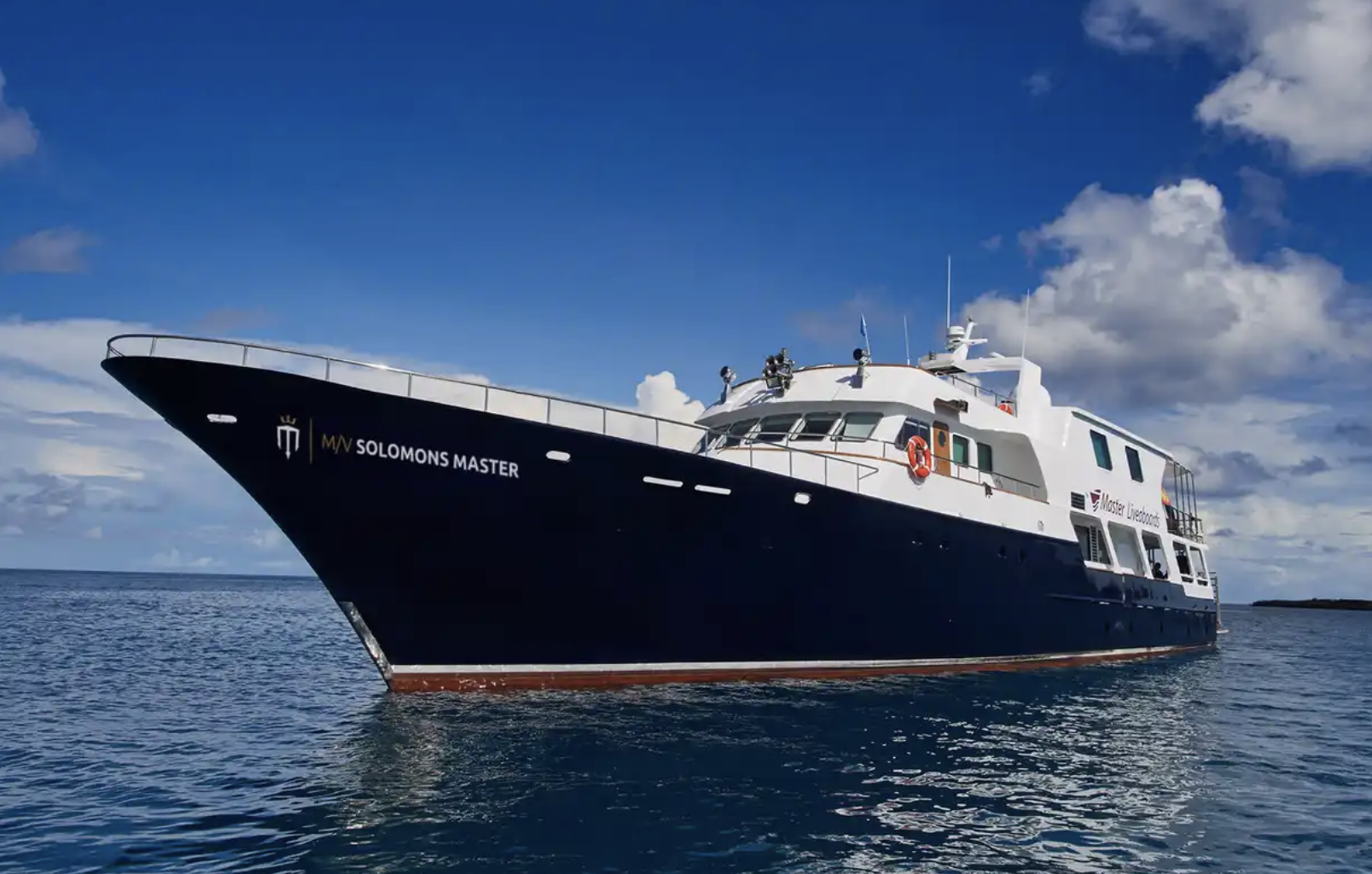
Solomons Master
Solomon Islands
16 guests
$401/day
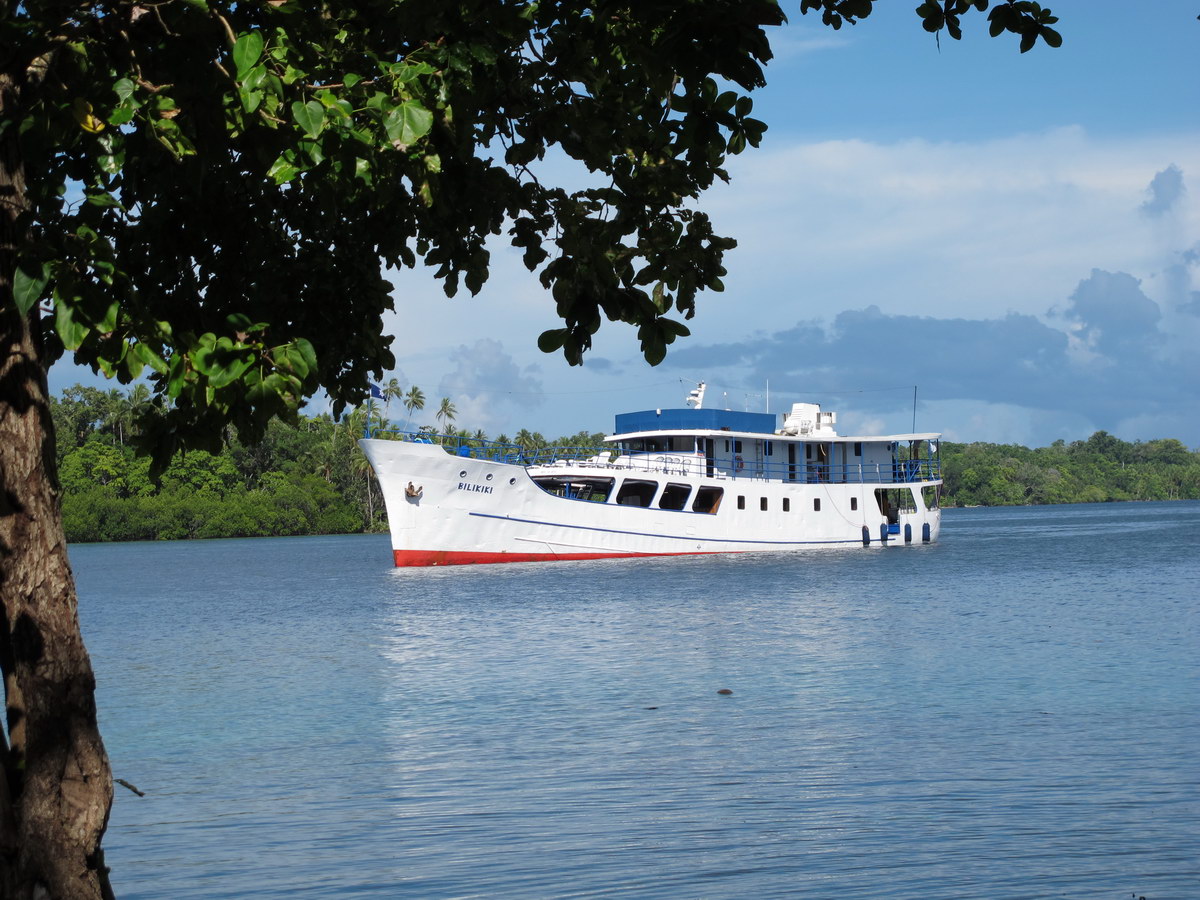
Emperor Bilikiki
Solomon Islands
20 guests38 m
$569/day
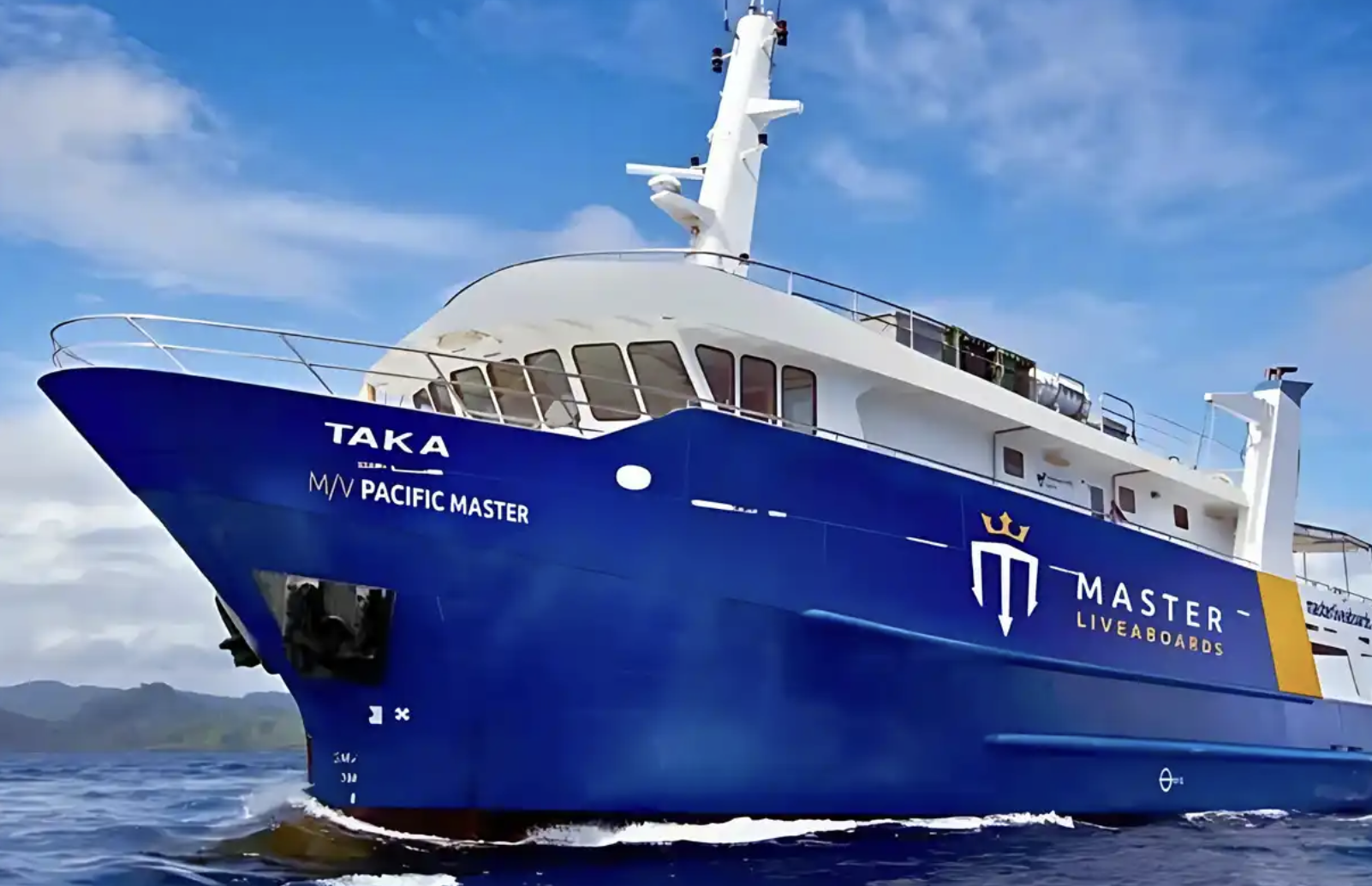
Pacific Master
Solomon Islands
20 guests30 m
$268/day
Dive sites similar to Munda Bar
Same character, same waters — six more sites divers love for the exact same reasons.Compare seasons, access and liveaboard routes — then pick the site that fits your trip best.
© Esri — Maxar, Earthstar, GIS
Marovo Lagoon - Coral Gardens
Solomon Islands
Marovo Lagoon, a UNESCO World Heritage site and the planet's largest saltwater lagoon, is a crown jewel of diving in the Solomon Islands.
- Suitable for
- Beginner
- Current
- Moderate
- Access
- Liveaboard only
- Depth
- 3–15 m
- Theme
- Reef
© Esri — Maxar, Earthstar, GIS
Mbigo Mbigo
Solomon Islands
Mbigo Mbigo is a renowned dive site located in the Western Province of the Solomon Islands, accessible from Munda.
- Suitable for
- Beginner
- Current
- Mild
- Access
- Liveaboard only
- Depth
- ≤ 25 m
- Theme
- Reef
© Esri — Maxar, Earthstar, GIS
Mbulo Island
Solomon Islands
Mbulo Island, a crown jewel within the immense Marovo Lagoon in the western Solomon Islands, is renowned for its distinctive underwater topography.
- Suitable for
- Intermediate
- Current
- Mild
- Access
- Liveaboard only
- Depth
- ≤ 20 m
- Theme
- Cavern / Reef
Kuabs, situated off Munda in the Solomon Islands' Western Province, presents a captivating sloping reef wall dive.
- Suitable for
- Intermediate
- Current
- No current
- Access
- Dayboat
- Depth
- —
- Theme
- Reef / Wall
© Esri — Maxar, Earthstar, GIS
Kavachi Submarine Volcano
Solomon Islands
Kavachi, famously known as the "Sharkano," is a dynamic submarine volcano located south of Gatokae and Vangunu Islands in the Solomon Sea.
- Suitable for
- Expert
- Current
- Ripping
- Access
- Liveaboard only
- Depth
- 10–30 m
- Theme
- Reef