About Mbulo Island
Mbulo Island, a crown jewel within the immense Marovo Lagoon in the western Solomon Islands, is renowned for its distinctive underwater topography. It offers a labyrinth of caves, swim-throughs, and caverns, providing divers with an otherworldly experience as rays of sunlight pierce through the jungle canopy and dance on the seafloor. The dive site is characterized by an intriguing mix of hard corals piled high and sizable sea fans extending towards the open ocean. The unique geology allows for explorations both within the caverns and along the vibrant reef edges. While the year-round warm waters (28-30°C) and consistent visibility (20-40 meters) ensure excellent diving, December is noted for potentially exciting pelagic encounters. Divers can frequently spot schools of reef squid, and the surrounding Marovo Lagoon is known for its diverse marine life, including various sharks, manta rays, and plentiful macro creatures. This site is typically accessed via liveaboard, offering a peaceful and uncrowded dive experience. The relative ease of diving conditions, combined with the spectacular natural light show and rich reef life, makes Mbulo Caves a memorable destination for divers seeking unique underwater landscapes and abundant marine encounters.
Highlights
Sunlit swim-throughs and cavernsDancing light beamsHealthy hard coralsLarge sea fansFrequent reef squid sightingsMarovo Lagoon ecosystem
Season calendar
Best months to dive here
Jan
Feb
Mar
Apr
May
Jun
Jul
Aug
Sep
Oct
Nov
Dec
Excellent
Good
Dive site facts: Mbulo Island
- Depth
- 20 m
- Current
- Mild
- Visibility
- 20–40 m
- Water temperature
- 28–30°C
- Entry
- Tender / Liveaboard
- Level
- All levels
- Dive type
- Cavern, reef, macro
- Region / port
- Marovo Lagoon, Western Province
- Coordinates
- 8.6573° S, 158.2684° E
Conditions & Currents
Currents around Mbulo Island are generally mild, contributing to an easy and comfortable dive experience. While some exposed channels within Marovo Lagoon may experience mild to moderate currents suitable for drift dives, Mbulo Caves itself typically presents calm conditions, allowing divers to explore the intricate swim-throughs without significant effort. Dive guides skillfully plan excursions to leverage or avoid currents, ensuring minimal swimming against the flow. Surface conditions are often placid, particularly in the sheltered lagoon, making for smooth entry and exit from tenders. Visibility is consistently excellent, ranging from 20 to 40 meters, and water temperatures remain warm year-round, requiring only minimal thermal protection.
Marine life & sighting chances
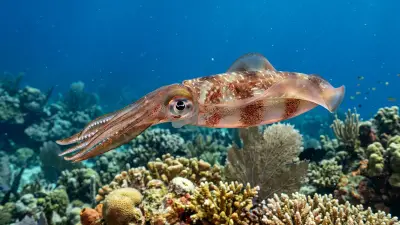
Reef squid
common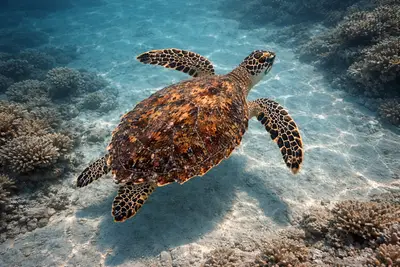
Hawksbill turtle
occasional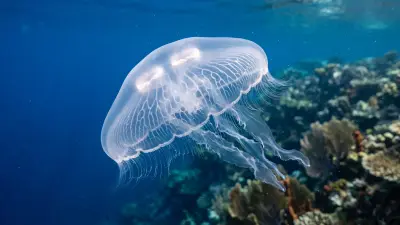
Pink moon jellyfish
occasional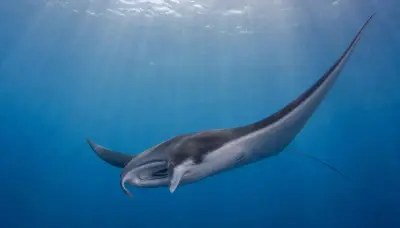
Mobula rays
occasional
Grey reef sharks
occasional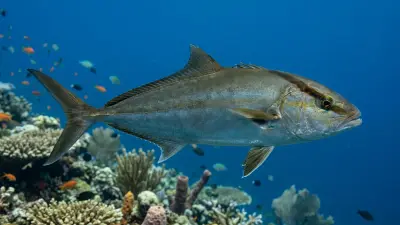
Jacks
common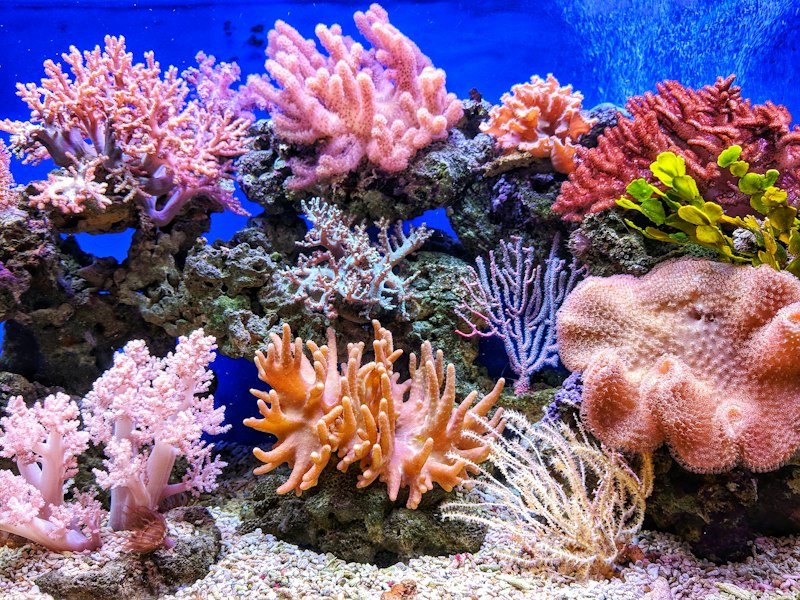
Soft corals
common
Hard corals
common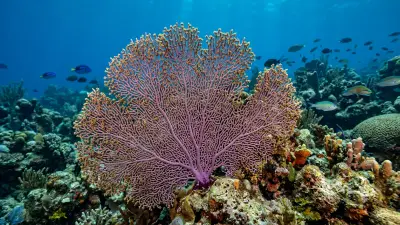
Sea fans
commonDive profile & how the dive runs
Diving at Mbulo Caves typically begins with a tender drop-off near the island's edge. Divers descend into a network of sunlit swim-throughs and caverns, following the natural rock formations. The dive progresses through various openings where natural light filters from above, creating spectacular visual effects on the walls and seafloor. The route meanders through different 'holes' in the rock, allowing exploration of the unique topography. Depth can vary depending on the chosen path, with divers typically staying within recreational limits while exploring the caverns and the outer reef where hard corals and sea fans are abundant. The dive concludes with a gradual ascent, often involving a safety stop along the vibrant reef edge, where divers can observe reef squid before surfacing to meet the tender.
Underwater photography
Mbulo Caves is a prime location for wide-angle photography, capturing the dramatic light beams piercing through the jungle canopy into the caverns. A fisheye or wide-angle lens is essential to encompass the expansive underwater landscapes and light effects. A focusing light is highly recommended to aid in composition and detail within the darker sections of the caves. For photographers, collaborating with a dive buddy to model within the light rays will significantly enhance image impact. While wide-angle is dominant, keep an eye out for reef squid and other macro subjects near the reef edges during safety stops, as they can offer unexpected opportunities. Maintaining excellent buoyancy is crucial to avoid stirring up silt in the enclosed spaces.
Combine with nearby dive sites
- Kicha Island
Another crown jewel in Marovo Lagoon with currents, soft corals, mobula rays, and grey reef sharks.
- Wickham Island
Known for lush coral coverage, colorful anemones, and incredible macro life.
- Marovo Lagoon - Coral Gardens
Part of the wider Marovo Lagoon, famous for healthy reefs and abundant macro life.
Getting there & logistics
Access to Mbulo Island typically starts with international flights to Honiara International Airport (HIR) on Guadalcanal, with direct connections from Brisbane, Australia, and Nadi, Fiji. From Honiara, divers usually transfer to a liveaboard such as the M/V Bilikiki, which offers multi-day cruises to remote areas like Marovo Lagoon. Liveaboard trips in the Solomon Islands generally last between 7 to 14 days, with Mbulo Island frequently included in itineraries exploring the Western Province. There are no specific park fees mentioned for Mbulo Island itself, but liveaboard costs cover all diving, accommodation, and transfers from Honiara. The remote nature means that dive operators provide comprehensive support, including equipment and guided dives, ensuring a seamless experience in this off-the-beaten-path destination.
Safety & environment
While Mbulo Island offers generally mild diving conditions, liveaboard travel in the Solomon Islands necessitates comprehensive dive insurance, including coverage for medical evacuation. The nearest recompression chamber is likely located in Port Moresby, Papua New Guinea, or potentially further afield in Australia, making emergency evacuation a complex and potentially lengthy process. Site-specific hazards at Mbulo Caves include navigating enclosed spaces; therefore, excellent buoyancy control and conservative gas planning are essential. Divers should always stay close to their guides, especially when currents are present outside the caverns, and adhere to standard dive safety protocols. Liveaboard crew are trained in emergency procedures and often have medical kits onboard, but self-reliance and appropriate insurance remain paramount for divers in this remote region.
Who it suits — and who it doesn't
Suited for
- Divers seeking unique cavern and swim-through experiences
- Wide-angle underwater photographers
- Divers who enjoy peaceful, uncrowded sites
- Liveaboard enthusiasts
- Those interested in healthy coral reef ecosystems
Less suited for
- Divers uncomfortable with confined spaces
- Those who prefer only deep wreck diving
- Divers seeking strong current, pelagic-only action
- Beginners without good buoyancy control in caverns
- Budget-conscious travelers (due to liveaboard focus)
FAQ
Mbulo Island FAQ
What kind of dive site is Mbulo Caves?
Mbulo Caves is a unique dive site primarily known for its series of sunlit swim-throughs and caverns. It offers an ethereal experience as light rays penetrate the water from above, creating a dazzling display. Beyond the caverns, the site features healthy hard corals and large sea fans along its reef edges.
What marine life can I expect to see at Mbulo Island?
Divers at Mbulo Island frequently encounter schools of reef squid, which often approach cautiously. Occasional sightings include hawksbill turtles and pink moon jellyfish. The broader Marovo Lagoon area, which Mbulo Island is part of, also hosts mobula rays, grey reef sharks, and large schools of jacks.
Is Mbulo Island suitable for underwater photography?
Yes, Mbulo Island is highly recommended for underwater photography, especially wide-angle. The dramatic light beams within the caverns create stunning visual opportunities. A fisheye or wide-angle lens is ideal, and a focusing light will assist with composition in the more shaded areas. Good buoyancy is critical to avoid disturbing the environment.
What are the typical diving conditions at Mbulo Island?
Diving conditions at Mbulo Island are generally very easy. Water temperatures consistently range between 28-30°C (82-86°F) year-round. Visibility is excellent, often reaching 20-40 meters (65-130 feet). Currents are typically mild, making for comfortable exploration of the caverns and reef.
How is Mbulo Island typically accessed for diving?
Mbulo Island is usually accessed via liveaboard, as it is situated within the remote Marovo Lagoon in the Western Province of the Solomon Islands. Liveaboards depart from Honiara and include Mbulo Island as part of longer itineraries exploring this rich diving region. The site is often reached using small tenders from the main liveaboard vessel.
Why dive Mbulo Island from a liveaboard?
Mbulo Island is one of Solomon Islands's signature dive sites. A liveaboard sleeps you on the water and puts you in the water for three to four guided dives per day, including dawn and night dives that day-boat operators rarely offer. You skip the daily commute back to port and reach quieter, less-crowded sites in the same region on a single trip.
Below are the liveaboards that include Mbulo Island on their Solomon Islands itineraries.
Liveaboards diving Mbulo Island
These liveaboards may visit Mbulo Island on selected itineraries — the exact dive sites depend on departure, weather and conditions.
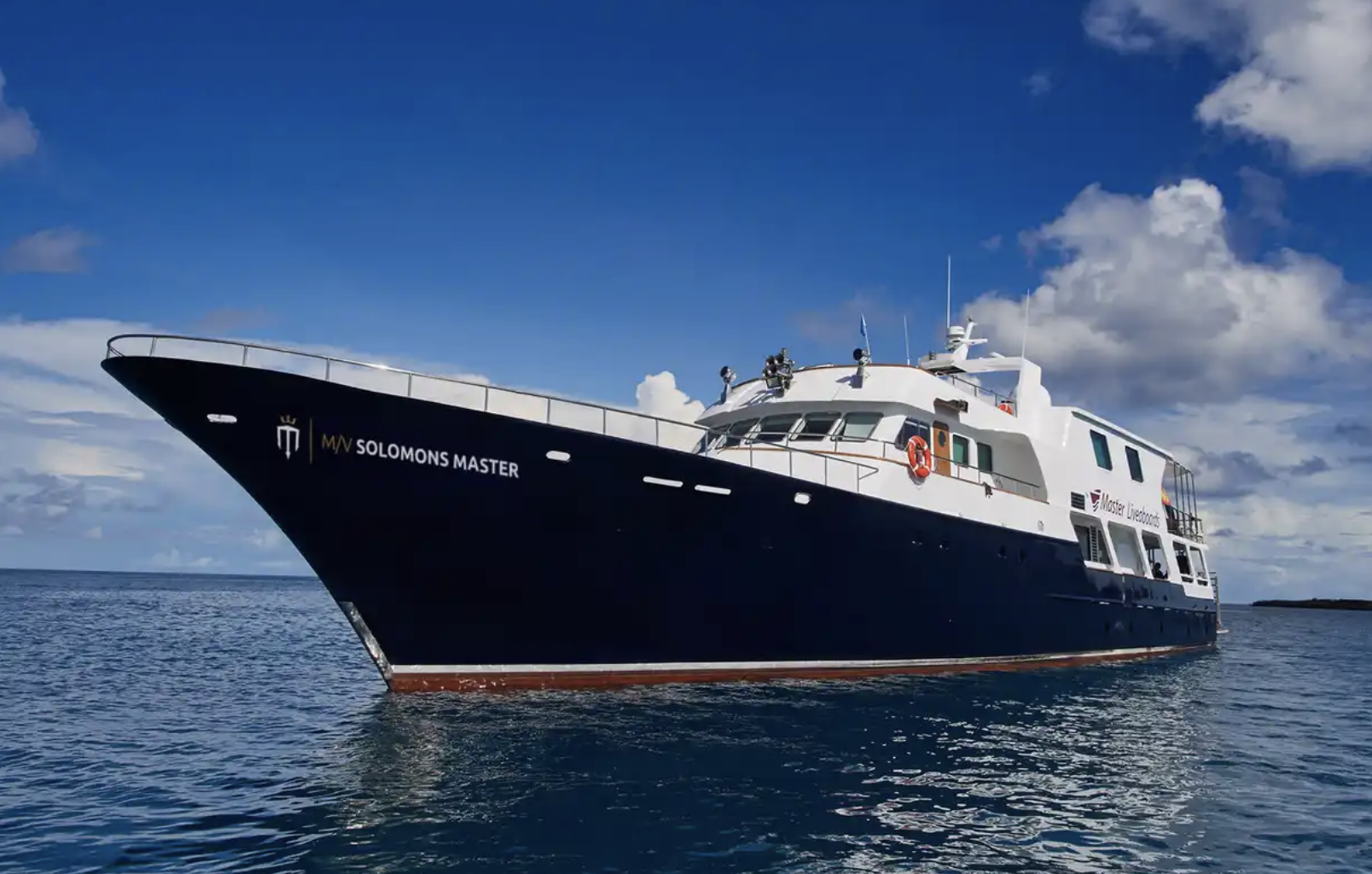
Solomons Master
Solomon Islands
16 guests
$401/day
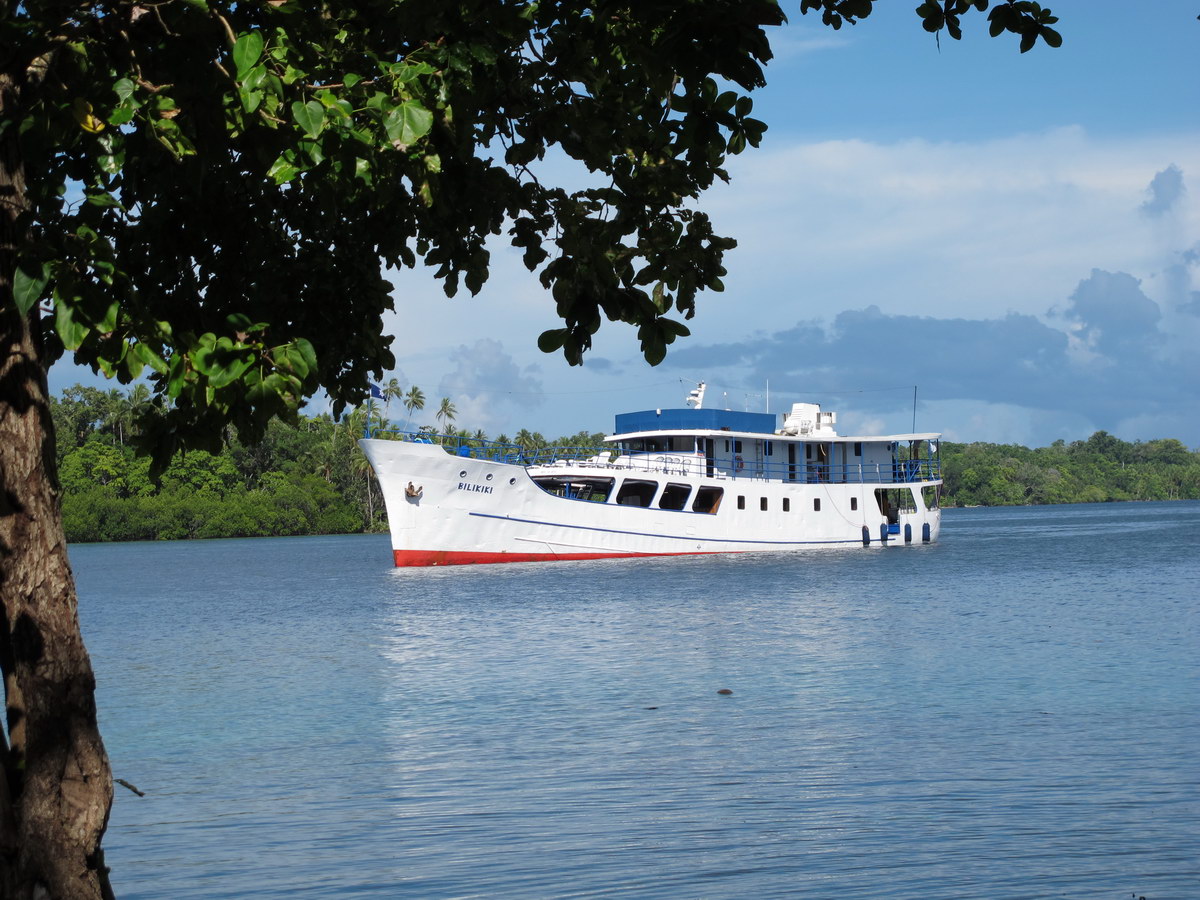
Emperor Bilikiki
Solomon Islands
20 guests38 m
$569/day
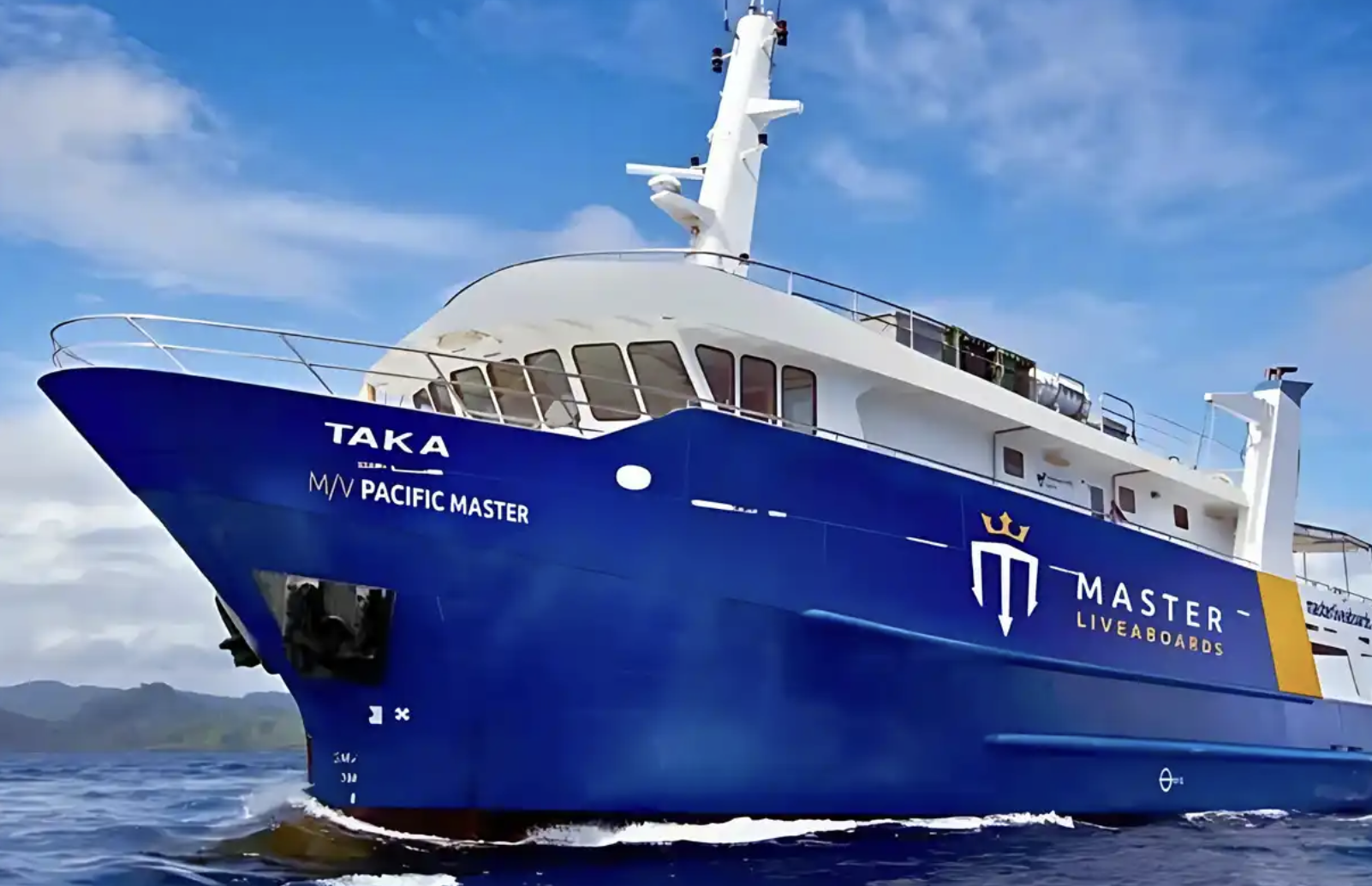
Pacific Master
Solomon Islands
20 guests30 m
$268/day
Dive sites similar to Mbulo Island
Same character, same waters — six more sites divers love for the exact same reasons.Compare seasons, access and liveaboard routes — then pick the site that fits your trip best.
© Esri — Maxar, Earthstar, GIS
Marovo Lagoon - Coral Gardens
Solomon Islands
Marovo Lagoon, a UNESCO World Heritage site and the planet's largest saltwater lagoon, is a crown jewel of diving in the Solomon Islands.
- Suitable for
- Beginner
- Current
- Moderate
- Access
- Liveaboard only
- Depth
- 3–15 m
- Theme
- Reef
© Esri — Maxar, Earthstar, GIS
Mbigo Mbigo
Solomon Islands
Mbigo Mbigo is a renowned dive site located in the Western Province of the Solomon Islands, accessible from Munda.
- Suitable for
- Beginner
- Current
- Mild
- Access
- Liveaboard only
- Depth
- ≤ 25 m
- Theme
- Reef
Munda Bar is a prominent dive site located in the Munda region of the Solomon Islands' Western Province.
- Suitable for
- Beginner
- Current
- Mild
- Access
- Dayboat
- Depth
- 5–60 m
- Theme
- Reef
Kuabs, situated off Munda in the Solomon Islands' Western Province, presents a captivating sloping reef wall dive.
- Suitable for
- Intermediate
- Current
- No current
- Access
- Dayboat
- Depth
- —
- Theme
- Reef / Wall
© Esri — Maxar, Earthstar, GIS
Kavachi Submarine Volcano
Solomon Islands
Kavachi, famously known as the "Sharkano," is a dynamic submarine volcano located south of Gatokae and Vangunu Islands in the Solomon Sea.
- Suitable for
- Expert
- Current
- Ripping
- Access
- Liveaboard only
- Depth
- 10–30 m
- Theme
- Reef