About Gran Susto (Big Scare)
Gran Susto, or "Big Scare," is an advanced boat dive located within Santa Rosa National Park in Costa Rica's Bat Islands. This dive site is renowned for thrilling encounters with bull sharks, making it a world-class destination for experienced divers seeking an adrenaline rush. The topography features volcanic rock formations, and the site functions as a cleaning station for bull sharks, especially between depths of 15 to 30 meters. It offers a deep, open-ocean feel, situated about 30 miles northwest of Playas del Coco. Diving Gran Susto often involves strong currents and surge near the surface, calling for quick descents and conservative dive planning. Visibility typically ranges from 6 to 30 meters, though conditions can be variable. Divers explore the volcanic rock structures, often encountering massive bull sharks that can reach up to 3.5 meters in length. Beyond sharks, the site teems with barracudas, eagle rays, turtles, and large schools of tropical fish. Due to potentially strong currents, deep profiles, and the nature of diving with large predators, Gran Susto is exclusively for advanced divers. It requires strong buoyancy control, experience with deep diving, and the ability to manage rapid air consumption, especially when surrounded by inquisitive sharks. The site offers unique thrills, making it a bucket-list dive for those prepared for its challenges.
Highlights
Bull SharksWhitetip Reef SharksEagle RaysGiant Morays
Season calendar
Best months to dive here
Jan
Feb
Mar
Apr
May
Jun
Jul
Aug
Sep
Oct
Nov
Dec
Excellent
Good
Dive site facts: Gran Susto (Big Scare)
- Depth
- 15–30 m (50–100 ft)
- Typical dive
- 15–30 m, 40–50 min
- Current
- Strong and unpredictable
- Visibility
- 6–30 m (20–100 ft)
- Water temperature
- 24–30°C (75–87°F) May-Dec
- Entry
- Back-roll / negative entry
- Level
- Advanced Open Water + deep dive experience
- Dive type
- Pelagic, drift, shark encounters
- Night dive
- Not typically offered
- Region / port
- Bat Islands, Santa Rosa National Park
- Coordinates
- 10.8565, -85.921
Conditions & Currents
Diving at Gran Susto regularly involves strong and often unpredictable currents, demanding excellent buoyancy control and the ability to maintain position. Divers should be prepared for potential surface swells and a mandatory swift descent upon entry to avoid being swept away. A drifting safety stop is common, as there are no fixed lines or points of reference. The site's remoteness means an hour-long boat ride to the nearest medical facility, emphasizing the need for conservative dive profiles and gas planning. Visibility can vary from 6 to 30 meters, often influenced by nutrient-rich upwellings that attract marine life.
Marine life & sighting chances

Bull Shark
May–Nov (peak Jun–Oct) · common
White-tip Reef Shark
occasional
Eagle Ray
common
Giant Oceanic Manta Ray
May–Jun, Sep–Nov · occasional
Barracuda
common
Moray Eel
common
Sea Turtle
May–Oct · occasional
Octopus
May–Sep · occasional
Humpback Whale
Jul–Oct · rareDive profile & how the dive runs
Divers typically execute a swift back-roll entry from the boat, followed by a negative descent to quickly reach the desired depth range of 15 to 30 meters. The main objective is to position yourself near the volcanic rock formations that serve as cleaning stations for bull sharks. The dive involves navigating strong currents while observing the pelagic action. Divers should maintain conservative bottom times due to the depth and potential for rapid air consumption in challenging conditions. The turning point is usually dictated by air supply or no-decompression limits, after which a free ascent is made, concluding with a drifting safety stop, as there are no fixed lines available.
Underwater photography
Capturing the impressive bull sharks at Gran Susto requires a wide-angle lens due to their size and the potential for close encounters. Fast shutter speeds are essential to freeze action in unpredictable currents. Consider using external strobes to enhance color and definition in varying visibility conditions. Given the deep profile and strong currents, maintaining good buoyancy is paramount to avoid disturbing the environment and to position yourself effectively for shots. Be mindful of subject etiquette, giving the sharks space and avoiding any disruptive movements. Patience is key, as conditions can change rapidly.
Combine with nearby dive sites
- Bajo Negro
Remote Bat Islands pinnacle with sharks, rays, and schooling fish.
- Black Rock
Volcanic pinnacle offering schools of fish, white-tip reef sharks, and eagle rays.
- Monkey Head
Papagayo pinnacle dive known for easy routes and ray sightings.
- Virador
Volcanic pinnacle drift dive with diverse marine life.
- Catalina Grande
Home of Pacific Giant Mantas among other marine life.
Getting there & logistics
Access to Gran Susto is primarily via liveaboard trips or specialized day boats operating out of Playas del Coco, Playa Hermosa, or Ocotal in Guanacaste. Divers typically fly into Daniel Oduber Quirós International Airport (LIR) in Liberia, followed by a ground transfer to the departure port. Liveaboards to the Bat Islands often offer 3-4 guided dives per day, including possible early morning or night dives, and provide accommodation on board, eliminating daily returns to port. The journey to the Bat Islands takes approximately an hour from nearest departure points. A park entrance fee is required as the site is within Santa Rosa National Park. It's often combined with other local dives, with Black Rock being a common second dive.
Safety & environment
Diving Gran Susto demands conservative planning due to its remote location; the nearest recompression chamber is approximately an hour away from the site. Comprehensive dive insurance covering dive accidents and potential evacuation is mandatory. Site-specific hazards include strong and unpredictable currents, significant surface swells, and deep profiles, requiring advanced diving skills, excellent buoyancy control, and efficient air management. Divers must follow strict briefings from experienced guides, especially concerning interactions with bull sharks. It is crucial to maintain a safe distance and avoid any actions that could provoke marine life. Only certified Advanced Open Water divers with genuine deep diving experience are permitted, and many operators require a local warm-up dive beforehand.
Who it suits — and who it doesn't
Suited for
- Advanced certified divers
- Experienced deep divers
- Divers seeking large pelagic encounters
- Adrenaline-seeking divers
- Photographers with wide-angle setups
Less suited for
- Open Water divers
- Inexperienced divers in currents
- Divers with poor air consumption
- Those uncomfortable with large predators
- Divers without recent deep dive experience
FAQ
Gran Susto (Big Scare) FAQ
What marine life can I expect to see at Gran Susto?
Gran Susto is most famous for its consistent encounters with bull sharks, which can reach up to 3.5 meters in length. Beyond these impressive predators, you can also expect to see white-tip reef sharks, graceful eagle rays, large schools of barracudas, and various tropical fish. Sea turtles and moray eels are also common sightings on the volcanic rock structures.
When is the best time of year to dive Gran Susto?
The prime season for diving Gran Susto runs from mid-May to early November, which is when bull shark activity is at its peak. The months between June and October typically offer the most frequent and dramatic shark encounters. While diving is possible outside this window, the chances of seeing numerous bull sharks are significantly reduced.
What level of diving experience is required for Gran Susto?
Gran Susto is strictly reserved for advanced certified divers with genuine deep diving experience. The site features strong, unpredictable currents, deep profiles, and the presence of large pelagic animals, necessitating excellent buoyancy control and efficient air management. Operators often require proof of at least an Advanced Open Water certification and sometimes a warm-up dive in calmer local waters.
What are the typical diving conditions like?
Conditions at Gran Susto are often challenging, with strong currents and potential surface swells that require a quick, negative descent. Visibility can vary widely, from 6 to 30 meters, influenced by nutrient-rich waters that attract marine life. Water temperatures typically range from 24-30°C during the peak season, but can drop to 20-25°C in cooler months, necessitating a 3-5mm wetsuit.
Is Gran Susto accessible via day trips or only liveaboards?
Gran Susto is accessible through both specialized day trips and liveaboard itineraries. Day trips typically depart from Playas del Coco, Playa Hermosa, or Ocotal, involving an hour-long boat ride to the Bat Islands. Liveaboards offer the advantage of multiple dives per day and overnight stays near the site, providing more extensive diving opportunities.
Why dive Gran Susto (Big Scare) from a liveaboard?
Gran Susto (Big Scare) is one of Costa Rica's signature dive sites. A liveaboard sleeps you on the water and puts you in the water for three to four guided dives per day, including dawn and night dives that day-boat operators rarely offer. You skip the daily commute back to port and reach quieter, less-crowded sites in the same region on a single trip.
Below are the liveaboards that include Gran Susto (Big Scare) on their Costa Rica itineraries.
Liveaboards diving Gran Susto (Big Scare)
These liveaboards may visit Gran Susto (Big Scare) on selected itineraries — the exact dive sites depend on departure, weather and conditions.
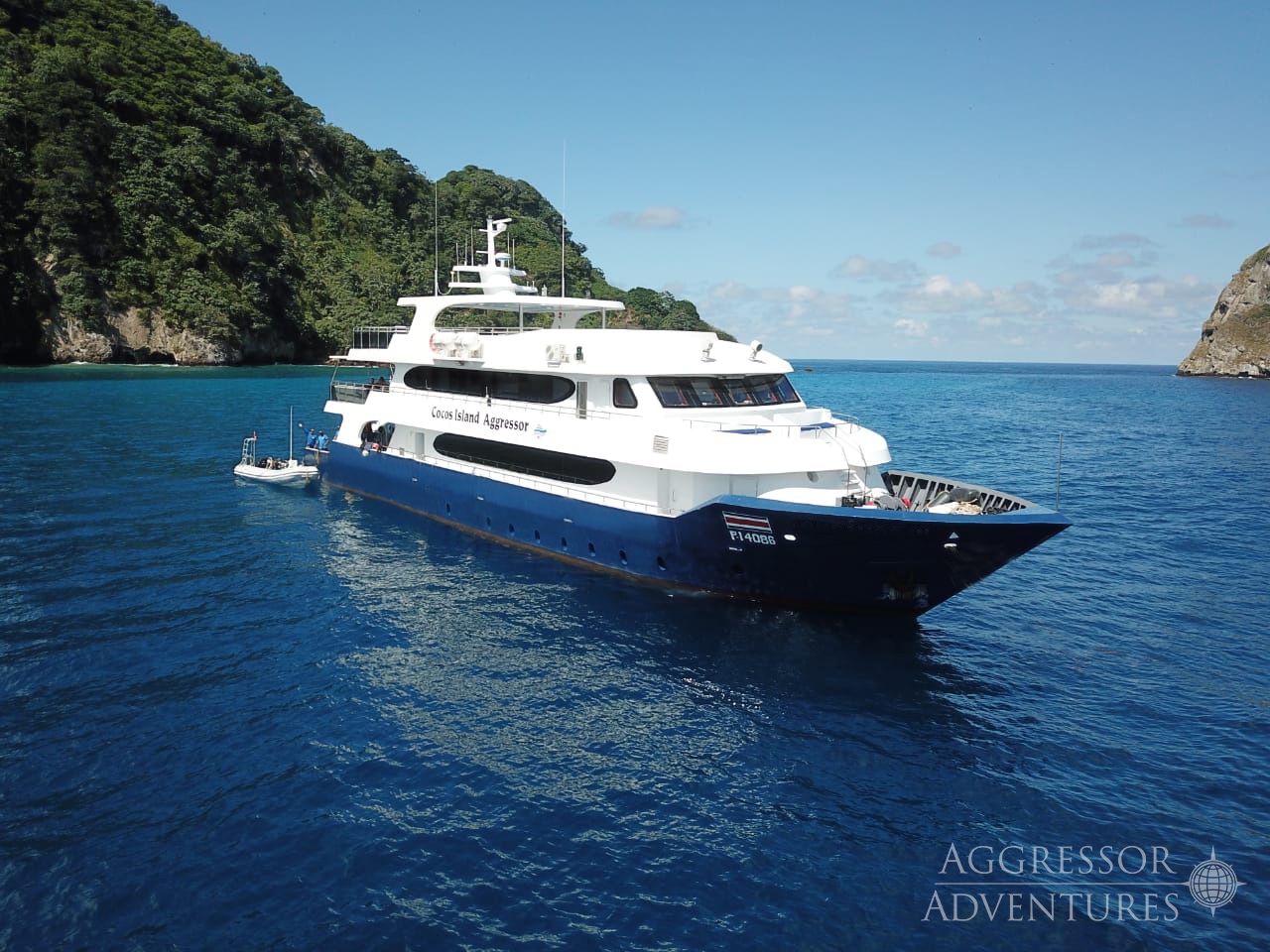
Cocos Aggressor
Costa Rica
22 guests37.8 m
$636/day
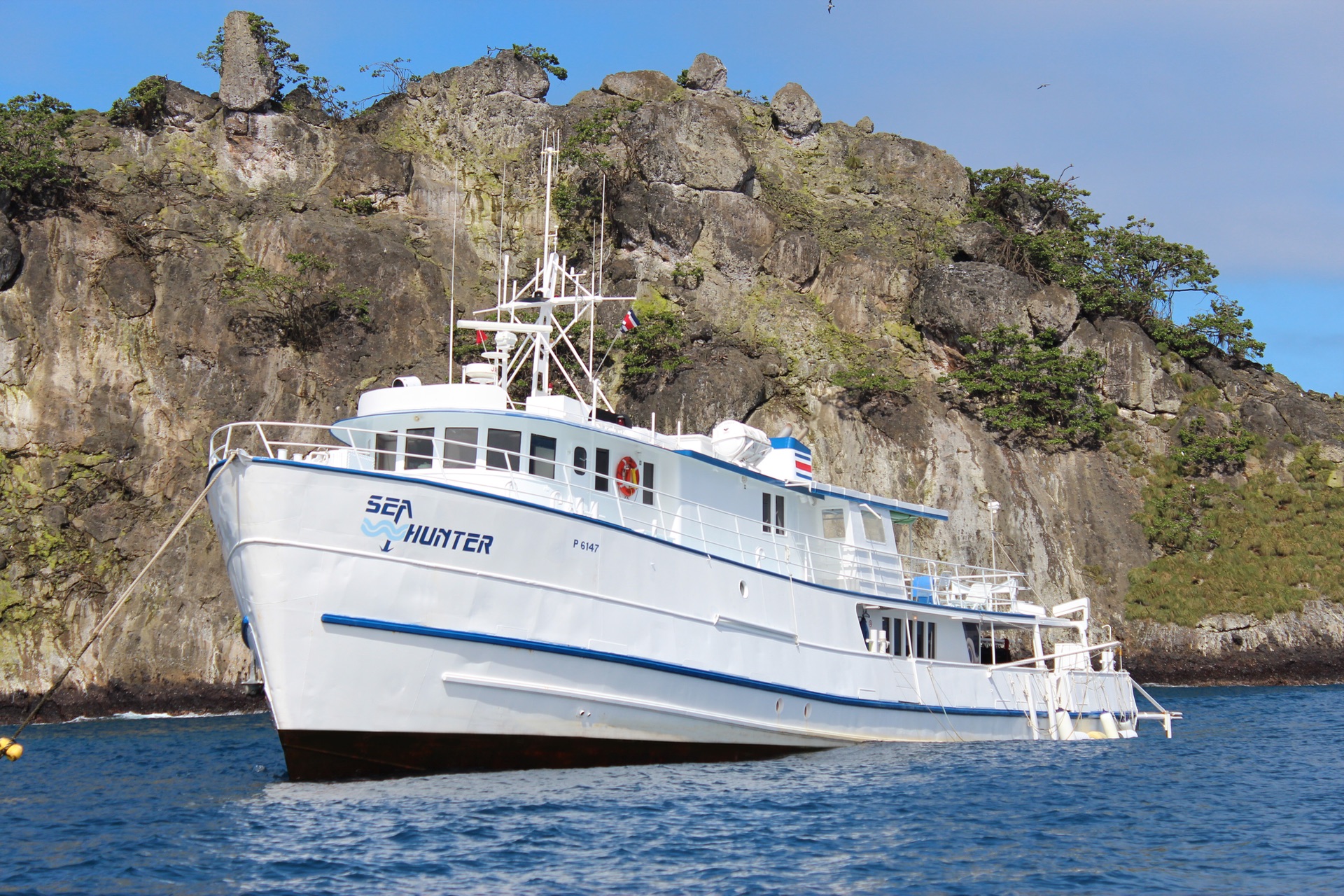
Sea Hunter
Costa Rica
20 guests
$690/day
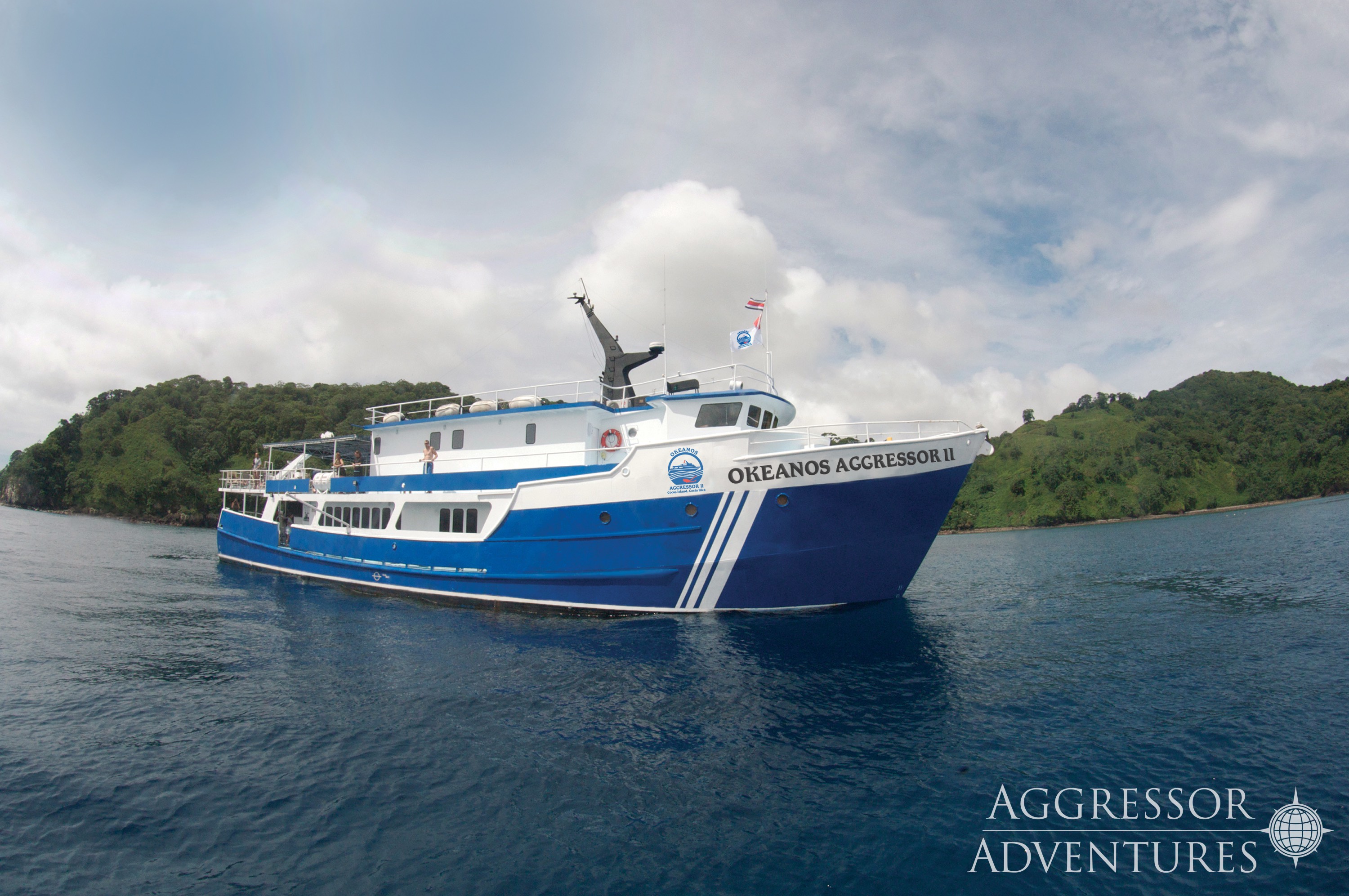
Okeanos Aggressor II
Costa Rica
24 guests36.6 m
$504/day
Dive sites similar to Gran Susto (Big Scare)
Same character, same waters — six more sites divers love for the exact same reasons.Compare seasons, access and liveaboard routes — then pick the site that fits your trip best.
© Esri — Maxar, Earthstar, GIS
Bajo Negro
Costa Rica
Bajo Negro, or Black Rock, is a captivating dive site located within the Bat Islands in Santa Rosa National Park, off Costa Rica's Pacific coast.
- Suitable for
- Advanced
- Current
- Strong
- Access
- Shore / dayboat
- Depth
- 20–30 m
- Theme
- Pinnacle / Seamount
La Pared is a prominent wall dive located off the Pacific coast of Costa Rica, specifically accessible from areas like Santa Teresa and Malpais on the Nicoya Peninsula.
- Suitable for
- Intermediate
- Current
- Moderate
- Access
- Dayboat
- Depth
- 13–23 m
- Theme
- Wall / Reef
Manuelita is a renowned dive site located off Cocos Island, a UNESCO World Heritage site situated approximately 500 km off Costa Rica's Pacific coast.
- Suitable for
- Intermediate
- Current
- Strong
- Access
- Liveaboard only
- Depth
- 5–40 m
- Theme
- Wall
© Esri — Maxar, Earthstar, GIS
Catalina Grande
Costa Rica
Catalina Grande is a premier dive site within the Catalina Islands archipelago, a collection of volcanic pinnacles located off the North Pacific coast of Guanacaste, Costa Rica.
- Suitable for
- Intermediate
- Current
- Strong
- Access
- Liveaboard only
- Depth
- 14–40 m
- Theme
- Wall
La Punta, part of the Catalina Islands archipelago in Costa Rica, offers an exhilarating dive experience for those seeking encounters with diverse marine life.
- Suitable for
- Intermediate
- Current
- Strong
- Access
- Liveaboard only
- Depth
- 12–34 m
- Theme
- Reef / Wall
© Esri — Maxar, Earthstar, GIS
Monkey Head
Costa Rica
Monkey Head, locally known as Cabeza de Mono, is a popular dive site off the Pacific coast of Costa Rica, named for its distinctive rock formation resembling a monkey's head at the surface.
- Suitable for
- Intermediate
- Current
- Strong
- Access
- Liveaboard only
- Depth
- 8–22 m
- Theme
- Wall