About La Pared
La Pared is a prominent wall dive located off the Pacific coast of Costa Rica, specifically accessible from areas like Santa Teresa and Malpais on the Nicoya Peninsula. Translating to "The Wall," this site lives up to its name, presenting a large rock wall that plunges into moderate depths, attracting a diverse range of marine species. While some sources place La Pared within the Catalina Islands, others describe it as an independent wall dive near Santa Teresa. It features a predominantly encrusted wall structure, providing ample habitat for various invertebrates and reef fish. Depths typically range from around 13 to 23 meters (43 to 74 feet), making it suitable for a broad spectrum of certified divers. The dive experience at La Pared often involves navigating along the impressive rock face, where divers can observe numerous reef fish, eels, and smaller invertebrates. Sharks and rays are also commonly sighted in the vicinity, adding to the excitement. Although currents can be present, the site is generally considered more mellow than some of its more exposed counterparts, allowing for significant bottom time and thorough exploration. Water temperatures at La Pared are noticeably warmer than deeper sites, often ranging from 26 to 30°C (78 to 86°F), making for a comfortable dive. Visibility, while sometimes limited, typically allows for good appreciation of the encrusted wall and its inhabitants. The overall experience offers a rich marine encounter in a distinctive topographical setting.
Highlights
Massive rock wall topographyDiverse encrusted reef lifeCommon shark sightingsSightings of various raysAccessible depth profileWarmer water temperaturesExploration along wall formation
Best Season
The dry season, from December to April, is generally recommended for diving in this region, offering calmer seas. However, La Pared can be dived year-round, with pelagic sightings potentially increasing during the rainy season from June to November.
Dive site facts: La Pared
- Depth
- 13–23 m
- Typical dive
- 13–18 m, 41–45 min
- Current
- Moderate
- Visibility
- Limited to good
- Water temperature
- 26–30°C (78–86°F)
- Entry
- Boat from Malpais
- Level
- Advanced Open Water recommended
- Dive type
- Wall, reef, big_animals
- Region / port
- Nicoya Peninsula, Pacific Coast
- Coordinates
- 7.9314° N, 86.2052° W
Conditions & Currents
Currents at La Pared are typically present and can be noticeable, though they are often described as manageable. Divers should be comfortable with navigating mild to moderate currents, which may necessitate drift diving techniques depending on conditions. The site is not usually a 'free descent and ascent' type like some Catalina Islands dives, but good buoyancy control is crucial for wall navigation. Visibility can vary, potentially being limited at times, requiring divers to stay close to their buddies. Water temperatures are generally warm, ranging from 26 to 30°C, but divers should still be prepared for possible thermoclines, especially in deeper sections or during certain seasons. Entry and exit are typically boat-based, often out of Malpais or similar nearby ports, and surface conditions can fluctuate.
Marine life & sighting chances
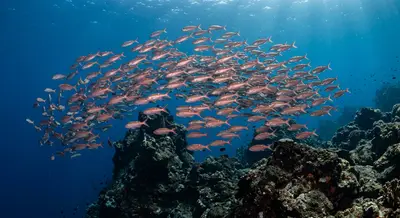
Pacific reef shark
January · occasional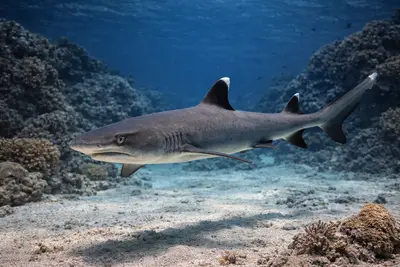
Whitetip reef shark
common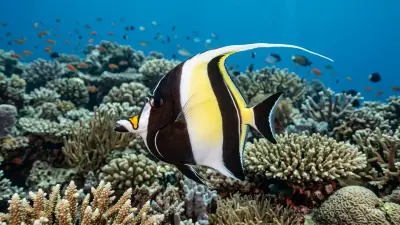
Moorish idol
common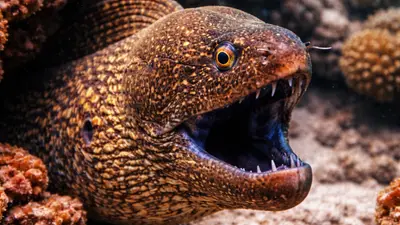
Eel
common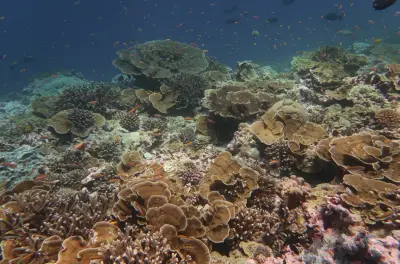
Invertebrates (small)
common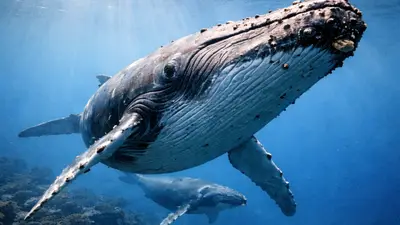
Humpback whale (calls)
January · occasionalRay (unspecified)
commonDive profile & how the dive runs
Dives at La Pared typically begin with a boat entry from nearby ports such as Malpais. Upon descent, divers encounter the prominent rock wall that defines the site, which extends to a maximum depth of about 23 meters (74 feet). The dive often involves exploring along this wall, observing the diverse encrusted marine life and seeking out resident reef fish, eels, and other small invertebrates. Average depths for the dive are usually around 13-18 meters (44 feet), allowing for ample bottom time, often exceeding 40 minutes. While currents can be present, the wall provides a clear feature to follow. The dive concludes with a gradual ascent, performing a safety stop in shallower waters along the wall before surfacing for boat pick-up.
Underwater photography
La Pared offers strong opportunities for wide-angle photography, capturing the dramatic rock wall and its abundant encrusting life. A wide-angle lens would be ideal for conveying the scale of the wall. For subjects like eels, small reef fish, and invertebrates tucked into crevices, a macro lens or a wet macro lens can yield excellent results. Given potentially limited visibility, strobes are highly recommended to bring out color and improve contrast, especially in ambient light conditions. Divers should maintain excellent buoyancy control to avoid contact with the delicate wall ecosystems and to capture clear shots in varying currents. Patient observation of the wall's many nooks and crannies will reward photographers with unique subjects.
Combine with nearby dive sites
- Manuelita
Manuelita is a renowned dive site located off Cocos Island, a UNESCO World Heritage site situated approximately 500 km off Costa Rica's…
- Dirty Rock
Dirty Rock, an iconic dive site at Cocos Island, is primarily known as an exceptional location to encounter schooling hammerheads.
- Submerged Rock
Submerged Rock is a distinctive dive site located off Cocos Island, approximately 500 km (340 miles) west of mainland Costa Rica.
Getting there & logistics
Diving La Pared is typically done as a two-tank day trip by boat from Santa Teresa or Malpais, located on the Nicoya Peninsula. The closest major international airports are San José (SJO), requiring a 4-5 hour drive or shuttle, or a domestic flight to Cobano followed by a taxi. Trips usually include all rental gear and two dives, with a surface interval between sites. Dive operators in the region often combine a dive at La Pared with another site, such as a local shipwreck. Although park fees are not explicitly mentioned for La Pared itself, divers should inquire with local operators about any potential fees for the region. Liveaboards are not common for this specific site, as it is easily accessible via day boat excursions.
Safety & environment
Divers exploring La Pared should be proficient in managing moderate currents and comfortable with variable visibility, which can sometimes be limited. Good buoyancy control is essential, particularly when diving along the wall. While sharks are present, they are generally not aggressive, but standard shark encounter protocols should be observed. The nearest recompression chamber would likely be in a major city like San José, necessitating significant travel time in case of a serious diving incident. Comprehensive dive insurance that covers medical emergencies and evacuation is strongly recommended. Divers should always dive within their certification limits and follow dive leader instructions, especially concerning buddy separation in low visibility and managing bottom time in current-affected areas.
Who it suits — and who it doesn't
Suited for
- Advanced Open Water certified divers
- Divers comfortable with moderate currents
- Wall dive enthusiasts
- Underwater photographers
- Divers seeking diverse reef life
Less suited for
- Beginner divers without current experience
- Divers uncomfortable with variable visibility
- Divers seeking only calm, current-free conditions
- Those expecting pristine, untouched coral reefs
- Divers who prefer shallow, sheltered dives
FAQ
La Pared FAQ
What kind of marine life can I expect to see at La Pared?
La Pared is home to a variety of marine species typically found on Pacific wall dives. You can commonly encounter numerous reef fish, various types of eels, and small invertebrates nestled in the wall's crevices. Sharks and rays are frequently sighted, and if you are diving in January, you might even hear the distant calls of migrating humpback whales.
How strong are the currents at La Pared?
Currents at La Pared are generally moderate but can be strong at times. Divers should be prepared for drift diving conditions and have good buoyancy control to manage their position along the wall. It is considered a more mellow dive compared to some other sites, but current experience is beneficial.
Is La Pared suitable for beginner divers?
While some sources indicate it can be suitable for all levels, an Advanced Open Water certification is recommended due to potential currents and depths up to 23 meters (74 feet). Beginners comfortable with currents and wall diving might manage, but those without such experience may find it challenging.
What is the typical water temperature and visibility at La Pared?
Water temperatures at La Pared are pleasantly warm, often ranging from 26 to 30°C (78 to 86°F), making it a comfortable dive. Visibility can be variable, sometimes limited, but generally allows for good views of the wall and marine life. Thermoclines are possible, especially at deeper points.
How do I access La Pared for diving?
La Pared is typically accessed via day boat trips departing from coastal towns like Malpais or Santa Teresa on Costa Rica's Nicoya Peninsula. These trips are usually two-tank dives, often combining La Pared with another local site such as a nearby shipwreck. Liveaboards are not common for this specific site.
Why dive La Pared from a liveaboard?
La Pared is one of Costa Rica's signature dive sites. A liveaboard sleeps you on the water and puts you in the water for three to four guided dives per day, including dawn and night dives that day-boat operators rarely offer. You skip the daily commute back to port and reach quieter, less-crowded sites in the same region on a single trip.
Below are the liveaboards that include La Pared on their Costa Rica itineraries.
Liveaboards diving La Pared
These liveaboards may visit La Pared on selected itineraries — the exact dive sites depend on departure, weather and conditions.
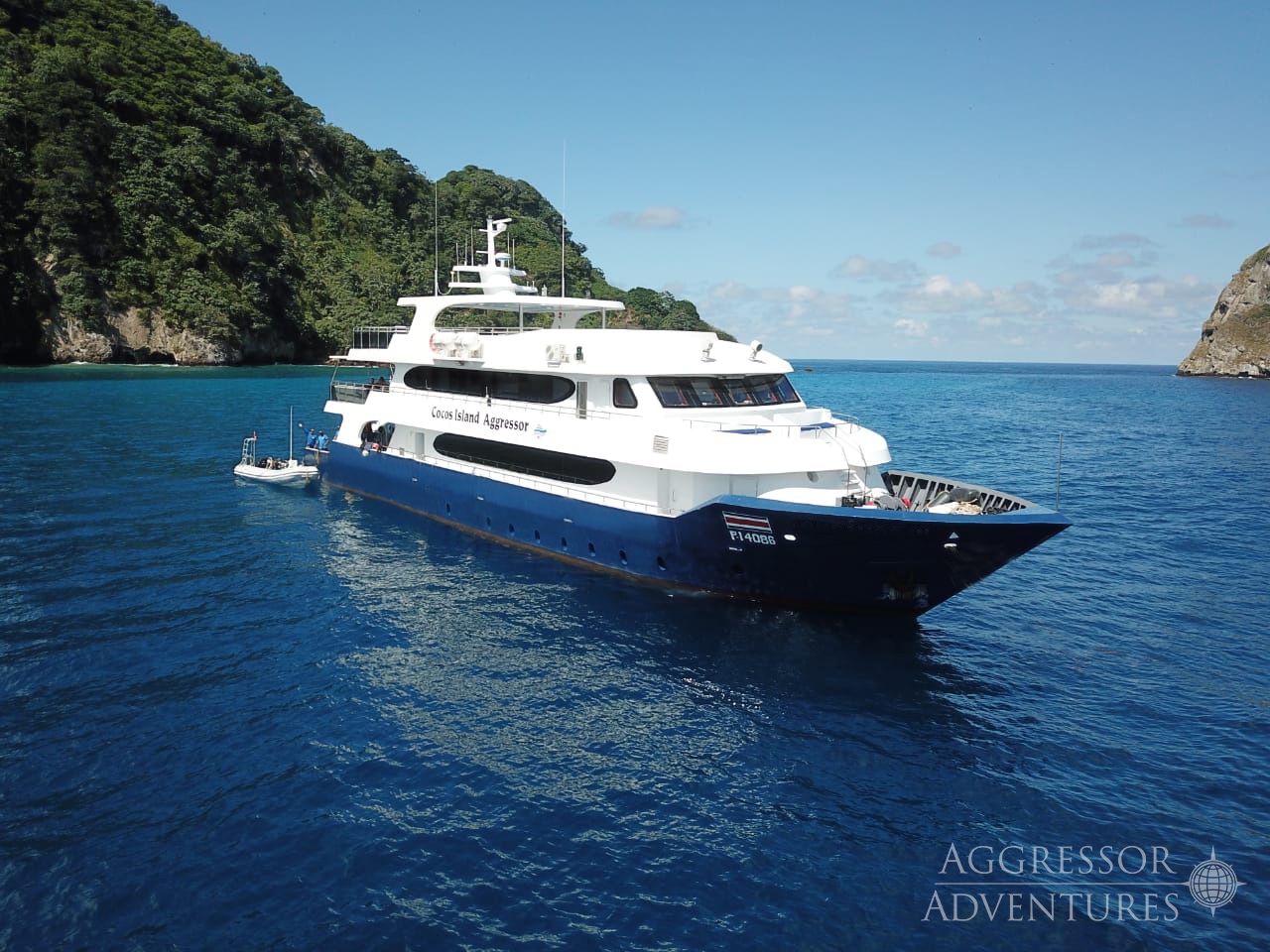
Cocos Aggressor
Costa Rica
22 guests37.8 m
$477/day
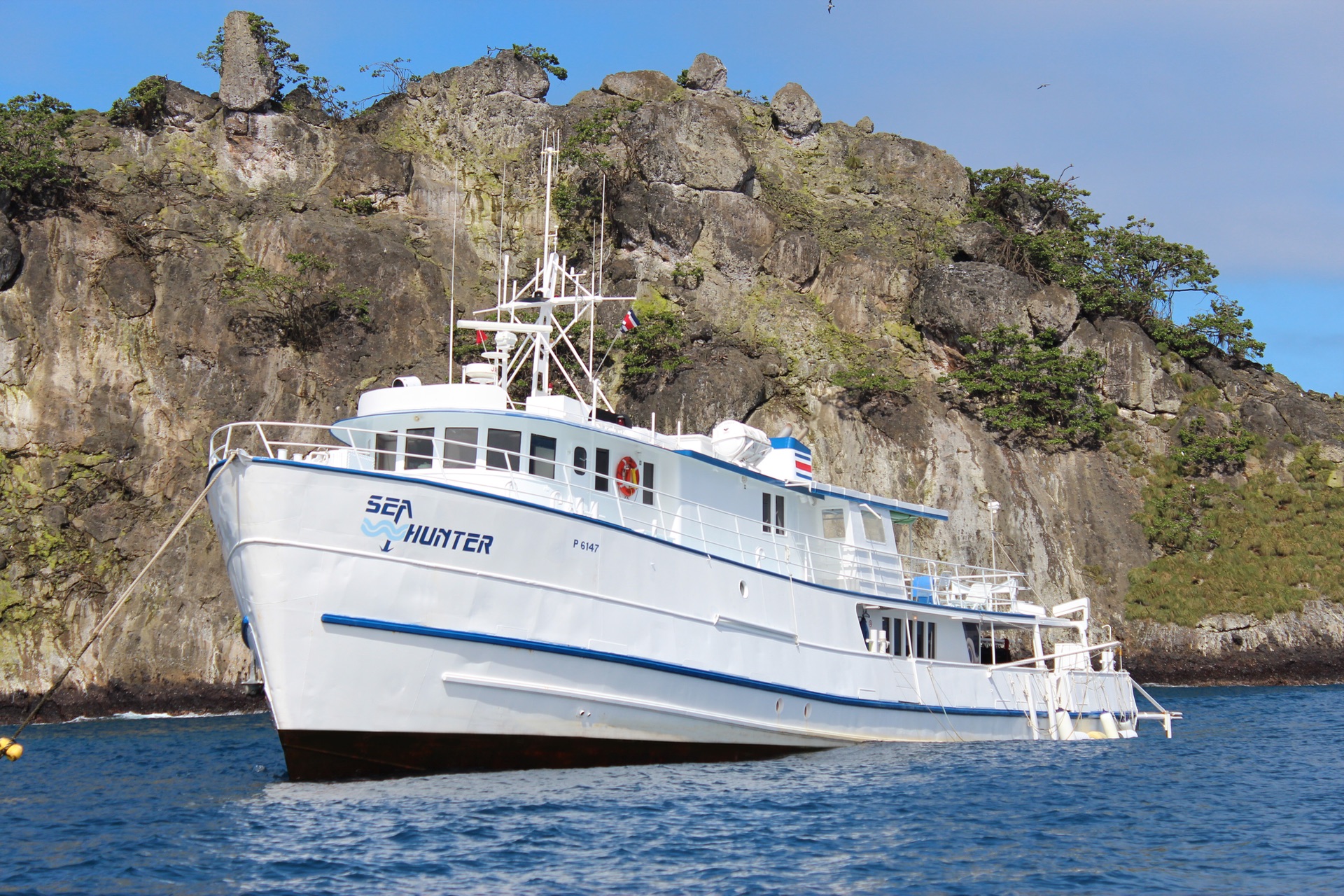
Sea Hunter
Costa Rica
20 guests
$690/day
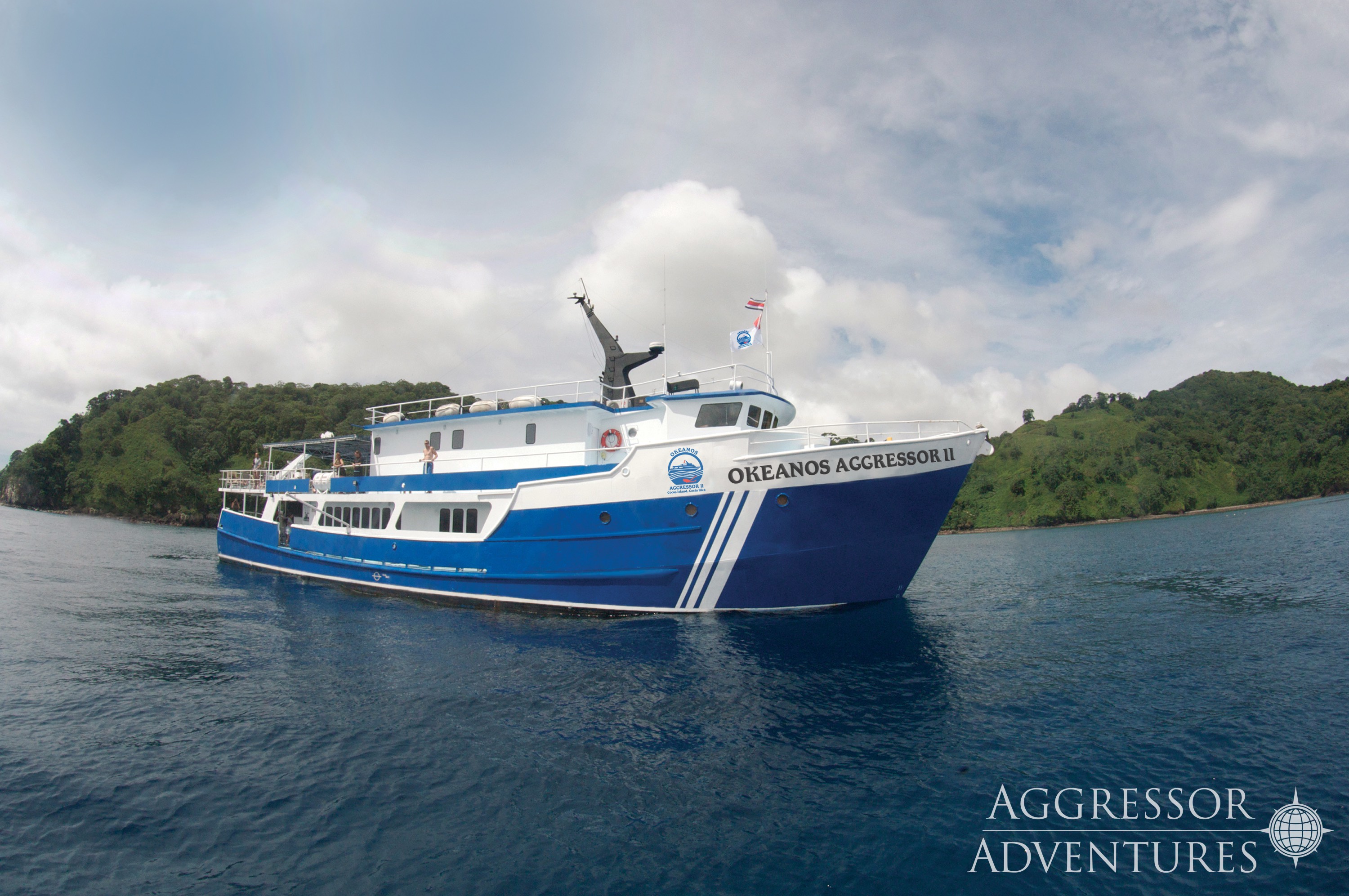
Okeanos Aggressor II
Costa Rica
24 guests36.6 m
$582/day
Dive sites similar to La Pared
Same character, same waters — six more sites divers love for the exact same reasons.Compare seasons, access and liveaboard routes — then pick the site that fits your trip best.
© Esri — Maxar, Earthstar, GIS
Bajo Negro
Costa Rica
Bajo Negro, or Black Rock, is a captivating dive site located within the Bat Islands in Santa Rosa National Park, off Costa Rica's Pacific coast.
- Suitable for
- Advanced
- Current
- Strong
- Access
- Shore / dayboat
- Depth
- 20–30 m
- Theme
- Pinnacle / Seamount
© Esri — Maxar, Earthstar, GIS
Brumel Deep
Costa Rica
Brumel Deep, a prominent dive site just a 20-minute boat ride from Flamingo Marina, offers a protected environment, making it an excellent choice when stronger winds affect the main Catalina Islands.
- Suitable for
- Intermediate
- Current
- Mild
- Access
- Dayboat
- Depth
- ≤ 30 m
- Theme
- Reef
© Esri — Maxar, Earthstar, GIS
Los Sombreros
Costa Rica
Los Sombreros, named for its two small islets resembling Mexican hats, offers a boat dive experience in the Catalina Islands suitable for mixed-experience groups.
- Suitable for
- Intermediate
- Current
- Moderate
- Access
- Dayboat
- Depth
- 8–25 m
- Theme
- Reef / Drift
Elefante is a prominent dive site within the volcanic Catalinas Islands, located off Costa Rica's northern Pacific coast in Guanacaste.
- Suitable for
- Advanced
- Current
- Moderate
- Access
- Dayboat
- Depth
- 13–23 m
- Theme
- Reef
Arco Iris, or "Rainbow" in Spanish, is a prominent dive site located near Brumel Island (Penahuaste), approximately 8km north of Playa Potrero in Costa Rica.
- Suitable for
- Beginner
- Current
- Moderate
- Access
- Dayboat
- Depth
- 9–30 m
- Theme
- Reef