About Submerged Rock
Submerged Rock is a distinctive dive site located off Cocos Island, approximately 500 km (340 miles) west of mainland Costa Rica. This site is characterized by a prominent pinnacle formation that features a beautiful arch, offering divers a unique swim-through experience. It is particularly renowned as a crucial nursery area for white-tip sharks, where divers frequently observe young sharks and even pregnant females taking refuge in its depths. The topography of Submerged Rock includes depths ranging from 15 to 20 meters (50 to 70 feet), making it accessible for observation of its resident marine life. The site's protected nature contributes to its role as a breeding ground, fostering a rich environment for these sharks. While white-tip sharks are a constant highlight, the site also supports a diverse ecosystem typical of Cocos Island's pelagic-rich waters. The nutrient-rich upwellings around Cocos Island generally attract a variety of large marine species, and while not specifically detailed for Submerged Rock, its function as a nursery indicates a healthy environment. Diving Submerged Rock typically involves exploration of the pinnacle and its arch, providing opportunities for observing the shark nursery. Access to this remote site is exclusively via liveaboard, following a multi-hour journey from Puntarenas, catering to experienced divers due to the often strong currents and remote nature of Cocos Island.
Highlights
Pinnacle with archWhite-tip shark nurseryPregnant shark sightingsSwim-through featureCocos Island pelagic ecosystem
Season calendar
Best months to dive here
Jan
Feb
Mar
Apr
May
Jun
Jul
Aug
Sep
Oct
Nov
Dec
Excellent
Good
Dive site facts: Submerged Rock
- Depth
- 15–20 m
- Current
- Moderate to Strong
- Visibility
- 9–30 m
- Water temperature
- 15–29°C (with thermoclines)
- Entry
- Tender / Negative entry possible
- Level
- Advanced
- Dive type
- Pinnacle, Big Animals, Shark
- Night dive
- Not possible
- Region / port
- Cocos Island, Puntarenas Province
- Coordinates
- 7.9174° N, 86.2772° W
Conditions & Currents
Currents around Cocos Island, and by extension at Submerged Rock, can be notably strong, especially during the rainy season when nutrient-rich upwellings are prevalent. Divers should anticipate moderate to strong currents and be prepared for potential drift diving conditions. Surface conditions can also be rough, particularly during the wet season, requiring experienced divers and potentially negative entries from tenders. Water temperature typically ranges between 26°C to 29°C (79°F to 84°F), but thermoclines are common, with temperatures dropping to 21°C (70°F) or even as low as 15°C (low 60s°F) at deeper levels, necessitating appropriate thermal protection. Visibility, while generally good, can fluctuate from 9 to 30 meters (30 to 100 feet), sometimes reducing during plankton blooms but often correlating with increased pelagic encounters. Dive operators typically arrange transfers to
Marine life & sighting chances
White-tip shark
common
Scalloped hammerhead shark
June to November · common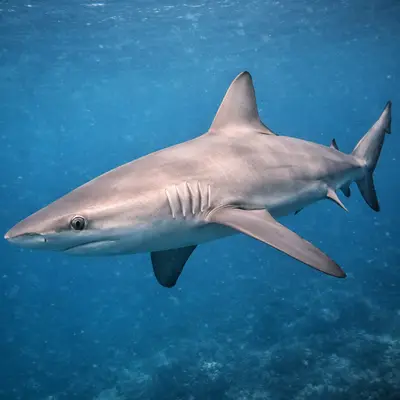
Galapagos shark
occasional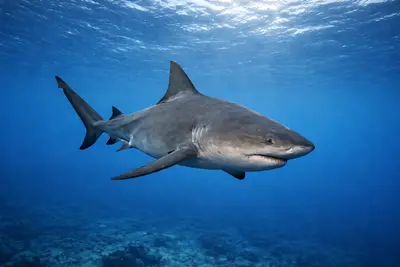
Bull shark
occasional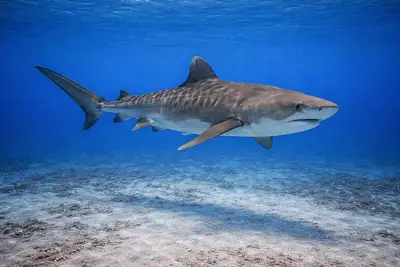
Tiger shark
occasional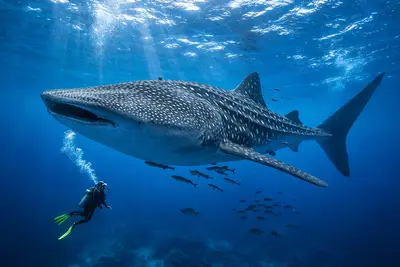
Whale shark
June to November · occasional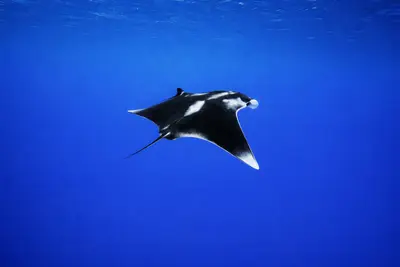
Oceanic manta ray
June to November · occasional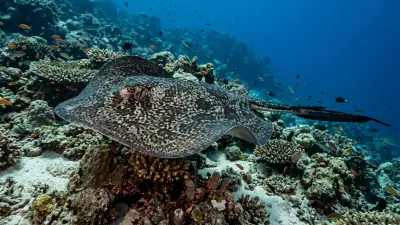
Marble ray
occasional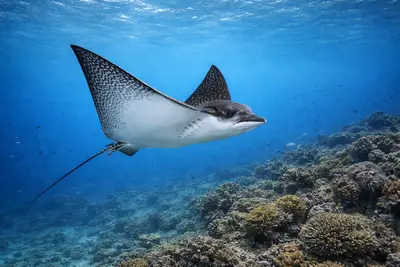
Eagle ray
occasional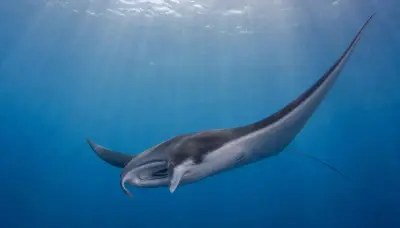
Mobula ray
occasional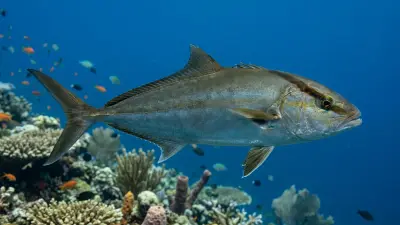
Jack
common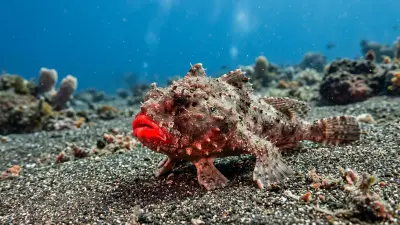
Red-lipped batfish
occasional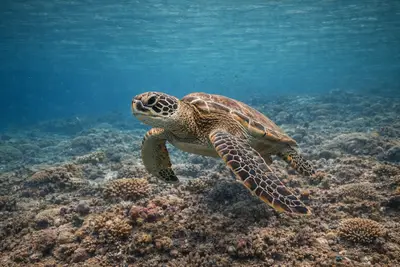
Turtle
occasionalDive profile & how the dive runs
Dives at Submerged Rock typically begin with a tender drop-off directly over the pinnacle, often requiring a negative entry due to potential currents. Divers descend to explore the pinnacle, focusing on the arch feature located at depths of 15 to 20 meters (50 to 70 feet). The route often involves circumnavigating the pinnacle, allowing observation of white-tip sharks, particularly pregnant females, sheltering in crevices and around the base. The dive progresses along the contours of the rock, maintaining awareness of current direction and depth. Towards the end of the dive, a gradual ascent is made, with a safety stop typically performed in the shallower sections of the pinnacle, or as a drift stop if currents are strong, always under the guidance of the divemaster.
Underwater photography
Submerged Rock is an excellent site for capturing wide-angle shots due to its distinctive pinnacle and arch, and the high likelihood of encountering large animals like white-tip sharks. A wide-angle lens is ideal for showcasing the topography and schools of sharks. Consider using strobes to bring out the vibrant colors and details of the reef and marine life, especially in deeper areas or during lower visibility periods. Pay attention to buoyancy, especially when navigating the arch, to avoid disturbing the sensitive environment. When photographing sharks, maintain a respectful distance and observe their natural behavior without causing stress. Given the potential for strong currents, ensure your camera setup is streamlined and secure.
Combine with nearby dive sites
- Bajo Alcyone
Famous seamount for hammerhead schools, summit at 27 meters
- Dirty Rock
Rock formation attracting diverse marine life including hammerheads and rays
- Manuelita Coral Garden
Protected site ideal for macro photography and smaller reef creatures
- Ulloa and Lobster Rock
Popular for schools of reef fish, cottonmouth jacks, and whitetip shark cleaning stations
- Chatham Bay
Shallow, easy checkout dive site with hard coral and macro life
Getting there & logistics
Access to Submerged Rock, like all Cocos Island dive sites, is exclusively via liveaboard. Divers typically fly into Juan Santamaría International Airport (SJO) in San José, Costa Rica, at least one day prior to their liveaboard departure. Transfers, usually arranged by the dive operator, then transport divers by minibus to Puntarenas on the Pacific Coast, the main departure port for Cocos Island. The sea journey from Puntarenas to Cocos Island is a significant undertaking, lasting approximately 36 hours. Liveaboard trips typically range from 10 nights, offering around 24 dives. There are specific park fees for Cocos Island, which is a fiercely protected UNESCO World Heritage site. It is advisable to book liveaboard space 12-18 months in advance due to high demand, especially during peak seasons.
Safety & environment
Diving at Submerged Rock on Cocos Island is recommended for experienced divers due to potentially strong currents, deep dive profiles, and its remote location. Divers should possess advanced open water certification and be proficient in drift diving and current management. The nearest recompression chamber is located in San José, Costa Rica, which is a significant distance and requires emergency evacuation. Divers must have comprehensive dive accident insurance, such as DAN, that covers medical emergencies, recompression treatment, and emergency evacuation from a remote oceanic location. Site-specific hazards include variable currents and occasional thermoclines, which can cause sudden temperature drops. Always dive with a qualified guide, maintain excellent buoyancy control, and adhere to dive plan limits, particularly no-decompression limits, given the remoteness of medical assistance.
Who it suits — and who it doesn't
Suited for
- Advanced divers comfortable with strong currents
- Divers seeking pelagic encounters and shark action
- Underwater photographers targeting wide-angle subjects
- Experienced liveaboard enthusiasts
- Divers interested in marine nurseries and breeding grounds
Less suited for
- Beginner divers
- Divers uncomfortable with strong currents or deep dives
- Individuals prone to seasickness on long crossings
- Divers seeking exclusively shallow, calm reef diving
- Those without comprehensive dive accident insurance
FAQ
Submerged Rock FAQ
What kind of marine life can I expect to see at Submerged Rock?
Submerged Rock is particularly famous as a nursery for white-tip sharks, so you can expect frequent sightings of both young sharks and pregnant females. Additionally, being part of Cocos Island's rich pelagic ecosystem, there's a good chance to spot larger species like scalloped hammerheads, various rays (marble, eagle, mobula), and schooling jacks, although these are not guaranteed for every dive.
What are the typical dive conditions at Submerged Rock?
Dive conditions can be challenging, suitable for advanced divers. You should anticipate moderate to strong currents, and surface conditions may be rough, especially during the rainy season. Water temperatures range from 26-29°C at the surface but can drop significantly to 15-21°C in thermoclines at depth. Visibility is generally good, between 9 and 30 meters, but can be reduced by plankton blooms that also attract more pelagic life.
Is Submerged Rock suitable for beginner divers?
No, Submerged Rock, like most sites around Cocos Island, is not suitable for beginner divers. Its remote location, potential for strong currents, and often deep dive profiles require advanced diving skills and experience. It is recommended for advanced certified divers who are comfortable with challenging conditions and pelagic diving.
How do I get to Submerged Rock?
Submerged Rock is only accessible via liveaboard from Puntarenas, Costa Rica. You'll typically fly into San José (SJO), then take a pre-arranged transfer to Puntarenas. The liveaboard journey to Cocos Island takes approximately 36 hours, making it a significant travel commitment. There are no day trips to this remote site.
What is the best time of year to dive Submerged Rock?
You can dive Cocos Island year-round. However, the rainy season (June to November) is considered prime for pelagic encounters, including hammerheads and whale sharks, despite potentially lower visibility due to plankton blooms. The dry season (December to May) offers calmer seas and better visibility but might have slightly fewer pelagic species.
Why dive Submerged Rock from a liveaboard?
Submerged Rock is one of Costa Rica's signature dive sites. A liveaboard sleeps you on the water and puts you in the water for three to four guided dives per day, including dawn and night dives that day-boat operators rarely offer. You skip the daily commute back to port and reach quieter, less-crowded sites in the same region on a single trip.
Below are the liveaboards that include Submerged Rock on their Costa Rica itineraries.
Liveaboards diving Submerged Rock
These liveaboards may visit Submerged Rock on selected itineraries — the exact dive sites depend on departure, weather and conditions.
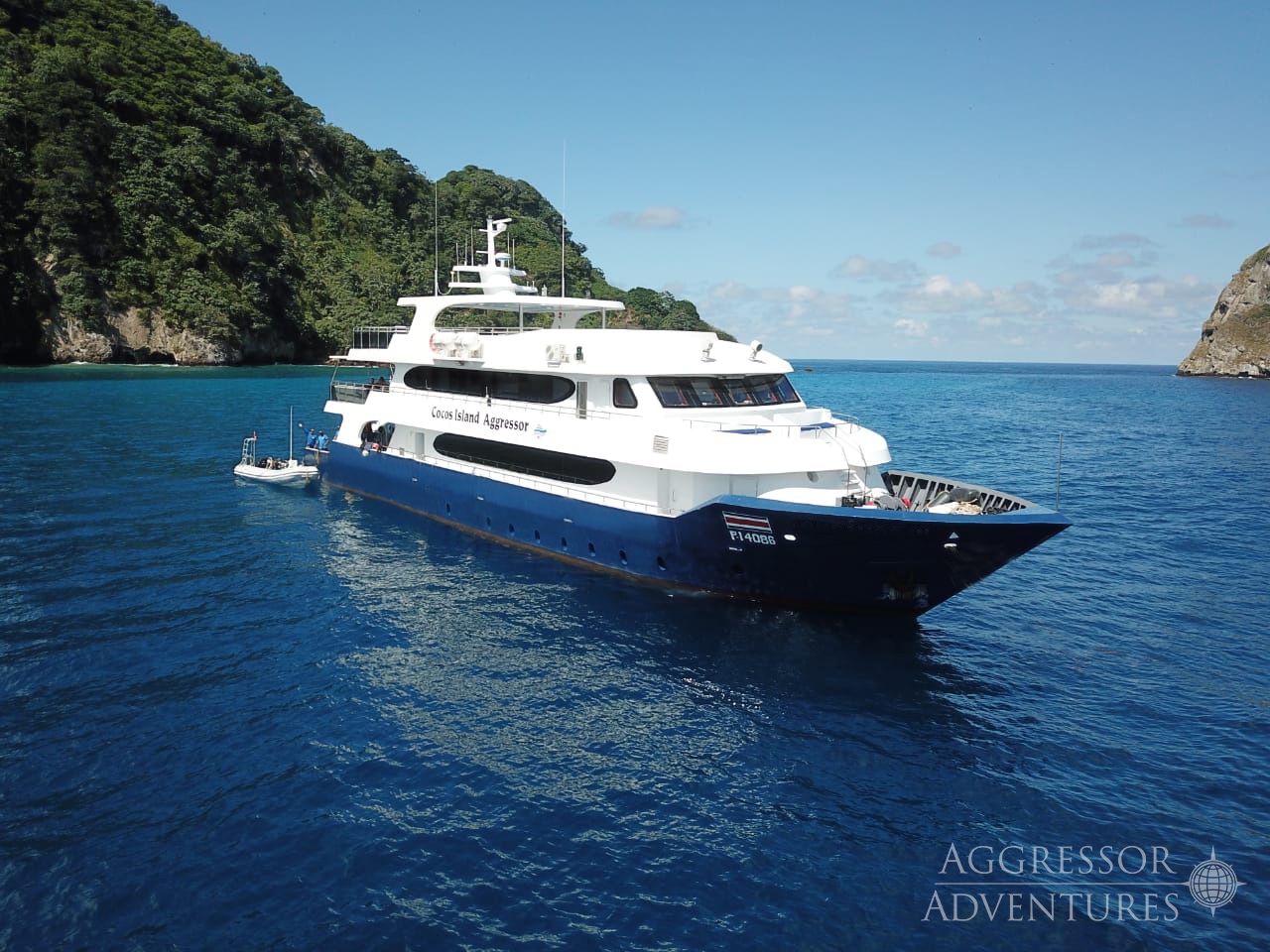
Cocos Aggressor
Costa Rica
22 guests37.8 m
$477/day
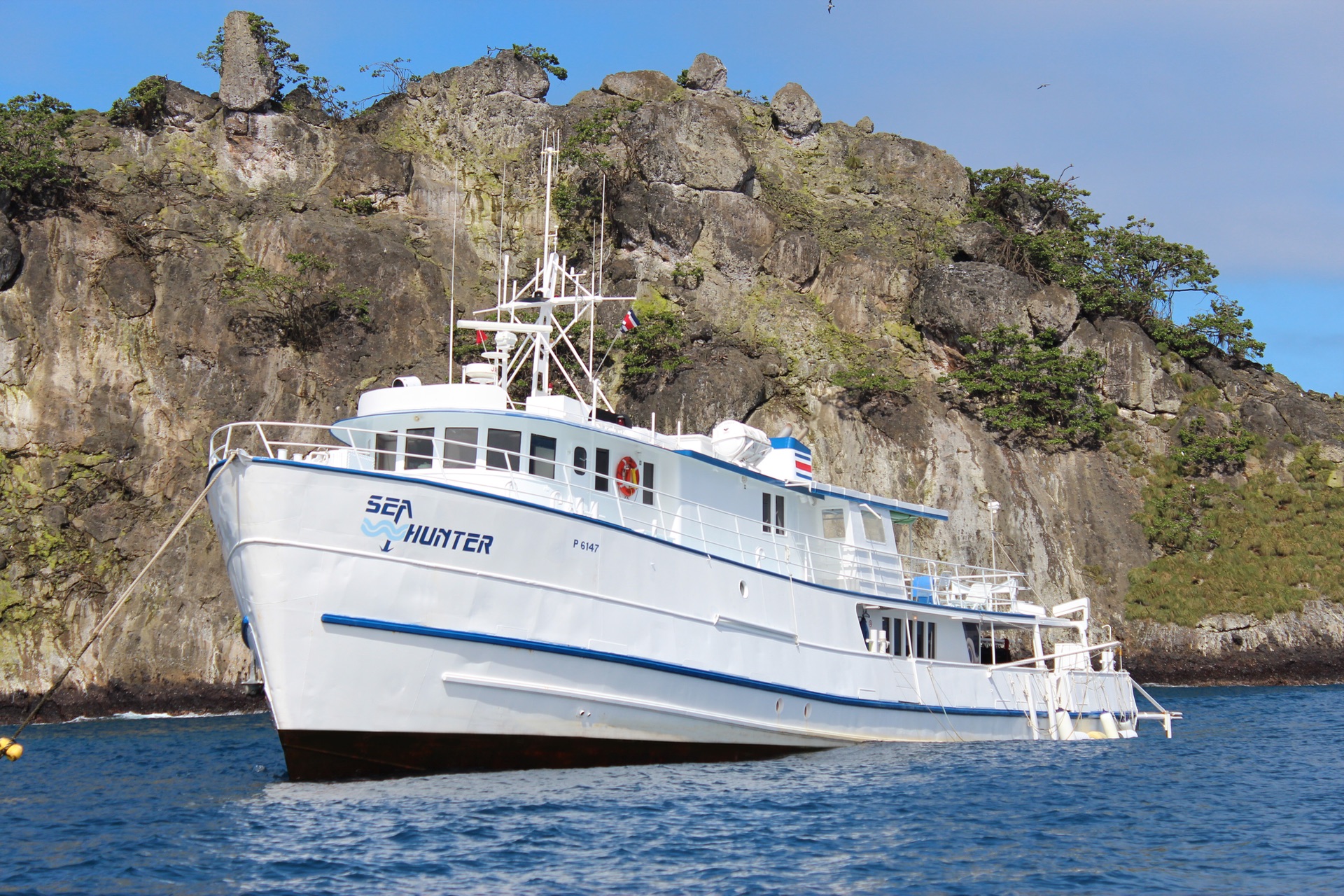
Sea Hunter
Costa Rica
20 guests
$690/day
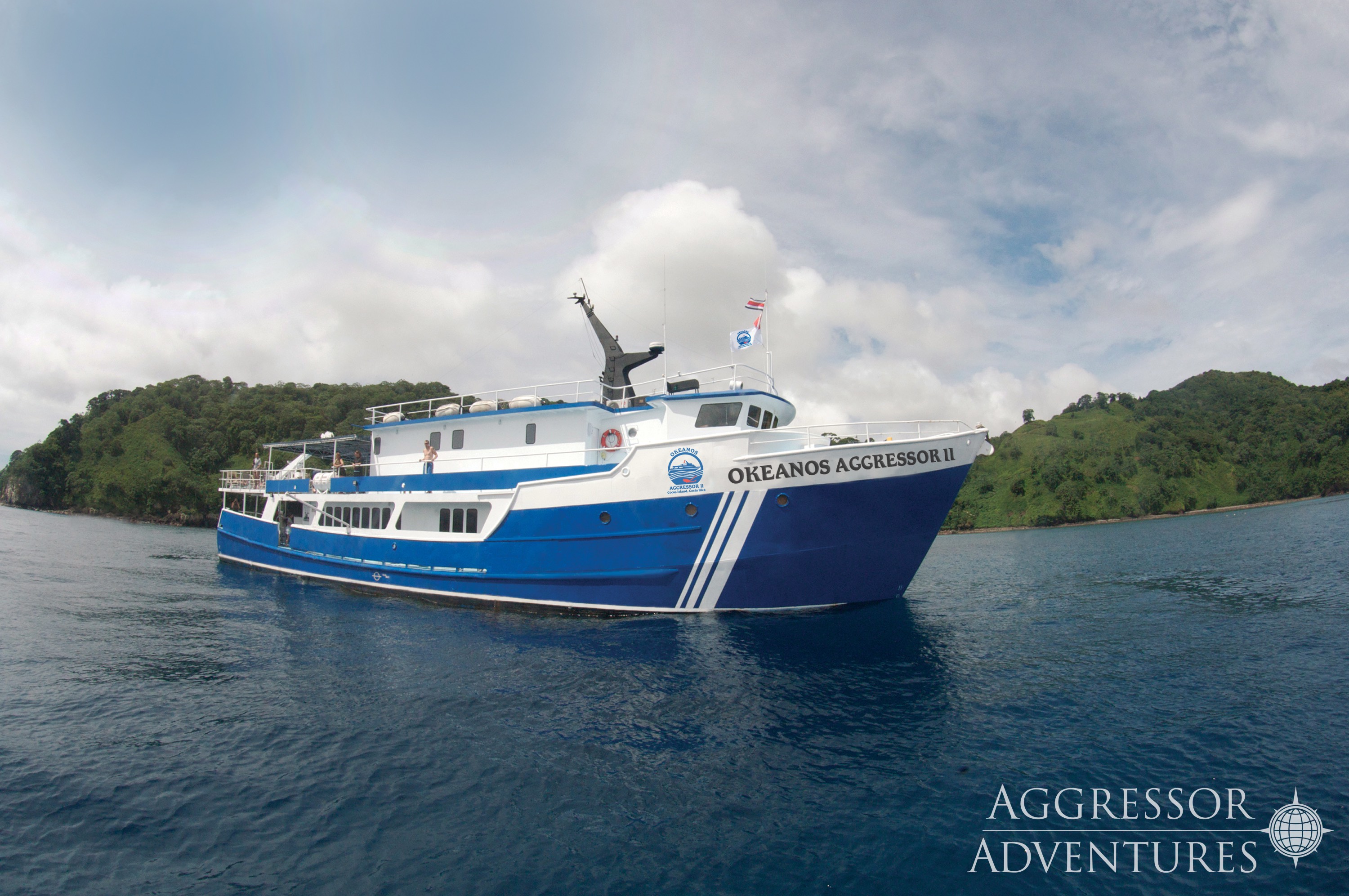
Okeanos Aggressor II
Costa Rica
24 guests36.6 m
$582/day
Dive sites similar to Submerged Rock
Same character, same waters — six more sites divers love for the exact same reasons.Compare seasons, access and liveaboard routes — then pick the site that fits your trip best.
© Esri — Maxar, Earthstar, GIS
Bajo Negro
Costa Rica
Bajo Negro, or Black Rock, is a captivating dive site located within the Bat Islands in Santa Rosa National Park, off Costa Rica's Pacific coast.
- Suitable for
- Advanced
- Current
- Strong
- Access
- Shore / dayboat
- Depth
- 20–30 m
- Theme
- Pinnacle / Seamount
© Esri — Maxar, Earthstar, GIS
Dos Sombreros
Costa Rica
Dos Sombreros is a renowned dive site located offshore from Playa Flamingo, forming part of the Catalina Islands chain in Costa Rica's North Pacific region.
- Suitable for
- Intermediate
- Current
- Moderate
- Access
- Dayboat
- Depth
- 12–25 m
- Theme
- Pinnacle
© Esri — Maxar, Earthstar, GIS
Devil's Rock
Costa Rica
Devil's Rock is a prominent dive site located in Costa Rica's Caño Island Biological Reserve, positioned to the northwest as an extension of the larger Bajo del Diablo platform.
- Suitable for
- Advanced
- Current
- Strong
- Access
- Liveaboard or dayboat
- Depth
- 18–35 m
- Theme
- Reef / Pinnacle
© Esri — Maxar, Earthstar, GIS
Black Rock
Costa Rica
Black Rock, also known as Bajo Negro, is a remote and challenging pinnacle dive site situated within the Bat Islands, part of Costa Rica's Santa Rosa National Park.
- Suitable for
- Advanced
- Current
- Strong
- Access
- Dayboat
- Depth
- 20–30 m
- Theme
- Reef / Pinnacle
Wafer Bay, located on the northeastern side of Cocos Island, serves as a crucial entry and exit point for liveaboards exploring this remote Pacific outpost.
- Suitable for
- Advanced
- Current
- Strong
- Access
- Liveaboard only
- Depth
- 6–33 m
- Theme
- Pinnacle / Seamount
© Esri — Maxar, Earthstar, GIS
Viking Rock
Costa Rica
Viking Rock, situated off Cocos Island, provides a serene and captivating dive experience, often serving as a peaceful counterpoint to the island's more current-swept sites.
- Suitable for
- Advanced
- Current
- Mild
- Access
- Liveaboard only
- Depth
- 12–30 m
- Theme
- Pinnacle