About Ulloa and Lobster Rock
Ulloa and Lobster Rock are twin dive sites on Cocos Island, frequently explored together due to their close proximity. This area, known for its volcanic rock formations and unique topography, provides a dynamic environment for divers. The dive site features a significant plateau located north of Lobster Rock, blanketed in Rhodolith, a red algae resembling coral. This unique habitat is home to the endemic Cocos rosy-lipped batfish, a rare sighting. Sandy flats surrounding the main rock formations house nesting triggerfish, flounders, and various eels. While sheltered from strong surface conditions, currents can be swift, requiring divers to be mindful during ascent. The site is a reliable alternative when other, more exposed Cocos sites are challenging. It's renowned for abundant whitetip sharks receiving cleaning services, alongside schools of reef fish, cottonmouth jacks, and surgeonfish. Afternoon dives often reveal spawning black triggerfish and convict tangs, with occasional visits from tiger sharks, manta rays, and silvertip sharks. Accessed by tender from liveaboards, divers typically start at one end and conclude at the other, maximizing their exploration of both Ulloa and Lobster Rock. The varied terrain and rich biodiversity make this a compelling dive for observing both resident reef life and passing pelagics.
Highlights
Endemic Cocos rosy-lipped batfishAbundant whitetip reef sharksRhodolith covered plateauSchools of reef fishSpawning black triggerfishOccasional manta and tiger sharksVolcanic rock formationsSheltered dive conditions
Season calendar
Best months to dive here
Jan
Feb
Mar
Apr
May
Jun
Jul
Aug
Sep
Oct
Nov
Dec
Excellent
Good
Dive site facts: Ulloa and Lobster Rock
- Depth
- 15–30 m
- Current
- Can be swift
- Visibility
- 15–30 m
- Water temperature
- 22–27 °C
- Entry
- Tender
- Level
- Advanced
- Dive type
- Reef, big_animals, cleaning_station
- Night dive
- Not permitted
- Region / port
- Cocos Island
- Coordinates
- 7.7984° N, 86.2452° W
Conditions & Currents
Currents at Ulloa and Lobster Rock can be swift at times, particularly impacting ascent, although the site is generally sheltered from strong surface conditions. Divers may experience some drift, which necessitates good buoyancy control and careful monitoring of dive profiles. Thermoclines are common, with water temperatures ranging from 22 to 27 degrees Celsius. Visibility typically ranges from 15 to 30 meters but can fluctuate due to plankton blooms, which also attract large pelagics. Entry and exit are conducted via tenders from liveaboards. Divers should be proficient in managing currents and prepared for potential temperature drops at depth.
Marine life & sighting chances
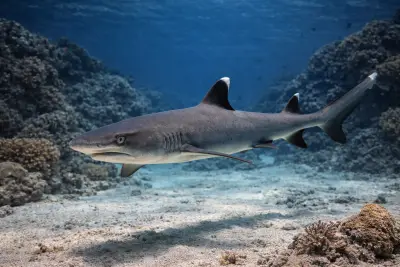
Whitetip reef shark
common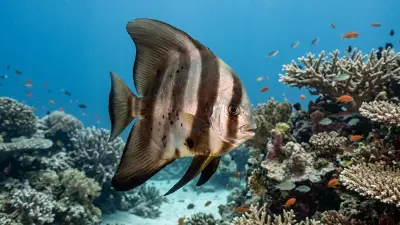
Cocos rosy-lipped batfish
occasional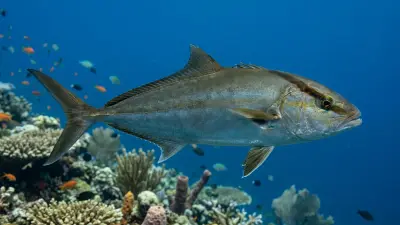
Cottonmouth jacks
common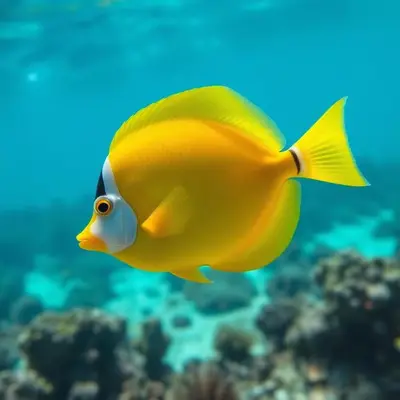
Surgeonfish
common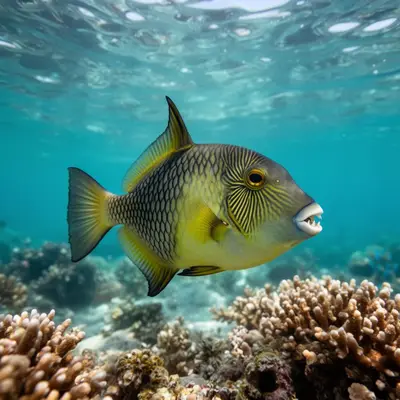
Black triggerfish
Afternoon · common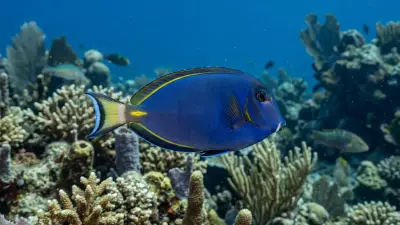
Convict tangs
Afternoon · common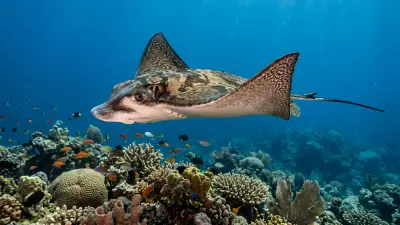
Rays
occasional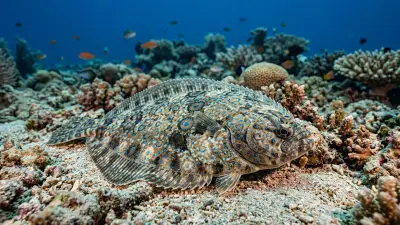
Flounders
occasional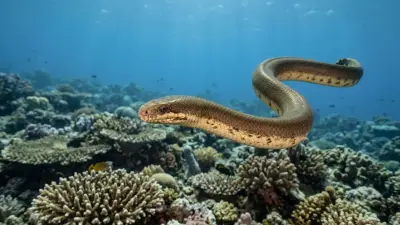
Snake eels
occasional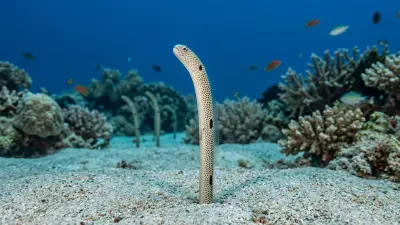
Garden eels
occasional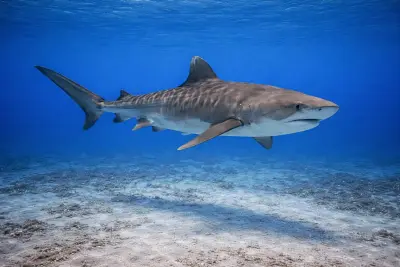
Tiger shark
occasional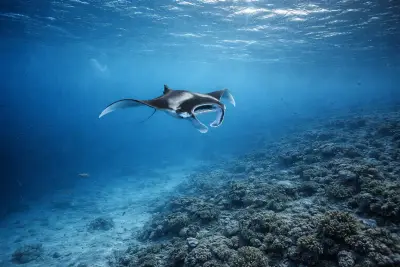
Manta ray
occasional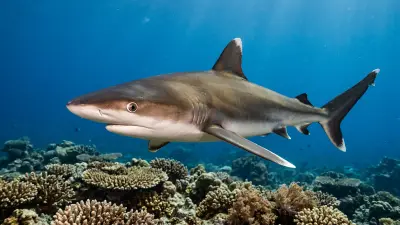
Silvertip sharks
occasional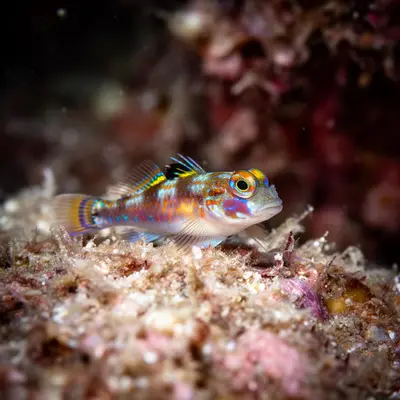
Goby (cleaning fish)
commonDive profile & how the dive runs
Dives at Ulloa and Lobster Rock typically begin with a tender drop-off. Since the sites are close, divers often start at one and finish at the other, making a transit between them. The dive usually commences by exploring the volcanic rock formations, with a focus on schools of reef fish and whitetip sharks at cleaning stations. Divers will progress to depths between 15 and 30 meters, navigating around the structures and checking sandy flats for endemic species and eels. A key area to visit is the Rhodolith-covered plateau to the north, looking for the Cocos rosy-lipped batfish. In the afternoons, divers may observe black triggerfish and convict tangs spawning at the base of Lobster Rock. Attention to current is important, as it can be swift, particularly during ascent. The safety stop will be conducted in shallower, calmer waters before surfacing for tender pick-up.
Underwater photography
Ulloa and Lobster Rock offers both wide-angle and macro opportunities. For macro subjects like the endemic Cocos rosy-lipped batfish, nesting triggerfish, or various eels in the sandy flats, a 60mm or 100mm/105mm lens is essential. External strobes are highly recommended to bring out the vibrant colors of reef fish and the Rhodolith formations. For wide-angle shots, such as schools of cottonmouth jacks, surgeonfish, or the abundant whitetip sharks, a rectilinear wide-angle lens would be suitable, especially with good visibility. Be prepared for potential thermoclines and swift currents, which necessitate good buoyancy control to maintain stable shots. When photographing spawning fish or the elusive batfish, maintain a respectful distance and avoid disturbing their natural behavior.
Combine with nearby dive sites
- Ulloa
Often combined with Lobster Rock
- Chatham Bay
Nearby for checkout dives and macro
- Manuelita Outside
Known for pelagic sightings and cleaning stations
- Manuelita Coral Garden
Protected site for macro and reef fish
- Dirty Rock
Popular rock formation with diverse marine life
- Submerged Rock
Pinnacle with arch, whitetip shark nursery
Getting there & logistics
Cocos Island is a remote, uninhabited national park located 340 miles southwest of Costa Rica, accessible exclusively via liveaboard. Divers fly into San Jose (SJO) at least one day before their cruise departs. Operators arrange transfers from San Jose to Puntarenas on the Pacific Coast, where liveaboards embark for a 36-hour journey to Cocos Island. Trip lengths are typically 10 nights. All diving at Cocos is conducted from tenders, with up to four dives per day. There are no night dives permitted. Park fees are usually included in the liveaboard package, but divers should confirm. Due to its remote nature and potentially challenging conditions, Cocos is recommended for experienced divers.
Safety & environment
Cocos Island is a remote destination, and the nearest recompression chamber is on mainland Costa Rica, implying a significant evacuation time. Comprehensive dive insurance, including coverage for emergency medical care and evacuation, is mandatory for all divers. Divers must be advanced and experienced, comfortable with strong currents, deep dives, and open-ocean conditions. All dives are conducted from tenders. The site can experience swift currents during ascent, requiring divers to manage their buoyancy and air consumption effectively. Thermoclines are common, necessitating appropriate exposure protection. Night diving is not permitted at Cocos Island to preserve the pristine marine environment and ensure diver safety.
Who it suits — and who it doesn't
Suited for
- Experienced divers comfortable with currents
- Divers seeking prolific shark encounters
- Photographers interested in endemic species and schooling fish
- Liveaboard enthusiasts
- Divers who appreciate diverse marine topography
Less suited for
- Beginner or newly certified divers
- Divers prone to seasickness (due to long liveaboard journey)
- Those who prefer shore dives or day trips
- Divers uncomfortable with deep or drift diving
- Individuals sensitive to cold (due to thermoclines)
FAQ
Ulloa and Lobster Rock FAQ
What unique marine life can I expect to see at Ulloa and Lobster Rock?
This site is renowned for the endemic Cocos rosy-lipped batfish, often found on the Rhodolith-covered plateau. You'll also encounter numerous whitetip reef sharks receiving cleaning services, large schools of cottonmouth jacks and surgeonfish, and in the afternoons, black triggerfish and convict tangs actively spawning. Keep an eye out for various eels, flounders, and rays in the sandy areas.
What are the typical dive conditions at Ulloa and Lobster Rock?
While sheltered from the strongest surface conditions, currents can be swift, particularly during ascent, so good buoyancy control is essential. Visibility typically ranges from 15 to 30 meters, but can vary. Thermoclines are common, meaning water temperatures can drop from 27°C at the surface to 22°C at depth, so appropriate wetsuit thickness is advised.
Is Ulloa and Lobster Rock suitable for all experience levels?
No, this site and Cocos Island in general are best suited for advanced and experienced divers. The presence of swift currents, potential deep dives, and the remote liveaboard nature of the trip require comfort and proficiency in challenging dive environments. Beginners or newly certified divers may find the conditions too demanding.
How are Ulloa and Lobster Rock usually dived?
These two sites are in very close proximity, allowing divers to often start at one and finish at the other, making a combined dive. All dives at Cocos Island, including Ulloa and Lobster Rock, are conducted from tenders deployed by the liveaboard vessel. This allows for precise drop-offs and pick-ups depending on current and conditions.
Can I do night dives at Ulloa and Lobster Rock?
Night diving is currently not permitted at Ulloa and Lobster Rock, or anywhere else around Cocos Island. This restriction is in place to protect the fragile marine ecosystem and ensure diver safety in this remote national park. All diving activities are typically limited to daylight hours.
What photography gear is recommended for Ulloa and Lobster Rock?
Both macro and wide-angle setups are beneficial here. A 60mm or 100mm macro lens is ideal for capturing the unique batfish, eels, and spawning activity. For wider shots of shark schools and reef topography, a rectilinear wide-angle lens works well. External strobes are highly recommended for enhancing color and detail in both types of photography.
Why dive Ulloa and Lobster Rock from a liveaboard?
Ulloa and Lobster Rock is one of Costa Rica's signature dive sites. A liveaboard sleeps you on the water and puts you in the water for three to four guided dives per day, including dawn and night dives that day-boat operators rarely offer. You skip the daily commute back to port and reach quieter, less-crowded sites in the same region on a single trip.
Below are the liveaboards that include Ulloa and Lobster Rock on their Costa Rica itineraries.
Liveaboards diving Ulloa and Lobster Rock
These liveaboards may visit Ulloa and Lobster Rock on selected itineraries — the exact dive sites depend on departure, weather and conditions.
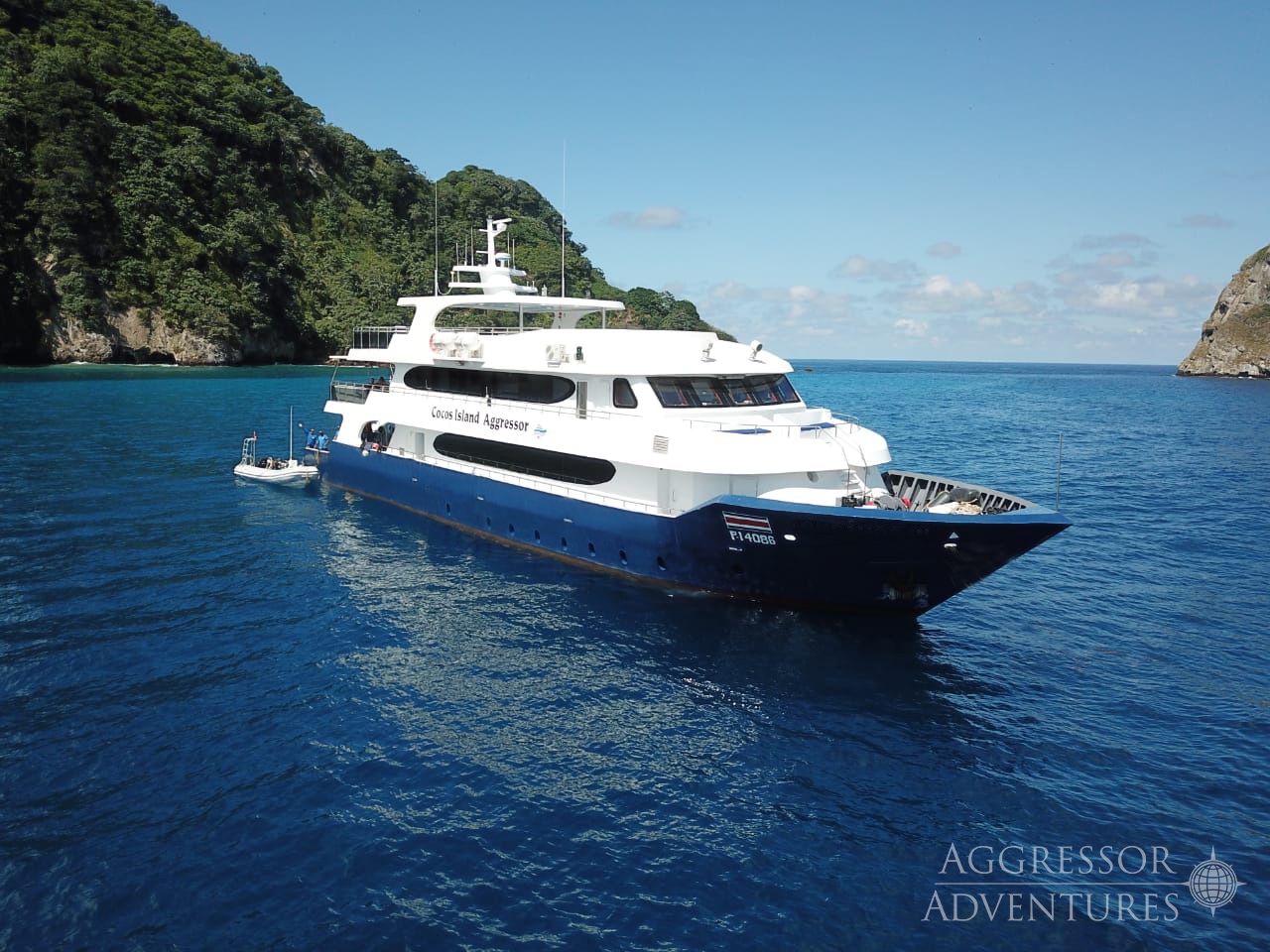
Cocos Aggressor
Costa Rica
22 guests37.8 m
$477/day
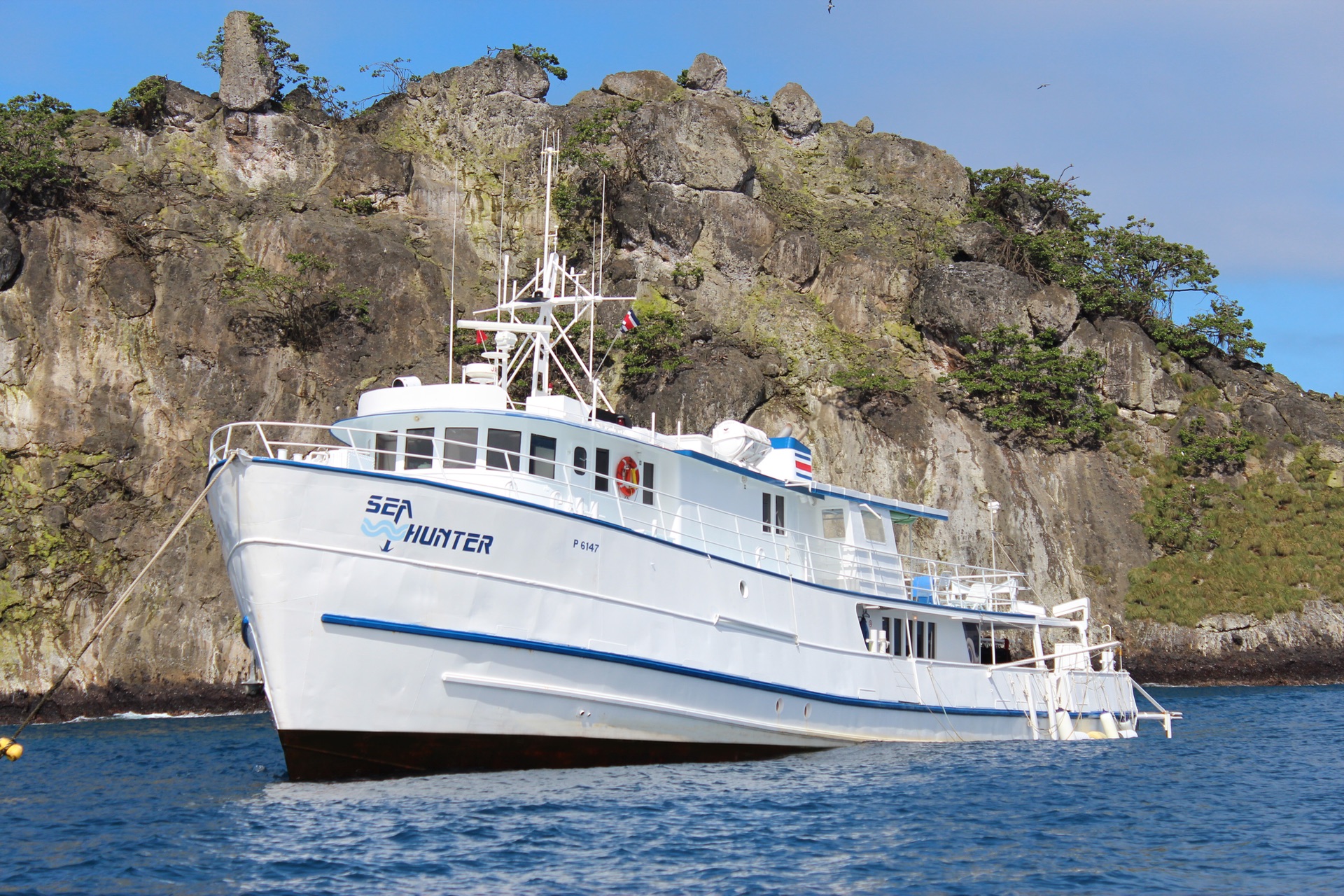
Sea Hunter
Costa Rica
20 guests
$690/day
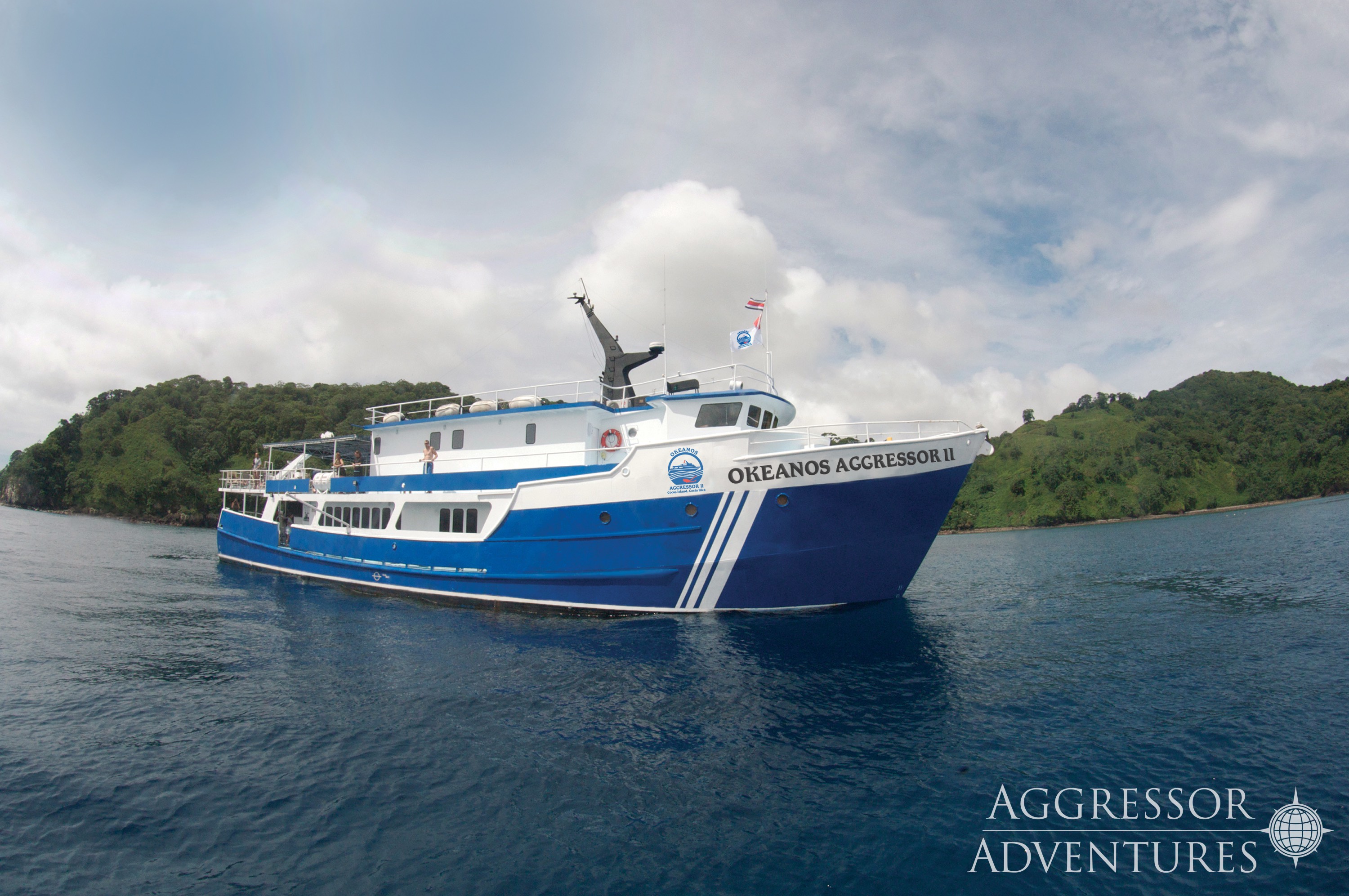
Okeanos Aggressor II
Costa Rica
24 guests36.6 m
$582/day
Dive sites similar to Ulloa and Lobster Rock
Same character, same waters — six more sites divers love for the exact same reasons.Compare seasons, access and liveaboard routes — then pick the site that fits your trip best.
© Esri — Maxar, Earthstar, GIS
Brumel Deep
Costa Rica
Brumel Deep, a prominent dive site just a 20-minute boat ride from Flamingo Marina, offers a protected environment, making it an excellent choice when stronger winds affect the main Catalina Islands.
- Suitable for
- Intermediate
- Current
- Mild
- Access
- Dayboat
- Depth
- ≤ 30 m
- Theme
- Reef
© Esri — Maxar, Earthstar, GIS
Los Sombreros
Costa Rica
Los Sombreros, named for its two small islets resembling Mexican hats, offers a boat dive experience in the Catalina Islands suitable for mixed-experience groups.
- Suitable for
- Intermediate
- Current
- Moderate
- Access
- Dayboat
- Depth
- 8–25 m
- Theme
- Reef / Drift
Elefante is a prominent dive site within the volcanic Catalinas Islands, located off Costa Rica's northern Pacific coast in Guanacaste.
- Suitable for
- Advanced
- Current
- Moderate
- Access
- Dayboat
- Depth
- 13–23 m
- Theme
- Reef
Arco Iris, or "Rainbow" in Spanish, is a prominent dive site located near Brumel Island (Penahuaste), approximately 8km north of Playa Potrero in Costa Rica.
- Suitable for
- Beginner
- Current
- Moderate
- Access
- Dayboat
- Depth
- 9–30 m
- Theme
- Reef
Virador is a highly regarded dive site located in the Gulf of Papagayo, off Costa Rica's Pacific coast.
- Suitable for
- Intermediate
- Current
- Moderate
- Access
- Dayboat
- Depth
- 8–30 m
- Theme
- Reef
© Esri — Maxar, Earthstar, GIS
Punta Gorda
Costa Rica
Punta Gorda, a prominent rocky outcrop in Costa Rica's Gulf of Papagayo, is celebrated as one of the area's most colorful and diverse dive sites.
- Suitable for
- Intermediate
- Current
- Moderate
- Access
- Dayboat
- Depth
- 10–21 m
- Theme
- Reef