About Dirty Rock
Dirty Rock, an iconic dive site at Cocos Island, is primarily known as an exceptional location to encounter schooling hammerheads. Situated approximately 340 miles off Costa Rica's Pacific coast, Cocos Island itself is a UNESCO World Heritage Site renowned for its remote beauty and significant marine biodiversity, making it one of the planet's premier diving destinations. The site's distinctive brown and white appearance, a result of bird guano, gives it its unusual name. Upon descent, divers typically head eastward to a viewing area at 30 meters. To maximize chances of close encounters with hammerheads, staying near the rocks and remaining still is advised. After observing the hammerhead activity, divers can explore westward towards the island's pinnacle, where a small cave houses lobsters, and cleaner stations attract eagle rays and turtles. Octopus and large schools of fish are also common here. Strong currents are a characteristic of Cocos Island dive sites, including Dirty Rock, and deep drop-offs are common. Diving here is best suited for experienced divers due to these challenging conditions. Access is primarily via liveaboard cruises from mainland Costa Rica, offering multi-day expeditions. Depths can reach up to 33 meters (110 feet), with water temperatures ranging from 22-28°C (72-82°F) and potential cooler thermoclines.
Highlights
Marble RaysHammerhead SharksJacks
Season calendar
Best months to dive here
Jan
Feb
Mar
Apr
May
Jun
Jul
Aug
Sep
Oct
Nov
Dec
Excellent
Good
Dive site facts: Dirty Rock
- Depth
- 6–35 m
- Typical dive
- 12–25 m, 50–60 min
- Current
- Strong and variable
- Visibility
- 15–30 m
- Water temperature
- 26–29°C
- Entry
- Liveaboard tender / negative entry
- Level
- Advanced, current experience essential
- Dive type
- Pelagic, drift, shark, pinnacle
- Region / port
- Cocos Island, Puntarenas
- Coordinates
- 5.545, -87.065
Conditions & Currents
Diving at Dirty Rock, like other Cocos Island sites, is characterized by strong currents, which contribute to its advanced difficulty level. All dives are conducted from tenders. The challenging conditions make this site suitable for experienced divers.
Marine life & sighting chances

Scalloped hammerhead
June–November (peak) · common
Marble ray
common
Eagle ray
common
Manta ray
occasional
White-tip reef shark
common
Galapagos shark
occasional
Dolphin
occasional
Green sea turtle
common
Jacks (schooling)
common
Tuna (schooling)
common
Whale shark
June–November (peak) · occasional
Barber fish
common
King angelfish
commonDive profile & how the dive runs
Your dive at Dirty Rock begins with a negative entry due to the potential for strong currents, quickly descending to the main rock formation. Divers typically position themselves behind the pinnacle or in sheltered areas to observe the pelagic action. The dive often follows a drift profile around the rock, gradually moving from deeper sections (around 20-30 meters) to shallower areas (6-13 meters). Focus on the eastern side where barberfish and angelfish are known to interact with divers. Maintain situational awareness of your depth and no-decompression limits, especially when observing schooling hammerheads that can appear at various depths. The safety stop is generally performed in the lee of the rock or as a drift safety stop, depending on the current conditions and dive plan communicated by your guide.
Underwater photography
Dirty Rock is an exceptional site for wide-angle photography, primarily due to the frequent encounters with large pelagic schools, particularly hammerhead sharks and various rays. A fisheye or wide-angle lens (e.g., 8-15mm or 16-35mm equivalent) is highly recommended to capture the vastness of the schools and the dramatic volcanic topography. Given the potential for strong currents and deeper encounters, good strobes are essential to bring out colors and freeze motion. Be prepared for varying visibility, especially during the plankton-rich green season, which can sometimes create atmospheric low-light conditions. Practise good buoyancy to avoid stirring up sediment and maintain a respectful distance from marine life, especially the cleaning stations, to avoid disturbing their natural behavior.
Combine with nearby dive sites
- Bajo Alcyone
Another world-renowned seamount on Cocos Island, famous for dense hammerhead schools and other pelagics.
- Manuelita
Offers both a coral garden for macro life and an offshore rock for pelagic encounters, close to Cocos Island.
- Dos Amigos
A pair of pinnacles with potential for large pelagic sightings and interesting rock formations.
- Chatham Bay
Located on Cocos Island, offering calmer conditions and a chance to explore the island's terrestrial features.
Getting there & logistics
Access to Dirty Rock is exclusively via liveaboard from Puntarenas, Costa Rica. Divers typically fly into San Jose (SJC) at least one day before their cruise departure. A pre-arranged transfer takes you from San Jose to Puntarenas, where liveaboards embark for the 36-hour sea journey to Cocos Island. Trips are typically 10 nights long. There are no permits or park fees mentioned for this specific dive site beyond the general Cocos Island National Park fees included in liveaboard packages. It is common for Dirty Rock to be integrated into a comprehensive Cocos Island itinerary, alongside other premier sites like Bajo Alcyone and Manuelita, to maximize diverse pelagic encounters.
Safety & environment
Diving at Dirty Rock demands a high level of experience due to potentially strong and variable currents and deeper dive profiles. Divers must be advanced certified, possess excellent buoyancy control, and be comfortable with negative entries and drift diving. The nearest recompression chamber is located on mainland Costa Rica, necessitating a significant evacuation time (over 36 hours by boat). Therefore, comprehensive dive insurance covering medical emergencies and evacuation is absolutely mandatory. Site-specific hazards include unpredictable currents, thermoclines, and the presence of large marine predators, which require adherence to strict dive guide instructions. Always dive within your training limits and maintain constant communication with your buddy and guide.
Who it suits — and who it doesn't
Suited for
- Experienced divers comfortable with strong currents
- Advanced Open Water certified divers and above
- Pelagic and shark enthusiasts
- Underwater photographers with wide-angle setups
- Divers seeking remote, adventurous liveaboard experiences
Less suited for
- Beginner divers or those with limited experience
- Divers uncomfortable with strong currents or negative entries
- Those prone to severe seasickness
- Divers seeking shallow, calm reef dives
- Individuals without comprehensive dive insurance
FAQ
Dirty Rock FAQ
What kind of marine life can I expect at Dirty Rock?
Dirty Rock is renowned for its diverse pelagic encounters. You can expect to see large schools of scalloped hammerhead sharks, Galapagos sharks, and various rays including marble, eagle, and manta rays. Schooling jacks, tuna, and dolphins are also common, along with green sea turtles and unique fish interactions with barberfish and angelfish.
How deep is Dirty Rock and what kind of currents should I expect?
The dive site ranges from shallow areas of 6-13 meters to deeper sections extending to 20-35 meters. Dirty Rock is known for strong and variable currents, making it a challenging dive. Divers should be prepared for drift diving and possess excellent buoyancy control to navigate these conditions safely.
When is the best time to dive Dirty Rock for hammerhead sharks?
While Dirty Rock is diveable year-round, the green season from June to November is considered the peak time for hammerhead and whale shark sightings. Although visibility might be reduced due to plankton blooms during this period, the increased pelagic activity makes it ideal for shark enthusiasts.
Is Dirty Rock suitable for beginner divers?
No, Dirty Rock is not recommended for beginner divers. Due to its remote location, potentially strong and variable currents, and deeper profiles, it is best suited for advanced divers with significant experience. Good buoyancy control and comfort with challenging conditions are essential.
How do I get to Dirty Rock?
Dirty Rock is part of Cocos Island, which is only accessible via liveaboard. You typically fly into San Jose, Costa Rica, then take a transfer to Puntarenas to board a liveaboard for a 36-hour journey to Cocos Island. The dive site is then accessed by tender from the liveaboard.
Why dive Dirty Rock from a liveaboard?
Dirty Rock is one of Costa Rica's signature dive sites. A liveaboard sleeps you on the water and puts you in the water for three to four guided dives per day, including dawn and night dives that day-boat operators rarely offer. You skip the daily commute back to port and reach quieter, less-crowded sites in the same region on a single trip.
Below are the liveaboards that include Dirty Rock on their Costa Rica itineraries.
Liveaboards diving Dirty Rock
These liveaboards may visit Dirty Rock on selected itineraries — the exact dive sites depend on departure, weather and conditions.
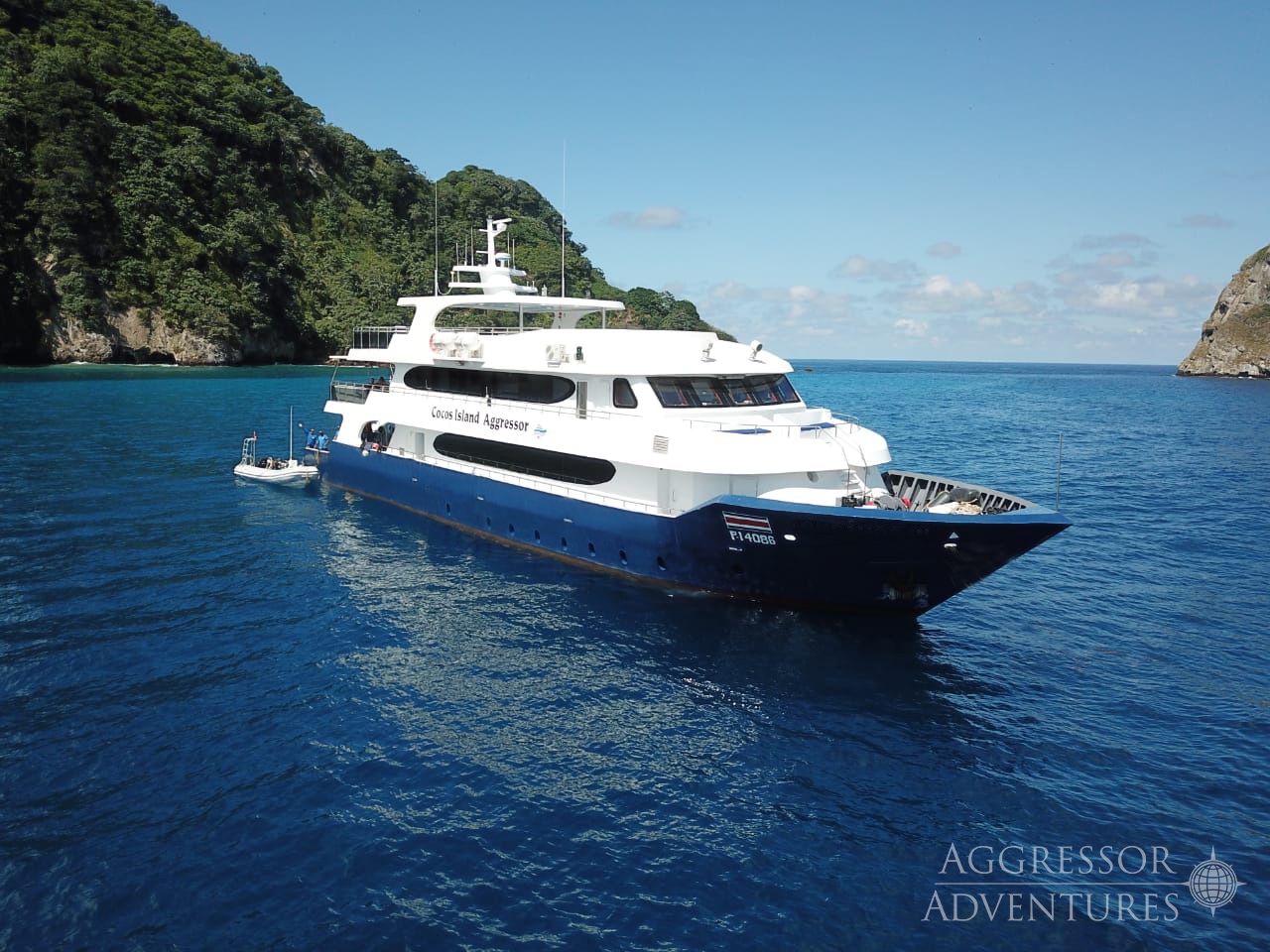
Cocos Aggressor
Costa Rica
22 guests37.8 m
$636/day
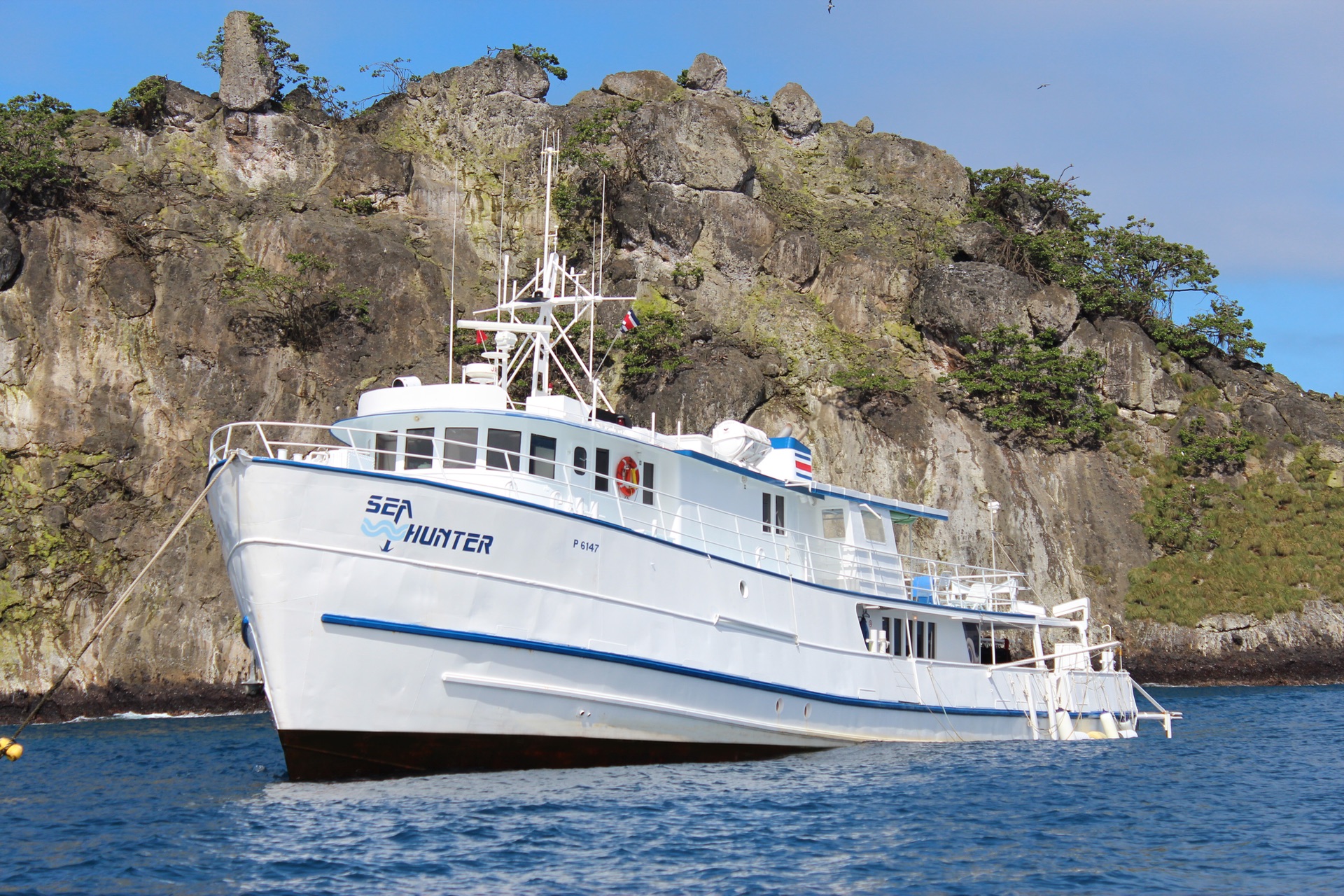
Sea Hunter
Costa Rica
20 guests
$720/day
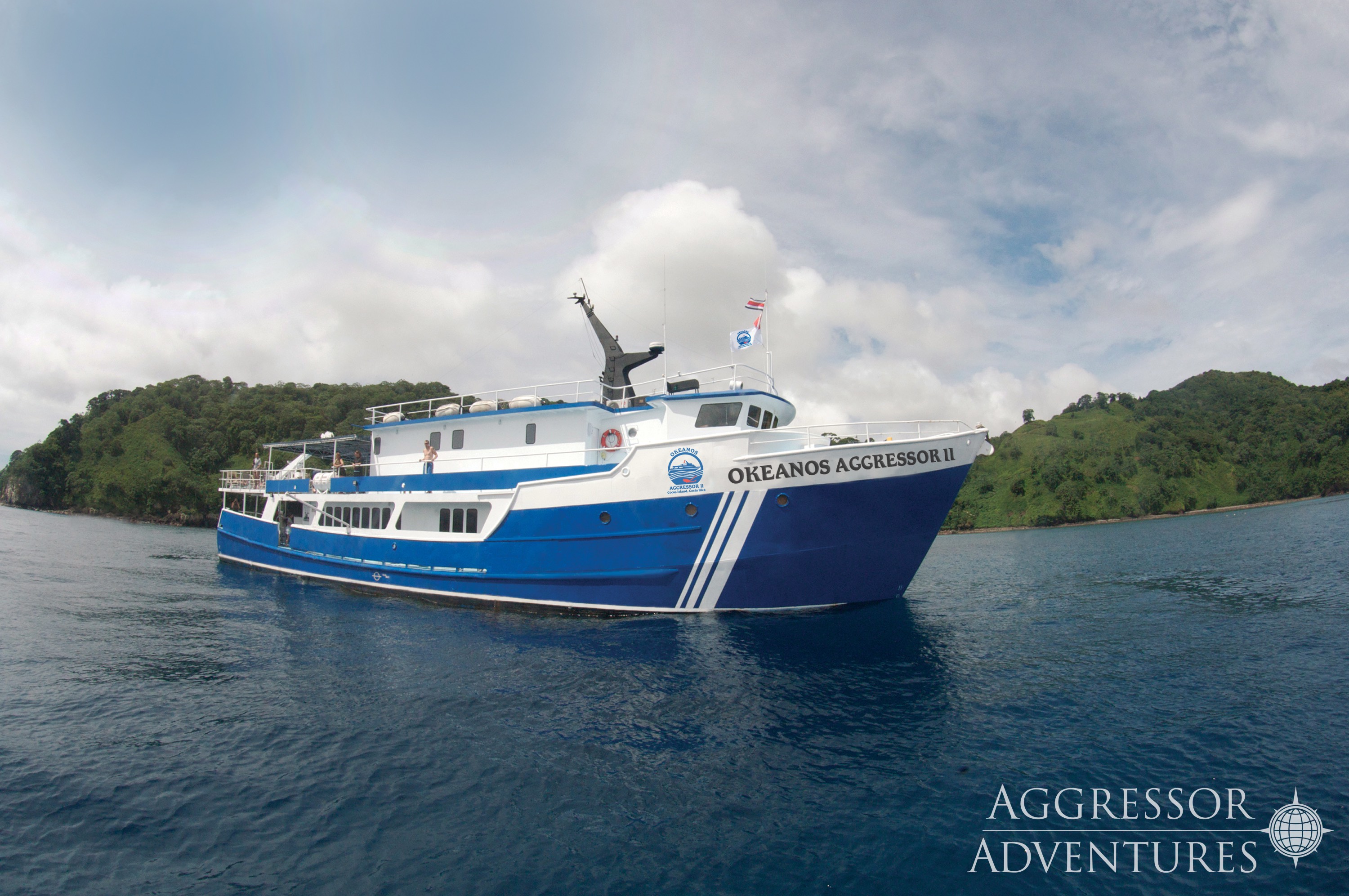
Okeanos Aggressor II
Costa Rica
24 guests36.6 m
$504/day
Dive sites similar to Dirty Rock
Same character, same waters — six more sites divers love for the exact same reasons.Compare seasons, access and liveaboard routes — then pick the site that fits your trip best.
© Esri — Maxar, Earthstar, GIS
Bajo Negro
Costa Rica
Bajo Negro, or Black Rock, is a captivating dive site located within the Bat Islands in Santa Rosa National Park, off Costa Rica's Pacific coast.
- Suitable for
- Advanced
- Current
- Strong
- Access
- Shore / dayboat
- Depth
- 20–30 m
- Theme
- Pinnacle / Seamount
© Esri — Maxar, Earthstar, GIS
Dos Sombreros
Costa Rica
Dos Sombreros is a renowned dive site located offshore from Playa Flamingo, forming part of the Catalina Islands chain in Costa Rica's North Pacific region.
- Suitable for
- Intermediate
- Current
- Moderate
- Access
- Dayboat
- Depth
- 12–25 m
- Theme
- Pinnacle
© Esri — Maxar, Earthstar, GIS
Submerged Rock
Costa Rica
Submerged Rock is a distinctive dive site located off Cocos Island, approximately 500 km (340 miles) west of mainland Costa Rica.
- Suitable for
- Advanced
- Current
- Strong
- Access
- Liveaboard only
- Depth
- 15–20 m
- Theme
- Pinnacle
La Pared is a prominent wall dive located off the Pacific coast of Costa Rica, specifically accessible from areas like Santa Teresa and Malpais on the Nicoya Peninsula.
- Suitable for
- Intermediate
- Current
- Moderate
- Access
- Dayboat
- Depth
- 13–23 m
- Theme
- Wall / Reef
© Esri — Maxar, Earthstar, GIS
Devil's Rock
Costa Rica
Devil's Rock is a prominent dive site located in Costa Rica's Caño Island Biological Reserve, positioned to the northwest as an extension of the larger Bajo del Diablo platform.
- Suitable for
- Advanced
- Current
- Strong
- Access
- Liveaboard or dayboat
- Depth
- 18–35 m
- Theme
- Reef / Pinnacle
© Esri — Maxar, Earthstar, GIS
Black Rock
Costa Rica
Black Rock, also known as Bajo Negro, is a remote and challenging pinnacle dive site situated within the Bat Islands, part of Costa Rica's Santa Rosa National Park.
- Suitable for
- Advanced
- Current
- Strong
- Access
- Dayboat
- Depth
- 20–30 m
- Theme
- Reef / Pinnacle