About Black Rock
Black Rock, also known as Bajo Negro, is a remote and challenging pinnacle dive site situated within the Bat Islands, part of Costa Rica's Santa Rosa National Park. It stands out as an offshore location where dynamic currents can rapidly shift the diving experience from calm to intense, requiring advanced diving skills and composure. The topography features a steep volcanic wall adorned with black coral and sponges, descending to depths up to 30 meters. The pinnacle's slopes drop deeper, reaching into the low thirties, offering a dramatic underwater landscape. This site serves as a magnet for a diverse array of marine life, including various shark species, rays, and dense schools of fish. Optimal diving conditions for Black Rock are typically found between May and October, aligning with shark season and generally calmer weather. However, visibility and current strength can vary significantly, even within a single dive. Access is exclusively by boat, typically as a planned day trip from regional ports, highlighting the need for licensed operators familiar with the Bat Islands and park regulations. Divers here can expect an exhilarating experience, navigating a vibrant ecosystem that rewards careful planning and good buoyancy control. The site is best explored as a guided pinnacle circuit, offering a true offshore adventure for those comfortable with strong currents and fluctuating conditions.
Highlights
Remote Bat Islands pinnacleSteep volcanic wallChance of pelagics and sharksVariable, strong currentsBlack coral and spongesDense schooling fish
Best Season
The best time to dive Black Rock is generally from May through October. This period often coincides with prime shark season and tends to offer calmer weather conditions, which are favorable for this offshore location.
Dive site facts: Black Rock
- Depth
- 20–30 m
- Typical dive
- 20–22 m
- Current
- Strong
- Visibility
- 10 m
- Entry
- Boat
- Level
- Advanced
- Dive type
- Reef, big animals, shark
- Region / port
- Bat Islands, Santa Rosa National Park
- Coordinates
- 7.8674° N, 86.1382° W
Conditions & Currents
Currents at Black Rock are highly variable and can change swiftly, transforming the dive from serene to challenging without much warning. The site is considered a moving-water offshore dive, meaning divers must be prepared for strong and potentially downward currents, especially when venturing beyond the shelter of the rocks on the island's east and west tips, where returning to the site can become difficult. Entry and exit are typically boat-only, demanding good group cohesion and precise buoyancy control. Visibility, while often decent, can also shift to murky conditions unexpectedly. These dynamic conditions necessitate advanced diving experience, strict adherence to dive plans, and conservative gas management to ensure safety at this remote pinnacle.
Marine life & sighting chances

Barracuda
common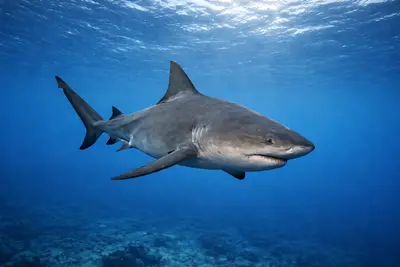
Bull Shark
May-November · common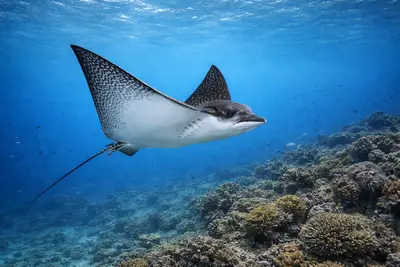
Eagle Ray
common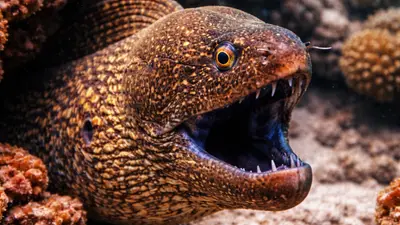
Moray Eel
common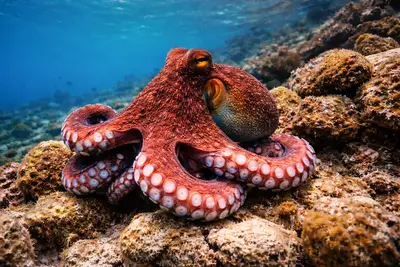
Octopus
common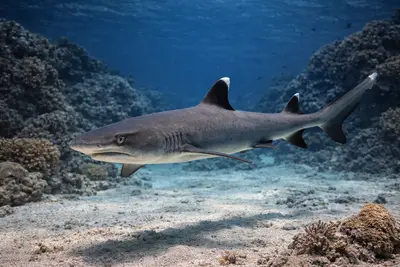
Whitetip Reef Shark
commonDive profile & how the dive runs
Diving at Black Rock is typically a guided pinnacle circuit, best approached as a planned boat dive from a licensed operator. The dive often commences with a challenging entry into potentially strong currents. Divers usually explore the steep volcanic walls and slopes of the pinnacle, maintaining a working depth around 20 to 22 meters, though the site drops deeper into the low thirties. It is crucial to stay close to the rock formations to mitigate the impact of strong currents, which can make it difficult to return if you venture too far. The dive often involves observing the diverse marine life attracted to the pinnacle. The safety stop is typically conducted in the shelter of the rock or as a drift, depending on prevailing current conditions, always under the close supervision of the dive guide.
Underwater photography
Capturing the vibrant pelagic action and dramatic topography at Black Rock requires thoughtful preparation. A wide-angle lens is ideal for showcasing the steep volcanic walls, schooling fish, and larger marine life such as bull sharks and eagle rays. Due to potentially strong and variable currents, excellent buoyancy control is paramount for stable shots. External strobes are beneficial for illuminating crevices and bringing out the colors of black coral and sponges at depth. Be prepared for variable visibility, which can impact shot clarity. When photographing sharks or rays, maintain a respectful distance and avoid aggressive pursuit to minimize disturbance.
Combine with nearby dive sites
Getting there & logistics
Black Rock is located in the remote Bat Islands, part of Santa Rosa National Park in Costa Rica, requiring specific logistical arrangements. Divers typically arrive in Costa Rica via Juan Santamaria International Airport (SJO) or Daniel Oduber Quiros International Airport (LIR), with LIR being closer to the Pacific coast. Access to Black Rock is strictly by boat, necessitating booking with a licensed Bat Islands operator. It is not a casual drop-in site due to its remote location and park regulations. Trips are usually organized as full-day excursions. Divers must account for Santa Rosa National Park fees, which are typically handled by the dive operator. This site is often combined with other Bat Islands or nearby Guanacaste dive sites, forming part of a larger diving itinerary.
Safety & environment
Diving at Black Rock demands advanced experience due to its strong, variable currents and remote offshore location. Divers must treat it as a moving-water dive, emphasizing meticulous buoyancy control, maintaining close proximity to the group, and avoiding overextending profiles when currents intensify. While specific recompression chamber locations for this exact region are not detailed, it's crucial to understand that emergency evacuation from such remote sites can be complex and time-consuming. Therefore, comprehensive dive insurance covering emergency medical treatment and evacuation is non-negotiable. Site-specific hazards include dangerous wildlife, potentially low visibility, and restricted access. Always follow the instructions of licensed Bat Islands operators, who are best equipped to manage the inherent risks of this challenging environment.
Who it suits — and who it doesn't
Suited for
- Advanced divers comfortable with strong currents
- Divers seeking pelagic encounters (sharks, rays)
- Photographers with wide-angle setups
- Divers interested in remote, offshore pinnacles
- Divers with excellent buoyancy control
Less suited for
- Beginner divers or those new to currents
- Snorkelers or freedivers (due to depth and conditions)
- Divers who prefer calm, easy sites
- Individuals without advanced certifications or current experience
FAQ
Black Rock FAQ
What kind of marine life can I expect at Black Rock?
Black Rock is renowned for its diverse marine encounters, particularly pelagic species. Divers commonly spot bull sharks, whitetip reef sharks, barracudas, eagle rays, moray eels, and octopus. The site also features schooling fish and rich invertebrate life on the volcanic walls.
What is the typical depth range for diving Black Rock?
The reported depth range for Black Rock is between 20 to 30 meters. However, the practical working profile for most dives is around 20 to 22 meters, with the pinnacle's slopes extending deeper into the low thirties.
When is the best time of year to dive Black Rock?
The optimal season for diving Black Rock is from May through October. This period generally offers the best chance for shark sightings, which is a major draw, and typically presents calmer surface conditions, though currents underwater can still be strong.
Are there strong currents at Black Rock, and what does that mean for divers?
Yes, Black Rock is known for strong and variable currents that can change quickly. This means the dive is best suited for advanced divers with excellent buoyancy control and experience in current. Divers should stick close to the rock formations and be prepared for potential downward currents.
How do I access Black Rock, and what permits are needed?
Black Rock is accessed exclusively by boat as it is a remote offshore site within Santa Rosa National Park. You must book with a licensed Bat Islands operator, who will handle the necessary park fees and logistical arrangements for this protected area.
Why dive Black Rock from a liveaboard?
Black Rock is one of Costa Rica's signature dive sites. A liveaboard sleeps you on the water and puts you in the water for three to four guided dives per day, including dawn and night dives that day-boat operators rarely offer. You skip the daily commute back to port and reach quieter, less-crowded sites in the same region on a single trip.
Below are the liveaboards that include Black Rock on their Costa Rica itineraries.
Liveaboards diving Black Rock
These liveaboards may visit Black Rock on selected itineraries — the exact dive sites depend on departure, weather and conditions.
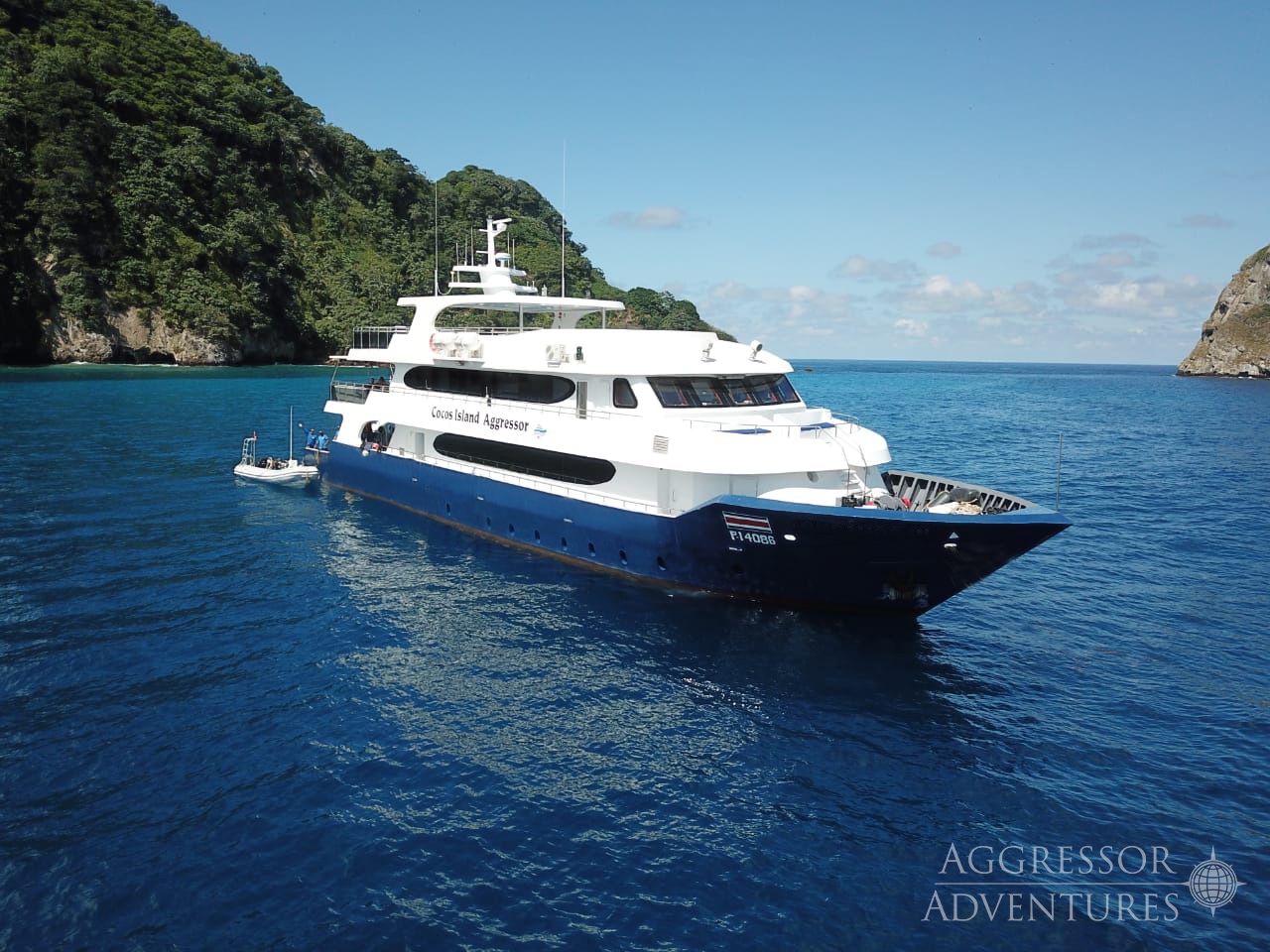
Cocos Aggressor
Costa Rica
22 guests37.8 m
$477/day
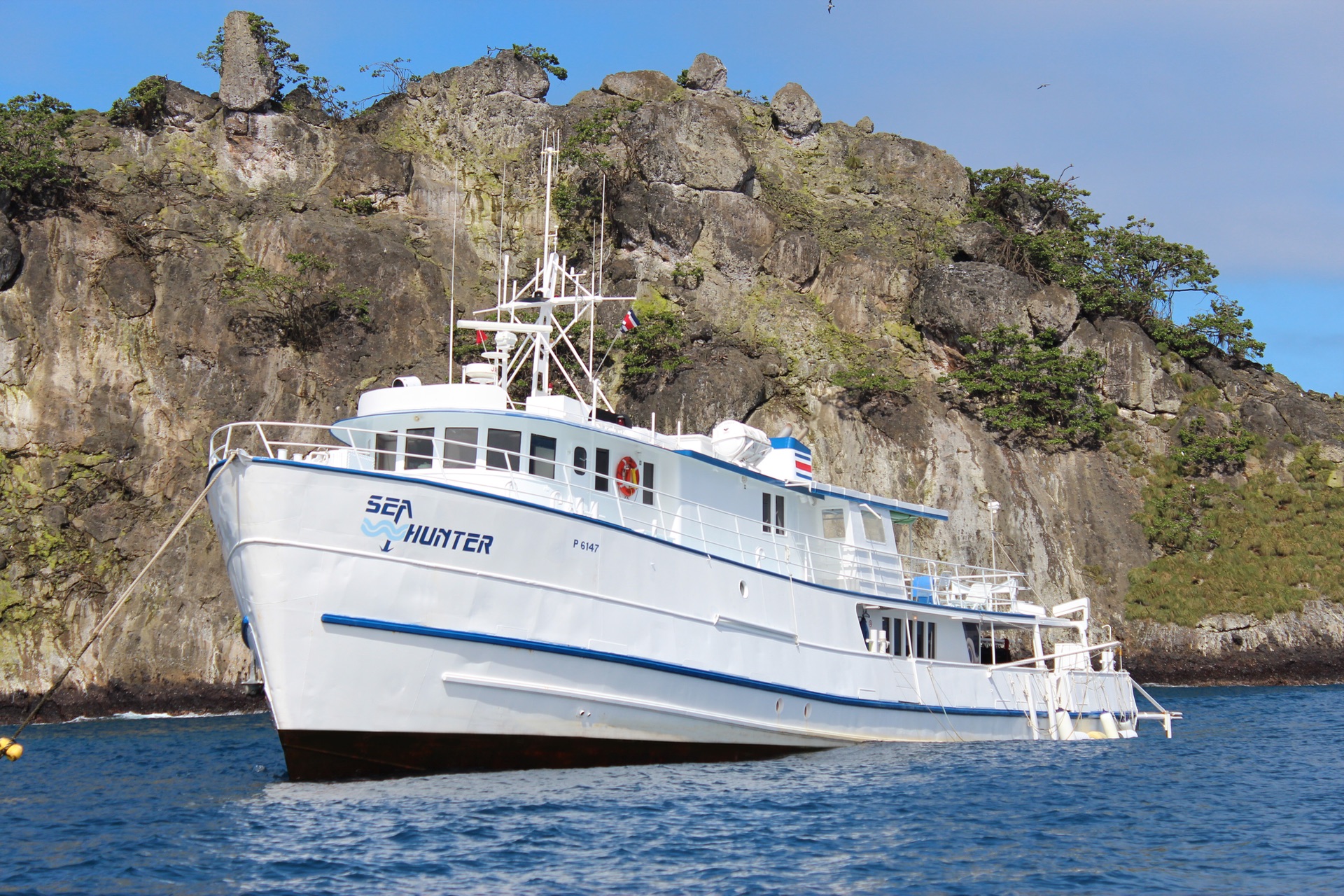
Sea Hunter
Costa Rica
20 guests
$690/day
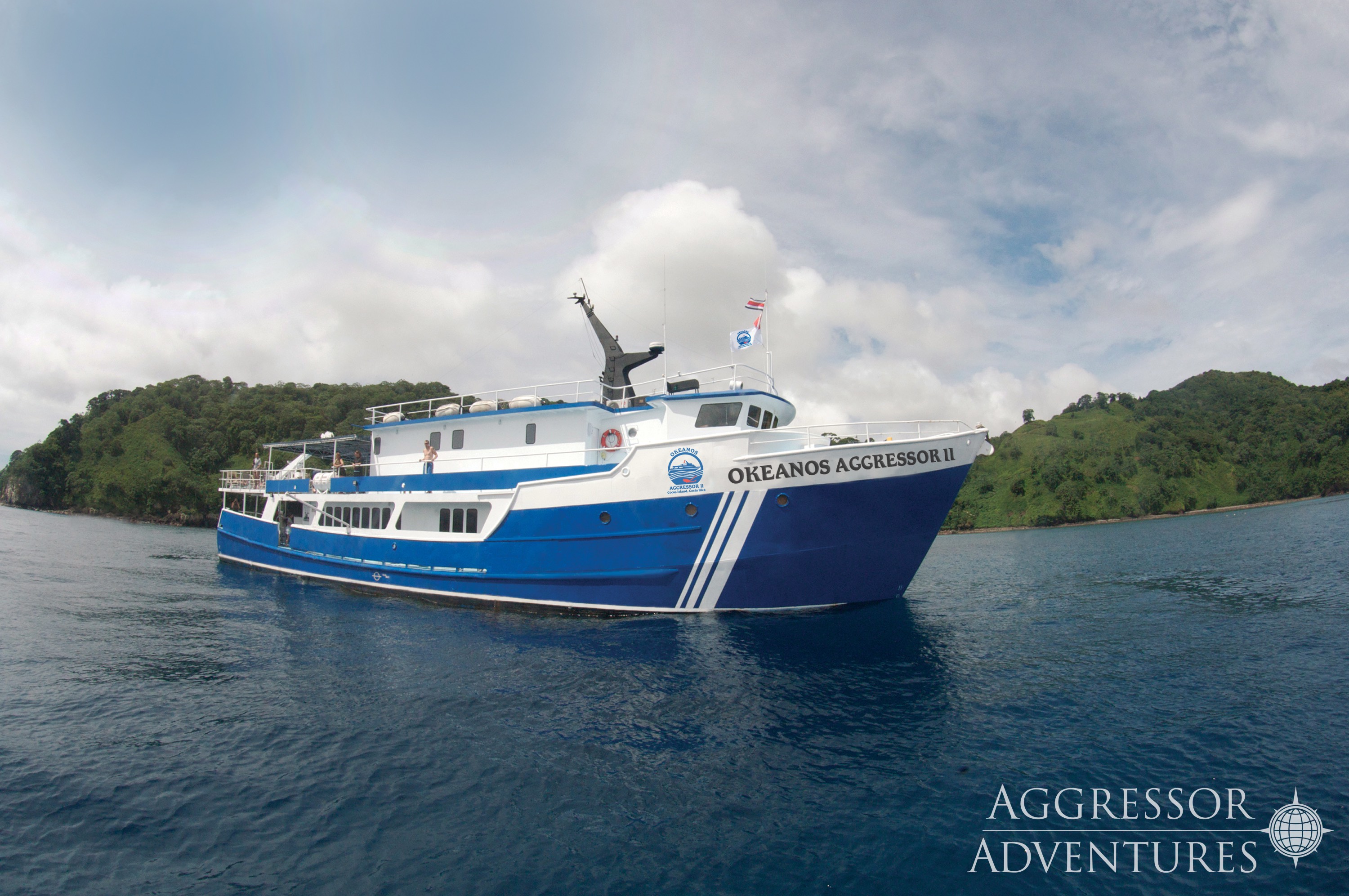
Okeanos Aggressor II
Costa Rica
24 guests36.6 m
$582/day
Dive sites similar to Black Rock
Same character, same waters — six more sites divers love for the exact same reasons.Compare seasons, access and liveaboard routes — then pick the site that fits your trip best.
© Esri — Maxar, Earthstar, GIS
Bajo Negro
Costa Rica
Bajo Negro, or Black Rock, is a captivating dive site located within the Bat Islands in Santa Rosa National Park, off Costa Rica's Pacific coast.
- Suitable for
- Advanced
- Current
- Strong
- Access
- Shore / dayboat
- Depth
- 20–30 m
- Theme
- Pinnacle / Seamount
© Esri — Maxar, Earthstar, GIS
Brumel Deep
Costa Rica
Brumel Deep, a prominent dive site just a 20-minute boat ride from Flamingo Marina, offers a protected environment, making it an excellent choice when stronger winds affect the main Catalina Islands.
- Suitable for
- Intermediate
- Current
- Mild
- Access
- Dayboat
- Depth
- ≤ 30 m
- Theme
- Reef
© Esri — Maxar, Earthstar, GIS
Dos Sombreros
Costa Rica
Dos Sombreros is a renowned dive site located offshore from Playa Flamingo, forming part of the Catalina Islands chain in Costa Rica's North Pacific region.
- Suitable for
- Intermediate
- Current
- Moderate
- Access
- Dayboat
- Depth
- 12–25 m
- Theme
- Pinnacle
© Esri — Maxar, Earthstar, GIS
Los Sombreros
Costa Rica
Los Sombreros, named for its two small islets resembling Mexican hats, offers a boat dive experience in the Catalina Islands suitable for mixed-experience groups.
- Suitable for
- Intermediate
- Current
- Moderate
- Access
- Dayboat
- Depth
- 8–25 m
- Theme
- Reef / Drift
© Esri — Maxar, Earthstar, GIS
Submerged Rock
Costa Rica
Submerged Rock is a distinctive dive site located off Cocos Island, approximately 500 km (340 miles) west of mainland Costa Rica.
- Suitable for
- Advanced
- Current
- Strong
- Access
- Liveaboard only
- Depth
- 15–20 m
- Theme
- Pinnacle