About Brumel Deep
Brumel Deep, a prominent dive site just a 20-minute boat ride from Flamingo Marina, offers a protected environment, making it an excellent choice when stronger winds affect the main Catalina Islands. Its versatility caters to both novice and certified divers, allowing for exploration at varying depths. The topography presents options for divers, with routes extending either south or northwest from the starting point, adapting to prevailing conditions. While specific depth details are not extensively documented, it is noted to be deeper than its shallow counterpart, offering more complexity for advanced divers seeking greater depths, yet remaining accessible for beginners. Like other sites in the Guanacaste region, Brumel Deep is fed by nutrient-rich Pacific waters, attracting diverse marine life. While specific species for Brumel Deep are not detailed, the region is known for pelagic encounters, and reef inhabitants are expected. The dive experience at Brumel Deep is flexible, allowing guides to tailor the route based on preferences and current conditions. Its sheltered location contributes to a more relaxed dive, providing an enjoyable underwater exploration experience away from the more exposed sites.
Highlights
Sheltered conditionsAccessible for all levelsClose to Flamingo MarinaFlexible dive routesAlternative to exposed sitesDiverse marine life region
Best Season
The best time to dive in this region is typically from mid-May until late November, which is the 'rainy season' but offers excellent conditions. During these months, divers often find better visibility, warmer water temperatures, and a greater abundance of marine life. This period is favored by serious divers for its consistent conditions despite daily afternoon rains.
Dive site facts: Brumel Deep
- Depth
- 30 m
- Current
- Mild
- Entry
- Boat
- Level
- Beginner to advanced
- Dive type
- Reef, sheltered
- Region / port
- Guanacaste, Flamingo Marina
- Coordinates
- 7.8814° N, 86.1342° W
Conditions & Currents
Brumel Deep is primarily known for offering more protection from strong winds than many other sites around the Catalina Islands, suggesting generally calmer conditions. However, the Pacific coast's nutrient-rich waters can still experience varying currents influenced by open sea movements. Divers should anticipate the possibility of light to moderate currents, which may necessitate good buoyancy control. Visibility, while often good, can fluctuate due to plankton blooms and seasonal factors. Entry is typically a standard boat entry, and exits are usually straightforward given the site's protected nature, making it a comfortable experience for a range of diver proficiencies.
Dive profile & how the dive runs
Diving at Brumel Deep typically commences with a boat entry from Flamingo Marina. From the initial drop-off point, the dive offers flexibility, allowing routes to be planned either to the south or northwest, depending on the prevailing conditions and the dive guide's assessment. As a deeper site than Brumel Shallow, it accommodates both beginner and certified divers, implying a varied depth profile suitable for exploration. Divers are encouraged to maintain good buoyancy, although specific current information for this site is limited, its sheltered nature suggests a less challenging experience than exposed sites. The specific route and turn points would be determined by the guide on the day to maximize marine encounters and ensure diver comfort, with safety stops performed in clear water before ascending for boat pickup.
Combine with nearby dive sites
- Brumel Shallow
A nearby, shallower and very sheltered site, ideal for beginners.
- Arco Iris
A striking rock formation known for white-tip reef sharks.
- Escorpiones
A shallow ledge dive recognized for small critters and occasional larger marine life.
- Punta Gorda
A classic pinnacle dive with rich fish life and potential for bigger animal sightings.
Getting there & logistics
Access to Brumel Deep is primarily via day boats departing from Flamingo Marina, with the journey lasting approximately 20 minutes. The site's location within the Guanacaste region means it's readily accessible for dive operators catering to the Catalina Islands area. Divers flying into Costa Rica would typically arrive at Daniel Oduber Quirós International Airport (LIR) in Liberia, which serves the Guanacaste province. Dive trips are generally part of day excursions, often combined with other nearby sites, offering a convenient option for divers staying in the Flamingo Bay area. Specific permits or fees for diving Brumel Deep are usually handled by the dive operator as part of the excursion cost.
Safety & environment
For divers exploring Brumel Deep, adherence to standard dive safety protocols is paramount. While the nearest recompression chamber details are not specified, it's prudent to confirm the location of the closest medical facilities and emergency services through your dive operator. Divers should always carry valid dive insurance that covers emergency medical treatment and evacuation. The site's sheltered nature generally reduces hazards compared to more exposed locations, but divers must remain aware of their depth, gas supply, and the possibility of unexpected currents, however mild. Always dive within your certified limits and follow the guidance of your dive professional.
Who it suits — and who it doesn't
Suited for
- Beginner divers seeking sheltered conditions
- Certified divers looking for relaxed exploration
- Divers desiring an alternative to strong current sites
- Divers staying in the Flamingo Marina area
Less suited for
- Divers seeking strong currents and challenging drift dives
- Divers prioritizing deep wreck penetration
- Those looking for highly specific macro photography targets (no specific info given)
FAQ
Brumel Deep FAQ
What makes Brumel Deep a good dive site?
Brumel Deep is highly regarded for its sheltered conditions, offering protection from strong winds and currents that can affect other sites in the region. This makes it a reliable option, especially when other Catalina Island locations are less favorable due to weather. Its versatility caters to both beginners and more experienced divers.
How do I get to Brumel Deep?
Brumel Deep is conveniently located a 20-minute boat ride from Flamingo Marina in Costa Rica. Dive operators in the Guanacaste region, particularly those operating out of Flamingo Bay, regularly offer trips to this site. Divers typically access it as part of a day boat excursion.
Is Brumel Deep suitable for beginner divers?
Yes, Brumel Deep is specifically mentioned as being perfect for beginners, as well as certified divers. Its protected environment and flexible dive routes allow for a comfortable and relaxed introduction to diving, or a calm exploration for those with more experience. This makes it an ideal spot for all skill levels.
What kind of marine life can I expect at Brumel Deep?
While the sources don't list specific species for Brumel Deep itself, the site is in the nutrient-rich Pacific waters of Guanacaste. This region is known for a variety of marine life including reef inhabitants and occasional pelagic species. Divers can expect diverse ecosystems typical of Costa Rican Pacific diving.
What is the typical dive experience like at Brumel Deep?
The dive experience at Brumel Deep offers flexibility, with routes planned either to the south or northwest from the entry point, adapting to daily conditions. Due to its sheltered nature, it generally provides a relaxed dive, allowing ample time for observation. The site accommodates varied depths, appealing to a broad range of divers.
Why dive Brumel Deep from a liveaboard?
Brumel Deep is one of Costa Rica's signature dive sites. A liveaboard sleeps you on the water and puts you in the water for three to four guided dives per day, including dawn and night dives that day-boat operators rarely offer. You skip the daily commute back to port and reach quieter, less-crowded sites in the same region on a single trip.
Below are the liveaboards that include Brumel Deep on their Costa Rica itineraries.
Liveaboards diving Brumel Deep
These liveaboards may visit Brumel Deep on selected itineraries — the exact dive sites depend on departure, weather and conditions.
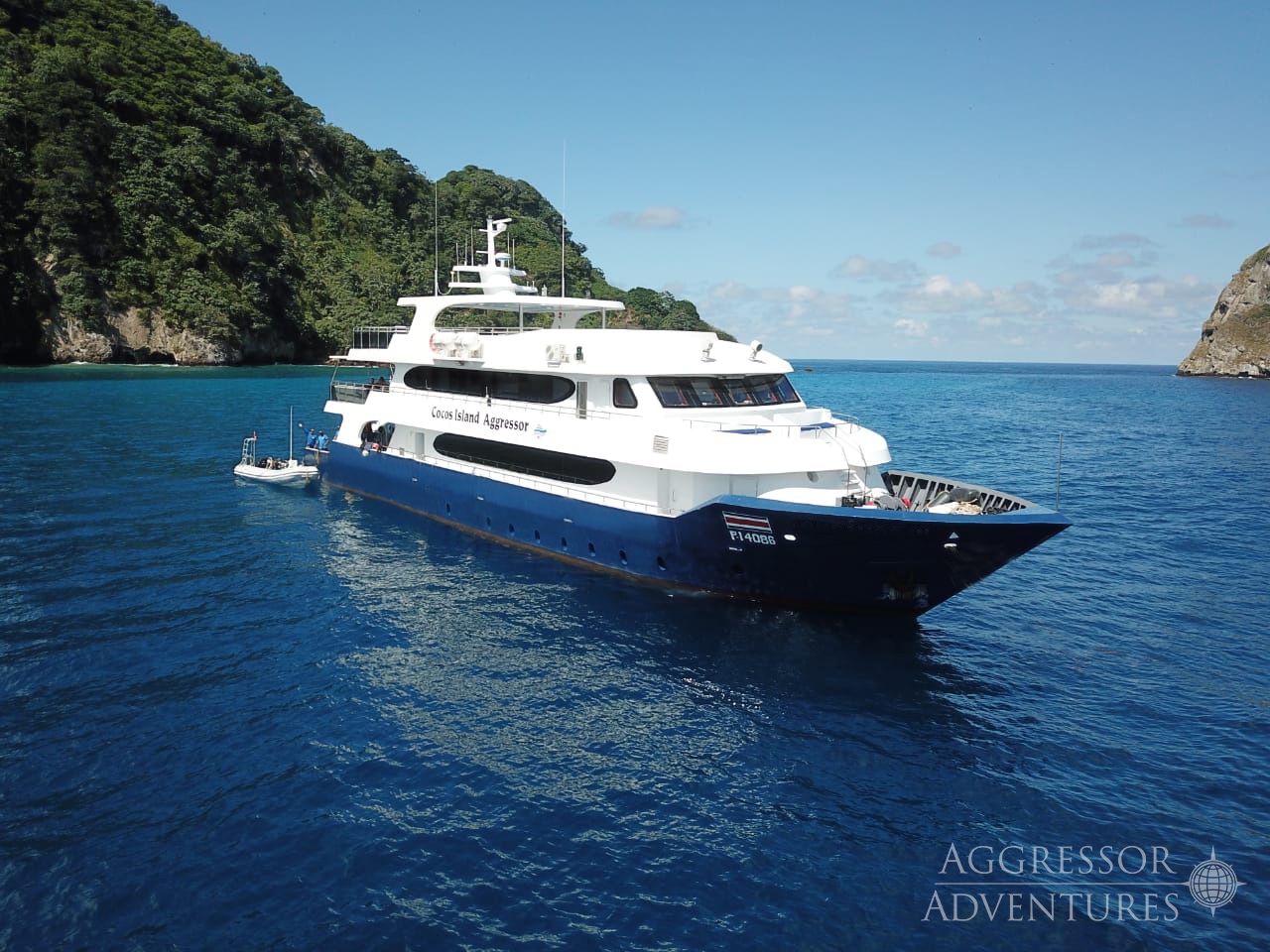
Cocos Aggressor
Costa Rica
22 guests37.8 m
$477/day
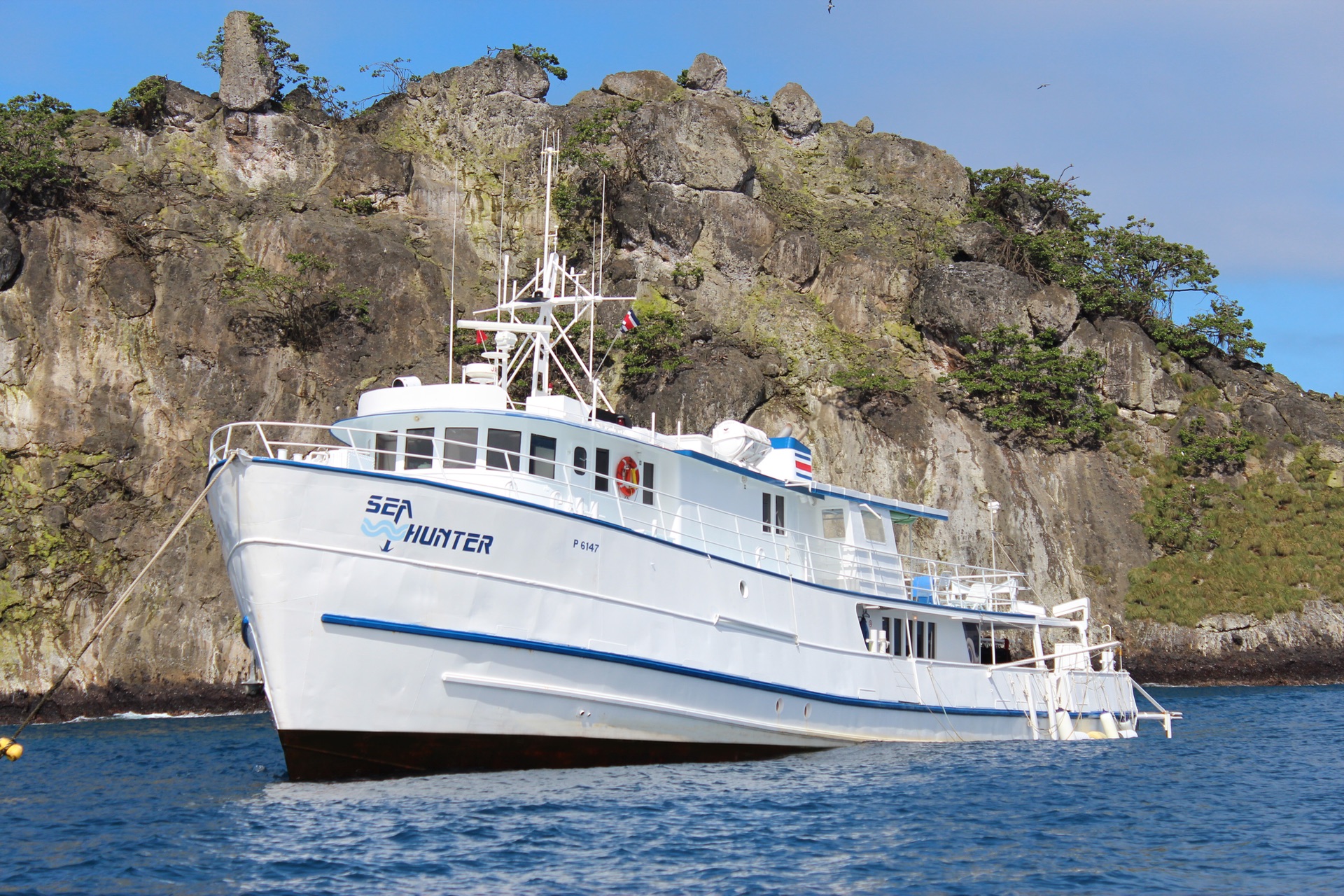
Sea Hunter
Costa Rica
20 guests
$690/day
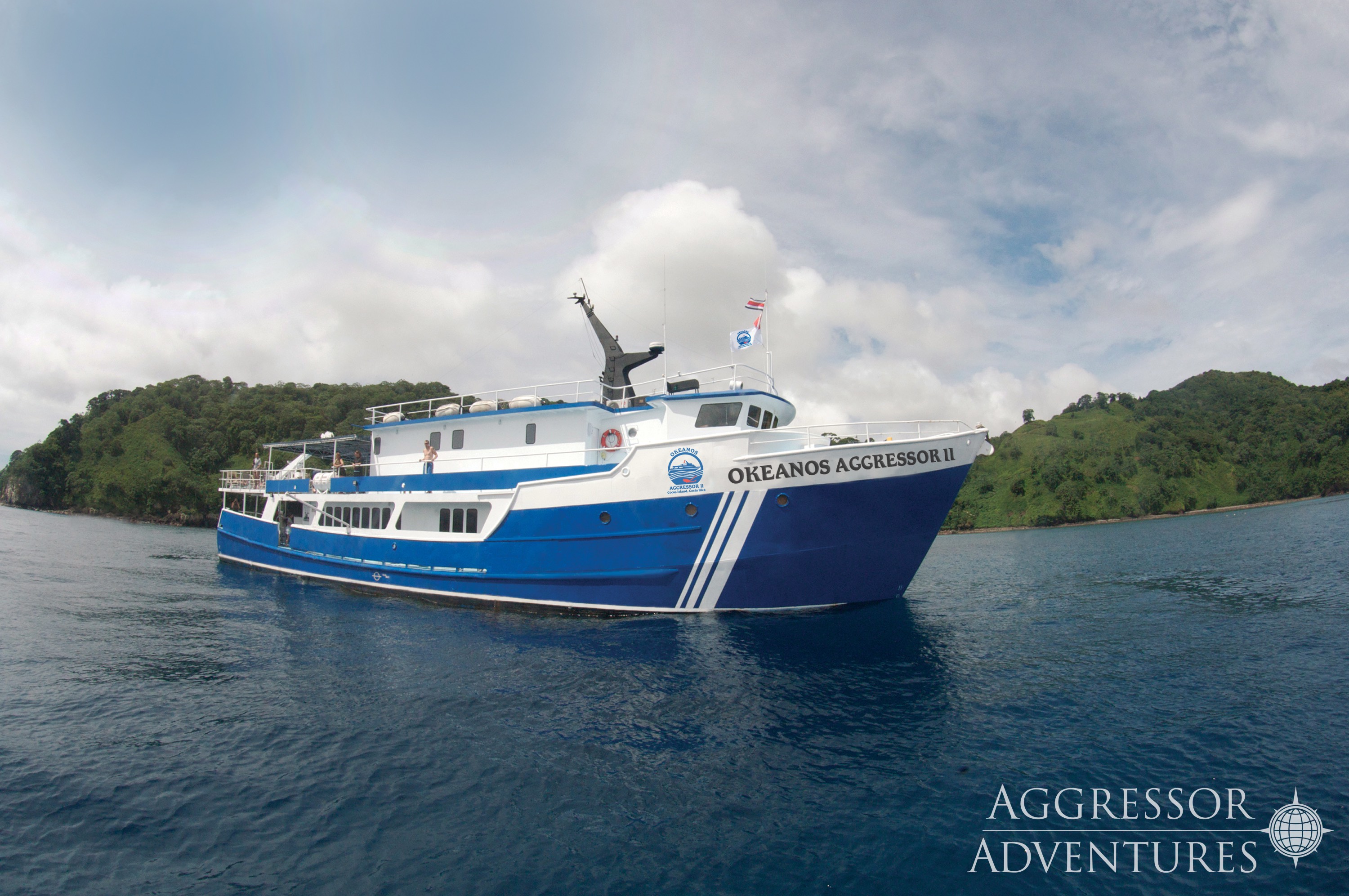
Okeanos Aggressor II
Costa Rica
24 guests36.6 m
$582/day
Dive sites similar to Brumel Deep
Same character, same waters — six more sites divers love for the exact same reasons.Compare seasons, access and liveaboard routes — then pick the site that fits your trip best.
© Esri — Maxar, Earthstar, GIS
Los Sombreros
Costa Rica
Los Sombreros, named for its two small islets resembling Mexican hats, offers a boat dive experience in the Catalina Islands suitable for mixed-experience groups.
- Suitable for
- Intermediate
- Current
- Moderate
- Access
- Dayboat
- Depth
- 8–25 m
- Theme
- Reef / Drift
Elefante is a prominent dive site within the volcanic Catalinas Islands, located off Costa Rica's northern Pacific coast in Guanacaste.
- Suitable for
- Advanced
- Current
- Moderate
- Access
- Dayboat
- Depth
- 13–23 m
- Theme
- Reef
Arco Iris, or "Rainbow" in Spanish, is a prominent dive site located near Brumel Island (Penahuaste), approximately 8km north of Playa Potrero in Costa Rica.
- Suitable for
- Beginner
- Current
- Moderate
- Access
- Dayboat
- Depth
- 9–30 m
- Theme
- Reef
Virador is a highly regarded dive site located in the Gulf of Papagayo, off Costa Rica's Pacific coast.
- Suitable for
- Intermediate
- Current
- Moderate
- Access
- Dayboat
- Depth
- 8–30 m
- Theme
- Reef
© Esri — Maxar, Earthstar, GIS
Punta Gorda
Costa Rica
Punta Gorda, a prominent rocky outcrop in Costa Rica's Gulf of Papagayo, is celebrated as one of the area's most colorful and diverse dive sites.
- Suitable for
- Intermediate
- Current
- Moderate
- Access
- Dayboat
- Depth
- 10–21 m
- Theme
- Reef