About Escorpiones
Escorpiones is a captivating dive site situated on a shallow ledge, part of the extensive volcanic rock formations found in the Gulf of Papagayo. While technically distinct from the Catalina Islands, it shares similar geological characteristics and marine fauna, making it a popular choice for divers exploring the region. This site offers a unique blend of rocky habitats and open sandy areas, catering to a diverse array of marine life, from minute critters to larger pelagic species. Its topography encourages both macro and wide-angle photographic opportunities. The dive site spans depths from 10 meters (33 feet) down to 20 meters (66 feet), making it accessible to a wide range of diver experience levels. The rocky formations are intricately textured, providing numerous hiding spots and thriving micro-habitats for smaller creatures. Adjacent sandy patches contrast with the rock, acting as natural pathways and hunting grounds for larger marine animals. Escorpiones is particularly known for consistent sightings of white-tip reef sharks and eagle rays, which are frequently observed patrolling the sandy bottoms near the rock structures. The rocky areas, meanwhile, teem with octopuses, nudibranchs, moray eels, and the camouflaged scorpionfish, lending the site its name and ensuring a rich visual experience. The site's diverse ecosystem means there is always something new to discover, whether you are focusing on the macro world or scanning the blue for bigger encounters. Diving here typically involves navigating along the rocky ledge and exploring the transition zones to the sand, allowing for a comprehensive view of its varied inhabitants. The relatively shallow depths and protected nature of the site make it an excellent choice for multiple dives, each revealing different facets of its underwater environment. It is often chosen for its abundant marine life and manageable conditions compared to more exposed sites.
Highlights
Shallow rocky ledgeWhite-tip reef sharksEagle raysOctopus sightingsNudibranch diversityMoray eelsScorpionfish habitatVolcanic rock formations
Season calendar
Best months to dive here
Jan
Feb
Mar
Apr
May
Jun
Jul
Aug
Sep
Oct
Nov
Dec
Good
Dive site facts: Escorpiones
- Depth
- 10–20 m
- Typical dive
- 10–20 m
- Current
- Mild to moderate
- Visibility
- 5–33 m
- Water temperature
- 16–30 °C
- Entry
- Free descent / back roll from boat
- Level
- Open Water Diver
- Dive type
- Reef, big animals, macro
- Region / port
- Gulf of Papagayo, Guanacaste
- Coordinates
- 7.9054° N, 86.2602° W
Conditions & Currents
Currents at Escorpiones are generally manageable compared to more exposed sites in the region, but conditions can vary, particularly with tides. While not typically a strong drift dive, divers should be prepared for potential mild to moderate water movement, especially when transitioning between the rocky ledge and open sandy areas. Buoyancy control is crucial, particularly during descent and ascent, as the site is usually non-anchored, requiring a free descent. Thermoclines are common in the deeper parts, especially during cooler months (December to April), bringing cooler water and nutrient-rich environments that attract diverse marine life. Visibility can range between 5 and 33 meters (16 to 110 feet) and is not strictly seasonal, with afternoon rains potentially improving conditions by settling silt. Sea sickness may be a factor on the boat if surface conditions are choppy, especiall
Marine life & sighting chances
White-tip reef shark
common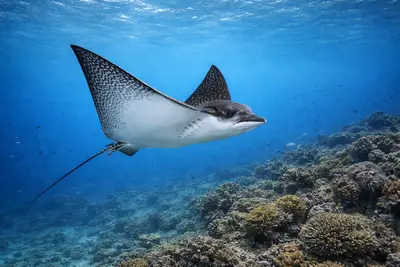
Eagle ray
common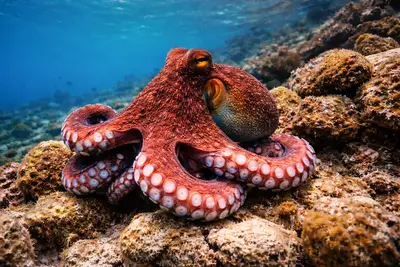
Octopus
common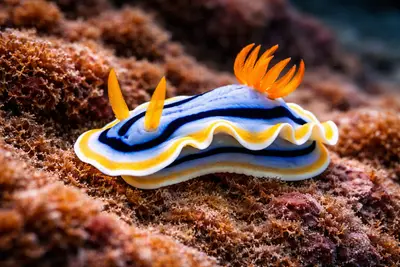
Nudibranch
common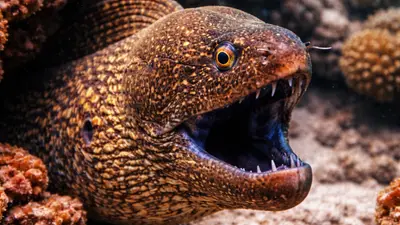
Moray eel
common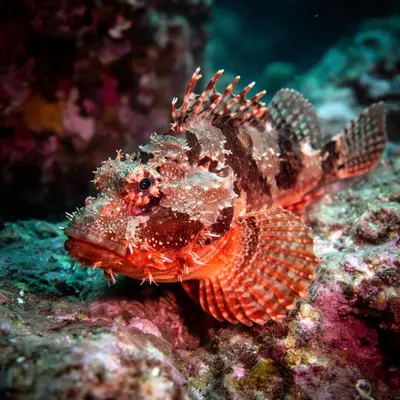
Scorpionfish
common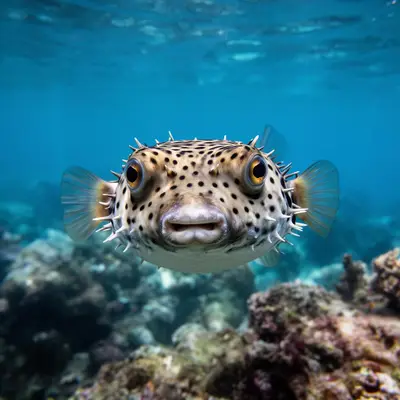
Pufferfish
common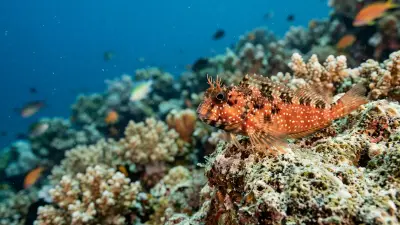
Blennies
common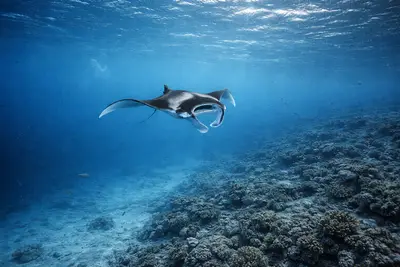
Giant manta ray
January-March · occasional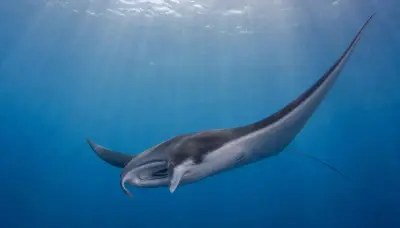
Mobula ray
occasionalCow-nosed ray
occasional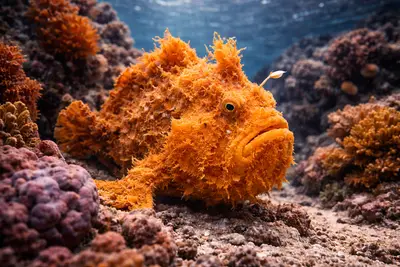
Frogfish
occasional
Sea horse
occasionalDive profile & how the dive runs
Your dive at Escorpiones typically begins with a backward roll entry from the boat, followed by a free descent to the shallow ledge. The dive master will guide the group along the rocky formations, which start around 10 meters (33 feet), exploring the numerous crevices and overhangs where smaller critters like octopuses, nudibranchs, and blennies hide. The route then often transitions to the adjacent sandy areas, which offer excellent opportunities to spot larger marine life such as white-tip reef sharks and eagle rays. Depths will generally remain between 10 to 20 meters (33 to 66 feet), allowing for extended bottom times. The turnaround point is determined by air consumption and no-decompression limits, after which you'll slowly ascend, often along a similar path, allowing for further exploration. The safety stop is performed in the shallowest sections, typically around 5 meters (16 feet), near the rock formations, where you can continue to observe reef fish before surfacing.
Underwater photography
Escorpiones offers excellent opportunities for both macro and wide-angle photography. For the rich macro life including nudibranchs, blennies, and octopuses nestled within the volcanic rocks, a macro lens (60mm or 100mm/105mm) with a snooted strobe or focus light is highly effective. Be mindful of your buoyancy to avoid disturbing delicate habitats and to get close to your subjects. For wide-angle shots, especially for white-tip reef sharks, eagle rays, or schools of fish in the sandy areas, a fisheye or wide-angle rectilinear lens is ideal. Given the variable visibility (5-33 meters), external strobes are recommended to bring out color and improve contrast, especially in greener waters. Practice patience and observe marine life behavior, particularly for camouflaged scorpionfish, to capture their unique features. Always maintain a respectful distance from subjects and avoid touching marine life.
Combine with nearby dive sites
- Clasico
Clasico is a prominent dive site situated on the western side of Costa Rica's Catalina Islands, an archipelago formed by volcanic peaks.
- Virador
Virador is a highly regarded dive site located in the Gulf of Papagayo, off Costa Rica's Pacific coast.
- Monkey Head
Monkey Head, locally known as Cabeza de Mono, is a popular dive site off the Pacific coast of Costa Rica, named for its distinctive rock…
- Punta Gorda
Punta Gorda, a prominent rocky outcrop in Costa Rica's Gulf of Papagayo, is celebrated as one of the area's most colorful and diverse dive…
- Arco Iris
Arco Iris, or "Rainbow" in Spanish, is a prominent dive site located near Brumel Island (Penahuaste), approximately 8km north of Playa…
- Brumel Shallow
Brumel Shallow, located just a short 20-minute boat journey from Flamingo Bay, offers a serene diving experience on Costa Rica's Pacific…
Getting there & logistics
Diving at Escorpiones is typically accessed via day boats departing from coastal towns in the Guanacaste region, such as Playas del Coco or Tamarindo, which are serviced by Daniel Oduber Quirós International Airport (LIR) in Liberia. Boat rides to nearby Gulf of Papagayo sites are usually within 20 minutes, while Catalina Islands, though mentioned alongside Escorpiones in some itineraries, are approximately 25 minutes from Tamarindo. Most dive operations run morning two-tank dives, returning by lunchtime. While no specific park fees are mentioned for Escorpiones, divers should inquire with their operator about any local marine park contributions or permits. Trips generally do not require long-range liveaboards, focusing on daily excursions from shore-based resorts, often combined with land tours due to Costa Rica's rich terrestrial biodiversity.
Safety & environment
For diving at Escorpiones, it is essential to have comprehensive travel health insurance that covers emergency medical treatment and potential evacuation, as only emergency medical treatment is free for visitors in Costa Rica. While medical care in Costa Rica is of high standard, the nearest recompression chamber should be confirmed with your dive operator. Site-specific hazards include potentially strong surge, especially during cooler, choppier months (December to April), which requires good buoyancy control and awareness; inform your divemaster if you lack experience with surge. Be cautious of marine life such as scorpionfish, which are camouflaged on the rocks and can sting if touched, so wearing gloves is advisable. Always perform a free ascent and safety stop, as most sites are non-anchored. Due to variable currents and the potential for thermoclines, dive computers and proper gas planning are highly recommended.
Who it suits — and who it doesn't
Suited for
- Open Water certified divers
- Divers comfortable with mild to moderate currents
- Photographers (both macro and wide-angle)
- Divers interested in diverse marine life, including sharks and rays
- Divers seeking varied underwater topography (rock and sand)
Less suited for
- Absolute beginners without any current experience
- Divers unwilling to manage potential surge
- Divers who prefer purely calm, current-free conditions
- Divers with poor buoyancy control (due to non-anchored dives)
- Those who prefer deep wreck diving
FAQ
Escorpiones FAQ
What kind of marine life can I expect to see at Escorpiones?
Escorpiones is known for a vibrant mix of marine life. You can frequently encounter white-tip reef sharks and eagle rays patrolling the sandy areas. The rocky formations are home to octopuses, a variety of nudibranchs, moray eels, and the camouflaged scorpionfish. Occasionally, divers might also spot larger pelagic species like mobula rays or even giant manta rays, particularly during certain seasons.
Is Escorpiones suitable for beginner divers?
Escorpiones is generally suitable for Open Water certified divers due to its manageable depths of 10-20 meters. However, divers should be comfortable with potential mild to moderate currents and performing a free descent, as the site is typically non-anchored. If you are new to diving in currents, it's best to discuss this with your divemaster before entering the water.
When is the best time of year to dive Escorpiones?
The diving at Escorpiones is good year-round, but conditions vary by season. From May to November, you'll experience warmer waters and calmer seas, which are ideal for comfortable diving. December through April brings cooler water temperatures, stronger offshore winds, and choppier surface conditions, but also increases the chances of spotting large pelagics like manta rays.
What are the typical water temperatures and visibility at Escorpiones?
Water temperatures at Escorpiones vary significantly throughout the year. They range from a refreshing 16°C (60°F) during the cooler months (January-April) to a warm 30°C (86°F) from May to November. Visibility can also be quite variable, typically ranging between 5 to 33 meters (16 to 110 feet), influenced by plankton blooms and currents rather than seasonal rainfall, which can actually help settle silt.
Are there any specific hazards to be aware of at Escorpiones?
Divers should be aware of potential surge, particularly during periods of choppier surface conditions, and maintain good buoyancy control. Camouflaged scorpionfish are present on the rocks, so exercise caution and avoid touching any surfaces. It's always advisable to wear gloves for protection. Additionally, thermoclines can be present, causing sudden temperature drops, so consider a thicker wetsuit for comfort.
Why dive Escorpiones from a liveaboard?
Escorpiones is one of Costa Rica's signature dive sites. A liveaboard sleeps you on the water and puts you in the water for three to four guided dives per day, including dawn and night dives that day-boat operators rarely offer. You skip the daily commute back to port and reach quieter, less-crowded sites in the same region on a single trip.
Below are the liveaboards that include Escorpiones on their Costa Rica itineraries.
Liveaboards diving Escorpiones
These liveaboards may visit Escorpiones on selected itineraries — the exact dive sites depend on departure, weather and conditions.
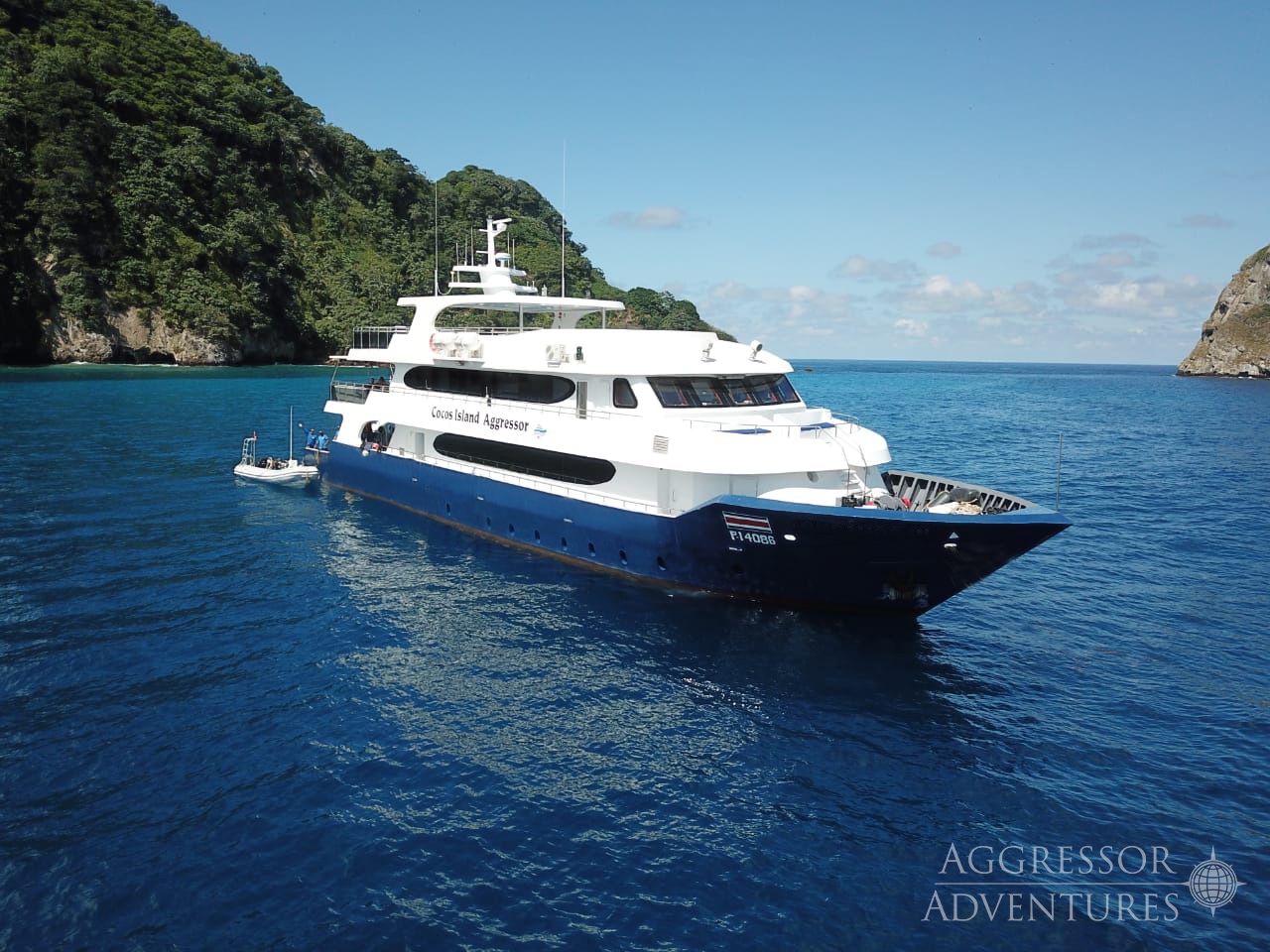
Cocos Aggressor
Costa Rica
22 guests37.8 m
$477/day
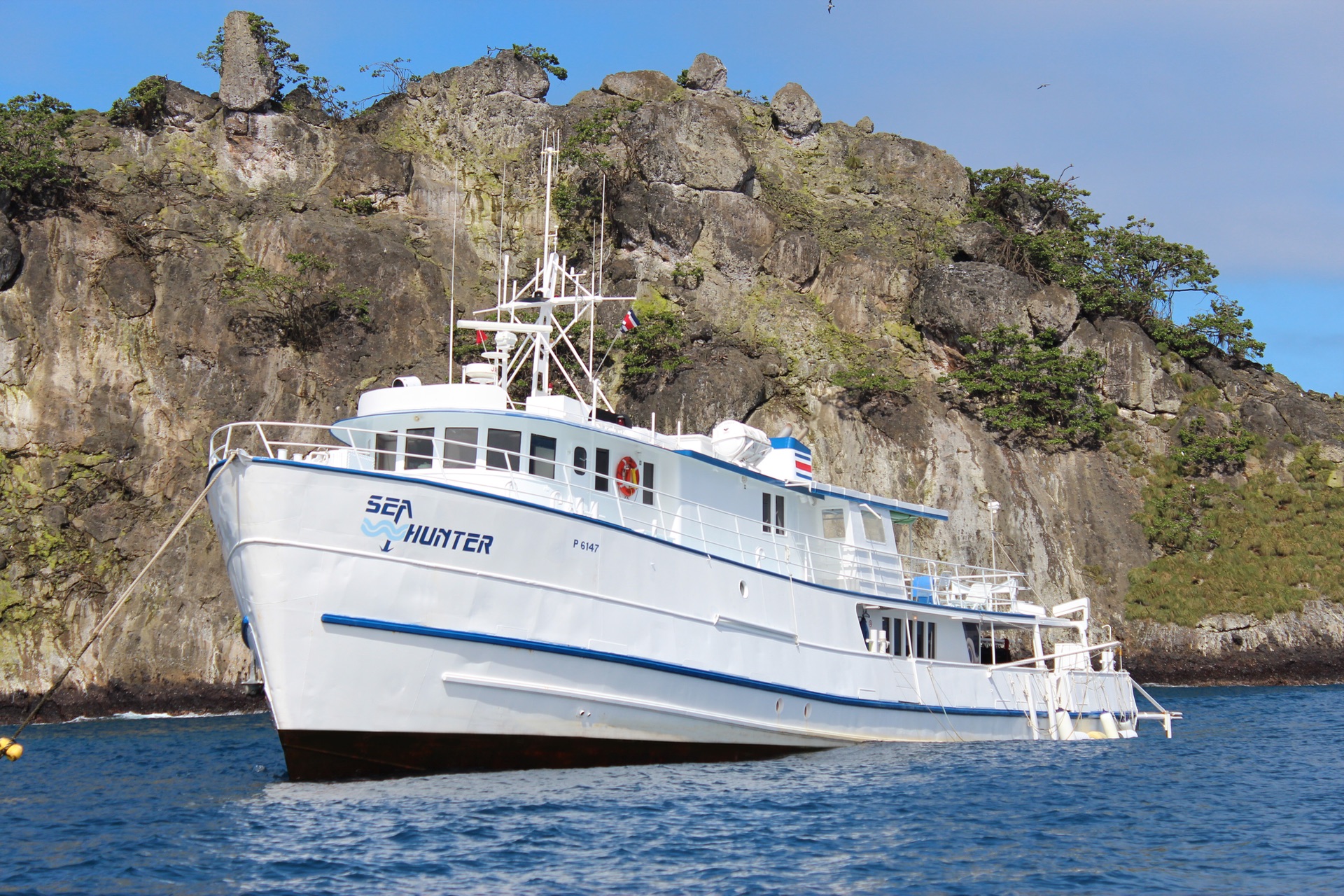
Sea Hunter
Costa Rica
20 guests
$690/day
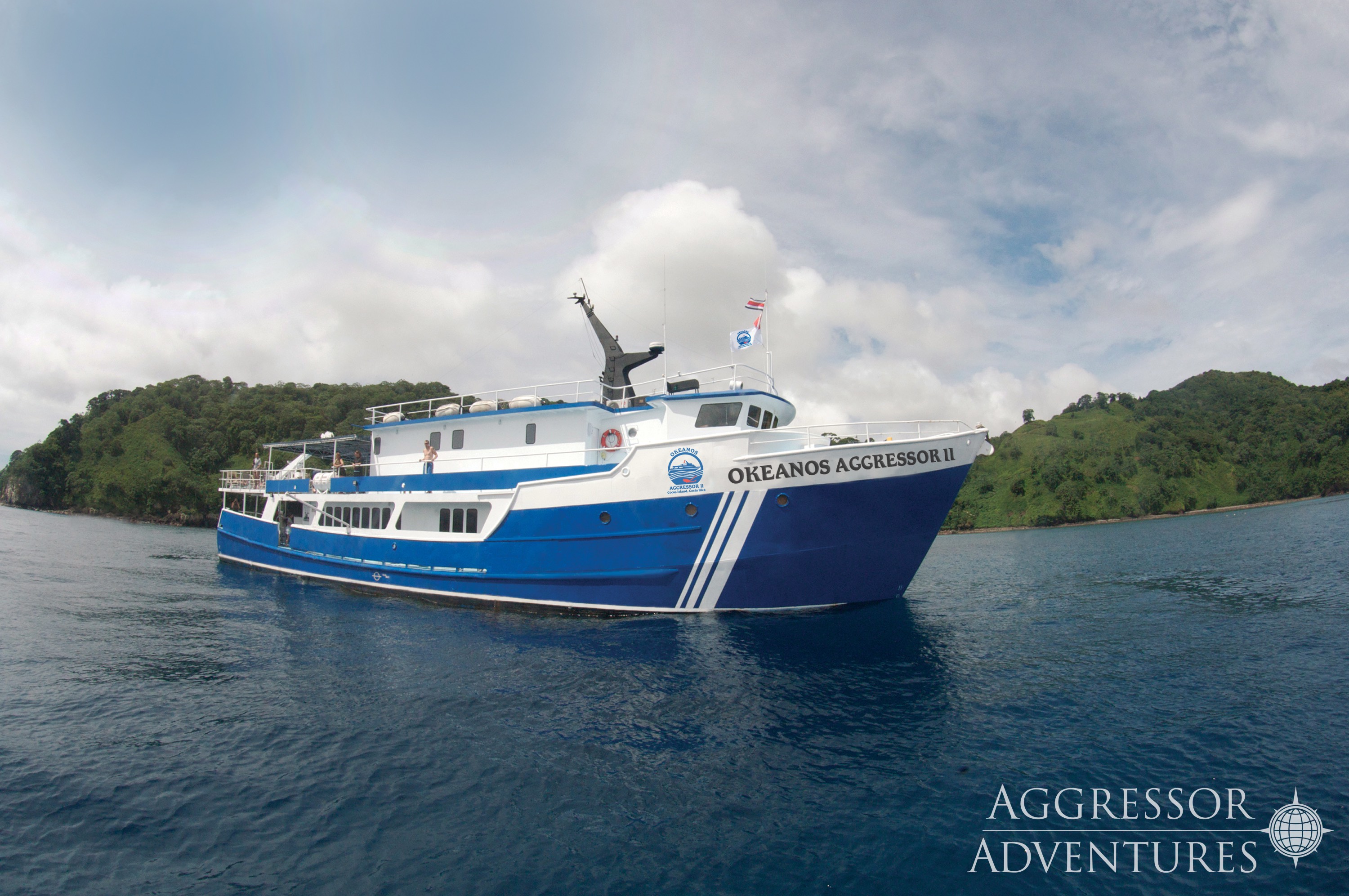
Okeanos Aggressor II
Costa Rica
24 guests36.6 m
$582/day
Dive sites similar to Escorpiones
Same character, same waters — six more sites divers love for the exact same reasons.Compare seasons, access and liveaboard routes — then pick the site that fits your trip best.
© Esri — Maxar, Earthstar, GIS
Brumel Deep
Costa Rica
Brumel Deep, a prominent dive site just a 20-minute boat ride from Flamingo Marina, offers a protected environment, making it an excellent choice when stronger winds affect the main Catalina Islands.
- Suitable for
- Intermediate
- Current
- Mild
- Access
- Dayboat
- Depth
- ≤ 30 m
- Theme
- Reef
© Esri — Maxar, Earthstar, GIS
Los Sombreros
Costa Rica
Los Sombreros, named for its two small islets resembling Mexican hats, offers a boat dive experience in the Catalina Islands suitable for mixed-experience groups.
- Suitable for
- Intermediate
- Current
- Moderate
- Access
- Dayboat
- Depth
- 8–25 m
- Theme
- Reef / Drift
Elefante is a prominent dive site within the volcanic Catalinas Islands, located off Costa Rica's northern Pacific coast in Guanacaste.
- Suitable for
- Advanced
- Current
- Moderate
- Access
- Dayboat
- Depth
- 13–23 m
- Theme
- Reef
Arco Iris, or "Rainbow" in Spanish, is a prominent dive site located near Brumel Island (Penahuaste), approximately 8km north of Playa Potrero in Costa Rica.
- Suitable for
- Beginner
- Current
- Moderate
- Access
- Dayboat
- Depth
- 9–30 m
- Theme
- Reef
Virador is a highly regarded dive site located in the Gulf of Papagayo, off Costa Rica's Pacific coast.
- Suitable for
- Intermediate
- Current
- Moderate
- Access
- Dayboat
- Depth
- 8–30 m
- Theme
- Reef
© Esri — Maxar, Earthstar, GIS
Punta Gorda
Costa Rica
Punta Gorda, a prominent rocky outcrop in Costa Rica's Gulf of Papagayo, is celebrated as one of the area's most colorful and diverse dive sites.
- Suitable for
- Intermediate
- Current
- Moderate
- Access
- Dayboat
- Depth
- 10–21 m
- Theme
- Reef