About Bajo Alcyone
Bajo Alcyone, a submerged seamount near Cocos Island, stands as a world-renowned dive site. Discovered and named by Jacques Cousteau's Calypso expedition in 1987, this pinnacle rises from over 2,000 meters of depth to within 25 meters of the surface, creating an ideal environment for pelagic marine life. Diving at Bajo Alcyone offers an unparalleled experience, primarily centered around incredible encounters with large schools of Scalloped Hammerhead Sharks. These sharks are routinely seen in formations of 100 to 300 individuals, especially during peak season, utilizing the seamount's cleaning stations. Beyond hammerheads, divers frequently spot Galapagos Sharks, Silky Sharks, and various ray species, with the occasional appearance of Whale Sharks or Tiger Sharks. The site's remote location approximately 550 kilometers off Costa Rica's Pacific coast means access is exclusively via liveaboard. While the main draw is the abundance of large pelagics, the underwater topography also supports diverse fish schools and unique behaviors like marble rays resting on sandy patches. Conditions can be challenging, featuring strong currents and depths reaching 30-40 meters, often accompanied by cold thermoclines. This makes Bajo Alcyone best suited for advanced divers with experience in drift diving and deeper profiles.
Highlights
Massive schooling Scalloped Hammerhead SharksSubmerged seamount with cleaning stationsDiverse pelagic shark speciesGiant Manta and Marble RaysJacques Cousteau discovery siteRich, pristine marine ecosystemRemote, liveaboard-only destination
Season calendar
Best months to dive here
Jan
Feb
Mar
Apr
May
Jun
Jul
Aug
Sep
Oct
Nov
Dec
Excellent
Good
Dive site facts: Bajo Alcyone
- Depth
- 25–40 m
- Typical dive
- 25–30 m
- Current
- Strong
- Visibility
- 15–30 m
- Water temperature
- 21–27°C (surface), 19°C (below 25m thermocline)
- Entry
- Tender / negative entry
- Level
- Advanced, current experience essential
- Dive type
- Pelagic, seamount, shark diving
- Region / port
- Cocos Island, Pacific Ocean
- Coordinates
- 5.49, -87.06
Conditions & Currents
Currents at Bajo Alcyone are consistently strong, requiring advanced diving skills and experience with drift dives. Divers typically position themselves in the current shadow on the upcurrent side of the seamount to observe marine life. The thermocline can also be significant, with water temperatures dropping to 19°C below 25 meters.
Marine life & sighting chances

Scalloped Hammerhead Shark
Year-round, peak June-November · common
Galapagos Shark
common
Silky Shark
occasional
Whitetip Reef Shark
common
Giant Manta Ray
May-December · occasional
Marble Ray
common
Whale Shark
May-December · rare
Tiger Shark
rare
Tuna
common
King Angelfish
common
Barberfish
common
Oceanic Whitetip Shark
occasionalDive profile & how the dive runs
Diving at Bajo Alcyone typically involves a negative entry to quickly descend to the seamount's top, which begins at about 25 meters. Divers then position themselves in the current shadow on the upcurrent side, often at depths between 25 and 30 meters, to observe the resident hammerhead schools utilizing cleaning stations. The dive progresses along the seamount, exploring its various flanks and sandy patches where marble rays congregate. Due to the deep profiles and strong currents, bottom times are carefully managed, and divers must be proficient in buoyancy control and drift diving. Safety stops are performed in the blue, factoring in potential thermoclines and current variations during ascent. Descents can reach 40 meters, making Nitrox highly recommended for extending bottom time.
Underwater photography
Bajo Alcyone offers phenomenal wide-angle opportunities, primarily for capturing massive schools of Scalloped Hammerhead Sharks. A fisheye or wide-angle rectilinear lens is essential to encompass the large formations. Due to often-present thermoclines and varying visibility, be prepared for shifting light conditions; strobes are critical to bring out colors and add definition to subjects in deeper water. Mastering buoyancy control is paramount, especially when positioning yourself in currents for extended periods. Patience is key, as shark schools may circle for a while before coming into optimal photographic range. Focus on capturing the natural behavior at cleaning stations while maintaining respectful distance.
Combine with nearby dive sites
- Dirty Rock
A rock formation known for diverse shark species and schooling fish.
- Manuelita
Features a coral garden, suitable for macro life and shark encounters.
- Dos Amigos
Big Dos Amigos is one of the premier dive sites located on the southern side of Cocos Island, approximately 342 miles off Costa Rica's…
- Chatham Bay
Chatham Bay serves as a pivotal and popular dive site at Cocos Island, strategically positioned on the northeast side of the bay, off…
- Lone Stone
Lone Stone is a small, solitary rock pinnacle emerging from the deep waters surrounding Cocos Island, approximately 550 kilometers off…
Getting there & logistics
Access to Bajo Alcyone and the rest of Cocos Island is exclusively via liveaboard. Trips typically depart from Puntarenas, Costa Rica, following a 36-hour crossing each way. The nearest international airport is San Jose (SJO), from which a 90-minute drive connects to Puntarenas. Liveaboard itineraries usually last 7 to 10 nights, dedicating significant time to diving Cocos Island's various sites. Transfers from San Jose to Puntarenas are often arranged by liveaboard operators. No hotels or independent access are permitted on Cocos Island, as it is a protected national park. Park fees are typically included in liveaboard packages, but confirm this with your operator.
Safety & environment
Diving at Bajo Alcyone is strictly for advanced divers due to strong currents, deep profiles reaching 40 meters, and cold thermoclines. It is imperative to have experience in drift diving and excellent buoyancy control. The nearest recompression chamber is on the Costa Rican mainland, approximately 36 hours away by boat, making medical evacuation a significant challenge. Comprehensive dive insurance, including coverage for remote medical evacuation, is non-negotiable. Always follow your dive guide's instructions precisely, especially regarding current positioning and ascent protocols. Maintaining appropriate gas management and respecting bottom times are critical for safety in this remote and challenging environment.
Who it suits — and who it doesn't
Suited for
- Advanced divers with drift experience
- Experienced photographers seeking pelagic action
- Divers comfortable with deep profiles and cold thermoclines
- Shark enthusiasts prioritizing large schools
- Liveaboard adventurers
Less suited for
- Novice or Open Water divers
- Divers prone to seasickness (due to long crossing)
- Individuals uncomfortable with strong currents
- Divers without comprehensive dive insurance
- Those seeking calm, shallow reef dives
FAQ
Bajo Alcyone FAQ
What marine life can I expect to see at Bajo Alcyone?
Bajo Alcyone is globally famous for its massive schools of Scalloped Hammerhead Sharks, often numbering in the hundreds. Beyond hammerheads, you can frequently encounter Galapagos Sharks, Silky Sharks, and Whitetip Reef Sharks. Keep an eye out for Giant Manta Rays, Marble Rays, and occasional sightings of Whale Sharks or Tiger Sharks.
What are the typical diving conditions at Bajo Alcyone?
Conditions are generally challenging, featuring strong currents that necessitate advanced diving skills and drift experience. Depths commonly range from 25 to 40 meters, and divers should be prepared for cold thermoclines where water temperatures can drop significantly. Visibility can vary, ranging from 15 to 30 meters depending on plankton blooms.
Is Bajo Alcyone suitable for all levels of divers?
No, Bajo Alcyone is best suited for advanced divers who are comfortable with strong currents, deep dive profiles, and potentially cold water. Prior experience with drift diving is highly recommended. It is not suitable for novice or Open Water divers due to the demanding conditions.
How do I get to Bajo Alcyone?
Bajo Alcyone is located off Cocos Island, which is approximately 550 kilometers from mainland Costa Rica. The only way to access this remote site is via a liveaboard trip, typically departing from Puntarenas. These expeditions involve a 36-hour boat crossing each way and usually last 7 to 10 nights.
When is the best time of year to dive Bajo Alcyone for hammerheads?
While hammerheads are present year-round, the wet season from June to November generally offers the highest concentrations, with schools often numbering in the hundreds. This is due to increased plankton in the water, which attracts more pelagic life. The dry season (December to May) offers better visibility and calmer seas, with still impressive, but often smaller, hammerhead schools.
Why dive Bajo Alcyone from a liveaboard?
Bajo Alcyone is one of Costa Rica's signature dive sites. A liveaboard sleeps you on the water and puts you in the water for three to four guided dives per day, including dawn and night dives that day-boat operators rarely offer. You skip the daily commute back to port and reach quieter, less-crowded sites in the same region on a single trip.
Below are the liveaboards that include Bajo Alcyone on their Costa Rica itineraries.
Liveaboards diving Bajo Alcyone
These liveaboards may visit Bajo Alcyone on selected itineraries — the exact dive sites depend on departure, weather and conditions.
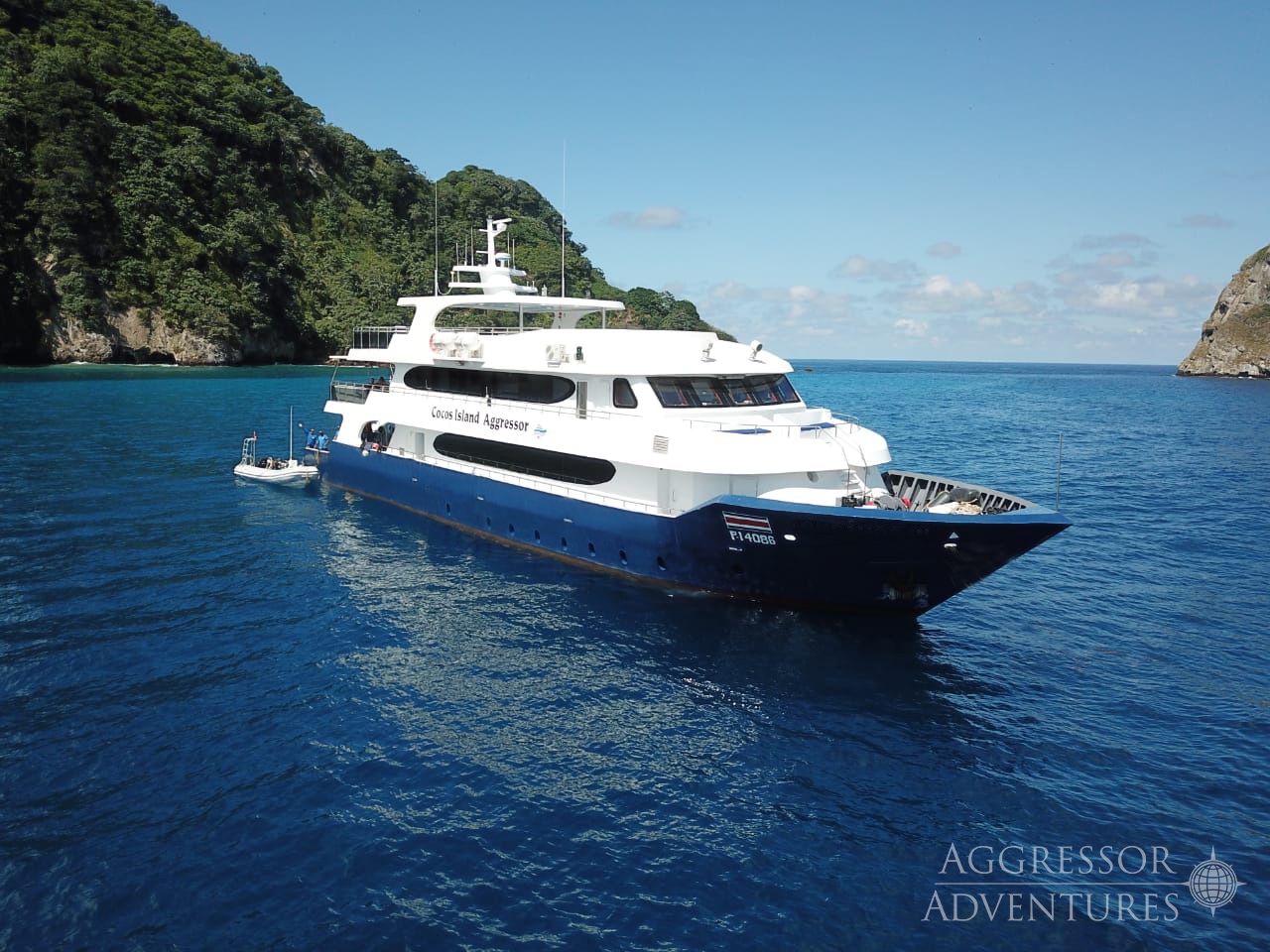
Cocos Aggressor
Costa Rica
22 guests37.8 m
$636/day
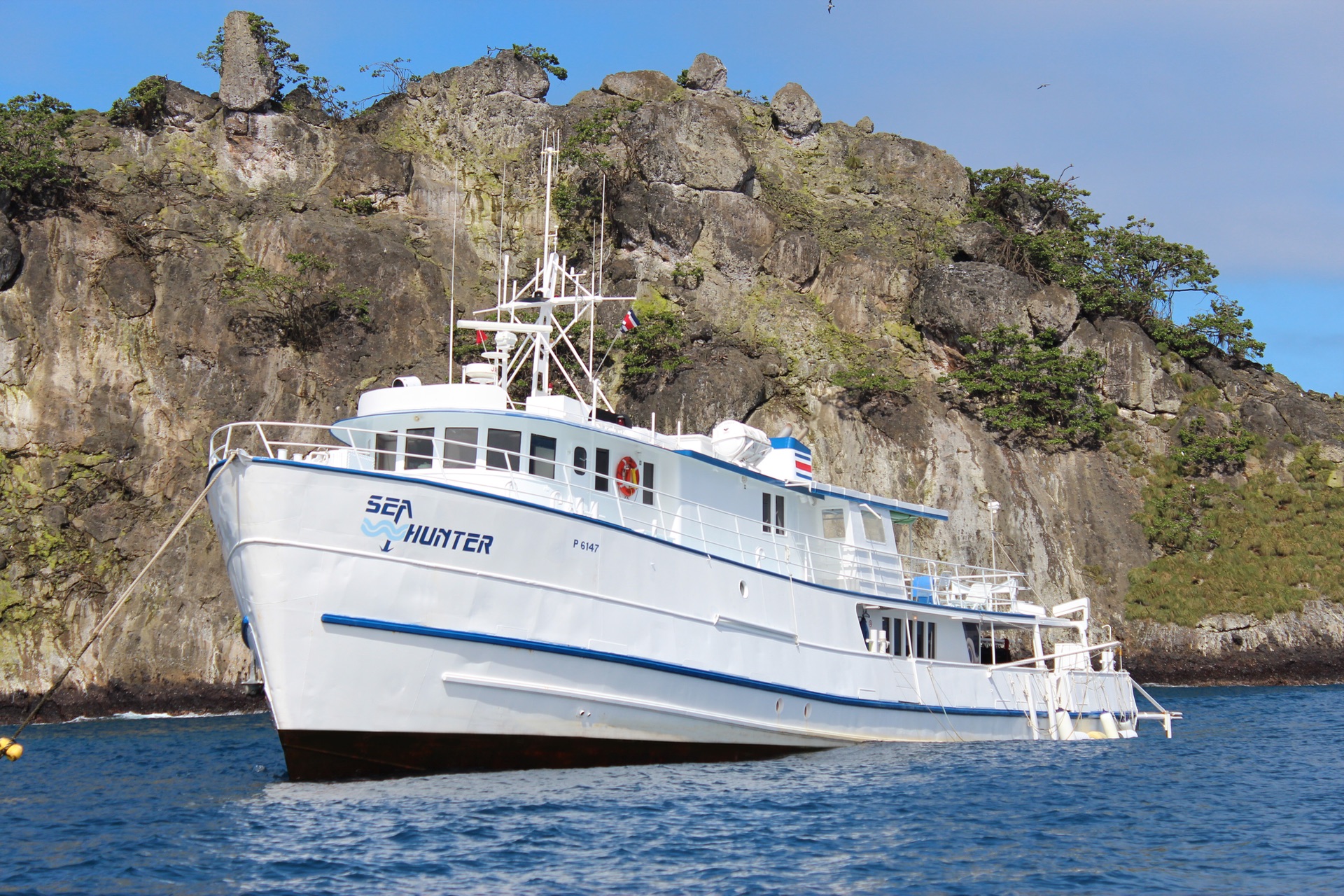
Sea Hunter
Costa Rica
20 guests
$690/day
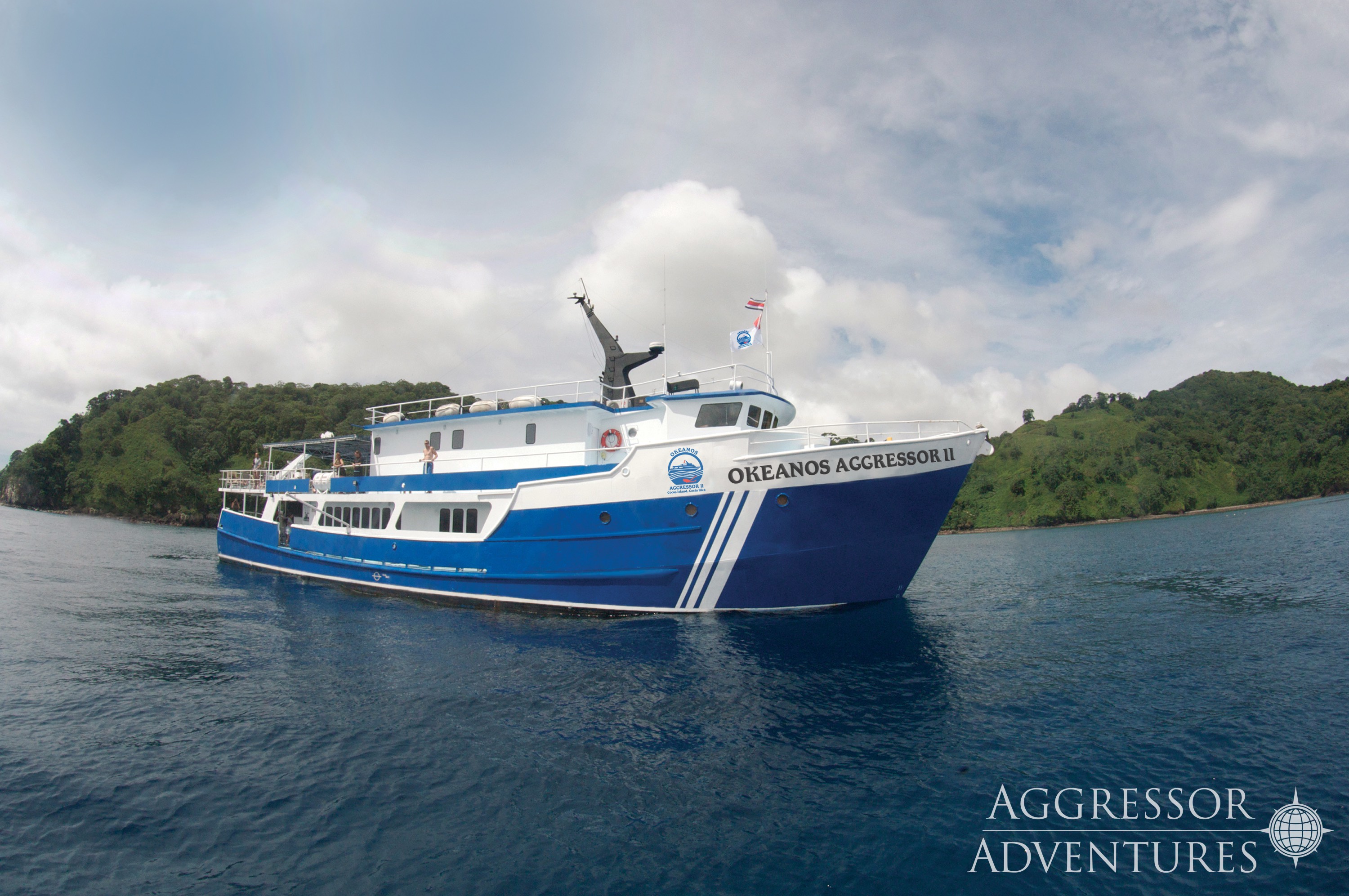
Okeanos Aggressor II
Costa Rica
24 guests36.6 m
$504/day
Dive sites similar to Bajo Alcyone
Same character, same waters — six more sites divers love for the exact same reasons.Compare seasons, access and liveaboard routes — then pick the site that fits your trip best.
© Esri — Maxar, Earthstar, GIS
Elizabeth Bay
Galápagos
Elizabeth Bay, located on the eastern coast of Isabela Island, presents a wide and sheltered marine environment rich in biodiversity.
- Suitable for
- Beginner
- Current
- No current
- Access
- Liveaboard only
- Depth
- 3–20 m
- Theme
- —
© Esri — Maxar, Earthstar, GIS
Floreana - Devil's Crown
Galápagos
Devil's Crown, located off Floreana Island in the Galápagos, is renowned as one of the archipelago's premier diving and snorkeling destinations.
- Suitable for
- Beginner
- Current
- Strong
- Access
- Liveaboard only
- Depth
- 3–15 m
- Theme
- Reef
© Esri — Maxar, Earthstar, GIS
Bajo Negro
Costa Rica
Bajo Negro, or Black Rock, is a captivating dive site located within the Bat Islands in Santa Rosa National Park, off Costa Rica's Pacific coast.
- Suitable for
- Advanced
- Current
- Strong
- Access
- Shore / dayboat
- Depth
- 20–30 m
- Theme
- Pinnacle / Seamount
© Esri — Maxar, Earthstar, GIS
Dos Sombreros
Costa Rica
Dos Sombreros is a renowned dive site located offshore from Playa Flamingo, forming part of the Catalina Islands chain in Costa Rica's North Pacific region.
- Suitable for
- Intermediate
- Current
- Moderate
- Access
- Dayboat
- Depth
- 12–25 m
- Theme
- Pinnacle
© Esri — Maxar, Earthstar, GIS
Pelican Rock
Mexico
Pelican Rock is a renowned dive site located within the Cabo San Lucas Marine Park in Baja California Sur, Mexico, just a few minutes by boat from the marina.
- Suitable for
- Beginner
- Current
- Mild
- Access
- Liveaboard or dayboat
- Depth
- 5–40 m
- Theme
- Wall
© Esri — Maxar, Earthstar, GIS
Isla Montserrat
Mexico
Isla Montserrat is one of the five major islands within the Bahía de Loreto National Park, offering a diverse range of diving opportunities.
- Suitable for
- Intermediate
- Current
- Mild
- Access
- Liveaboard only
- Depth
- —
- Theme
- Reef / Wall