About Bahía de La Paz
Bahía de La Paz serves as the capital of Baja California Sur and the primary gateway to the Sea of Cortez, a region famously dubbed the "world's aquarium" by Jacques Cousteau due to its exceptional biodiversity. This area is renowned for attracting a wide array of large pelagic species, including whale sharks and significant schools of hammerhead sharks, alongside numerous other marine creatures. The diving landscape around La Paz is characterized by rugged coastlines, mountainous islands, and deep underwater pinnacles. Key dive sites often feature dramatic volcanic topography, with some seamounts like El Bajo peaking at 17 meters from the surface and dropping into deeper abyssal waters. Other sites, such as Los Islotes, consist of rocky islets that host abundant marine life. Many prime diving locations, including Isla Espiritu Santo and its surrounding islets, are protected within the Archipelago Espiritu Santo National Park, a UNESCO World Heritage Site, which safeguards 38 endemic species. The marine environment here supports a rich variety of species, with the most extensive range present from December to April. During these cooler months, plankton blooms attract pods of dolphins, orcas, breeding humpback whales, manta rays, and schools of hammerhead sharks. Californian brown sea lions are a year-round highlight, known for their playful and curious interactions with divers. Juvenile whale sharks are commonly sighted in October and November. The waters also teem with schools of fish like tuna, jacks, and wahoos, alongside macro life such as endemic signal blennies. Diving in La Paz often entails reaching sites via boat trips that can exceed an hour, especially for locations like Los Islotes. Many dives are considered suitable for advanced divers due to potential strong currents and waves, particularly at open ocean sites. Liveaboard trips are a popular option for maximizing time at more remote pinnacles and islands.
Highlights
Playful California sea lion encountersSchools of hammerhead sharksWhale shark sightings (juveniles)Underwater pinnacles at El BajoC-59 shipwreck explorationBreeding humpback whales (seasonal)Giant manta rays (seasonal)
Season calendar
Best months to dive here
Jan
Feb
Mar
Apr
May
Jun
Jul
Aug
Sep
Oct
Nov
Dec
Excellent
Good
Dive site facts: Bahía de La Paz
- Depth
- 17–27 m
- Typical dive
- 10–25 m, 50–60 min
- Current
- Mild to strong
- Visibility
- 10–35 m
- Water temperature
- 20–30°C
- Entry
- Boat
- Level
- All levels
- Dive type
- Big animals, Reef, Wreck
- Night dive
- Possible
- Region / port
- La Paz, Baja California Sur, Mexico
- Coordinates
- 24.25, -110.32
Conditions & Currents
Currents vary significantly across sites within the Bahía de La Paz region. Deeper seamounts like El Bajo and La Reina can experience strong, wicked currents, making them suitable for advanced divers. These currents, however, contribute to clearer visibility and attract large pelagics and schooling fish. Shallower areas and sheltered bays, particularly those frequented by whale sharks, typically have mild or negligible currents, allowing for comfortable snorkeling and diving. Entry techniques are usually boat-based, often via tender, with consideration for current conditions at specific sites. Visibility typically ranges from 15 to 35 meters (50 to 115 feet) but can drop to 5-15 meters (15-50 feet) in plankton-rich waters during whale shark season. Water temperatures range from 20°C to 30°C (68°F to 86°F) seasonally, with thermoclines possible in cooler months. Divers should plan gas acc
Marine life & sighting chances

Whale shark
October-April · common
California sea lion
Year-round · common
Mobula ray
April-June, July-November · common
Hammerhead shark
September-October, Winter · occasional
Green sea turtle
Year-round · occasional
Moray eel
Year-round · common
Dolphin
Year-round · common
Humpback whale
January-March · occasional
Nudibranch
Year-round · common
Seahorse
Year-round · occasional
Jack
Year-round · common
Tuna
Year-round · occasionalDive profile & how the dive runs
Diving in Bahía de La Paz often involves different profiles depending on the site. For whale shark encounters, the experience typically begins with a short boat ride from Pichilingue or the Malecón to plankton-rich, shallow waters, usually 3 to 8 meters deep, allowing for snorkeling interactions. For scuba dives at sites like Los Islotes, entry is usually a negative or giant stride from a small boat, descending directly onto rocky reefs or slopes. The dive might progress along the reef, exploring crevices and overhangs, with depth varying from 10 to 25 meters. At El Bajo seamount, an advanced dive, descent is often to a depth of 18 meters, exploring the seamount's pinnacle which rises to 18 meters from the surface, then drifting along deeper sections, potentially reaching 30 meters or more. Safety stops are typically conducted at 5 meters for 3 minutes, often in the clear blue water before ascent.
Underwater photography
Bahía de La Paz is a prime location for wide-angle photography, especially during peak pelagic seasons. A fisheye lens is essential for capturing playful sea lions at Los Islotes, large schools of fish, and baitballs, as well as for unique perspectives of whale sharks during snorkeling encounters. Strong strobes are recommended to bring out color and detail, especially for backlit scenes or in deeper areas. For whale shark interactions, a fast shutter speed is beneficial, even for snorkel setups. During the cooler winter and early spring months, or at sites like El Bajito, switch to macro mode. A macro lens will reveal nudibranchs, jawfish, seahorses, and other small critters hiding in fissures and along rock ledges. Maintain excellent buoyancy control to avoid disturbing sand or marine life, particularly when approaching subjects for close-up shots.
Combine with nearby dive sites
- Los Islotes
Famous sea lion colony
- El Bajo
Seamount known for hammerheads
- La Reina
Rock with strong currents and pelagics
- Las Animas
Remote rocks with schooling fish
- El Bajito
Shallow site with abundant macro life
- Chairel Wreck
Shipwreck dive
Getting there & logistics
Access to Bahía de La Paz is convenient via Manuel Márquez de León International Airport (LAP), which receives domestic flights from major Mexican cities like Mexico City and Cabo San Lucas. International travelers often fly into Cabo San Lucas (SJD) and take a two-hour transfer north to La Paz. Most diving is resort-based, with day trips departing from La Paz marinas via panga or speedboat. Typical dive excursions involve morning departures for two to three dives, returning in the afternoon. Liveaboards also operate seasonally, often covering more remote sites. Marine park fees and conservation permits are generally handled by tour operators for sites like Los Islotes and Bahía de La Paz. Trips often combine whale shark snorkeling in the bay with scuba diving at offshore sites or sea lion colonies.
Safety & environment
While La Paz is a safe diving destination, adherence to safety protocols is paramount. The nearest recompression chamber is located in La Paz itself, and local operators are well-versed in emergency procedures. Divers should always carry comprehensive dive insurance that covers emergency medical treatment and evacuation. Site-specific hazards include potentially strong currents at exposed seamounts like El Bajo and La Reina, requiring appropriate experience and dive planning. Strict regulations govern interactions with marine life, especially whale sharks and sea lions; touching animals is prohibited, and approaches must be respectful. Always dive with a reputable operator, follow dive guide instructions, and ensure proper equipment maintenance to mitigate risks.
Who it suits, and who it doesn't
Suited for
- Big animal enthusiasts
- Underwater photographers (wide-angle and macro)
- Divers seeking varied topography
- Beginners and experienced divers
- Those who enjoy both snorkeling and scuba
Less suited for
- Divers seeking exclusively deep wall dives
- Those uninterested in pelagic encounters
- Divers unwilling to travel by day boat
- Individuals sensitive to occasional choppy surface conditions
- Those who prefer large liveaboard-only itineraries
FAQ
Bahía de La Paz FAQ
When is the best time to see whale sharks in Bahía de La Paz?
The prime season for whale shark encounters in Bahía de La Paz runs from October through April. Peak numbers are typically observed from November through February, when juvenile whale sharks congregate in the shallow, plankton-rich waters of the bay. Mexican regulations strictly control these encounters to ensure minimal disturbance.
Can I scuba dive with whale sharks in La Paz?
Mexican regulations primarily permit snorkeling encounters with whale sharks in La Paz, as these animals feed at the surface in shallow waters, typically 3 to 8 meters deep. Scuba diving is generally not permitted for direct interaction with whale sharks in the feeding zones. However, La Paz offers excellent scuba diving at other sites, and many visitors combine a morning whale shark snorkel with an afternoon dive.
What is the water temperature like in Bahía de La Paz?
Water temperatures in Bahía de La Paz vary by season. During the summer and autumn months (July to November), temperatures are at their warmest, ranging from 27°C to 30°C (80°F to 86°F). In winter and spring (December to May), the water cools to 19°C to 23°C (66°F to 73°F), offering cooler but often clearer conditions.
Are there strong currents in Bahía de La Paz dive sites?
Currents vary significantly within the Bahía de La Paz area. Sheltered bay areas, especially those for whale shark snorkeling, tend to have very mild currents. However, offshore sites and seamounts like El Bajo and La Reina can experience strong, sometimes challenging currents, attracting large pelagics and schooling fish. Divers should discuss specific site conditions with their dive operator.
What marine life can I expect to see beyond whale sharks and sea lions?
Beyond the iconic whale sharks and California sea lions, Bahía de La Paz is teeming with diverse marine life. You can expect to encounter large schools of mobula rays, occasional hammerhead sharks, green sea turtles, and various types of dolphins. The reefs are home to moray eels, numerous fish species, nudibranchs, and seahorses, offering both wide-angle and macro photography opportunities.
Why dive Bahía de La Paz from a liveaboard?
Bahía de La Paz is one of Mexico's signature dive sites. A liveaboard sleeps you on the water and typically offers several guided dives per day (the exact number depends on the vessel and itinerary), including dawn and night dives that day-boat operators rarely offer. You skip the daily commute back to port and reach quieter, less-crowded sites in the same region on a single trip.
Liveaboards diving Bahía de La Paz
These liveaboards may visit Bahía de La Paz on selected itineraries, the exact dive sites depend on departure, weather and conditions.
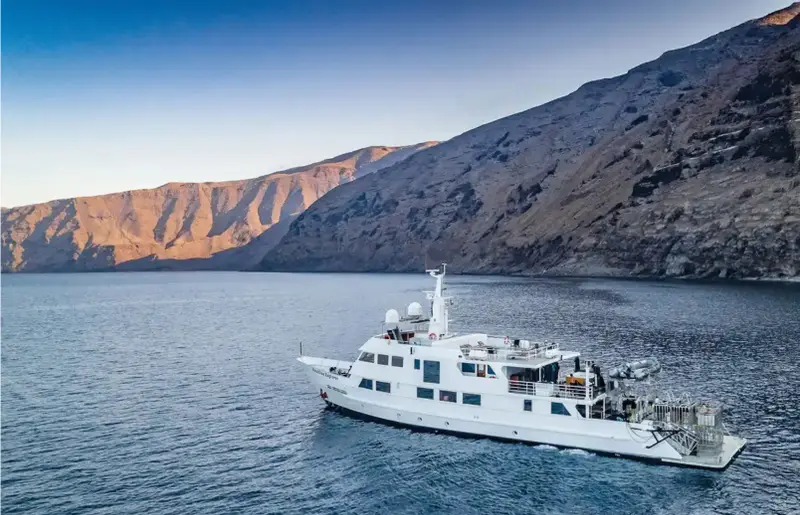
Nautilus Explorer
Mexico
25 guests45 m
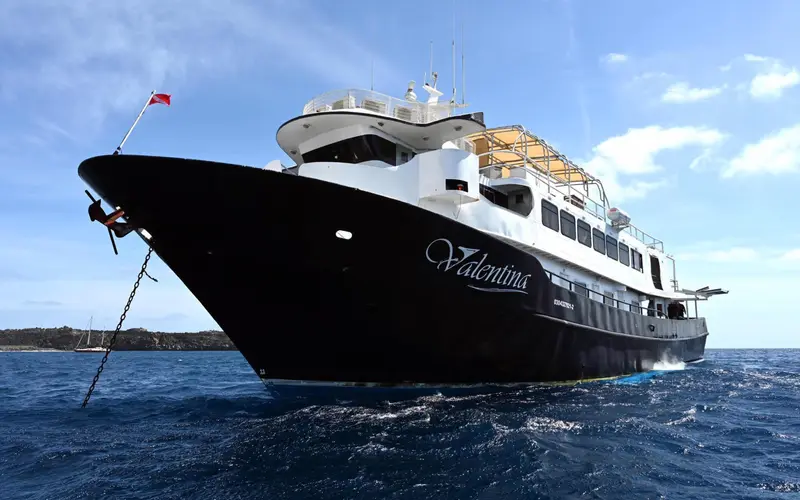
Valentina
Mexico
20 guests38 m
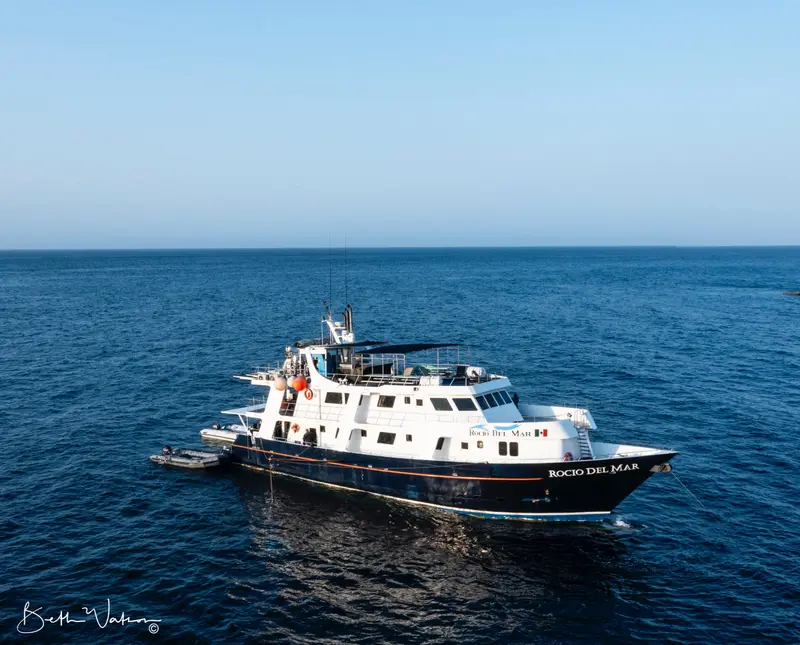
Rocio del Mar
Mexico
20 guests34 m
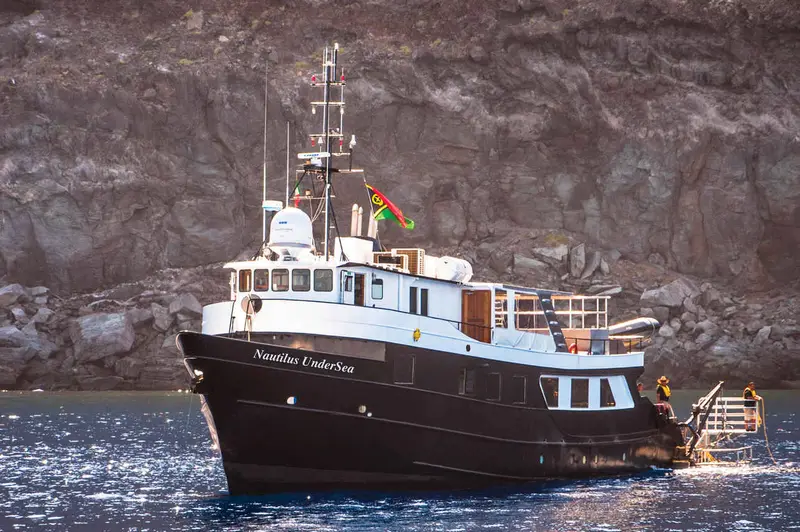
Nautilus Under Sea
Mexico
19 guests32 m
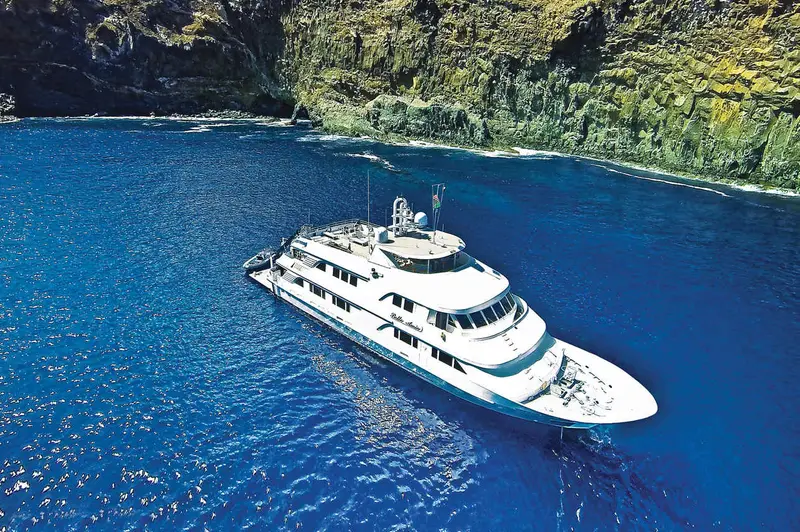
Nautilus Belle Amie
Mexico
32 guests45 m
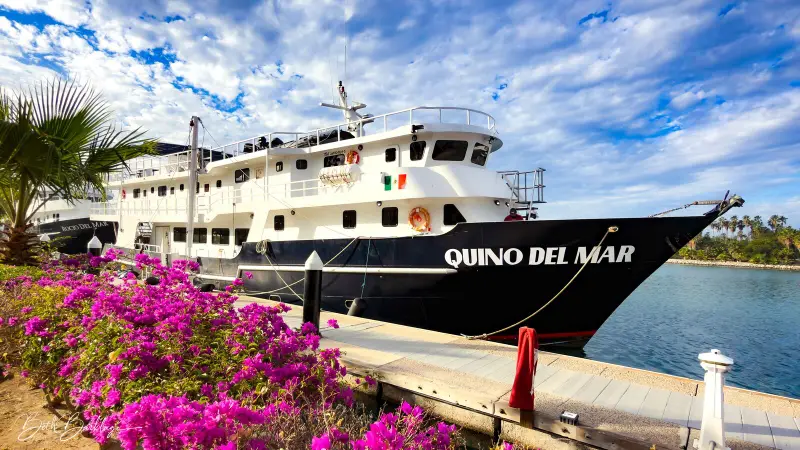
Quino del Mar
Mexico
20 guests36 m
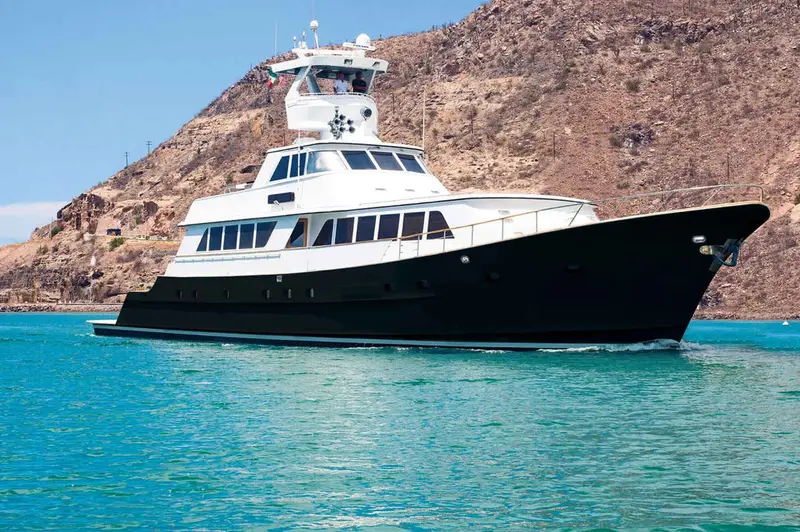
Nautilus Gallant Lady
Mexico
12 guests35 m
Dive sites similar to Bahía de La Paz
Same character, same waters, six more sites divers love for the exact same reasons.Compare seasons, access and liveaboard routes, then pick the site that fits your trip best.
© EsriMaxar, Earthstar, GIS
Black Rock
Costa Rica
Black Rock, also known as Bajo Negro, is a remote and challenging pinnacle dive site situated within the Bat Islands, part of Costa Rica's Santa Rosa National Park.
- Suitable for
- Advanced
- Current
- Strong
- Access
- Dayboat
- Depth
- 20–30 m
- Theme
- Reef / Pinnacle
© EsriMaxar, Earthstar, GIS
El Vencedor, a fun wreck dive located in Cabo Pulmo, Mexico, is a renowned site for its rich marine life and particularly for bull shark encounters.
- Suitable for
- Advanced
- Current
- Strong
- Access
- Liveaboard or dayboat
- Depth
- 10–14 m
- Theme
- Wreck
© EsriMaxar, Earthstar, GIS
Cape Douglas - Fernandina
Galápagos
Cape Douglas, located off the secluded Fernandina Island in the Galápagos, offers a truly unique dive experience centered around its endemic marine life.
- Suitable for
- Advanced
- Current
- Strong
- Access
- Liveaboard only
- Depth
- 5–33 m
- Theme
- Reef
Clasico is a prominent dive site situated on the western side of Costa Rica's Catalina Islands, an archipelago formed by volcanic peaks.
- Suitable for
- Advanced
- Current
- Strong
- Access
- Liveaboard only
- Depth
- 10–30 m
- Theme
- Drift / Reef
© EsriMaxar, Earthstar, GIS
Devil's Rock
Costa Rica
Devil's Rock is a prominent dive site located in Costa Rica's Caño Island Biological Reserve, positioned to the northwest as an extension of the larger Bajo del Diablo platform.
- Suitable for
- Advanced
- Current
- Strong
- Access
- Liveaboard or dayboat
- Depth
- 18–35 m
- Theme
- Reef / Pinnacle