About Chairel Wreck
The Chairel is a prominent artificial reef and wreck dive located off the coast of Isla Mujeres, Mexico. Originally a car ferry that operated between Isla Mujeres and Cancun in the late 1980s, the vessel was repurposed as a floating restaurant before being intentionally sunk on October 18, 2000. This deliberate sinking aimed to create a new dive attraction and artificial reef for experienced divers and photographers. Due to unexpected rough weather and strong winds during the sinking process, the ferry capsized, coming to rest upside down on the ocean floor. The wreck lies at a maximum depth of 27-28 meters (89-92 feet), with the average visibility being around 20 meters (65 feet) and water temperatures averaging 26°C (79°F). Its inverted position means interior penetration is not possible. However, the exterior and surrounding debris from the helm create a rich environment for marine life. The site is a deep dive with strong currents, often experienced as a drift dive, making it suitable for advanced divers. The Chairel Wreck has become a thriving habitat, attracting a variety of marine species. Divers frequently encounter green moray eels within the rock piles and debris. The wreck is particularly known as an excellent spot for observing schools of spotted eagle rays, large barracudas, and snappers. Various schools of fish are often present, adding to the site's vibrant ecosystem. Given the strong currents and significant depth, this is considered an advanced dive. Dive operators typically employ a method of descending with an anchor line to provide support, especially during safety stops. The average dive time is 30-35 minutes, and good air control and comfort in current are essential requirements for divers.
Highlights
Inverted car ferry wreckSchools of spotted eagle raysLarge barracudasGreen moray eelsThriving artificial reefDeep drift dive
Dive site facts: Chairel Wreck
- Depth
- 27–28 m
- Current
- Mild
- Entry
- Liveaboard or dayboat
- Level
- Advanced
- Dive type
- Wreck, Reef
- Coordinates
- 21.2612° N, 86.7725° W
Conditions & Currents
Diving the Chairel Wreck is characterized by strong currents, often making it a drift dive. These challenging conditions, combined with the significant depth, classify it as an advanced dive requiring comfort in current and typically an Advanced Open Water certification. Entry is often managed by dropping an anchor line for divers to descend, providing a secure reference in the moving water. This method also aids in making safer stops on ascent. Surge and boat traffic are not specifically mentioned as primary concerns, but the strong currents are the dominant environmental factor. Visibility averages around 20 meters (65 feet), and water temperatures are typically 26°C (79°F). Divers need to plan their gas consumption carefully due to the depth and potential exertion from current, with typical dive times limited to 30-35 minutes.
Why dive Chairel Wreck from a liveaboard?
Chairel Wreck is one of 's signature dive sites. A liveaboard sleeps you on the water and puts you in the water for three to four guided dives per day, including dawn and night dives that day-boat operators rarely offer. You skip the daily commute back to port and reach quieter, less-crowded sites in the same region on a single trip.
Below are the liveaboards that include Chairel Wreck on their itineraries.
Liveaboards diving Chairel Wreck
These liveaboards may visit Chairel Wreck on selected itineraries — the exact dive sites depend on departure, weather and conditions.
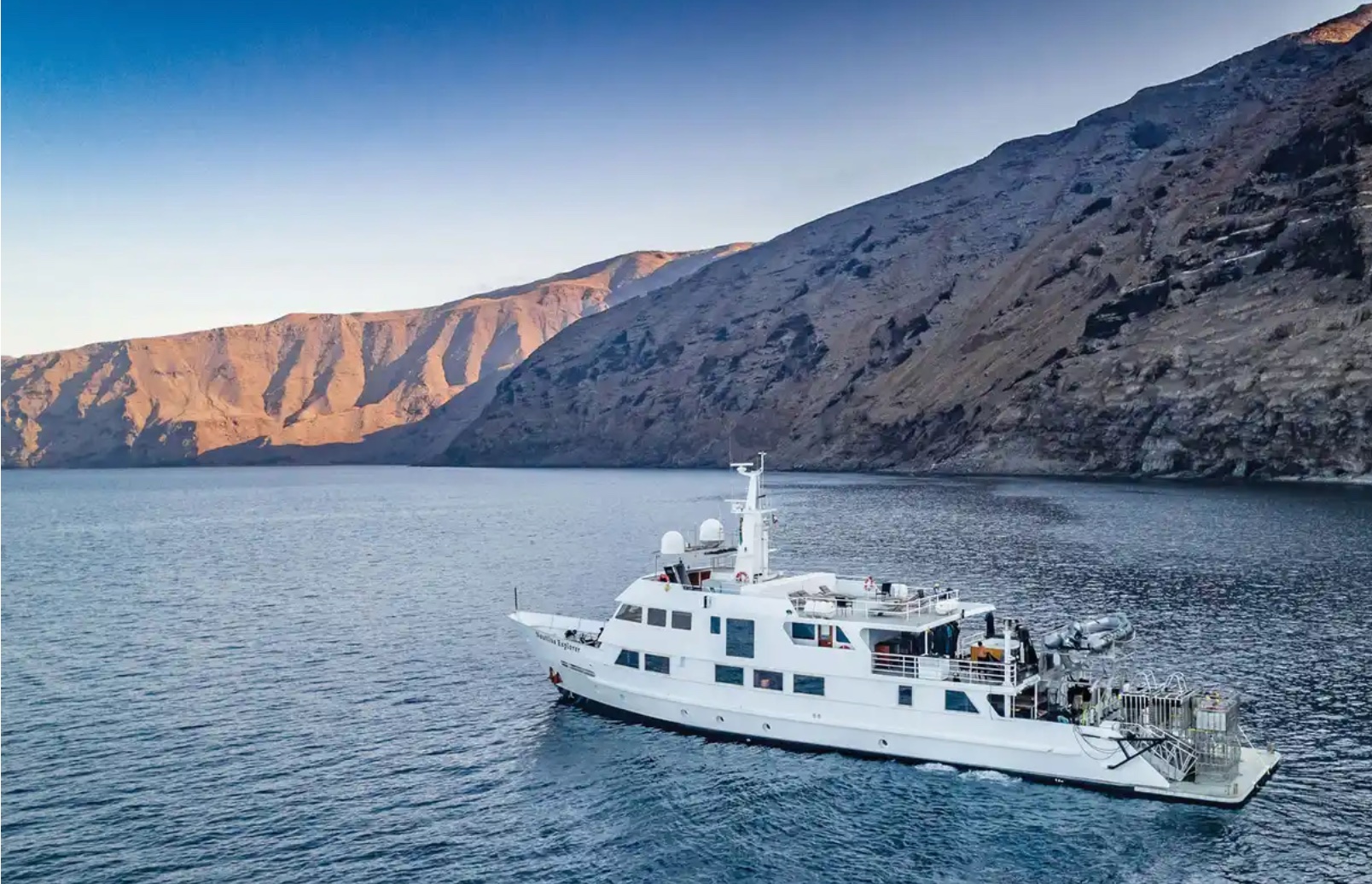
Nautilus Explorer
Mexico
25 guests44.8 m
$330/day
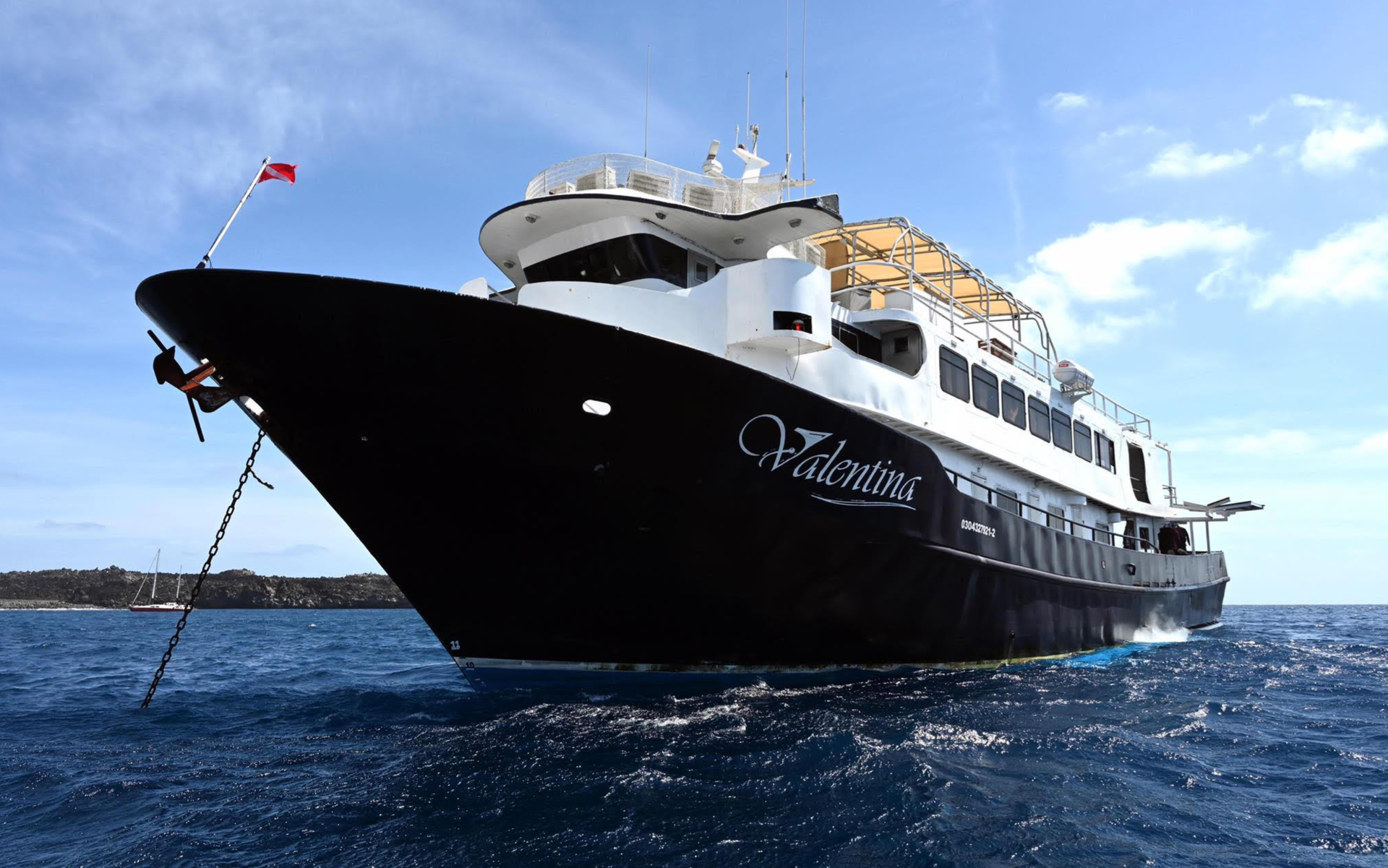
Valentina
Mexico
20 guests38.1 m
$430/day
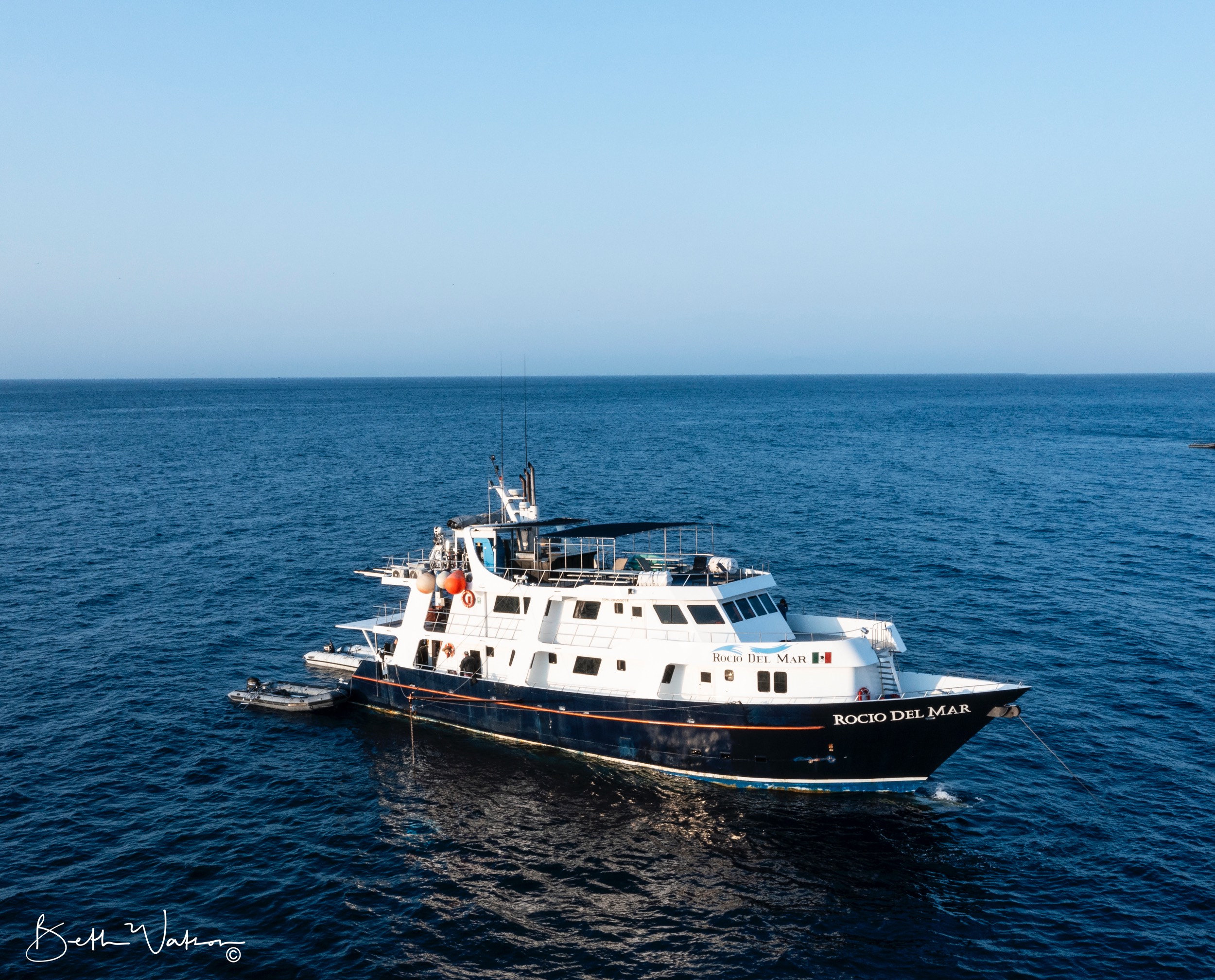
Rocio del Mar
Mexico
20 guests33.5 m
$392/day
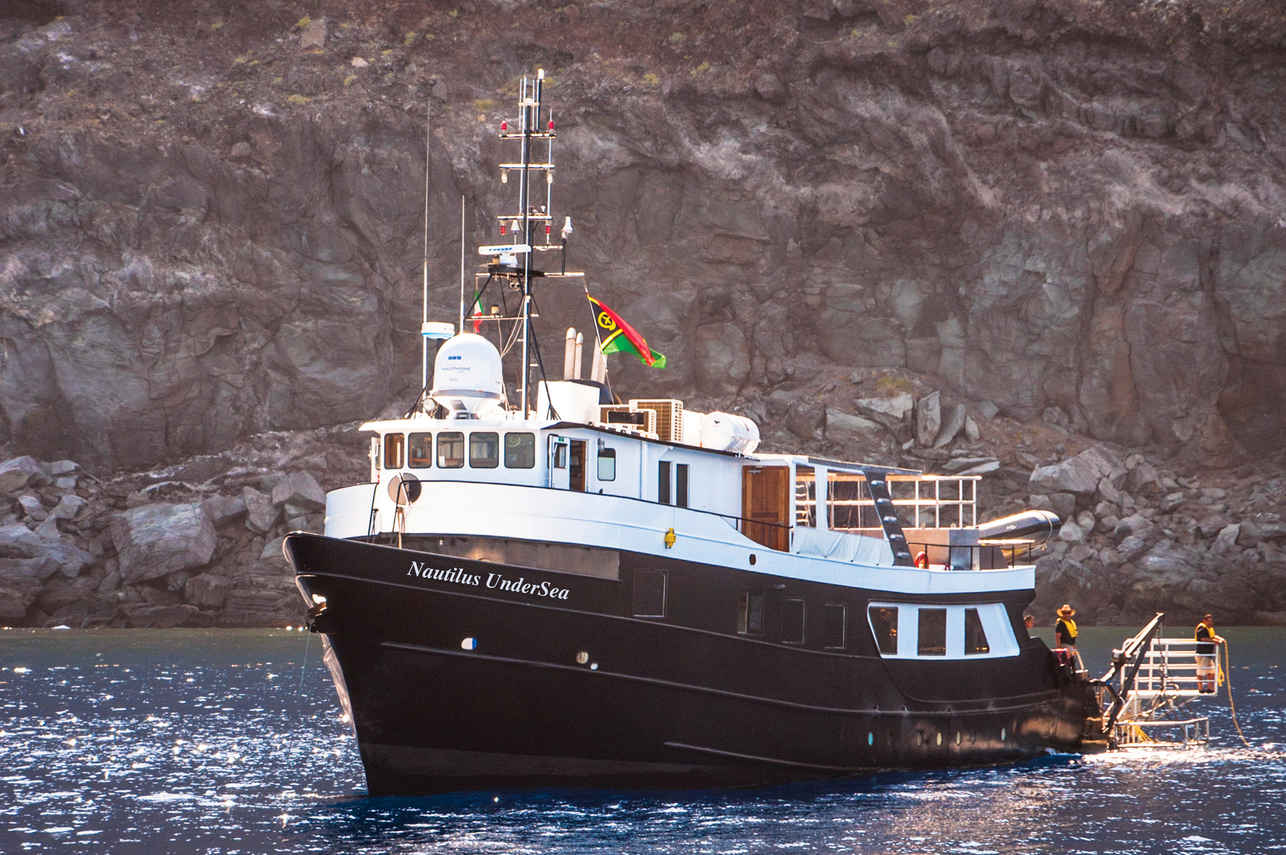
Nautilus Under Sea
Mexico
19 guests32 m
$261/day
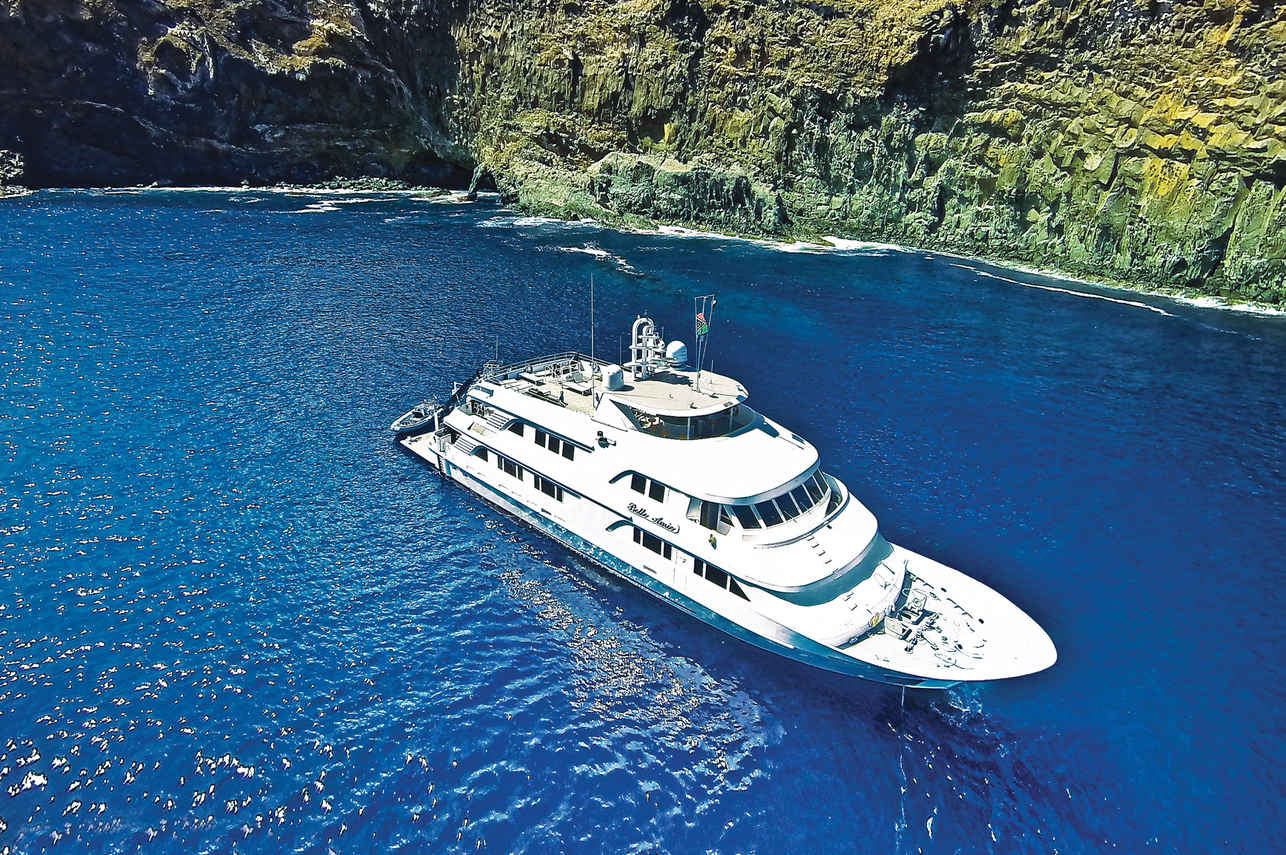
Nautilus Belle Amie
Mexico
32 guests44.8 m
$323/day
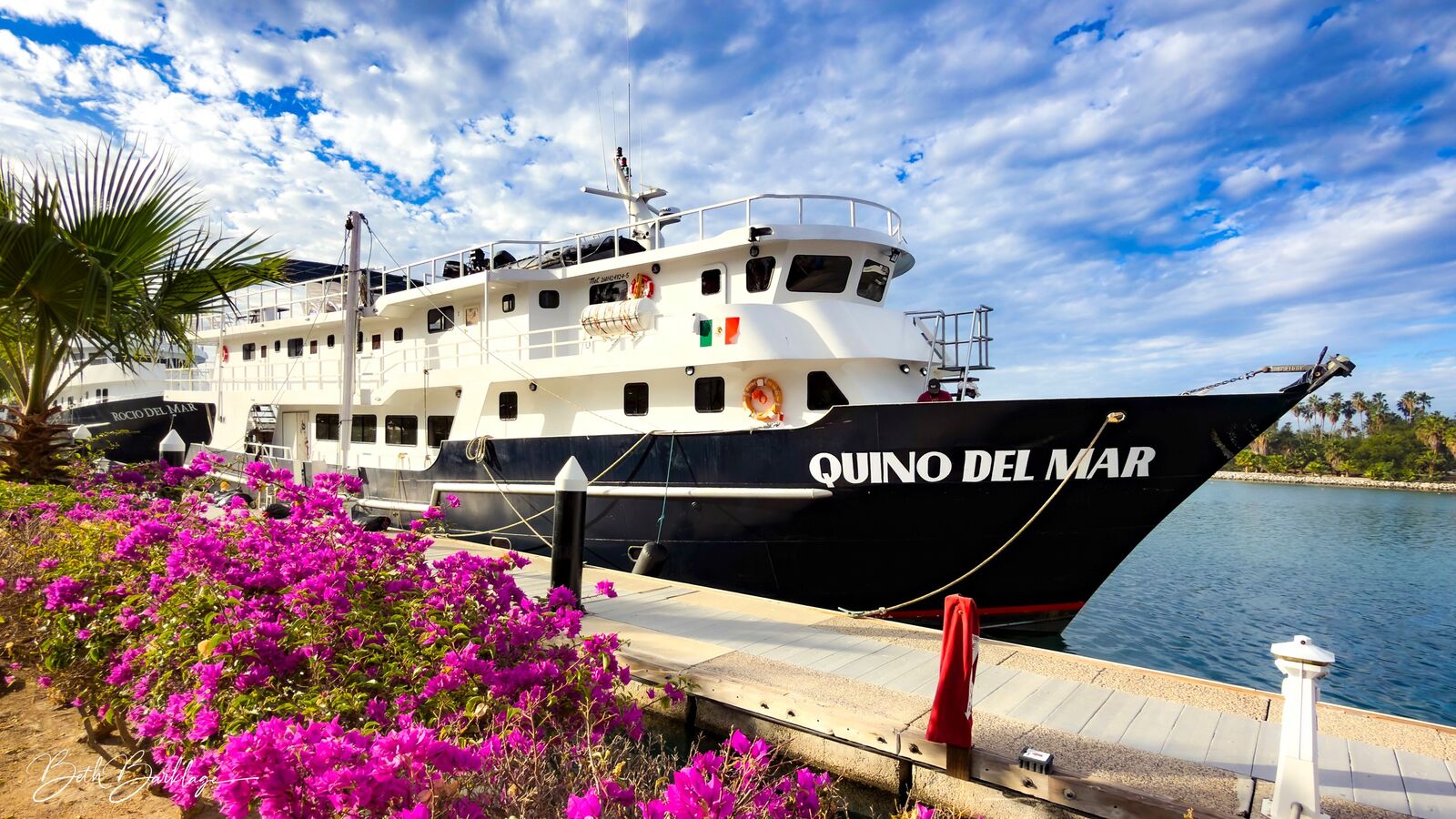
Quino del Mar
Mexico
20 guests36 m
$377/day
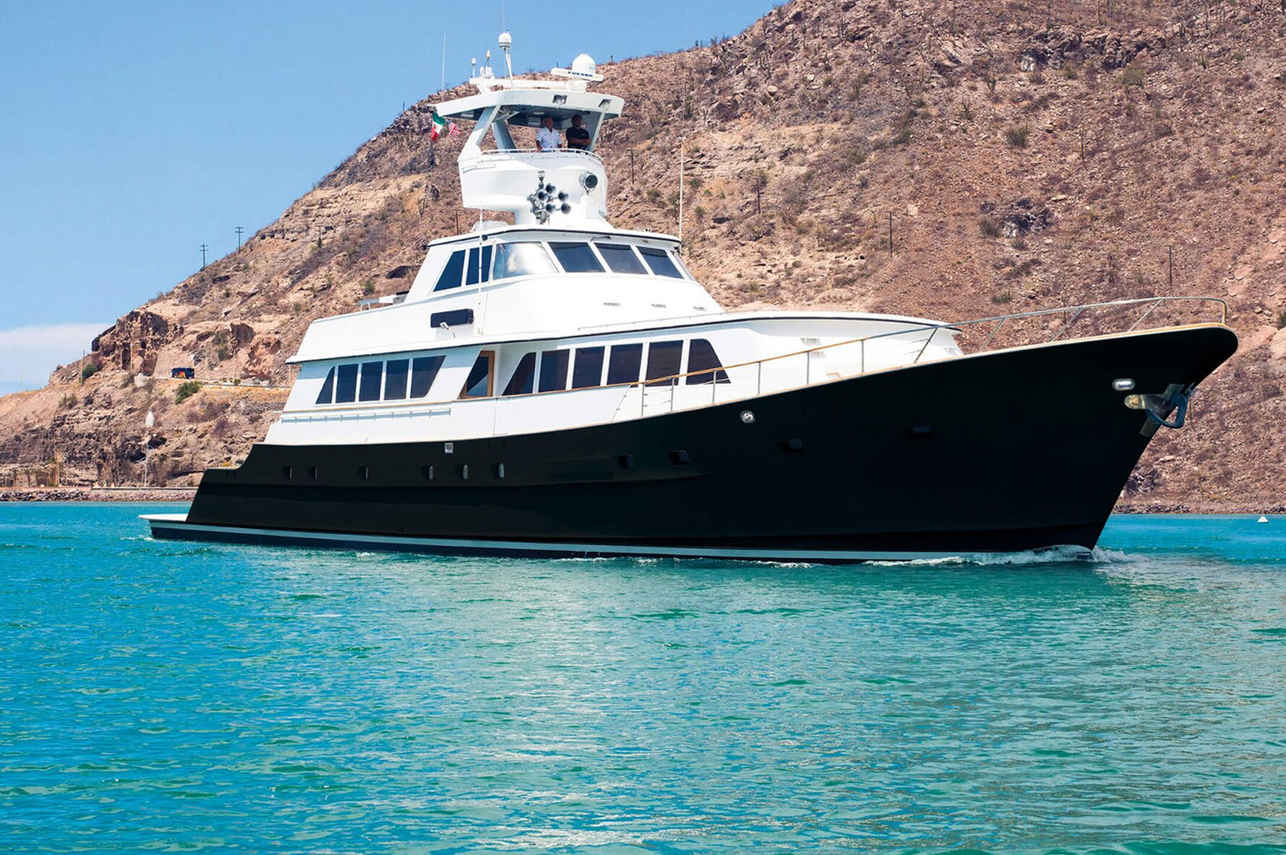
Nautilus Gallant Lady
Mexico
12 guests35.36 m
$332/day
Dive sites similar to Chairel Wreck
Same character, same waters — six more sites divers love for the exact same reasons.Compare seasons, access and liveaboard routes — then pick the site that fits your trip best.
© Esri — Maxar, Earthstar, GIS
Silver Caves
Belize
Silver Caves offers a distinctive diving experience within the Lighthouse Reef Atoll, one of Belize's healthiest reef systems.
- Suitable for
- Advanced
- Current
- Mild
- Access
- Liveaboard only
- Depth
- 18–28 m
- Theme
- Reef / Cave & cavern
Cozumel's western coast features a dramatic reef shelf that plunges thousands of feet into the ocean.
- Suitable for
- Intermediate
- Current
- Mild
- Access
- Liveaboard or dayboat
- Depth
- 15–27 m
- Theme
- Reef
© Esri — Maxar, Earthstar, GIS
North Wall
Cayman Islands
The North Wall of Grand Cayman stands as one of the most celebrated and visually striking dive regions, stretching along the island's northern coastline.
- Suitable for
- Advanced
- Current
- Mild
- Access
- Liveaboard or dayboat
- Depth
- 50–100 m
- Theme
- Reef
© Esri — Maxar, Earthstar, GIS
Lighthouse Reef
Cayman Islands
Lighthouse Reef, situated near the West End dock of Cayman Brac, provides a distinctive shallow reef diving experience.
- Suitable for
- Beginner
- Current
- Strong
- Access
- Shore / dayboat
- Depth
- 10–25 m
- Theme
- Reef
© Esri — Maxar, Earthstar, GIS
Long Caye Ridge
Belize
Long Caye Ridge is a highly-rated dive site situated within Belize's Lighthouse Reef Atoll, an area renowned for its pristine conditions due to its distance from the mainland.
- Suitable for
- Intermediate
- Current
- No current
- Access
- Liveaboard only
- Depth
- 21–21 m
- Theme
- Reef
Roatán, part of the Bay Islands of Honduras, offers a diverse underwater landscape situated along the Mesoamerican Barrier Reef System, which is the second largest barrier reef globally.
- Suitable for
- Intermediate
- Current
- Moderate
- Access
- Liveaboard or dayboat
- Depth
- 9–40 m
- Theme
- Reef