About Cabo Pulmo - El Vencedor Wreck
El Vencedor, a fun wreck dive located in Cabo Pulmo, Mexico, is a renowned site for its rich marine life and particularly for bull shark encounters. This former tuna trawler sank in the early 1980s after striking the reef, transforming into a vibrant artificial reef surrounded by sand. Cabo Pulmo itself is a UNESCO World Heritage site and a highly successful marine protected area on the Baja California Peninsula, celebrated for its unique 20,000-year-old coral reef and incredible biodiversity, hosting over 6,000 marine species. The site's topography centers around the shipwreck, which has become a cleaning station attracting various species. Divers can expect to see schooling snapper and grunts, large groupers, numerous pufferfish, moray eels, and garden eels. The most notable inhabitants are the peaceful bull sharks, which are frequently sighted here. The area's conservation efforts have led to a remarkable increase in marine biomass, making it a thriving underwater ecosystem. El Vencedor is considered a crown jewel among Cabo Pulmo's dive sites, largely due to the consistent presence of bull sharks. While Cabo Pulmo generally has strong currents and big waves, making it an area suitable for advanced divers, El Vencedor specifically is a highlight. Bull sharks are seen almost year-round, with increased sightings from September to December. Divers exploring this wreck can immerse themselves in a dynamic environment, witnessing the successful conservation efforts reflected in the abundant marine life.
Highlights
Jack tornadoBull sharksGiant groupersSnappersUNESCO Marine Park
Season calendar
Best months to dive here
Jan
Feb
Mar
Apr
May
Jun
Jul
Aug
Sep
Oct
Nov
Dec
Excellent
Good
Dive site facts: Cabo Pulmo - El Vencedor Wreck
- Depth
- 6–21 m
- Current
- Moderate to strong
- Visibility
- 10–30 m
- Water temperature
- 21–29 °C
- Entry
- Boat
- Level
- Advanced recommended
- Dive type
- Wreck, shark, drift
- Region / port
- Cabo Pulmo, Baja California Sur
- Coordinates
- 23.442, -109.425
Conditions & Currents
The Cabo Pulmo region generally experiences strong currents and significant wave action, which contributes to its rich pelagic life but also requires divers to be proficient. Specific current conditions at El Vencedor can vary, though the site is known for drift diving opportunities, suggesting moderate to strong currents at times. Divers should be prepared for potential low visibility at the wreck, which can heighten the intensity of bull shark encounters. Entry and exit strategies typically involve boat support, with the captain positioned to retrieve divers efficiently after a drift, especially given the dynamic conditions in the area. Thermoclines are possible given the seasonal temperature shifts, and visibility can range significantly.
Marine life & sighting chances

Bull Shark
September–December (peak Jan–Feb) · common
Snapper
common
Grunts
common
Grouper
common
Pufferfish
common
Moray Eel
common
Garden Eel
common
Stingrays
occasional
Angelfish
occasional
Jackfish
occasional
Parrotfish
occasional
Porcupinefish
occasionalDive profile & how the dive runs
Diving El Vencedor typically begins with a boat entry, often as a drift dive due to the prevailing currents. The wreck itself, a former tuna trawler, rests on a sandy bottom, offering structure for exploration. Divers often descend directly onto or near the wreck, which has transformed into an artificial reef. The route usually involves circumnavigating the wreck and observing the diverse marine life, with particular attention to areas where bull sharks are known to congregate, such as cleaning stations. Depth progression remains within the wreck's range, generally between 6 and 21 meters. Turn points are determined by air consumption and bottom time, with the safety stop conducted in the surrounding blue water or on parts of the wreck, depending on current and diver preference, before surfacing for boat pick-up.
Underwater photography
El Vencedor offers fantastic opportunities for wide-angle photography, especially when capturing the wreck and the impressive bull sharks. Consider a wide-angle lens to fully encompass the scale of the wreck and any schooling fish or shark formations. For macro enthusiasts, the wreck's encrusting life and smaller inhabitants like moray eels and pufferfish provide excellent subjects. Low visibility days can create a dramatic, suspenseful atmosphere for shark photography, but may require strobes to cut through murk and bring out color. Maintain excellent buoyancy to avoid disturbing the sandy bottom or the fragile reef structures on the wreck, and always give marine life, especially sharks, ample space, observing them calmly.
Combine with nearby dive sites
- Gordo Banks
Gordo Banks is a world-renowned deep dive site located approximately seven to ten miles offshore from San José del Cabo marina in Mexico.
- El Bajo Seamount
El Bajo Seamount, also known as Marisla Seamount, is a world-class advanced dive site located off La Paz in the Sea of Cortez.
- La Reina
La Reina, meaning "the queen," is a prominent rocky pinnacle located off the northern tip of Isla Cerralvo, accessible by a moderate boat…
- Los Islotes
Los Islotes, nestled north of Espíritu Santo Island in the Sea of Cortez, Mexico, is renowned for its vibrant marine life, especially its…
- San Rafaelito
San Rafaelito Lighthouse, frequently called Lobos Rock, is a beginner-friendly dive site nestled in the Sea of Cortez near La Paz.
Getting there & logistics
Access to Cabo Pulmo, where El Vencedor is located, is typically via Los Cabos International Airport (SJD). From SJD, a 90-minute drive north is required, often by rental car, though some operators offer day trips including transport. While Cabo San Lucas and San Jose del Cabo are popular bases, they involve a 3-4 hour round trip. Shorter commutes are possible from Los Barriles (45 mins) or La Ribera (15 mins). A CONANP conservation bracelet is mandatory for all water activities, including diving. Day trips are common, but liveaboards also visit Cabo Pulmo as part of longer itineraries exploring the Sea of Cortez, offering multiple daily dives and access to quieter sites. Trip lengths can vary from single-day excursions to multi-day liveaboard adventures.
Safety & environment
Diving at El Vencedor, especially with regular bull shark encounters, necessitates adherence to strict safety protocols. Always dive with a reputable operator that provides thorough pre-dive briefings and experienced dive masters. Given the dynamic currents and potential for lower visibility, divers should be comfortable with drift diving and managing challenging conditions. It is crucial to respect marine life, particularly sharks, by maintaining a calm demeanor and not provoking them. Dive insurance covering medical emergencies and recompression is highly recommended for all divers. The nearest recompression chamber is in Cabo San Lucas, meaning evacuation to medical facilities can take several hours depending on sea conditions and transportation availability. Always dive within your certification limits and communicate any concerns to your dive guide.
Who it suits — and who it doesn't
Suited for
- Advanced divers comfortable with currents
- Shark enthusiasts
- Wreck divers
- Underwater photographers seeking pelagic action
- Divers interested in marine conservation success stories
Less suited for
- Novice or unconfident Open Water divers
- Divers uncomfortable with strong currents
- Divers with little experience in low visibility conditions
- Those who prefer purely coral reef ecosystems
FAQ
Cabo Pulmo - El Vencedor Wreck FAQ
What kind of wreck is El Vencedor?
El Vencedor was a tuna trawler that sank in the early 1980s after it struck the reef in Cabo Pulmo. It now serves as a vibrant artificial reef, providing habitat for a wide array of marine life and acting as a focal point for divers seeking unique experiences.
Are there really bull sharks at El Vencedor?
Yes, El Vencedor is particularly renowned for frequent bull shark encounters. These sharks are often seen patrolling the wreck and the surrounding sandy areas. While sightings are common, divers are encouraged to maintain a respectful distance and observe them calmly.
What is the best time of year to see bull sharks at El Vencedor?
Bull sharks are present at El Vencedor almost year-round. However, increased sightings are reported from September through December, with a peak in January and February. This period generally offers cooler water temperatures and still good visibility.
Is Cabo Pulmo National Park a protected area?
Absolutely. Cabo Pulmo National Park is a highly successful marine protected area and a UNESCO World Heritage site. Its stringent conservation efforts have led to a remarkable increase in marine biomass and biodiversity, making it a globally recognized conservation success story.
Do I need a special permit to dive in Cabo Pulmo?
Yes, all visitors participating in water activities, including scuba diving and snorkeling, are required to purchase a CONANP conservation bracelet. This permit contributes directly to the ongoing conservation and management of the marine park.
What other marine life can I expect to see besides sharks?
Beyond bull sharks, El Vencedor and the surrounding Cabo Pulmo area teem with diverse marine life. You can anticipate seeing large schools of snapper and grunts, impressive groupers, various pufferfish, and both moray and garden eels. Stingrays, angelfish, and parrotfish are also commonly spotted.
Why dive Cabo Pulmo - El Vencedor Wreck from a liveaboard?
Cabo Pulmo - El Vencedor Wreck is one of Mexico's signature dive sites. A liveaboard sleeps you on the water and puts you in the water for three to four guided dives per day, including dawn and night dives that day-boat operators rarely offer. You skip the daily commute back to port and reach quieter, less-crowded sites in the same region on a single trip.
Below are the liveaboards that include Cabo Pulmo - El Vencedor Wreck on their Mexico itineraries.
Liveaboards diving Cabo Pulmo - El Vencedor Wreck
These liveaboards may visit Cabo Pulmo - El Vencedor Wreck on selected itineraries — the exact dive sites depend on departure, weather and conditions.
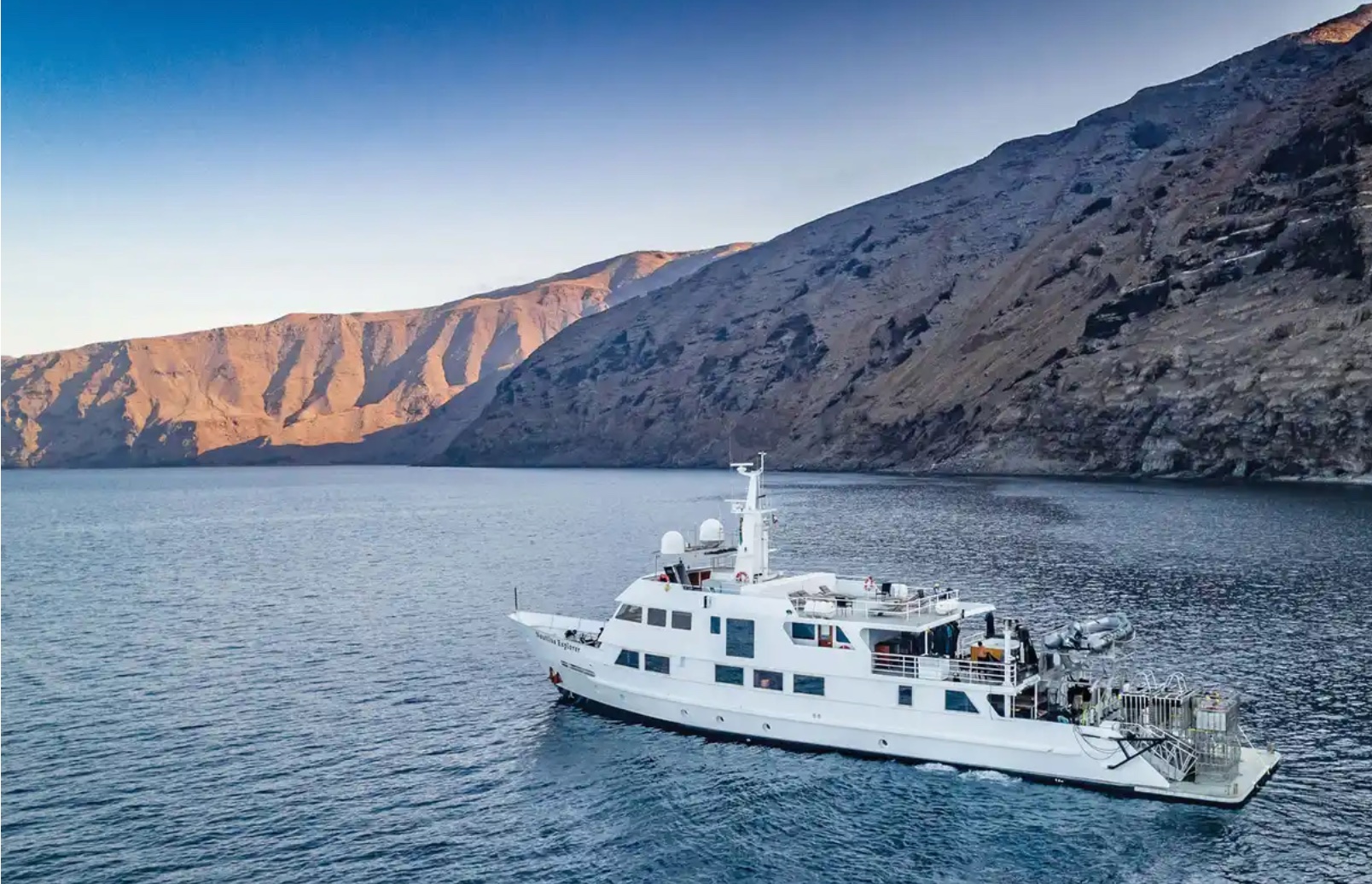
Nautilus Explorer
Mexico
25 guests44.8 m
$336/day
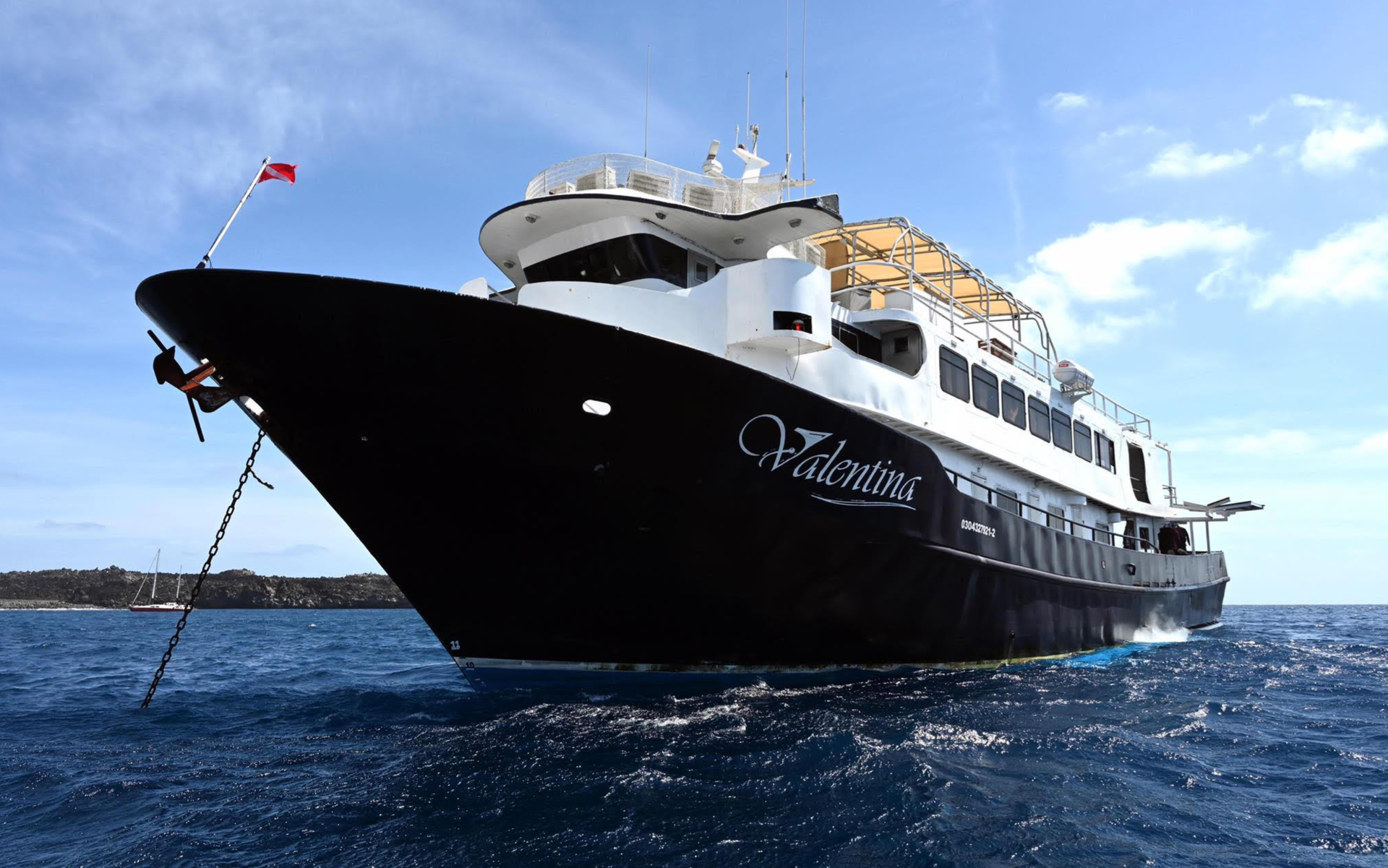
Valentina
Mexico
20 guests38.1 m
$430/day
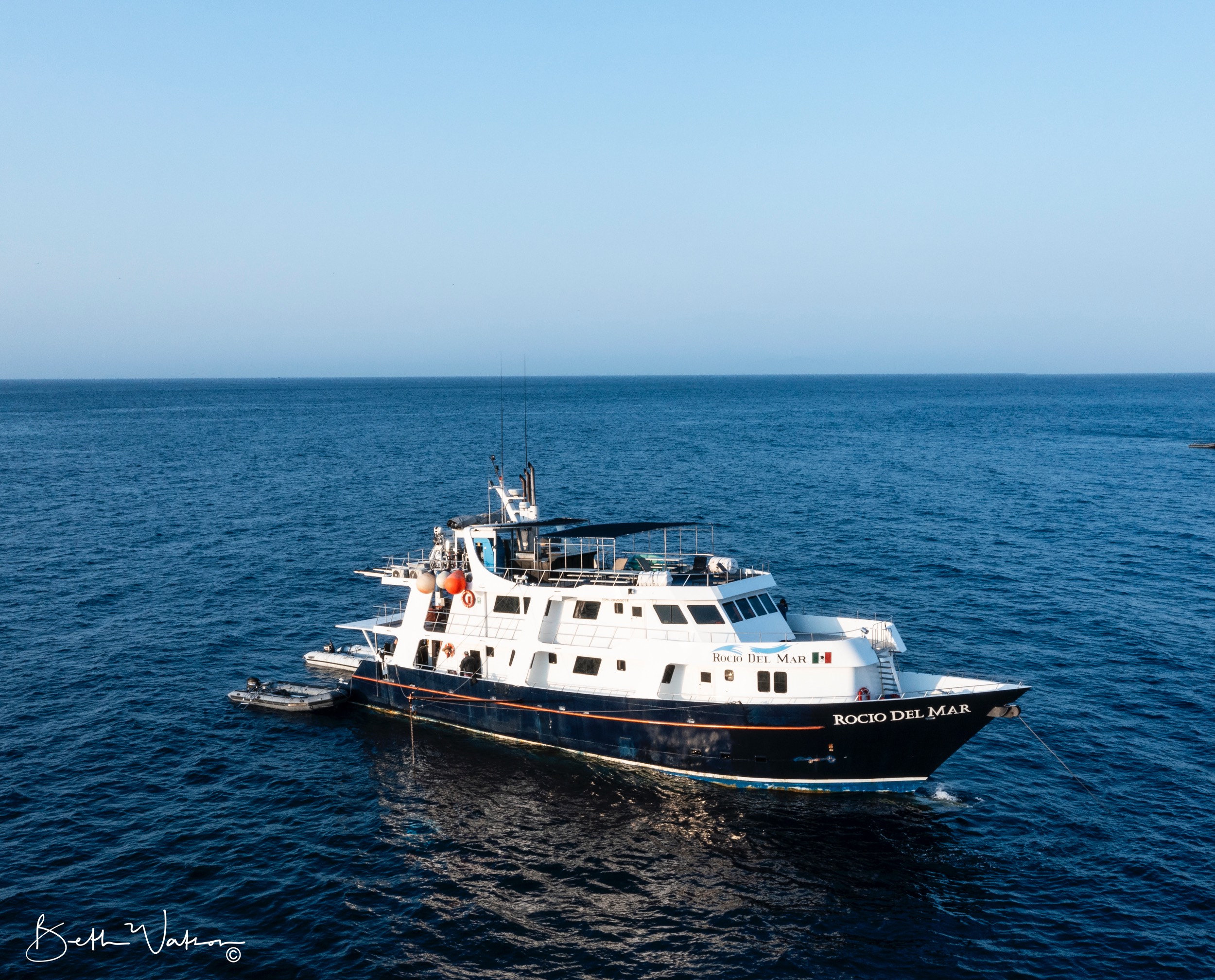
Rocio del Mar
Mexico
20 guests33.5 m
$392/day
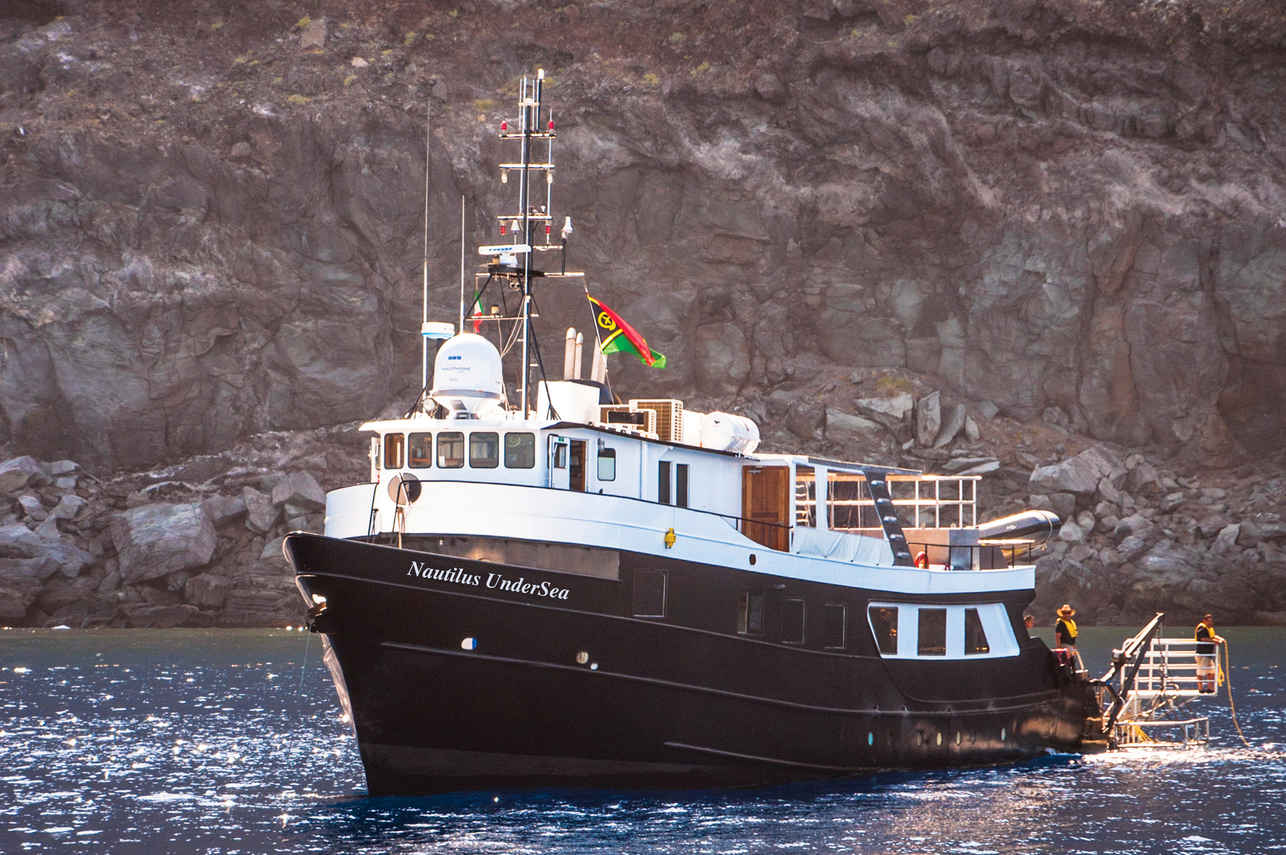
Nautilus Under Sea
Mexico
19 guests32 m
$261/day
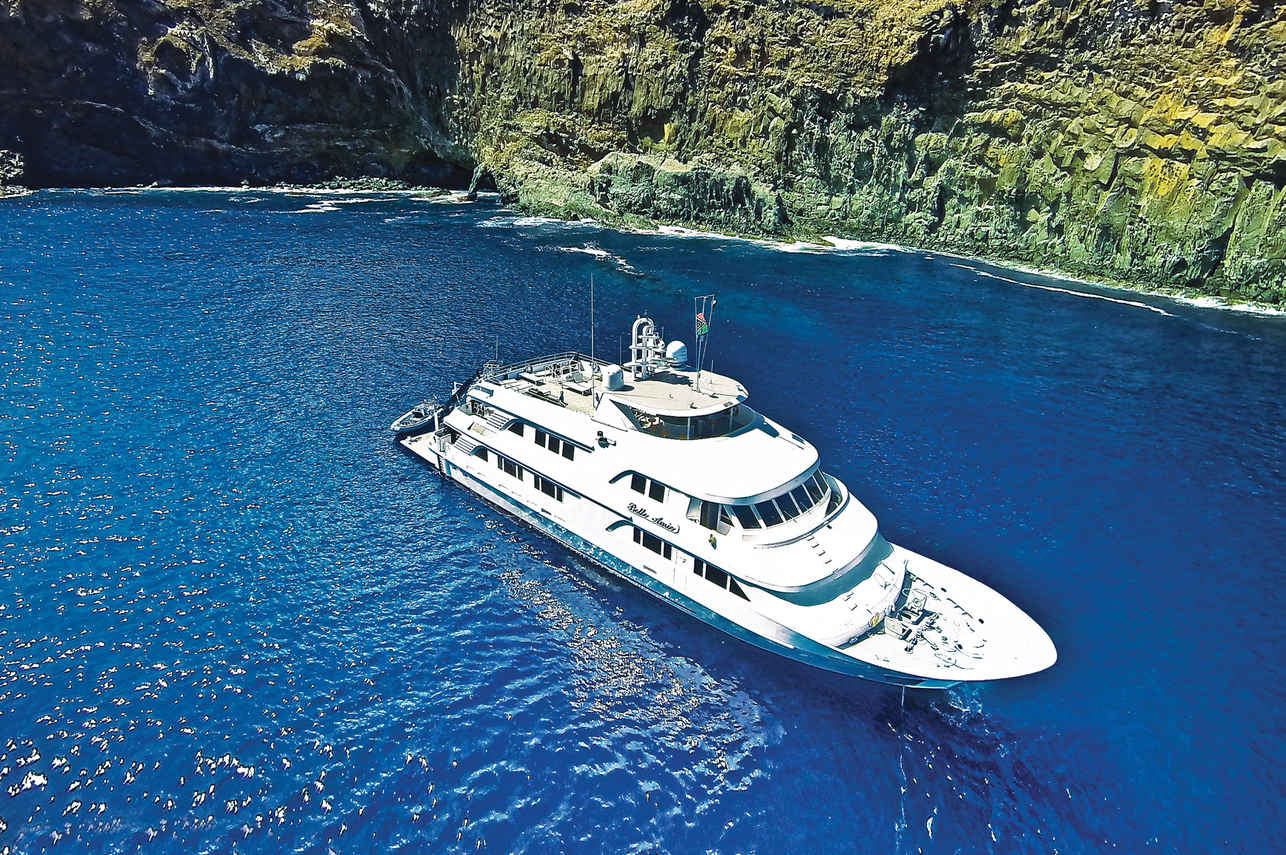
Nautilus Belle Amie
Mexico
32 guests44.8 m
$323/day
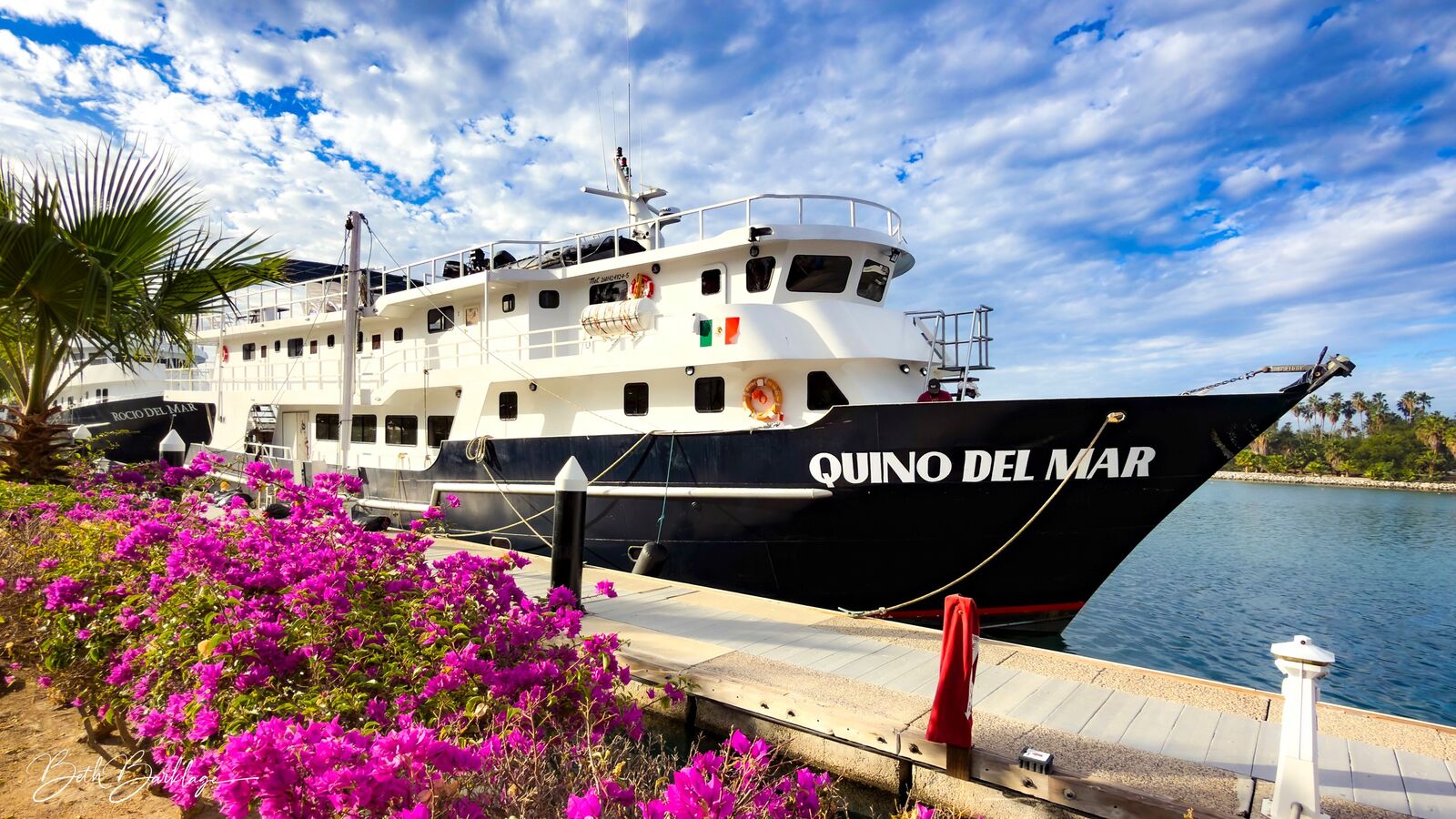
Quino del Mar
Mexico
20 guests36 m
$377/day
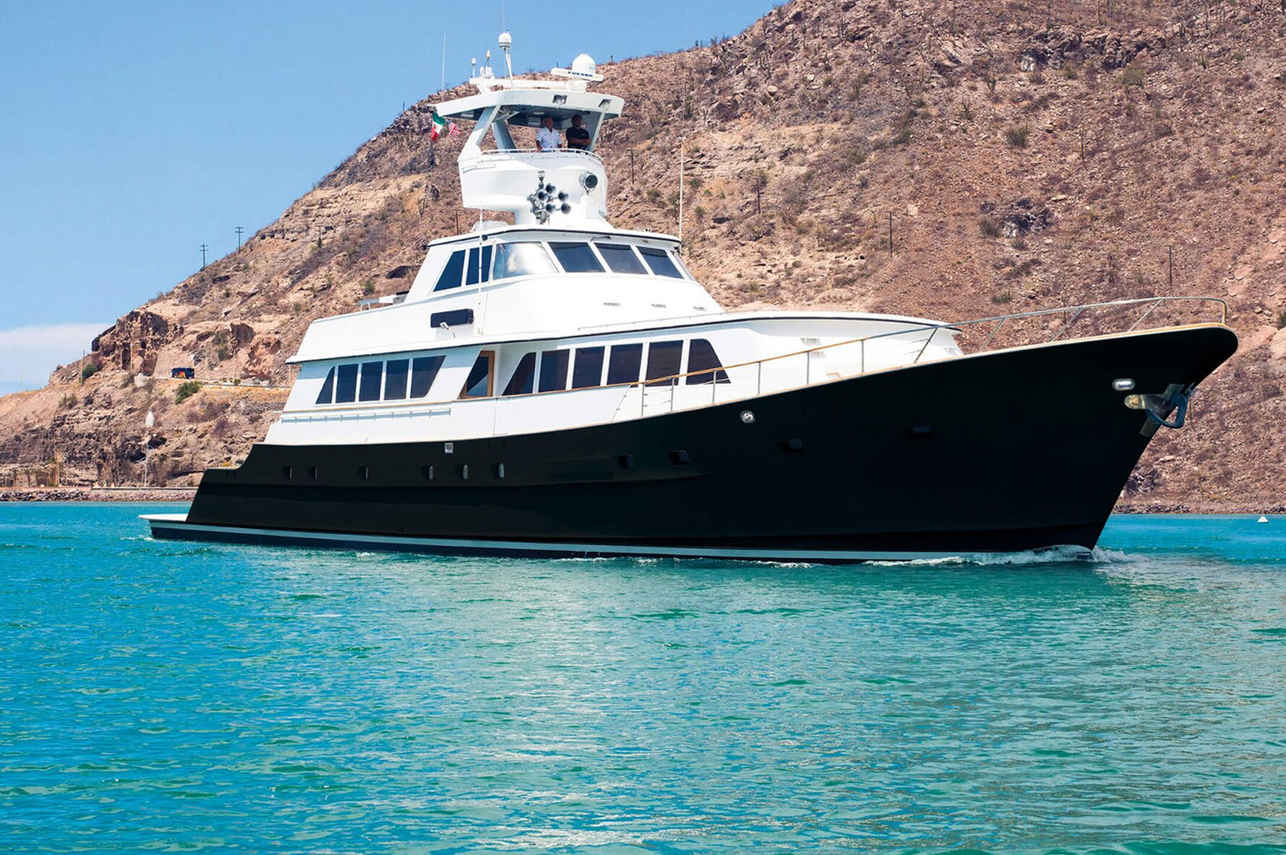
Nautilus Gallant Lady
Mexico
12 guests35.36 m
$332/day
Dive sites similar to Cabo Pulmo - El Vencedor Wreck
Same character, same waters — six more sites divers love for the exact same reasons.Compare seasons, access and liveaboard routes — then pick the site that fits your trip best.
© Esri — Maxar, Earthstar, GIS
Land's End
Mexico
Land's End marks the meeting point of the Pacific Ocean and the Sea of Cortez, creating a dynamic dive environment.
- Suitable for
- Intermediate
- Current
- Moderate
- Access
- Liveaboard or dayboat
- Depth
- 9–24 m
- Theme
- Wreck / Channel
© Esri — Maxar, Earthstar, GIS
The C-58 Wreck, also known as the USS Harlequin or ARM DM-20, is a prominent artificial reef located off the coast of Cancún and Isla Mujeres.
- Suitable for
- Advanced
- Current
- Moderate
- Access
- Dayboat
- Depth
- 18–26 m
- Theme
- Wreck / Drift
© Esri — Maxar, Earthstar, GIS
C-58 Wreck
Mexico
The C-58 Wreck is a prominent artificial reef located in Bahía de Mujeres, the channel between Isla Mujeres and the Cancún coast.
- Suitable for
- Advanced
- Current
- Strong
- Access
- Dayboat
- Depth
- 18–26 m
- Theme
- Wreck / Drift
© Esri — Maxar, Earthstar, GIS
The C-53 Felipe Xicoténcatl wreck, an artificial reef just off the coast of Cozumel, Mexico, offers a unique blend of history and marine habitat.
- Suitable for
- Intermediate
- Current
- Strong
- Access
- Liveaboard or dayboat
- Depth
- 12–25 m
- Theme
- Wreck
© Esri — Maxar, Earthstar, GIS
Banco Chinchorro is a vast coral atoll rising from the Mexican Caribbean, a largely untouched marine reserve renowned for its pristine conditions.
- Suitable for
- Advanced
- Current
- Strong
- Access
- Liveaboard or dayboat
- Depth
- 5–20 m
- Theme
- Wall / Wreck
© Esri — Maxar, Earthstar, GIS
Mama Viña Wreck
Mexico
Mama Viña is Playa del Carmen’s primary local wreck dive, a former shrimp boat intentionally sunk in 1995 to form an artificial reef.
- Suitable for
- Advanced
- Current
- Strong
- Access
- Liveaboard or dayboat
- Depth
- 21–30 m
- Theme
- Drift / Wreck