About El Bajo Seamount
El Bajo Seamount, also known as Marisla Seamount, is a world-class advanced dive site located off La Paz in the Sea of Cortez. This submerged mountain features three distinct peaks, rising dramatically from the deep ocean floor, creating powerful upwellings and strong currents that attract abundant pelagic species. It's renowned for its historical significance as a prime location for observing schooling scalloped hammerhead sharks. The seamount's central peak is the shallowest at approximately 16m, with the southern peak at around 21m and the northern at 25m, before dropping steeply into deeper waters. These pinnacles are adorned with sea fans, black coral, and offer refuge to schooling fish. The unique topography and current patterns make it a magnet for large marine life, including various shark species, rays, and significant fish aggregations. The marine life here is exceptionally diverse, with scalloped hammerheads being a major draw, especially from August to November. Beyond sharks, divers frequently encounter mobula rays, giant oceanic mantas, and whale sharks. Large schools of amberjack, tuna, wahoo, and dorado are also common, along with resident Panamic green morays. Orcas and dolphins occasionally pass through, adding to the unpredictable and thrilling nature of the site. Typical dives involve a blue-water descent, often encountering strong, shifting currents, and then exploring the seamount structure. Due to its offshore location and exposure, El Bajo is best suited for experienced divers comfortable with challenging conditions. Patience and good buoyancy control are essential for maximizing encounters with the resident and transient pelagic species.
Highlights
Schooling scalloped hammerhead sharksDramatic seamount pinnaclesStrong pelagic currentsGiant manta raysBlue-water descentsMassive schools of jacks and tunaPanamic green moray eels
Season calendar
Best months to dive here
Jan
Feb
Mar
Apr
May
Jun
Jul
Aug
Sep
Oct
Nov
Dec
Excellent
Good
Dive site facts: El Bajo Seamount
- Depth
- 16–40+ m
- Typical dive
- 16–25 m
- Current
- Strong and variable
- Visibility
- 15–30 m
- Water temperature
- 19–30°C
- Entry
- Boat / blue-water descent
- Level
- Advanced to Expert
- Dive type
- Pelagic, seamount
- Region / port
- La Paz, Sea of Cortez
- Coordinates
- 24.56, -110.35
Conditions & Currents
El Bajo Seamount is characterized by strong and unpredictable currents, a defining factor of the dive. Currents can vary from gentle to very strong within a single dive, and their direction and strength can shift unexpectedly with the tide. Divers should be prepared for blue-water descents and potentially negative or fast entries as directed by the dive crew. Maintaining a tight group and holding position over the seamount's peaks without disturbing the environment is crucial. Good buoyancy control and efficient air consumption are important, as active currents may require extra effort, and significant marine life encounters often occur at depths that limit bottom time. Visibility is generally good, ranging from 15 to 30 meters, but upwellings that attract marine life can sometimes reduce clarity.
Marine life & sighting chances

Scalloped hammerhead shark
August–November · occasional
Mobula ray
Summer · common
Giant oceanic manta ray
occasional
Whale shark
Occasional · rare
Amberjack
common
Tuna
common
Wahoo
occasionalDorado
occasional
Panamic green moray eel
common
Sea lion
rare
Dolphin
rare
Orca
rare
Silky shark
occasionalDive profile & how the dive runs
Diving El Bajo typically begins with a blue-water descent, often requiring a negative or fast entry due to strong currents. Divers aim for the seamount's peaks, the central one topping out at approximately 16m. The dive involves exploring the rugged pinnacles and ridges, staying close to the structure to observe schooling fish and resident moray eels, while keeping an eye on the blue for pelagic encounters. Divers often position themselves slightly off the peak, allowing the current to bring marine life, particularly hammerhead sharks, into view without creating excessive bubbles or commotion. The route progresses along the seamount, often working against or with the current, reaching depths of 25m to 40m for optimal pelagic sightings. The turn point is determined by air consumption and bottom time, considering the deeper average depth and potential exertion from current. Safety stops are conducted in the blue water, with careful monitoring of depth and surrounding marine traffic.
Underwater photography
El Bajo Seamount offers incredible wide-angle opportunities, especially for capturing schooling hammerheads, mobula rays, and massive fish aggregations. A fisheye lens is highly recommended to encompass the vast schools and the dramatic seamount topography. Strong strobes are essential for illuminating subjects in the often deeper, darker water and for achieving dynamic backlit shots against the blue. Due to varying visibility and potential thermoclines, be prepared to adjust your lighting. When photographing hammerheads, maintain neutral buoyancy and avoid aggressive finning; remaining calm and allowing the sharks to approach will yield better shots. Patience is key, as the pelagic action can be unpredictable. Focus on capturing the scale of the schools and the interactions with the seamount structure.
Combine with nearby dive sites
- Los Islotes
Famous for playful California sea lion encounters, accessible from La Paz.
- La Reina
A pinnacle known for Panamic green morays and a resident sea lion colony, attracting giant Pacific manta rays.
- Gordo Banks
Another offshore seamount in the region, also attracting pelagic species and hammerheads.
- San Rafaelito
An artificial reef near La Paz, offering diverse marine life and typically calmer conditions.
Getting there & logistics
Access to El Bajo Seamount is primarily from La Paz, Baja California Sur, which is served by Manuel Márquez de León Airport (LAP) with international connections. Dive operations typically run day trips by panga, with the seamount located approximately 45 minutes to 8 miles offshore. For an extended experience and access to other remote sites, liveaboards operating from La Paz are a popular choice, especially during the peak pelagic season from July to November. Marine park fees and conservation permits apply and are usually handled by dive operators. Trips often combine El Bajo with other iconic Sea of Cortez sites like Los Islotes or La Reina, creating itineraries focused on large animal encounters. Booking several months in advance is advisable, particularly for liveaboards targeting the peak hammerhead season.
Safety & environment
El Bajo Seamount is an advanced dive site due to strong, unpredictable currents and its offshore location. Divers must be comfortable with blue-water descents, potential negative entries, and maintaining position in current. Excellent buoyancy control and efficient air consumption are paramount. A recompression chamber is available in La Paz. Evacuation procedures from the remote site will involve boat transport back to La Paz and then medical assistance. Comprehensive dive insurance, including coverage for emergency medical treatment and evacuation, is mandatory for all divers. Always dive with experienced operators who provide thorough briefings on current conditions and emergency protocols. Respect marine life by observing from a distance and avoid disrupting their natural behavior, especially schooling sharks.
Who it suits — and who it doesn't
Suited for
- Experienced divers comfortable with strong currents
- Advanced Open Water certified divers
- Pelagic and large animal enthusiasts
- Divers seeking challenging, unpredictable encounters
- Underwater photographers with wide-angle setups
Less suited for
- Newly certified divers
- Divers uncomfortable with deep blue-water descents
- Those prone to seasickness on open ocean
- Divers with poor air consumption or buoyancy control
- Individuals seeking calm, sheltered reef dives
FAQ
El Bajo Seamount FAQ
What kind of marine life can I expect to see at El Bajo Seamount?
El Bajo is a hotspot for pelagic species. You can frequently encounter schooling scalloped hammerhead sharks, mobula rays, giant oceanic manta rays, and large schools of amberjack and tuna. Occasionally, whale sharks, dolphins, and even orcas make surprise appearances, making every dive unique and exciting.
When is the best time to see hammerhead sharks at El Bajo?
The prime window for seeing schooling hammerhead sharks at El Bajo Seamount is from August through November. September and October are particularly noted as the classic months when these impressive sharks gather around the seamount's peaks, although sightings are never guaranteed due to their wild nature.
Is El Bajo Seamount suitable for beginner divers?
No, El Bajo Seamount is considered an advanced to expert dive site. It features strong and unpredictable currents, requires blue-water descents, and can involve deeper depths. Divers need to be comfortable with challenging conditions, good buoyancy control, and efficient air consumption before attempting this site.
What are the typical diving conditions at El Bajo?
Conditions at El Bajo are dynamic. Water temperatures range from 19-30°C, and visibility is generally good at 15-30 meters. However, strong and variable currents are a constant factor, which can shift in direction and strength during a single dive. Thermoclines can also bring cooler water at depth.
How do I get to El Bajo Seamount?
El Bajo Seamount is accessible via boat trips, typically pangas, departing from La Paz, Baja California Sur. The journey usually takes around 45 minutes to an hour offshore. Many divers choose to visit El Bajo as part of a day trip from La Paz or as a highlight on a multi-day liveaboard itinerary in the Sea of Cortez.
Why dive El Bajo Seamount from a liveaboard?
El Bajo Seamount is one of 's signature dive sites. A liveaboard sleeps you on the water and puts you in the water for three to four guided dives per day, including dawn and night dives that day-boat operators rarely offer. You skip the daily commute back to port and reach quieter, less-crowded sites in the same region on a single trip.
Below are the liveaboards that include El Bajo Seamount on their itineraries.
Liveaboards diving El Bajo Seamount
These liveaboards may visit El Bajo Seamount on selected itineraries — the exact dive sites depend on departure, weather and conditions.
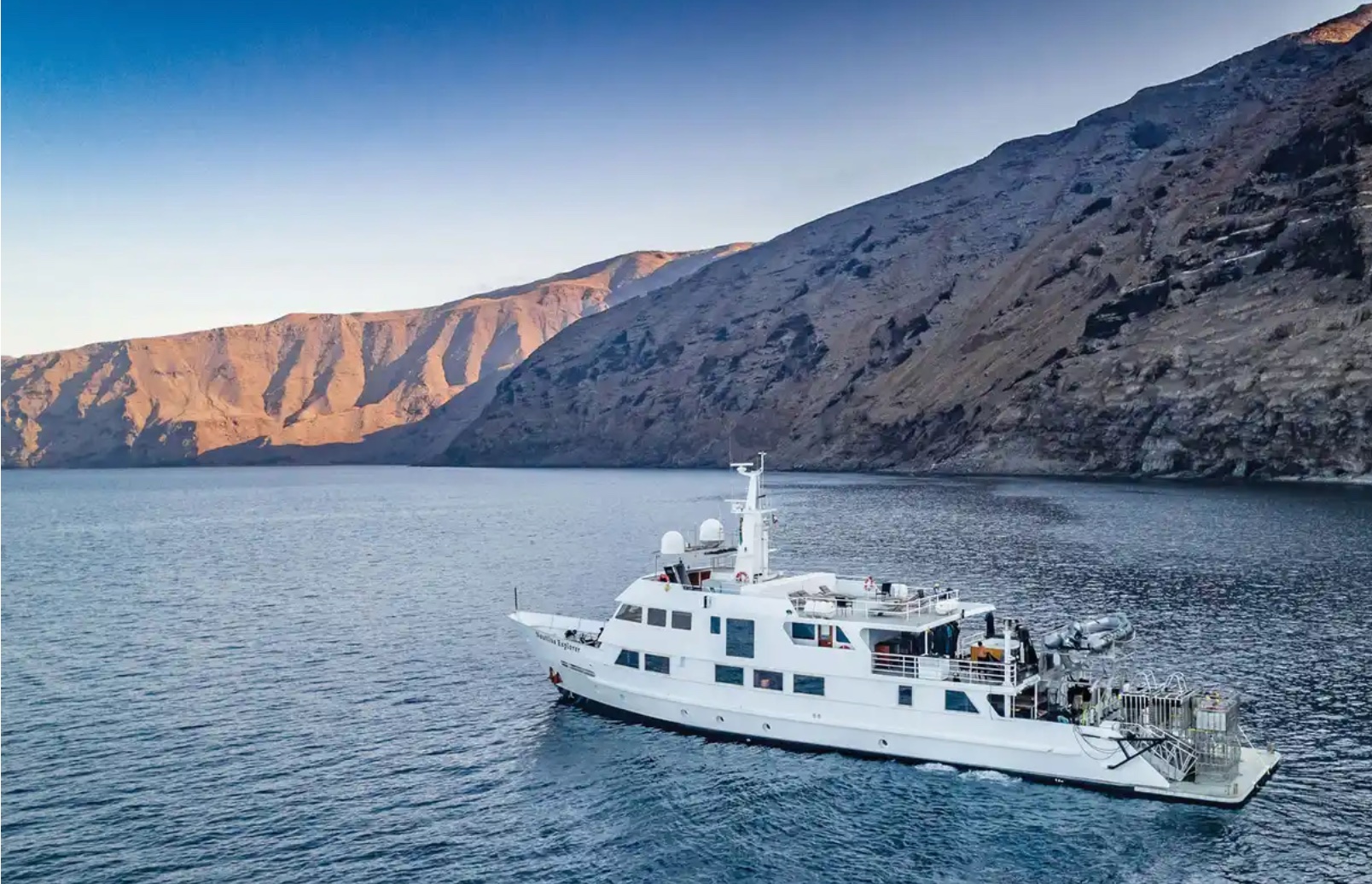
Nautilus Explorer
Mexico
25 guests44.8 m
$330/day
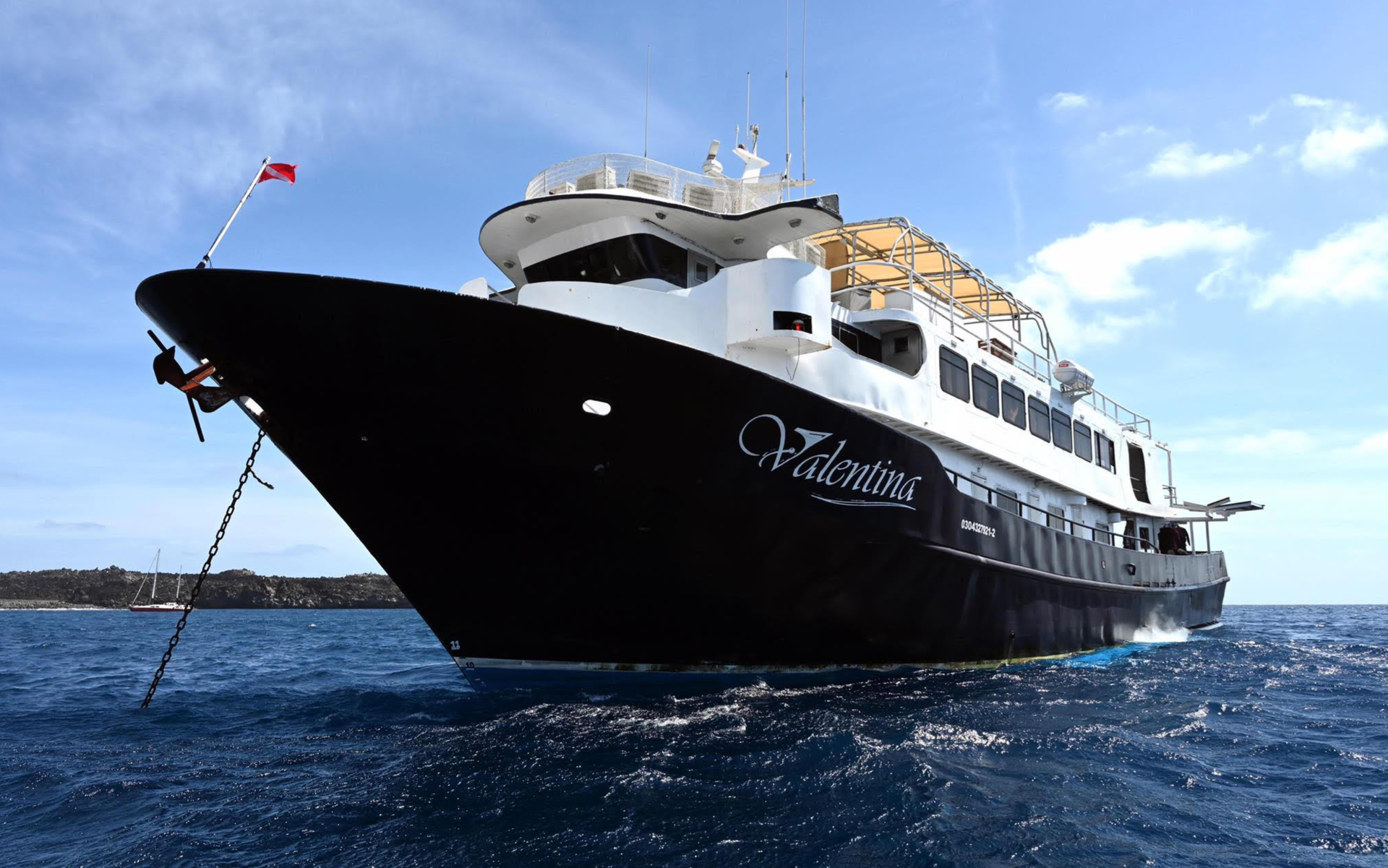
Valentina
Mexico
20 guests38.1 m
$430/day
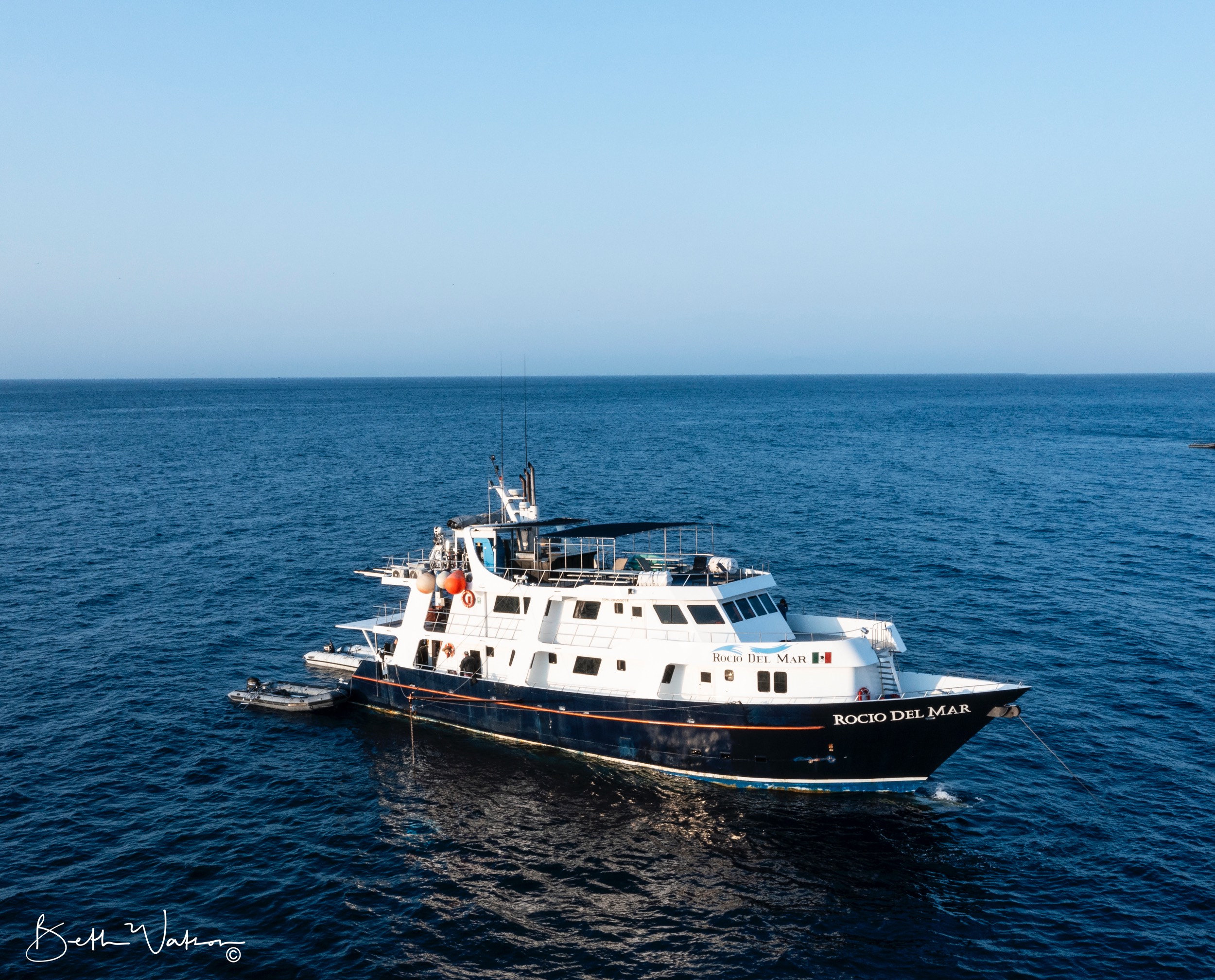
Rocio del Mar
Mexico
20 guests33.5 m
$392/day
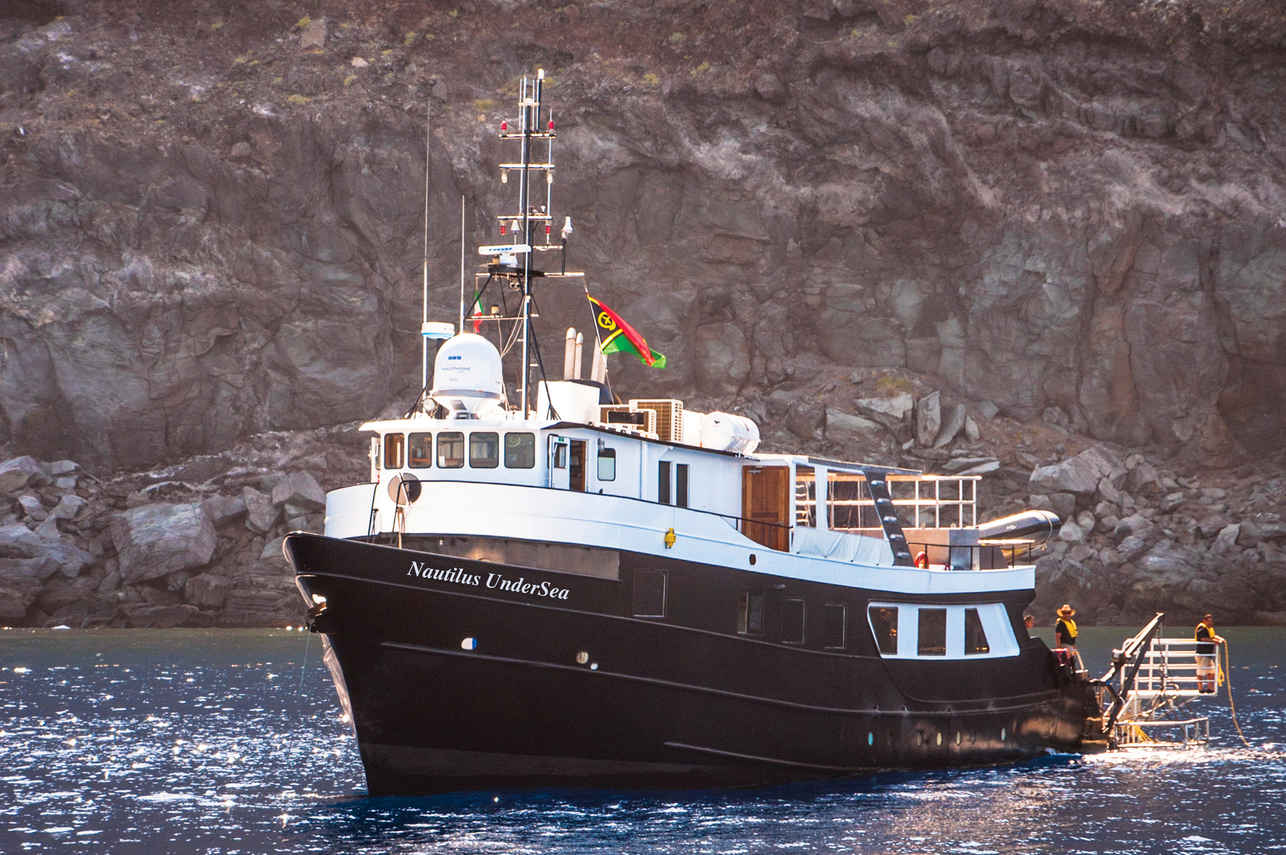
Nautilus Under Sea
Mexico
19 guests32 m
$261/day
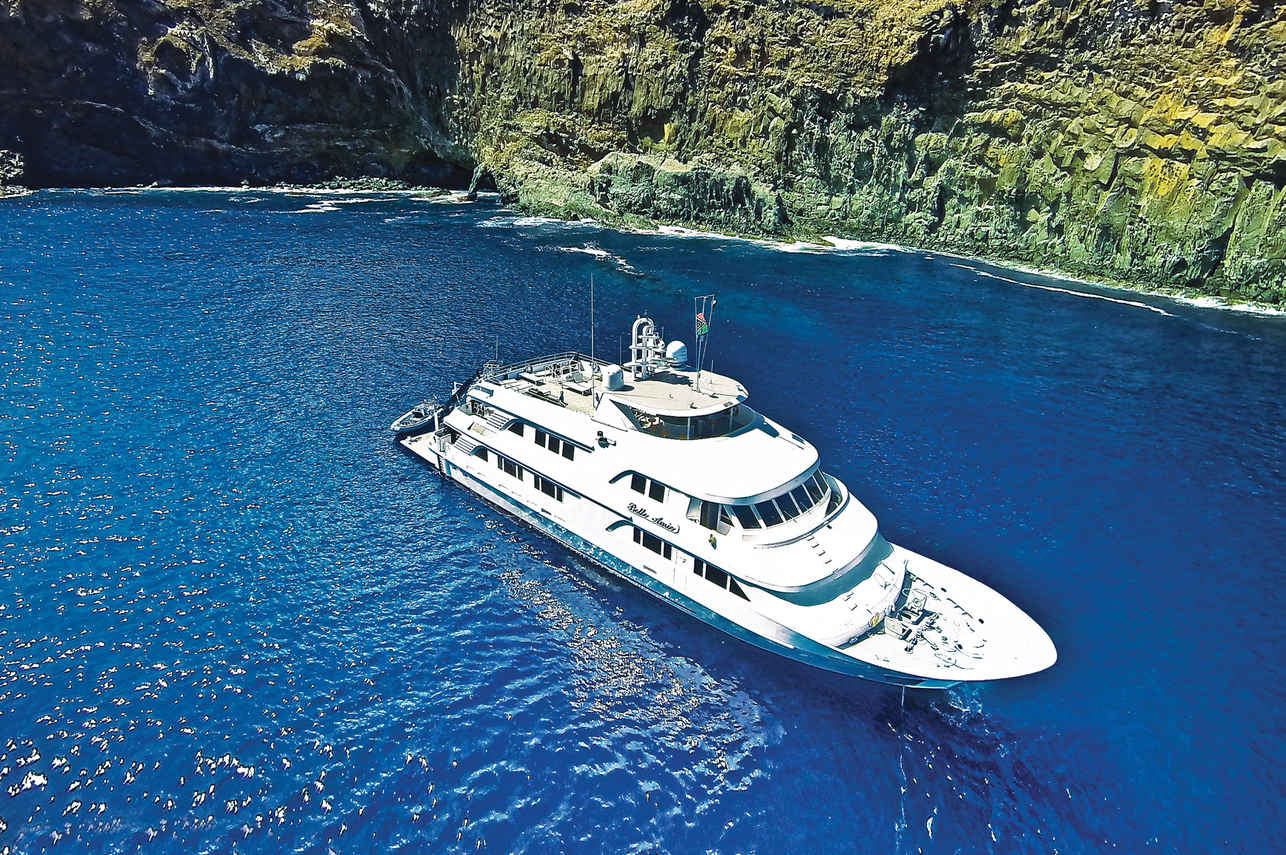
Nautilus Belle Amie
Mexico
32 guests44.8 m
$323/day
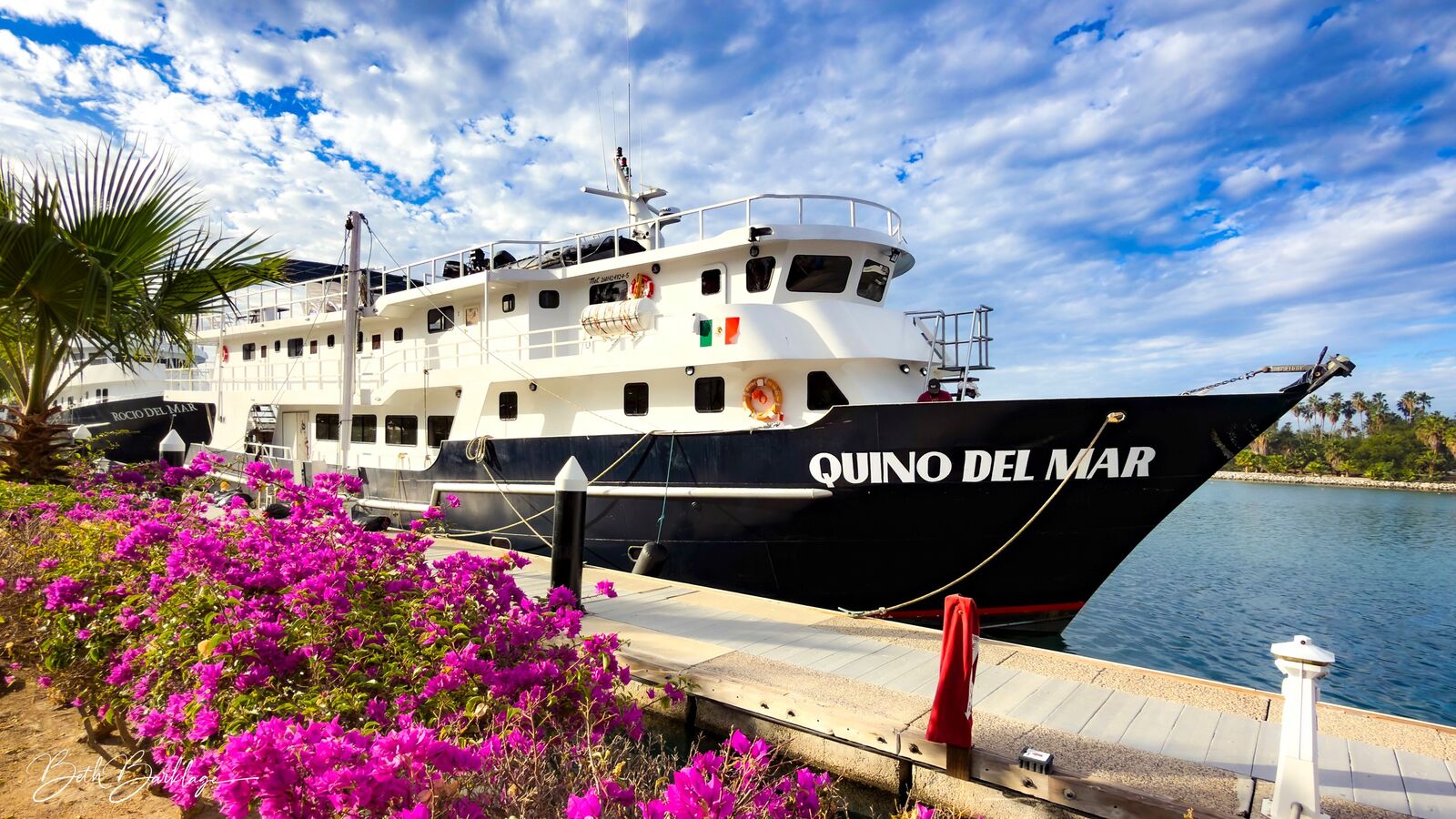
Quino del Mar
Mexico
20 guests36 m
$377/day
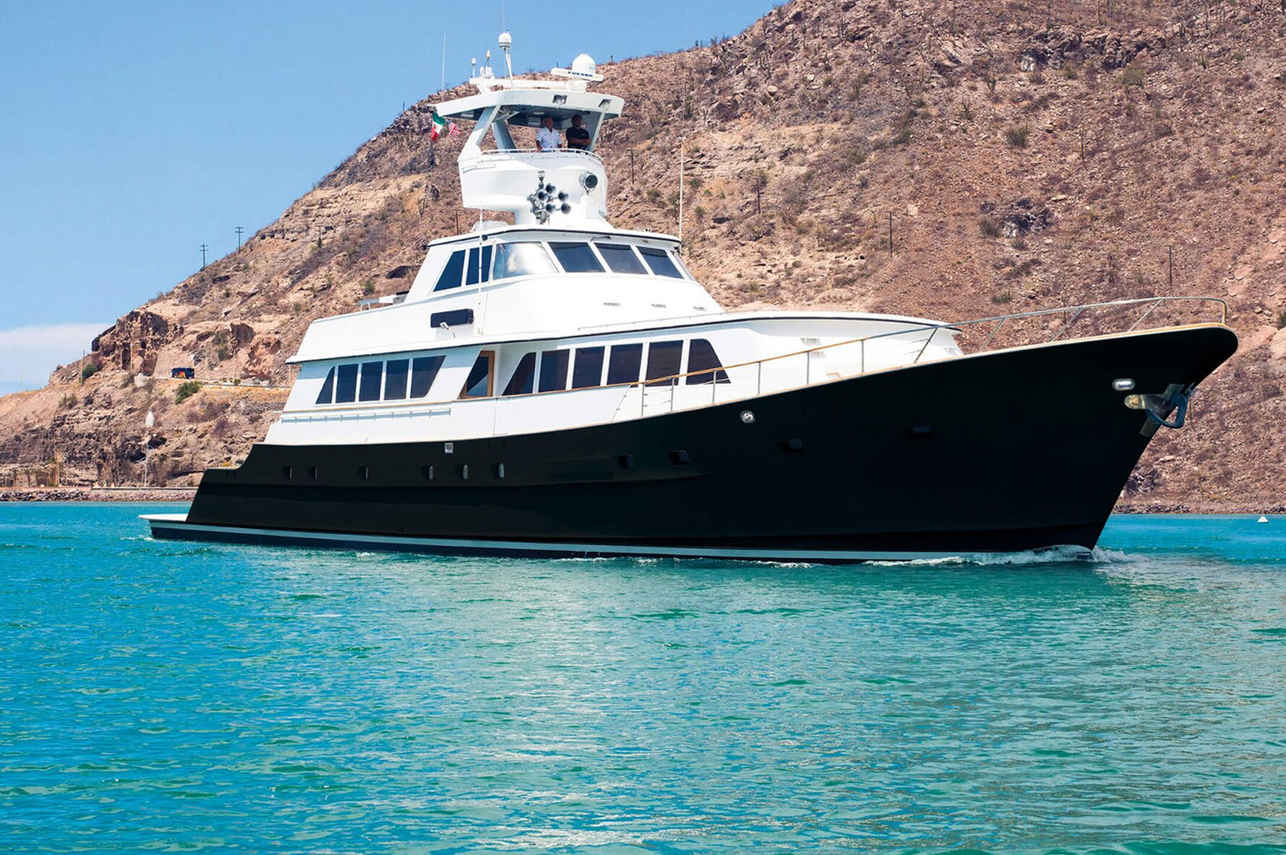
Nautilus Gallant Lady
Mexico
12 guests35.36 m
$332/day
Dive sites similar to El Bajo Seamount
Same character, same waters — six more sites divers love for the exact same reasons.Compare seasons, access and liveaboard routes — then pick the site that fits your trip best.
© Esri — Maxar, Earthstar, GIS
Elizabeth Bay
Galápagos
Elizabeth Bay, located on the eastern coast of Isabela Island, presents a wide and sheltered marine environment rich in biodiversity.
- Suitable for
- Beginner
- Current
- No current
- Access
- Liveaboard only
- Depth
- 3–20 m
- Theme
- —
© Esri — Maxar, Earthstar, GIS
Floreana - Devil's Crown
Galápagos
Devil's Crown, located off Floreana Island in the Galápagos, is renowned as one of the archipelago's premier diving and snorkeling destinations.
- Suitable for
- Beginner
- Current
- Strong
- Access
- Liveaboard only
- Depth
- 3–15 m
- Theme
- Reef
© Esri — Maxar, Earthstar, GIS
Bajo Negro
Costa Rica
Bajo Negro, or Black Rock, is a captivating dive site located within the Bat Islands in Santa Rosa National Park, off Costa Rica's Pacific coast.
- Suitable for
- Advanced
- Current
- Strong
- Access
- Shore / dayboat
- Depth
- 20–30 m
- Theme
- Pinnacle / Seamount
© Esri — Maxar, Earthstar, GIS
Dos Sombreros
Costa Rica
Dos Sombreros is a renowned dive site located offshore from Playa Flamingo, forming part of the Catalina Islands chain in Costa Rica's North Pacific region.
- Suitable for
- Intermediate
- Current
- Moderate
- Access
- Dayboat
- Depth
- 12–25 m
- Theme
- Pinnacle
© Esri — Maxar, Earthstar, GIS
Pelican Rock
Mexico
Pelican Rock is a renowned dive site located within the Cabo San Lucas Marine Park in Baja California Sur, Mexico, just a few minutes by boat from the marina.
- Suitable for
- Beginner
- Current
- Mild
- Access
- Liveaboard or dayboat
- Depth
- 5–40 m
- Theme
- Wall
© Esri — Maxar, Earthstar, GIS
Isla Montserrat
Mexico
Isla Montserrat is one of the five major islands within the Bahía de Loreto National Park, offering a diverse range of diving opportunities.
- Suitable for
- Intermediate
- Current
- Mild
- Access
- Liveaboard only
- Depth
- —
- Theme
- Reef / Wall