About C-58 Wreck
The C-58 Wreck is a prominent artificial reef located in Bahía de Mujeres, the channel between Isla Mujeres and the Cancún coast. Originally the USS Harlequin, a 56-meter (184 ft) US Navy minesweeper, it was intentionally sunk in 2000 by the Mexican government to create a new habitat for marine life and a destination for divers. It lies on the seabed at a maximum depth of 26 meters (85 ft). Hurricane Wilma significantly altered the wreck in 2005, breaking it into two distinct sections: the bow and the stern. This structural change created large openings, allowing divers to penetrate sections like the cargo hold and explore along the deck. The stern offers extensive penetration opportunities, including several rooms and even a former bathroom, while the bow, about 100 meters (300 ft) away, rests on its left side. Over the years, the C-58 has become heavily encrusted with corals and sponges. This rich growth attracts a variety of marine species, transforming the metal structure into a thriving underwater ecosystem. Large black groupers are commonly seen patrolling the broken sections, alongside schooling jacks and barracudas. Seasonal visitors include eagle rays and nurse sharks. This dive is considered advanced due to its depth and the potential for strong currents, particularly in the channel. Visibility typically ranges from 10 to 25 meters (33 to 80 ft), though it can be reduced at times. Divers can anticipate a challenging yet rewarding experience exploring a significant piece of naval history that has been reclaimed by the ocean.
Highlights
56-meter minesweeper wreckHurricane Wilma's impact (broken in two)Extensive coral and sponge growthOpportunities for wreck penetrationSeasonal eagle ray migrationsEncounter large black groupersStrong currents and drift diving
Season calendar
Best months to dive here
Jan
Feb
Mar
Apr
May
Jun
Jul
Aug
Sep
Oct
Nov
Dec
Good
Dive site facts: C-58 Wreck
- Depth
- 18–26 m
- Current
- Moderate to strong
- Visibility
- 10–25 m
- Water temperature
- 24–29 °C
- Entry
- Boat / negative entry
- Level
- Advanced
- Dive type
- Wreck, drift, big animals
- Region / port
- Isla Mujeres, Mexico
- Coordinates
- 21.7485° N, 97.1483° W
Conditions & Currents
The C-58 Wreck is situated in a channel where currents can range from moderate to strong, often resulting in a drift dive. These currents are a significant factor in the return of eagle rays to the area, particularly from December to March. Divers should be prepared for varying current strengths, which necessitates good buoyancy control and comfort in moving water. Entry is typically a negative entry, requiring divers to descend quickly to the wreck. Exiting the dive often involves surfacing with a delayed SMB. Surge can occasionally affect the wreck, especially in shallower sections. Visibility is generally good, between 10 to 25 meters, but strong currents can sometimes stir up sediment, reducing clarity. This environment demands an advanced certification level and experience with currents, making careful gas planning essential.
Marine life & sighting chances

Black grouper
common
Great barracuda
common
Schooling jacks
common
Nurse shark
occasional
Hawksbill turtle
occasional
Spotted eagle ray
December to March · common
Moray eel
occasional
Amberjack
occasional
Horse-eye jack
occasionalPompano
occasionalDive profile & how the dive runs
Dives on the C-58 Wreck typically involve a negative entry due to potentially strong currents, with divers descending directly onto the stern section at approximately 26 meters. The dive usually begins by exploring the more intact stern, where penetration into the cargo hold and various rooms is possible for certified wreck divers. Schools of fish often inhabit these open sections. Divers then proceed down current, often drifting, towards the bow section which lies about 100 meters away and rests on its side. This smaller part offers limited penetration but is excellent for spotting marine life such as eagle rays. The turn point is determined by air consumption and the current strength, allowing sufficient time to explore both sections while managing bottom time. The ascent usually involves deploying a delayed surface marker buoy for a safety stop in the blue, or near shallower parts of the wreck if conditions allow, before surfacing in the open channel.
Underwater photography
The C-58 Wreck presents excellent opportunities for wide-angle photography, capturing the dramatic broken structure and the overall eerie atmosphere. A wide-angle lens is ideal for showcasing the immense size of the wreck sections and the extensive coral growth covering the surfaces. Strobes are essential to bring out the vibrant colors of the corals and sponges, especially at deeper depths where natural light is limited. Due to potentially strong currents, maintaining stable buoyancy is crucial to avoid disturbing sediment or colliding with the wreck. When photographing inside the wreck, consider the light and ethical guidelines for penetration, ensuring minimal impact on the environment and respect for marine life. Look for resident groupers and schooling fish against the backdrop of the metal structure, and be ready for encounters with passing pelagics like eagle rays.
Combine with nearby dive sites
- C-55 Wreck
Sister ship of the C-58, sunk as an artificial reef near Isla Mujeres.
- MUSA Underwater Museum
An artificial reef featuring over 500 sculptures, shallower and calmer.
- Manchones Reef
Coral gardens paired with MUSA for a two-tank trip, shallow and mild currents.
- Ultrafreeze
A deeper cargo ship wreck (61m long) also located off Isla Mujeres at 29 meters.
- Juan Escutia C-56
Another wreck dive in the Cancún area.
Getting there & logistics
The C-58 Wreck is accessed via boat trips departing from Isla Mujeres or Cancún. Isla Mujeres is reached by a 20-minute Ultramar ferry from Puerto Juárez, near Cancún. Most dive operators launch from marinas in Cancún's Hotel Zone, reaching the wreck in about 10 to 30 minutes. Dive trips to the C-58 are typically part of a two-tank advanced dive package, often combined with a drift dive on a deep reef. Availability is generally daily upon request, with meeting times as early as 7:30 AM for morning departures. The duration of these trips is approximately 3.5 to 4 hours. Conservation and dock fees are typically included in the dive package price. Divers should ensure they have their Advanced Open Water certification and are comfortable with currents, with some operators recommending a minimum of 30 logged dives.
Safety & environment
For diving the C-58 Wreck, it is crucial to carry appropriate dive insurance that covers deep and wreck diving, as well as potential emergency evacuations. The nearest recompression chambers are located in Cancún. Given the strong currents and depth of 26 meters, divers must be Advanced Open Water certified and have solid experience with drift diving and managing air consumption in challenging conditions. Adherence to no-decompression limits is vital, and thorough dive planning, including gas management, is paramount. Always dive with a reputable operator who prioritizes safety and provides a professional guide. Carrying a delayed surface marker buoy (DSMB) is essential for signaling the boat during ascents, particularly in strong currents or when surfacing away from the wreck.
Who it suits — and who it doesn't
Suited for
- Advanced Open Water certified divers
- Divers comfortable with strong currents
- Wreck diving enthusiasts
- Photographers seeking dramatic wide-angle subjects
- Divers interested in naval history and artificial reefs
- Divers seeking encounters with large pelagic species
Less suited for
- Beginner divers or Open Water certified divers
- Divers uncomfortable with deep dives
- Divers without experience in strong currents
- Individuals with poor air consumption
- Divers not holding a wreck specialty certification for extensive penetration
FAQ
C-58 Wreck FAQ
What is the C-58 Wreck?
The C-58 Wreck is a 56-meter (184 ft) former US Navy minesweeper, originally named USS Harlequin, that was intentionally sunk in 2000 off Isla Mujeres to create an artificial reef. It lies at a depth of 26 meters (85 ft) and was significantly broken into two sections by Hurricane Wilma in 2005. Today, it serves as a popular advanced dive site.
What marine life can be seen at the C-58 Wreck?
The C-58 Wreck is home to a diverse array of marine life, including large black groupers, great barracudas, and schooling jacks. Divers can also frequently encounter nurse sharks and hawksbill turtles. From December to March, the wreck becomes a hotspot for migrating spotted eagle rays.
Is the C-58 Wreck suitable for beginner divers?
No, the C-58 Wreck is not suitable for beginner divers. It is classified as an advanced dive due to its depth of up to 26 meters (85 ft) and the presence of moderate to strong currents. Divers need to be Advanced Open Water certified and comfortable with challenging conditions.
Can I penetrate the C-58 Wreck?
Yes, penetration into certain sections of the C-58 Wreck is possible, particularly in the stern. Hurricane Wilma created large openings, allowing access to areas like the cargo hold and various rooms. However, any penetration should only be attempted by divers with appropriate wreck diving certifications and experience, adhering strictly to safety protocols.
What are the typical diving conditions at the C-58 Wreck?
Diving conditions at the C-58 Wreck generally include water temperatures between 26–29 °C (79–84 °F) and visibility ranging from 10–25 meters (33–80 ft). Currents are typically moderate to strong, making it a drift dive. The best diving conditions are usually found from November to April when the sea is calmer.
Why dive C-58 Wreck from a liveaboard?
C-58 Wreck is one of Mexico's signature dive sites. A liveaboard sleeps you on the water and puts you in the water for three to four guided dives per day, including dawn and night dives that day-boat operators rarely offer. You skip the daily commute back to port and reach quieter, less-crowded sites in the same region on a single trip.
Below are the liveaboards that include C-58 Wreck on their Mexico itineraries.
Liveaboards diving C-58 Wreck
These liveaboards may visit C-58 Wreck on selected itineraries — the exact dive sites depend on departure, weather and conditions.
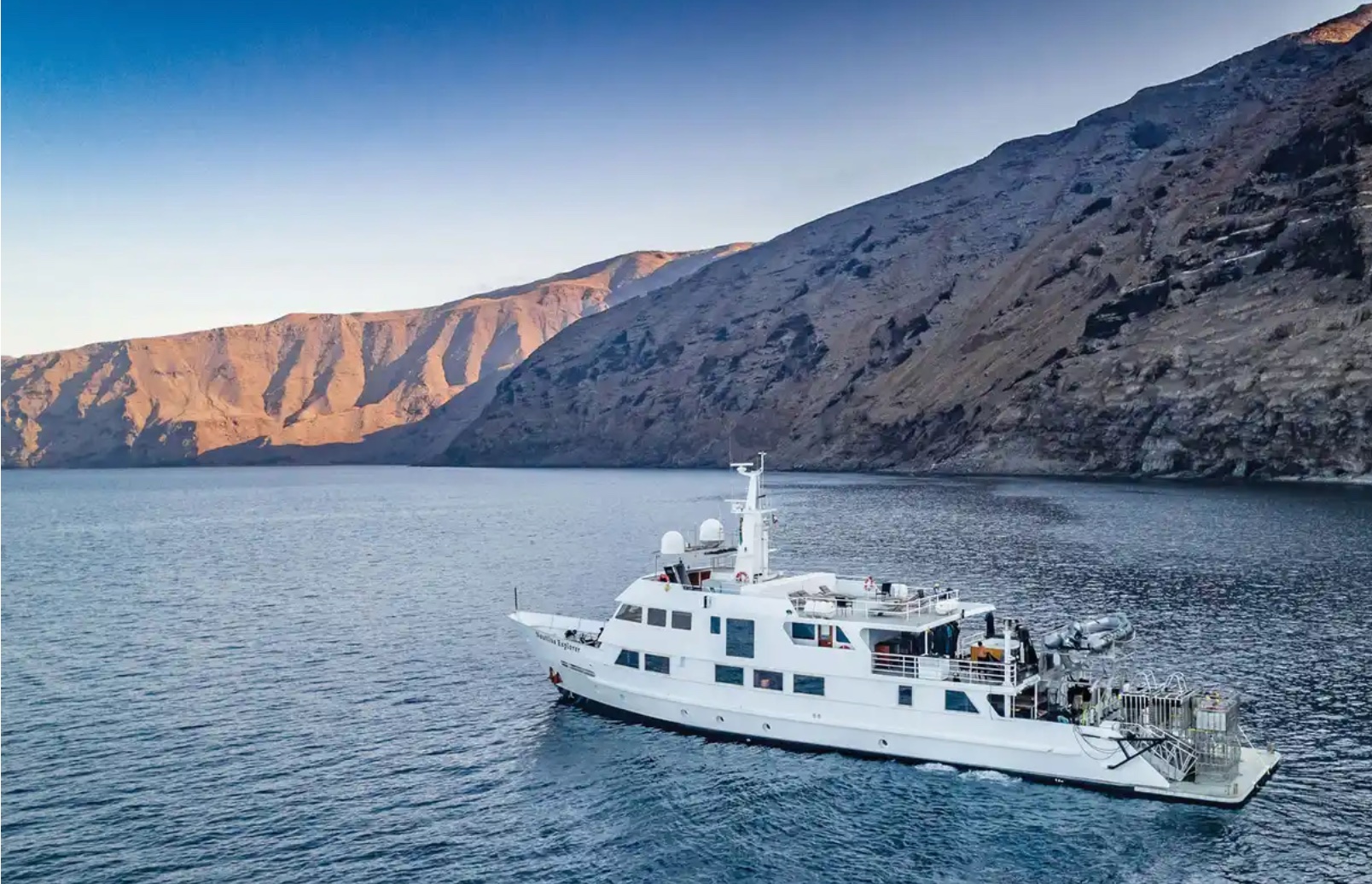
Nautilus Explorer
Mexico
25 guests44.8 m
$336/day
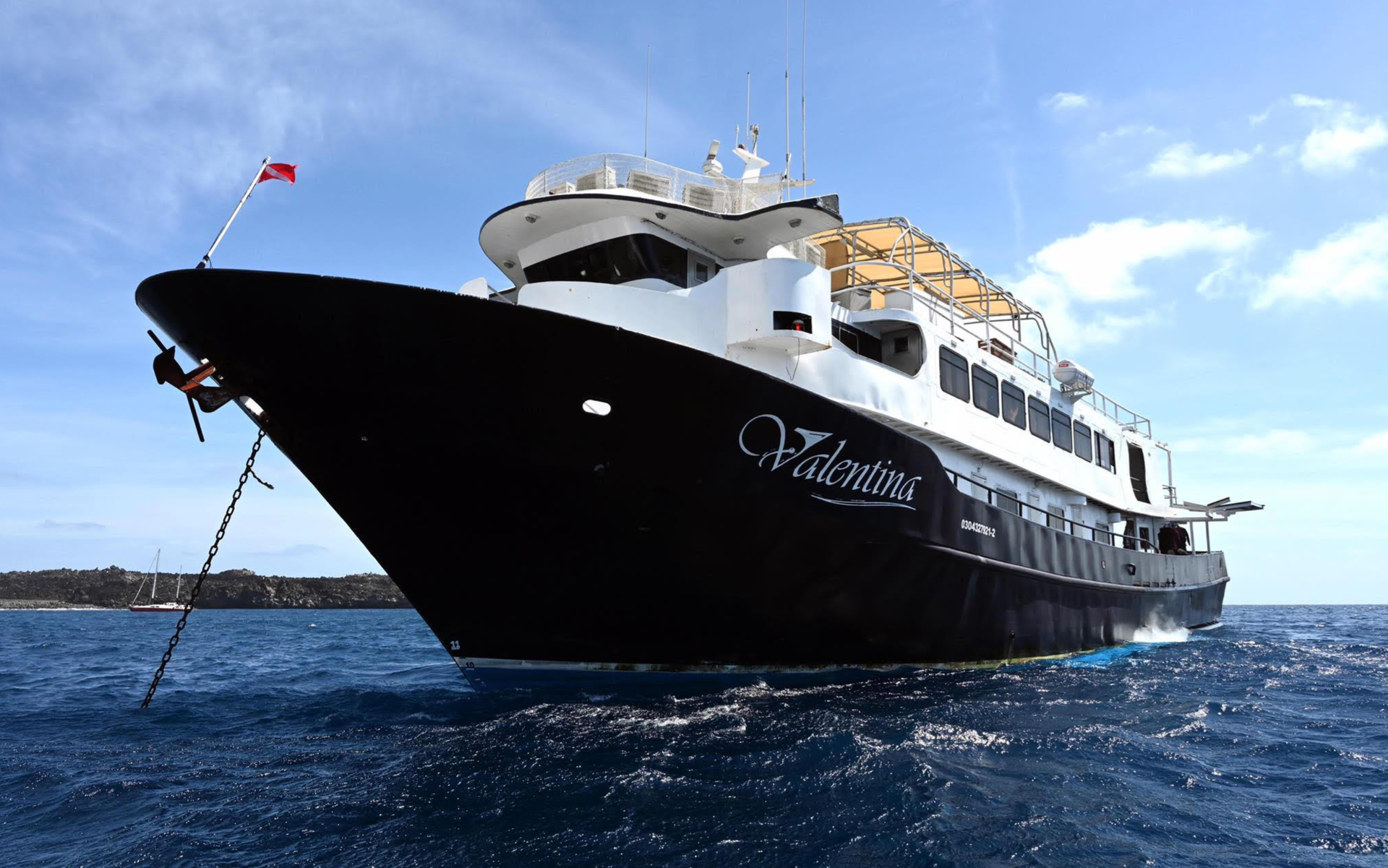
Valentina
Mexico
20 guests38.1 m
$430/day
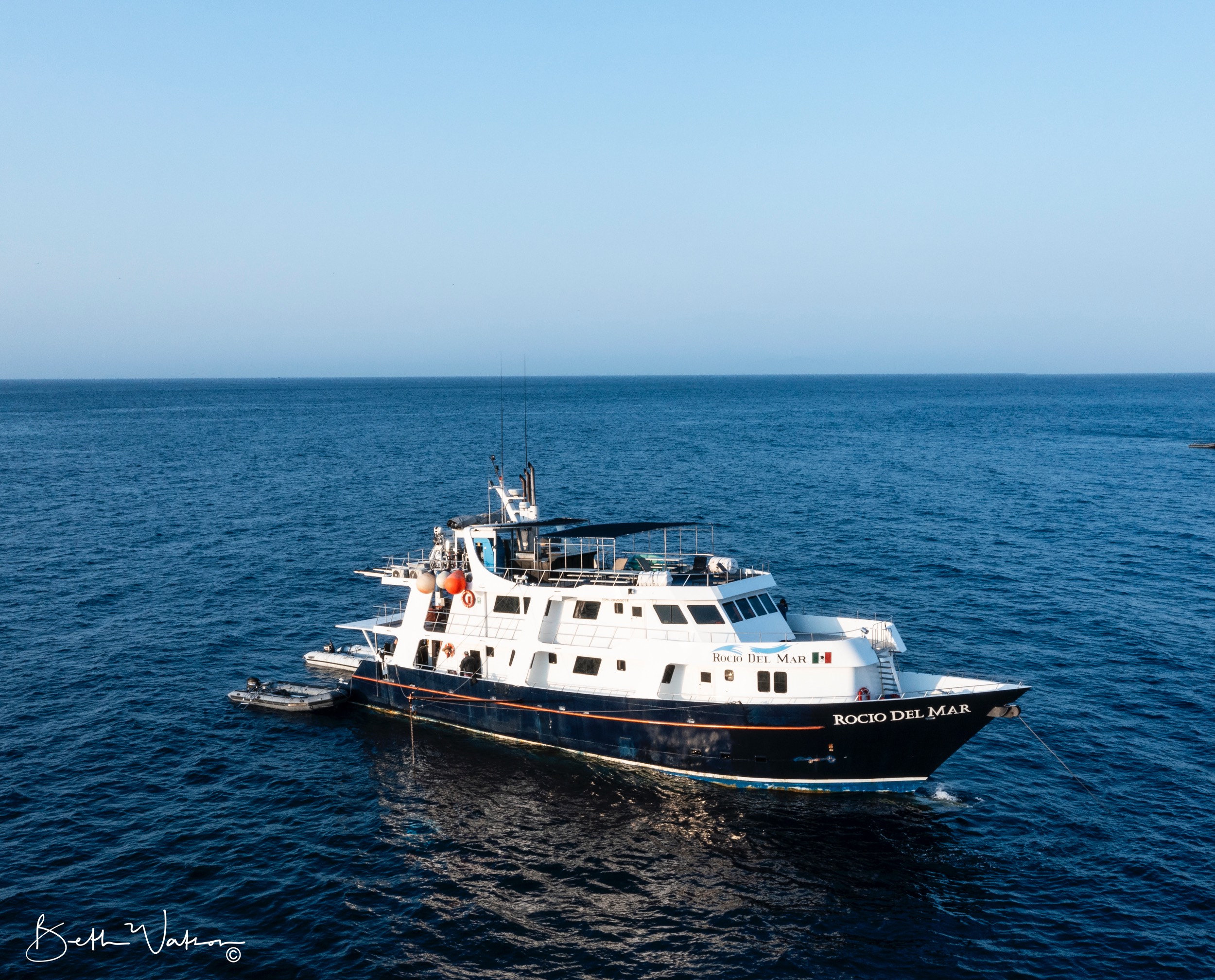
Rocio del Mar
Mexico
20 guests33.5 m
$392/day
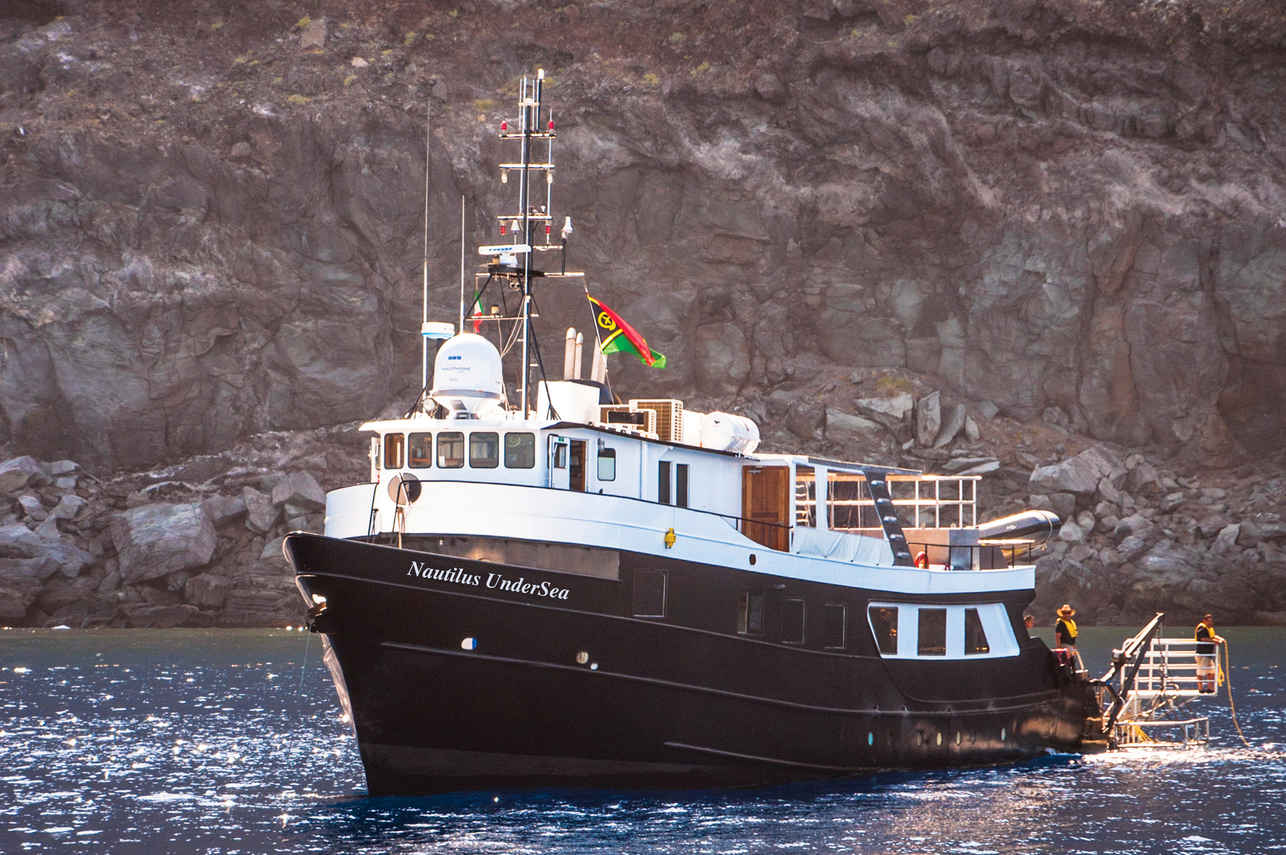
Nautilus Under Sea
Mexico
19 guests32 m
$261/day
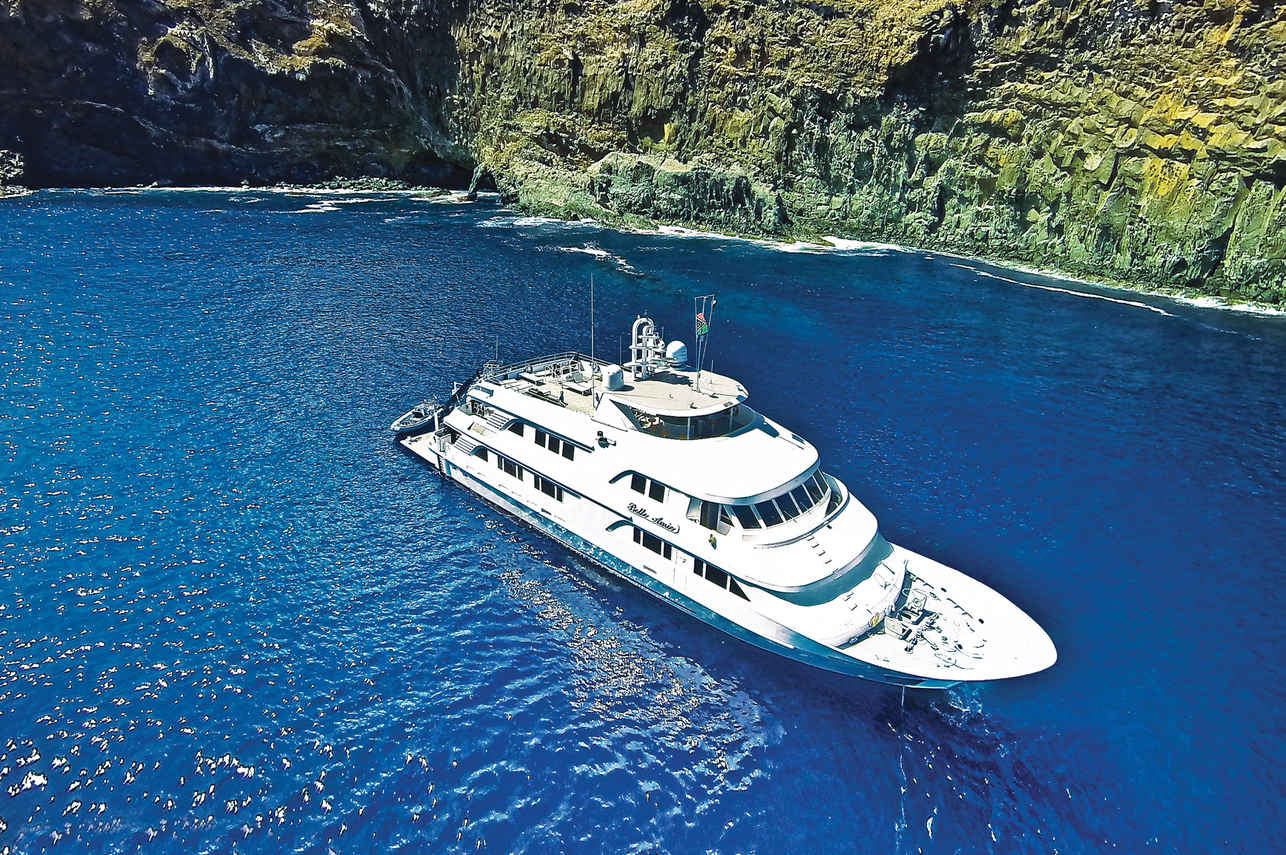
Nautilus Belle Amie
Mexico
32 guests44.8 m
$323/day
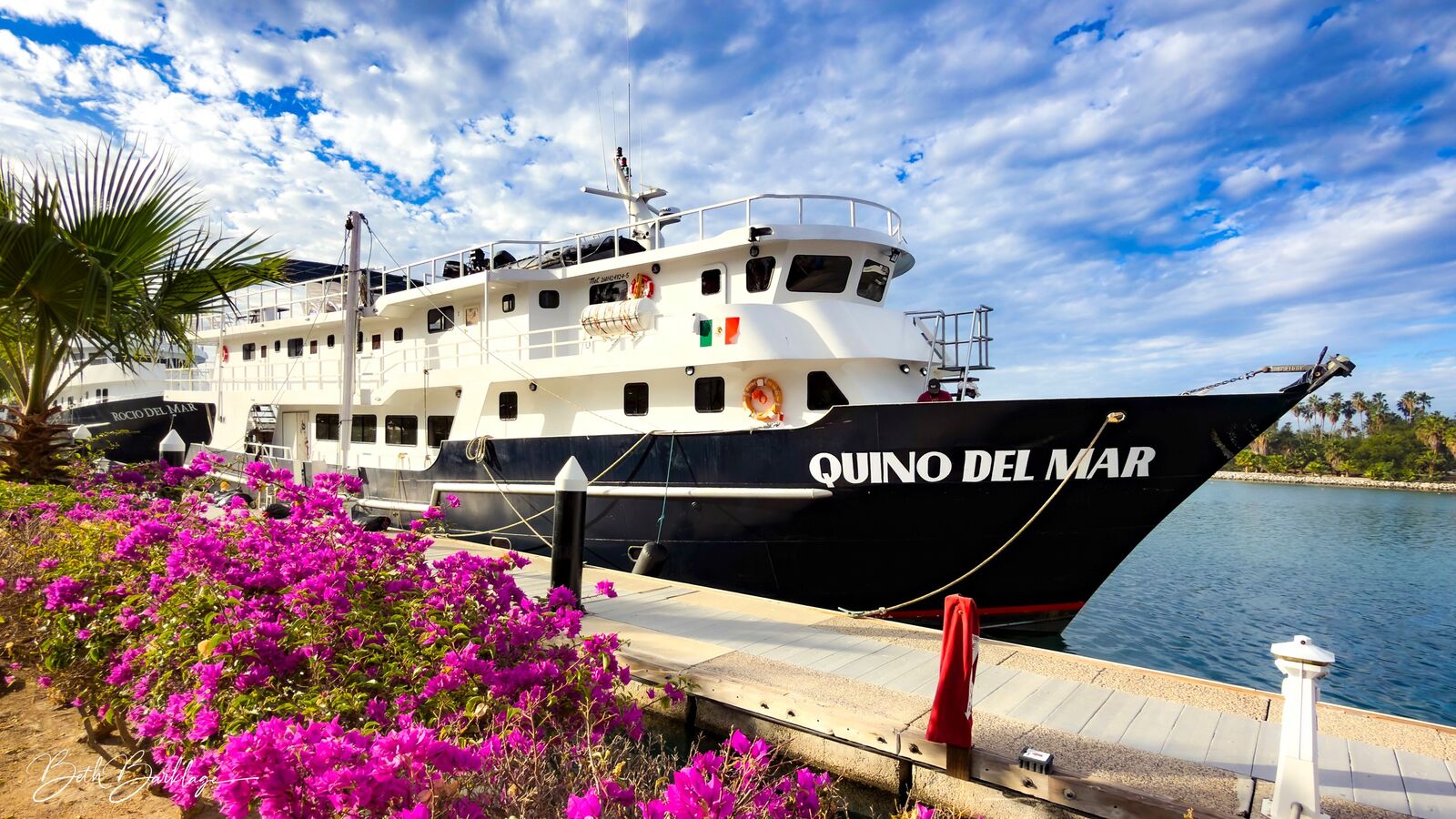
Quino del Mar
Mexico
20 guests36 m
$377/day
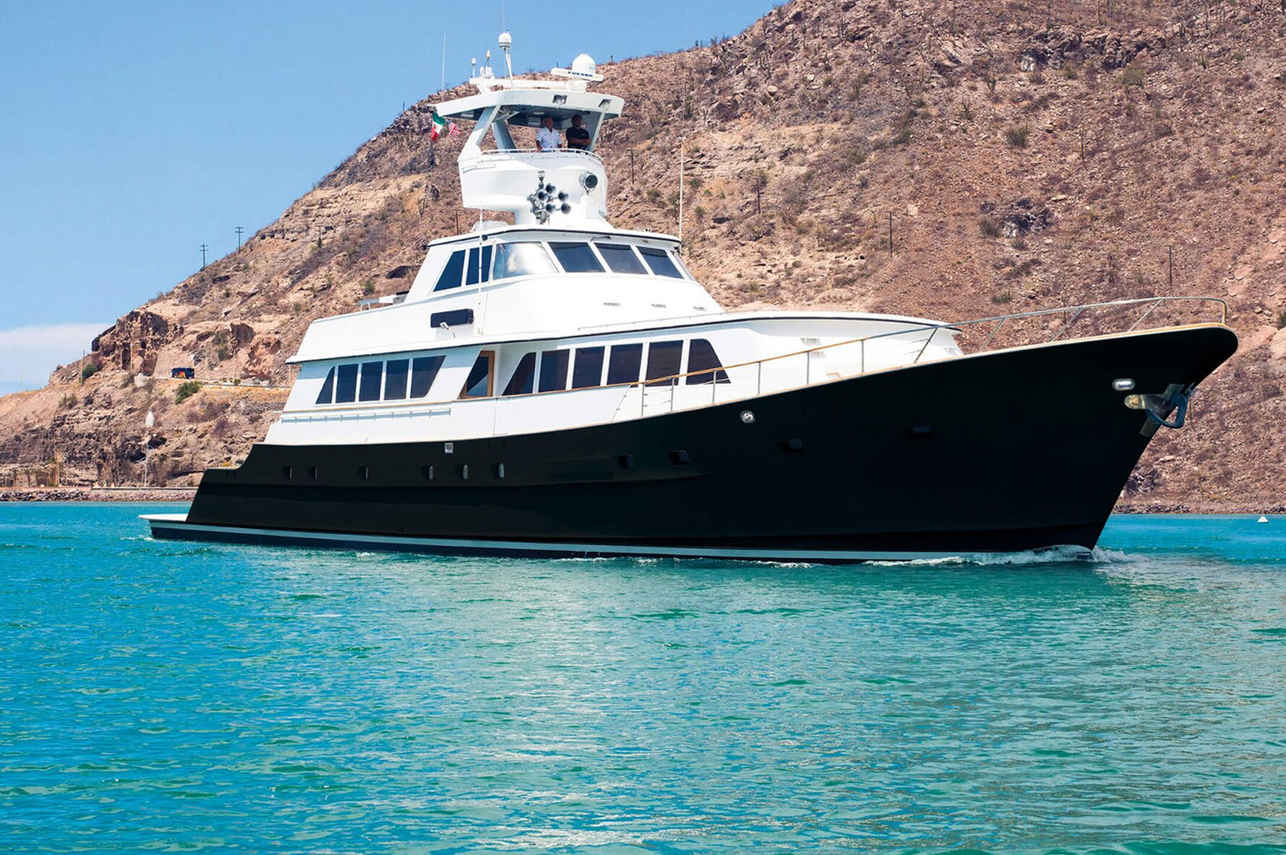
Nautilus Gallant Lady
Mexico
12 guests35.36 m
$332/day
Dive sites similar to C-58 Wreck
Same character, same waters — six more sites divers love for the exact same reasons.Compare seasons, access and liveaboard routes — then pick the site that fits your trip best.
© Esri — Maxar, Earthstar, GIS
Isla Montserrat
Mexico
Isla Montserrat is one of the five major islands within the Bahía de Loreto National Park, offering a diverse range of diving opportunities.
- Suitable for
- Intermediate
- Current
- Mild
- Access
- Liveaboard only
- Depth
- —
- Theme
- Reef / Wall
© Esri — Maxar, Earthstar, GIS
Moc-Che Shallow
Mexico
Moc-Che Shallow is a vibrant reef dive situated directly off Playa del Carmen in Mexico, forming part of the Mesoamerican Barrier Reef.
- Suitable for
- Beginner
- Current
- Moderate
- Access
- Liveaboard or dayboat
- Depth
- 7–14 m
- Theme
- Drift
© Esri — Maxar, Earthstar, GIS
The Ramparts of Coronados Island, located in Mexican waters just over 17-20 miles south of San Diego, offers an exhilarating wall dive experience characterized by spectacular granite cliffs and rich marine biodiversity.
- Suitable for
- Intermediate
- Current
- Mild
- Access
- Liveaboard only
- Depth
- 5–30 m
- Theme
- Wall / Reef
© Esri — Maxar, Earthstar, GIS
San Benedicto Island, part of Mexico's Revillagigedo Archipelago, is a prime destination for divers seeking thrilling encounters with marine megafauna.
- Suitable for
- Advanced
- Current
- Strong
- Access
- Liveaboard only
- Depth
- 5–49 m
- Theme
- Drift
© Esri — Maxar, Earthstar, GIS
Palo Blanco
Mexico
Palo Blanco is recognized as a 'can't miss' dive site situated off Isla del Carmen, the largest island within the Bahía de Loreto National Park in Baja California Sur, Mexico.
- Suitable for
- Intermediate
- Current
- Mild
- Access
- Liveaboard only
- Depth
- —
- Theme
- Reef / Drift
© Esri — Maxar, Earthstar, GIS
Tortugas Reef
Mexico
Tortugas Reef, meaning 'Turtles' in Spanish, is a highly popular coral reef situated minutes from the marina in Playa del Carmen.
- Suitable for
- Intermediate
- Current
- Moderate
- Access
- Liveaboard or dayboat
- Depth
- 15–40 m
- Theme
- Drift