About Ultrafreeze
The Ultrafreeze, also known as El Frio, is a 200-foot cargo ship and tugboat deliberately sunk to form an artificial reef off the Caribbean coast of Quintana Roo, Mexico. It rests in Bahia de Mujeres, situated between Cancun and Isla Mujeres, approximately 7 miles southeast of Isla Mujeres. The vessel caught fire while docked at Isla Mujeres, sustaining severe damage that rendered it unseaworthy before its sinking in 1979. Today, the Ultrafreeze lies upright at depths ranging from 85 to 100 feet (26 to 30 meters). Its hull remains largely intact, though Hurricane Andrew in 1992 split the starboard side, creating an L-shaped angle. The wheelhouse, found at 70 feet (21 meters), is adorned with vibrant red, green, and yellow hard corals. Divers can explore its interior, which features loose cables, a staircase, and open cargo holds, with numerous entry and exit points. This site is renowned for its diverse marine life, attracting underwater photographers and divers seeking encounters with large fish. Common sightings include sea turtles, manta rays, groupers, barracuda, jacks, snook, grunts, tarpon, moray eels, and even occasional dolphins. Despite the hurricane damage, coral growth on the wreck is significant, supporting a thriving ecosystem. Due to its depth and potential for strong currents, Ultrafreeze is considered an advanced dive, suitable for certified divers with Advanced Open Water certification. It is typically accessed via a 30-minute boat ride from either Cancun or Isla Mujeres. The typical visibility is around 65 feet (20 meters), and water temperatures average 79°F (26°C).
Highlights
200-foot cargo ship wreckIntact hull structureCoral-covered wheelhouseOpen cargo holdsEncounter sea turtles and manta raysBarracuda, jacks, and groupers
Dive site facts: Ultrafreeze
- Depth
- 26–30 m
- Current
- Strong
- Entry
- Liveaboard or dayboat
- Level
- Advanced
- Dive type
- Wreck, Reef
- Region / port
- Mexico
- Coordinates
- 21.1555° N, 86.7265° W
Conditions & Currents
Currents at Ultrafreeze can be quite strong, particularly on descent, making it more comfortable for experienced divers. However, some reports indicate that currents can also be low at times. This variability means divers should be prepared for potential drift and strong flows, requiring good buoyancy control and dive planning. The site is a deep wreck, reaching 85-100 feet (26-30 meters), necessitating advanced certification. Visibility typically averages 65 feet (20 meters), and water temperatures are a consistent 79°F (26°C), avoiding thermoclines. Entry and exit strategies should account for the current conditions, potentially involving negative entries or live boat pick-ups, though specific techniques are not detailed in sources. Due to its depth and potential currents, this dive is considered challenging and suitable for advanced divers comfortable with such conditions and wreck penetration.
Why dive Ultrafreeze from a liveaboard?
Ultrafreeze is one of Mexico's signature dive sites. A liveaboard sleeps you on the water and puts you in the water for three to four guided dives per day, including dawn and night dives that day-boat operators rarely offer. You skip the daily commute back to port and reach quieter, less-crowded sites in the same region on a single trip.
Below are the liveaboards that include Ultrafreeze on their Mexico itineraries.
Liveaboards diving Ultrafreeze
These liveaboards may visit Ultrafreeze on selected itineraries — the exact dive sites depend on departure, weather and conditions.
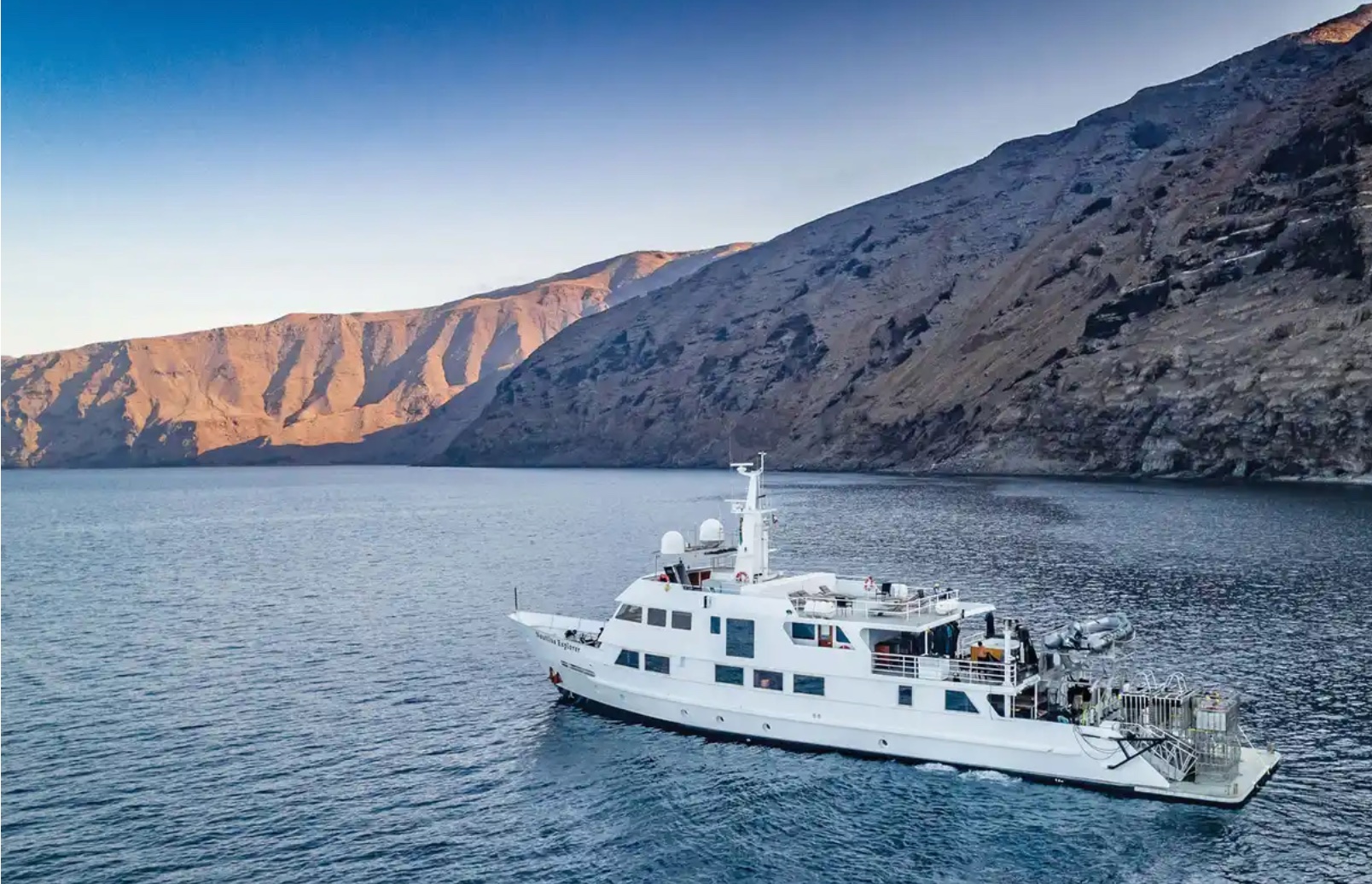
Nautilus Explorer
Mexico
25 guests44.8 m
$230/day
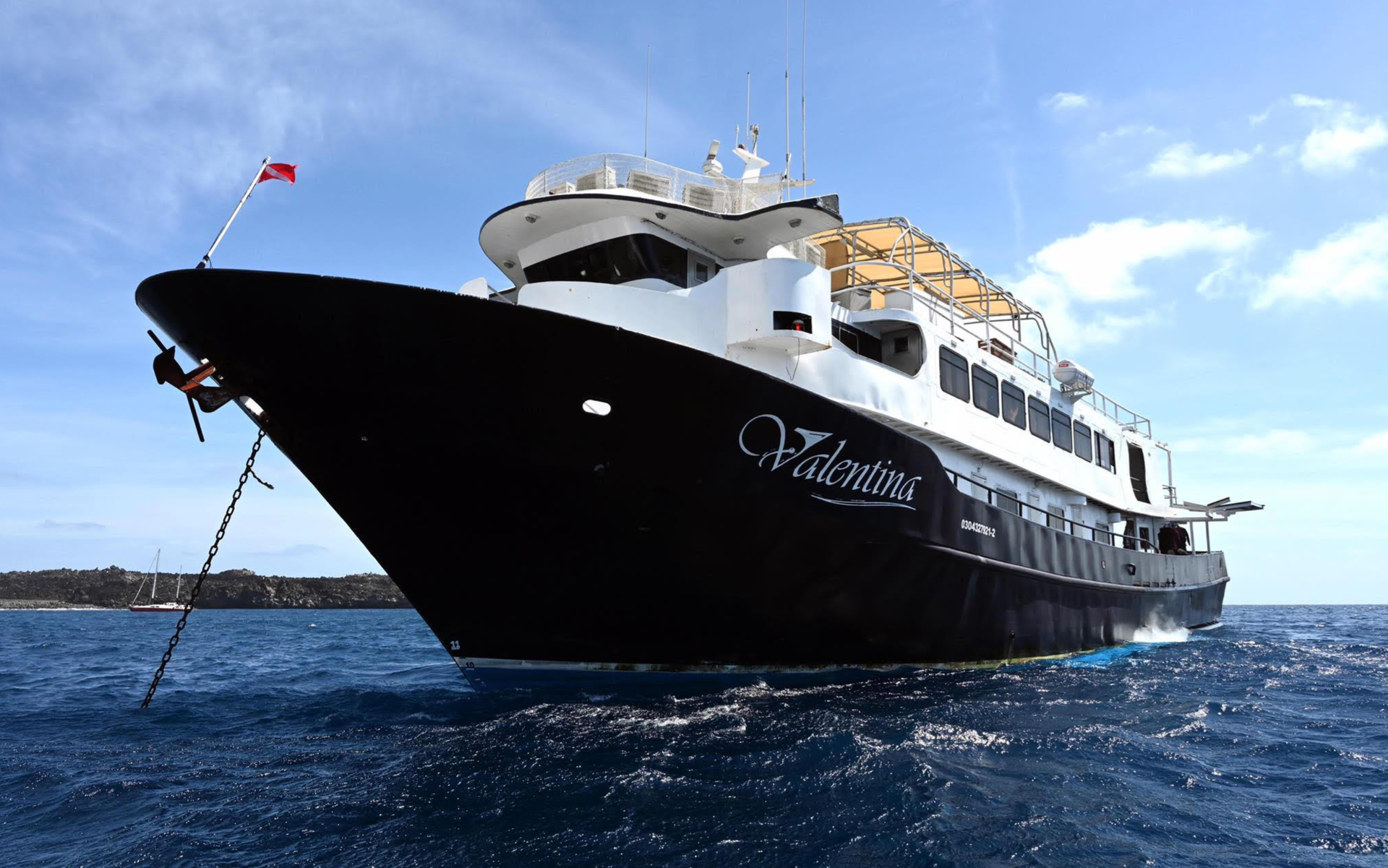
Valentina
Mexico
20 guests38.1 m
$430/day
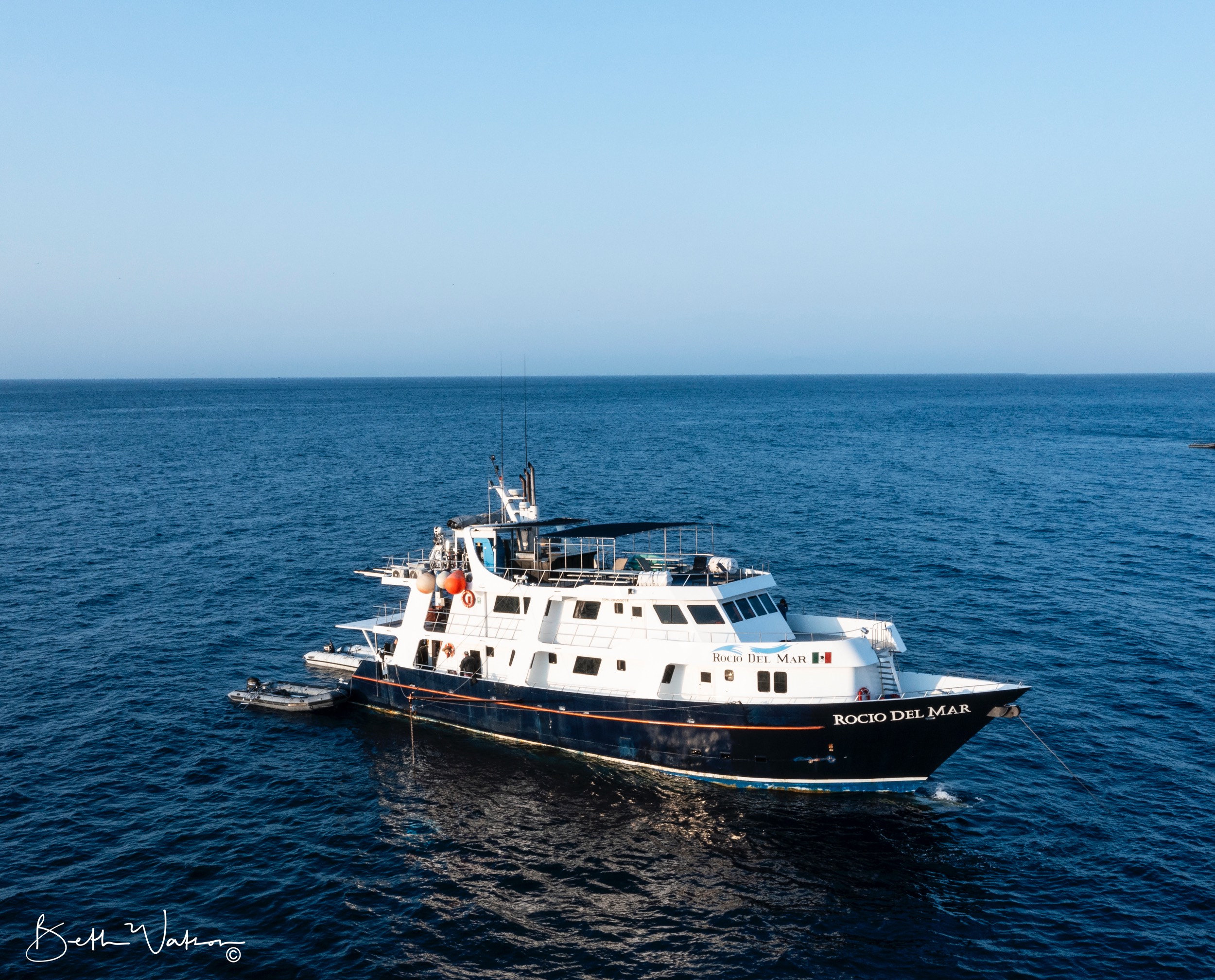
Rocio del Mar
Mexico
20 guests33.5 m
$392/day
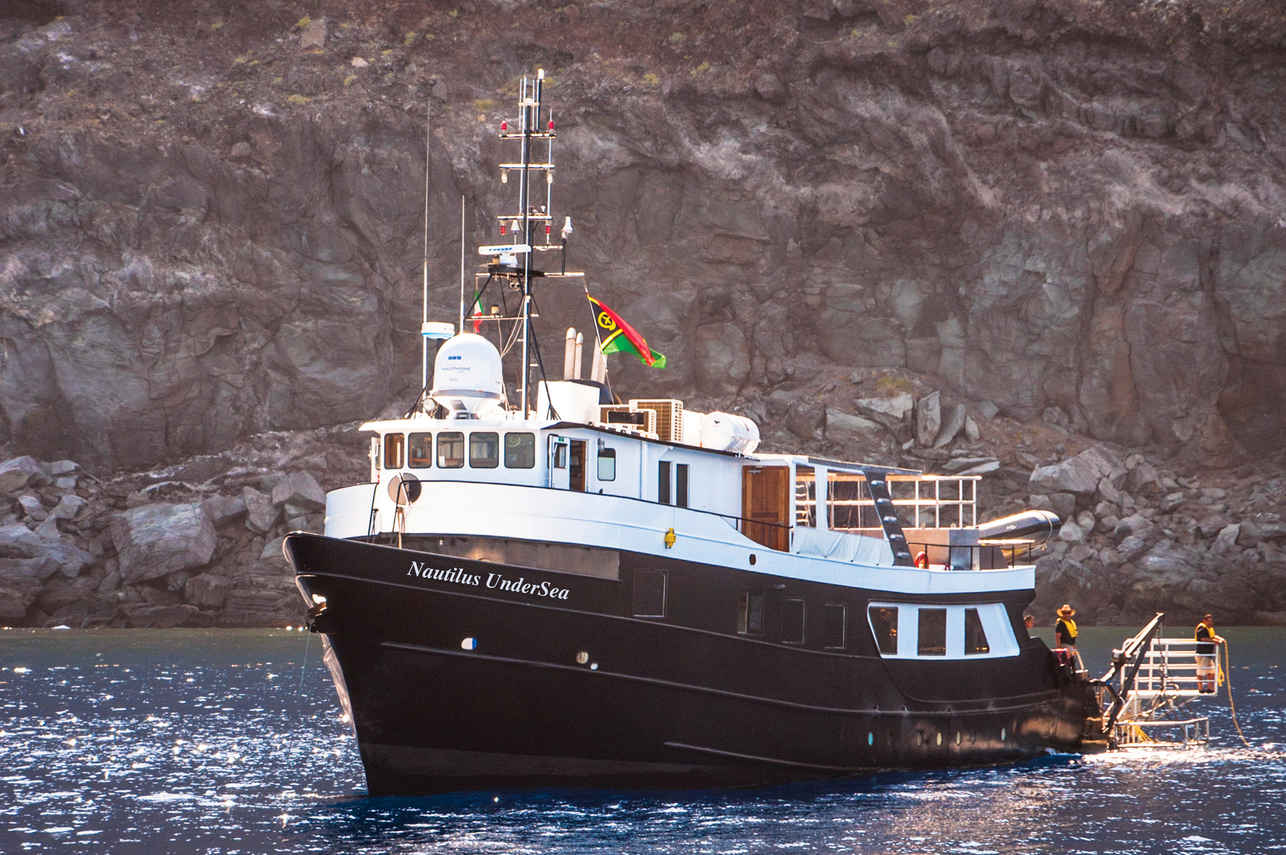
Nautilus Under Sea
Mexico
19 guests32 m
$261/day
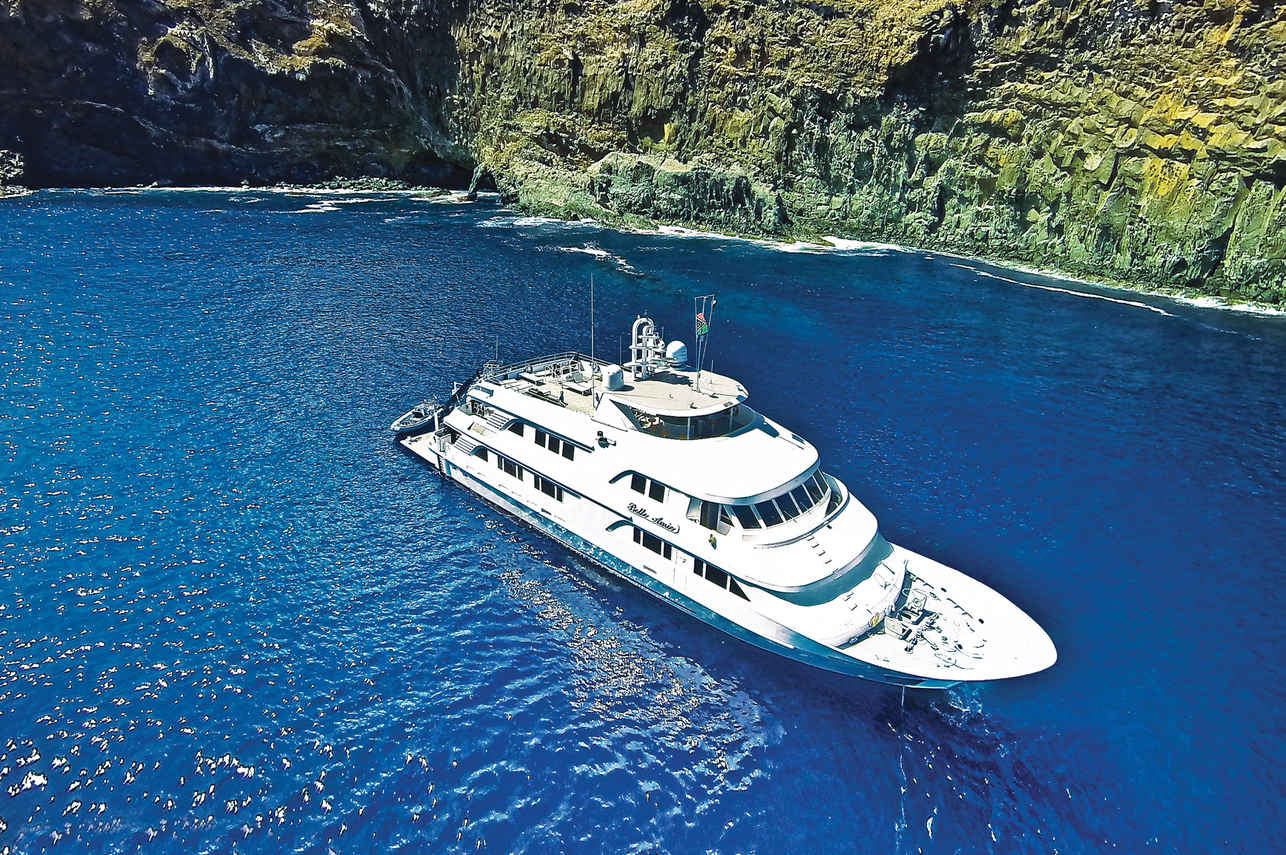
Nautilus Belle Amie
Mexico
32 guests44.8 m
$323/day
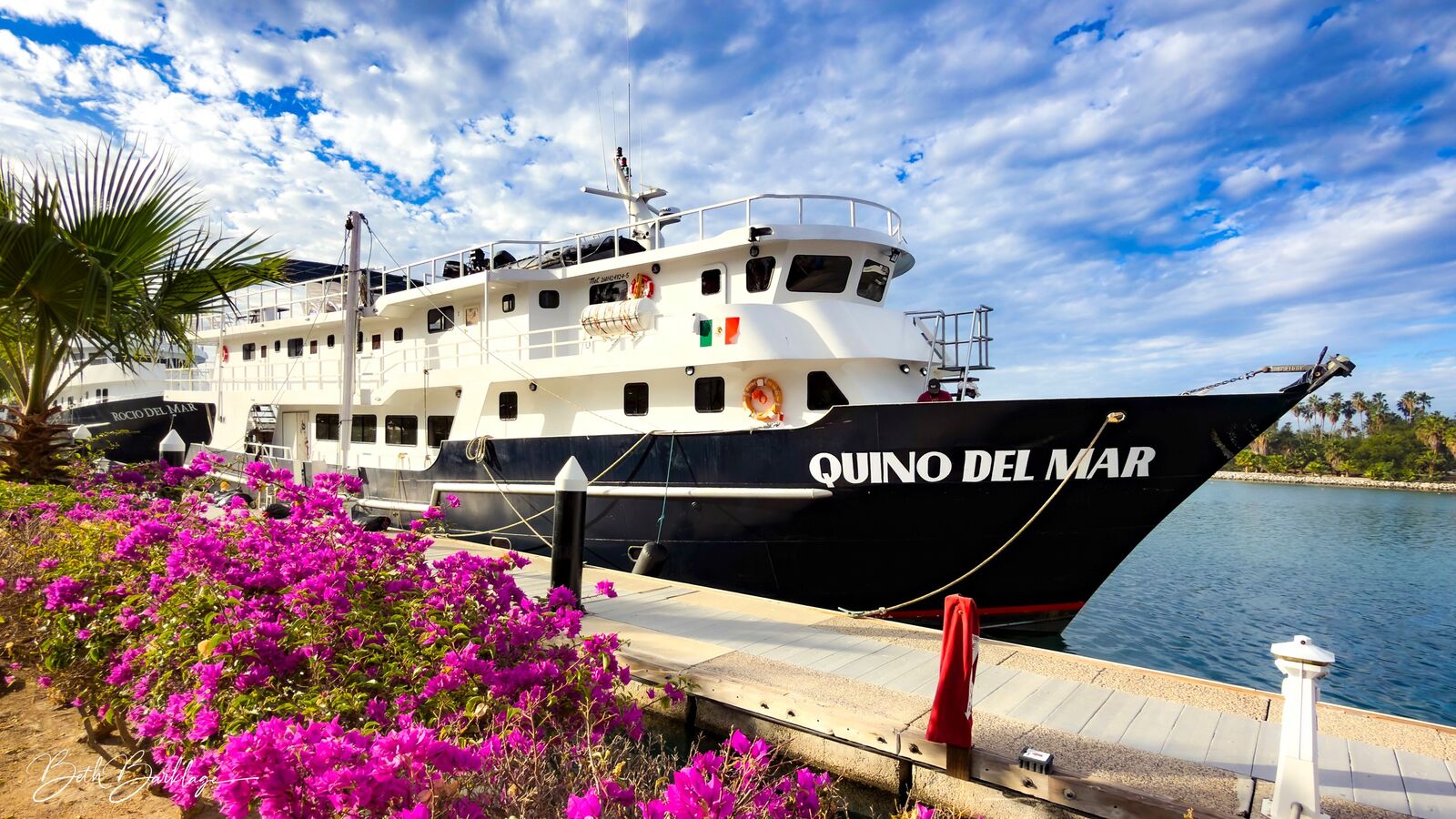
Quino del Mar
Mexico
20 guests36 m
$392/day
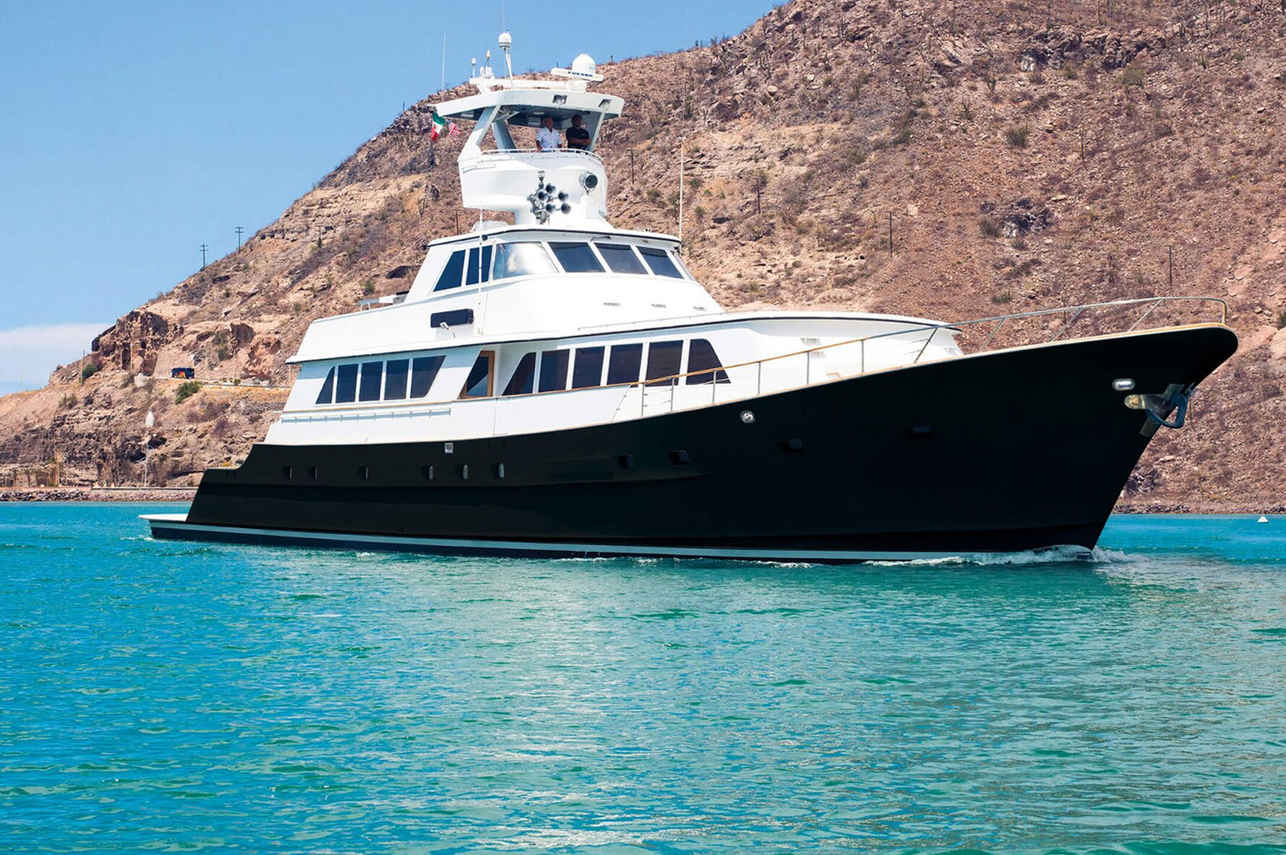
Nautilus Gallant Lady
Mexico
12 guests35.36 m
$332/day
Dive sites similar to Ultrafreeze
Same character, same waters — six more sites divers love for the exact same reasons.Compare seasons, access and liveaboard routes — then pick the site that fits your trip best.
© Esri — Maxar, Earthstar, GIS
Tak Be Luum
Mexico
Cenote Tak Be Luum, located in the Mexican state of Quintana Roo, is an exceptional cavern dive that forms part of the vast Sac Actun underwater cave system, one of the world's largest.
- Suitable for
- Advanced
- Current
- No current
- Access
- Shore / dayboat
- Depth
- 4–9 m
- Theme
- Reef
© Esri — Maxar, Earthstar, GIS
Neptune's Finger
Mexico
Neptune's Finger is a renowned dive site located in Cabo San Lucas, Mexico, at the southern tip of the Baja California Peninsula.
- Suitable for
- Beginner
- Current
- Mild
- Access
- Liveaboard or dayboat
- Depth
- 4–152 m
- Theme
- Reef
© Esri — Maxar, Earthstar, GIS
Majahuitas
Mexico
Majahuitas is a pristine and secluded cove located on the southern coast of Banderas Bay, near Puerto Vallarta, Mexico.
- Suitable for
- Beginner
- Current
- Mild
- Access
- Dayboat
- Depth
- 8–14 m
- Theme
- Reef
La Poza is a remarkable dive site located in Xcalak, a serene fishing village situated on Mexico's Caribbean coast, near the Belize border.
- Suitable for
- Advanced
- Current
- Mild
- Access
- Shore / dayboat
- Depth
- 20–25 m
- Theme
- Reef
© Esri — Maxar, Earthstar, GIS
North Wall
Mexico
North Wall is a prominent dive site situated within the protected Cabo San Lucas Marine Park, just a short ten-minute boat journey from the Marina.
- Suitable for
- Beginner
- Current
- No current
- Access
- Liveaboard or dayboat
- Depth
- 5–21 m
- Theme
- Reef
© Esri — Maxar, Earthstar, GIS
Siete Bocas
Mexico
Cenote Siete Bocas, meaning "Seven Mouths," is a unique cavern dive site nestled along the Ruta de los Cenotes near Puerto Morelos in Mexico's Riviera Maya.
- Suitable for
- Intermediate
- Current
- No current
- Access
- Shore / dayboat
- Depth
- ≤ 30 m
- Theme
- Reef