About Manchones Reef
Manchones Reef, nestled in the protected Bahía de Mujeres off Isla Mujeres, is a renowned dive site celebrated for its calm conditions and rich biodiversity. This vibrant coral garden forms part of the Cancún Marine Park and is frequently paired with the MUSA Underwater Museum for two-tank excursions. Its warm, clear waters and minimal currents create an inviting environment for divers of all levels, including those on their first ocean dives or undertaking certification. The topography of Manchones Reef features extensive flat coral gardens interspersed with sandy patches, typically ranging from 8 to 12 meters in depth. These shallow depths ensure excellent light penetration, highlighting the colorful corals and sponges that thrive here. The gentle, consistent currents facilitate easy drift dives, allowing divers to leisurely explore the expansive reef system without significant effort. Marine life is abundant, with frequent sightings of hawksbill turtles grazing on sponges and southern stingrays gliding across the sandy seafloor. The reef teems with Caribbean species such as queen and French angelfish, schoolmaster snapper, and midnight parrotfish. The consistent presence of these creatures, combined with the comfortable water temperatures, offers excellent opportunities for marine observation and underwater photography throughout the year. Diving Manchones Reef typically involves easy boat entries, often as a second dive following a visit to MUSA. The relaxed pace and predictable conditions make it an excellent choice for extending bottom time, practicing buoyancy, and simply enjoying the tranquil underwater scenery. Its proximity to Isla Mujeres and Cancun makes it easily accessible, contributing to its popularity among both local and visiting divers.
Highlights
Vibrant coral gardensShallow, clear watersGentle drift divingMUSA Underwater Museum nearbyHawksbill turtlesSouthern stingrays
Season calendar
Best months to dive here
Jan
Feb
Mar
Apr
May
Jun
Jul
Aug
Sep
Oct
Nov
Dec
Excellent
Dive site facts: Manchones Reef
- Depth
- 8–12 m
- Current
- Mild to none
- Visibility
- 15–30 m
- Water temperature
- 26–29 °C
- Entry
- Boat
- Level
- Open Water
- Dive type
- Reef, artificial reef, photography
- Night dive
- Possible
- Region / port
- Isla Mujeres, Mexico
- Coordinates
- 21.21, -86.72
Conditions & Currents
Manchones Reef typically experiences mild to negligible currents, making it an ideal location for relaxed diving and snorkeling. Its protected position contributes to generally calm conditions and excellent visibility, often ranging from 15 to 30 meters. Divers can anticipate easy entries and exits, with little to no concern about strong surge or blue water descents. The gentle flow facilitates a comfortable drift over the coral gardens, making it suitable for all experience levels, including those on their first ocean dives or in training. Thermoclines are generally not a significant factor at these shallow depths, ensuring a consistently warm water column. This site's predictability allows for extended bottom times and stress-free gas planning.
Marine life & sighting chances
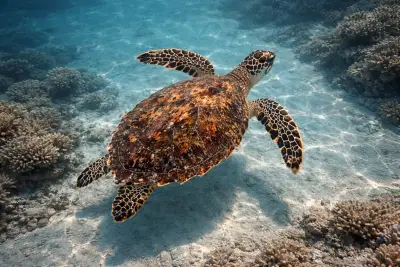
Hawksbill turtle
common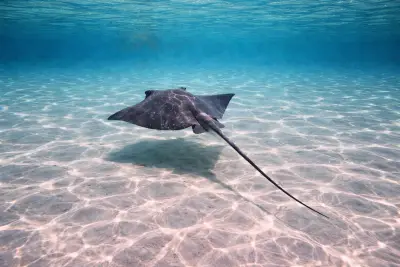
Southern stingray
common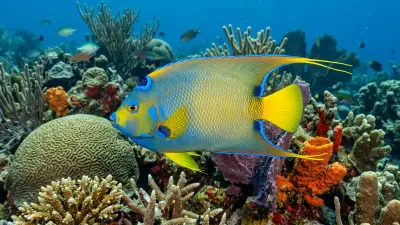
Queen angelfish
common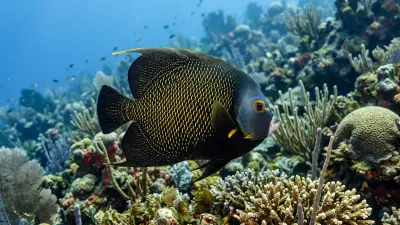
French angelfish
common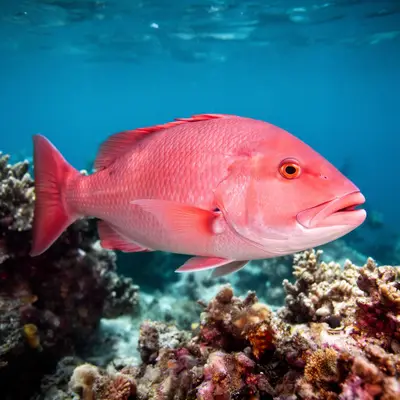
Schoolmaster snapper
common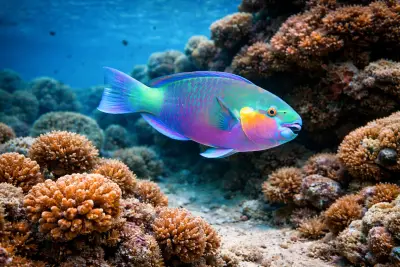
Midnight parrotfish
common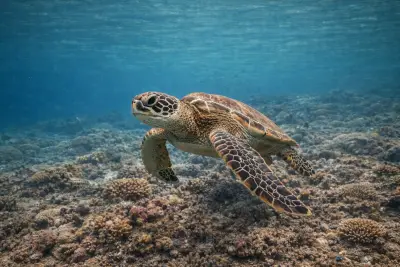
Green turtle
occasional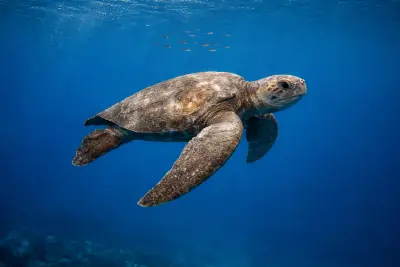
Loggerhead turtle
occasional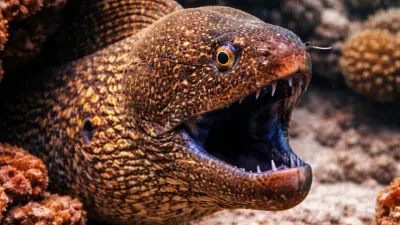
Eels
occasionalDive profile & how the dive runs
Dives at Manchones Reef typically begin with a calm boat entry, often following a descent to the nearby MUSA Underwater Museum. Upon reaching Manchones, divers will descend directly onto the flat coral gardens, which lie at depths between 8 and 12 meters. The dive usually progresses as a gentle drift along the reef, allowing ample time to observe the diverse marine life and coral formations. There is no set turn point, as the mild currents guide divers naturally over the expansive reef. Throughout the dive, maintaining good buoyancy is key to protecting the delicate coral. The safety stop is typically performed at 5 meters for 3 minutes, easily executed in the shallow, clear water, before ascending to the boat for exit.
Underwater photography
Manchones Reef provides excellent conditions for underwater photography, particularly for wide-angle shots of coral gardens and artificial reef sculptures. The shallow depths and consistent visibility, often 15-30 meters, ensure abundant natural light, making it suitable for ambient light photography. For macro enthusiasts, focusing on the smaller reef inhabitants and detailed coral textures can yield rewarding results. When photographing subjects within the MUSA sculptures, consider wider lenses to capture the scale of the art. Strobe lighting is beneficial to restore natural colors, especially when shooting into the sun or at slightly greater depths. Always practice excellent buoyancy control to avoid contact with the reef or stirring up the sandy bottom, preserving the clarity for your shots and protecting the delicate environment.
Combine with nearby dive sites
- MUSA Underwater Museum
Frequently paired with Manchones Reef for two-tank dives due to its proximity and complementary artificial reef experience.
- Punta Nizuc
A shallow, snorkel-focused section of the MUSA Underwater Museum, also suitable for new divers.
- C-58 Wreck
A deeper wreck dive for advanced divers seeking larger marine life and structural exploration.
- Ultrafreeze
Another deeper wreck dive, offering a different wreck experience for certified divers.
- Grampin
An anchor-shaped reef with swim-throughs and mild to moderate currents.
- Paradise Reef (Paraiso)
A natural reef known for its healthy ecosystem and vibrant marine life, suitable for all levels.
Getting there & logistics
Access to Manchones Reef primarily involves boat trips from Isla Mujeres, which is itself reached by a 20-minute Ultramar ferry from Puerto Juárez near Cancún. Most divers choose to stay on Isla Mujeres, making for convenient short boat rides to the dive site. Cancún-based dive operators also offer trips to Manchones, often combining it with MUSA for a standard two-tank dive. Dive packages typically range from half-day excursions to multi-day itineraries that include other reefs and wrecks in the Bahía de Mujeres. National Marine Park fees are usually included in dive tour prices, but it's always wise to confirm. Overall trip duration for a single Manchones dive is usually 2-4 hours, including travel time.
Safety & environment
For diving in the Isla Mujeres area, the nearest recompression chamber is located in Cancún. In case of a dive emergency, evacuation would involve immediate transport by boat back to shore, followed by ground transfer to the chamber. All divers should ensure they have comprehensive dive accident insurance that covers emergency medical care and evacuation. Site-specific hazards at Manchones Reef are minimal due to its shallow depth and mild currents; however, divers must maintain excellent buoyancy to avoid contact with the delicate coral structures. It is crucial to follow your dive guide's instructions and conduct pre-dive safety checks. Always dive within your certification limits and monitor your air consumption, even in these relaxed conditions.
Who it suits — and who it doesn't
Suited for
- Open Water divers
- Beginner divers
- Snorkelers
- Underwater photographers
- Relaxed diving
- Marine life observers
Less suited for
- Technical divers
- Advanced wreck penetration
- Strong current enthusiasts
- Deep diving specialists
FAQ
Manchones Reef FAQ
What is the typical depth at Manchones Reef?
Manchones Reef is a shallow dive site, with depths generally ranging between 8 and 12 meters (26-40 feet). This makes it very accessible for divers of all experience levels, including those new to scuba diving or undergoing certification. The shallow profile also ensures excellent light penetration, enhancing visibility and color.
Is Manchones Reef suitable for beginner divers?
Yes, Manchones Reef is highly suitable for beginner divers. Its mild to non-existent currents, shallow depths, and generally clear visibility provide a very comfortable and safe environment for new divers. It's an excellent site for Discover Scuba Diving experiences or for certified Open Water divers to gain more experience.
What kind of marine life can I expect to see at Manchones Reef?
Manchones Reef boasts a vibrant array of Caribbean marine life. You can frequently spot hawksbill turtles grazing on sponges and southern stingrays gliding over the sandy patches. The reef also teems with colorful fish such as queen and French angelfish, schoolmaster snapper, and midnight parrotfish, making for rich observation.
Can I combine a dive at Manchones Reef with the MUSA Underwater Museum?
Yes, Manchones Reef is very commonly combined with the MUSA Underwater Museum for a two-tank dive trip. The sites are close to each other and both offer shallow, calm conditions, making them ideal partners for a comprehensive and relaxed underwater experience. Many local operators offer this popular combination.
What are the water conditions like at Manchones Reef?
The water conditions at Manchones Reef are consistently excellent. Water temperatures range from 26-29°C (79-84°F) year-round, making for very comfortable dives without the need for thick wetsuits. Visibility is typically superb, often between 15-30 meters (50-100 feet), and currents are usually mild to non-existent, ensuring a peaceful dive.
Is Manchones Reef a drift dive?
While Manchones Reef can experience mild currents that facilitate a gentle drift, it is not typically characterized as a strong drift dive site. The currents are usually very light, making for a relaxed experience where divers can easily navigate and spend time observing marine life. It's suitable for all levels, including those not experienced with drift diving.
Why dive Manchones Reef from a liveaboard?
Manchones Reef is one of Mexico's signature dive sites. A liveaboard sleeps you on the water and puts you in the water for three to four guided dives per day, including dawn and night dives that day-boat operators rarely offer. You skip the daily commute back to port and reach quieter, less-crowded sites in the same region on a single trip.
Below are the liveaboards that include Manchones Reef on their Mexico itineraries.
Liveaboards diving Manchones Reef
These liveaboards may visit Manchones Reef on selected itineraries — the exact dive sites depend on departure, weather and conditions.
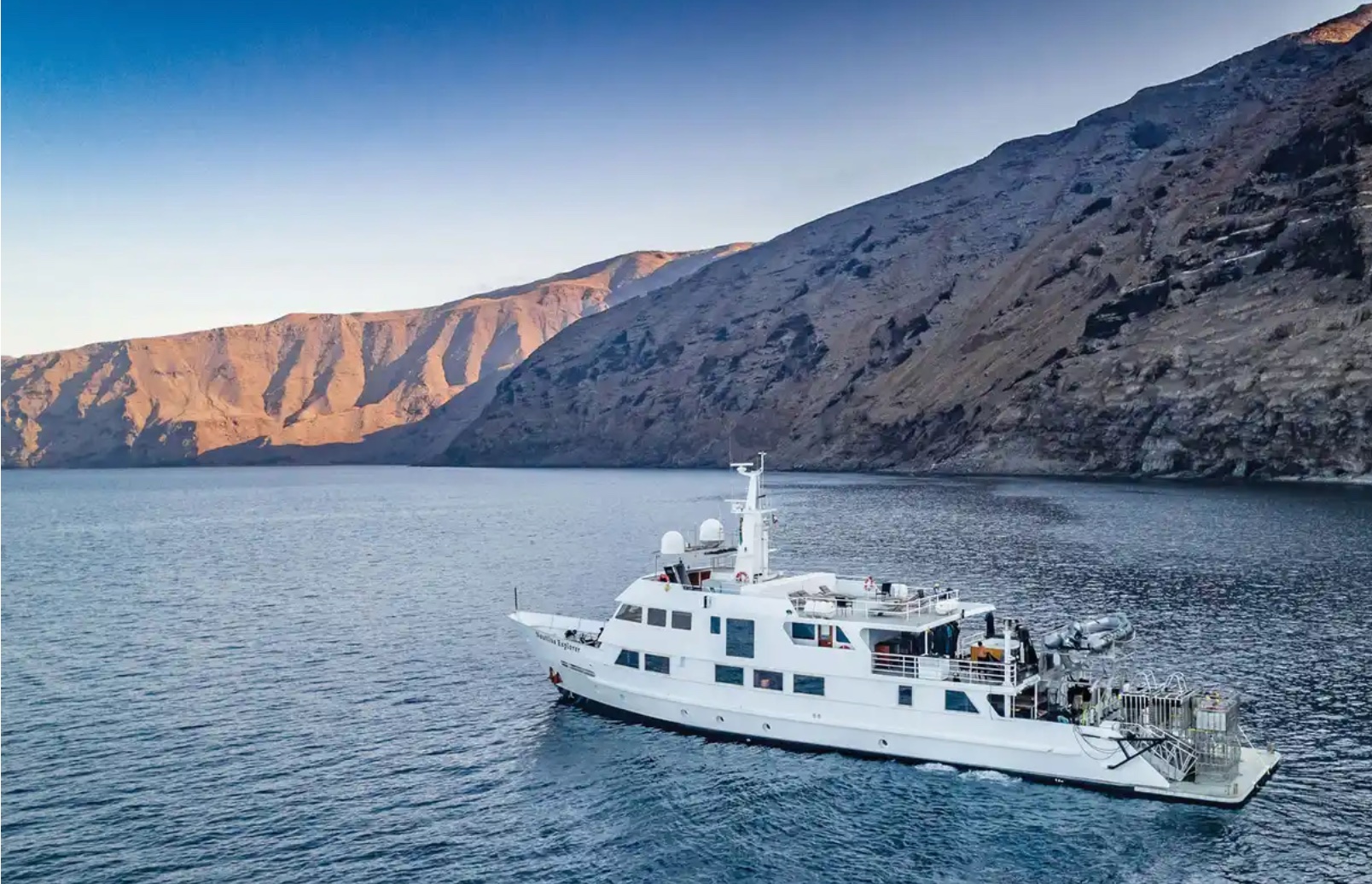
Nautilus Explorer
Mexico
25 guests44.8 m
$230/day
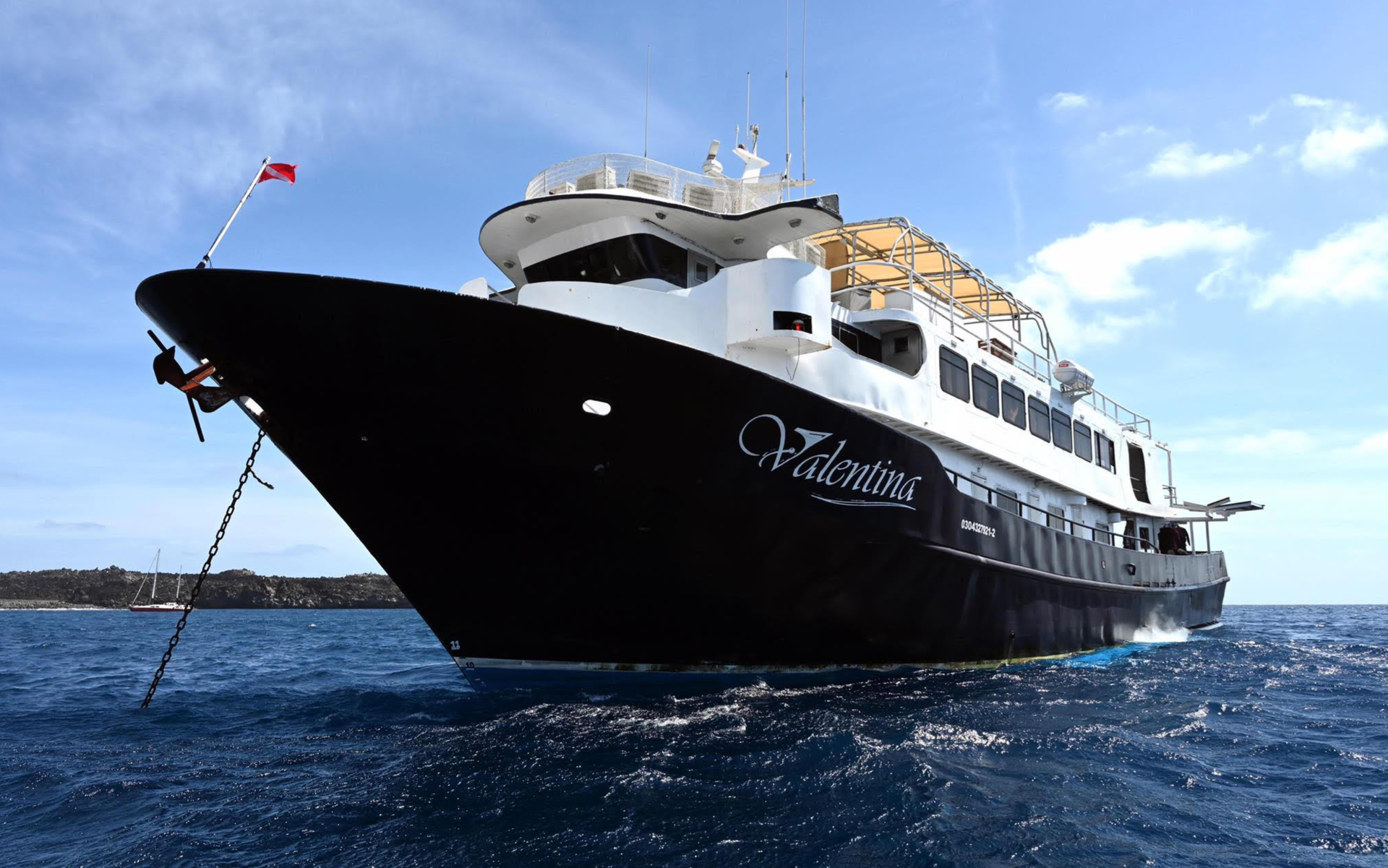
Valentina
Mexico
20 guests38.1 m
$430/day
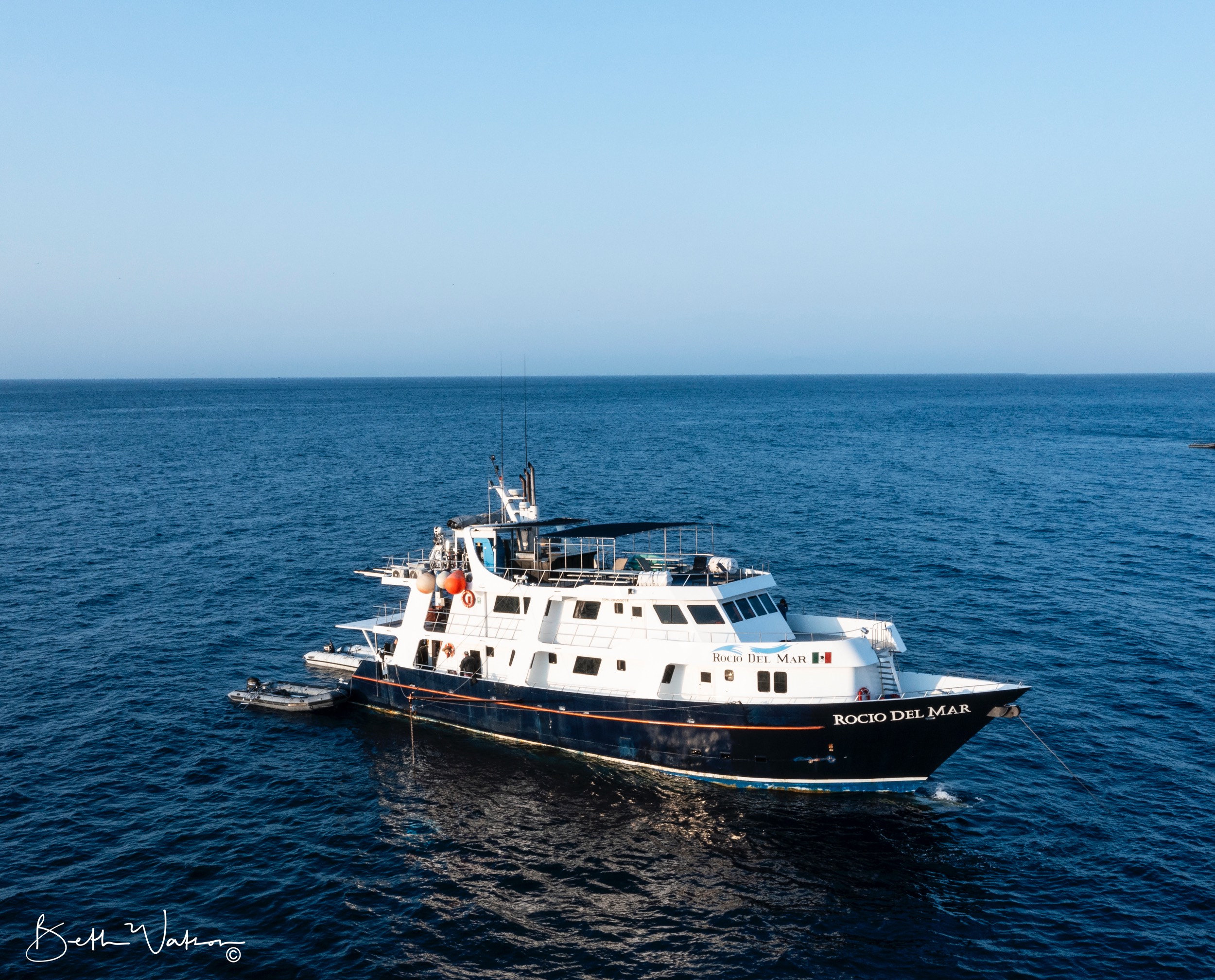
Rocio del Mar
Mexico
20 guests33.5 m
$392/day
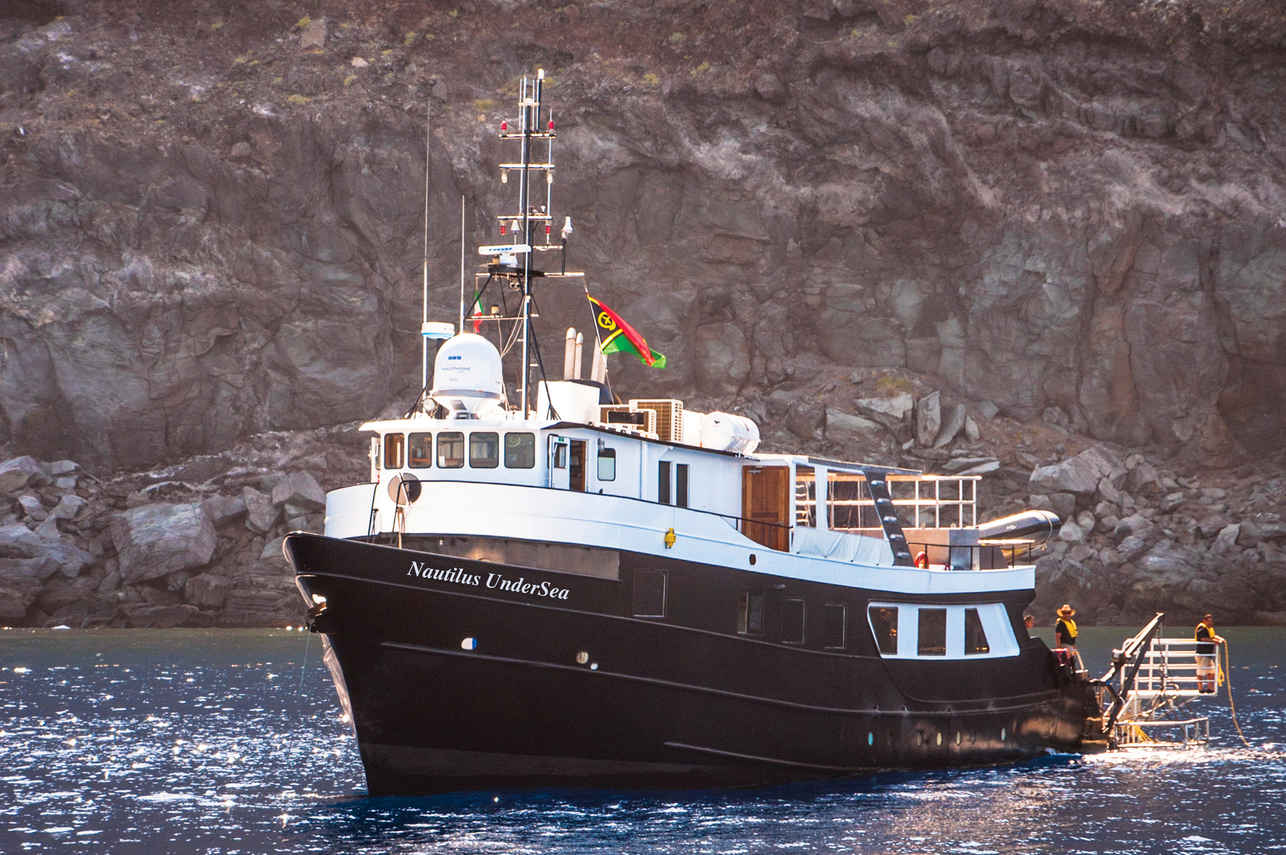
Nautilus Under Sea
Mexico
19 guests32 m
$261/day
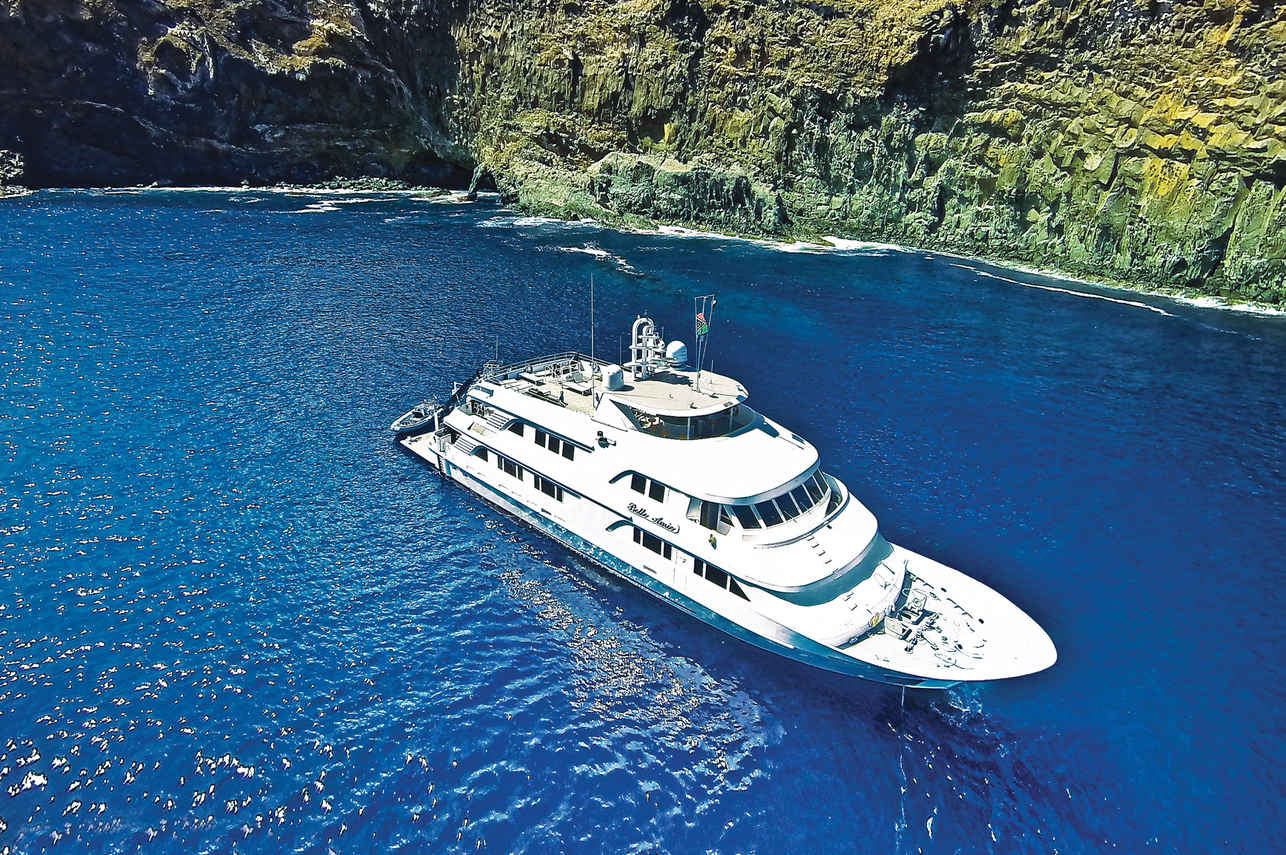
Nautilus Belle Amie
Mexico
32 guests44.8 m
$323/day
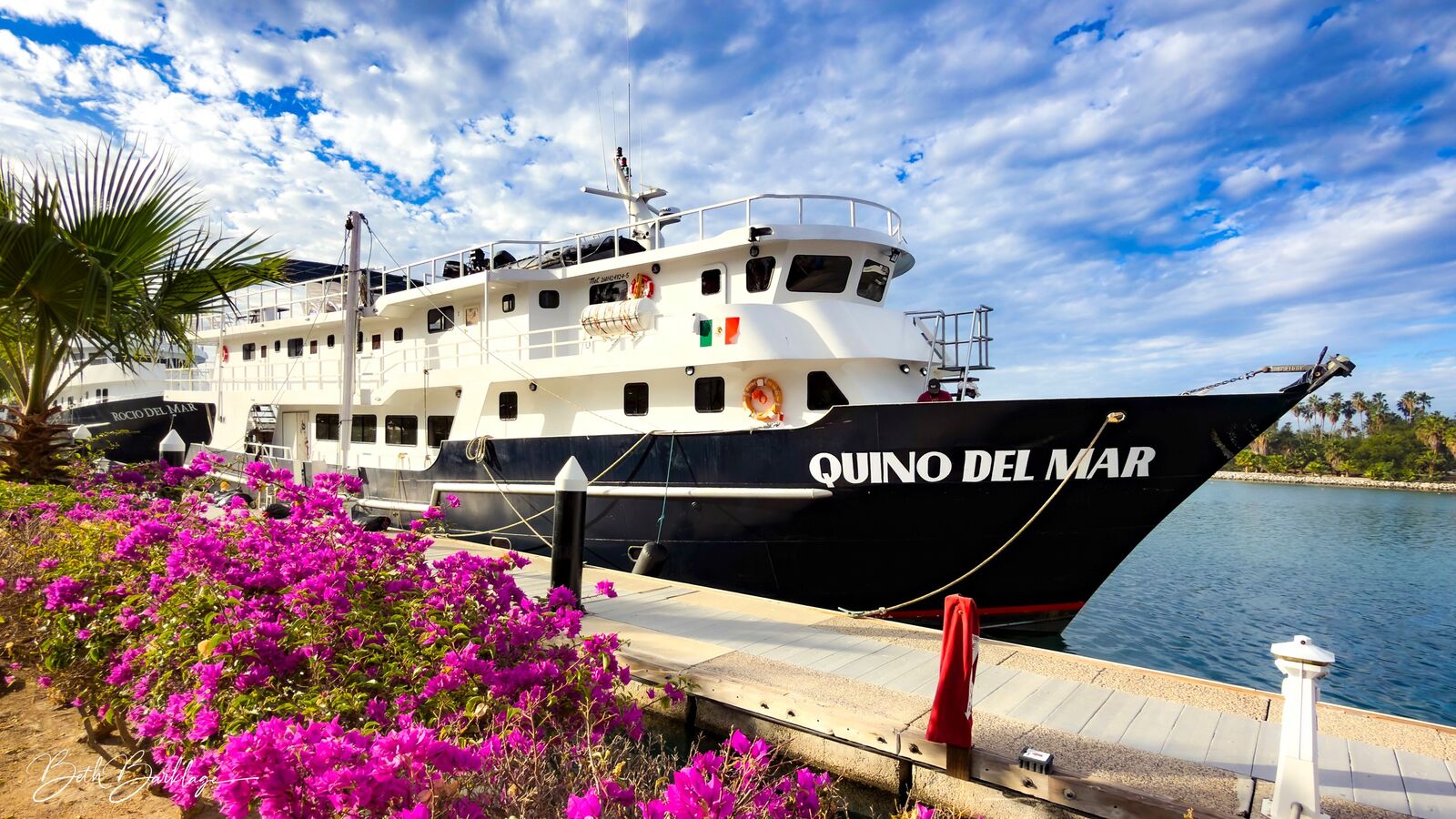
Quino del Mar
Mexico
20 guests36 m
$377/day
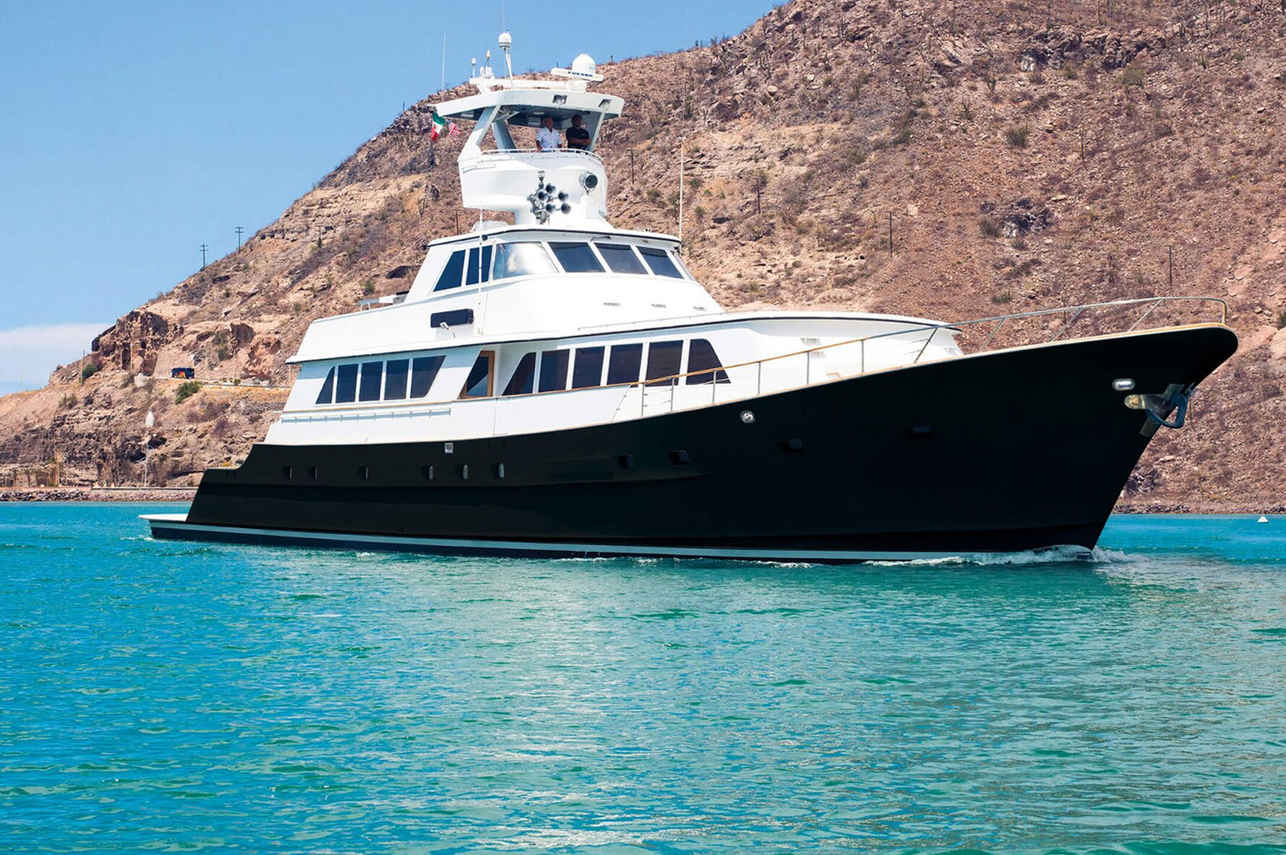
Nautilus Gallant Lady
Mexico
12 guests35.36 m
$332/day
Dive sites similar to Manchones Reef
Same character, same waters — six more sites divers love for the exact same reasons.Compare seasons, access and liveaboard routes — then pick the site that fits your trip best.
© Esri — Maxar, Earthstar, GIS
Tak Be Luum
Mexico
Cenote Tak Be Luum, located in the Mexican state of Quintana Roo, is an exceptional cavern dive that forms part of the vast Sac Actun underwater cave system, one of the world's largest.
- Suitable for
- Advanced
- Current
- No current
- Access
- Shore / dayboat
- Depth
- 4–9 m
- Theme
- Reef
© Esri — Maxar, Earthstar, GIS
Neptune's Finger
Mexico
Neptune's Finger is a renowned dive site located in Cabo San Lucas, Mexico, at the southern tip of the Baja California Peninsula.
- Suitable for
- Beginner
- Current
- Mild
- Access
- Liveaboard or dayboat
- Depth
- 4–152 m
- Theme
- Reef
Atlantis Reef is a captivating dive site located off the coast of Isla Mujeres, Mexico, offering certified divers an exciting exploration of its vibrant underwater world.
- Suitable for
- Beginner
- Current
- Mild
- Access
- Liveaboard or dayboat
- Depth
- —
- Theme
- Reef
© Esri — Maxar, Earthstar, GIS
Bajo Sandia
Mexico
Bajo Sandia is a notable dive site situated within the Loreto Bay National Park, a UNESCO World Heritage Site in the Sea of Cortez, off the coast of Baja California Sur, Mexico.
- Suitable for
- Intermediate
- Current
- Mild
- Access
- Liveaboard only
- Depth
- —
- Theme
- Reef
© Esri — Maxar, Earthstar, GIS
Black Dragon Herradura
Mexico
Black Dragon Herradura is a highly specialized dive site in Cozumel, recognized for its demanding conditions and distinctive underwater landscape.
- Suitable for
- Advanced
- Current
- Strong
- Access
- Liveaboard only
- Depth
- —
- Theme
- Reef
© Esri — Maxar, Earthstar, GIS
Huarache Reef
Mexico
Huarache Reef is a recently explored dive site located about 45 minutes by boat north of Loreto, Baja California Sur, Mexico.
- Suitable for
- Intermediate
- Current
- Mild
- Access
- Liveaboard only
- Depth
- 9–18 m
- Theme
- Reef / Drift