About Tortugas Reef
Tortugas Reef, meaning 'Turtles' in Spanish, is a highly popular coral reef situated minutes from the marina in Playa del Carmen. This site is renowned for frequent encounters with various turtle species, including Green, Hawksbill, and Loggerhead turtles. The reef features a broad slope that begins around 15 meters and extends beyond 30 meters, making it suitable for both Open Water and Advanced Open Water divers. Beyond turtles, the reef is characterized by massive barrel sponges and extensive coral coverage. It also hosts nurse sharks, moray eels, and rays. Seasonal visitors include large schools of Tarpons during warm months (June-September) and eagle rays, along with bull sharks, during colder months (November-March). The current can range from moderate to strong, offering an enjoyable drift dive experience. The site is well-suited for a first deep dive at 30 meters or shallower dives at 18 meters, providing diverse exploration opportunities. The abundance of marine life and varied topography make it a captivating dive site.
Highlights
Frequent turtle sightingsLarge barrel spongesSeasonal tarpon schoolsBull shark encounters in winterDiverse coral formations
Dive site facts: Tortugas Reef
- Depth
- 15–40 m
- Current
- Moderate
- Entry
- Liveaboard or dayboat
- Level
- Intermediate
- Dive type
- Reef, Drift
- Region / port
- Mexico
- Coordinates
- 20.6273° N, 87.0305° W
Conditions & Currents
Moderate currents can run here, so plan drift entries and stay close to the group. Dive profiles here run between roughly 15 and 40 metres, so plan your gas and no-decompression limits around the deeper part of the site. It is usually briefed as a dive for intermediate divers. It can be dived from a liveaboard or a day boat, depending on where you start the trip. Tide, wind and season all shift the picture from day to day, so the crew's briefing on the boat always overrides any general description.
Why dive Tortugas Reef from a liveaboard?
Tortugas Reef is one of Mexico's signature dive sites. A liveaboard sleeps you on the water and puts you in the water for three to four guided dives per day, including dawn and night dives that day-boat operators rarely offer. You skip the daily commute back to port and reach quieter, less-crowded sites in the same region on a single trip.
Below are the liveaboards that include Tortugas Reef on their Mexico itineraries.
Liveaboards diving Tortugas Reef
These liveaboards may visit Tortugas Reef on selected itineraries — the exact dive sites depend on departure, weather and conditions.
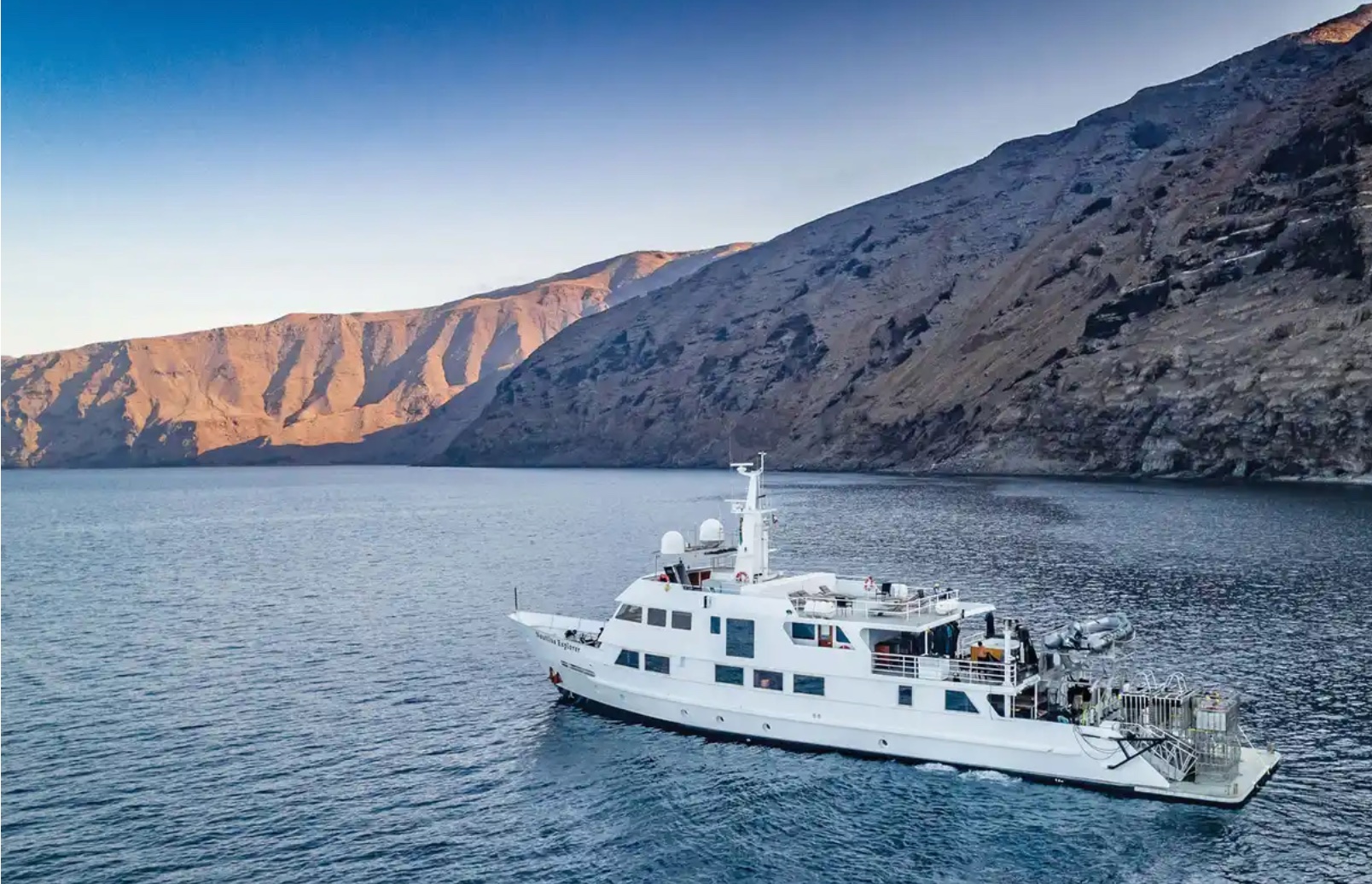
Nautilus Explorer
Mexico
25 guests44.8 m
$230/day
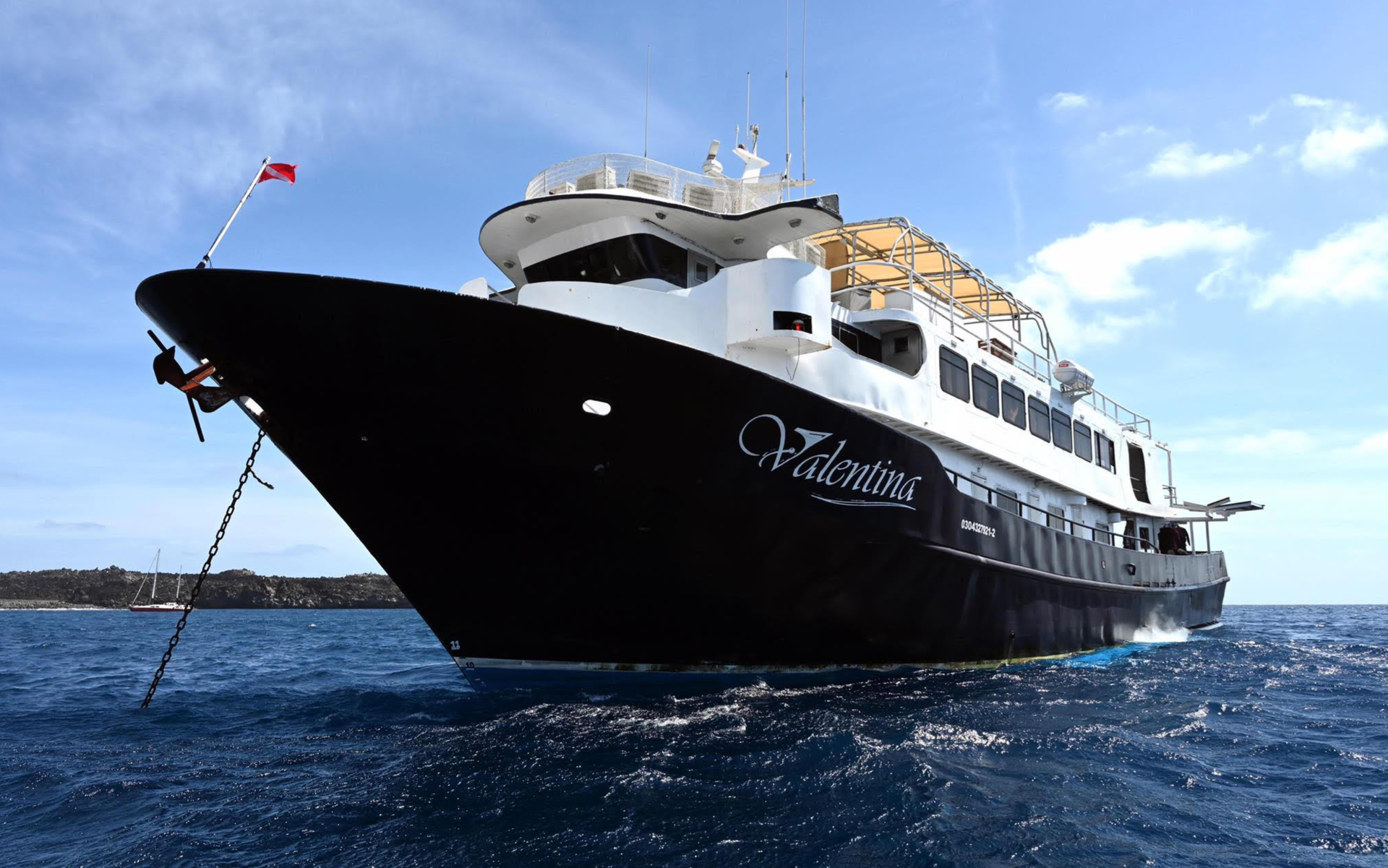
Valentina
Mexico
20 guests38.1 m
$430/day
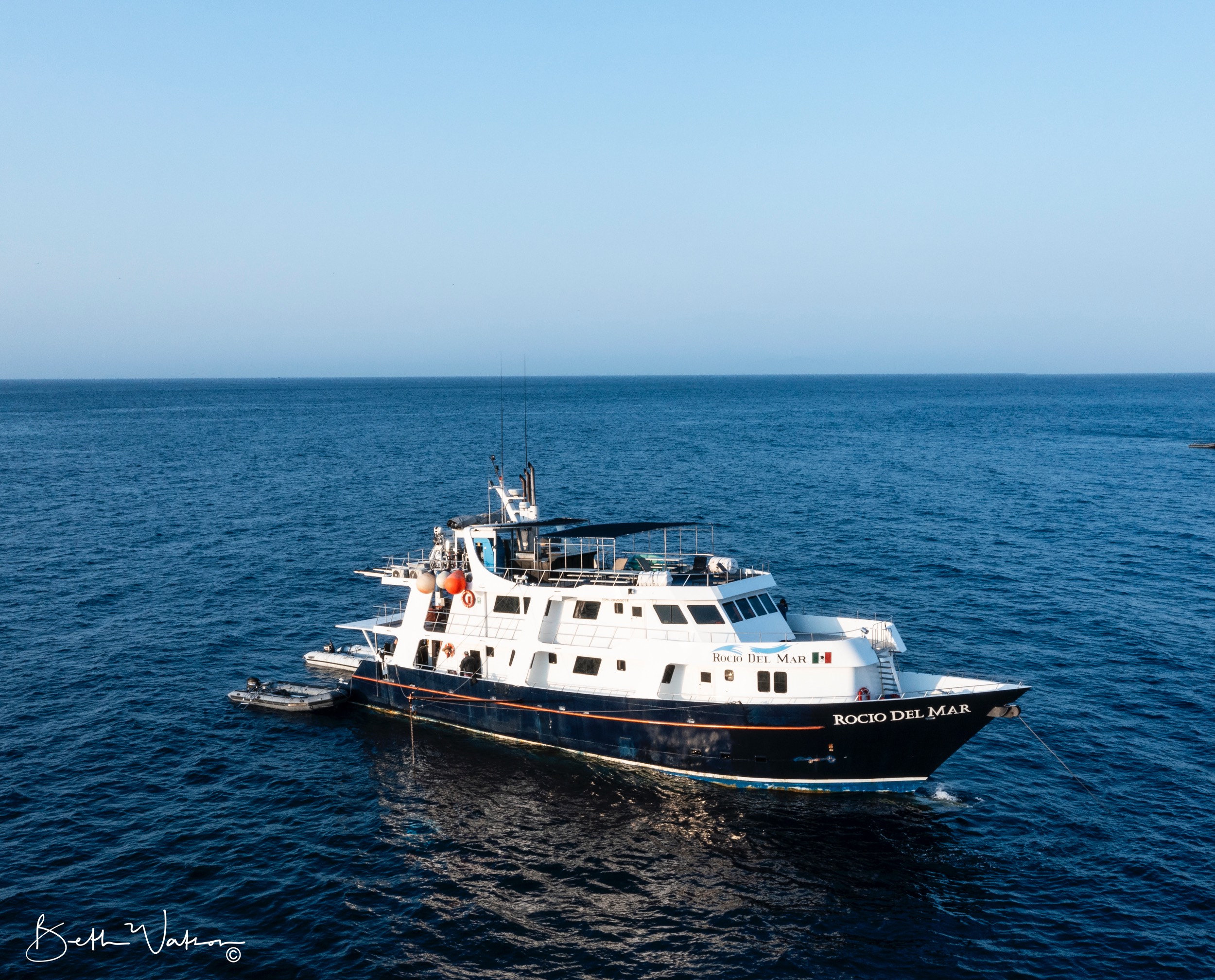
Rocio del Mar
Mexico
20 guests33.5 m
$392/day
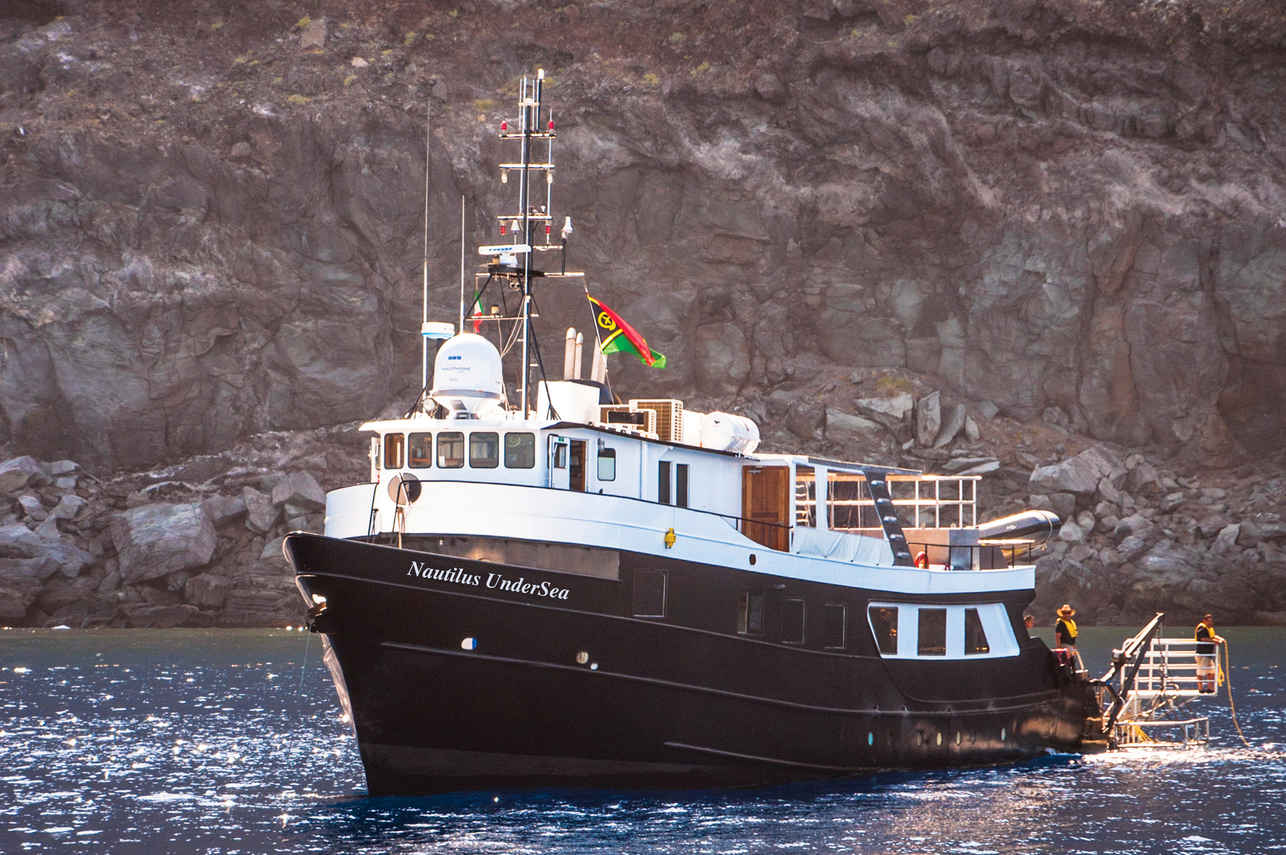
Nautilus Under Sea
Mexico
19 guests32 m
$261/day
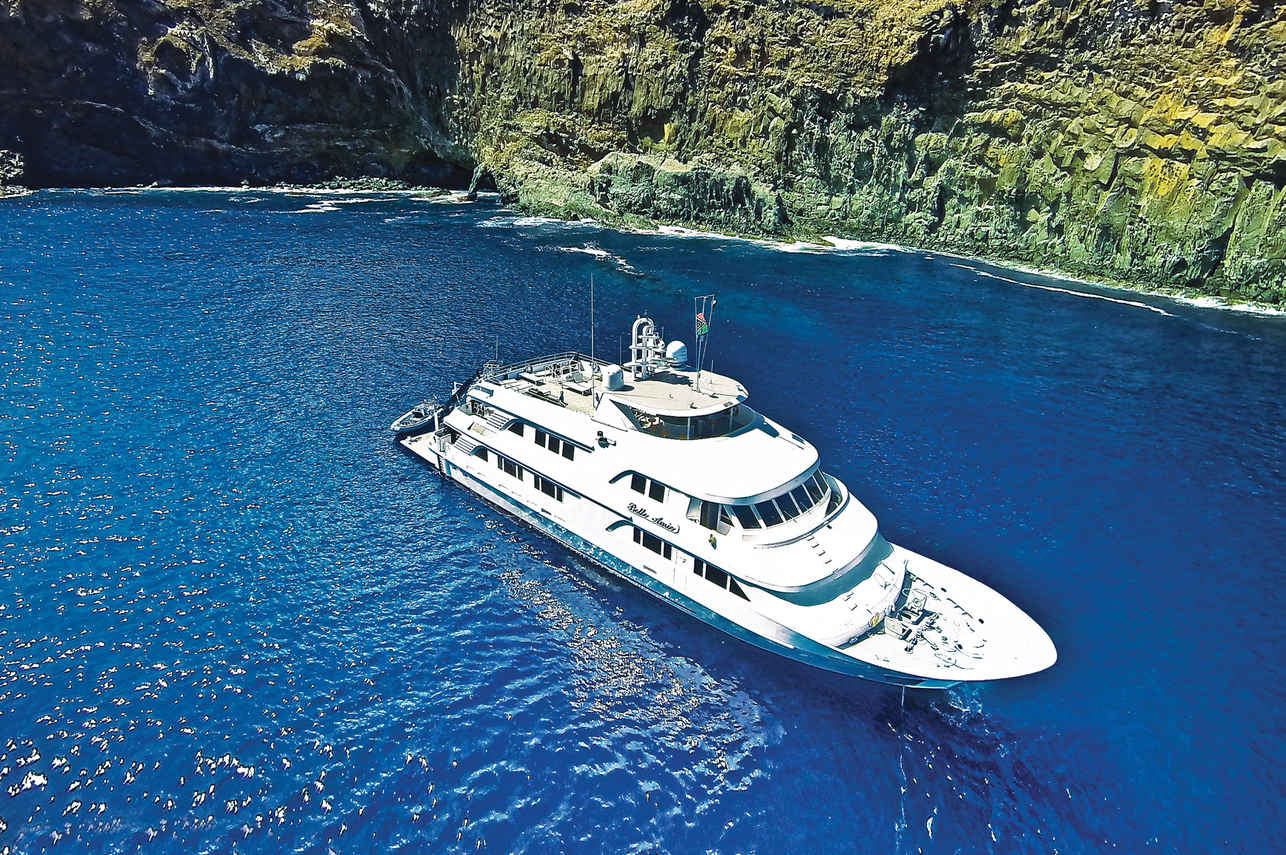
Nautilus Belle Amie
Mexico
32 guests44.8 m
$323/day
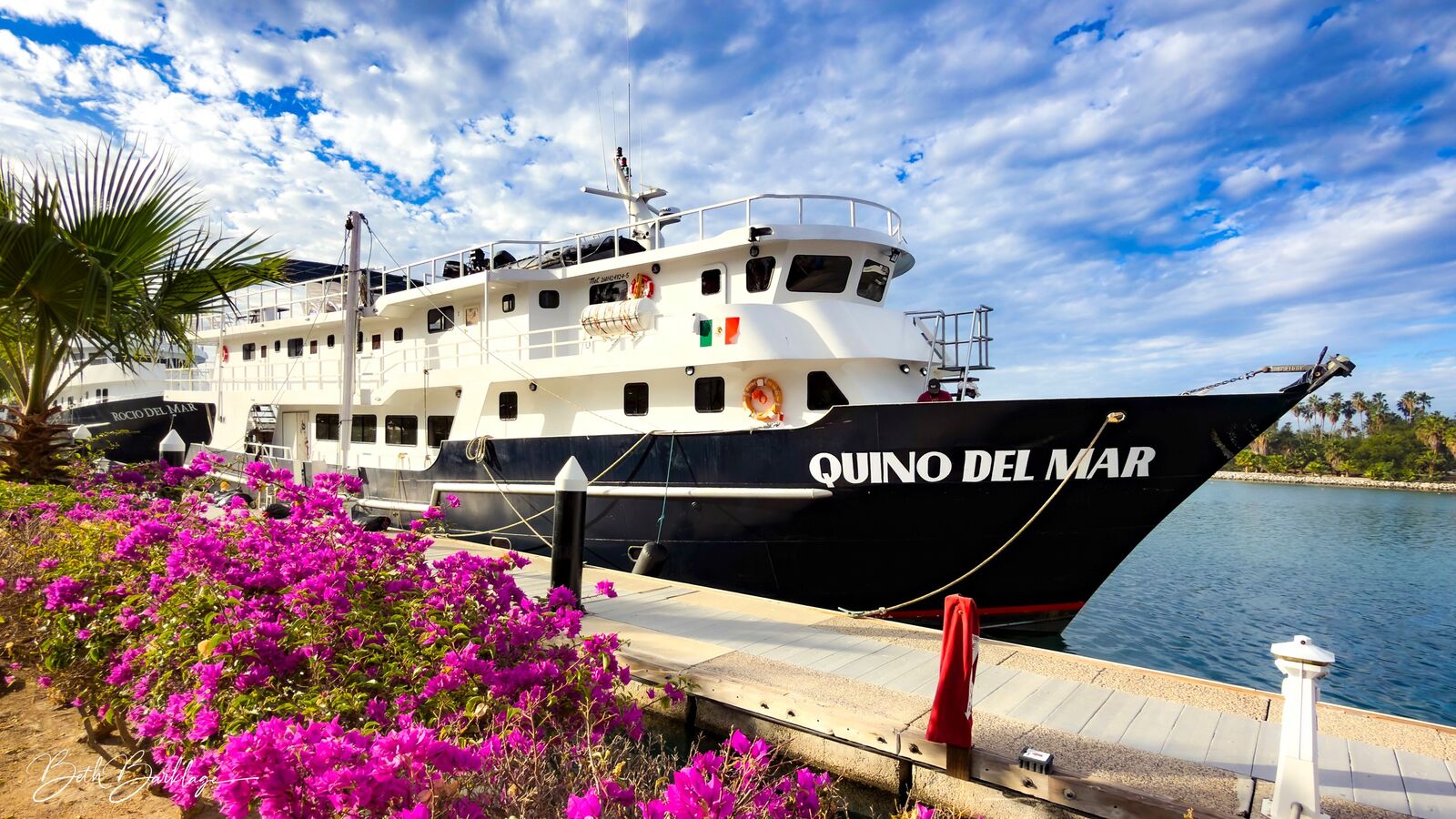
Quino del Mar
Mexico
20 guests36 m
$392/day
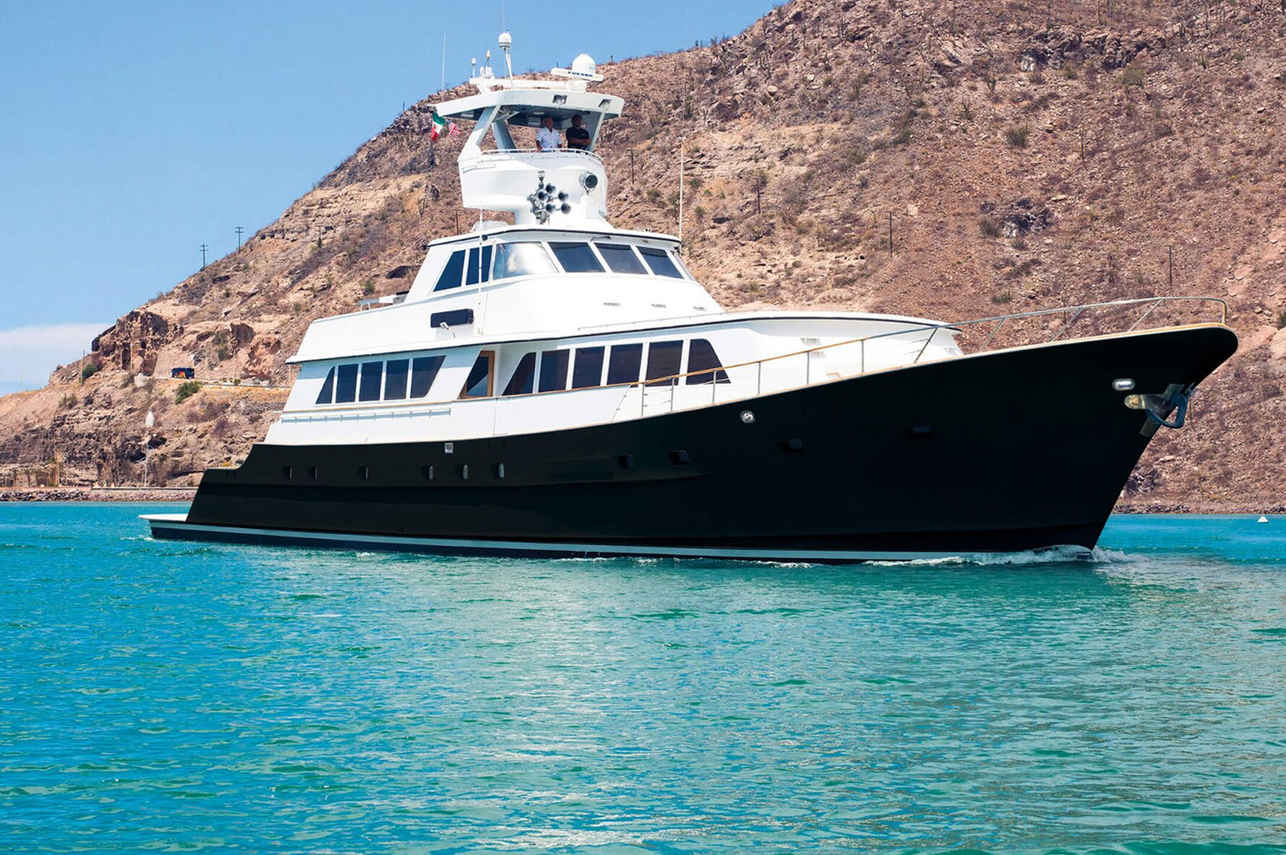
Nautilus Gallant Lady
Mexico
12 guests35.36 m
$332/day
Dive sites similar to Tortugas Reef
Same character, same waters — six more sites divers love for the exact same reasons.Compare seasons, access and liveaboard routes — then pick the site that fits your trip best.
© Esri — Maxar, Earthstar, GIS
Isla Montserrat
Mexico
Isla Montserrat is one of the five major islands within the Bahía de Loreto National Park, offering a diverse range of diving opportunities.
- Suitable for
- Intermediate
- Current
- Mild
- Access
- Liveaboard only
- Depth
- —
- Theme
- Reef / Wall
© Esri — Maxar, Earthstar, GIS
Moc-Che Shallow
Mexico
Moc-Che Shallow is a vibrant reef dive situated directly off Playa del Carmen in Mexico, forming part of the Mesoamerican Barrier Reef.
- Suitable for
- Beginner
- Current
- Moderate
- Access
- Liveaboard or dayboat
- Depth
- 7–14 m
- Theme
- Drift
© Esri — Maxar, Earthstar, GIS
The Ramparts of Coronados Island, located in Mexican waters just over 17-20 miles south of San Diego, offers an exhilarating wall dive experience characterized by spectacular granite cliffs and rich marine biodiversity.
- Suitable for
- Intermediate
- Current
- Mild
- Access
- Liveaboard only
- Depth
- 5–30 m
- Theme
- Wall / Reef
© Esri — Maxar, Earthstar, GIS
San Benedicto Island, part of Mexico's Revillagigedo Archipelago, is a prime destination for divers seeking thrilling encounters with marine megafauna.
- Suitable for
- Advanced
- Current
- Strong
- Access
- Liveaboard only
- Depth
- 5–49 m
- Theme
- Drift
© Esri — Maxar, Earthstar, GIS
Palo Blanco
Mexico
Palo Blanco is recognized as a 'can't miss' dive site situated off Isla del Carmen, the largest island within the Bahía de Loreto National Park in Baja California Sur, Mexico.
- Suitable for
- Intermediate
- Current
- Mild
- Access
- Liveaboard only
- Depth
- —
- Theme
- Reef / Drift