About San Benedicto - El Fondeadero
San Benedicto Island, part of Mexico's Revillagigedo Archipelago, is a prime destination for divers seeking thrilling encounters with marine megafauna. Often compared to the Galapagos, this remote volcanic island offers spectacular diving experiences in the open Pacific Ocean, approximately 400 km off the Baja California coast. The island's underwater topography features reef edges and rocky areas that drop to significant depths, serving as a magnet for pelagic species. The site is particularly famous for its cleaning stations, attracting Giant Pacific manta rays with wing spans up to 7 meters, as well as various shark species including Galapagos, silvertip, silky, and hammerheads. Dolphins are also frequent visitors, and during peak seasons, whale sharks and humpback whales can be spotted. While not known for extensive coral gardens, the sheer abundance of large animals creates a dramatic and unforgettable underwater landscape. Diving here requires comfort with open ocean conditions and can involve strong currents, making it best suited for advanced divers. Access is exclusively via liveaboard, typically departing from Cabo San Lucas or San Jose del Cabo. The focus is entirely on these majestic pelagic creatures, providing an unparalleled experience for those prioritizing big animal interactions.
Highlights
Giant Pacific manta ray encountersDiverse shark species sightingsDolphin interactionsPelagic big animal divingRemote volcanic island sceneryCleaning station activityThe Boiler pinnacle
Season calendar
Best months to dive here
Jan
Feb
Mar
Apr
May
Jun
Jul
Aug
Sep
Oct
Nov
Dec
Good
Dive site facts: San Benedicto - El Fondeadero
- Depth
- 5–49 m
- Typical dive
- Generally deep, 20-30m range for mantas, 50-60 min
- Current
- Medium to strong
- Visibility
- 15–50 m
- Water temperature
- 21–28°C (70–84°F)
- Entry
- Liveaboard / tender / negative entry
- Level
- Advanced recommended, current experience helpful
- Dive type
- Pelagic, big animal, cleaning station
- Night dive
- Not permitted
- Region / port
- Revillagigedo Archipelago, Mexico
- Coordinates
- 18.7892° N, 110.8167° W
Conditions & Currents
Currents at San Benedicto can range from medium to strong, requiring divers to be comfortable with challenging conditions and have good buoyancy control. Negative entries are common to quickly descend past surface currents, and divers often utilize the reef edge for protection. Visibility is generally good, often ranging from 15 to 50 meters, but can fluctuate due to plankton blooms that attract pelagic life. Water temperatures vary seasonally, influencing wetsuit choice, and thermoclines can occur, creating sudden temperature drops. Blue-water safety stops are often necessary due to the site's exposure, demanding excellent buoyancy skills. Divers should plan for potential strong currents during both descent and ascent, making current experience highly beneficial.
Marine life & sighting chances

Giant Pacific manta ray
Year-round · common
Silky shark
Year-round · common
Galapagos shark
Year-round · common
Hammerhead shark
Nov-May · occasional
Bottlenose dolphin
Year-round, frequent Jan-Mar · common
Whale shark
Nov-Dec, late Apr-Jul · occasional
Humpback whale
Jan-Apr · occasional
Moray eel
Year-round · common
White tip reef shark
Year-round · common
Silvertip shark
Year-round · common
Octopus
Year-round · occasional
Lobster
Year-round · occasional
Clarion angelfish
Year-round · commonDive profile & how the dive runs
Dives at San Benedicto typically begin with a negative entry from a panga to quickly reach depth and avoid strong surface currents. Divers usually descend to about 23 meters (75 feet), often following the reef's edge for protection from the main current. The route often involves exploring rock formations where various shark species are frequently spotted. A main focus is encountering Giant Pacific manta rays at cleaning stations, typically around 23 meters. Dives progress along the reef or wall, observing pelagic action in the blue. Turnaround points are determined by air consumption and no-decompression limits, aiming to maximize time with large animals at similar depths. Safety stops are often performed in the blue water, demanding excellent buoyancy control due to the remote, exposed nature of the site and potential currents.
Underwater photography
Capturing the pelagic action at San Benedicto necessitates thoughtful preparation, particularly for the large, fast-moving subjects. A wide-angle lens, such as a fisheye or wide zoom, is essential to encompass the vastness of the ocean and the imposing size of manta rays, sharks, and dolphins. External strobes are highly recommended to illuminate subjects and bring out their natural colors in the deep blue environment. Given the potential for strong currents and blue-water safety stops, excellent buoyancy control is crucial to maintain position and avoid disturbing sensitive interactions. Photographers should also be mindful of subject etiquette, giving animals space, especially at cleaning stations, to ensure natural behavior and foster positive interactions.
Combine with nearby dive sites
- Socorro Island
Shark Island, situated off the remote island of Kosrae in Micronesia, stands as an exceptional destination for experienced divers seeking…
- Roca Partida
Roca Partida is arguably one of the most extraordinary dive sites globally, a remote volcanic rock in the Revillagigedo Archipelago…
- Clarion
Getting there & logistics
Access to San Benedicto is exclusively by liveaboard due to its remote location within the Revillagigedo Archipelago. Liveaboard trips typically depart from Cabo San Lucas or San Jose del Cabo, both located in Baja California Sur. The closest international airport serving these departure points is Los Cabos International Airport, offering flights from the United States, Canada, and other Mexican cities. Trips usually last several days, focusing on multiple dive sites within the archipelago. There are no specific permits or park fees mentioned for divers, as these are typically handled by the liveaboard operator as part of the package.
Safety & environment
Diving at San Benedicto demands a high level of preparedness due to its remote location and challenging conditions. The nearest recompression chamber would be on mainland Mexico, likely in Cabo San Lucas, meaning evacuation can be lengthy and complex. Comprehensive dive insurance, including coverage for emergency medical care and evacuation, is absolutely mandatory. Site-specific hazards include potentially strong currents, which require advanced current diving experience and excellent buoyancy control. Blue-water safety stops are common, necessitating comfort with open-ocean environments. Divers must strictly adhere to the liveaboard's dive briefings, maintain buddy contact, and respect marine life, especially at cleaning stations. Always ensure your equipment is well-maintained and suitable for demanding conditions.
Who it suits — and who it doesn't
Suited for
- Advanced divers comfortable with strong currents
- Divers seeking large pelagic encounters
- Underwater photographers with wide-angle setups
- Liveaboard enthusiasts
- Those prioritizing big animal interactions over coral reefs
Less suited for
- Beginner divers or those with limited open ocean experience
- Divers uncomfortable with strong currents
- Individuals prone to seasickness on long crossings
- Divers expecting extensive coral gardens
- Those who prefer shore dives or day trips
FAQ
San Benedicto - El Fondeadero FAQ
What marine life can I expect to see at San Benedicto?
San Benedicto is world-renowned for its incredible pelagic encounters. You can frequently see Giant Pacific manta rays at cleaning stations, various shark species like Galapagos, silvertip, silky, and hammerheads, and bottlenose dolphins. During certain seasons, there are also opportunities to spot whale sharks and humpback whales.
What are the typical diving conditions like at San Benedicto?
Diving conditions can be challenging with medium to strong currents. Visibility is generally excellent, ranging from 15 to 50 meters, though it can vary with plankton blooms. Water temperatures fluctuate seasonally between 21-28°C, and thermoclines may be present. Divers should be prepared for open ocean conditions and potential blue-water safety stops.
What is 'The Boiler' at San Benedicto?
The Boiler is a famous dive site at San Benedicto, characterized by a pinnacle that serves as a primary cleaning station for Giant Pacific manta rays. It's named for the 'boiler-like' effect created when large swells crash over its two 'horns' at the surface. Divers can spend entire dives interacting with curious manta rays here.
What level of diving experience is required for San Benedicto?
San Benedicto is generally recommended for advanced divers due to its deep blue water and strong currents. Most liveaboards request a minimum of 50 logged dives. Divers should be comfortable in currents, have excellent buoyancy control, and be prepared for open ocean conditions and blue-water safety stops.
How do I get to San Benedicto Island?
San Benedicto Island is only accessible via liveaboard. Trips typically depart from Cabo San Lucas or San Jose del Cabo, located in Baja California Sur, Mexico. The closest international airport for these departure points is Los Cabos International Airport.
When is the best time to visit San Benedicto for large animal encounters?
The prime season for encountering large pelagics like mantas, sharks, and humpback whales is from November to May. The calmest seas are also found during these months. Whale sharks are often seen in November and December, and humpback whales are more frequent from January to April.
Why dive San Benedicto - El Fondeadero from a liveaboard?
San Benedicto - El Fondeadero is one of Mexico's signature dive sites. A liveaboard sleeps you on the water and puts you in the water for three to four guided dives per day, including dawn and night dives that day-boat operators rarely offer. You skip the daily commute back to port and reach quieter, less-crowded sites in the same region on a single trip.
Below are the liveaboards that include San Benedicto - El Fondeadero on their Mexico itineraries.
Liveaboards diving San Benedicto - El Fondeadero
These liveaboards may visit San Benedicto - El Fondeadero on selected itineraries — the exact dive sites depend on departure, weather and conditions.
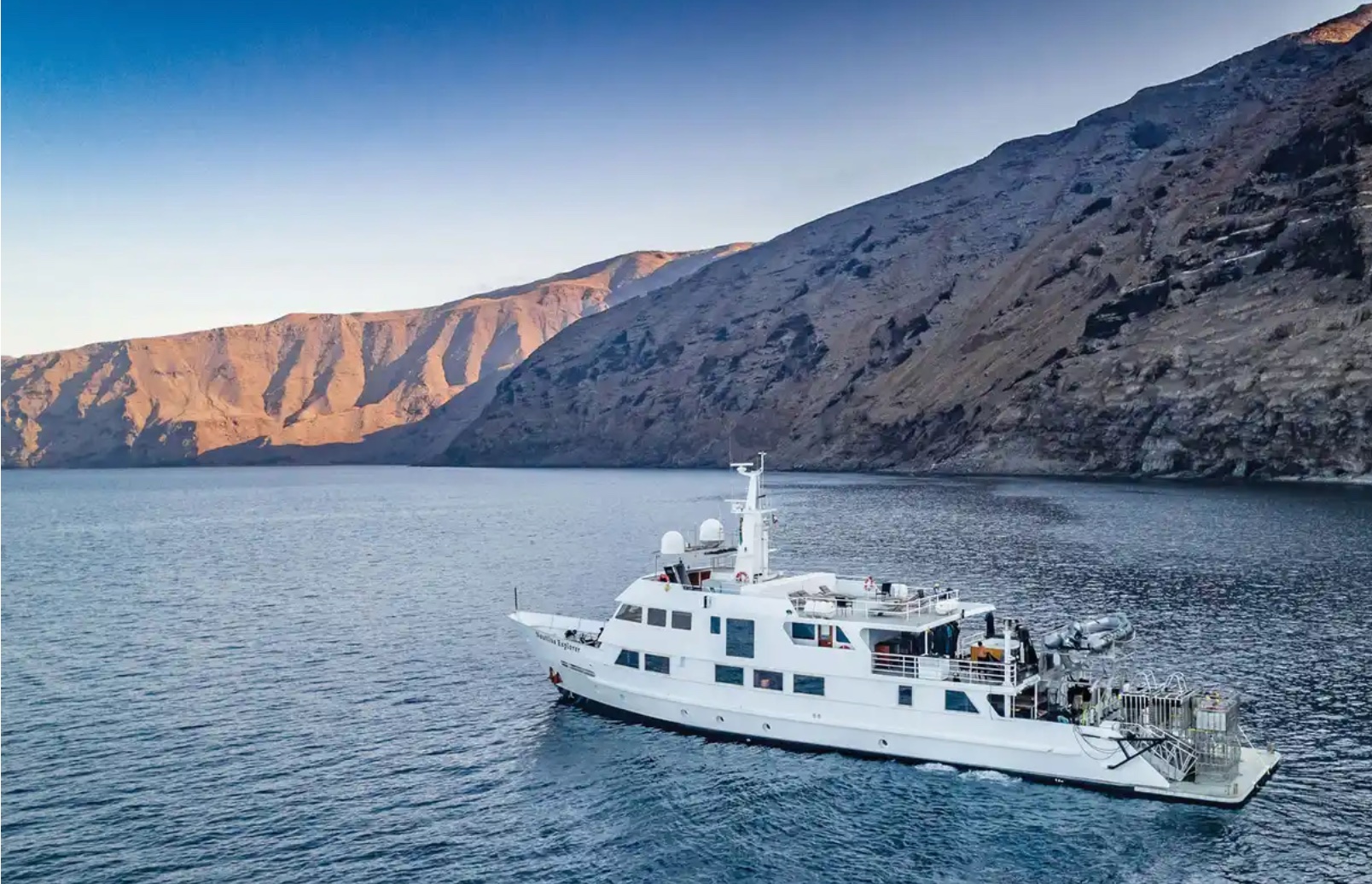
Nautilus Explorer
Mexico
25 guests44.8 m
$336/day
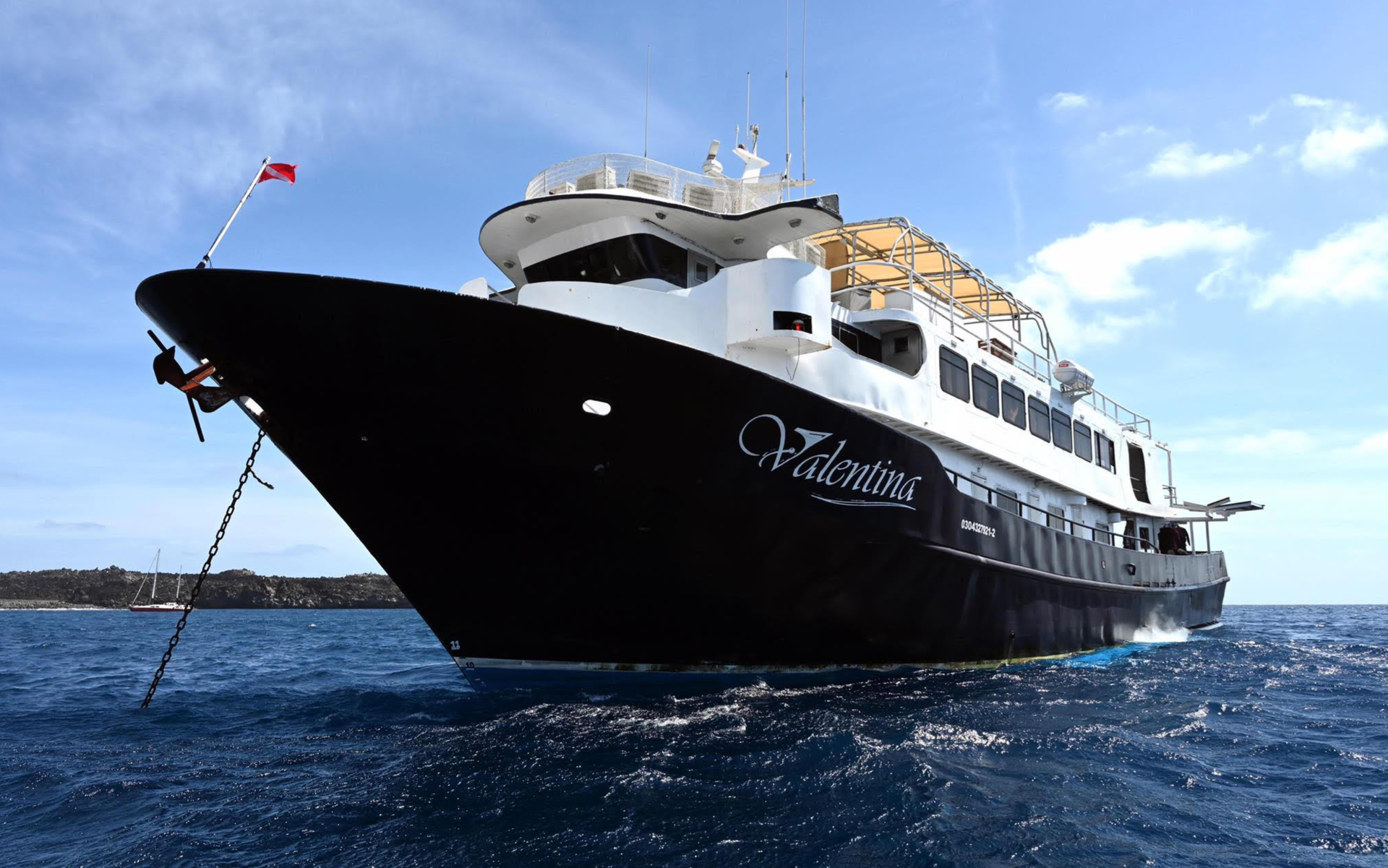
Valentina
Mexico
20 guests38.1 m
$430/day
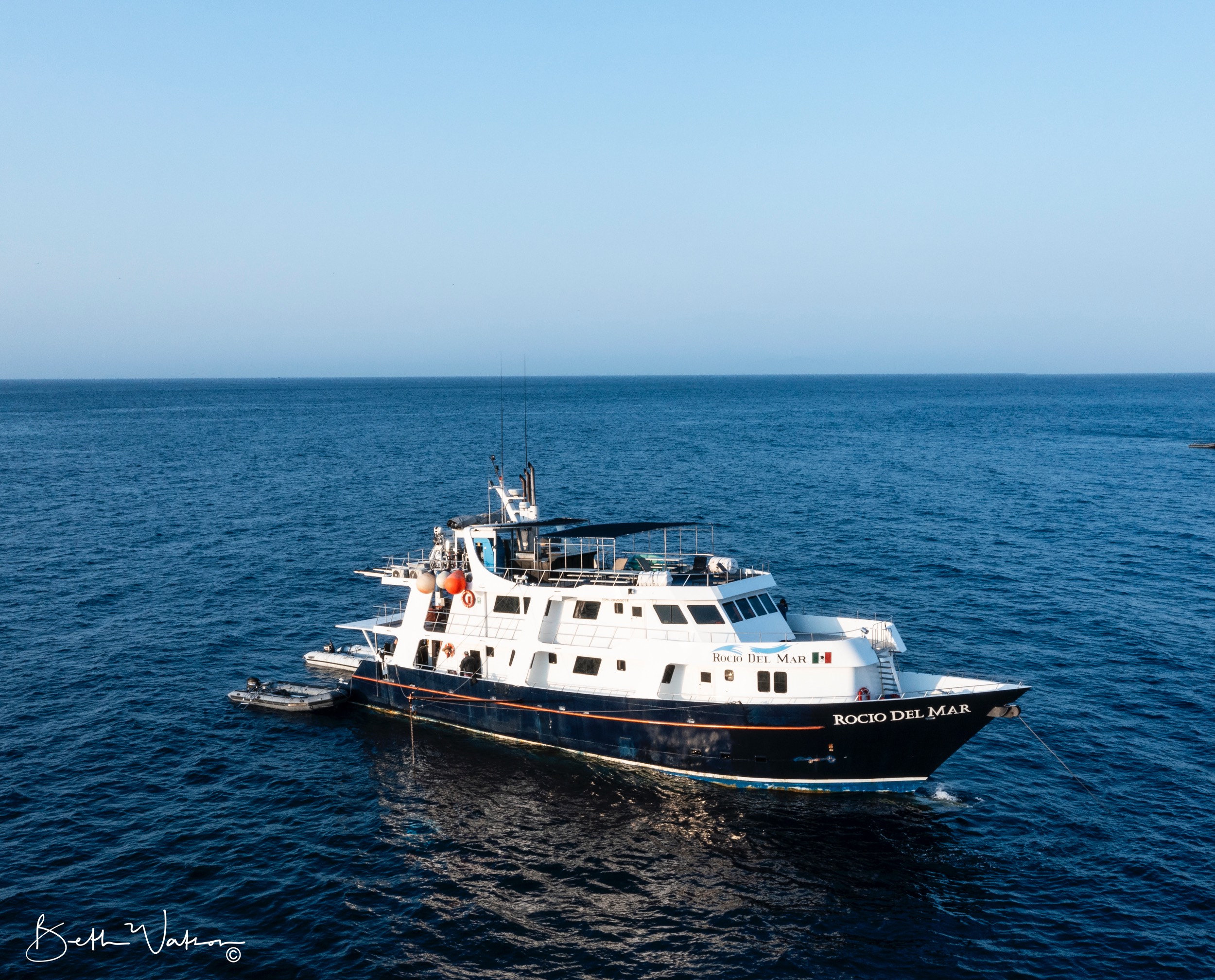
Rocio del Mar
Mexico
20 guests33.5 m
$392/day
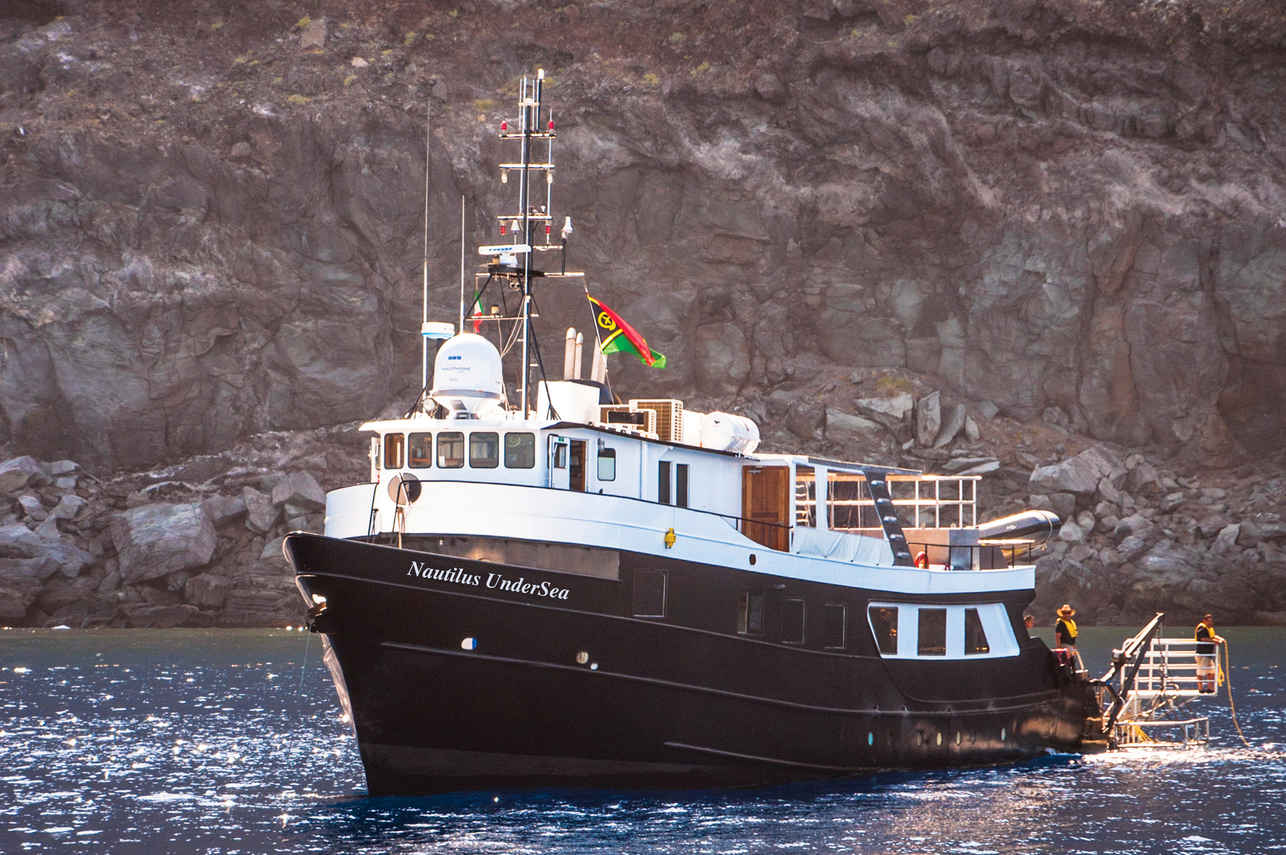
Nautilus Under Sea
Mexico
19 guests32 m
$261/day
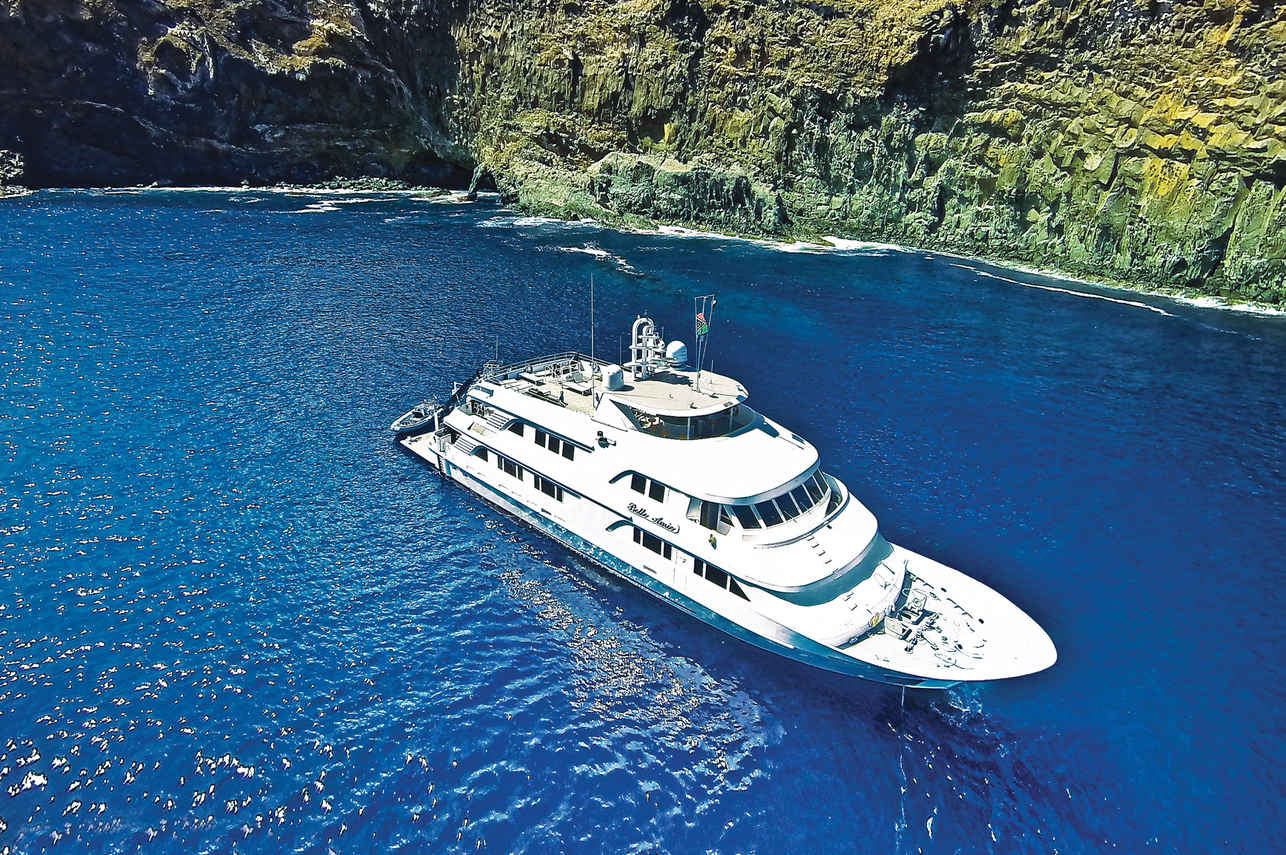
Nautilus Belle Amie
Mexico
32 guests44.8 m
$323/day
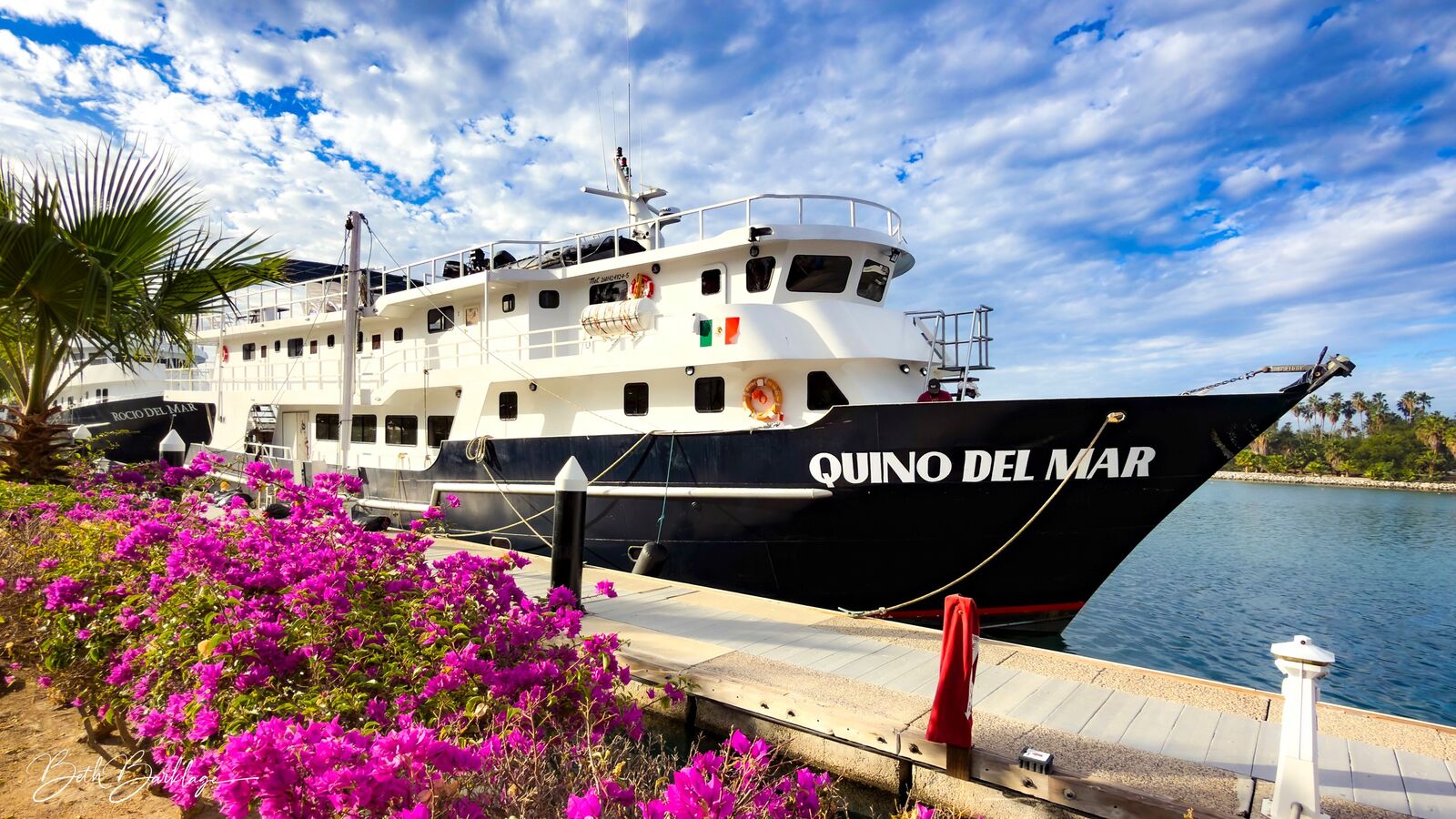
Quino del Mar
Mexico
20 guests36 m
$377/day
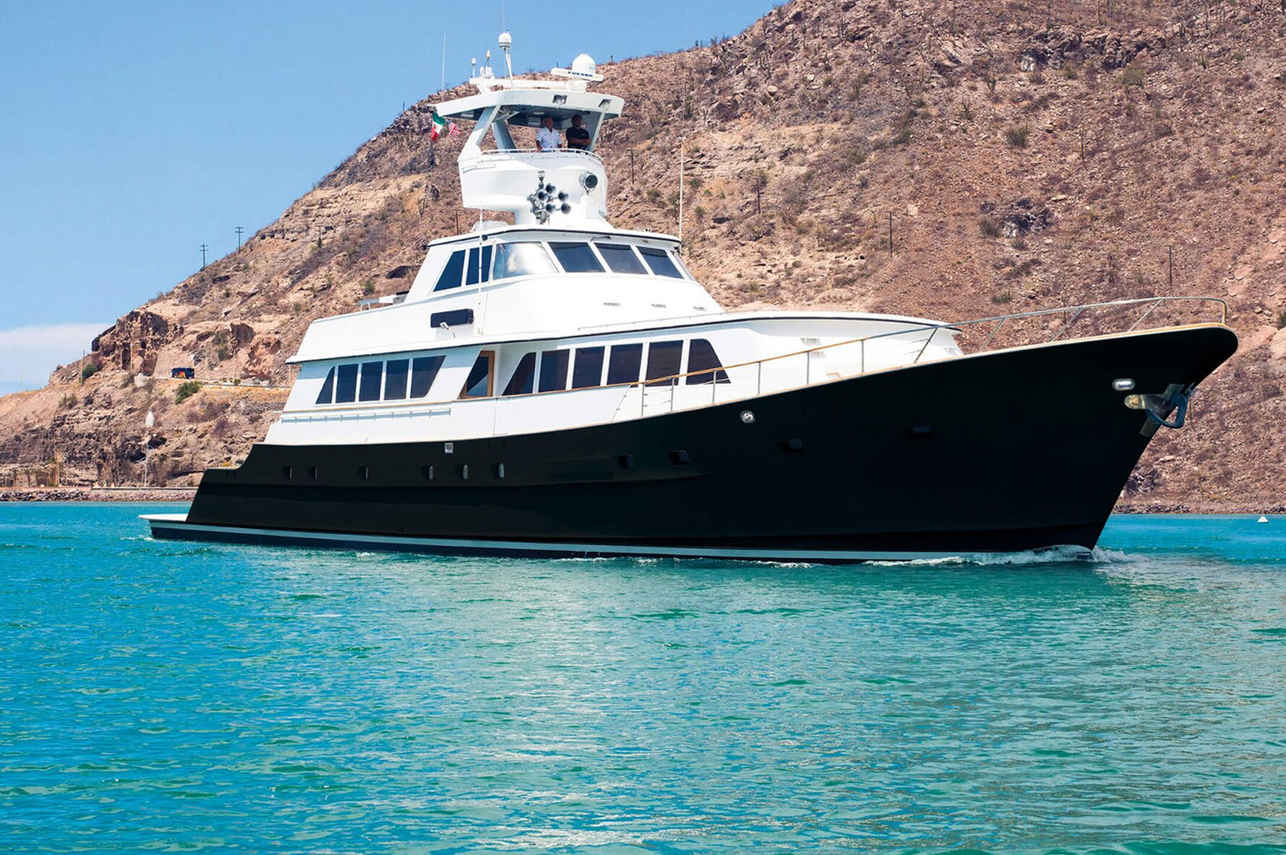
Nautilus Gallant Lady
Mexico
12 guests35.36 m
$332/day
Dive sites similar to San Benedicto - El Fondeadero
Same character, same waters — six more sites divers love for the exact same reasons.Compare seasons, access and liveaboard routes — then pick the site that fits your trip best.
© Esri — Maxar, Earthstar, GIS
Isla Montserrat
Mexico
Isla Montserrat is one of the five major islands within the Bahía de Loreto National Park, offering a diverse range of diving opportunities.
- Suitable for
- Intermediate
- Current
- Mild
- Access
- Liveaboard only
- Depth
- —
- Theme
- Reef / Wall
© Esri — Maxar, Earthstar, GIS
Moc-Che Shallow
Mexico
Moc-Che Shallow is a vibrant reef dive situated directly off Playa del Carmen in Mexico, forming part of the Mesoamerican Barrier Reef.
- Suitable for
- Beginner
- Current
- Moderate
- Access
- Liveaboard or dayboat
- Depth
- 7–14 m
- Theme
- Drift
© Esri — Maxar, Earthstar, GIS
The Ramparts of Coronados Island, located in Mexican waters just over 17-20 miles south of San Diego, offers an exhilarating wall dive experience characterized by spectacular granite cliffs and rich marine biodiversity.
- Suitable for
- Intermediate
- Current
- Mild
- Access
- Liveaboard only
- Depth
- 5–30 m
- Theme
- Wall / Reef
© Esri — Maxar, Earthstar, GIS
Palo Blanco
Mexico
Palo Blanco is recognized as a 'can't miss' dive site situated off Isla del Carmen, the largest island within the Bahía de Loreto National Park in Baja California Sur, Mexico.
- Suitable for
- Intermediate
- Current
- Mild
- Access
- Liveaboard only
- Depth
- —
- Theme
- Reef / Drift
© Esri — Maxar, Earthstar, GIS
Tortugas Reef
Mexico
Tortugas Reef, meaning 'Turtles' in Spanish, is a highly popular coral reef situated minutes from the marina in Playa del Carmen.
- Suitable for
- Intermediate
- Current
- Moderate
- Access
- Liveaboard or dayboat
- Depth
- 15–40 m
- Theme
- Drift