About Roca Partida
Roca Partida is arguably one of the most extraordinary dive sites globally, a remote volcanic rock in the Revillagigedo Archipelago, approximately 400 km off Mexico's Pacific coast. Rising barely 30 meters above the surface, its walls plunge vertically to depths exceeding 100 meters, creating an isolated magnet for large pelagic species. Its unique geology and location at the convergence of the California and Equatorial Counter-Currents make it a nutrient-rich upwelling zone, fostering an incredible marine food chain. The underwater landscape features dramatic vertical walls, ledges, and small caves. Divers typically circumnavigate the rock, observing various depths for specific marine life. The 'Cave of Sharks' on the eastern wall is a notable feature, often teeming with resting whitetip reef sharks. Cleaning stations at 20-30 meters are frequented by giant mantas, which display remarkable curiosity and interaction with divers. Marine life at Roca Partida is dominated by pelagic species, including dense schools of yellowfin tuna, numerous shark species like silky, silvertip, and Galápagos sharks, and often schooling hammerheads. Whale sharks are commonly sighted during the warmer months, and humpback whales are audible, and sometimes visible, during their migration season. The site's isolation ensures pristine conditions and spectacular interactions. Diving here is exclusively via liveaboard, typically on 7-10 day trips departing from Cabo San Lucas. Conditions can be challenging with strong currents, deep profiles, and potential thermoclines, making it best suited for advanced divers. However, the unparalleled encounters with megafauna make it a truly unforgettable experience.
Highlights
Schooling hammerhead sharksInteractive giant Pacific manta raysWhale shark encounters (seasonal)Abundant silky and Galápagos sharksDramatic volcanic pinnacle topography"Cave of Sharks" with whitetip reef sharksMassive schools of yellowfin tunaHumpback whale songs
Season calendar
Best months to dive here
Jan
Feb
Mar
Apr
May
Jun
Jul
Aug
Sep
Oct
Nov
Dec
Good
Dive site facts: Roca Partida
- Depth
- 5–50 m
- Typical dive
- 10–40 m, 50–60 min
- Current
- Strong
- Visibility
- 15–50 m
- Water temperature
- 21–28°C
- Entry
- Tender / negative entry
- Level
- Advanced Open Water (minimum 50 logged dives) with drift experience
- Dive type
- Pelagic, drift, deep
- Night dive
- Not typically offered due to conditions
- Region / port
- Revillagigedo Archipelago, Mexico
- Coordinates
- 19, -112.0667
Conditions & Currents
Roca Partida is known for its strong, unpredictable currents, which can shift direction and strength without warning. These conditions, combined with deep profiles and potential blue-water disorientation, categorize it as an advanced dive site. Entry is typically by tender, often requiring negative entry to quickly descend and latch onto the rock. Safety stops are frequently conducted in open water, necessitating excellent buoyancy control and comfort in oceanic conditions. Visibility is generally superb, ranging from 15 to 50 meters, but thermoclines can be present, sometimes dropping water temperatures to 19°C.
Marine life & sighting chances

Giant Pacific manta ray
Year-round · common
Whale shark
November–December, April–May · occasional
Scalloped hammerhead shark
Year-round · common
Silky shark
Year-round · common
Galapagos shark
Year-round · common
Whitetip reef shark
Year-round · common
Yellowfin tuna
Year-round · common
Humpback whale
January–March · occasional
Bottlenose dolphin
Year-round · occasional
Silvertip shark
Year-round · commonChevron manta
Year-round · occasional
Jack
Year-round · commonDive profile & how the dive runs
Dives at Roca Partida typically involve a circumnavigation of the central pinnacle. You'll likely enter on the leeward side to avoid strong surface currents, descending quickly to depths of 10-40 meters along the vertical walls. The dive route focuses on observing the "Cave of Sharks" on the eastern side, where whitetips often rest, and frequenting cleaning stations for manta ray interactions. Divers drift with the current, keeping the rock on one side, and ascents often involve blue-water safety stops away from the main rock, requiring careful attention to buoyancy and group separation in potentially strong currents.
Underwater photography
Roca Partida is a wide-angle photographer's dream due to the abundance of large pelagics and dramatic topography. A fisheye or wide-angle lens is essential to capture schooling hammerheads, interacting mantas, and the sheer scale of the rock. Strong strobes or video lights are recommended to illuminate subjects against the deep blue and to cut through any thermocline haze. Be prepared for fast-moving action and significant depth, as many subjects, particularly sharks, patrol below 30 meters. Excellent buoyancy control is critical for maintaining position in strong currents and respecting marine life, especially the curious manta rays that often approach very closely.
Combine with nearby dive sites
- San Benedicto - El Cañón
A prime site for giant Pacific manta rays and sharks, part of the Revillagigedo Archipelago.
- Socorro - Cabo Pearce
Known for interacting dolphins, humpback whales, and manta rays.
- Socorro Island - The Boiler
Famous for very interactive giant Pacific manta rays at a cleaning station.
- El Bajo Seamount
Located in the Sea of Cortez, known for schooling hammerheads, sometimes combined with Socorro itineraries.
Getting there & logistics
Access to Roca Partida is exclusively via liveaboard, with trips typically lasting 7 to 10 days. Departures are from Cabo San Lucas or San Jose del Cabo, both located in Baja California Sur. The closest international airport is Los Cabos International Airport (SJD), which has direct flights from the United States, Canada, and other Mexican cities. The crossing to the Revillagigedo Archipelago takes approximately 24-36 hours each way. Park fees are substantial and usually handled by the liveaboard operator. Itineraries nearly always combine Roca Partida with other sites within the archipelago, such as San Benedicto and Socorro Island, to maximize pelagic encounters.
Safety & environment
Diving at Roca Partida requires significant experience due to strong, unpredictable currents, deep profiles, and potential blue-water safety stops. Divers should be Advanced Open Water certified, comfortable in open ocean conditions, and have a minimum of 50 logged dives. Nitrox certification is highly recommended for extended bottom times. The nearest recompression chamber is in Cabo San Lucas, meaning evacuation is a significant and time-consuming undertaking. Comprehensive dive insurance, including evacuation and recompression coverage, is mandatory. Always maintain excellent buoyancy, stay close to your dive guide, and adhere strictly to all liveaboard safety briefings and protocols, especially regarding interaction with large pelagics and managing currents.
Who it suits — and who it doesn't
Suited for
- Experienced divers seeking pelagic encounters
- Advanced Open Water divers with 50+ logged dives
- Photographers focusing on wide-angle megafauna
- Divers comfortable with strong currents and deep dives
- Marine life enthusiasts prioritizing sharks and mantas
Less suited for
- Beginner divers or those new to liveaboards
- Divers uncomfortable with deep blue-water conditions
- Individuals prone to severe seasickness
- Those prioritizing macro photography or coral reefs
- Divers without strong buoyancy control or drift experience
FAQ
Roca Partida FAQ
What kind of marine life can I expect to see at Roca Partida?
Roca Partida is renowned for its large pelagic marine life. You can expect to encounter schooling hammerhead sharks, giant Pacific manta rays, silky sharks, Galápagos sharks, and whitetip reef sharks. During specific seasons, whale sharks are commonly sighted, and humpback whales are often heard singing or occasionally seen on the surface.
Is Roca Partida suitable for all dive levels?
No, Roca Partida is considered an advanced dive site. Divers should have an Advanced Open Water certification, a minimum of 50 logged dives, and be comfortable with strong currents, deep profiles, and blue-water safety stops. Good buoyancy control and experience in oceanic conditions are crucial for a safe and enjoyable dive.
When is the best time to visit Roca Partida for whale sharks?
Whale sharks are most frequently spotted at Roca Partida during the warmer months at the beginning and end of the dive season. This typically includes November and December, and again in April and May, when ocean temperatures are higher and plankton is more abundant.
How do I get to Roca Partida?
Roca Partida is only accessible via liveaboard dive boats. These trips typically depart from Cabo San Lucas or San Jose del Cabo, both in Baja California Sur, Mexico. The journey to the Revillagigedo Archipelago, where Roca Partida is located, takes approximately 24 to 36 hours by boat.
Are there any specific safety considerations for diving at Roca Partida?
Yes, safety at Roca Partida is paramount due to strong and unpredictable currents, deep dive profiles, and its remote location. Divers must have comprehensive dive insurance, including emergency evacuation. Always follow your dive guide's instructions, maintain excellent buoyancy, and be prepared for potential thermoclines and blue-water ascents.
What is the visibility like at Roca Partida?
Visibility at Roca Partida is generally excellent, often ranging between 15 and 50 meters (49-164 feet). This clear water, combined with the abundance of pelagic life, provides spectacular viewing and photography opportunities. However, visibility can be affected by plankton blooms, especially during whale shark season.
Why dive Roca Partida from a liveaboard?
Roca Partida is one of Mexico's signature dive sites. A liveaboard sleeps you on the water and puts you in the water for three to four guided dives per day, including dawn and night dives that day-boat operators rarely offer. You skip the daily commute back to port and reach quieter, less-crowded sites in the same region on a single trip.
Below are the liveaboards that include Roca Partida on their Mexico itineraries.
Liveaboards diving Roca Partida
These liveaboards may visit Roca Partida on selected itineraries — the exact dive sites depend on departure, weather and conditions.
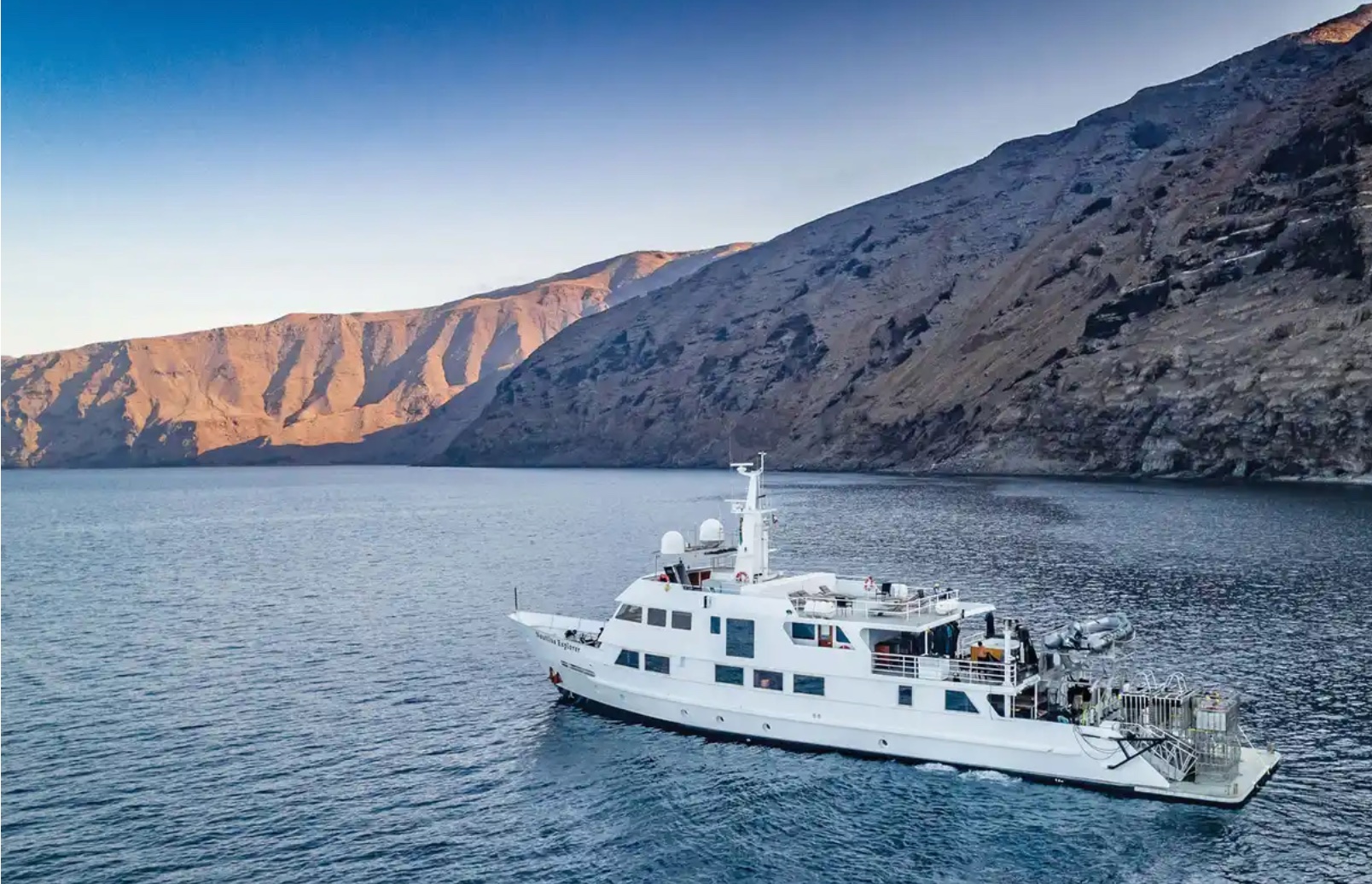
Nautilus Explorer
Mexico
25 guests44.8 m
$230/day
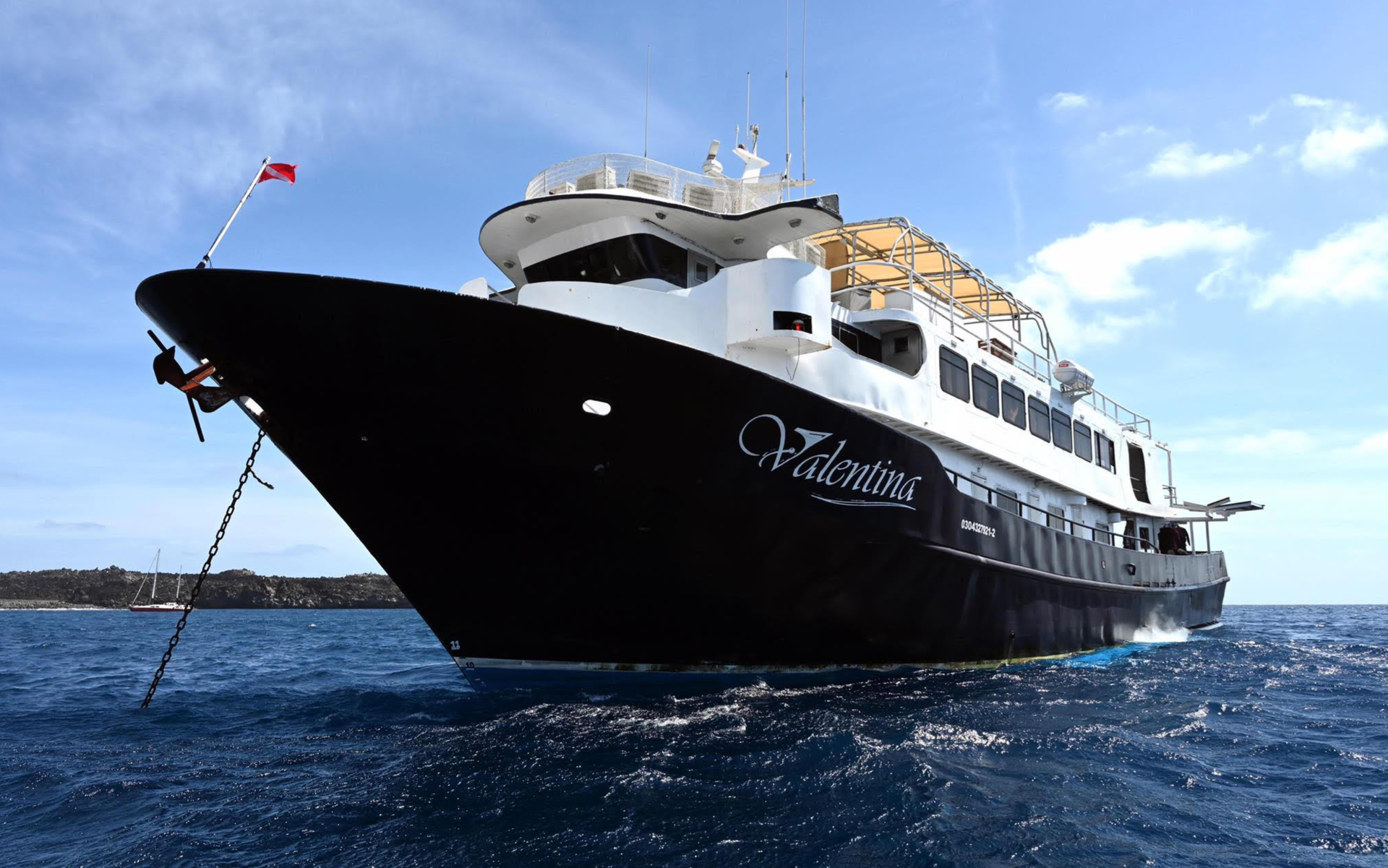
Valentina
Mexico
20 guests38.1 m
$430/day
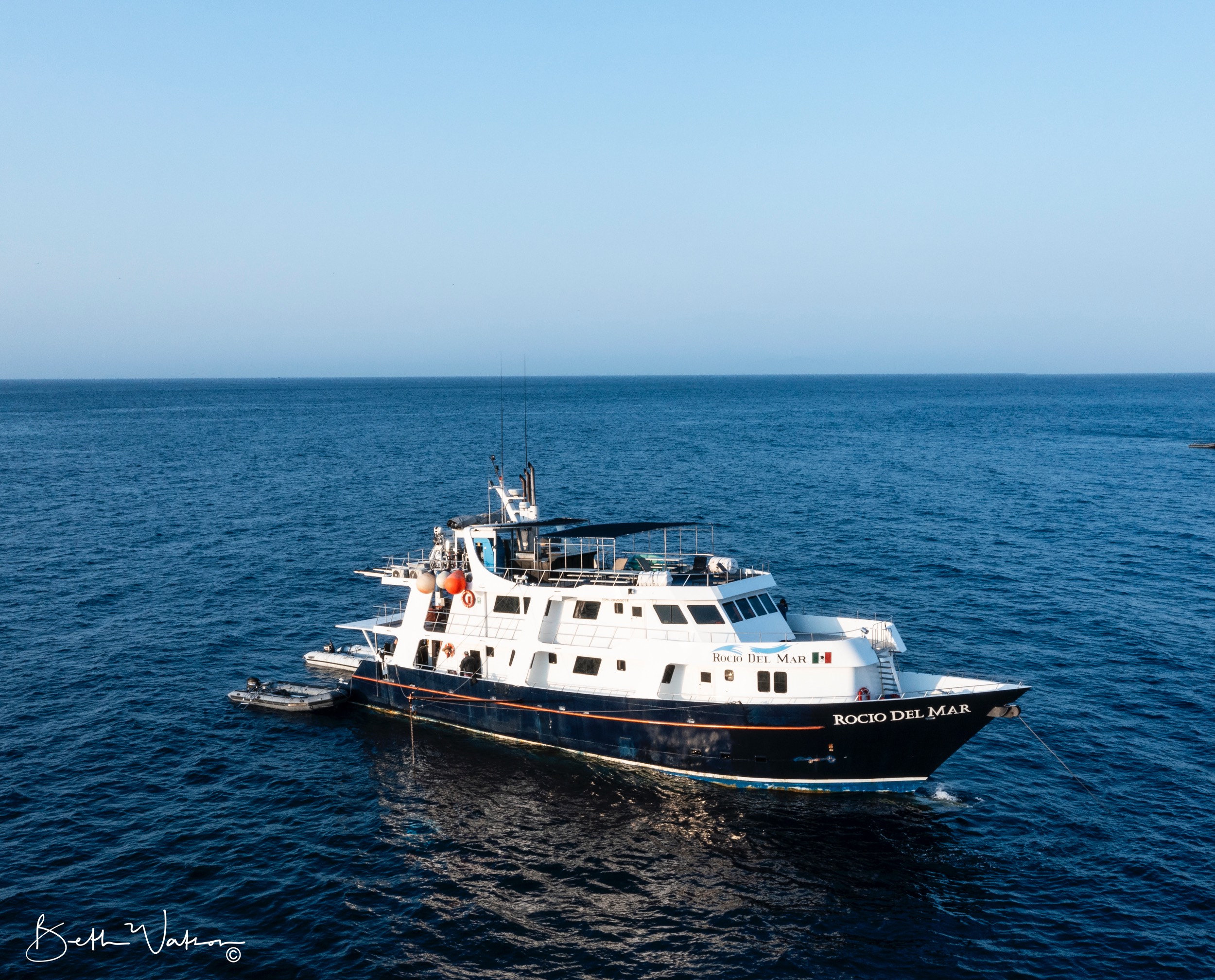
Rocio del Mar
Mexico
20 guests33.5 m
$392/day
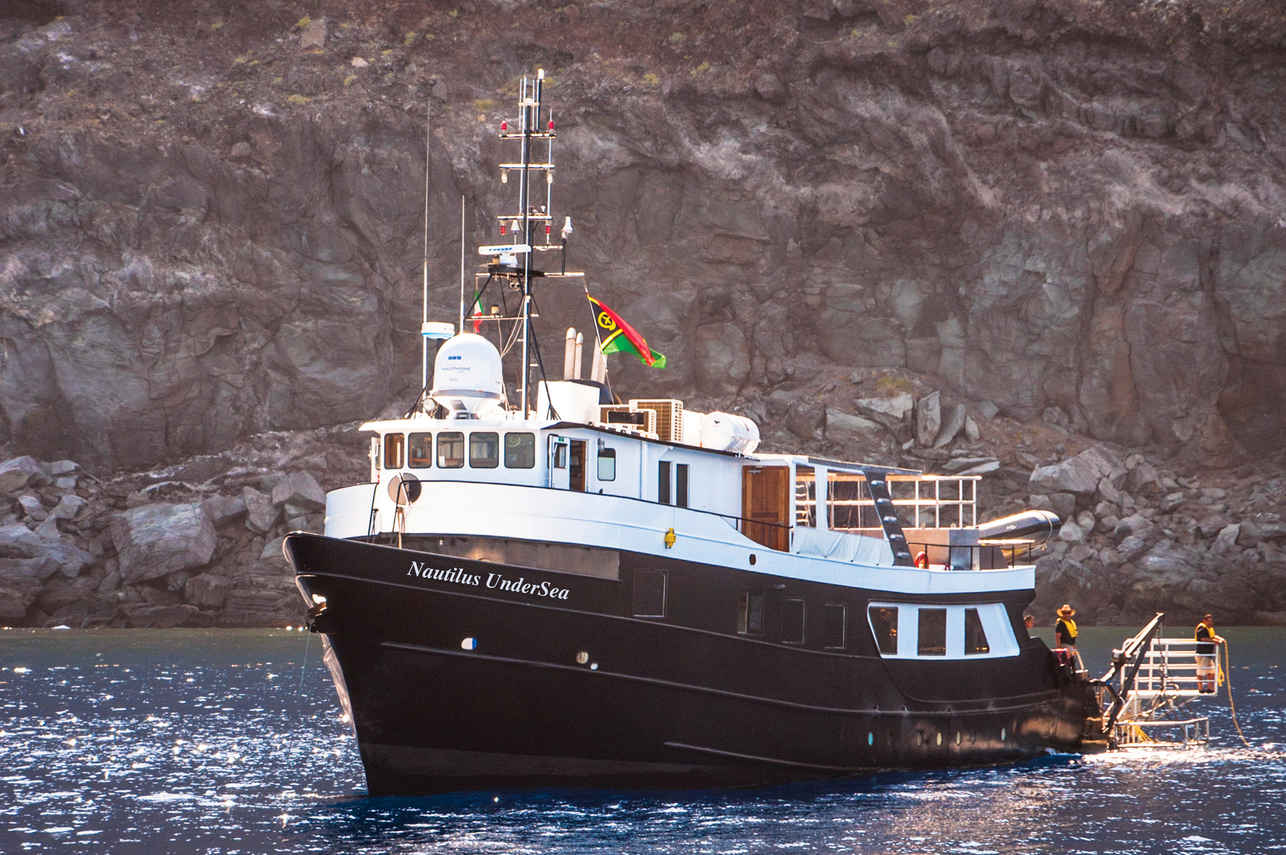
Nautilus Under Sea
Mexico
19 guests32 m
$261/day
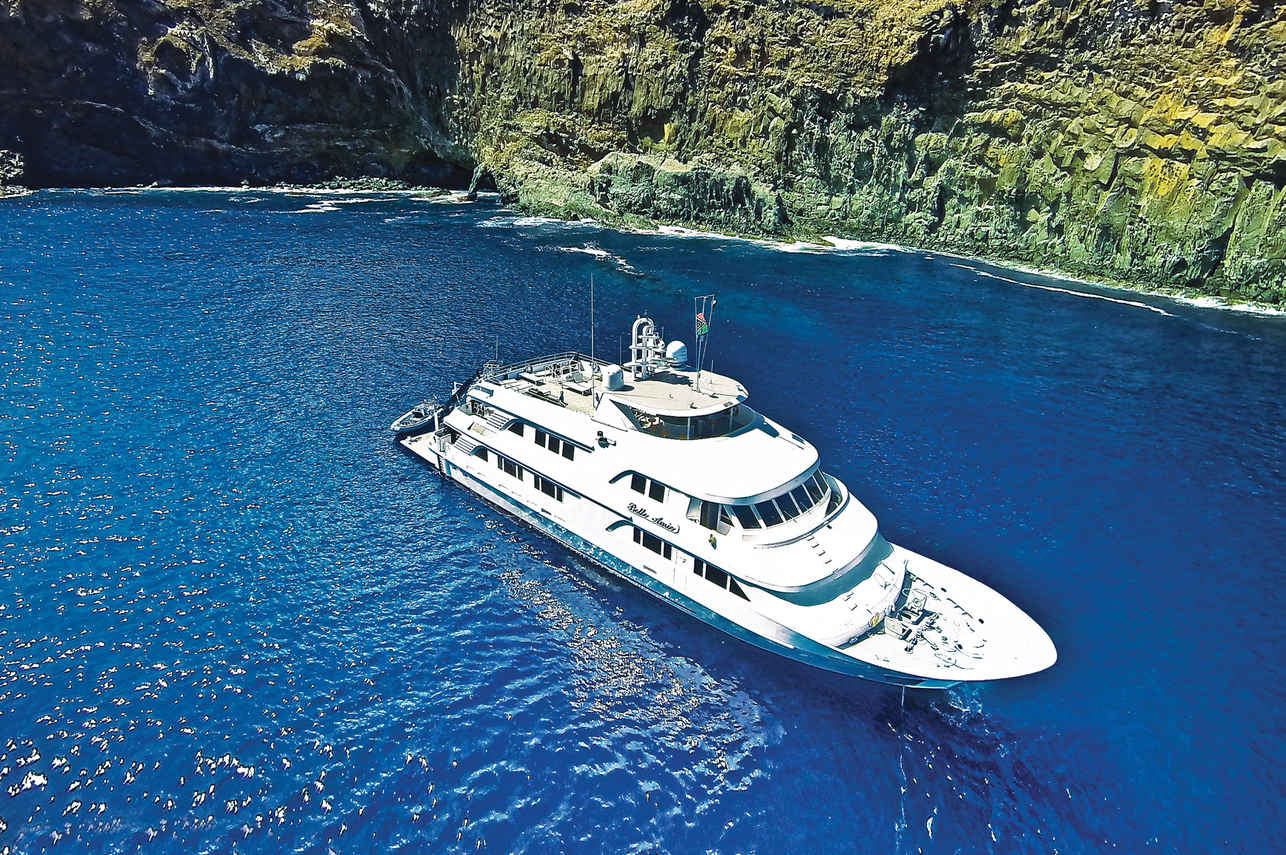
Nautilus Belle Amie
Mexico
32 guests44.8 m
$323/day
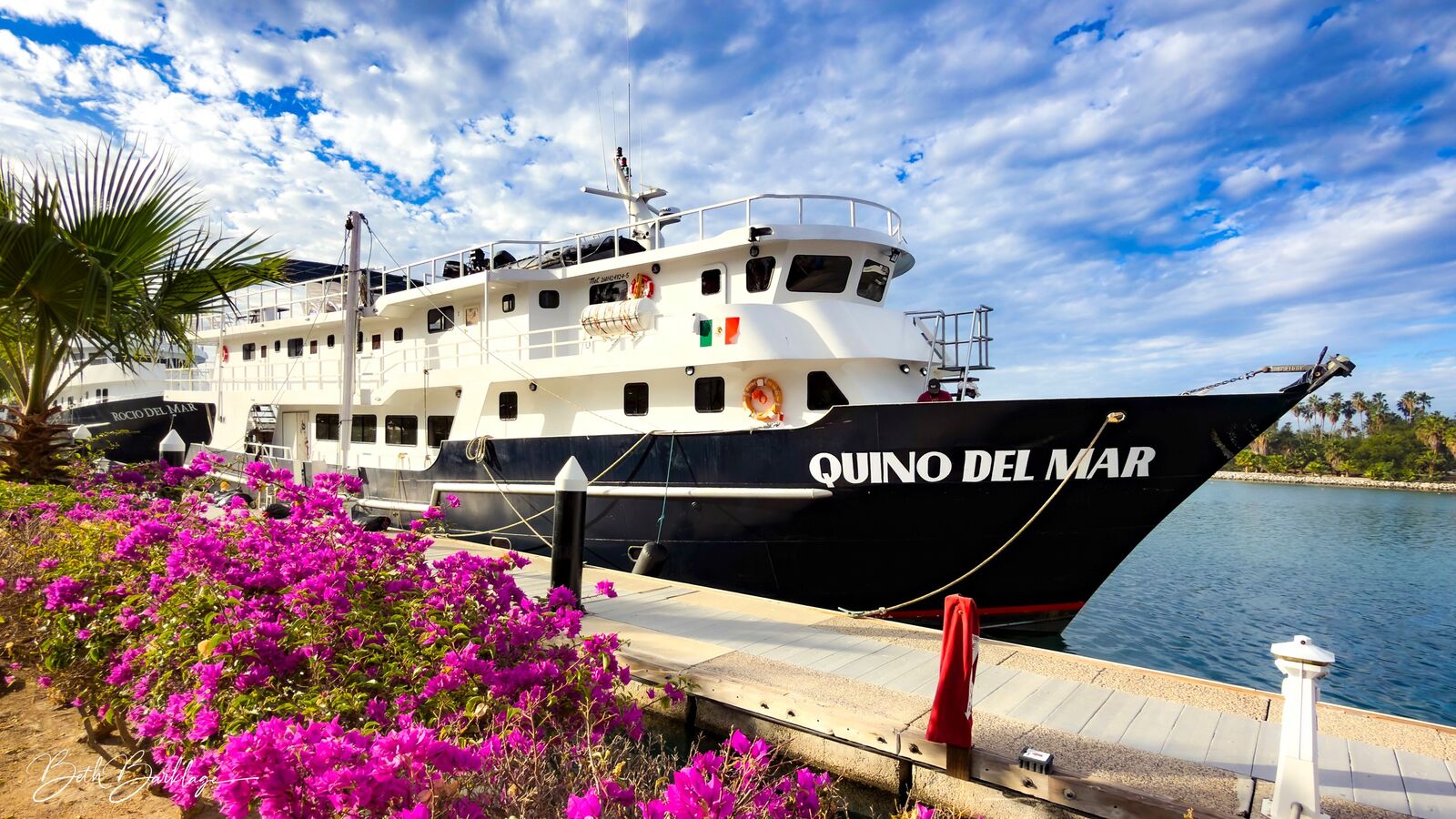
Quino del Mar
Mexico
20 guests36 m
$392/day
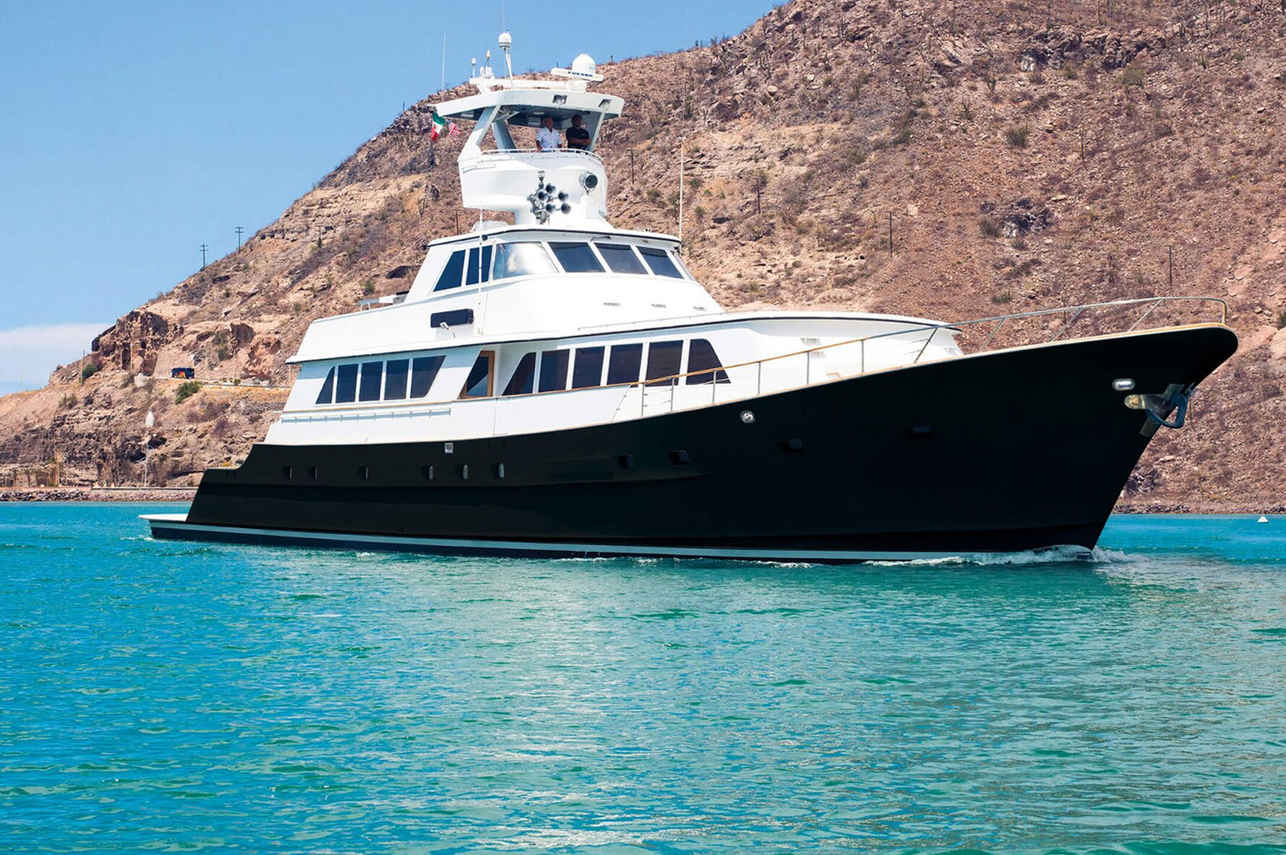
Nautilus Gallant Lady
Mexico
12 guests35.36 m
$332/day
Dive sites similar to Roca Partida
Same character, same waters — six more sites divers love for the exact same reasons.Compare seasons, access and liveaboard routes — then pick the site that fits your trip best.
© Esri — Maxar, Earthstar, GIS
Pelican Rock
Mexico
Pelican Rock is a renowned dive site located within the Cabo San Lucas Marine Park in Baja California Sur, Mexico, just a few minutes by boat from the marina.
- Suitable for
- Beginner
- Current
- Mild
- Access
- Liveaboard or dayboat
- Depth
- 5–40 m
- Theme
- Wall
© Esri — Maxar, Earthstar, GIS
Isla Montserrat
Mexico
Isla Montserrat is one of the five major islands within the Bahía de Loreto National Park, offering a diverse range of diving opportunities.
- Suitable for
- Intermediate
- Current
- Mild
- Access
- Liveaboard only
- Depth
- —
- Theme
- Reef / Wall
© Esri — Maxar, Earthstar, GIS
Cenote Kukulkan, often referred to as Chikin Ha, is a captivating underwater cavern system located in the heart of the Yucatán Peninsula, approximately 25 kilometers (15 miles) from Playa del Carmen.
- Suitable for
- Intermediate
- Current
- No current
- Access
- Dayboat
- Depth
- 10–15 m
- Theme
- Cavern / Pinnacle
© Esri — Maxar, Earthstar, GIS
The Ramparts of Coronados Island, located in Mexican waters just over 17-20 miles south of San Diego, offers an exhilarating wall dive experience characterized by spectacular granite cliffs and rich marine biodiversity.
- Suitable for
- Intermediate
- Current
- Mild
- Access
- Liveaboard only
- Depth
- 5–30 m
- Theme
- Wall / Reef
El Morro is acclaimed as one of the best diving locations in the Puerto Vallarta area, situated just beyond the sheltered waters of Banderas Bay.
- Suitable for
- Advanced
- Current
- Strong
- Access
- Dayboat
- Depth
- 18–37 m
- Theme
- Reef / Wall
© Esri — Maxar, Earthstar, GIS
Cabo San Lucas
Mexico
Cabo San Lucas, situated at the southern tip of Mexico's Baja California Peninsula, offers a surprisingly rich underwater environment despite its popular tourism.
- Suitable for
- Beginner
- Current
- Mild
- Access
- Dayboat
- Depth
- 8–40 m
- Theme
- Reef / Wall