About Socorro Island - The Boiler
The Boiler is a world-renowned dive site located at Socorro Island, part of Mexico's Revillagigedo Archipelago, often referred to as Mexico's "Little Galapagos." This remote volcanic pinnacle is celebrated for its consistent, close encounters with giant Pacific manta rays, which are notably interactive with divers. The site's isolated nature contributes to its pristine condition and rich marine life, making it a premier destination for pelagic enthusiasts. Underwater, The Boiler consists of a main pinnacle that rises from the depths, its slopes teeming with life. Divers typically explore the pinnacle from depths of 15 to 30 meters, where the manta rays frequently circle and interact. The topography includes various ledges and crevices that provide shelter for smaller reef fish, while the open water surrounding the pinnacle is a highway for larger pelagic species. Divers often describe the experience as being immersed in a natural aquarium, with visibility frequently exceeding 30 meters. Beyond the friendly giant mantas, the site also hosts various shark species, including hammerheads, and playful bottlenose dolphins. Whale sharks are commonly seen during the early part of the season, and humpback whales visit between January and April, occasionally making an appearance at the site. Encounters with these large animals are a regular occurrence, providing unforgettable diving experiences. Given its offshore location and potential for strong currents, diving at The Boiler is best suited for advanced divers. Dives are exclusively conducted from liveaboards, which manage entries and exits to maximize safety and enjoyment. Divers should be comfortable with open ocean conditions and good buoyancy control to fully appreciate this dynamic site.
Highlights
Friendly giant Pacific manta raysVolcanic pinnacle topographyClose encounters with dolphinsFrequent shark sightingsHumpback whale season (Jan-Apr)Excellent pelagic action
Best Season
The optimal time to dive The Boiler is between November and June. During November and December, whale sharks are commonly sighted, while January to April marks the season for humpback whales. The consistent presence of giant mantas and various shark species makes this extended period ideal.
Dive site facts: Socorro Island - The Boiler
- Depth
- 5–40 m
- Typical dive
- 12–30 m, 40–60 min
- Current
- Moderate to strong
- Visibility
- 15–30 m
- Water temperature
- 24–25 °C (January)
- Entry
- Zodiac / tender
- Level
- Advanced (50+ logged dives) / AOWD recommended
- Dive type
- Pelagic, drift, cleaning station
- Night dive
- Not typical / limited
- Region / port
- Revillagigedo Archipelago, Mexico
- Coordinates
- 18.7333, -110.95
Conditions & Currents
Currents at The Boiler can range from moderate to strong due to its open ocean location. Divers should be prepared for potential drift and strong surge, especially around the pinnacle. Liveaboard operations manage entries and exits carefully, often utilizing zodiacs or tenders for drop-offs and pick-ups to ensure diver safety. Good buoyancy control and experience in current are essential for an enjoyable dive.
Marine life & sighting chances

Giant oceanic manta ray
common

Silky shark
common
Galapagos shark
common
Whitetip reef shark
common
Bottlenose dolphin
occasional
Humpback whale
occasional
Whale shark
occasional
Tiger shark
rare
Blacktip shark
occasional
Giant Pacific octopus
occasional
Eel
occasionalDive profile & how the dive runs
The Boiler, located off San Benedicto Island, is a deep, exposed pinnacle resembling a giant pillar that drops straight down. Divers typically enter from a Zodiac and descend to about 20-30 meters. The dive primarily focuses on the walls of this pinnacle and its surrounding blue water, where strong currents are common. Visibility can vary, and divers need to stay close to the rock formation to avoid being swept away. The site is renowned as a cleaning station, especially for giant oceanic manta rays that often approach divers and interact with their bubbles. Frequent encounters with various shark species, including hammerheads and Galápagos sharks, occur as they patrol the ledge or pass through the currents. Due to the deep nature and potential for strong currents, careful air management and depth monitoring are crucial, especially when distracted by large pelagic encounters. Safety stops are conducted in the blue or shallower parts of the pinnacle structure.
Underwater photography
The Boiler is a prime location for wide-angle photography, capturing the dramatic underwater topography and the abundant large pelagic species. A wide-angle lens is essential to frame the immense giant oceanic manta rays, which can have wingspans of up to seven meters, and schools of hammerhead sharks. Due to the deep dives, you may need artificial light sources to bring out colors effectively, although ambient light is often sufficient for pelagics in good visibility. Focus on capturing the interaction of mantas with divers' bubbles or their graceful movements as they visit cleaning stations. Be prepared for strong currents and practice excellent buoyancy control to avoid disturbing the cleaning station behavior or kicking up sediment. Given the interactive nature of the marine life, particularly the mantas, maintain a respectful distance and avoid chasing or touching them; they often approach on their own terms.
Combine with nearby dive sites
- San Benedicto - El Cañón
A cleaning station for giant oceanic manta rays and a common shark hangout.
- Socorro - Cabo Pearce
Known for guaranteed manta ray encounters along a rock wall, avoiding strong currents.
- Roca Partida
A remote volcanic spire attracting numerous pelagic species, including schooling hammerheads.
Getting there & logistics
Access to Socorro Island, including The Boiler, is exclusively via liveaboard, typically departing from Cabo San Lucas or San Jose del Cabo, Mexico. Travelers usually fly into Cabo International Airport (SJD). The journey to the Revillagigedo Archipelago involves a 24-hour open-ocean crossing, with return trips often taking longer due to currents. Standard trips last 9-10 days, including 5-6 days of diving. There are no land excursions permitted on Socorro Island itself, only a Mexican Navy station exists. Divers must have an Advanced Open Water certification and generally 50+ logged dives are recommended due to the challenging conditions like strong currents and deep sites. All fees and permits are usually included in the liveaboard package, as the archipelago is a UNESCO World Heritage Site and a Marine Protected Area.
Safety & environment
Diving at The Boiler, and Socorro in general, demands a high level of diver proficiency. The remote nature of the Revillagigedo Archipelago means medical assistance and recompression chambers are very far away. Divers must be self-sufficient and prepared for strong, unpredictable currents that can sweep divers into the open blue, necessitating careful navigation and boat pickups. It's crucial to always dive with a dive computer, carry an SMB, and manage air consumption diligently, especially at depths of 30 meters or more. Nitrox is commonly used to extend bottom time and reduce nitrogen loading, but divers must be aware of its depth limits to avoid oxygen toxicity. Comprehensive dive insurance, including evacuation and recompression coverage, is mandatory. Pay close attention to dive briefings, follow your dive guide's instructions, and maintain excellent buoyancy control to prevent rapid ascents or uncontrolled descents, particularly when interacting with large, distracting marine life.
Who it suits — and who it doesn't
Suited for
- Experienced Advanced Open Water Divers (50+ logged dives)
- Divers seeking large pelagic encounters (manta rays, sharks, whales)
- Photographers focused on wide-angle marine life and dramatic seascapes
- Liveaboard enthusiasts comfortable with long ocean crossings
- Divers who can handle strong currents and deep dive profiles
Less suited for
- Beginner divers or those with limited open water experience
- Divers prone to seasickness on rough open-ocean journeys
- Individuals who prefer shore dives or non-current affected sites
- Divers without comprehensive dive insurance including evacuation
- Those who require immediate access to medical facilities
FAQ
Socorro Island - The Boiler FAQ
What makes The Boiler at Socorro Island so unique for diving?
The Boiler is an iconic dive site known for its dramatic underwater pinnacle and its role as a premier cleaning station for giant oceanic manta rays. These magnificent creatures are exceptionally interactive here, often seeking out diver bubbles for a unique tactile experience. The site's exposure to open ocean currents also draws in a rich array of pelagic life, including various shark species, making every dive a potential encounter with big animals.
What marine life can I expect to see at The Boiler?
The Boiler is primarily known for its giant oceanic manta rays, which are almost guaranteed encounters. You can also expect to see several species of sharks, including scalloped hammerheads, silky sharks, Galápagos sharks, and whitetip reef sharks. Occasionally, lucky divers might spot dolphins, whale sharks, or even humpback whales during their migratory season, making it a hotspot for large pelagic encounters.
Is The Boiler a suitable dive site for all experience levels?
No, The Boiler, like most dive sites in the Revillagigedo Archipelago, is best suited for advanced divers with a good level of experience. Strong currents are common, and dives are often deep, requiring excellent buoyancy control, air management, and comfort in open-ocean conditions. A minimum of Advanced Open Water certification and around 50 logged dives are generally recommended by liveaboard operators.
What are the typical diving conditions at The Boiler?
Visibility at The Boiler usually ranges from 15 to 30 meters, and water temperatures average around 24-25°C, though they can vary. The site is exposed to the open Pacific, meaning moderate to strong currents are frequently encountered, often necessitating drift diving techniques. The dive profile involves descending onto the pinnacle structure and exploring its walls, with deep sections dropping off into the blue.
How do I get to The Boiler at Socorro Island?
Access to The Boiler and the entire Revillagigedo Archipelago is exclusively via liveaboard vessels. Trips typically depart from Cabo San Lucas or San Jose del Cabo in Mexico, following a 24-hour open-ocean crossing. These liveaboard expeditions are usually 9 to 10 days long, dedicating several days to diving around the various islands, including San Benedicto where The Boiler is located.
Why dive Socorro Island - The Boiler from a liveaboard?
Socorro Island - The Boiler is one of Mexico's signature dive sites. A liveaboard sleeps you on the water and puts you in the water for three to four guided dives per day, including dawn and night dives that day-boat operators rarely offer. You skip the daily commute back to port and reach quieter, less-crowded sites in the same region on a single trip.
Below are the liveaboards that include Socorro Island - The Boiler on their Mexico itineraries.
Liveaboards diving Socorro Island - The Boiler
These liveaboards may visit Socorro Island - The Boiler on selected itineraries — the exact dive sites depend on departure, weather and conditions.
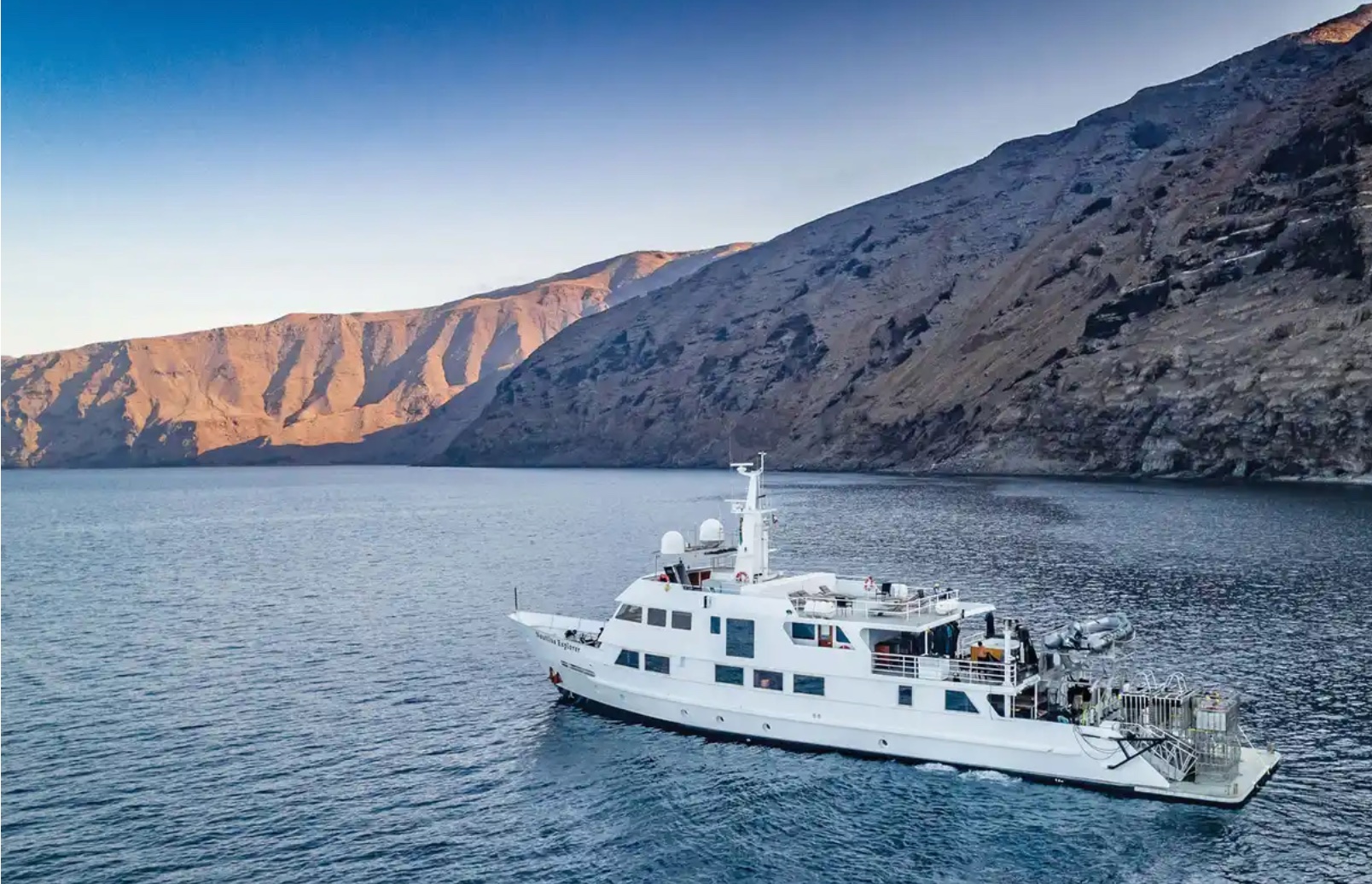
Nautilus Explorer
Mexico
25 guests44.8 m
$230/day
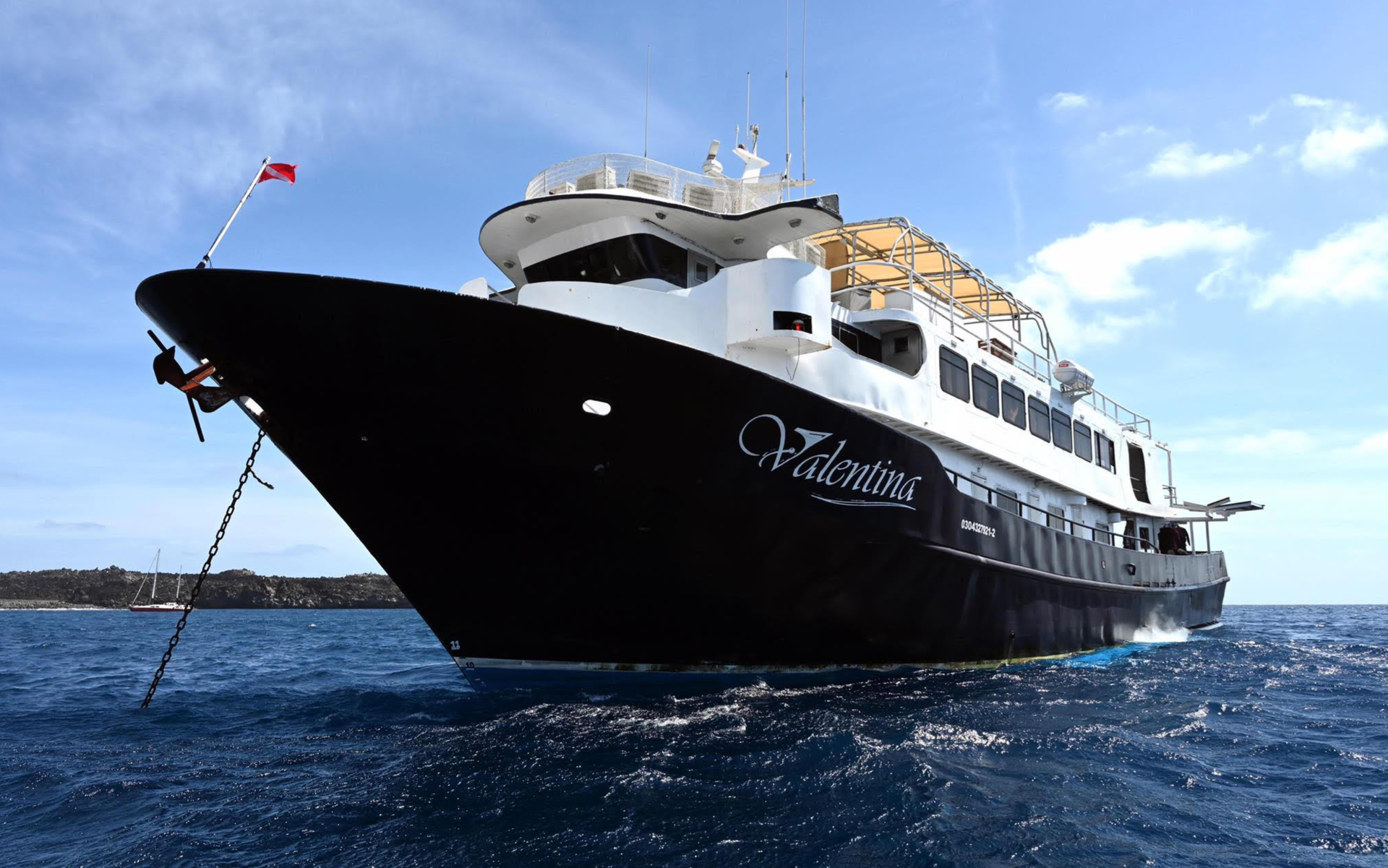
Valentina
Mexico
20 guests38.1 m
$430/day
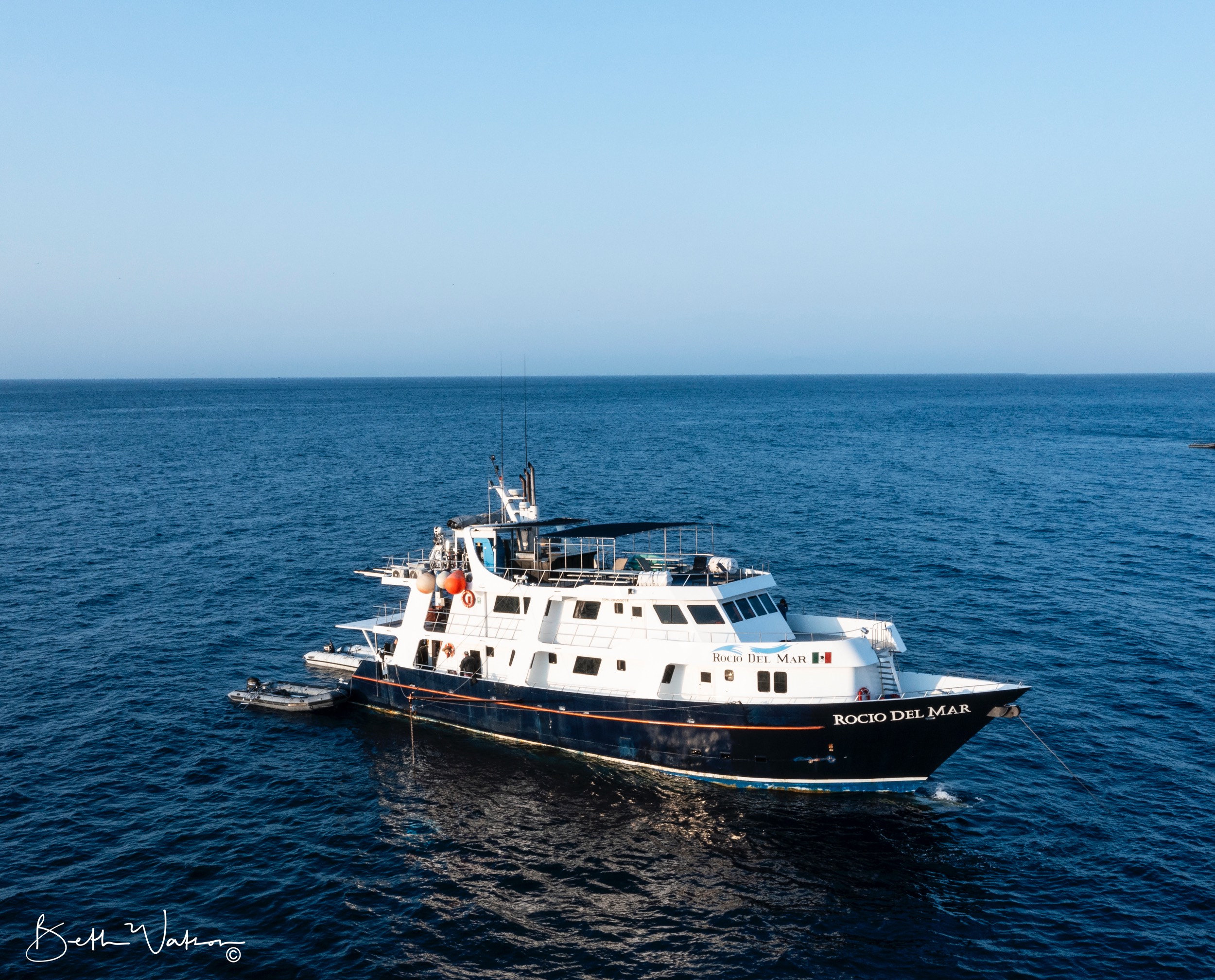
Rocio del Mar
Mexico
20 guests33.5 m
$392/day
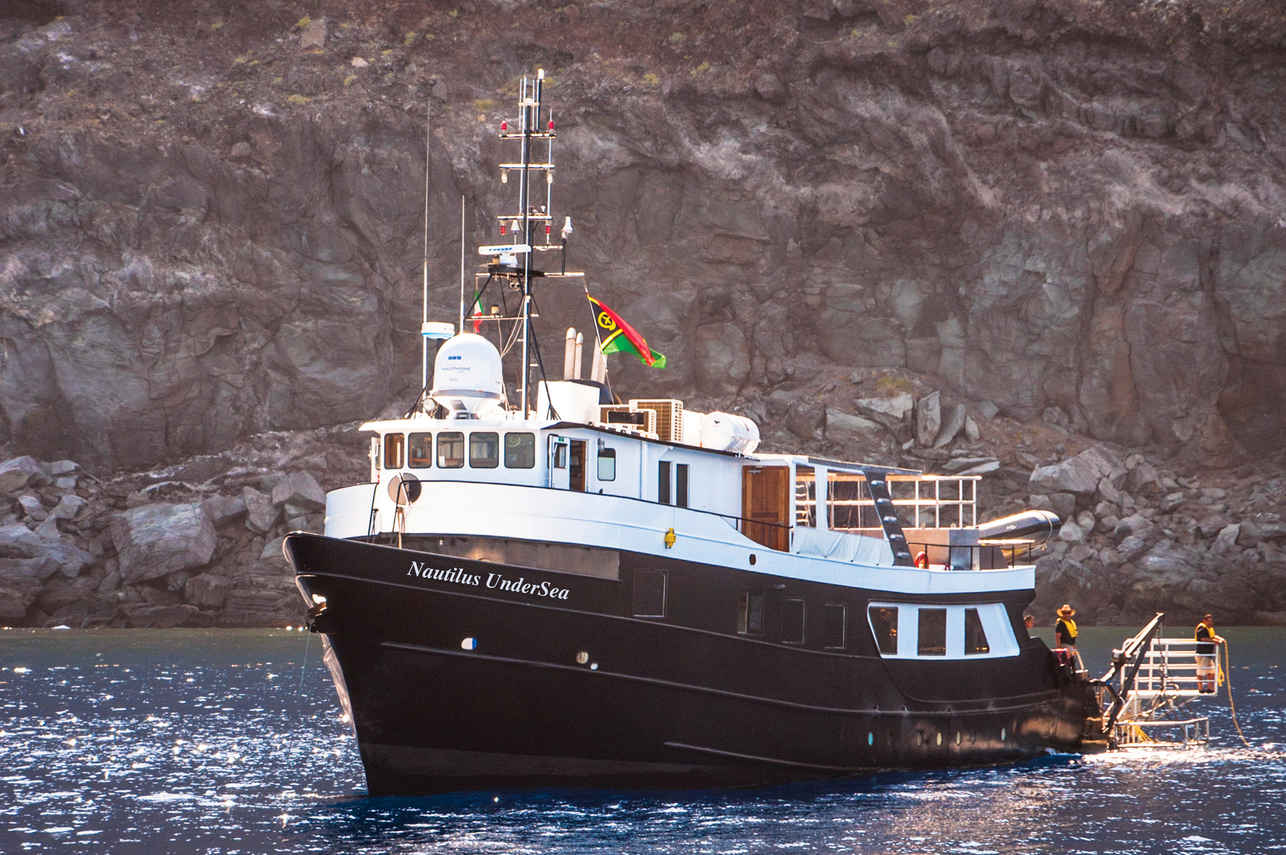
Nautilus Under Sea
Mexico
19 guests32 m
$261/day
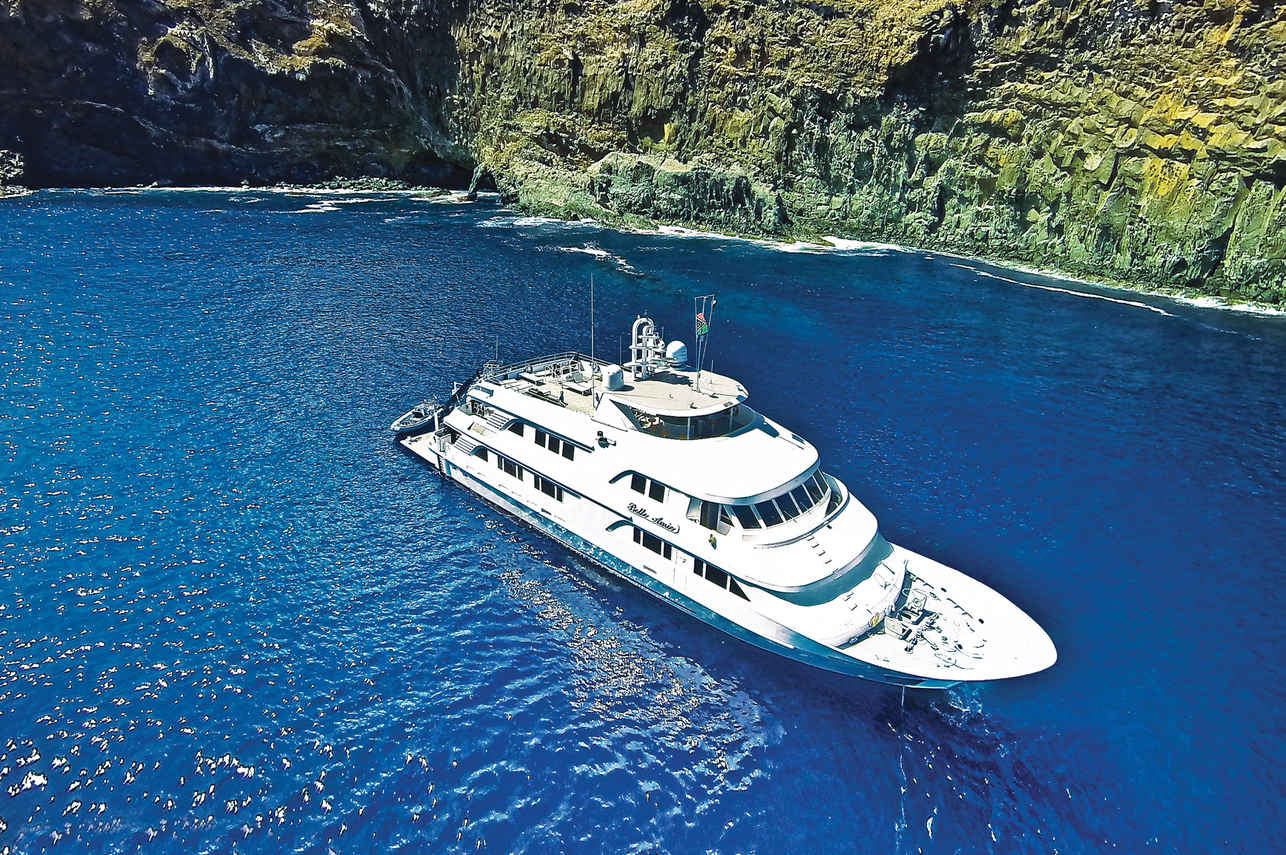
Nautilus Belle Amie
Mexico
32 guests44.8 m
$323/day
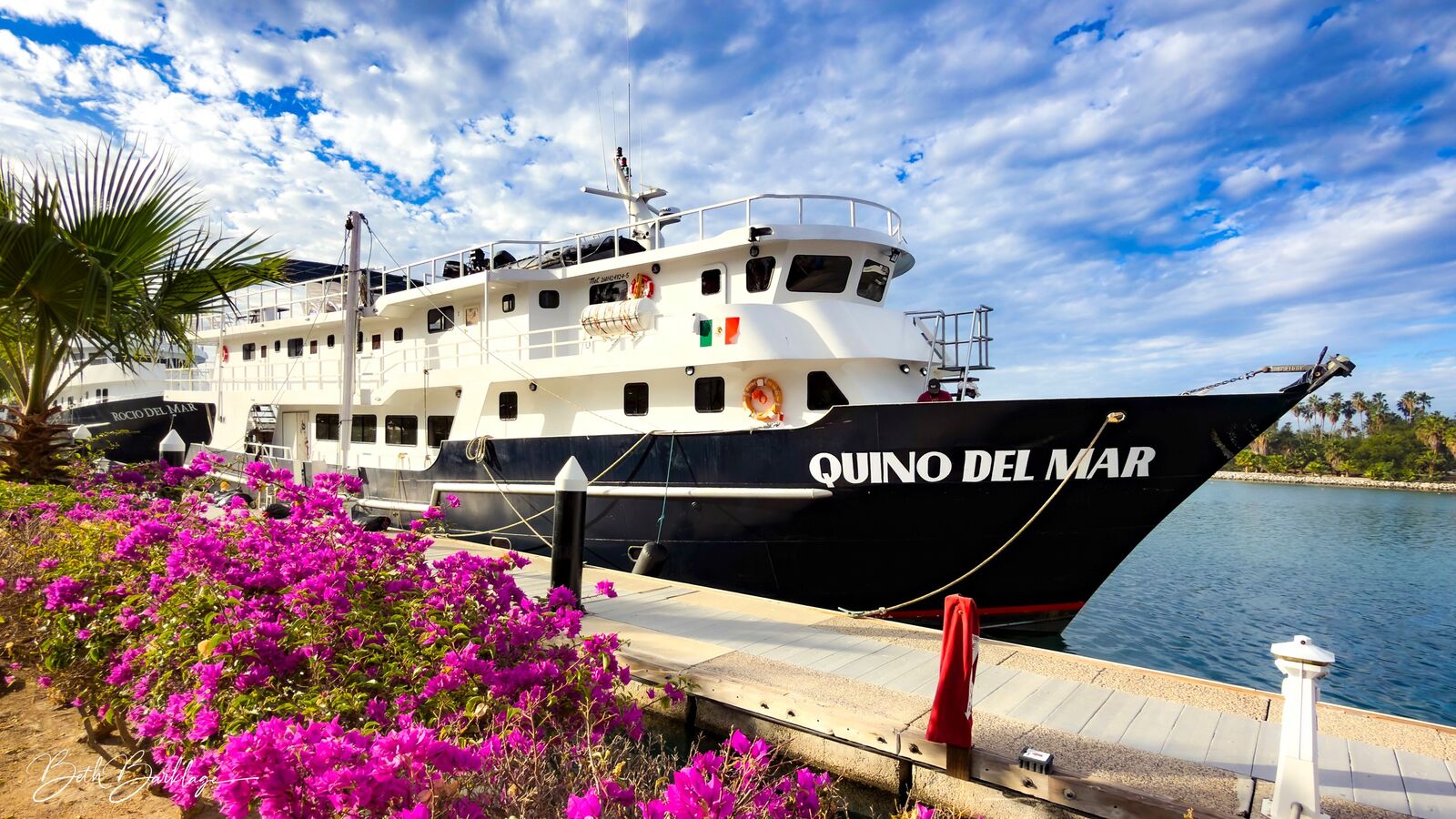
Quino del Mar
Mexico
20 guests36 m
$392/day
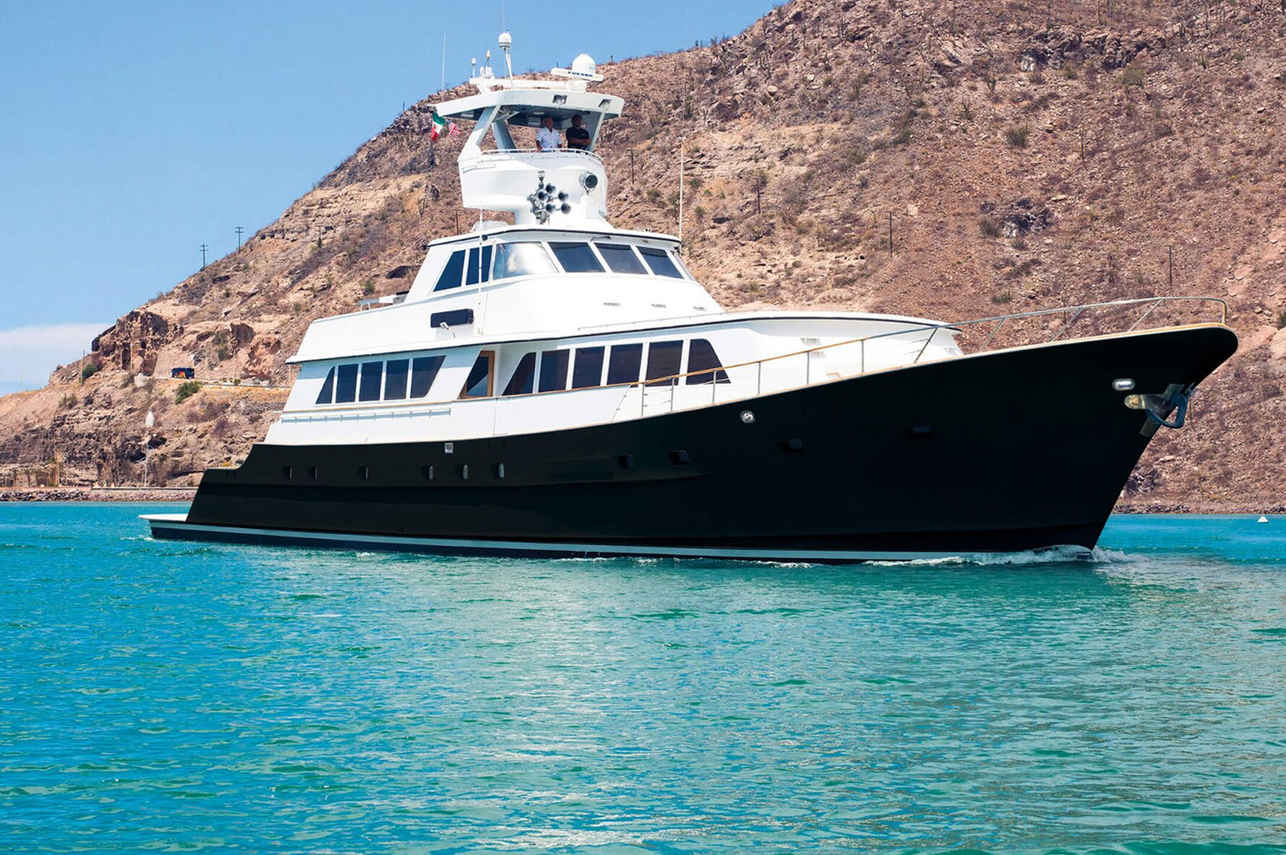
Nautilus Gallant Lady
Mexico
12 guests35.36 m
$332/day
Dive sites similar to Socorro Island - The Boiler
Same character, same waters — six more sites divers love for the exact same reasons.Compare seasons, access and liveaboard routes — then pick the site that fits your trip best.
© Esri — Maxar, Earthstar, GIS
Cenote Kukulkan, often referred to as Chikin Ha, is a captivating underwater cavern system located in the heart of the Yucatán Peninsula, approximately 25 kilometers (15 miles) from Playa del Carmen.
- Suitable for
- Intermediate
- Current
- No current
- Access
- Dayboat
- Depth
- 10–15 m
- Theme
- Cavern / Pinnacle
© Esri — Maxar, Earthstar, GIS
El Boiler, located off San Benedicto Island, stands as a premier dive site within Mexico's Revillagigedo Archipelago, often likened to the Galapagos for its abundant pelagic encounters.
- Suitable for
- Advanced
- Current
- Strong
- Access
- Liveaboard only
- Depth
- 5–35 m
- Theme
- Pinnacle
© Esri — Maxar, Earthstar, GIS
El Boiler is a world-renowned dive site situated off San Benedicto Island, part of Mexico's remote Revillagigedo Archipelago, also known as the Socorro Islands.
- Suitable for
- Advanced
- Current
- Strong
- Access
- Liveaboard only
- Depth
- 5–35 m
- Theme
- Pinnacle
© Esri — Maxar, Earthstar, GIS
El Bajo Seamount
Mexico
El Bajo Seamount, also known as Marisla Seamount, is a world-class advanced dive site located off La Paz in the Sea of Cortez.
- Suitable for
- Advanced
- Current
- Strong
- Access
- Liveaboard or dayboat
- Depth
- 18–40 m
- Theme
- Pinnacle / Seamount
© Esri — Maxar, Earthstar, GIS
Los Arcos, a National Marine Park situated off the coast of Puerto Vallarta near Mismaloya, stands as one of the region's most iconic and biologically rich dive destinations.
- Suitable for
- Beginner
- Current
- Strong
- Access
- Liveaboard or dayboat
- Depth
- 5–20 m
- Theme
- Cave & cavern / Pinnacle