About Los Arcos - Puerto Vallarta
Los Arcos, a National Marine Park situated off the coast of Puerto Vallarta near Mismaloya, stands as one of the region's most iconic and biologically rich dive destinations. This site is characterized by impressive granite archways and rock formations that dramatically break the surface, hinting at the complex underwater topography below. The protected waters of Los Arcos are renowned for their intricate network of caves, tunnels, and arches, which provide shelter and breeding grounds for a diverse array of marine life. Diving here reveals a spectacular underwater landscape, featuring rocky slopes, deep walls, and thriving reef systems. The area is also home to Devil's Canyon, an impressive 800-foot underwater cliff, and El Bajo, offering deeper exploration opportunities. These formations, combined with the often-calm conditions of Banderas Bay, make Los Arcos suitable for both novice and experienced divers. The marine biodiversity is a major draw, with abundant colorful fish, rays, eels, and crustaceans commonly sighted. During cooler months, the visibility often improves, increasing the chances of encountering larger pelagic species. The unique geological features and the sheer abundance of life create a dynamic and rewarding dive experience that showcases the Pacific Coast's underwater ecological paradise. Access to Los Arcos is typically by boat from Puerto Vallarta, with dive operators offering various trips to explore its distinct dive zones. The site's versatility, from shallow reef areas to deeper drop-offs, ensures that each dive offers new discoveries and photographic opportunities.
Highlights
Granite archways and rock formationsDevil's Canyon 800-foot wallUnderwater caves and tunnelsAbundant moray eels and octopusesSchools of snapper and gruntsSpotted eagle rays
Season calendar
Best months to dive here
Jan
Feb
Mar
Apr
May
Jun
Jul
Aug
Sep
Oct
Nov
Dec
Excellent
Dive site facts: Los Arcos - Puerto Vallarta
- Depth
- 5–120 ft / 1.5–36.5 m
- Typical dive
- 12–25 m, 50–60 min
- Current
- Mild to strong, with potential for down-currents
- Visibility
- 10–100 ft / 3–30 m
- Water temperature
- 68–88°F / 20–31°C
- Entry
- Boat / negative entry
- Level
- All skill levels, Advanced for deeper areas
- Dive type
- Reef, wall, cave, swim-through
- Night dive
- Possible
- Region / port
- Puerto Vallarta, Mexico
- Coordinates
- 20.54604, -105.29176
Conditions & Currents
Currents at Los Arcos can vary from mild to strong, with some areas experiencing significant surge, especially around the rock formations. Divers have reported very strong downward currents near drop-offs, necessitating careful buoyancy control and awareness, particularly in deeper sections like Devil's Canyon. Entry is typically a negative entry from the boat to avoid surface currents and boat traffic. Visibility can range significantly, from as low as 10-20 feet during certain periods to 50 feet or more, influenced by rainfall and plankton blooms. Thermoclines are possible, leading to temperature variations within a single dive. Divers should be prepared for changing conditions and follow their divemaster's guidance closely.
Marine life & sighting chances

Moray Eel
common
Octopus
common
Spotted Eagle Ray
occasional
Lobster
common
Angelfish
common
Pufferfish
common
Nudibranch
common
Green Sea Turtle
occasional
Snapper
common
Grunt
common
Manta Ray
November-May · occasional
Humpback Whale
November-May · rareDive profile & how the dive runs
Your dive at Los Arcos typically begins with a boat ride from Puerto Vallarta, often heading towards the iconic granite formations. Upon arrival, you'll perform a negative entry to quickly descend and avoid surface currents and boat traffic. The dive typically involves exploring around the base of the arches and rock formations, navigating through small swim-throughs and tunnels. Depth can vary, with shallower areas around 25-45 feet suitable for all levels, and deeper sections, such as Devil's Canyon, plunging to 800 feet, which are reserved for advanced divers. The route often follows rocky slopes, keeping an eye out for abundant moray eels, octopuses, and schooling fish. The turn point is usually determined by air consumption or bottom time, with the ascent initiated gradually. Your safety stop will be conducted in the calmer, shallower waters closer to the main rock structures, allowing for a thorough check before surfacing.
Underwater photography
Los Arcos offers diverse photographic opportunities, from wide-angle shots capturing the dramatic archways and schooling fish to macro photography focusing on nudibranchs, colorful reef inhabitants, and moray eels. For wide-angle, a rectilinear lens or a fisheye lens will be ideal for the impressive rock formations and arches, especially when visibility is good. When visibility is reduced, a macro lens will be more effective for capturing the numerous small creatures and intricate details of the reef. External strobes are highly recommended to bring out the true colors of the marine life and coral, even in shallower depths. Be mindful of your buoyancy in and around the swim-throughs and caves to avoid disturbing the environment or stirring up sediment. Patience is key, particularly when photographing elusive octopuses or shy eels within their rocky crevices.
Combine with nearby dive sites
- Las Marietas Islands
A national park known for diverse marine life and famous hidden beach.
- El Morro
A challenging offshore site featuring dramatic topography and pelagic encounters.
- Majahuitas
A protected cove with rocky shores, popular for its shallow reefs and common eagle ray sightings.
- Las Caletas
Known for its beautiful coves and diverse marine life, suitable for various dive levels.
- Los Anegados
An offshore site offering excellent visibility and dense schools of fish.
Getting there & logistics
To reach Los Arcos, fly into Puerto Vallarta International Airport (PVR), which has direct flights from major cities in the US, Canada, and Mexico. Most dive operators depart from marinas in Puerto Vallarta or nearby La Cruz de Huanacaxtle. Dive trips to Los Arcos are typically half-day excursions, often combined with another nearby site like Majahuitas. One-tank and two-tank dive options are common for certified divers, with beginner dives also available. Expect to pay a marina fee, usually a small cash amount, at the booking or departure point. While no specific permit is mentioned, the area is a National Marine Park, implying general regulations for protected areas. Many dive operators offer hotel pick-up and drop-off services for convenience.
Safety & environment
For dive safety at Los Arcos, it is crucial to maintain excellent buoyancy control, especially in areas with surge or strong currents, and to be aware of the 800-foot drop-off at Devil's Canyon. Divers should always stay with their group and follow the divemaster's instructions, as incidents of groups being separated have been reported. A PADI-certified divemaster will be in the water with you, but personal responsibility for dive planning and safety checks remains paramount. The nearest recompression chamber is located in Puerto Vallarta, and divers should ensure they have adequate dive insurance that covers emergency evacuation and medical treatment. Always complete a medical questionnaire honestly; if any conditions apply, secure a doctor's clearance before diving. No alcohol should be consumed before diving, and a minimum of 24 hours should pass before flying after your last dive.
Who it suits — and who it doesn't
Suited for
- Beginner divers seeking easy reef experiences
- Experienced divers looking for deep wall dives
- Underwater photographers capturing diverse marine life
- Families with children aged 10+ interested in diving
- Divers who enjoy swim-throughs and unique rock formations
Less suited for
- Divers uncomfortable with potential surge and currents
- Those expecting pristine, crystal-clear visibility on every dive
- Divers who prefer solitary dive experiences without other groups
- Individuals not comfortable with boat entries and exits
- Divers sensitive to cooler water temperatures in winter months
FAQ
Los Arcos - Puerto Vallarta FAQ
What kind of marine life can I expect to see at Los Arcos?
Los Arcos is teeming with marine life, including a high concentration of moray eels, octopuses, and lobsters hiding in crevices. You can also frequently spot angelfish, pufferfish, and schools of snapper and grunts. Occasional sightings of spotted eagle rays, green sea turtles, and nudibranchs add to the biodiversity, with manta rays and humpback whales visiting during the cooler winter months.
Is Los Arcos suitable for beginner divers?
Yes, Los Arcos offers areas suitable for beginners, particularly the shallower reef sections around the arches. Many dive operators provide one-tank dives for beginners, often combined with a discovery dive experience. However, some areas like Devil's Canyon are deeper and better suited for certified and more experienced divers.
What are the typical water conditions and visibility at Los Arcos?
Water temperatures at Los Arcos range from 68-75°F (20-24°C) in winter to 78-88°F (25-31°C) in summer. Visibility can vary significantly, from 10-20 feet (3-6 meters) during certain times to 50-100 feet (15-30 meters) when conditions are optimal. Currents can be mild to strong, with potential for surge, especially around the rock formations.
Are there any specific hazards or safety concerns at Los Arcos?
Divers should be aware of potential strong currents and surge, especially the reported down-currents near deeper drop-offs like Devil's Canyon. Maintaining excellent buoyancy control and staying with your dive group are crucial. It's recommended to dive with a PADI-certified divemaster who knows the site well and to have appropriate dive insurance.
What is the best time of year to dive Los Arcos?
Diving at Los Arcos is a year-round activity. From June through October, warmer waters attract abundant tropical marine life. From November through May, cooler waters generally bring better visibility and increased chances of encountering larger pelagic species such as giant manta rays and humpback whales, making it an exciting time for pelagic enthusiasts.
Can I do a night dive at Los Arcos?
Yes, night dives are possible at Los Arcos. The intricate rock formations and abundance of nocturnal marine life make for an exciting experience after dark. You may encounter different species active at night, such as crabs, lobsters, and sleeping parrotfish, providing a unique perspective on the site.
Why dive Los Arcos - Puerto Vallarta from a liveaboard?
Los Arcos - Puerto Vallarta is one of Mexico's signature dive sites. A liveaboard sleeps you on the water and puts you in the water for three to four guided dives per day, including dawn and night dives that day-boat operators rarely offer. You skip the daily commute back to port and reach quieter, less-crowded sites in the same region on a single trip.
Below are the liveaboards that include Los Arcos - Puerto Vallarta on their Mexico itineraries.
Liveaboards diving Los Arcos - Puerto Vallarta
These liveaboards may visit Los Arcos - Puerto Vallarta on selected itineraries — the exact dive sites depend on departure, weather and conditions.
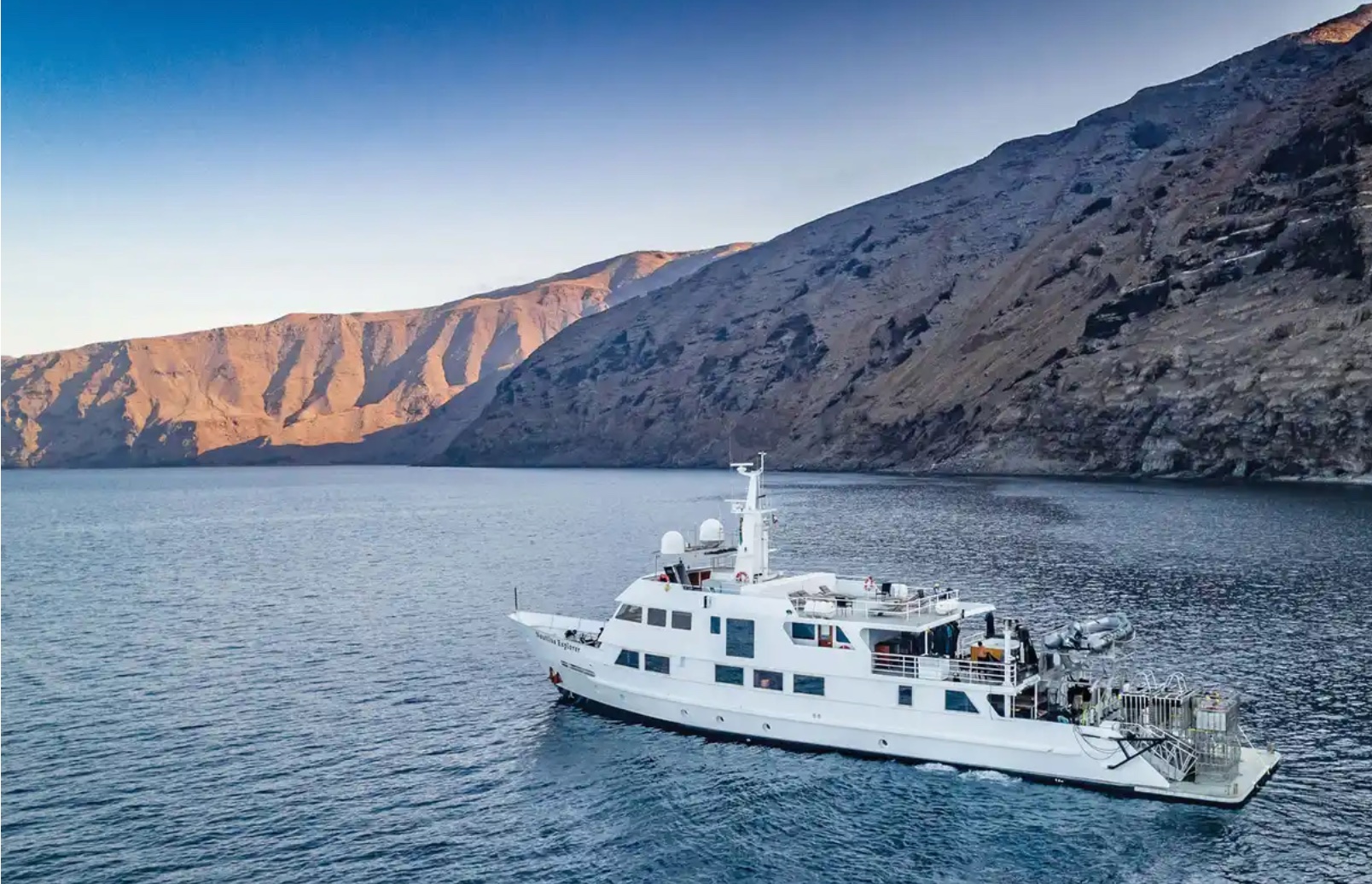
Nautilus Explorer
Mexico
25 guests44.8 m
$330/day
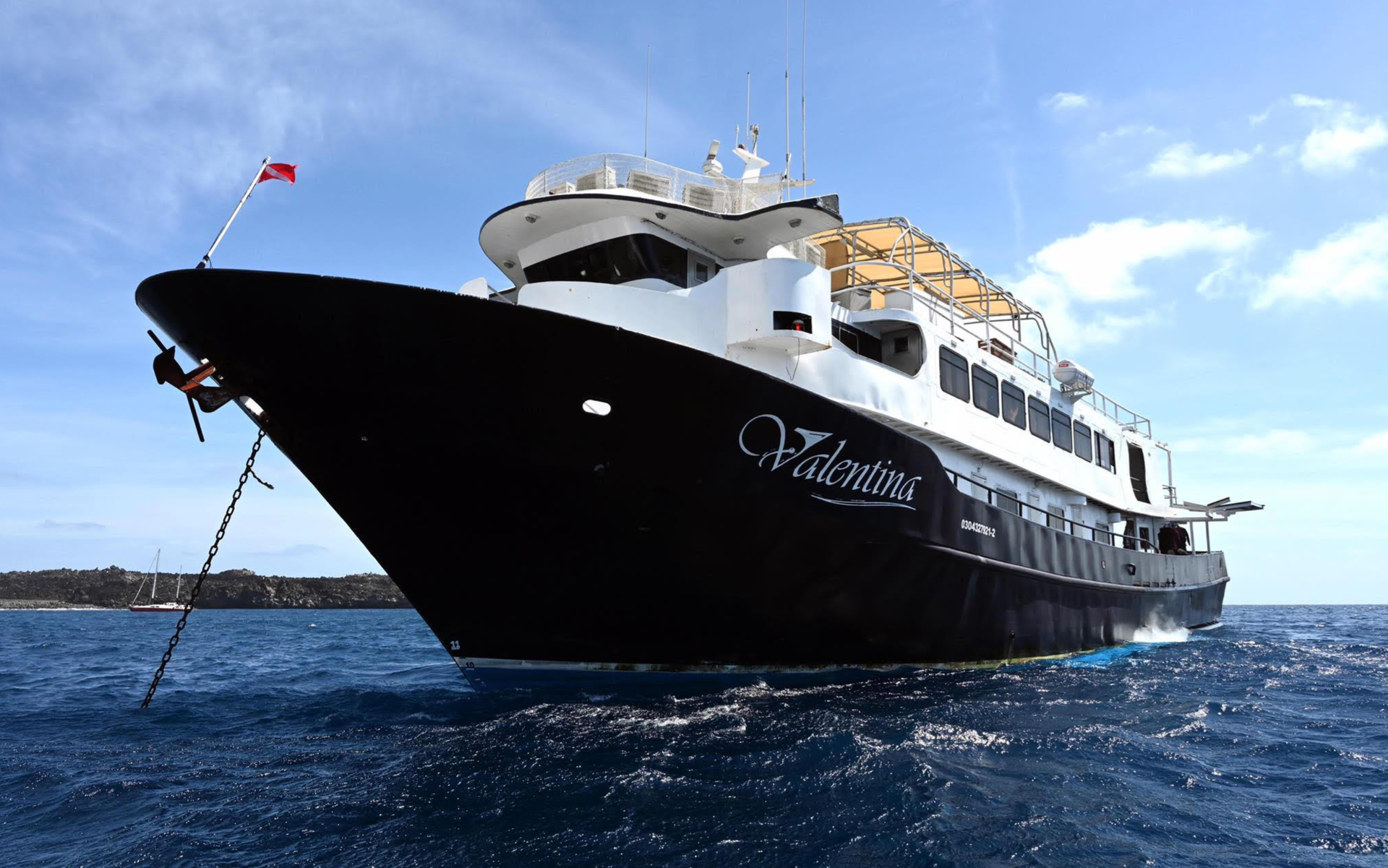
Valentina
Mexico
20 guests38.1 m
$430/day
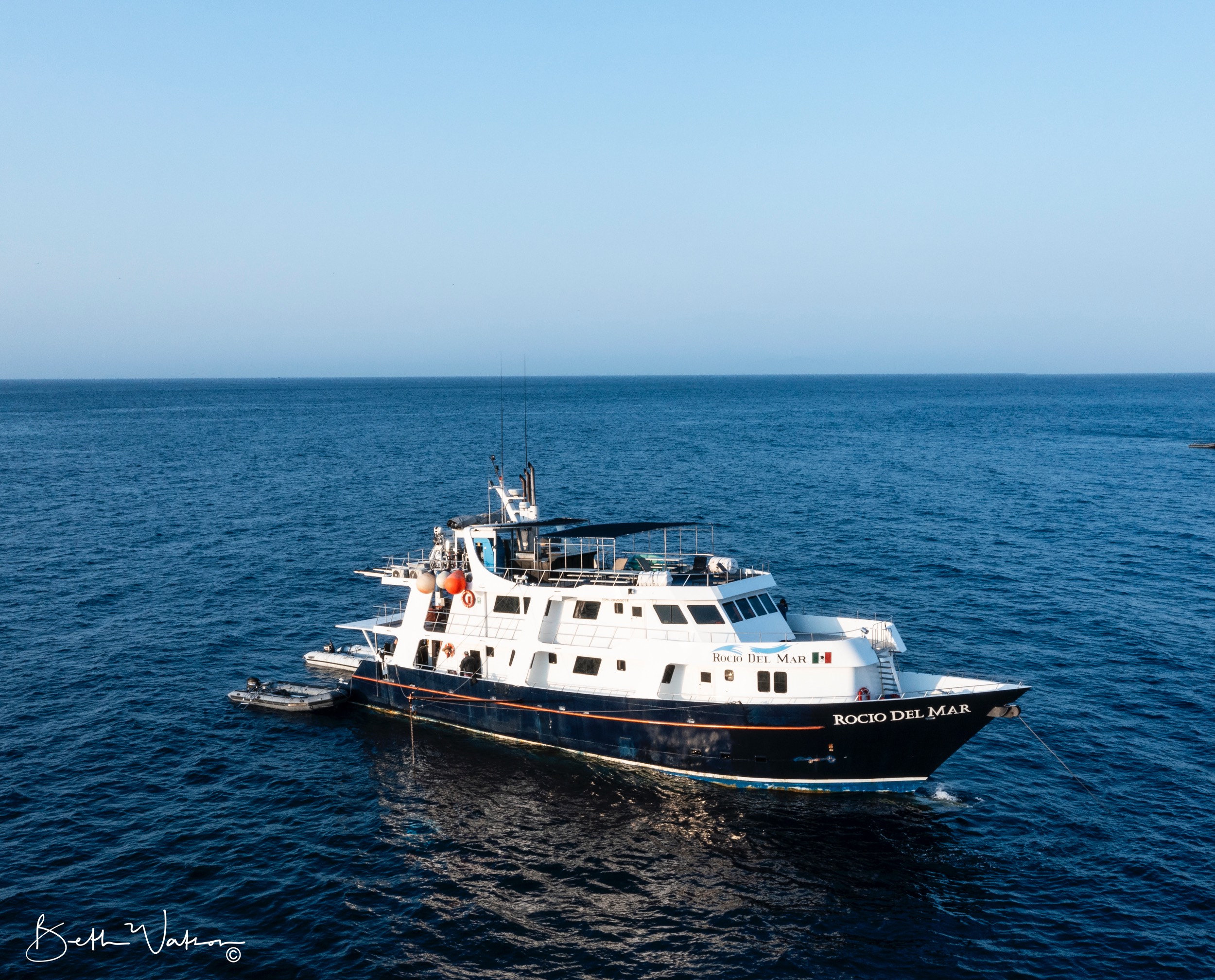
Rocio del Mar
Mexico
20 guests33.5 m
$392/day
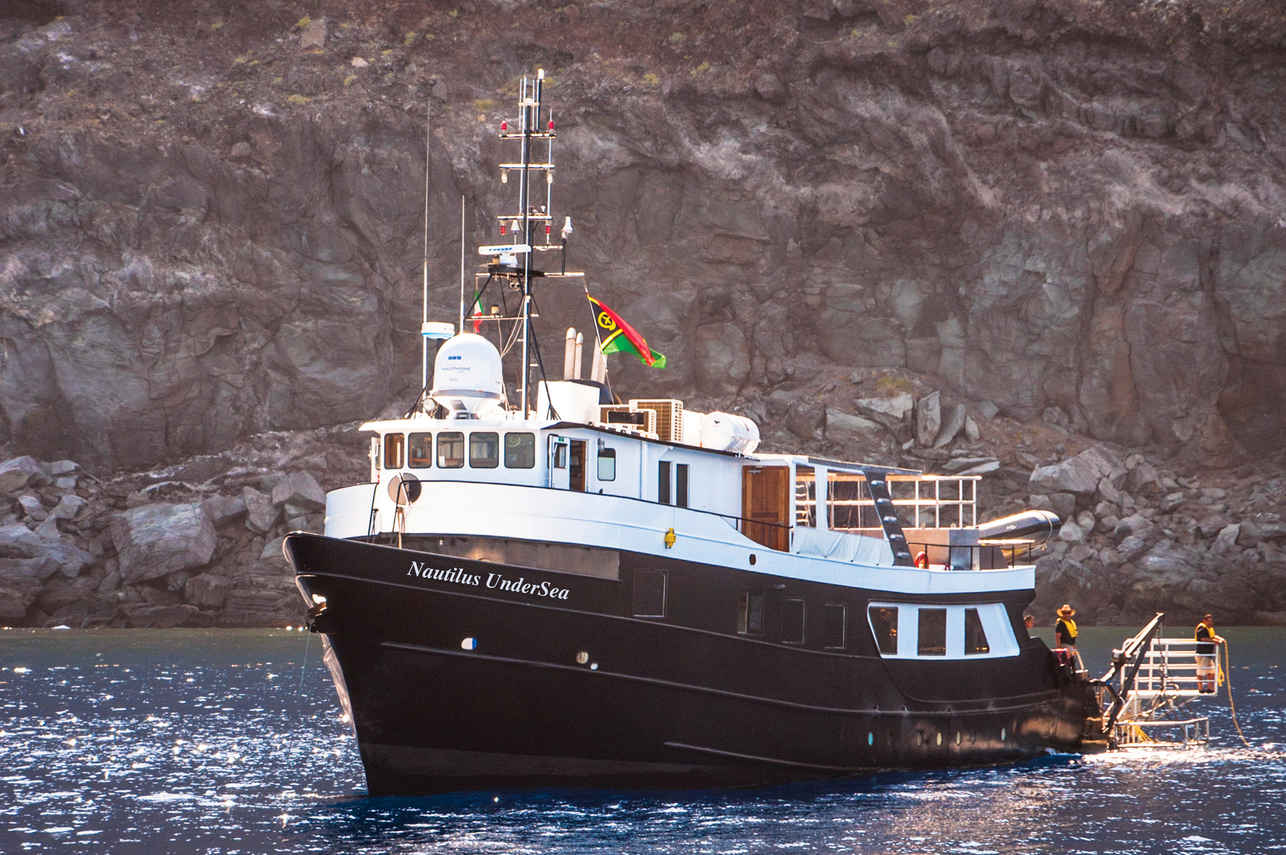
Nautilus Under Sea
Mexico
19 guests32 m
$261/day
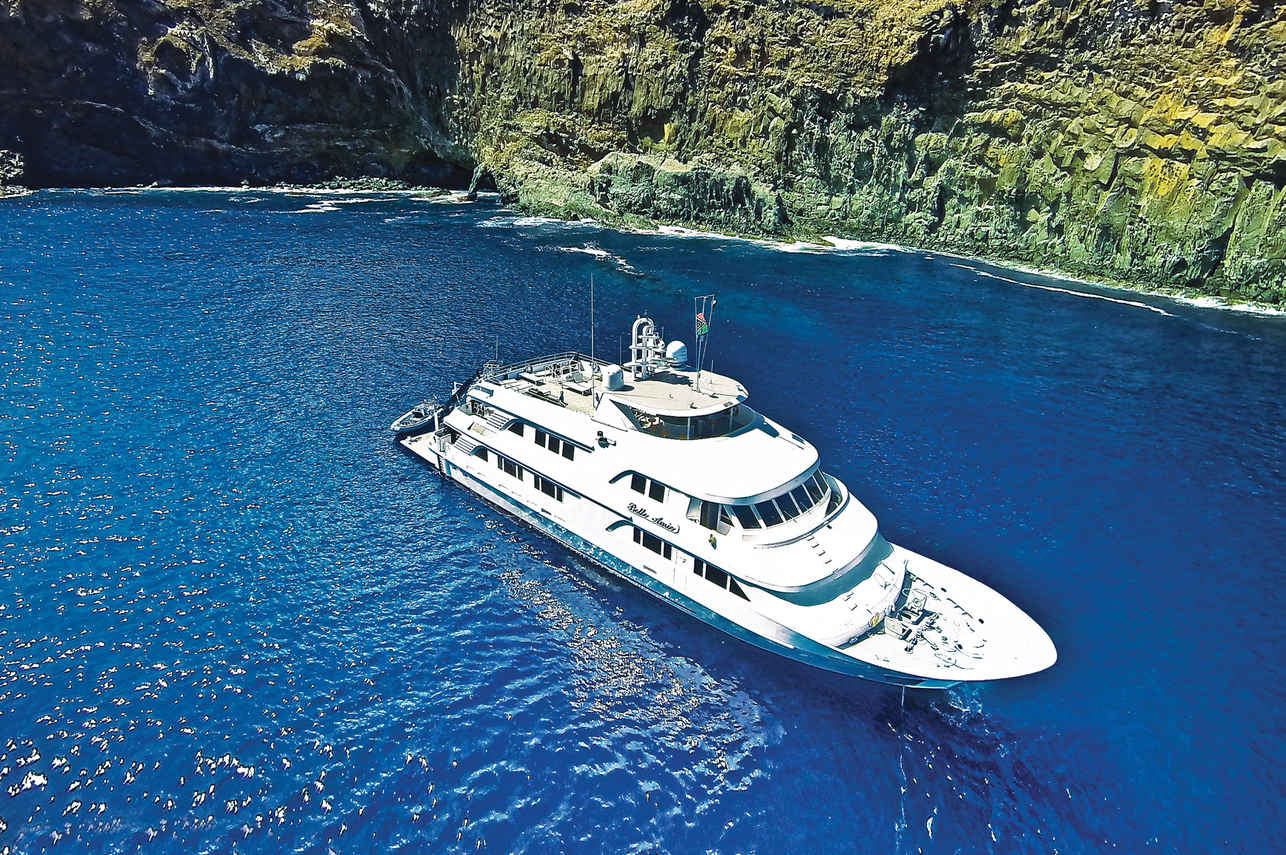
Nautilus Belle Amie
Mexico
32 guests44.8 m
$323/day
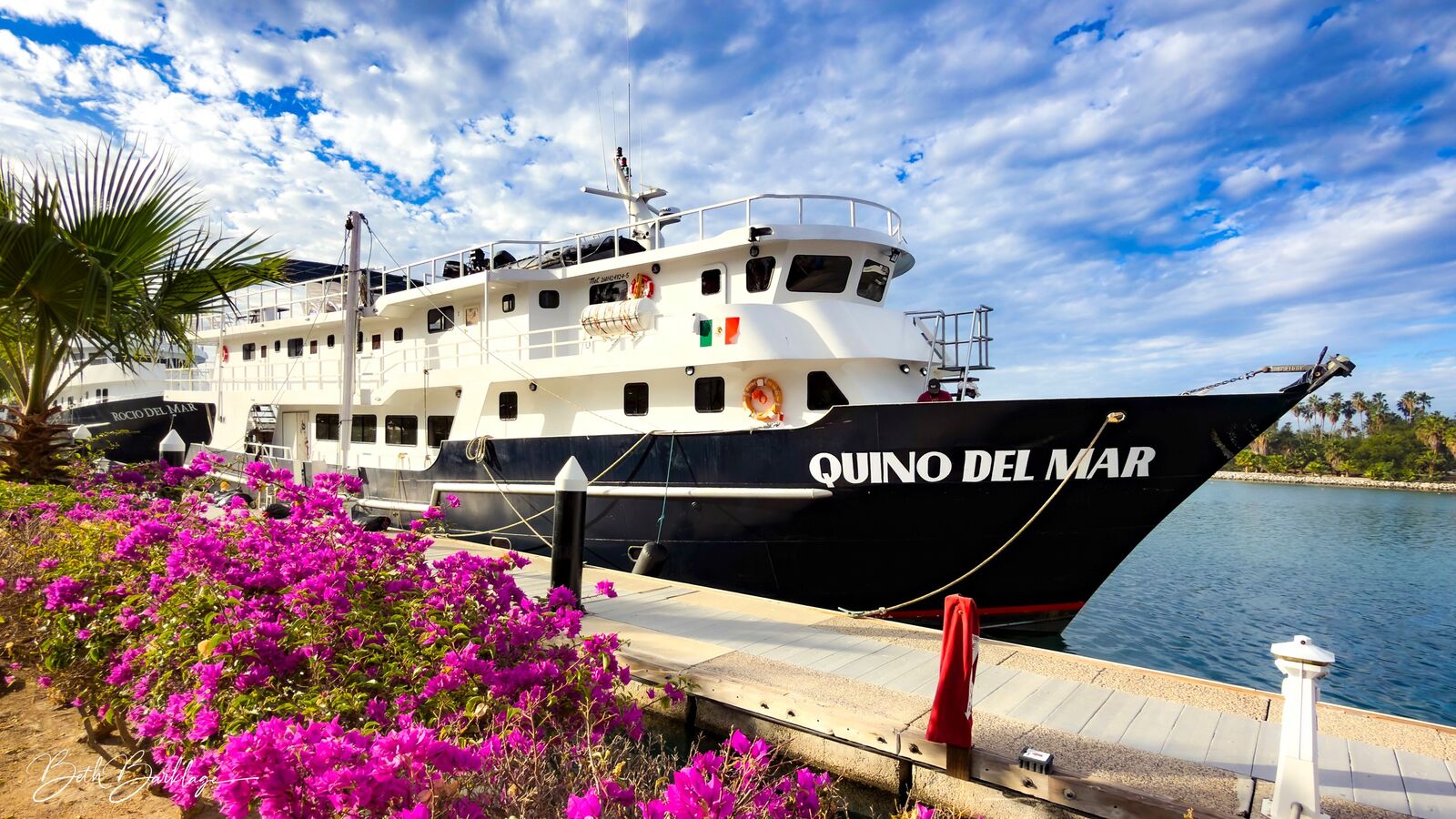
Quino del Mar
Mexico
20 guests36 m
$377/day
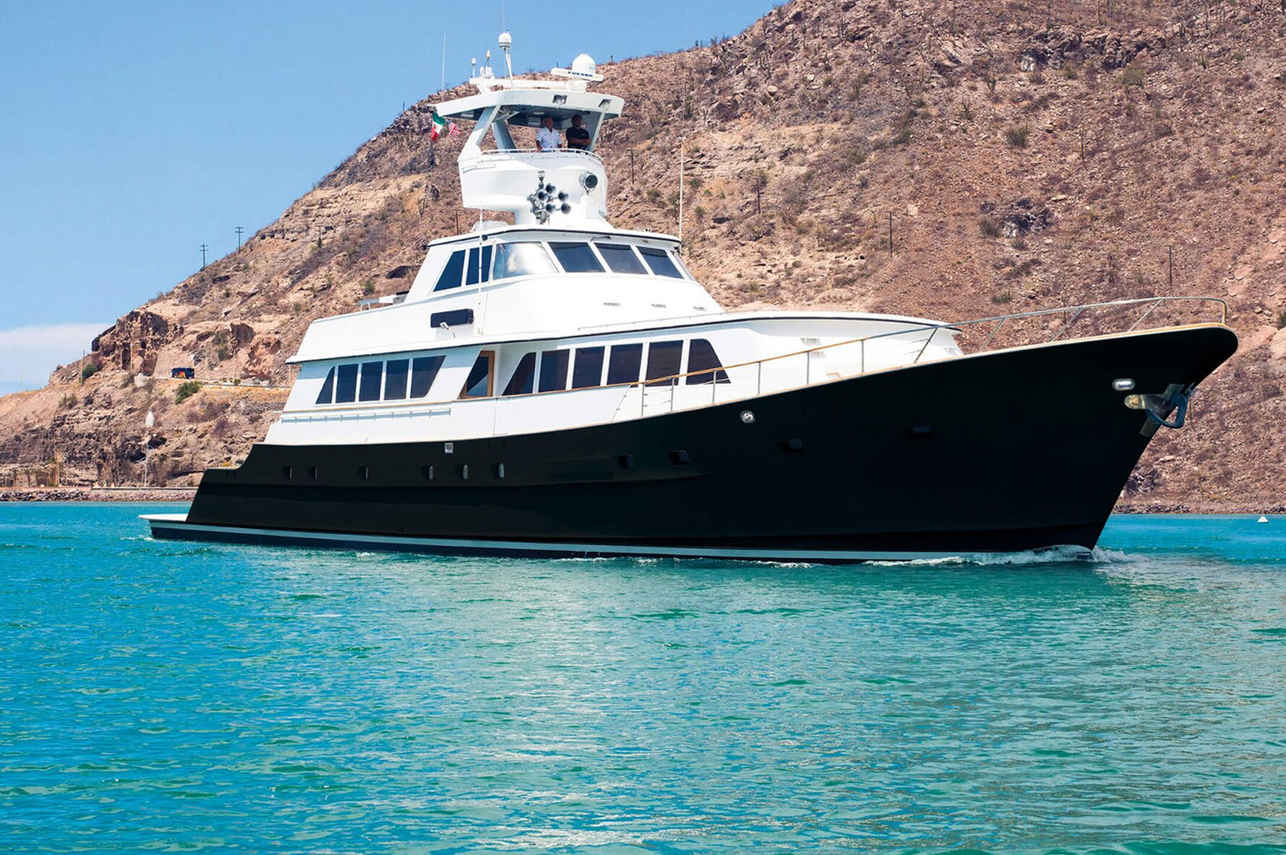
Nautilus Gallant Lady
Mexico
12 guests35.36 m
$332/day
Dive sites similar to Los Arcos - Puerto Vallarta
Same character, same waters — six more sites divers love for the exact same reasons.Compare seasons, access and liveaboard routes — then pick the site that fits your trip best.
© Esri — Maxar, Earthstar, GIS
Elizabeth Bay
Galápagos
Elizabeth Bay, located on the eastern coast of Isabela Island, presents a wide and sheltered marine environment rich in biodiversity.
- Suitable for
- Beginner
- Current
- No current
- Access
- Liveaboard only
- Depth
- 3–20 m
- Theme
- —
© Esri — Maxar, Earthstar, GIS
Floreana - Devil's Crown
Galápagos
Devil's Crown, located off Floreana Island in the Galápagos, is renowned as one of the archipelago's premier diving and snorkeling destinations.
- Suitable for
- Beginner
- Current
- Strong
- Access
- Liveaboard only
- Depth
- 3–15 m
- Theme
- Reef
© Esri — Maxar, Earthstar, GIS
Bajo Negro
Costa Rica
Bajo Negro, or Black Rock, is a captivating dive site located within the Bat Islands in Santa Rosa National Park, off Costa Rica's Pacific coast.
- Suitable for
- Advanced
- Current
- Strong
- Access
- Shore / dayboat
- Depth
- 20–30 m
- Theme
- Pinnacle / Seamount
© Esri — Maxar, Earthstar, GIS
Dos Sombreros
Costa Rica
Dos Sombreros is a renowned dive site located offshore from Playa Flamingo, forming part of the Catalina Islands chain in Costa Rica's North Pacific region.
- Suitable for
- Intermediate
- Current
- Moderate
- Access
- Dayboat
- Depth
- 12–25 m
- Theme
- Pinnacle
© Esri — Maxar, Earthstar, GIS
Pelican Rock
Mexico
Pelican Rock is a renowned dive site located within the Cabo San Lucas Marine Park in Baja California Sur, Mexico, just a few minutes by boat from the marina.
- Suitable for
- Beginner
- Current
- Mild
- Access
- Liveaboard or dayboat
- Depth
- 5–40 m
- Theme
- Wall
© Esri — Maxar, Earthstar, GIS
Isla Montserrat
Mexico
Isla Montserrat is one of the five major islands within the Bahía de Loreto National Park, offering a diverse range of diving opportunities.
- Suitable for
- Intermediate
- Current
- Mild
- Access
- Liveaboard only
- Depth
- —
- Theme
- Reef / Wall