About El Morro
El Morro is acclaimed as one of the best diving locations in the Puerto Vallarta area, situated just beyond the sheltered waters of Banderas Bay. This site is characterized by its dramatic underwater pinnacles and extensive cave systems, formed by volcanic activity extending from the Marietas Islands. Its exposed location means divers often experience dynamic conditions, adding to the thrill of exploring its granite walls and varied topography. The dive site plunges to a maximum depth of 36.6 meters (120.1 feet), making it suitable for experienced divers. Within its depths, divers can discover vibrant invertebrate life covering the cave walls, including sea fans, corals, and sponges. The rock formations and sandy bottoms provide habitat for numerous species of crab, shrimp, and nudibranchs, alongside octopuses. Further out, the open water provides opportunities for encounters with larger marine animals. While reef regulars such as Moorish idols, turtles, bass, grunts, and wrasse are commonly sighted, El Morro is also a known hotspot for pelagic visitors. Oceanic mantas, sailfish, dolphins, and large schools of jacks frequently pass through the area. During certain seasons, there's even a chance to spot whale sharks. The site offers a deep and cavernous dive experience, appealing to those seeking adventure and diverse marine encounters. Diving at El Morro typically involves boat access from Puerto Vallarta or nearby towns, often combined with other sites like Los Anegados. The varying conditions, especially strong currents, necessitate a higher level of diving skill and careful planning. The reward is a truly unique underwater landscape teeming with both macro and pelagic life.
Highlights
Underwater caves and pinnaclesGranite walls with invertebratesOccasional pelagic encountersMoorish idols, turtles, bassCrabs, shrimp, nudibranchs, octopusSchools of jacks, dolphinsOceanic mantas, sailfish
Season calendar
Best months to dive here
Jan
Feb
Mar
Apr
May
Jun
Jul
Aug
Sep
Oct
Nov
Dec
Excellent
Good
Nov – Apr (Peak)
Socorro season open (Nov–May) for giant mantas and hammerheads. Cozumel bull sharks Dec–Mar. Cenotes excellent year-round. Best overall conditions.
May – Oct (Transition & Sea of Cortez)
Socorro closing, Cozumel still good. Whale sharks arrive at Isla Mujeres Jun–Sep. From August, the Sea of Cortez comes alive: Midriff Islands offer massive sea lion colonies and schooling mobulas. September and October bring world-class diving around La Paz and Cabo Pulmo with whale sharks, hammerheads, and bull sharks on the Explore Baja route.
Dive site facts: El Morro
- Depth
- 18–36.6 m
- Current
- Can be strong
- Visibility
- 7–30 m
- Water temperature
- 18–30 °C
- Entry
- Boat
- Level
- Experienced divers only
- Dive type
- Deep, Cave, Reef
- Region / port
- Puerto Vallarta / Banderas Bay
- Coordinates
- 21.7655° N, 97.1903° W
Conditions & Currents
El Morro is located outside the protective embrace of Banderas Bay, which means currents can be strong and variable here. Divers should be prepared for potential drift diving conditions, and good buoyancy control is essential to navigate the pinnacles and cave systems safely. Visibility can range significantly from 7 meters (20 feet) to 30 meters (100 feet), influenced by oceanic conditions and plankton blooms. Water temperatures fluctuate, ranging from 18°C (65°F) to 30°C (86°F), with colder conditions potentially affecting bottom time and requiring thicker exposure suits. Due to these potentially challenging conditions, this site is recommended for experienced divers only, particularly if planning to penetrate the cave, and proper training for such an activity is necessary.
Marine life & sighting chances

Moorish idols
common
Turtles
common
Bass
common
Grunts
common
Wrasse
common
Oceanic mantas
occasional
Sailfish
occasional
Dolphins
occasional
Jacks
common
Crabs
common
Shrimp
common
Nudibranchs
common
Octopus
common
Whale sharks
rareDive profile & how the dive runs
Diving at El Morro typically begins with a boat entry, leading you to the prominent pinnacles that define the site. The dive often involves exploring the main cave system, which lies around 27.4 meters (90 feet) deep, requiring divers to manage their depth carefully. You'll navigate along granite walls adorned with various invertebrates, keeping an eye out for smaller critters like crabs, shrimp, and nudibranchs within crevices. The dive continues by exploring the exterior of the pinnacles, where you might encounter schools of jacks and reef fish, occasionally looking into the blue for larger pelagics. Due to the potential for strong currents and deeper sections, air consumption and no-decompression limits should be closely monitored. The safety stop is typically conducted in the shallower sections around the pinnacles, ensuring a gradual ascent and comfortable decompression.
Underwater photography
El Morro offers diverse photographic opportunities, from wide-angle shots of its impressive pinnacles and cave entrances to macro photography within the cave and along the reef walls. For the dramatic underwater topography and pelagic encounters, a wide-angle lens is recommended. If exploring the caves, consider using a strong primary light and strobes to illuminate the vibrant colors of sea fans, corals, and sponges, which often appear muted at depth. For macro subjects like nudibranchs, crabs, and shrimp, a macro lens with powerful strobes or a snoot will help isolate details in the intricate crevices. Buoyancy control is paramount, especially in confined cave spaces and around delicate invertebrates, to avoid stirring up sediment or damaging the environment.
Combine with nearby dive sites
Getting there & logistics
El Morro is accessible via boat trips primarily departing from Puerto Vallarta, and other towns around Banderas Bay such as Sayulita or Punta Mita. Dive operators typically offer two-tank trips, with El Morro often combined with a second dive at Los Anegados. Boat rides to El Morro can take at least 20 minutes from Punta de Mita. Divers are advised to confirm specific meeting points, which might be a dive center in Sayulita or directly at a marina in La Cruz. Equipment is usually included in the tour price, but any national park fees or transportation to the marina may be extra. Trips are typically day excursions rather than liveaboard specific.
Safety & environment
Diving at El Morro requires careful attention to safety protocols due to potentially strong currents, deep sections, and cave environments. This site is designated for experienced divers only, and those wishing to penetrate the sea cave must have appropriate training. Divers should maintain excellent buoyancy control to prevent contact with fragile marine life and avoid disturbing sediments. The nearest recompression chamber would be in Puerto Vallarta. All divers should ensure they have comprehensive dive insurance that covers emergency evacuations and medical treatment, particularly when diving at advanced sites with overhead environments. Always dive with a reputable operator and a certified guide familiar with the site's unique conditions.
Who it suits, and who it doesn't
Suited for
- Experienced divers seeking challenging conditions
- Divers interested in deep and cave diving
- Photographers looking for diverse macro and wide-angle subjects
- Advanced Open Water certified divers and higher
- Divers seeking pelagic encounters and large schools of fish
Less suited for
- Beginner or Open Water certified divers
- Divers uncomfortable with strong currents
- Those without proper cave diving training for penetration
- Divers with limited buoyancy control
- Individuals seeking shallow, calm, and easy dives
FAQ
El Morro FAQ
What kind of marine life can I expect to see at El Morro?
El Morro is known for a rich variety of marine life, ranging from reef residents to pelagic species. You can commonly spot Moorish idols, turtles, bass, grunts, and wrasse. The site also hosts a vibrant invertebrate community on its granite walls, including crabs, shrimp, nudibranchs, and octopuses. Occasionally, larger visitors like oceanic mantas, sailfish, dolphins, and schools of jacks pass through the area, with rare sightings of whale sharks.
Is El Morro suitable for all levels of divers?
No, El Morro is specifically designated for experienced divers due to its challenging conditions. The site features deep sections, potential strong currents, and underwater caves that require advanced skills. If you plan to explore the cave systems, specialized training for cave diving is also necessary to ensure your safety and enjoyment. Beginner or Open Water certified divers should consider other sites in the Banderas Bay area.
What are the typical diving conditions at El Morro?
Diving conditions at El Morro can be dynamic. The average depth ranges from 18 to 30 meters, with a maximum depth of 36.6 meters. Currents can be strong as the site is outside the protected bay. Visibility typically ranges from 7 to 30 meters, and water temperatures can vary between 18°C and 30°C, depending on the season. Divers should be prepared for cooler water at depth and potential thermoclines.
Are there any specific features like caves or pinnacles at El Morro?
Yes, El Morro is well-known for its impressive underwater topography, including dramatic pinnacles and extensive cave systems. One notable cave is located at approximately 27.4 meters (90 feet) depth, featuring granite walls covered with various invertebrates. These geological formations create a complex and exciting environment for exploration, making it a unique dive site in the region.
How do I get to El Morro and what kind of trip should I expect?
El Morro is typically reached by boat from Puerto Vallarta or nearby coastal towns like Sayulita and Punta Mita. Dive operators usually organize two-tank day trips, often combining El Morro with a second dive at Los Anegados. The boat ride itself can take at least 20 minutes from the closer departure points. It's an offshore site, so be prepared for open-water boat travel and potentially varied surface conditions.
Why dive El Morro from a liveaboard?
El Morro is one of Mexico's signature dive sites. A liveaboard sleeps you on the water and puts you in the water for three to four guided dives per day, including dawn and night dives that day-boat operators rarely offer. You skip the daily commute back to port and reach quieter, less-crowded sites in the same region on a single trip.
Below are the liveaboards that include El Morro on their Mexico itineraries.
Liveaboards diving El Morro
These liveaboards may visit El Morro on selected itineraries, the exact dive sites depend on departure, weather and conditions.
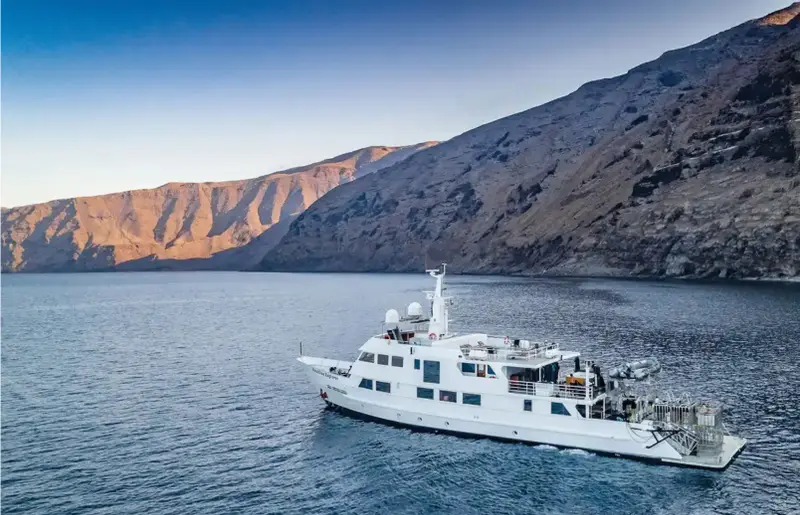
Nautilus Explorer
Mexico
25 guests45 m
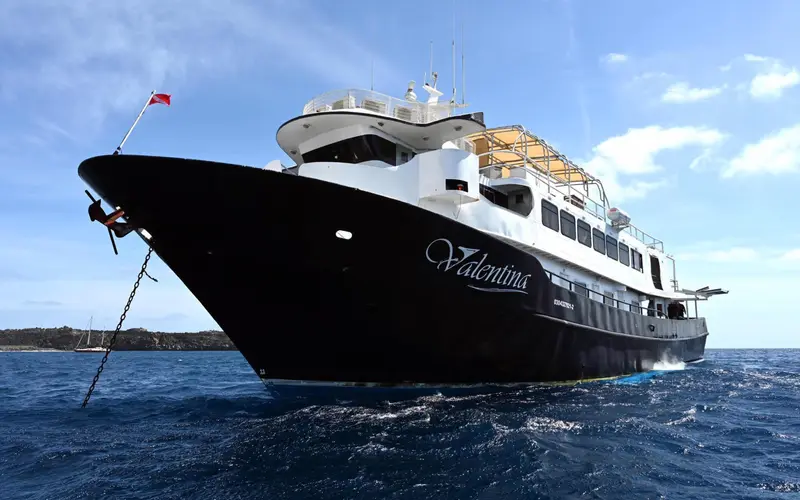
Valentina
Mexico
20 guests38 m
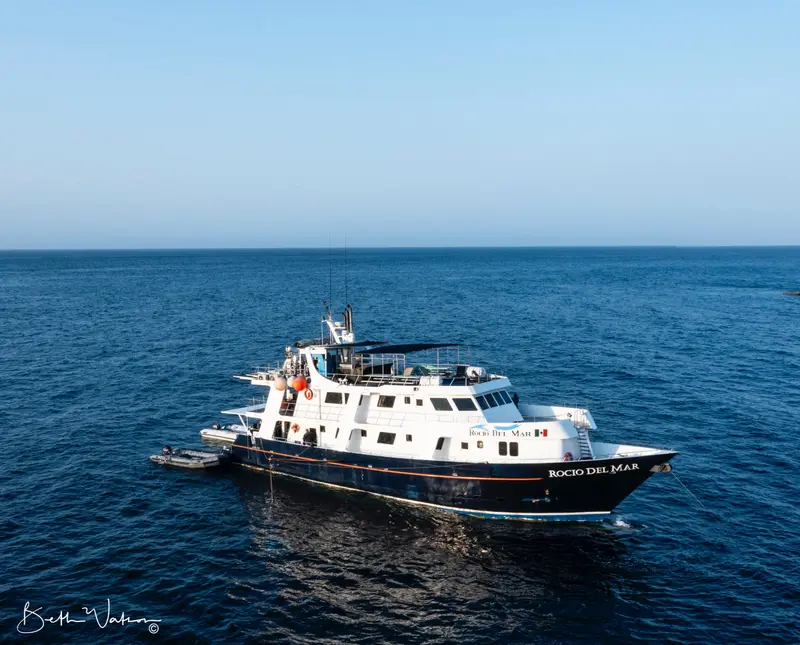
Rocio del Mar
Mexico
20 guests34 m
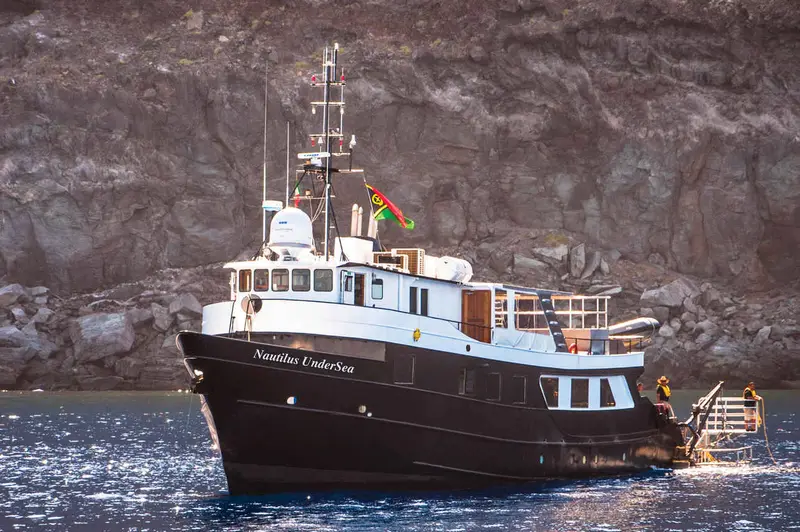
Nautilus Under Sea
Mexico
19 guests32 m
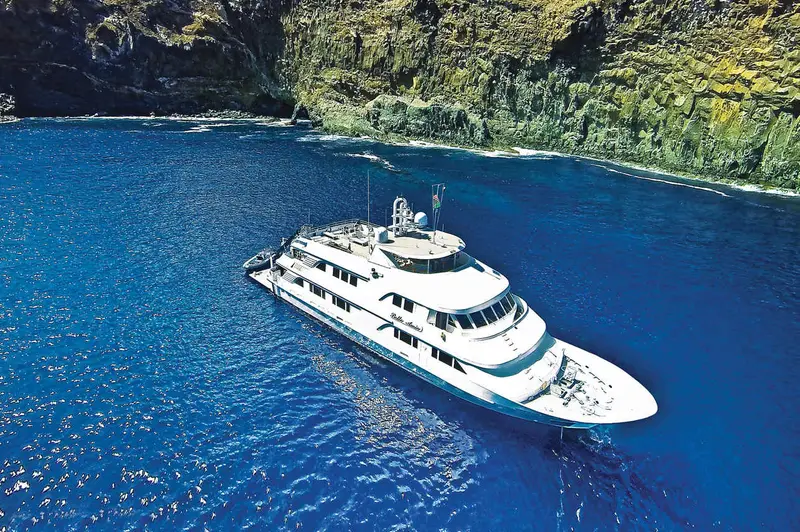
Nautilus Belle Amie
Mexico
32 guests45 m
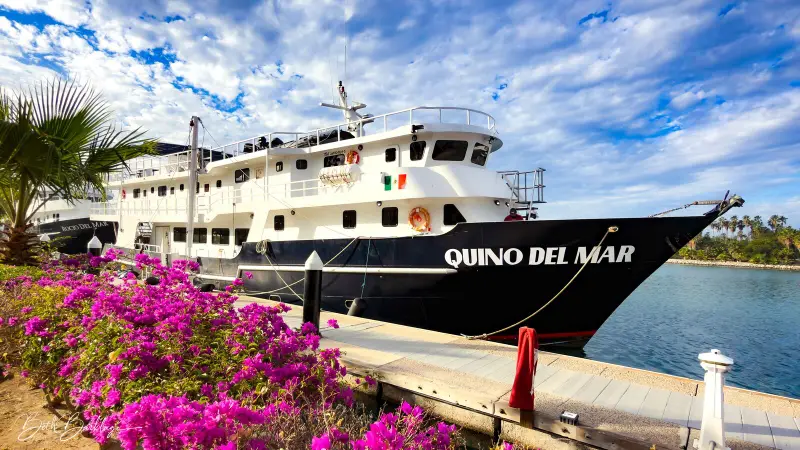
Quino del Mar
Mexico
20 guests36 m
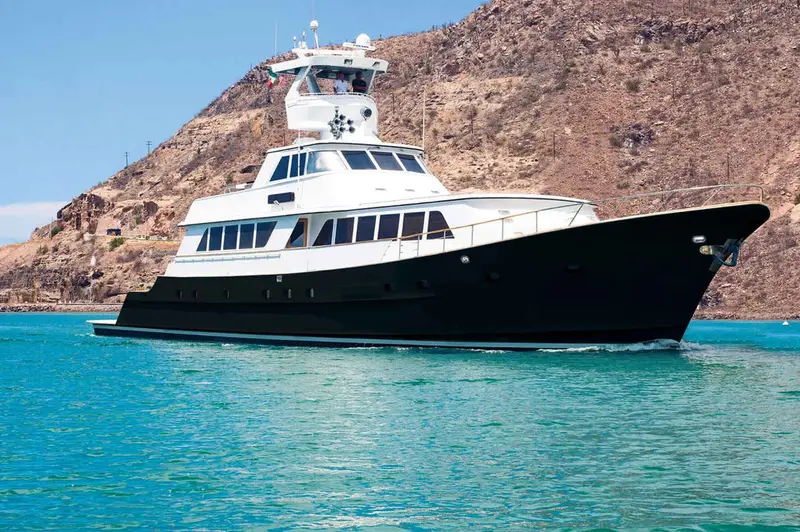
Nautilus Gallant Lady
Mexico
12 guests35 m
Dive sites similar to El Morro
Same character, same waters, six more sites divers love for the exact same reasons.Compare seasons, access and liveaboard routes, then pick the site that fits your trip best.
© EsriMaxar, Earthstar, GIS
3 Fathom Wall
Cayman Islands
3 Fathom Wall is an exciting and fish-filled dive site located in the Cayman Islands, specifically at the intersection of the renowned Bloody Bay Wall.
- Suitable for
- Intermediate
- Current
- Mild
- Access
- Liveaboard only
- Depth
- ≤ 3000 m
- Theme
- Reef
While specific details for a dive site named "3 Riff" are not present in the provided sources, general diving conditions and characteristics for the Dominican Republic…
- Suitable for
- Advanced
- Current
- Mild
- Access
- Dayboat
- Depth
- 30–55 m
- Theme
- Reef
The dive site known as 3 Rocks is located off the coast of Sosúa in Puerto Plata, Dominican Republic, offering an accessible and lively underwater experience.
- Suitable for
- Beginner
- Current
- Mild
- Access
- Dayboat
- Depth
- 2–8 m
- Theme
- Reef
4 Amigos is a notable dive site located in the Bay Islands of Honduras, an area renowned for its extensive Mesoamerican Barrier Reef System, which is the world's second-longest.
- Suitable for
- Intermediate
- Current
- Moderate
- Access
- Liveaboard or dayboat
- Depth
- 9–40 m
- Theme
- Reef
© EsriMaxar, Earthstar, GIS
6 Toed Cat
Mexico
The dive site known as "6 Toed Cat" is not a recognized dive location in Mexico; rather, it refers to the polydactyl felines, many with six toes, that inhabit the Ernest Hemingway Home and Museum in Key West, Florida.
- Suitable for
- Beginner
- Current
- Mild
- Access
- Liveaboard or dayboat
- Depth
- —
- Theme
- Reef
© EsriMaxar, Earthstar, GIS
Aaron's Backyard
Honduras
Aaron's Backyard is a noted dive site within the Roatan Marine Park in Honduras, part of the extensive Mesoamerican Barrier Reef System.
- Suitable for
- Intermediate
- Current
- Moderate
- Access
- Liveaboard or dayboat
- Depth
- 9–40 m
- Theme
- Reef