About Las Marietas Islands
Las Marietas Islands, a volcanic archipelago situated at the mouth of Banderas Bay, are renowned as a nationally protected bird sanctuary and a premier dive destination. Just a short boat trip from Punta de Mita and Sayulita, these islands offer a unique blend of geological formations and thriving marine ecosystems. Formed over thousands of years by volcanic activity, the underwater landscape features caves, arches, and rocky reefs that provide shelter for countless species. Diving here caters to various skill levels, with calm, shallow areas perfect for beginners and more intricate environments for experienced divers. The visibility in Banderas Bay is generally excellent, complemented by warm water temperatures that make for comfortable extended dives. Jacques Cousteau famously recognized the region's rich biodiversity, leading to its nickname as the "world's aquarium." The islands are a haven for colorful tropical fish, rays, and sea turtles, with seasonal sightings of larger pelagics like whale sharks and mobula rays. The diverse marine life thrives amidst healthy coral structures and fascinating rock formations. Dive experiences often involve exploring submerged tunnels and cracks, revealing hidden marine creatures at every turn. A typical dive to Las Marietas involves boat transport from nearby coastal towns, with dive operators often including two immersions and equipment. The proximity to popular tourist hubs like Puerto Vallarta and Sayulita makes it an accessible and highly sought-after location for both scuba diving and snorkeling enthusiasts.
Highlights
Volcanic rock formationsNationally protected bird sanctuaryDiverse tropical fishSea turtlesManta raysUnderwater caves and archesJacques Cousteau's "world's aquarium"Hidden Beach
Season calendar
Best months to dive here
Jan
Feb
Mar
Apr
May
Jun
Jul
Aug
Sep
Oct
Nov
Dec
Excellent
Good
Dive site facts: Las Marietas Islands
- Depth
- 10–30 ft (3–9 m) in beginner areas
- Current
- Mild
- Visibility
- 10–40 ft (3–12 m)
- Water temperature
- 72–78°F (22–26°C)
- Entry
- Boat
- Level
- Beginner to advanced
- Dive type
- Reef, cave, geological
- Region / port
- Puerto Vallarta / Nayarit
- Coordinates
- 20.699, -105.565
Conditions & Currents
Currents around Las Marietas Islands are typically gentle, particularly in areas favored by beginner divers, contributing to a calm and manageable diving environment. However, conditions can vary, and divers should be prepared for moderate swells, especially when traversing between dive sites or during surface intervals. Visibility is generally excellent, often reaching up to 25 meters, but may experience temporary dips during certain seasons, such as plankton blooms attracting whale sharks. The warm water temperatures throughout much of the year reduce the risk of thermoclines, ensuring comfortable diving conditions for extended periods. Dive operators usually provide boat transport to and from the sites, often including two immersions, making entry and exit via boat standard procedure.
Marine life & sighting chances
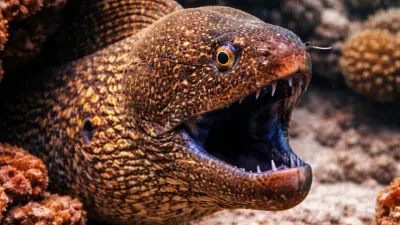
Moray eels
November · common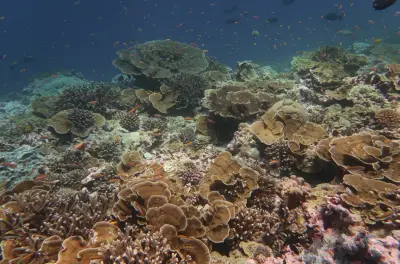
Tropical fish
November · common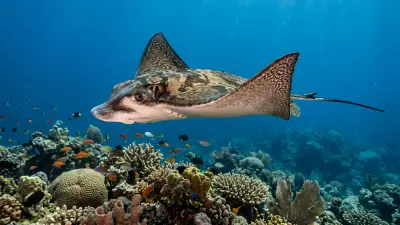
Rays
November · common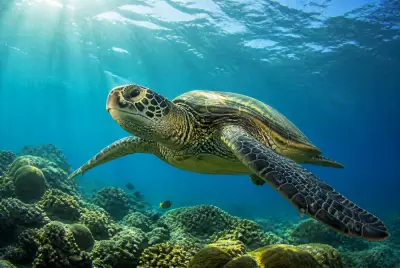
Sea turtles
common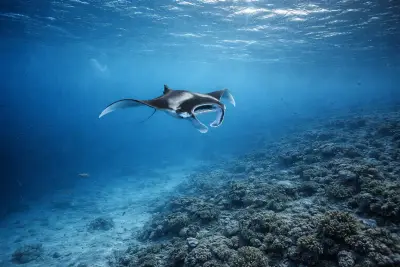
Manta rays
July-September · occasional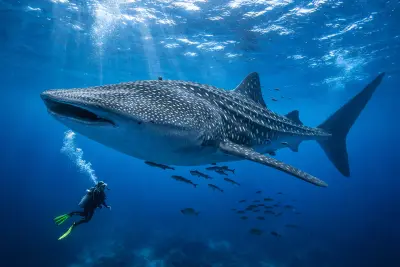
Whale sharks
October-December · occasional
Dolphins
Winter · occasional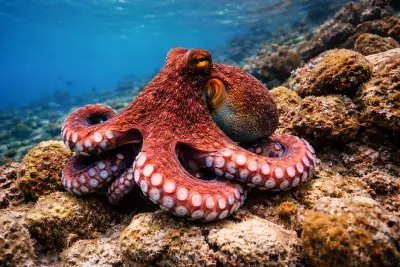
Octopus
occasional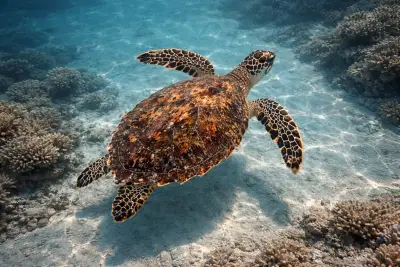
Hawkbill Turtle
occasional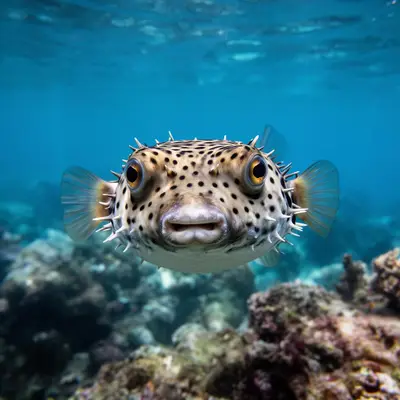
Pufferfish
commonDive profile & how the dive runs
Dives at Las Marietas Islands typically begin with a boat entry from a nearby port, often incorporating two immersions. For many spots, a direct descent allows you to explore rocky reefs and shallow underwater caves. Beginner-friendly areas offer calm, shallow waters, often ranging from 10 to 30 feet, ideal for practicing buoyancy and observing tropical fish. More advanced divers might explore deeper crevices and arches formed by the volcanic activity, moving along the natural contours of the islands. The route often involves circumnavigating a specific rock formation or exploring a cluster of submerged rocks. Turn points are typically guided by gas consumption and bottom time limits, with a slow ascent following the natural slope or a direct line. Safety stops are conducted at 15 feet (5 meters) for three minutes, often near the boat, before surfacing.
Underwater photography
Las Marietas Islands offer excellent opportunities for underwater photography, particularly for wide-angle shots due to the dramatic volcanic formations, clear waters, and abundant schooling fish. A wide-angle lens is ideal for capturing the grandeur of underwater arches, caves, and the overall reef ecosystem. When photographing the diverse marine life, from colorful tropical fish to sea turtles and rays, consider using an external strobe to enhance colors and reduce backscatter, especially in areas where ambient light might be limited within caves or under overhangs. Given the potentially moderate swells, maintaining good buoyancy control is crucial for stable shots. Be mindful of marine park regulations and marine life etiquette, avoiding any disturbance to the animals or their habitat. Capturing images of the unique topography alongside the vibrant fish life will produce compelling results.
Combine with nearby dive sites
- Los Arcos
Known for its marine park and rock formations.
- El Morro
Offers underwater caves and rocky reefs with diverse fish.
- Isla Isabel
Isla Isabel, a jewel within Mexico's Revillagigedo Archipelago, is a prime destination for divers seeking encounters with large pelagic…
- Salvatierra Wreck
The Salvatierra Wreck offers an intriguing dive into history within the vibrant Sea of Cortez, off the coast of La Paz, Mexico.
- El Bajo Seamount
El Bajo Seamount, also known as Marisla Seamount, is a world-class advanced dive site located off La Paz in the Sea of Cortez.
Getting there & logistics
Access to Las Marietas Islands typically involves flying into Puerto Vallarta International Airport (PVR). From there, you can travel to coastal towns like Punta de Mita, Sayulita, or La Cruz de Huanacaxtle, which serve as common departure points. Dive trips are usually day excursions, lasting around 4 hours and including boat transport and two dives. Some tours may also include visits to the famous Hidden Beach. Evidence of dive certification is required, and participants must complete a health questionnaire before diving. It's important to note that diving within 48 hours of flying is not recommended.
Safety & environment
Diving at Las Marietas Islands requires adherence to standard dive safety protocols. All divers must present valid certification and complete a health questionnaire, as certain pre-existing medical conditions may preclude diving. It is strongly recommended to have comprehensive dive insurance that covers emergency medical treatment and evacuation. The nearest recompression chamber would be in Puerto Vallarta, and evacuation procedures would depend on the nature of the emergency and sea conditions. Divers should always dive with an experienced guide, maintain proper buoyancy control, and respect marine park regulations. Awareness of boat traffic is essential during surface intervals and ascents. It is also advised to avoid diving within 48 hours of air travel.
Who it suits — and who it doesn't
Suited for
- Beginner divers seeking calm, shallow waters
- Divers interested in volcanic topography and caves
- Underwater photographers targeting wide-angle shots
- Bird watchers and marine life enthusiasts
- Those seeking a combination of diving and snorkeling
Less suited for
- Divers seeking extreme deep wall or wreck diving
- Those uninterested in birdlife or protected areas
- Divers with poor cardiovascular health
- Individuals sensitive to moderate boat swells
- Infants or pregnant travelers
FAQ
Las Marietas Islands FAQ
What kind of marine life can I expect to see at Las Marietas Islands?
Las Marietas Islands are rich in marine biodiversity, offering sightings of colorful tropical fish, moray eels, and various rays. You can also frequently encounter sea turtles. Seasonally, divers might spot larger pelagics like manta rays and even whale sharks, making every dive a unique experience.
Are the Marietas Islands suitable for beginner divers?
Yes, Las Marietas Islands feature several shallow, calm areas that are excellent for beginner divers. These spots allow new divers to build confidence and practice their skills in a safe and vibrant underwater environment, with depths often ranging from 10 to 30 feet.
What are the typical water conditions for diving at Las Marietas?
The waters around Las Marietas Islands are generally warm, with temperatures ranging from 72-78°F (22-26°C), particularly during the peak season. Visibility is often very good, sometimes exceeding 25 meters, though it can vary. Currents are typically mild, making for comfortable dives.
Can I visit the Hidden Beach during a dive trip to Las Marietas?
Many tours to Las Marietas Islands offer a combination of diving and a visit to the famous Hidden Beach, a unique crater beach accessible by swimming through a cave. However, access to the Hidden Beach can be restricted due to tides or conservation efforts, so it's best to confirm with your tour operator.
What gear is recommended for diving at Las Marietas Islands?
Given the warm water temperatures, a 3mm or 5mm wetsuit is usually sufficient for comfort. Some divers, especially in cooler months, might prefer a 7mm wetsuit. All essential dive equipment is typically provided by tour operators, but bringing your own mask and fins for comfort is always a good idea.
Why dive Las Marietas Islands from a liveaboard?
Las Marietas Islands is one of Mexico's signature dive sites. A liveaboard sleeps you on the water and puts you in the water for three to four guided dives per day, including dawn and night dives that day-boat operators rarely offer. You skip the daily commute back to port and reach quieter, less-crowded sites in the same region on a single trip.
Below are the liveaboards that include Las Marietas Islands on their Mexico itineraries.
Liveaboards diving Las Marietas Islands
These liveaboards may visit Las Marietas Islands on selected itineraries — the exact dive sites depend on departure, weather and conditions.
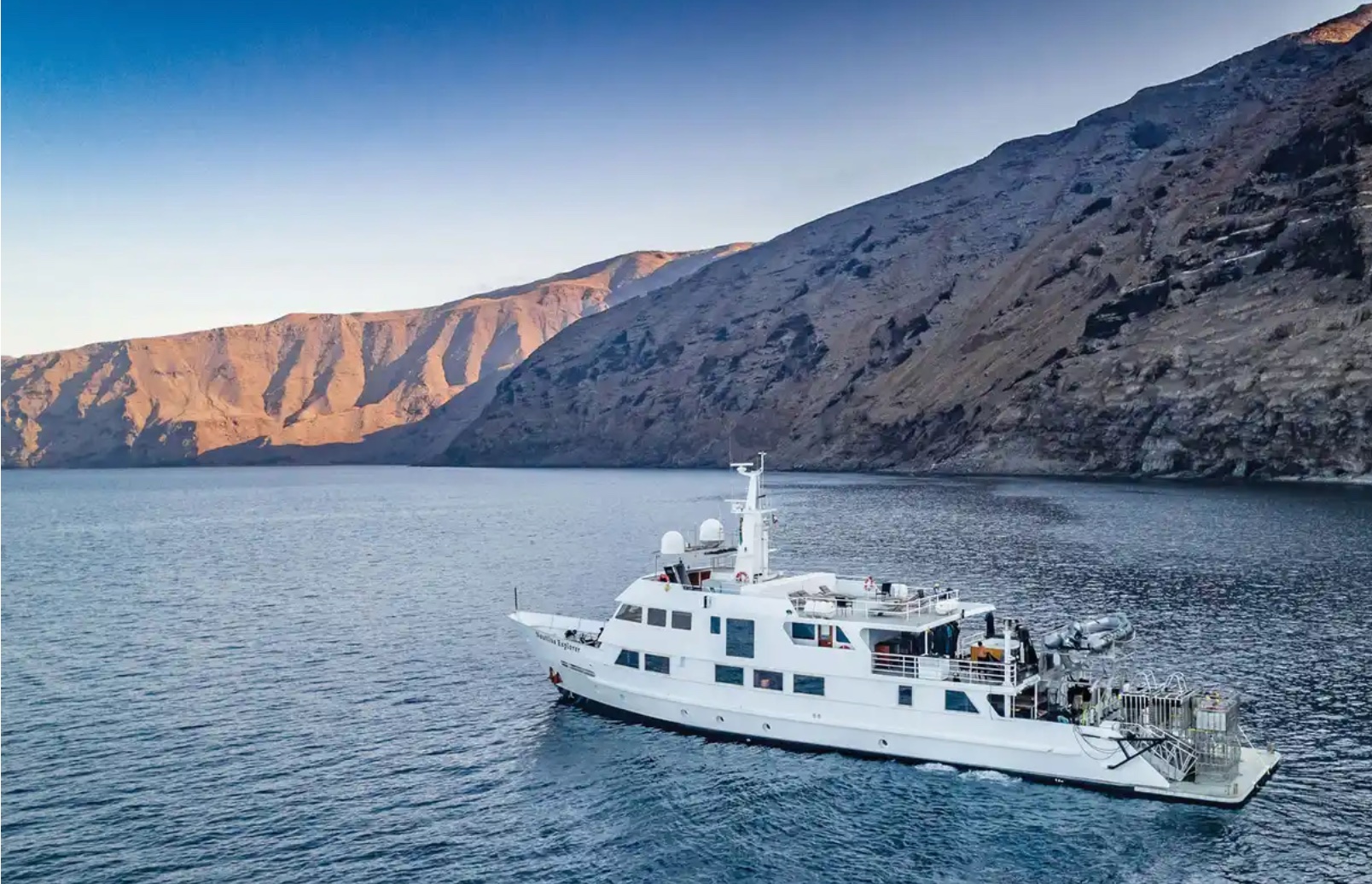
Nautilus Explorer
Mexico
25 guests44.8 m
$230/day
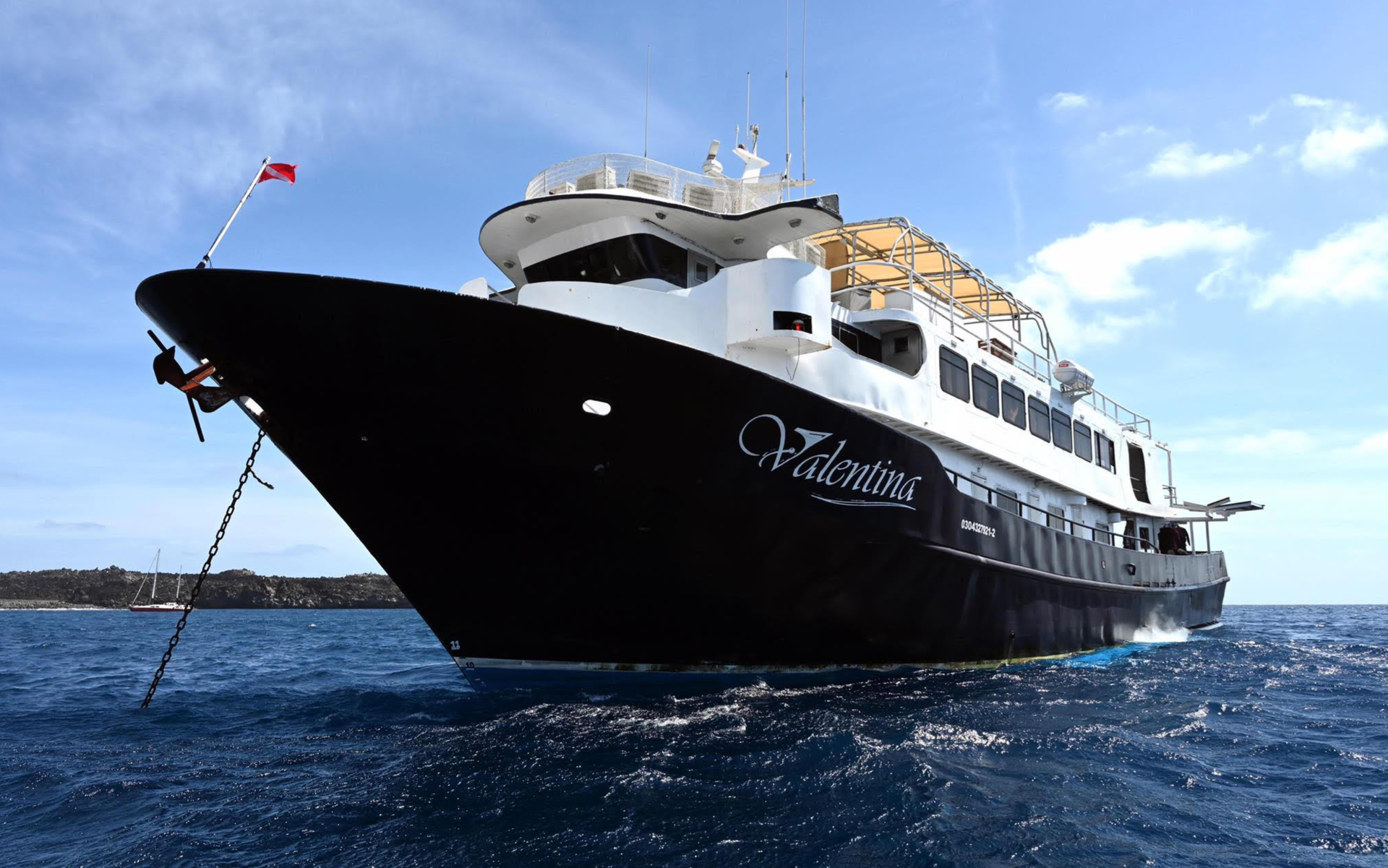
Valentina
Mexico
20 guests38.1 m
$430/day
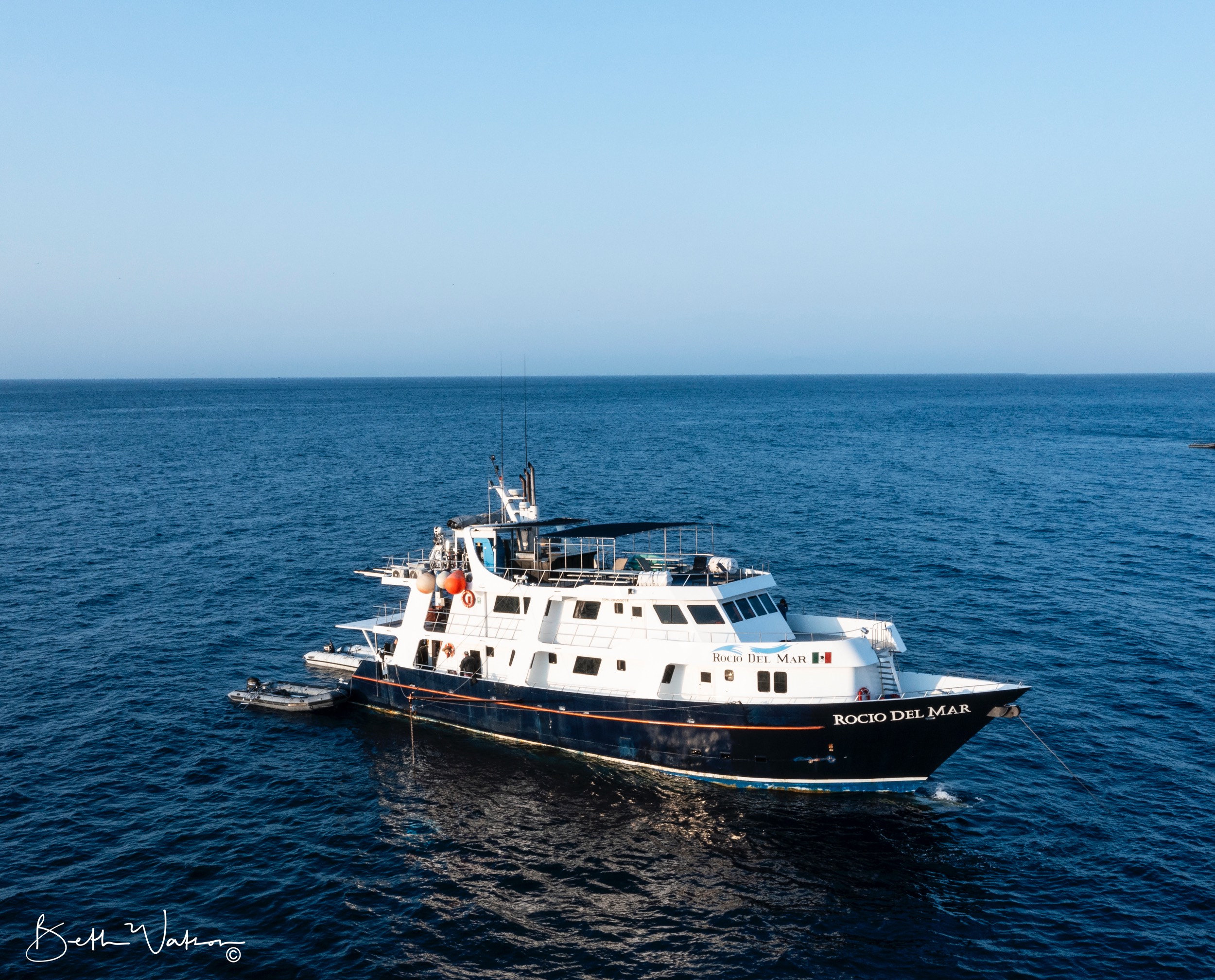
Rocio del Mar
Mexico
20 guests33.5 m
$392/day
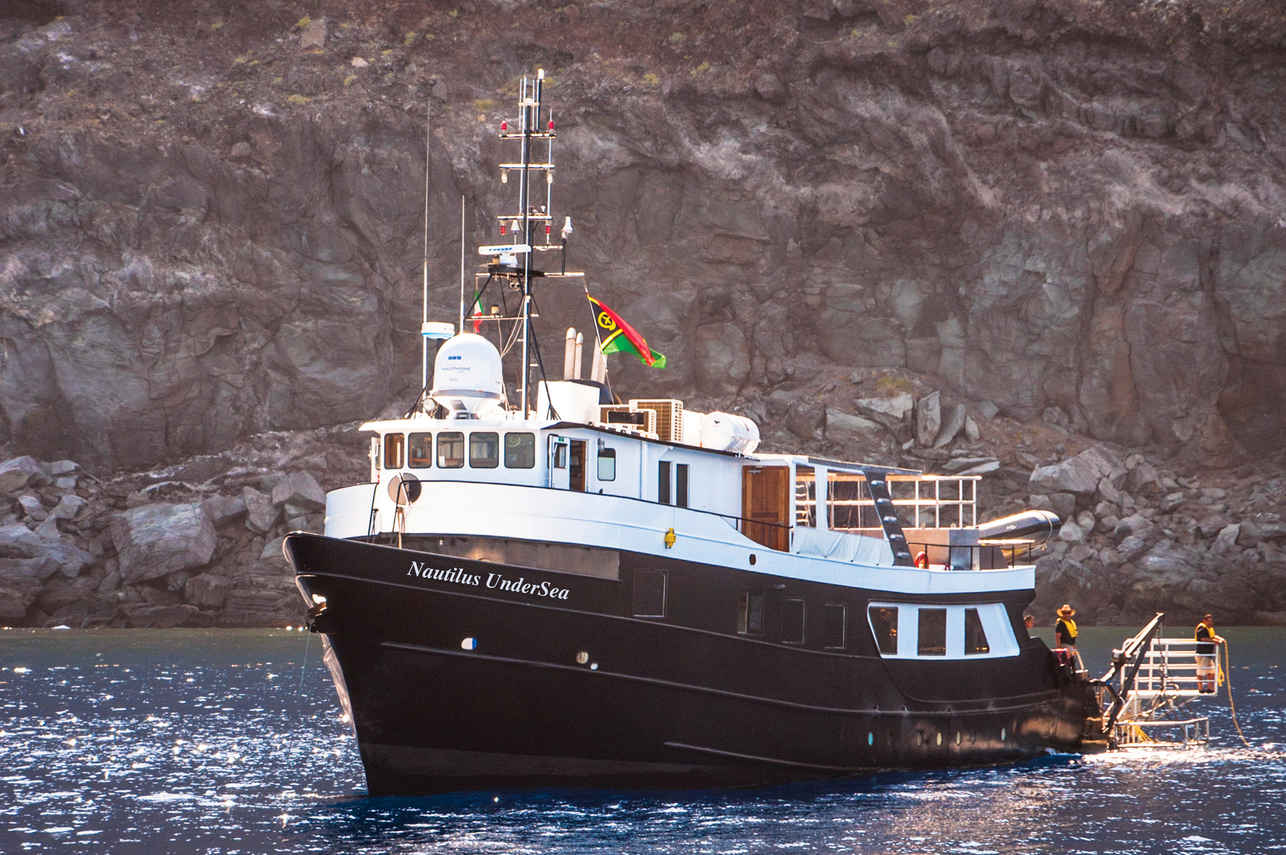
Nautilus Under Sea
Mexico
19 guests32 m
$261/day
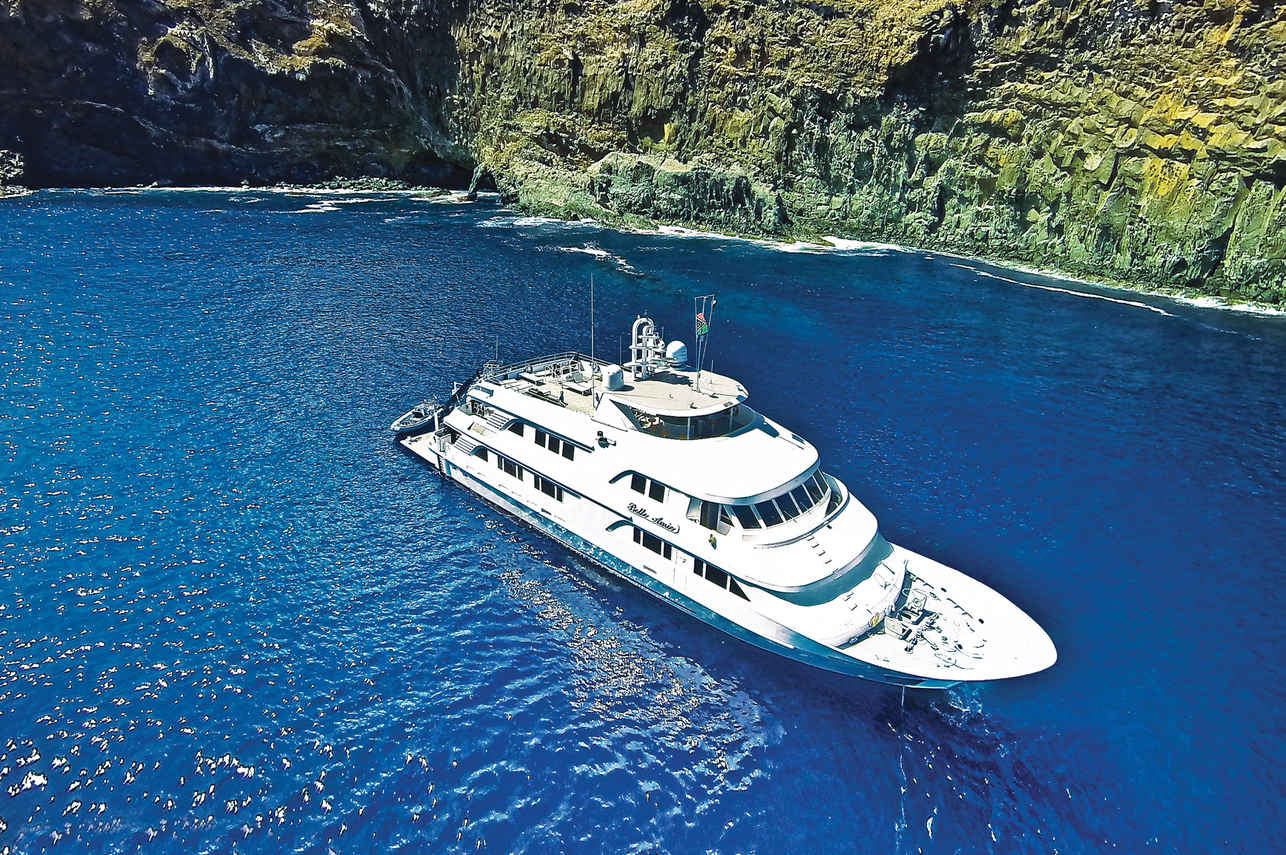
Nautilus Belle Amie
Mexico
32 guests44.8 m
$323/day
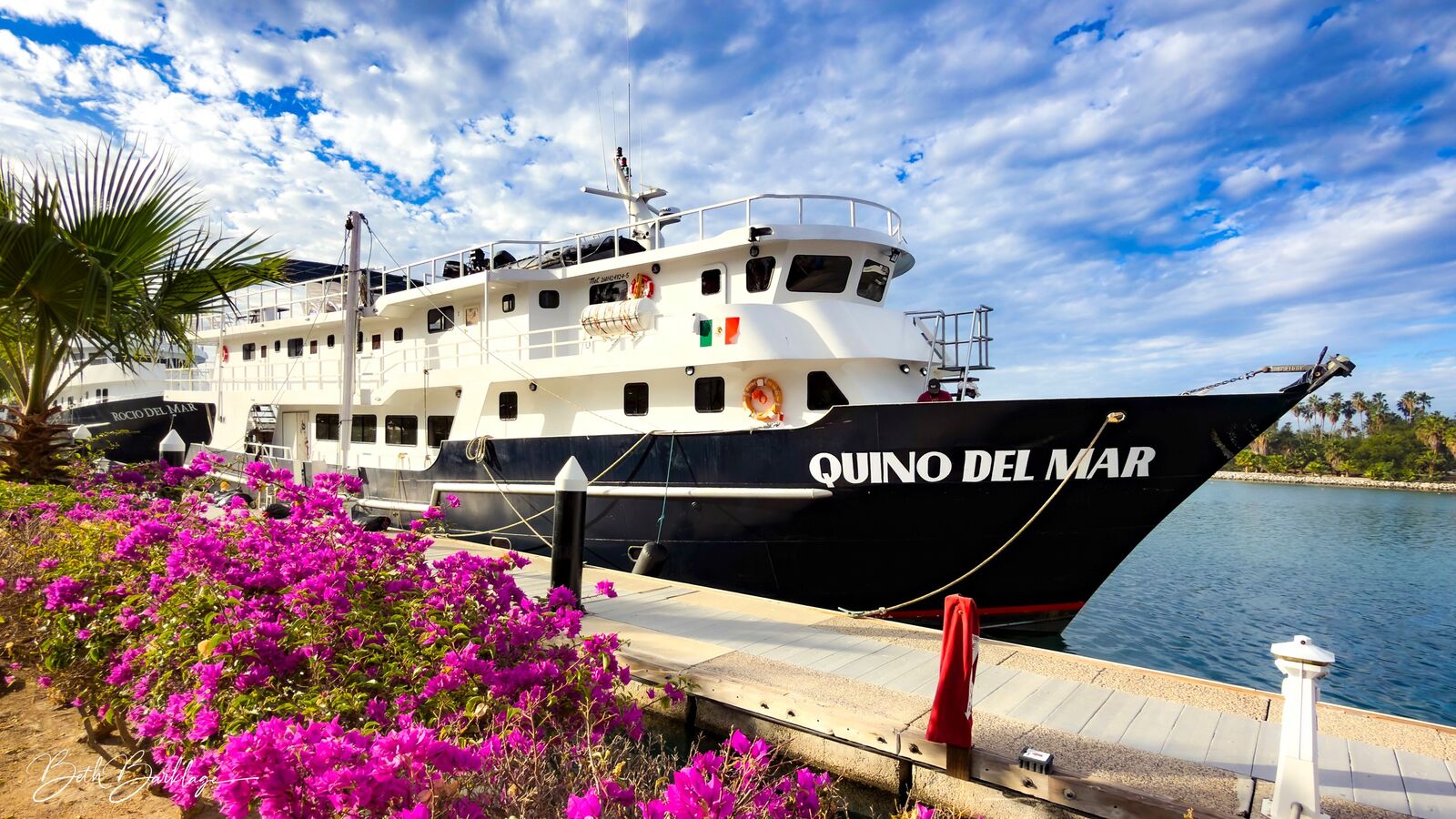
Quino del Mar
Mexico
20 guests36 m
$377/day
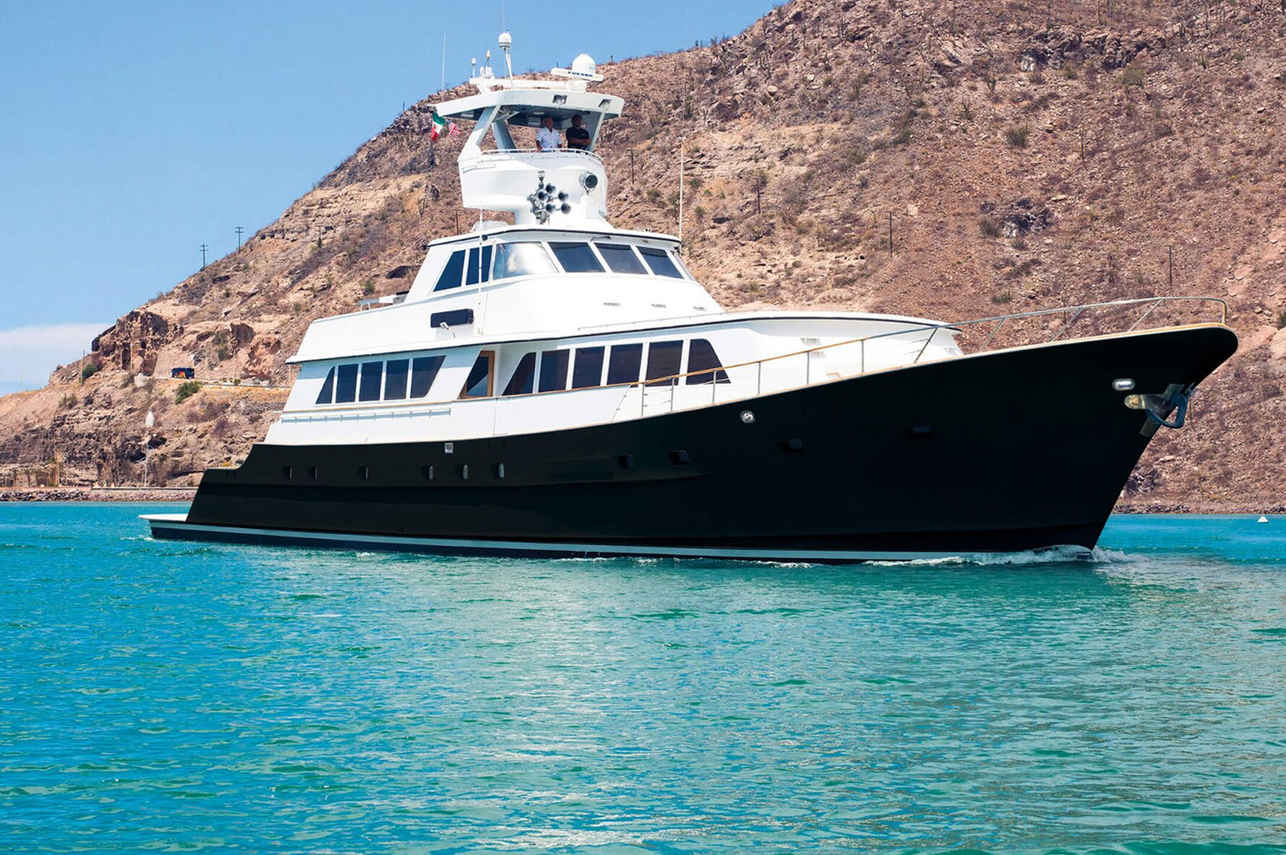
Nautilus Gallant Lady
Mexico
12 guests35.36 m
$332/day
Dive sites similar to Las Marietas Islands
Same character, same waters — six more sites divers love for the exact same reasons.Compare seasons, access and liveaboard routes — then pick the site that fits your trip best.
© Esri — Maxar, Earthstar, GIS
Tak Be Luum
Mexico
Cenote Tak Be Luum, located in the Mexican state of Quintana Roo, is an exceptional cavern dive that forms part of the vast Sac Actun underwater cave system, one of the world's largest.
- Suitable for
- Advanced
- Current
- No current
- Access
- Shore / dayboat
- Depth
- 4–9 m
- Theme
- Reef
© Esri — Maxar, Earthstar, GIS
Neptune's Finger
Mexico
Neptune's Finger is a renowned dive site located in Cabo San Lucas, Mexico, at the southern tip of the Baja California Peninsula.
- Suitable for
- Beginner
- Current
- Mild
- Access
- Liveaboard or dayboat
- Depth
- 4–152 m
- Theme
- Reef
© Esri — Maxar, Earthstar, GIS
Majahuitas
Mexico
Majahuitas is a pristine and secluded cove located on the southern coast of Banderas Bay, near Puerto Vallarta, Mexico.
- Suitable for
- Beginner
- Current
- Mild
- Access
- Dayboat
- Depth
- 8–14 m
- Theme
- Reef
La Poza is a remarkable dive site located in Xcalak, a serene fishing village situated on Mexico's Caribbean coast, near the Belize border.
- Suitable for
- Advanced
- Current
- Mild
- Access
- Shore / dayboat
- Depth
- 20–25 m
- Theme
- Reef
© Esri — Maxar, Earthstar, GIS
North Wall
Mexico
North Wall is a prominent dive site situated within the protected Cabo San Lucas Marine Park, just a short ten-minute boat journey from the Marina.
- Suitable for
- Beginner
- Current
- No current
- Access
- Liveaboard or dayboat
- Depth
- 5–21 m
- Theme
- Reef
© Esri — Maxar, Earthstar, GIS
Siete Bocas
Mexico
Cenote Siete Bocas, meaning "Seven Mouths," is a unique cavern dive site nestled along the Ruta de los Cenotes near Puerto Morelos in Mexico's Riviera Maya.
- Suitable for
- Intermediate
- Current
- No current
- Access
- Shore / dayboat
- Depth
- ≤ 30 m
- Theme
- Reef