About Isla Isabel
Isla Isabel, a jewel within Mexico's Revillagigedo Archipelago, is a prime destination for divers seeking encounters with large pelagic species. This UNESCO World Heritage Site, located 250 miles off the Baja California coast, consists of volcanic peaks that rise from the Pacific, creating a unique sanctuary for marine life. While coral reefs are less prominent here, the sheer abundance and diversity of large marine animals more than compensate, offering an immersive experience. Dives at Isla Isabel typically unfold in open, blue waters, characterized by deep drop-offs and seamounts where marine life congregates. Depths range considerably, accommodating various dive profiles. The focus is often on observing the vast pelagic ecosystem rather than intricate reef structures, allowing divers to concentrate on the movements of large schools and individual apex predators. Divers frequently encounter oceanic manta rays, which are known for their close approaches to divers. Schools of hammerhead sharks, as well as Galapagos, silky, whitetip reef, silvertip, and blacktip sharks, are common sights. Playful dolphins often interact with divers, and during certain seasons, humpback whales are present, filling the water with their songs. Other large fish like tuna, wahoo, and jacks form massive schools, creating spectacular displays. Liveaboard trips to Isla Isabel usually involve multi-day journeys, with divers typically performing three to four dives per day. While currents can be present, dive plans are adjusted by experienced staff to ensure safety and optimal viewing conditions. The diving here is suitable for intermediate to advanced divers comfortable with deep water and pelagic encounters.
Highlights
Oceanic manta ray encountersSchooling hammerhead sharksGalapagos and silvertip sharksPlayful dolphin interactionsHumpback whale songsMassive schools of jacksVolcanic underwater topographyUNESCO World Heritage Site
Season calendar
Best months to dive here
Jan
Feb
Mar
Apr
May
Jun
Jul
Aug
Sep
Oct
Nov
Dec
Excellent
Good
Dive site facts: Isla Isabel
- Depth
- 5–30 m
- Current
- Mild to moderate
- Visibility
- 15–30 m
- Water temperature
- 21–29°C
- Entry
- Boat / tender
- Level
- Open Water Diver, drift experience beneficial
- Dive type
- Reef, pelagic, volcanic topography
- Region / port
- Nayarit, Mexico (near San Blas)
- Coordinates
- 21.85, -105.88
Conditions & Currents
Currents around Isla Isabel can be variable, ranging from mild to moderate depending on the specific dive site and tidal conditions. Divers should expect drift diving opportunities, where the current aids in covering larger areas of the reef with minimal effort. A thorough pre-dive briefing will detail the expected current direction and strength, along with designated entry and exit points for the boat. Maintaining good buoyancy control is crucial for conserving energy and safely navigating with the current. While thermoclines can occur, especially in deeper areas or during transitional seasons, surface temperatures remain generally warm during peak diving months. Visibility is typically good to excellent, often exceeding 20 meters, though plankton blooms can occasionally reduce it, particularly during periods of increased marine life activity. Diver separation is a potential concern in
Marine life & sighting chances
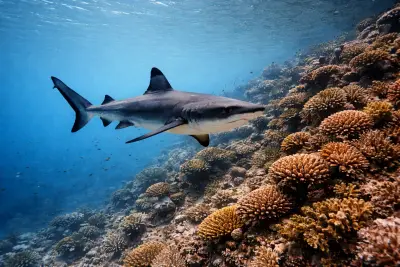
Blacktip Reef Shark
occasional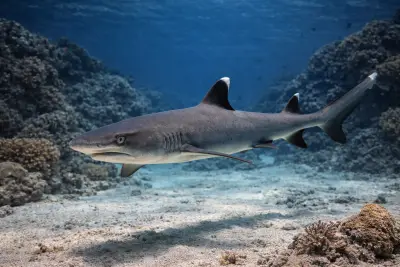
Whitetip Reef Shark
occasional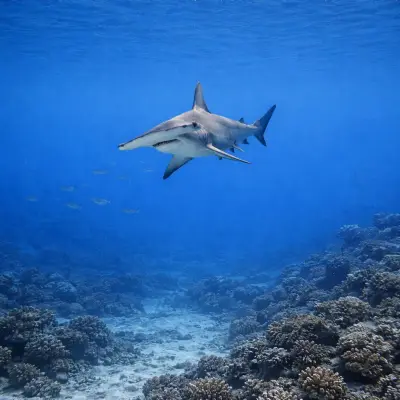
Hammerhead Shark
April–May · occasional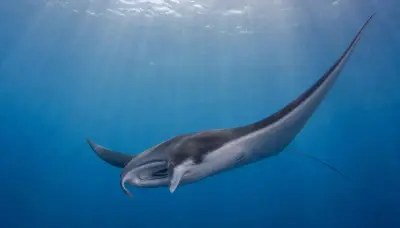
Mobula Ray
April–September · common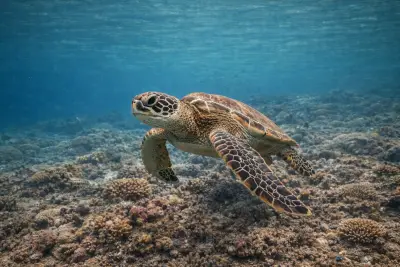
Green Sea Turtle
common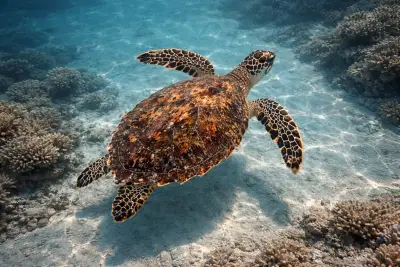
Hawksbill Sea Turtle
occasional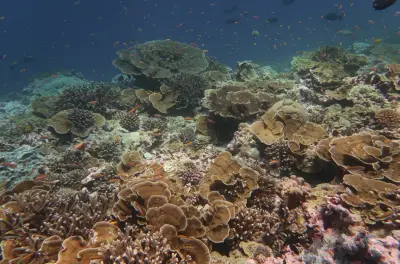
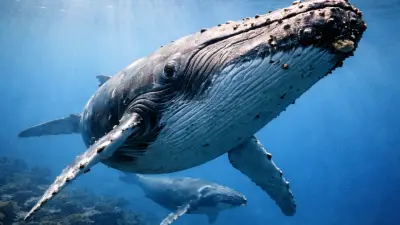
Humpback Whale
December–March · rare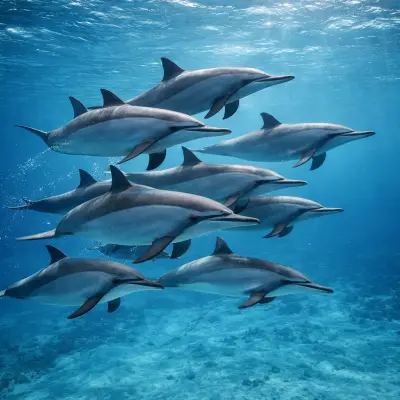
Dolphin
occasional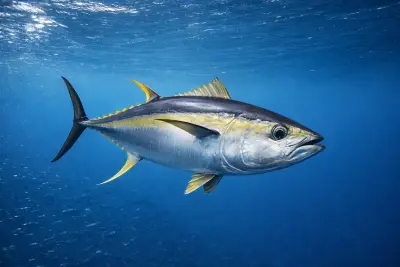
Yellowfin Tuna
April–May · occasionalDive profile & how the dive runs
Entry is typically a giant stride from a panga, directly into the water. Upon descent, divers usually follow the guide along the reef formations, often allowing the current to assist in covering distance. Depths will vary, starting shallower around 5-10 meters to explore coral gardens and gradually descending to deeper volcanic structures, potentially reaching 25-30 meters. The dive typically involves a circular or linear path, depending on the current and topography, with the guide navigating towards key points of interest. Turn points are determined by air consumption and bottom time limits. The safety stop is usually performed in the blue, drifting with the current, while waiting for the boat to pick up divers via visual cues and surface markers. Communication with the boat crew is essential throughout the dive.
Underwater photography
Isla Isabel offers excellent opportunities for both wide-angle and macro photography, so consider bringing both lens options if possible. For capturing the expansive volcanic underwater landscapes, schooling fish, and potential pelagic encounters, a wide-angle lens is ideal. When focusing on the vibrant reef life, small critters, or unique textures of the volcanic rock, a macro lens will be invaluable. External strobes are highly recommended to bring out the true colors of the marine environment, especially at deeper depths. Pay close attention to your buoyancy, as the volcanic topography can have irregular surfaces and currents might be present. When photographing marine life, maintain a respectful distance and avoid harassing subjects; remember that these are protected waters.
Combine with nearby dive sites
- Las Marietas Islands
Las Marietas Islands, a volcanic archipelago situated at the mouth of Banderas Bay, are renowned as a nationally protected bird sanctuary…
- Gordo Banks
Gordo Banks is a world-renowned deep dive site located approximately seven to ten miles offshore from San José del Cabo marina in Mexico.
- Cabo Pulmo - El Vencedor Wreck
El Vencedor, a fun wreck dive located in Cabo Pulmo, Mexico, is a renowned site for its rich marine life and particularly for bull shark…
- La Reina
La Reina, meaning "the queen," is a prominent rocky pinnacle located off the northern tip of Isla Cerralvo, accessible by a moderate boat…
Getting there & logistics
Access to Isla Isabel typically begins with flying into an international airport such as Puerto Vallarta (PVR) or Mazatlán (MZT), followed by ground transfer to San Blas, Nayarit. From San Blas, authorized pangas (small boats) transport divers to the island, a journey lasting between 2 to 3 hours, depending on sea conditions. Dive trips to Isla Isabel are usually organized as day trips or multi-day liveaboard excursions, which might include camping on the island itself under strict national park regulations. There are national park fees to enter and dive around the island, which are usually included in tour packages. Given its remote location, trips often combine Isla Isabel with other Pacific coast diving destinations, but due to travel times, it's generally a dedicated itinerary or a key highlight of a longer regional exploration.
Safety & environment
Diving at Isla Isabel requires careful attention to safety protocols due to its remote location and potential currents. Always ensure you have comprehensive dive insurance that covers medical evacuation, as the nearest recompression chamber is several hours away on the mainland, likely in Mazatlán or Puerto Vallarta. Evacuation from the island typically involves boat transport back to San Blas, then ground transport to a medical facility. All divers must adhere to national park regulations, which often include restrictions on touching marine life and collecting souvenirs. Given the potential for drift dives, maintaining proper buddy contact, carrying a surface marker buoy (SMB), and being proficient with current diving techniques are crucial. Always listen attentively to your dive guide's briefing regarding entry/exit procedures and emergency plans.
Who it suits — and who it doesn't
Suited for
- Advanced Open Water divers
- Divers seeking pelagic encounters
- Underwater photographers (wide-angle and macro)
- Nature enthusiasts and birdwatchers
- Divers comfortable with drift diving
Less suited for
- Absolute beginner divers (Open Water recommended)
- Divers uncomfortable with boat travel
- Those seeking extensive coral gardens
- Divers sensitive to currents
- Spearfishing (prohibited in the national park)
FAQ
Isla Isabel FAQ
What kind of marine life can I expect to see at Isla Isabel?
Isla Isabel is teeming with diverse marine life, often compared to the Galapagos. You can frequently encounter various reef fish, green and hawksbill sea turtles, and different species of rays like mobula rays. Sharks such as blacktips, whitetips, and occasionally hammerheads are also sighted. During specific seasons, larger pelagics like humpback whales might be observed from the surface.
What are the typical water conditions for diving around Isla Isabel?
Water temperatures around Isla Isabel vary seasonally, ranging from 18-22°C in winter to 26-30°C in summer and autumn. Visibility is generally good, often between 15-30 meters, though it can fluctuate with plankton blooms. Currents can be mild to moderate, making drift diving a common practice, and thermoclines may be present at deeper depths.
How do I get to Isla Isabel for diving?
To reach Isla Isabel, you typically first travel to San Blas in Nayarit, Mexico. From San Blas, pangas (small local boats) provide transportation to the island, with the journey usually taking 2 to 3 hours depending on sea conditions. It's recommended to book your trip through an authorized tour operator to ensure compliance with national park regulations.
Is Isla Isabel suitable for beginner divers?
While some shallow areas might be accessible for Open Water Divers, the variable currents and potential for deeper dives mean that Advanced Open Water certification is generally recommended. Divers should ideally have some experience with drift diving and feel comfortable in open ocean conditions to fully enjoy the site. Beginners might find the conditions challenging.
What is the best time of year to visit Isla Isabel for diving and wildlife viewing?
The period from late August through December is considered the best time for diving at Isla Isabel, offering the warmest water temperatures and excellent visibility. This season also provides increased chances for encountering a wide variety of marine life. For spotting specific migratory species like humpback whales, the winter months from December to March are more favorable.
Why dive Isla Isabel from a liveaboard?
Isla Isabel is one of Mexico's signature dive sites. A liveaboard sleeps you on the water and puts you in the water for three to four guided dives per day, including dawn and night dives that day-boat operators rarely offer. You skip the daily commute back to port and reach quieter, less-crowded sites in the same region on a single trip.
Below are the liveaboards that include Isla Isabel on their Mexico itineraries.
Liveaboards diving Isla Isabel
These liveaboards may visit Isla Isabel on selected itineraries — the exact dive sites depend on departure, weather and conditions.
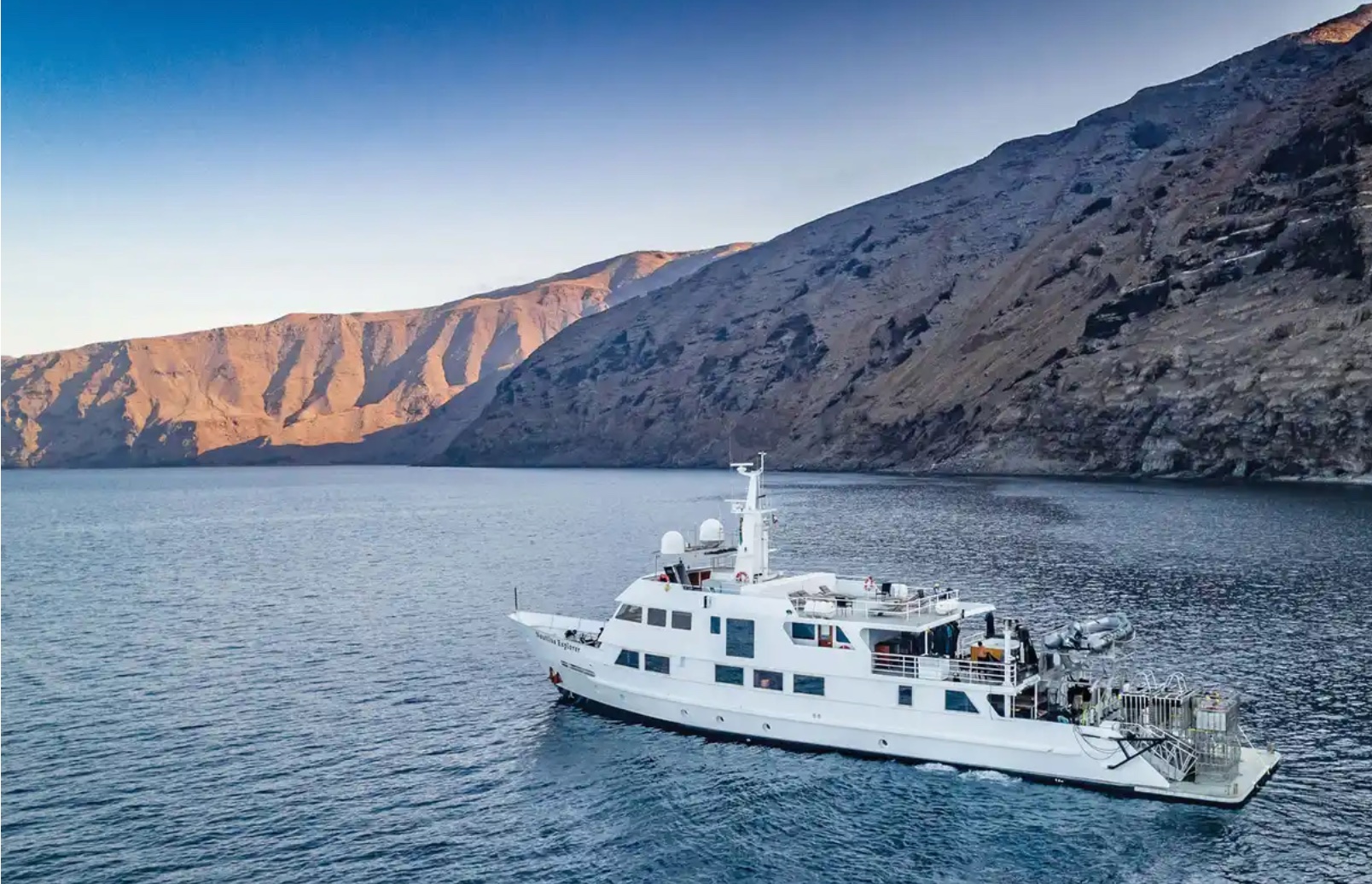
Nautilus Explorer
Mexico
25 guests44.8 m
$230/day
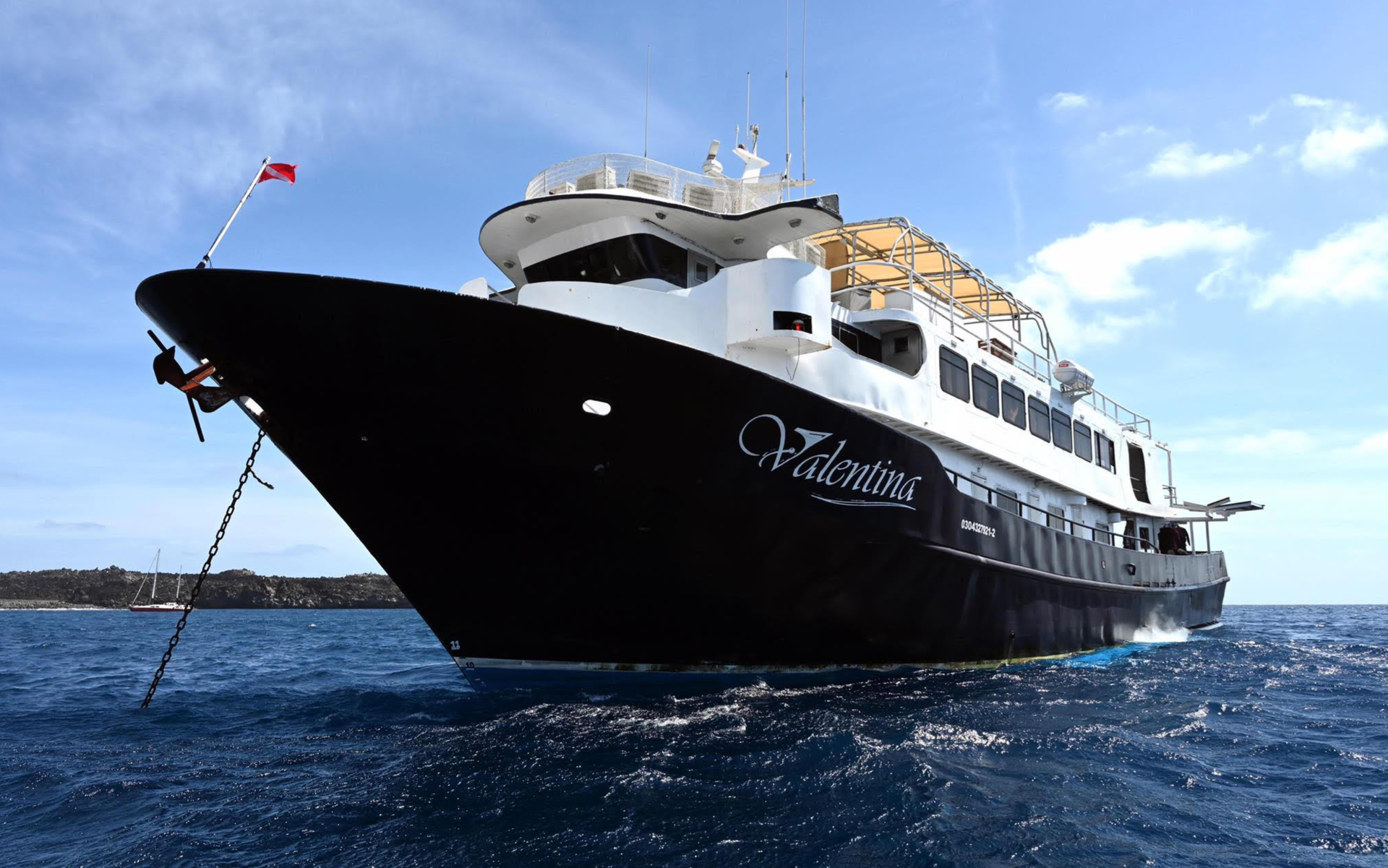
Valentina
Mexico
20 guests38.1 m
$430/day
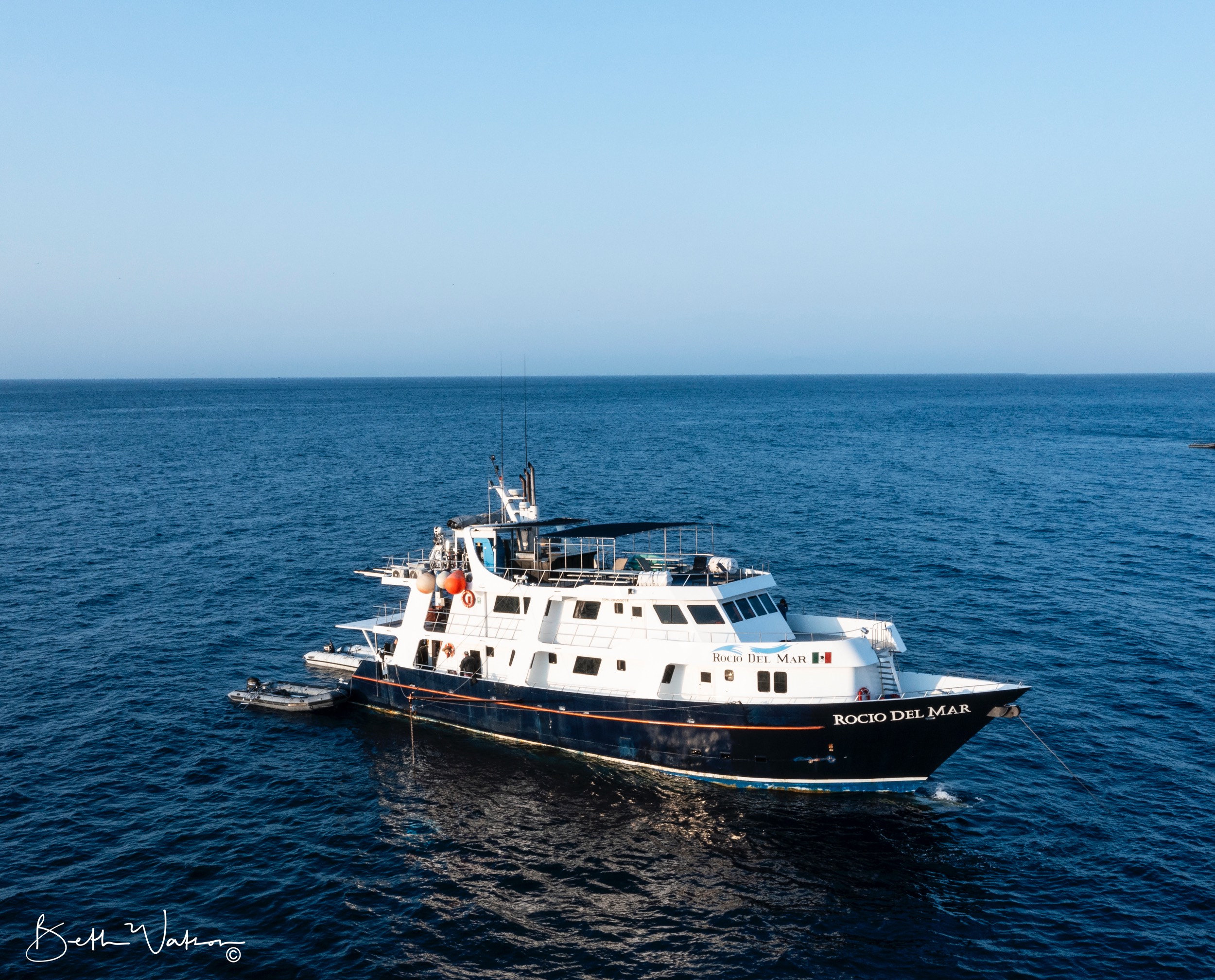
Rocio del Mar
Mexico
20 guests33.5 m
$392/day
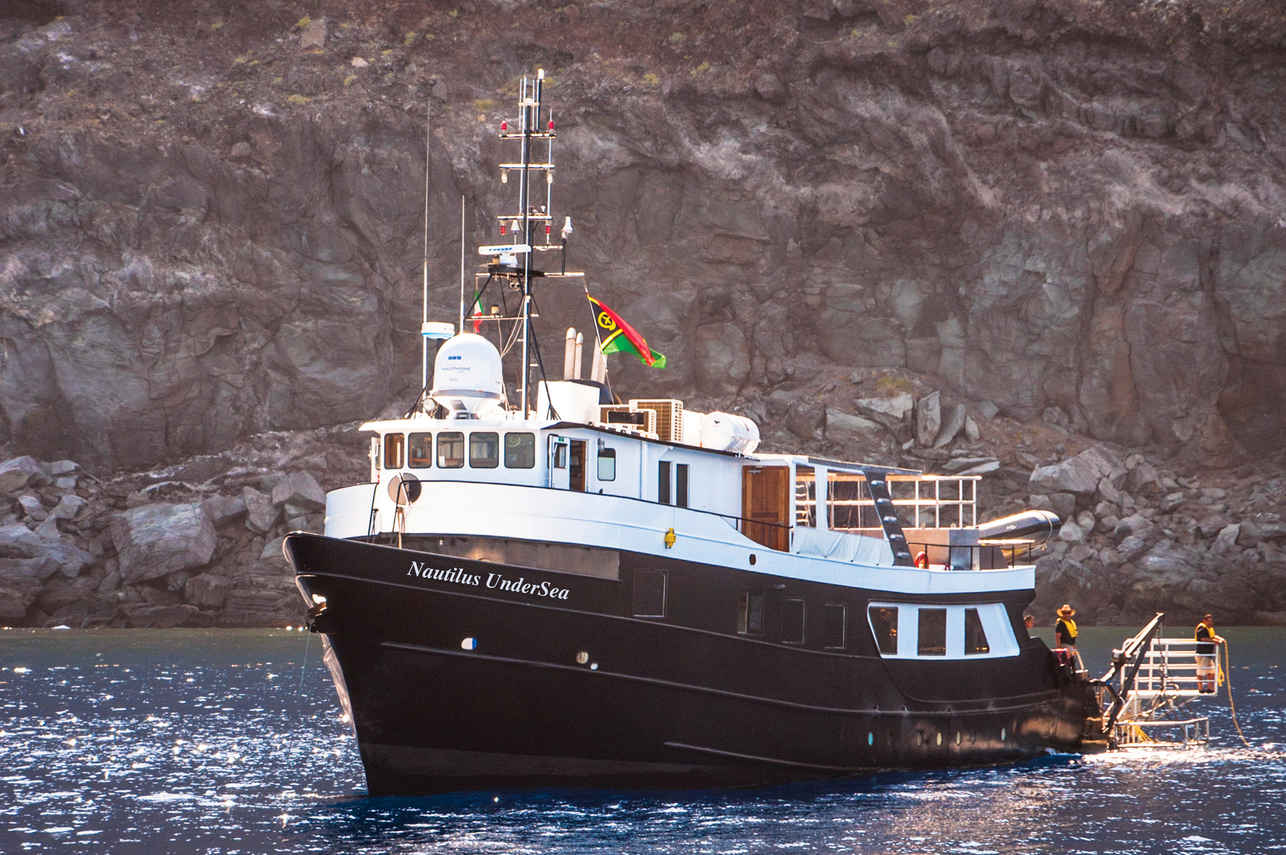
Nautilus Under Sea
Mexico
19 guests32 m
$261/day
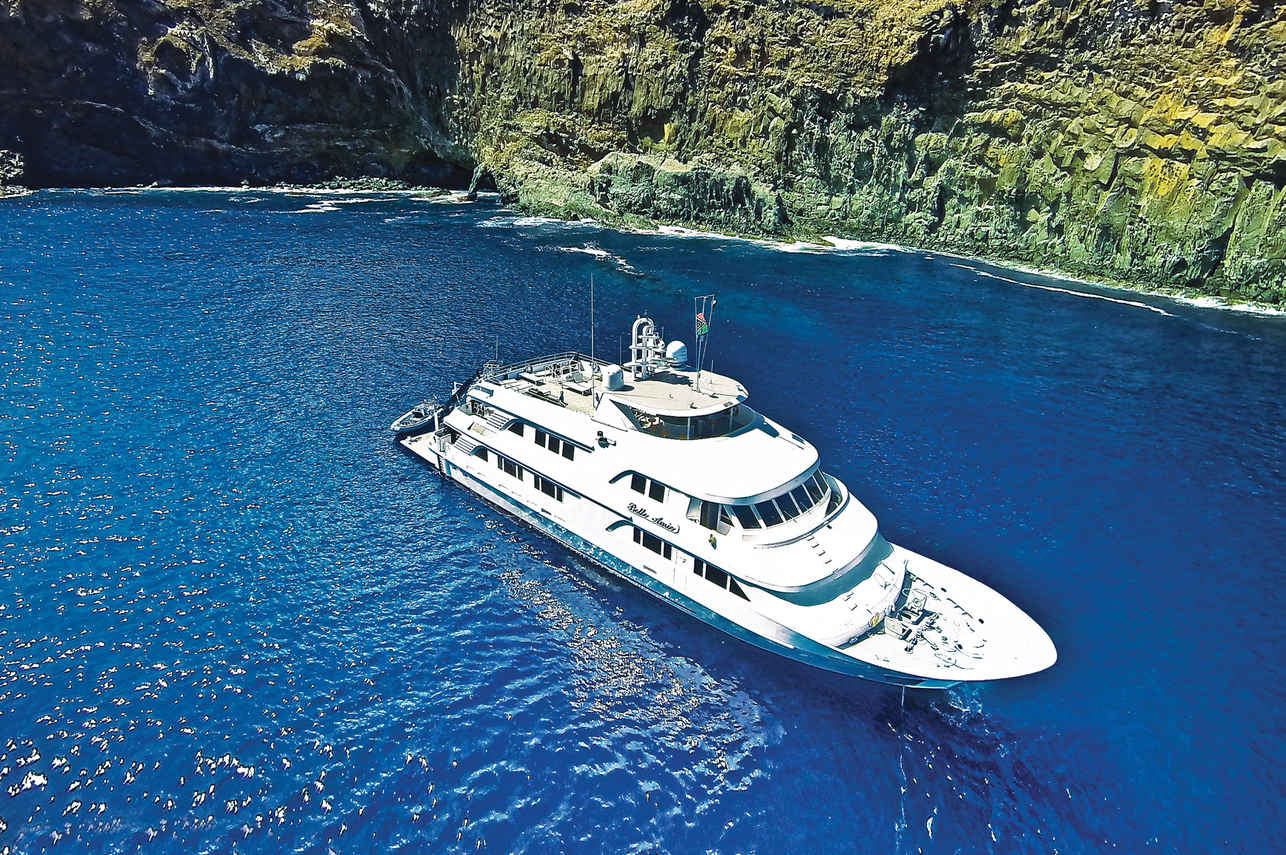
Nautilus Belle Amie
Mexico
32 guests44.8 m
$323/day
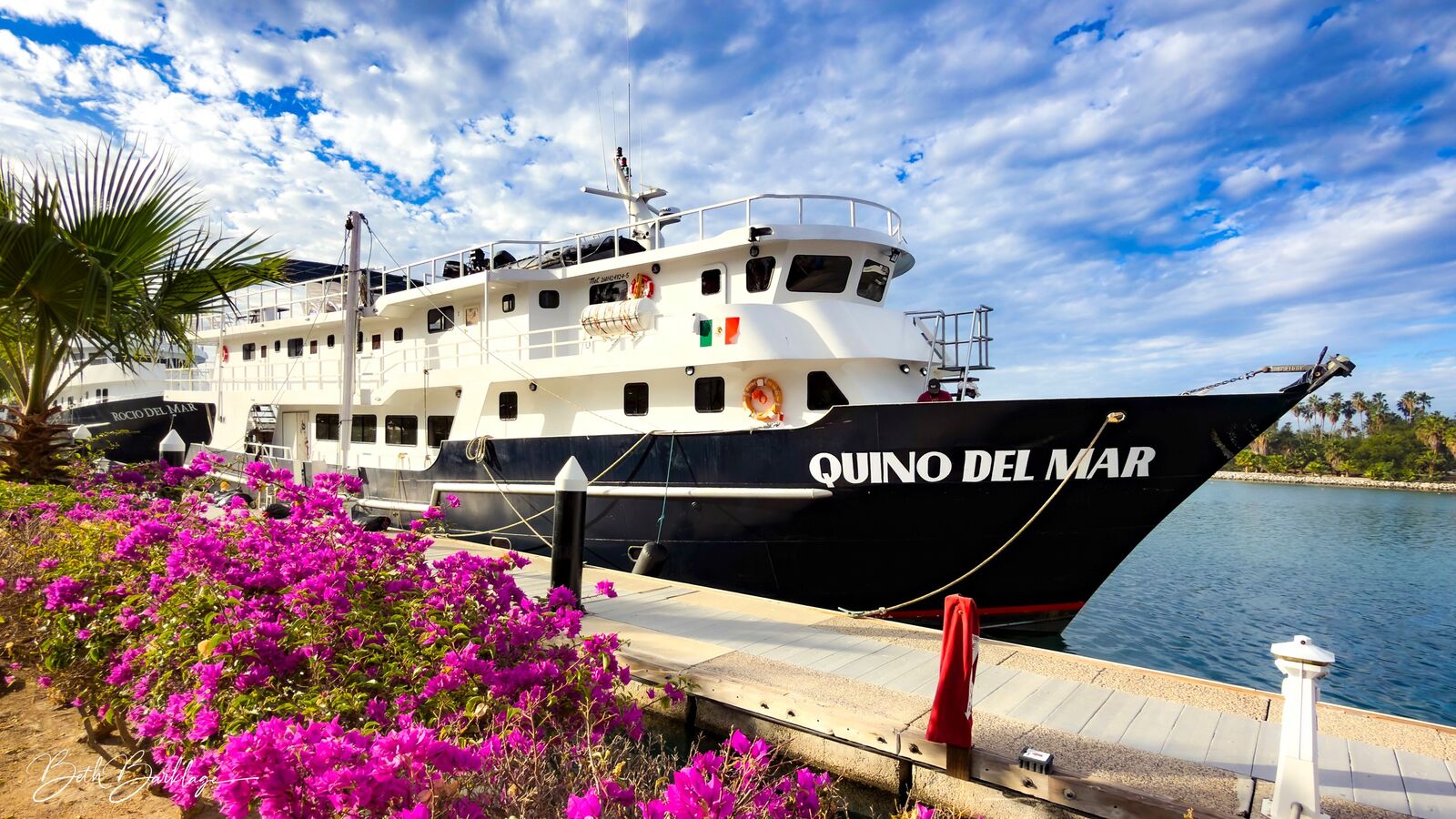
Quino del Mar
Mexico
20 guests36 m
$377/day
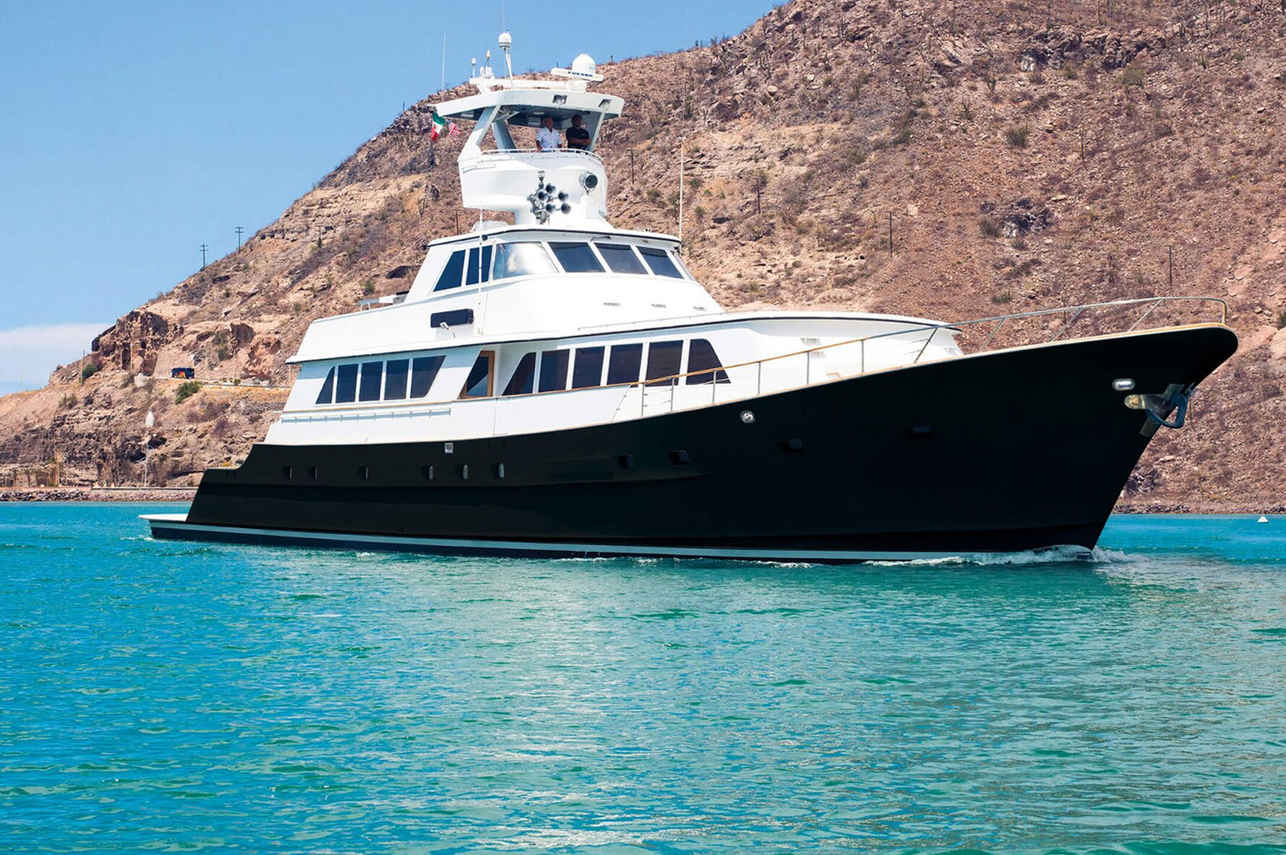
Nautilus Gallant Lady
Mexico
12 guests35.36 m
$332/day
Dive sites similar to Isla Isabel
Same character, same waters — six more sites divers love for the exact same reasons.Compare seasons, access and liveaboard routes — then pick the site that fits your trip best.
© Esri — Maxar, Earthstar, GIS
Cenote Kukulkan, often referred to as Chikin Ha, is a captivating underwater cavern system located in the heart of the Yucatán Peninsula, approximately 25 kilometers (15 miles) from Playa del Carmen.
- Suitable for
- Intermediate
- Current
- No current
- Access
- Dayboat
- Depth
- 10–15 m
- Theme
- Cavern / Pinnacle
© Esri — Maxar, Earthstar, GIS
Pelican Rock
Mexico
Pelican Rock is a renowned dive site located within the Cabo San Lucas Marine Park in Baja California Sur, Mexico, just a few minutes by boat from the marina.
- Suitable for
- Beginner
- Current
- Mild
- Access
- Liveaboard or dayboat
- Depth
- 5–40 m
- Theme
- Wall
El Morro is acclaimed as one of the best diving locations in the Puerto Vallarta area, situated just beyond the sheltered waters of Banderas Bay.
- Suitable for
- Advanced
- Current
- Strong
- Access
- Dayboat
- Depth
- 18–37 m
- Theme
- Reef / Wall
© Esri — Maxar, Earthstar, GIS
El Boiler, located off San Benedicto Island, stands as a premier dive site within Mexico's Revillagigedo Archipelago, often likened to the Galapagos for its abundant pelagic encounters.
- Suitable for
- Advanced
- Current
- Strong
- Access
- Liveaboard only
- Depth
- 5–35 m
- Theme
- Pinnacle
© Esri — Maxar, Earthstar, GIS
Cabo San Lucas
Mexico
Cabo San Lucas, situated at the southern tip of Mexico's Baja California Peninsula, offers a surprisingly rich underwater environment despite its popular tourism.
- Suitable for
- Beginner
- Current
- Mild
- Access
- Dayboat
- Depth
- 8–40 m
- Theme
- Reef / Wall
© Esri — Maxar, Earthstar, GIS
The Boiler is a world-renowned dive site located at Socorro Island, part of Mexico's Revillagigedo Archipelago, often referred to as Mexico's "Little Galapagos." This remote…
- Suitable for
- Advanced
- Current
- Strong
- Access
- Shore / dayboat
- Depth
- 15–30 m
- Theme
- Pinnacle