About Las Caletas
Las Caletas is a sheltered cove on the southern shore of Banderas Bay, located approximately 14 miles from Puerto Vallarta and accessible exclusively by boat. Its secluded position within the bay ensures consistently calm and clear water conditions, making it an excellent location for introductory diving experiences, including Discover Scuba sessions and open-water certification dives. This site features a maximum depth of around 12-17 meters (40-56 feet), well within typical recreational limits, and boasts gentle topography with shallow reef sections and sandy flats. Conditions remain mild throughout the year, with minimal currents, creating a stress-free environment for divers to develop buoyancy control. Marine life here includes damselfish, pufferfish, garden eels emerging from the seabed, and occasional sightings of jawfish, eagle rays, and sea turtles. The calm conditions and diverse, approachable marine life contribute to a rewarding experience for those new to diving. The overall diving experience at Las Caletas is relaxed and educational, often combined with onshore activities like beach lunches and family-friendly entertainment. Dive operations typically begin from a shallow dock, ensuring easy entry for all experience levels, and instructors provide personalized guidance, especially for beginners or those needing a refresher.
Highlights
Sheltered cove locationCalm, clear waterBeginner-friendly depthsDamselfish and pufferfishGarden eels and jawfishOccasional eagle raysPADI 5-Star instructionBeach activities
Season calendar
Best months to dive here
Jan
Feb
Mar
Apr
May
Jun
Jul
Aug
Sep
Oct
Nov
Dec
Excellent
Good
Dive site facts: Las Caletas
- Depth
- 12–17 m
- Typical dive
- 12 m, 45-63 min
- Current
- Mild to none
- Visibility
- 10–25 m
- Water temperature
- 20–29°C
- Entry
- Boat / shallow dock
- Level
- Beginner
- Dive type
- Reef, marine life, discover scuba
- Region / port
- Puerto Vallarta, Banderas Bay
- Coordinates
- 21.7575° N, 97.1673° W
Conditions & Currents
Las Caletas is renowned for its gentle conditions, characterized by mild to non-existent currents, particularly within the sheltered cove of Banderas Bay. The overall area around Puerto Vallarta experiences mild currents year-round, contributing to the site's suitability for all levels of divers. Surface conditions are typically calm, though some areas of the wider Banderas Bay can experience more notable tidal currents. Visibility is generally good, but can fluctuate, with some reports noting averages around 10-25 meters. The absence of significant surge and thermoclines makes it comfortable for new divers, allowing ample time to focus on buoyancy and marine life observation. Dive entry is usually from a shallow dock, simplifying the process for beginners. Divers should be aware of standard boat traffic in the area, though dive operations are well-managed.
Marine life & sighting chances
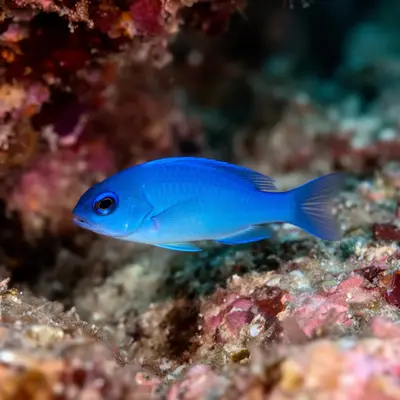
Damselfish
common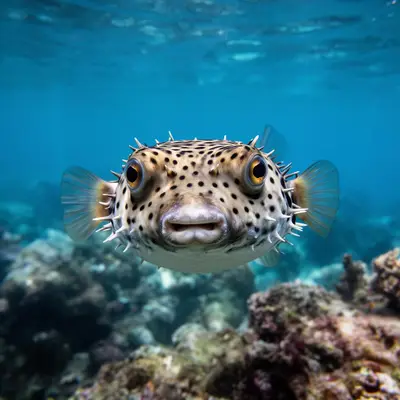
Pufferfish
common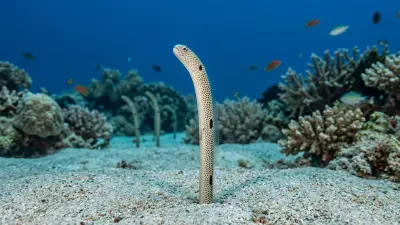
Garden Eels
occasional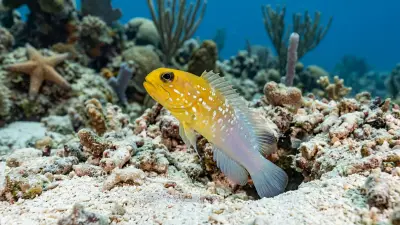
Jawfish
occasional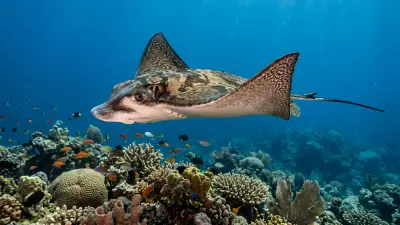
Rays
occasional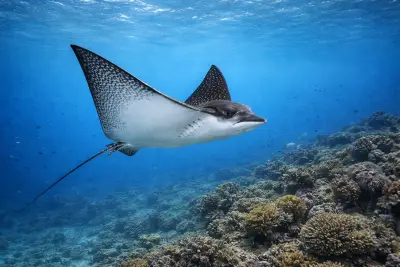
Eagle Rays
occasional
Sea Turtle
occasional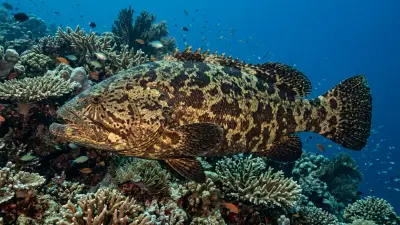
Grouper
occasional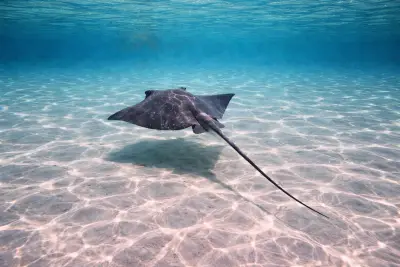
Stingray
occasionalDive profile & how the dive runs
Dives at Las Caletas typically begin from a shallow dock, offering a straightforward and calm entry point suitable for all experience levels. The dive site explores shallow reef sections and sandy flats within the sheltered cove. Divers generally descend to a maximum depth of around 12 to 17 meters, following a gentle progression that allows new divers to acclimate and practice buoyancy control. The route involves exploring the vibrant, coral-encrusted formations and observing marine life across the sandy bottom. Turn points are flexible, often determined by air consumption or dive duration, typically ranging from 45 to 63 minutes. The safety stop is conducted in the clear, shallow waters of the cove, often near the boat or dock, providing an easy and controlled ascent before surfacing.
Underwater photography
Las Caletas, with its clear, calm and shallow waters, offers excellent opportunities for wide-angle and macro photography, especially for capturing the vibrant damselfish and pufferfish in their natural habitat. A macro lens can highlight details of garden eels protruding from the sand or the intricate patterns of jawfish. Wide-angle setups are effective for capturing the overall reef structure and occasional passing rays. Due to the site's generally gentle currents and good visibility, photographers can focus on composition and subject behavior without battling strong conditions. Natural light is often sufficient in the shallower areas, but a strobe or video lights will enhance colors and reduce backscatter, particularly when photographing against the sandy bottom. Maintaining good buoyancy is crucial to avoid disturbing the delicate ecosystem and stirring up sediment.
Combine with nearby dive sites
- Los Anegados
Los Anegados is a notable dive site located just west of the Marietas Islands, near the mouth of Banderas Bay in the Central Pacific region…
- Majahuitas
Majahuitas is a pristine and secluded cove located on the southern coast of Banderas Bay, near Puerto Vallarta, Mexico.
- Princesa & Nearby Wrecks
The C-53 Felipe Xicotencatl, known as "The Wreck" in Cozumel, Mexico, is a prominent artificial reef and a key dive site in the Caribbean.
Getting there & logistics
Las Caletas is exclusively accessible by boat, typically as a full-day excursion from Puerto Vallarta, which is served by Licenciado Gustavo Díaz Ordaz International Airport (PVR). The site is part of the 'Majahuitas, Las Caletas and Colimillas' area, offering multiple dive options within a single itinerary. Trips often combine diving with onshore activities like beach time and meals. Dive operators like Vallarta Adventures and Chico's Dive Shop offer guided trips, including Discover Scuba experiences and certified dives. No specific permits or park fees are mentioned beyond the tour cost, which usually covers equipment, instruction, and lunch. Day trips are the standard format, making it easy to integrate into a holiday schedule based in Puerto Vallarta.
Safety & environment
While Las Caletas is known for its calm and beginner-friendly conditions, general dive safety protocols remain paramount. Divers should ensure they have comprehensive dive insurance covering medical emergencies and potential evacuations. The nearest recompression chamber is located in Puerto Vallarta. In the event of a serious incident, evacuation would be via boat to Puerto Vallarta, followed by land transport to medical facilities. Site-specific hazards are minimal, primarily revolving around maintaining good buoyancy control to protect the marine environment and avoiding contact with any potentially stinging marine life. New divers are encouraged to stay close to their instructors, breathe slowly, and frequently monitor their buoyancy. Listen carefully to dive briefings for specific rules and emergency procedures.
Who it suits — and who it doesn't
Suited for
- First-time divers
- Open Water certification students
- Divers seeking calm, easy conditions
- Families with older children (10+ years)
- Underwater photographers focusing on macro and wide-angle reef scenes
Less suited for
- Advanced divers seeking strong currents and large pelagics
- Divers expecting deep wreck or cavern explorations
- Those looking for highly challenging or remote dive experiences
FAQ
Las Caletas FAQ
What kind of marine life can I expect to see at Las Caletas?
At Las Caletas, you can frequently spot colorful damselfish and pufferfish. The sandy flats are home to garden eels, jawfish, and occasional rays. Keep an eye out for eagle rays and various species of fish, with a chance to see sea turtles passing through the area as well.
Is Las Caletas suitable for beginner divers?
Absolutely, Las Caletas is considered a premier spot for beginners. Its sheltered cove ensures calm and clear waters with minimal currents, creating an ideal environment for first-time divers to learn and practice. Many PADI Discover Scuba Diving experiences and Open Water certification dives are conducted here.
How deep are the dives at Las Caletas?
The typical dive depths at Las Caletas are quite shallow, generally ranging from 12 to 17 meters (40 to 56 feet). This makes the site perfect for recreational diving limits and for divers who are just starting out or prefer shallower profiles.
How do I get to Las Caletas for diving?
Las Caletas is only accessible by boat, typically as part of an organized day trip from Puerto Vallarta. Dive operators in Puerto Vallarta offer excursions that include boat transport, dive equipment, and often combine diving with other beach activities and lunch on shore.
Are the currents strong at Las Caletas?
No, Las Caletas is well-known for its very mild to almost non-existent currents. The site's location within a sheltered bay protects it from stronger open-water currents, ensuring a relaxed and comfortable diving experience for all skill levels.
Why dive Las Caletas from a liveaboard?
Las Caletas is one of Mexico's signature dive sites. A liveaboard sleeps you on the water and puts you in the water for three to four guided dives per day, including dawn and night dives that day-boat operators rarely offer. You skip the daily commute back to port and reach quieter, less-crowded sites in the same region on a single trip.
Below are the liveaboards that include Las Caletas on their Mexico itineraries.
Liveaboards diving Las Caletas
These liveaboards may visit Las Caletas on selected itineraries — the exact dive sites depend on departure, weather and conditions.
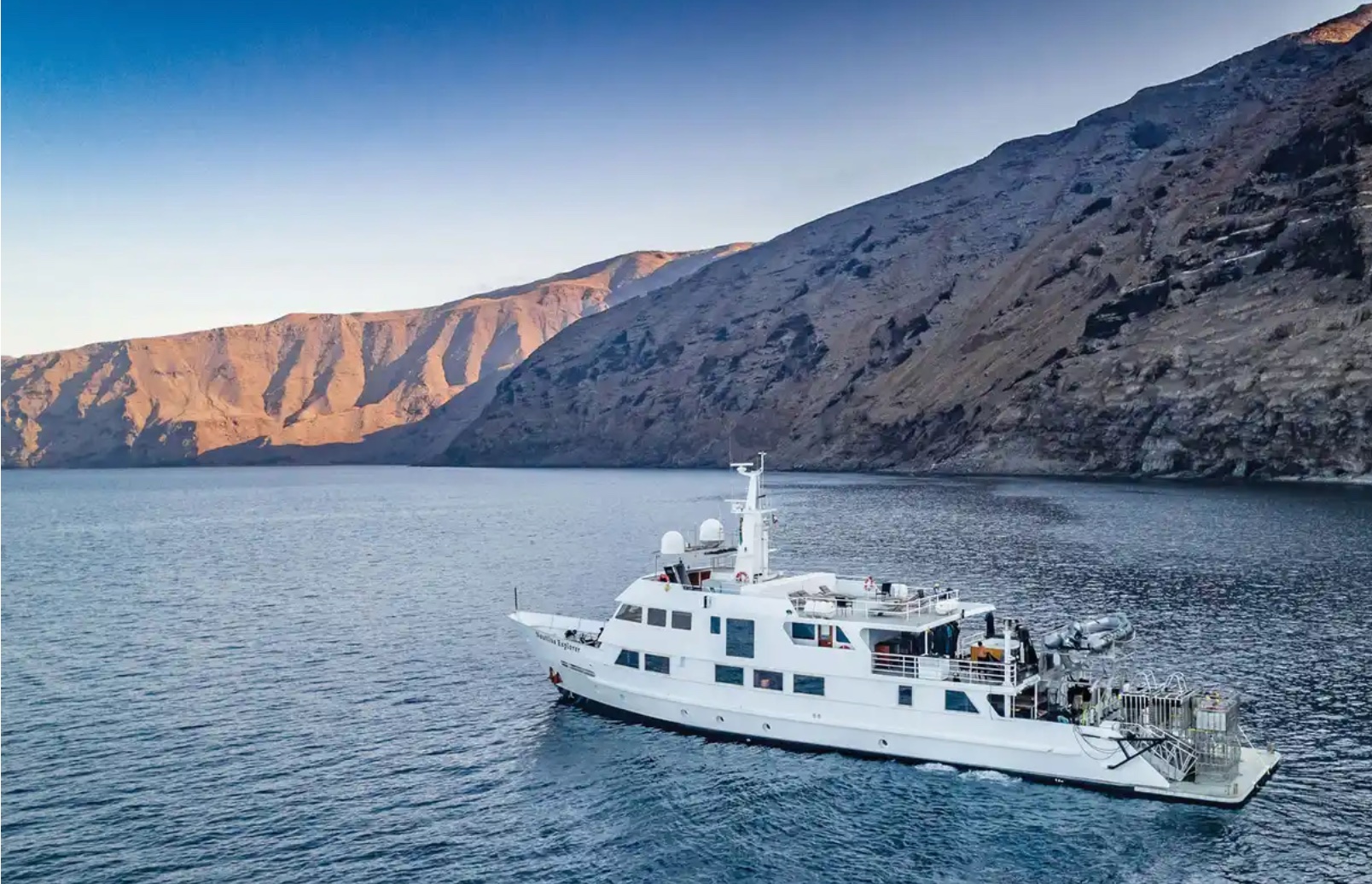
Nautilus Explorer
Mexico
25 guests44.8 m
$230/day
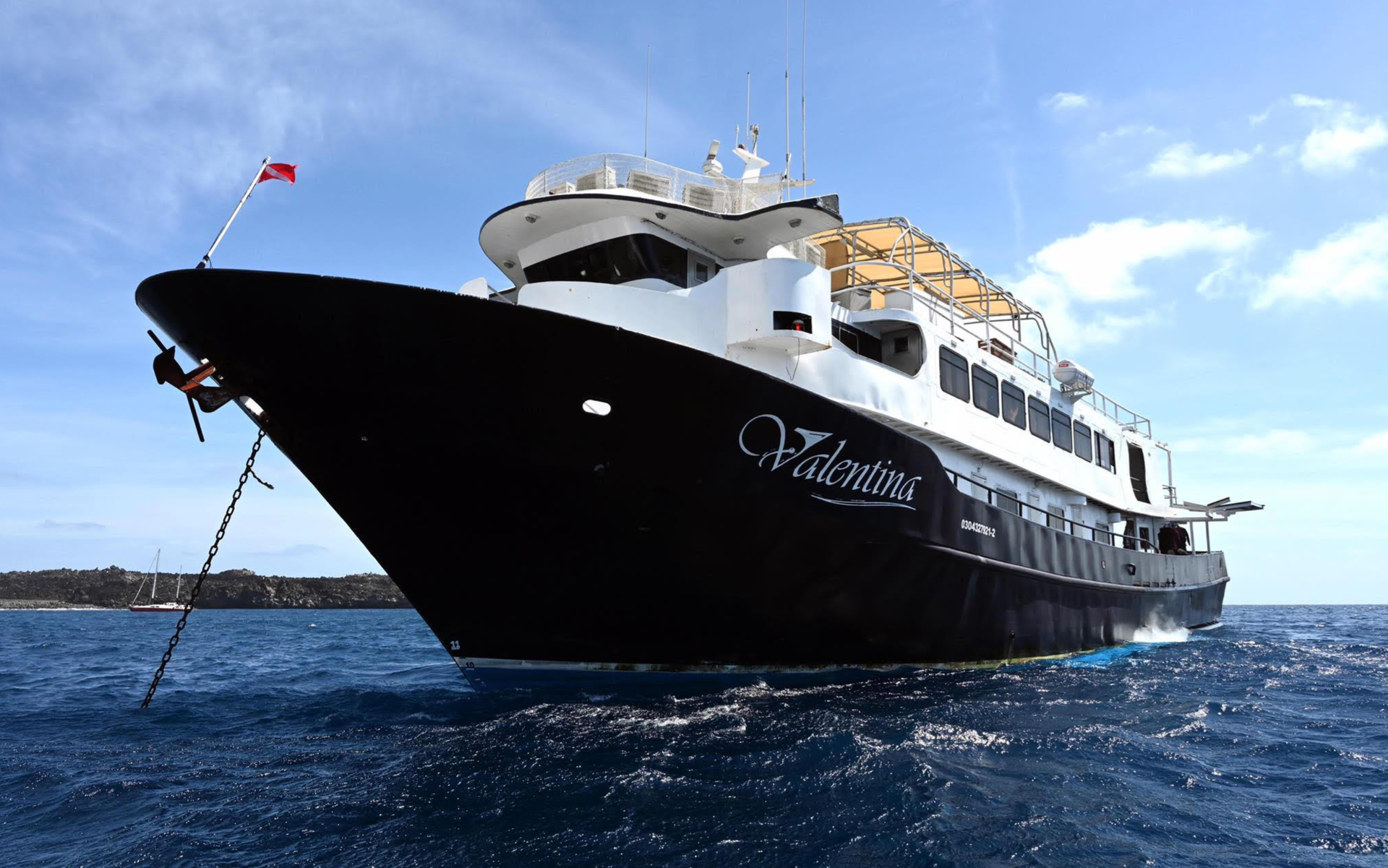
Valentina
Mexico
20 guests38.1 m
$430/day
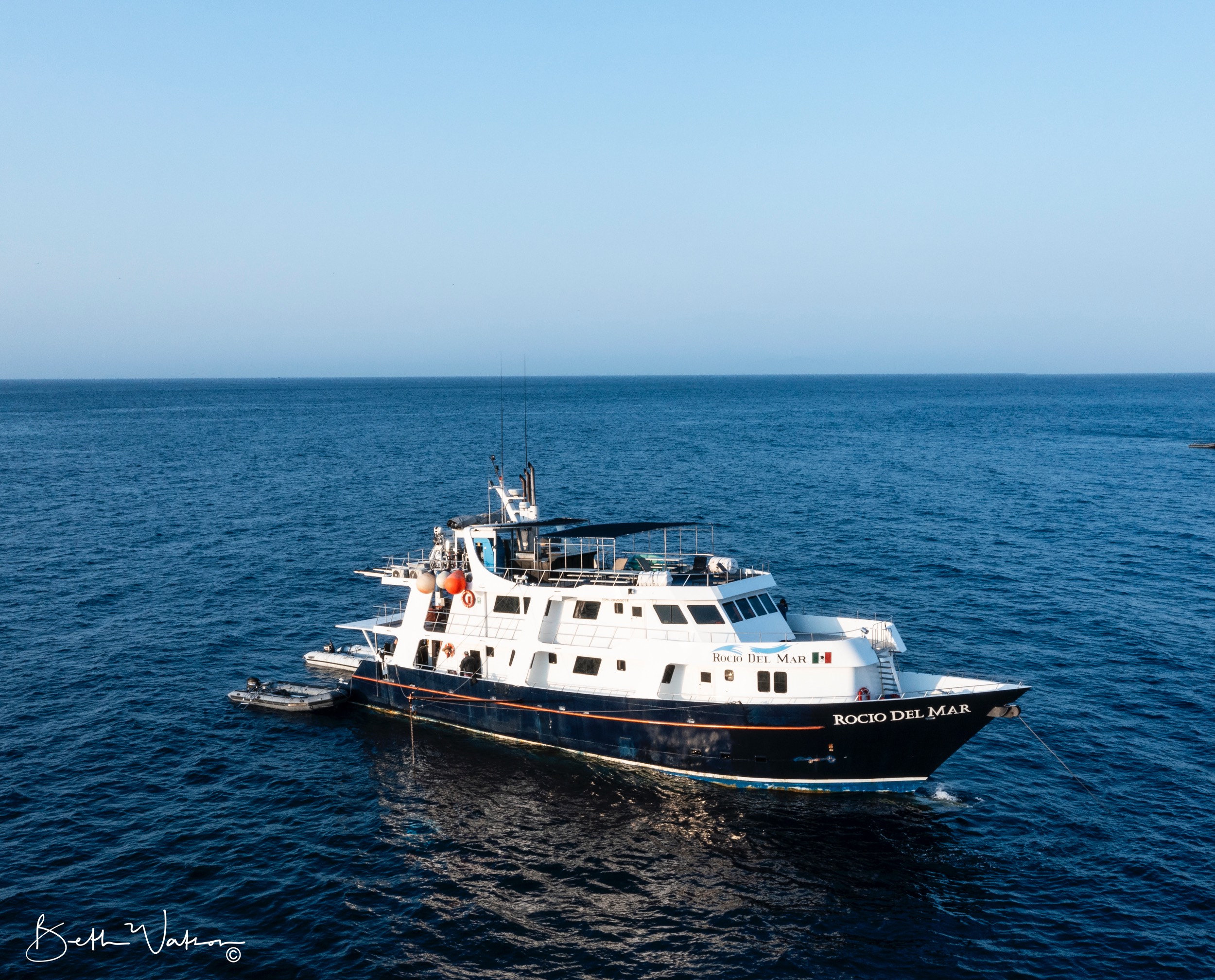
Rocio del Mar
Mexico
20 guests33.5 m
$392/day
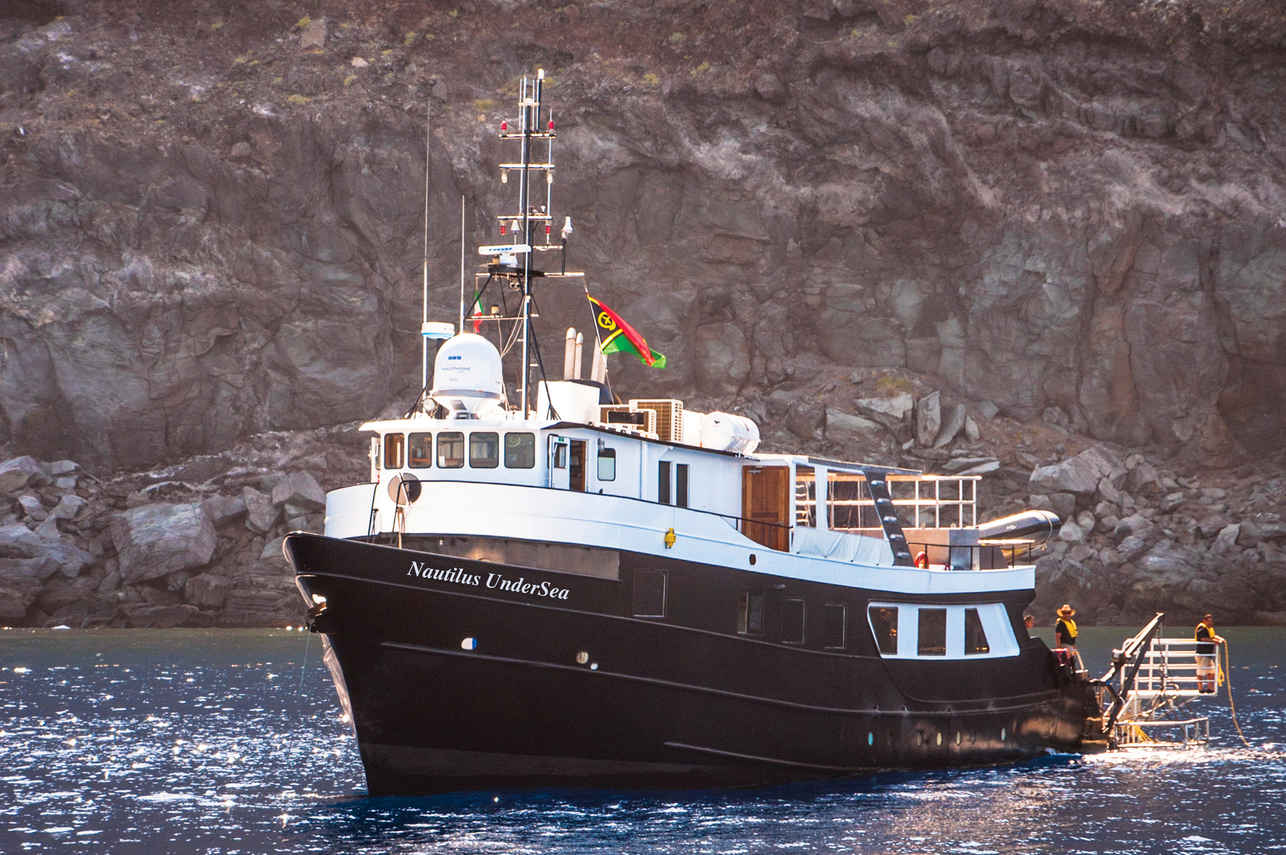
Nautilus Under Sea
Mexico
19 guests32 m
$261/day
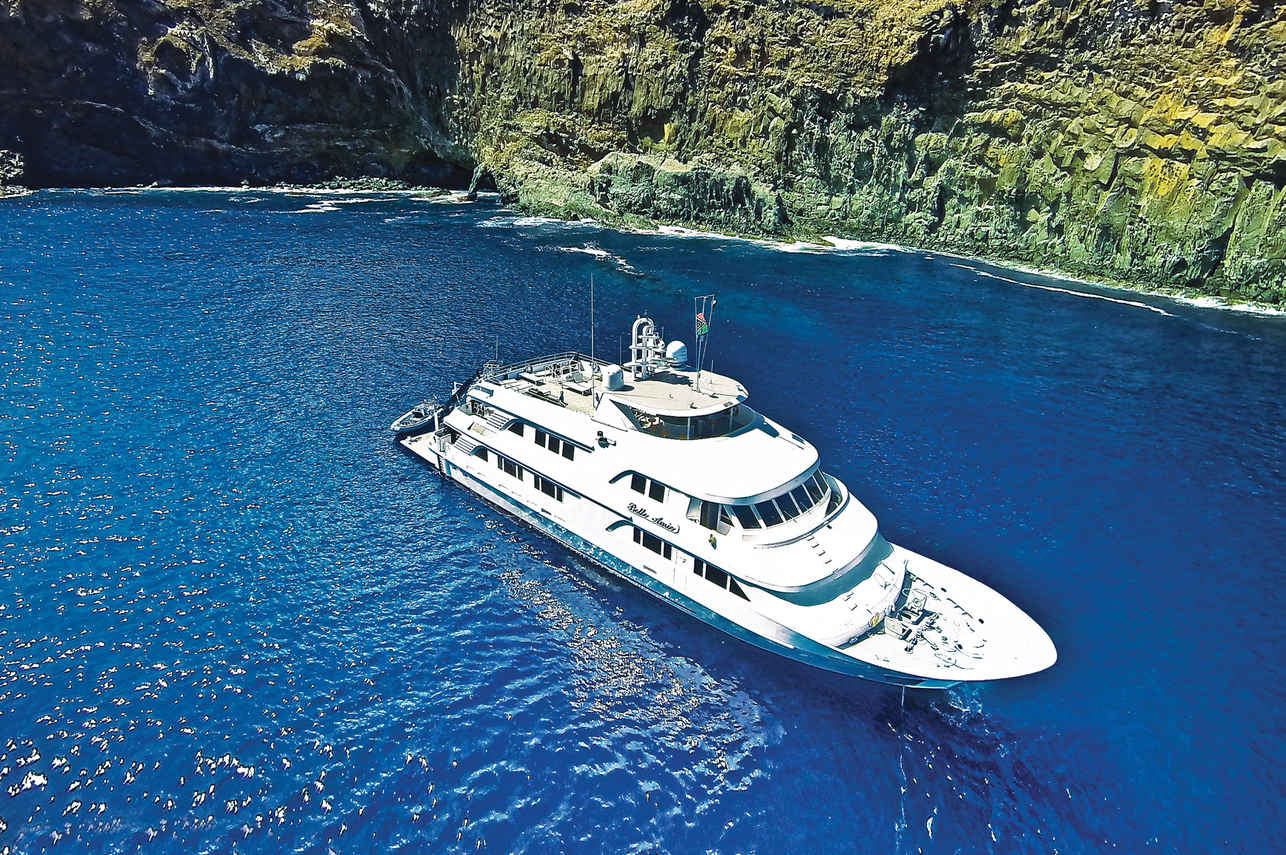
Nautilus Belle Amie
Mexico
32 guests44.8 m
$323/day
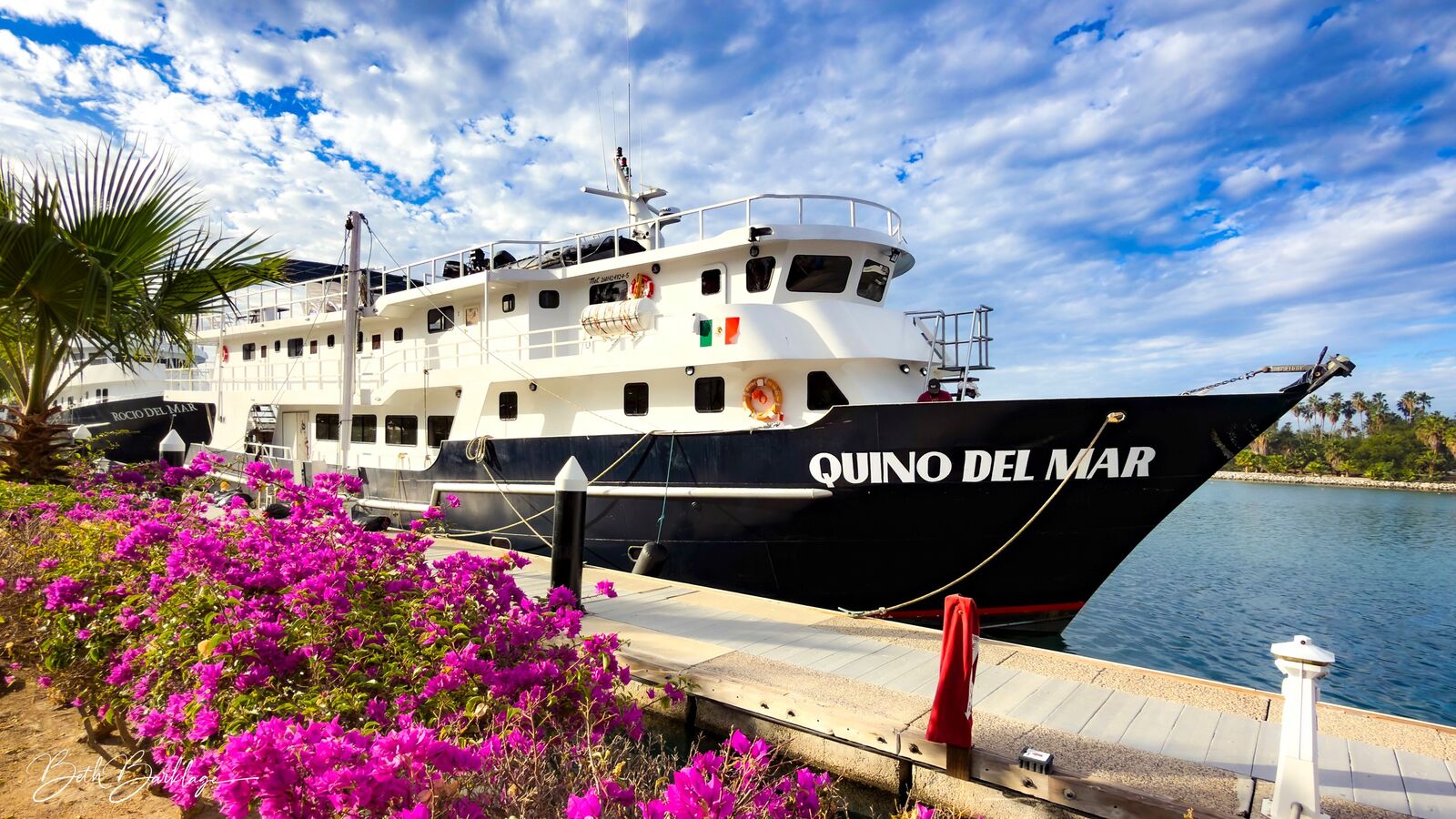
Quino del Mar
Mexico
20 guests36 m
$377/day
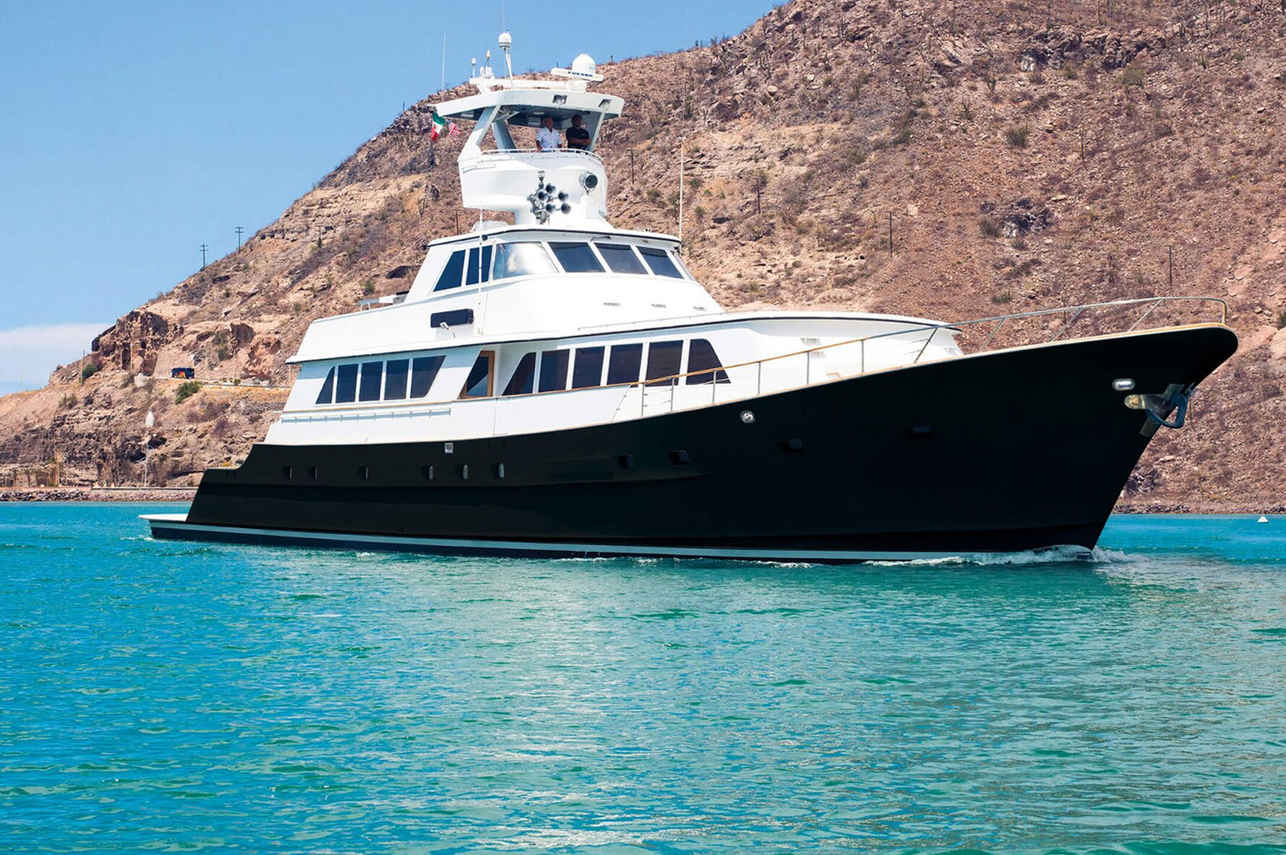
Nautilus Gallant Lady
Mexico
12 guests35.36 m
$332/day
Dive sites similar to Las Caletas
Same character, same waters — six more sites divers love for the exact same reasons.Compare seasons, access and liveaboard routes — then pick the site that fits your trip best.
© Esri — Maxar, Earthstar, GIS
Tak Be Luum
Mexico
Cenote Tak Be Luum, located in the Mexican state of Quintana Roo, is an exceptional cavern dive that forms part of the vast Sac Actun underwater cave system, one of the world's largest.
- Suitable for
- Advanced
- Current
- No current
- Access
- Shore / dayboat
- Depth
- 4–9 m
- Theme
- Reef
© Esri — Maxar, Earthstar, GIS
Neptune's Finger
Mexico
Neptune's Finger is a renowned dive site located in Cabo San Lucas, Mexico, at the southern tip of the Baja California Peninsula.
- Suitable for
- Beginner
- Current
- Mild
- Access
- Liveaboard or dayboat
- Depth
- 4–152 m
- Theme
- Reef
Atlantis Reef is a captivating dive site located off the coast of Isla Mujeres, Mexico, offering certified divers an exciting exploration of its vibrant underwater world.
- Suitable for
- Beginner
- Current
- Mild
- Access
- Liveaboard or dayboat
- Depth
- —
- Theme
- Reef
© Esri — Maxar, Earthstar, GIS
Bajo Sandia
Mexico
Bajo Sandia is a notable dive site situated within the Loreto Bay National Park, a UNESCO World Heritage Site in the Sea of Cortez, off the coast of Baja California Sur, Mexico.
- Suitable for
- Intermediate
- Current
- Mild
- Access
- Liveaboard only
- Depth
- —
- Theme
- Reef
© Esri — Maxar, Earthstar, GIS
Black Dragon Herradura
Mexico
Black Dragon Herradura is a highly specialized dive site in Cozumel, recognized for its demanding conditions and distinctive underwater landscape.
- Suitable for
- Advanced
- Current
- Strong
- Access
- Liveaboard only
- Depth
- —
- Theme
- Reef
© Esri — Maxar, Earthstar, GIS
Huarache Reef
Mexico
Huarache Reef is a recently explored dive site located about 45 minutes by boat north of Loreto, Baja California Sur, Mexico.
- Suitable for
- Intermediate
- Current
- Mild
- Access
- Liveaboard only
- Depth
- 9–18 m
- Theme
- Reef / Drift