About San Benedicto Island - The Boiler
El Boiler is a world-renowned dive site situated off San Benedicto Island, part of Mexico's remote Revillagigedo Archipelago, also known as the Socorro Islands. This unique location is a submerged volcanic pinnacle, once a hydrothermal vent, whose circular structure forms a natural amphitheater beneath the waves, rising from the deep Pacific. The site is celebrated for its dramatic geology, featuring rocky ledges and scattered soft coral growth. It draws an incredible concentration of large marine life, often compared to the Galapagos for its pelagic action. Divers frequently find themselves immersed in an underwater ballet of majestic creatures. El Boiler is a prime cleaning station and magnet for marine megafauna. It's best known for highly interactive giant Pacific manta rays, but also attracts various shark species, playful bottlenose dolphins, and large schools of jacks and tuna. These nutrient-rich waters contribute to the exceptional biodiversity observed here. Accessible only via liveaboard, El Boiler offers a raw, remote, and unforgettable diving experience. It epitomizes Socorro diving, promising a sense of privilege as you share the ocean with some of its most magnificent and intelligent inhabitants.
Highlights
Giant Pacific manta ray encountersSubmerged volcanic pinnacleInteractive dolphinsHammerhead, Galapagos, silvertip sharksCleaning station activityDramatic underwater topographyRich pelagic ecosystem
Season calendar
Best months to dive here
Jan
Feb
Mar
Apr
May
Jun
Jul
Aug
Sep
Oct
Nov
Dec
Excellent
Good
Dive site facts: San Benedicto Island - The Boiler
- Depth
- 5–35 m
- Current
- Strong
- Visibility
- 15-50 m
- Water temperature
- 20-28 °C
- Entry
- Liveaboard tender
- Level
- Advanced
- Dive type
- Pinnacle
- Night dive
- Not permitted
- Region / port
- Revillagigedo Archipelago, Mexico
- Coordinates
- 21.7375° N, 97.2453° W
Conditions & Currents
El Boiler is an open water dive site where currents can be strong, making it best suited for advanced divers. The site's unique pinnacle structure can lead to variable current conditions, attracting the large pelagic species it's famous for. Safety stops are often performed in blue water, requiring excellent buoyancy control and comfort in open ocean environments. Visibility can be excellent, often exceeding 30 meters on clear days, though occasional plankton blooms, particularly in spring, might reduce it slightly. These plankton blooms, however, are vital as they attract the mantas, dolphins, and sharks that frequent the site. Entry is typically via tender, with careful attention to current strength and boat traffic around the pinnacle.
Marine life & sighting chances

Giant Pacific manta ray
All year · common
Hammerhead shark
All year · occasional
Galapagos shark
All year · occasional
Silvertip shark
All year · occasional
Bottlenose dolphin
All year · occasional
Whale shark
November-December, May-July · occasional
Jack
All year · common
Tuna
All year · occasional
Humpback whale
January-April · occasionalDive profile & how the dive runs
Dives at El Boiler typically begin with a tender drop close to the submerged pinnacle, allowing divers to descend directly into the action. The main focus is the volcanic pinnacle itself, which acts as a cleaning station and attracts numerous pelagics. Divers will explore the circular structure, often positioning themselves to observe the giant manta rays that frequently circle and interact. Due to potential strong currents, divers may use reef hooks to stabilize themselves while observing the marine life. Depth progression will vary depending on animal sightings and current conditions, but dives can reach up to 35 meters. The turn point is determined by air consumption and no-decompression limits, with safety stops performed in the blue water away from the pinnacle, requiring careful buoyancy management.
Underwater photography
El Boiler offers exceptional wide-angle photography opportunities due to the frequent presence of large pelagics like mantas, sharks, and dolphins. A fisheye lens (e.g., 10.5mm) or a wide-angle zoom (e.g., 12-24mm) is highly recommended to capture the expansive scenes and the sheer size of the animals. Dual strobes are essential to properly light subjects and bring out color in the blue water, especially when mantas are overhead. Given the interactive nature of the mantas, patience and good buoyancy control are crucial for capturing intimate shots without disturbing their natural behavior. Focus on capturing the interaction between mantas and divers, as well as the dramatic volcanic backdrop. Consider black and white conversions for artistic depth, especially for shots where blue tones might be challenging to correct.
Combine with nearby dive sites
- San Benedicto - El Fondeadero
San Benedicto Island, part of Mexico's Revillagigedo Archipelago, is a prime destination for divers seeking thrilling encounters with…
- El Morro
El Morro is acclaimed as one of the best diving locations in the Puerto Vallarta area, situated just beyond the sheltered waters of…
- Roca Partida
Roca Partida is arguably one of the most extraordinary dive sites globally, a remote volcanic rock in the Revillagigedo Archipelago…
- Punta Norte
Punta Norte is a vibrant reef dive situated at the northern tip of Cerralvo Island in Mexico's Sea of Cortez, off the coast of La Ventana.
- Cabo Pearce
Cabo Pearce, located on Socorro Island, stands as a premier diving destination within Mexico's remote Revillagigedo Archipelago, often…
Getting there & logistics
Accessing El Boiler requires flying into Los Cabos International Airport (SJD) in Baja California Sur, Mexico, which offers direct flights from many US hub cities. From the airport, a 30-minute transfer typically takes you to Cabo San Lucas or San Jose del Cabo, the primary departure ports for liveaboards. Trips to the Revillagigedo Archipelago, including San Benedicto Island, range from 7 to 10 days. The crossing to the islands takes approximately 24-36 hours. All diving in this remote marine protected area is exclusively done via liveaboard. Marine park fees apply and are subject to change, with significant increases noted for January 2025. Liveaboards to Socorro often combine dives at San Benedicto with other key sites like Socorro Island itself, Roca Partida, and Cabo Pearce.
Safety & environment
Diving at El Boiler, like other Revillagigedo sites, is considered advanced due to strong currents, potential big swells, and blue-water safety stops. Divers must have an Advanced Open Water certification and typically a minimum of 50 logged dives. Comprehensive dive insurance, including coverage for emergency medical care and evacuation, is mandatory, as the islands are extremely remote. The nearest recompression chamber would be in Cabo San Lucas, requiring a lengthy and costly emergency evacuation via liveaboard and potentially air transport. Site-specific hazards include unpredictable currents and the need for excellent buoyancy control during blue-water ascents. Always follow your dive guide's instructions, maintain close proximity to your buddy, and carry a surface marker buoy (SMB) and audible signaling device.
Who it suits, and who it doesn't
Suited for
- Advanced divers comfortable with strong currents
- Divers seeking large pelagic encounters
- Liveaboard enthusiasts
- Underwater photographers focusing on wide-angle subjects
- Experienced divers with excellent buoyancy control
Less suited for
- Beginner divers or those new to currents
- Divers prone to severe seasickness
- Those primarily interested in coral gardens or macro life
- Divers seeking easy, resort-style diving
- Individuals with fewer than 50 logged dives (check specific liveaboard requirements)
FAQ
San Benedicto Island - The Boiler FAQ
What kind of marine life can I expect at El Boiler?
El Boiler is world-renowned for its incredible pelagic encounters. You can expect frequent interactions with giant Pacific manta rays, various species of sharks including hammerheads, Galapagos, and silvertips, as well as playful bottlenose dolphins. Schools of jacks and tuna are also common.
What is the best time of year to dive El Boiler?
The prime diving season for El Boiler and the Revillagigedo Archipelago is from November to May. This period offers the calmest seas, clearest skies, and peak marine activity, maximizing your chances for memorable encounters with large pelagics. Water temperatures are also more comfortable during these months.
What is the dive site 'El Boiler' known for?
El Boiler is famous for being a submerged volcanic pinnacle and a major cleaning station for giant Pacific manta rays. Its unique topography attracts a high concentration of large marine animals, providing divers with up-close and personal interactions in an amphitheater-like setting. It's considered one of the most exhilarating dive sites globally.
What experience level is required to dive El Boiler?
Diving El Boiler requires an advanced certification due to its open ocean location, strong currents, and potential for deep dives. Most liveaboards recommend a minimum of 50 logged dives and comfort with blue-water safety stops and varying sea conditions. Good buoyancy control is essential for a safe and enjoyable dive.
How do I get to San Benedicto Island and El Boiler?
San Benedicto Island and El Boiler are only accessible via liveaboard from Cabo San Lucas or San Jose del Cabo, Mexico. You typically fly into Los Cabos International Airport (SJD), then transfer to your liveaboard. The boat journey to the Revillagigedo Archipelago takes approximately 24-36 hours.
Why dive San Benedicto Island - The Boiler from a liveaboard?
San Benedicto Island - The Boiler is one of Mexico's signature dive sites. A liveaboard sleeps you on the water and typically offers several guided dives per day (the exact number depends on the vessel and itinerary), including dawn and night dives that day-boat operators rarely offer. You skip the daily commute back to port and reach quieter, less-crowded sites in the same region on a single trip.
Liveaboards diving San Benedicto Island - The Boiler
These liveaboards may visit San Benedicto Island - The Boiler on selected itineraries, the exact dive sites depend on departure, weather and conditions.
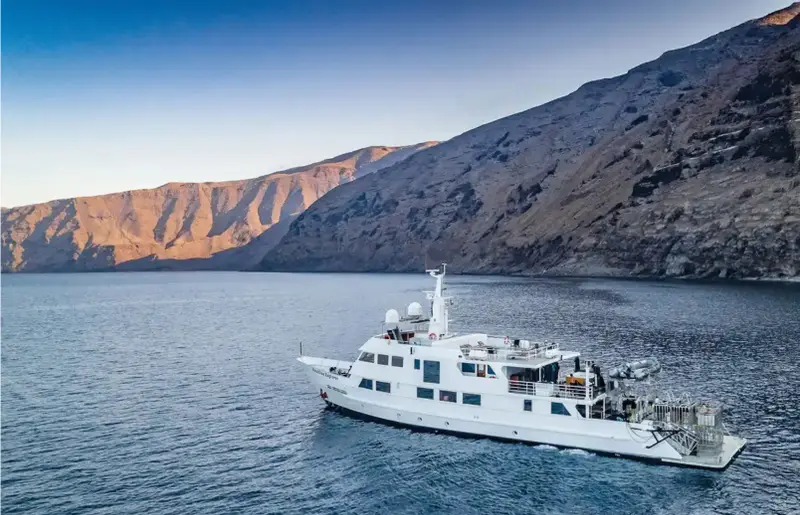
Nautilus Explorer
Mexico
25 guests45 m
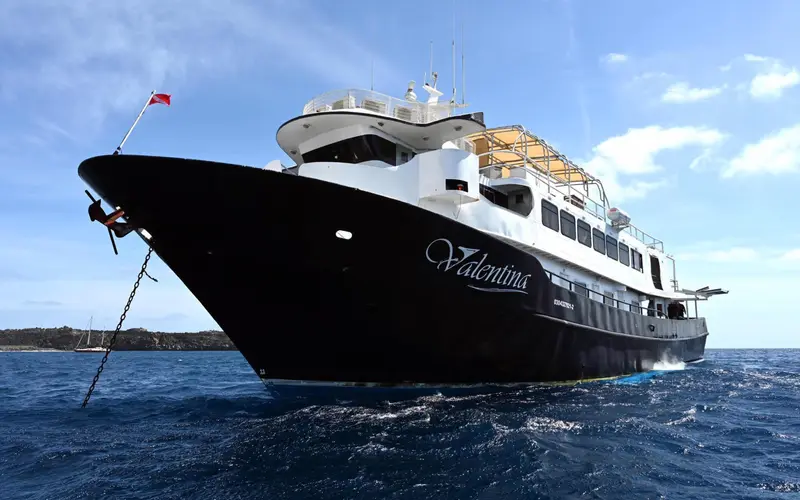
Valentina
Mexico
20 guests38 m
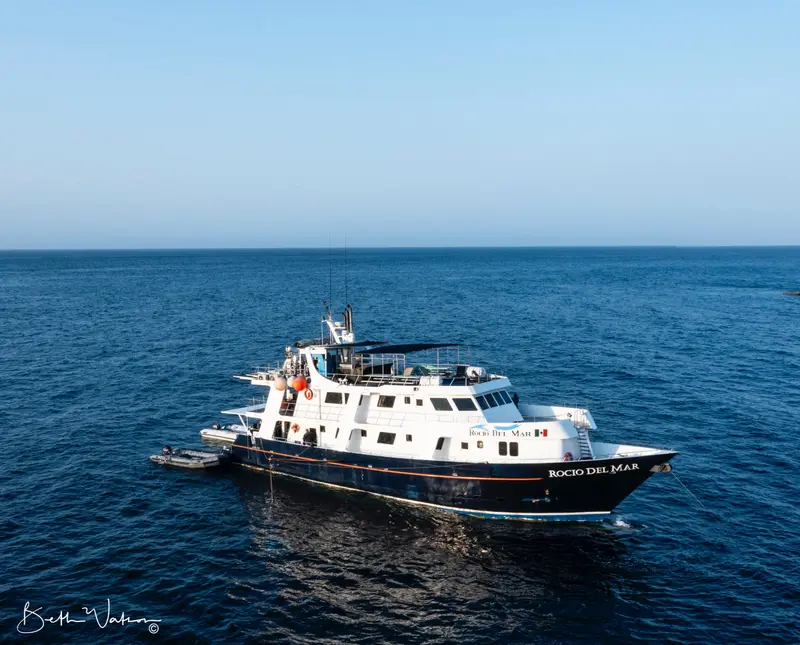
Rocio del Mar
Mexico
20 guests34 m
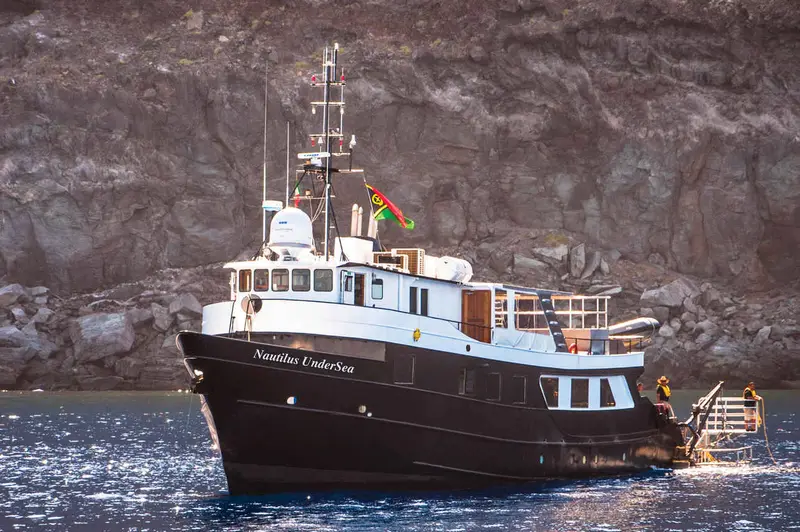
Nautilus Under Sea
Mexico
19 guests32 m
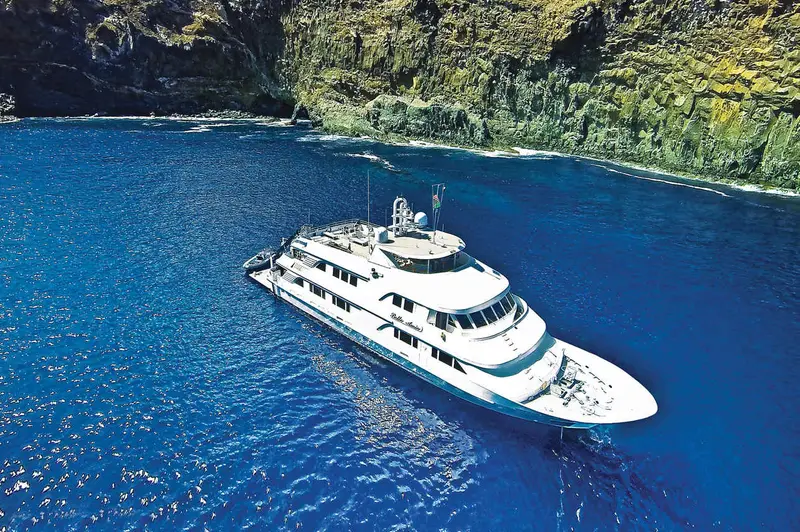
Nautilus Belle Amie
Mexico
32 guests45 m
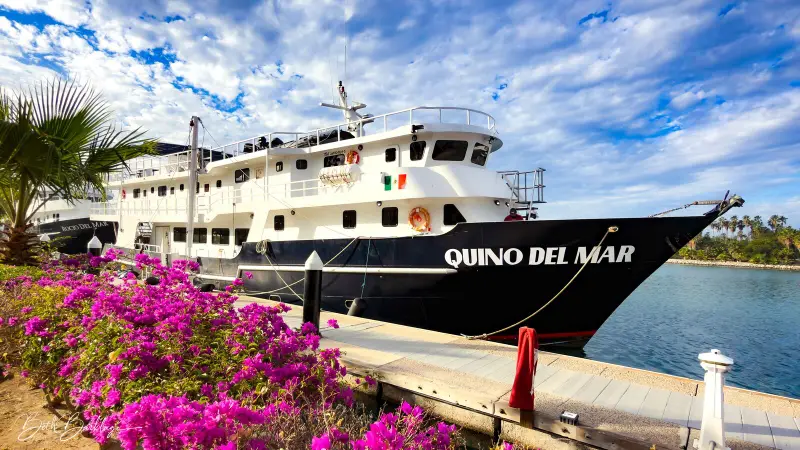
Quino del Mar
Mexico
20 guests36 m
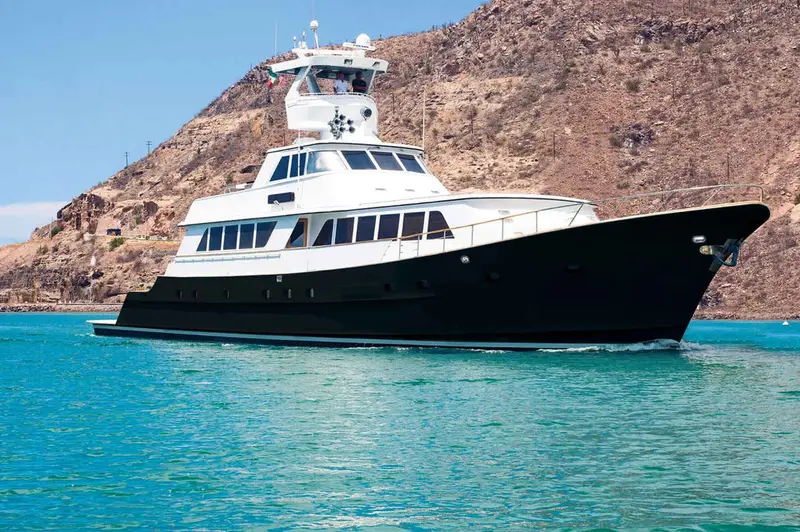
Nautilus Gallant Lady
Mexico
12 guests35 m
Dive sites similar to San Benedicto Island - The Boiler
Same character, same waters, six more sites divers love for the exact same reasons.Compare seasons, access and liveaboard routes, then pick the site that fits your trip best.
Babylon is a captivating dive site in the Cayman Islands, celebrated for its unique topography and abundant marine life.
- Suitable for
- Intermediate
- Current
- Strong
- Access
- Liveaboard or dayboat
- Depth
- 13–30 m
- Theme
- Drift / Pinnacle
While specific details for a dive site named "3 Riff" are not present in the provided sources, general diving conditions and characteristics for the Dominican Republic…
- Suitable for
- Advanced
- Current
- Mild
- Access
- Dayboat
- Depth
- 30–55 m
- Theme
- Reef
© EsriMaxar, Earthstar, GIS
Alec's Cavern
Bahamas
Alec's Cavern is an extraordinary dive site situated on Andros Island in the Bahamas, a region globally recognized for its extensive barrier reef and numerous blue holes.
- Suitable for
- Advanced
- Current
- No current
- Access
- Dayboat
- Depth
- —
- Theme
- Cave & cavern / Cavern
© EsriMaxar, Earthstar, GIS
Banco Chinchorro is a vast coral atoll rising from the Mexican Caribbean, a largely untouched marine reserve renowned for its pristine conditions.
- Suitable for
- Advanced
- Current
- Strong
- Access
- Liveaboard or dayboat
- Depth
- 5–20 m
- Theme
- Wall / Wreck
© EsriMaxar, Earthstar, GIS
Barracuda Reef
Mexico
Barracuda Reef is a challenging drift dive located on Cozumel's northwestern coastline, known for its strong currents and exposure to open water.
- Suitable for
- Advanced
- Current
- Moderate
- Access
- Liveaboard or dayboat
- Depth
- 14–35 m
- Theme
- Drift
© EsriMaxar, Earthstar, GIS
Black Coral Wall
Cuba
Black Coral I and II are prominent dive sites within Cuba's renowned Jardines de la Reina marine reserve, an area celebrated for its healthy reefs and crystal-clear waters.
- Suitable for
- Advanced
- Current
- Mild
- Access
- Liveaboard or dayboat
- Depth
- 15–40 m
- Theme
- Wall