About Socorro - Cabo Pearce
Cabo Pearce, located on Socorro Island, stands as a premier diving destination within Mexico's remote Revillagigedo Archipelago, often likened to a 'Little Galapagos' for its abundant megafauna. This site is distinguished by a prominent, exposed volcanic ridge that stretches into the ocean, providing a unique habitat and serving as a natural current break. This geological feature creates a relatively shallow shelf at 15–20 meters before plunging into deeper waters, forming a critical aggregation point for a diverse array of marine life. Diving here offers reliable encounters with highly interactive Giant Pacific Mantas at a crucial cleaning station, alongside frequent visits from large pods of Bottlenose Dolphins known for seeking interaction with divers. Beyond these charismatic megafauna, the site hosts various shark species, including Galapagos and Whitetip Reef Sharks, and occasionally larger pelagics like Hammerheads and Whale Sharks, particularly during specific seasons. The underwater landscape is characterized by volcanic formations adorned with black corals, gorgonian fans, and sponges, providing a stark yet vibrant backdrop for these encounters. Practical aspects of diving Cabo Pearce typically involve liveaboard excursions from Cabo San Lucas, entailing a significant 24-hour journey. Divers should be prepared for negative entries and drift diving techniques due to prevailing currents. The site's dynamic conditions, including potential thermoclines and varying visibility, demand a certain level of experience, making it particularly rewarding for advanced divers. The consistent presence of large marine animals, coupled with the unique dive profile, ensures an unforgettable experience, making Cabo Pearce a highlight for any Socorro liveaboard itinerary.
Highlights
Giant Pacific Manta RaysInteractive Bottlenose DolphinsVolcanic ridge topographyShark encountersCritical cleaning stationPelagic aggregation zone
Season calendar
Best months to dive here
Jan
Feb
Mar
Apr
May
Jun
Jul
Aug
Sep
Oct
Nov
Dec
Good
Dive site facts: Socorro - Cabo Pearce
- Depth
- 5–40 m
- Typical dive
- 15–30 m, 50–60 min
- Current
- Moderate to strong
- Visibility
- 18–40 m
- Water temperature
- 21–28°C
- Entry
- Negative / tender
- Level
- Advanced
- Dive type
- Pelagic, drift, volcanic reef
- Night dive
- Not permitted
- Region / port
- Revillagigedo Archipelago, Mexico
- Coordinates
- 18.728, -110.958
Conditions & Currents
Cabo Pearce frequently experiences moderate to strong currents, typically running parallel to the volcanic ridge. Divers should anticipate negative entries and be proficient in drift diving techniques, using the ridge as a shield to conserve energy and navigate the site effectively. While visibility generally ranges from 25-40 meters, it can fluctuate significantly, sometimes becoming murky due to plankton blooms that attract pelagics. Thermoclines are common, with water temperatures dropping noticeably below 20-30 meters, often to 21-23°C. These dynamic conditions necessitate careful gas management and an advanced comfort level with challenging environments, ensuring divers can safely enjoy the extended bottom time required for pelagic interactions.
Marine life & sighting chances

Giant Pacific Manta Ray
common
Bottlenose Dolphin
common
Galapagos Shark
common
Whitetip Reef Shark
common
Yellowfin Tuna
April to July · occasional
Hammerhead Shark
occasional
Humpback Whale
January to April · occasional
Whale Shark
November to December & April to July · rare
Silky Shark
May to June · occasional
Tiger Shark
rareDive profile & how the dive runs
Diving Cabo Pearce typically begins with a demanding negative entry at the exposed seaward tip of the underwater ridge. Divers immediately descend to around 30 meters to scout for transient pelagics like hammerheads or other sharks in the deeper blue. After this initial exploration, the dive progresses with a slow, controlled ascent, drifting along the volcanic ridge. The ridge acts as a natural shield against currents, allowing divers to conserve energy while managing No-Decompression Limits. The bulk of the bottom time is spent gradually ascending towards the critical cleaning station located on a shallower shelf at 15-20 meters. This area is the primary aggregation zone for Giant Pacific Mantas. The dive concludes with a safety stop conducted within the cleaning station area, allowing for extended interaction with mantas and dolphins in shallower water.
Underwater photography
Cabo Pearce offers unparalleled opportunities for wide-angle photography, especially with the highly interactive mantas and dolphins. A wide-angle lens (e.g., fisheye or rectilinear 16-35mm) is essential to capture the scale of these pelagic encounters. Maintain sufficient distance to avoid disturbing marine life, particularly at the manta cleaning station, where respectful observation yields the best interactions. Avoid intrusive flash photography on mantas; their curiosity often draws them closer to bubbles, making natural light and video more effective. Buoyancy control is paramount, especially when hugging the ridge in currents or remaining stationary near cleaning stations, to avoid contact with the fragile volcanic structures and resident cleaner fish. Focus on capturing the natural behavior and interactions rather than attempting to chase or approach subjects too closely.
Combine with nearby dive sites
- San Benedicto - El Cañón
El Cañón, located off San Benedicto Island, is a renowned dive site within Mexico's Revillagigedo Archipelago, also known as the Socorro…
- San Benedicto Island - The Canyon
San Benedicto Island's dive site "The Canyon" is a renowned location within Mexico's Revillagigedo Archipelago, frequently compared to the…
- Roca Partida
Roca Partida is arguably one of the most extraordinary dive sites globally, a remote volcanic rock in the Revillagigedo Archipelago…
- El Bajo Seamount
El Bajo Seamount, also known as Marisla Seamount, is a world-class advanced dive site located off La Paz in the Sea of Cortez.
Getting there & logistics
Access to Cabo Pearce and the Revillagigedo Archipelago is exclusively via liveaboard vessels departing from Cabo San Lucas, Mexico. The journey to the islands involves a significant 24-hour crossing across the Pacific Ocean. Typical itineraries range from 7 to 10 days, allowing for multiple dives at various sites across Socorro, San Benedicto, and Roca Partida. International travelers generally fly into Los Cabos International Airport (SJD). There are national park fees for diving in the Revillagigedo Archipelago which are substantial and should be factored into trip planning. These liveaboard trips are often combined with shore excursions in Cabo San Lucas before or after the diving portion.
Safety & environment
Diving at Cabo Pearce requires a high level of diving proficiency due to potentially strong currents, negative entries, and the remote nature of the site. Divers should carry personal locator devices and signal equipment. Recompression chambers are located on the mainland in Cabo San Lucas, necessitating a lengthy evacuation process in case of a serious dive incident; comprehensive dive insurance covering emergency evacuation and treatment is therefore mandatory. Divers must strictly adhere to dive master instructions, maintain excellent buoyancy, and respect marine life, particularly at cleaning stations. Always remain with your group, as currents can be disorienting, and blue-water safety stops are common.
Who it suits — and who it doesn't
Suited for
- Advanced Open Water divers with current experience
- Divers seeking large pelagic encounters
- Underwater photographers focused on wide-angle subjects
- Liveaboard enthusiasts
- Divers comfortable with negative entries and drift diving
Less suited for
- Beginner divers or those new to currents
- Divers prone to seasickness on long crossings
- Divers primarily interested in macro photography
- Those who prefer resort-based diving
FAQ
Socorro - Cabo Pearce FAQ
What kind of marine life can I expect at Cabo Pearce?
Cabo Pearce is famous for its abundant pelagic encounters, primarily Giant Pacific Mantas and playful Bottlenose Dolphins. You can also expect to see various shark species, including Galapagos and Whitetip Reef Sharks, and occasionally Hammerheads. During specific seasons, Whale Sharks and Humpback Whales can also be sighted.
What is the typical dive profile at Cabo Pearce?
Dives often begin with a negative entry and a descent to about 30 meters to check for deeper pelagics. The dive then involves a controlled drift along the volcanic ridge, slowly ascending to the shallower cleaning station at 15-20 meters for manta interactions. Safety stops are usually performed in this shallower, highly interactive zone.
Are the currents strong at Cabo Pearce?
Yes, Cabo Pearce can experience moderate to strong currents, typically running parallel to the ridge. Divers should be proficient in drift diving techniques and be prepared for demanding negative entries. The volcanic ridge provides some shelter, which divers use to navigate the site efficiently.
When is the best time of year to dive Cabo Pearce?
The prime diving season for Cabo Pearce, part of the Socorro Islands, runs from November through mid-July. This period offers the best conditions for marine life sightings, including mantas, dolphins, and seasonal visitors like humpback whales and whale sharks. The park is closed from mid-summer through October due to storm activity.
What is the water temperature and visibility like?
Water temperatures range from 21-23°C in cooler months to 24-28°C in warmer periods, with thermoclines being common. Visibility typically ranges from 25-40 meters but can be reduced when plankton blooms, which often attract the larger pelagics. A 5mm or 7mm wetsuit is recommended due to cooler temperatures at depth.
Is Cabo Pearce suitable for all divers?
Cabo Pearce is best suited for advanced divers with experience in currents and drift diving due to its challenging conditions and remote location. While confident intermediate divers might manage with expert guidance, it is not recommended for beginners or those prone to severe seasickness on long liveaboard journeys.
Why dive Socorro - Cabo Pearce from a liveaboard?
Socorro - Cabo Pearce is one of Mexico's signature dive sites. A liveaboard sleeps you on the water and puts you in the water for three to four guided dives per day, including dawn and night dives that day-boat operators rarely offer. You skip the daily commute back to port and reach quieter, less-crowded sites in the same region on a single trip.
Below are the liveaboards that include Socorro - Cabo Pearce on their Mexico itineraries.
Liveaboards diving Socorro - Cabo Pearce
These liveaboards may visit Socorro - Cabo Pearce on selected itineraries — the exact dive sites depend on departure, weather and conditions.
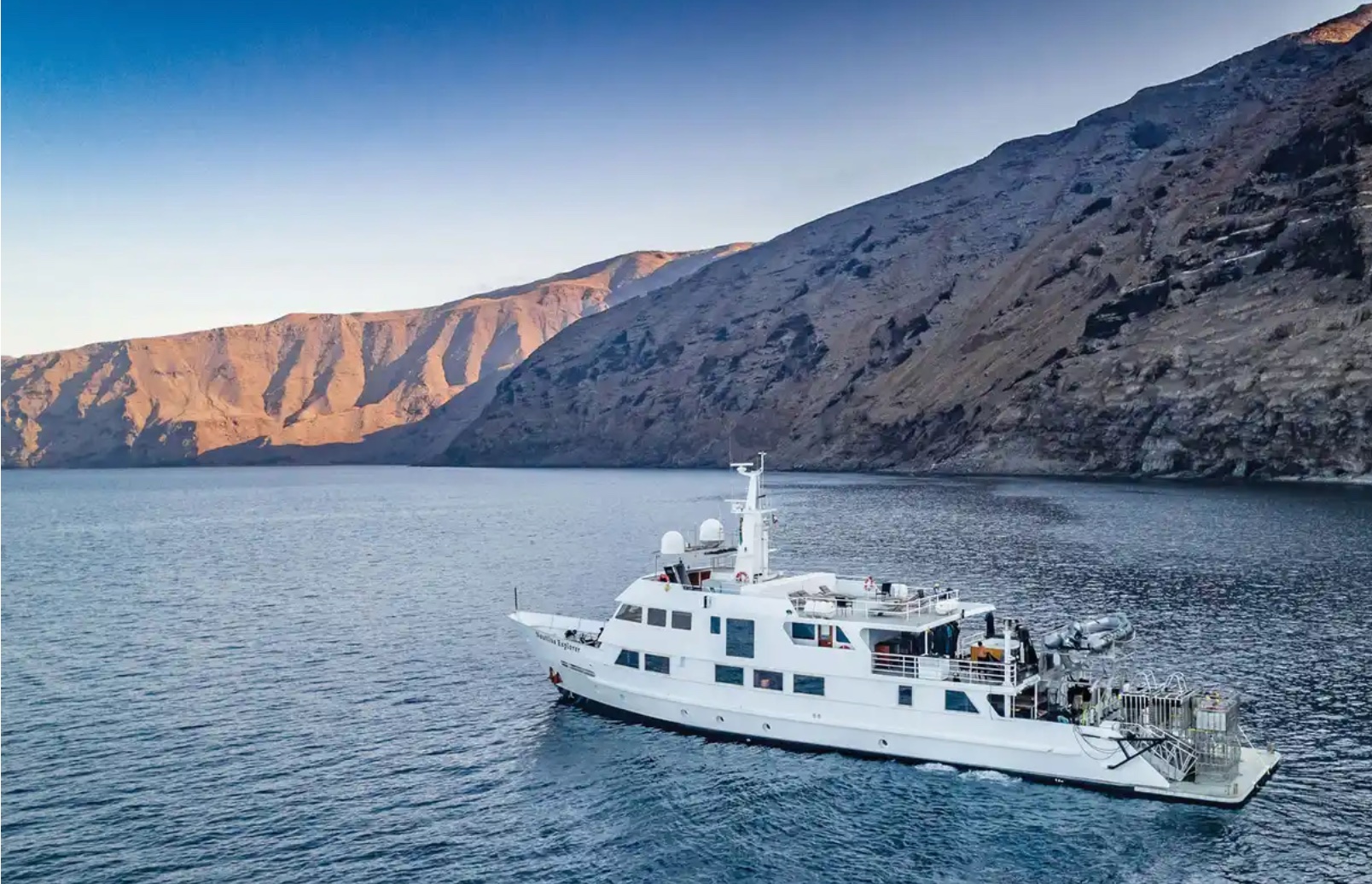
Nautilus Explorer
Mexico
25 guests44.8 m
$230/day
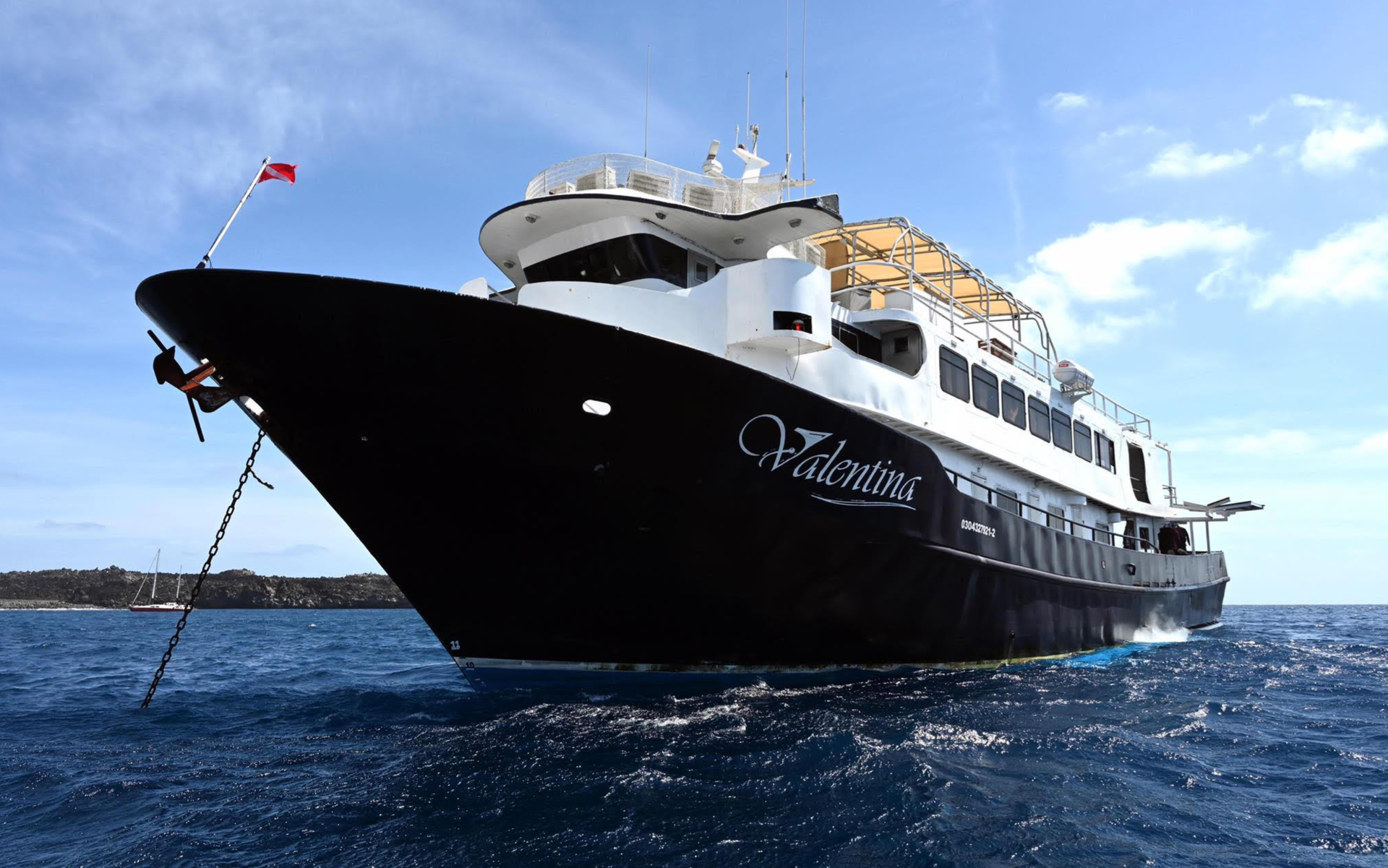
Valentina
Mexico
20 guests38.1 m
$430/day
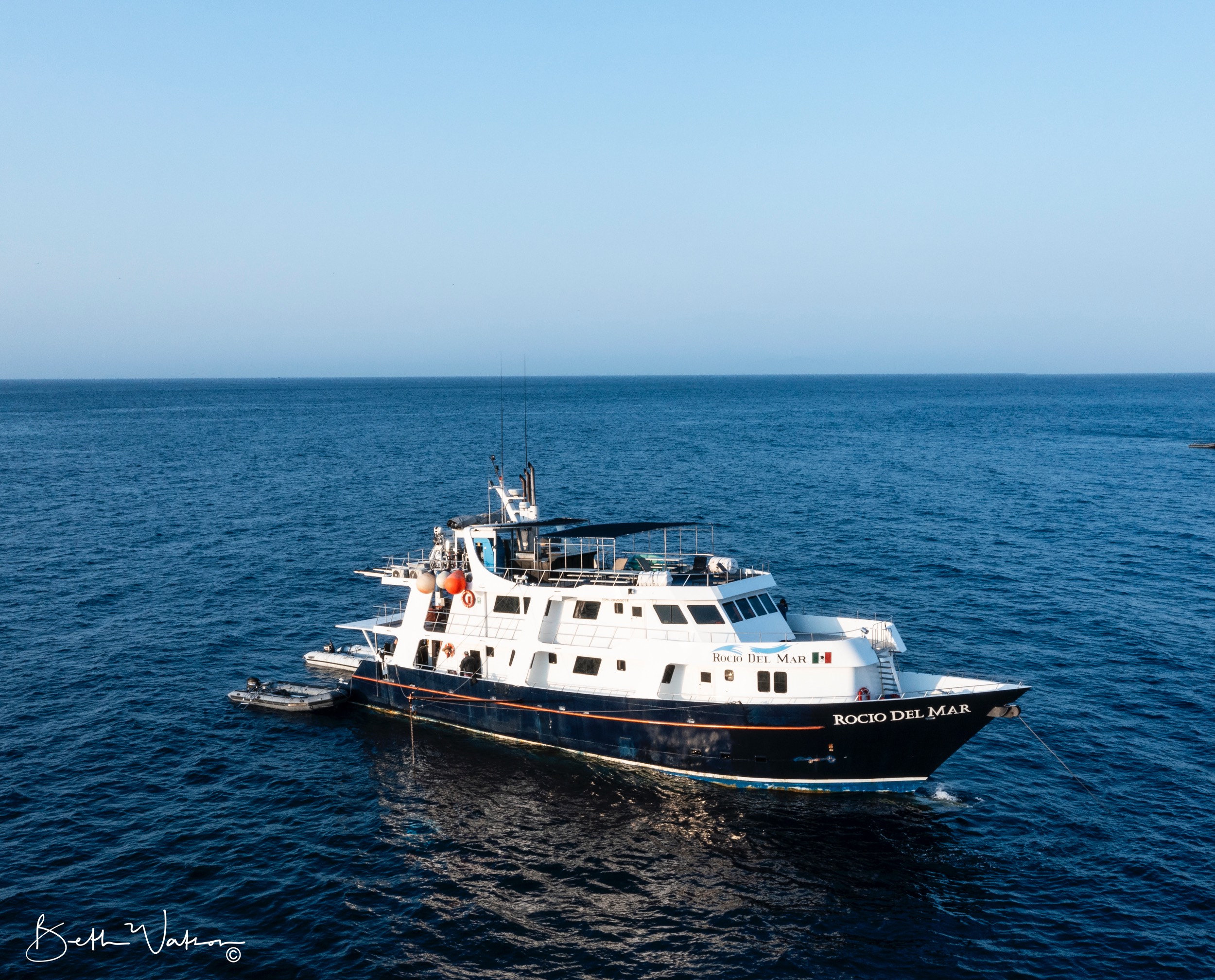
Rocio del Mar
Mexico
20 guests33.5 m
$392/day
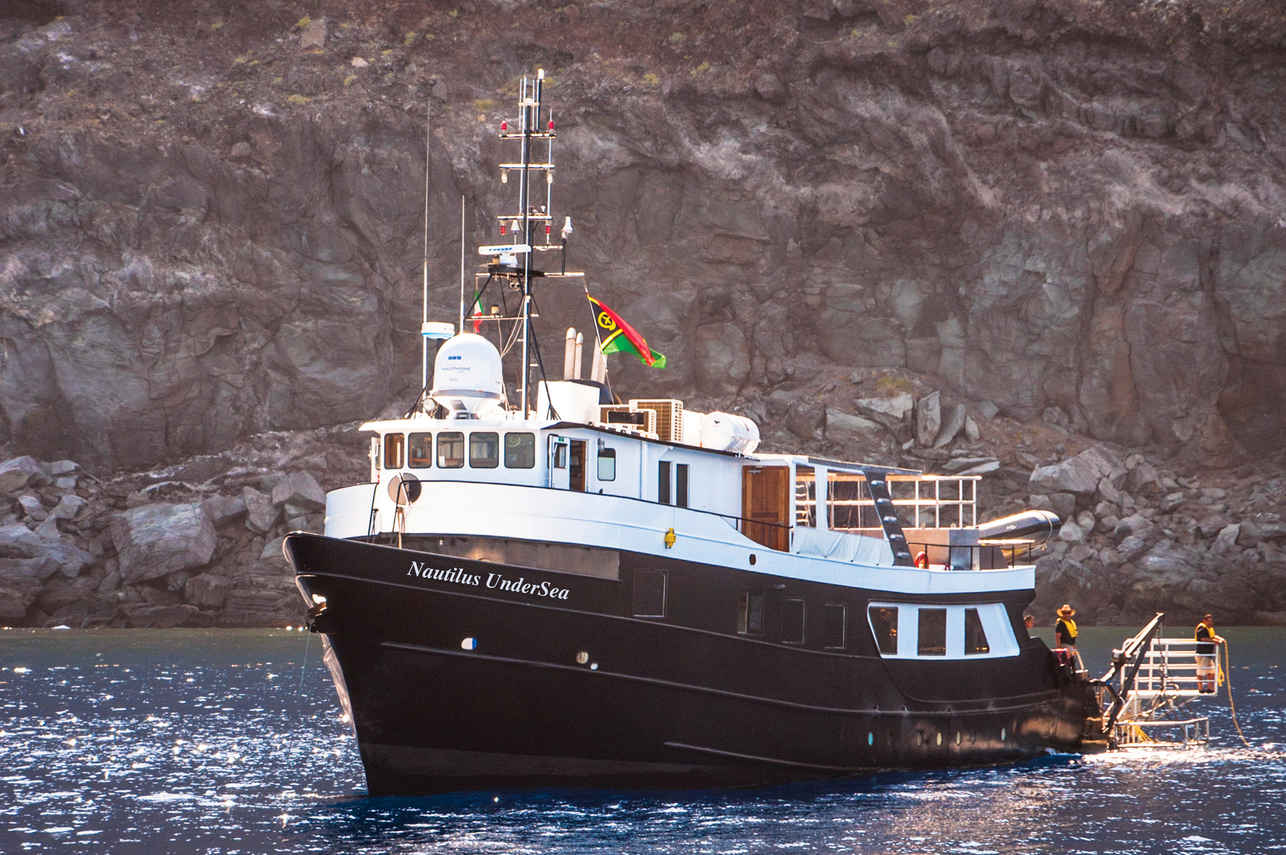
Nautilus Under Sea
Mexico
19 guests32 m
$261/day
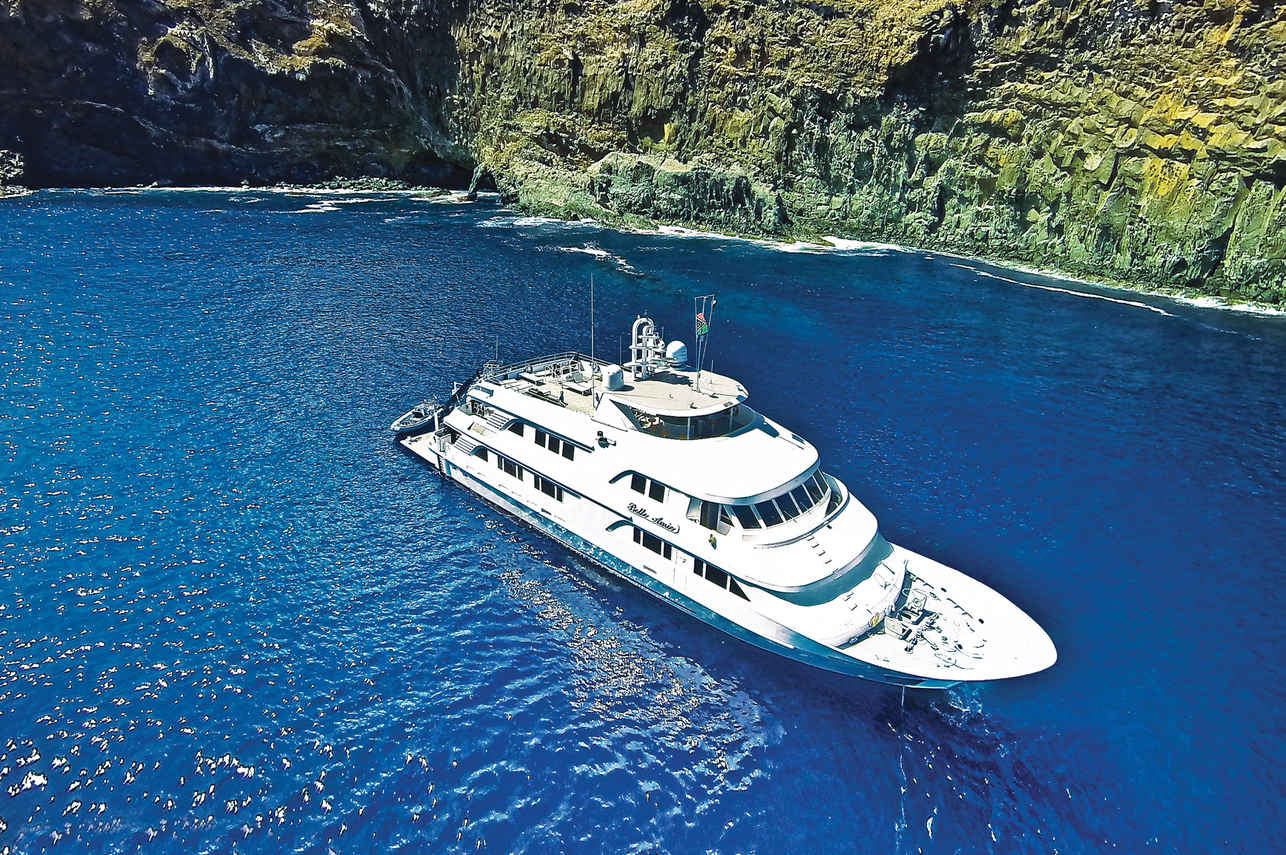
Nautilus Belle Amie
Mexico
32 guests44.8 m
$323/day
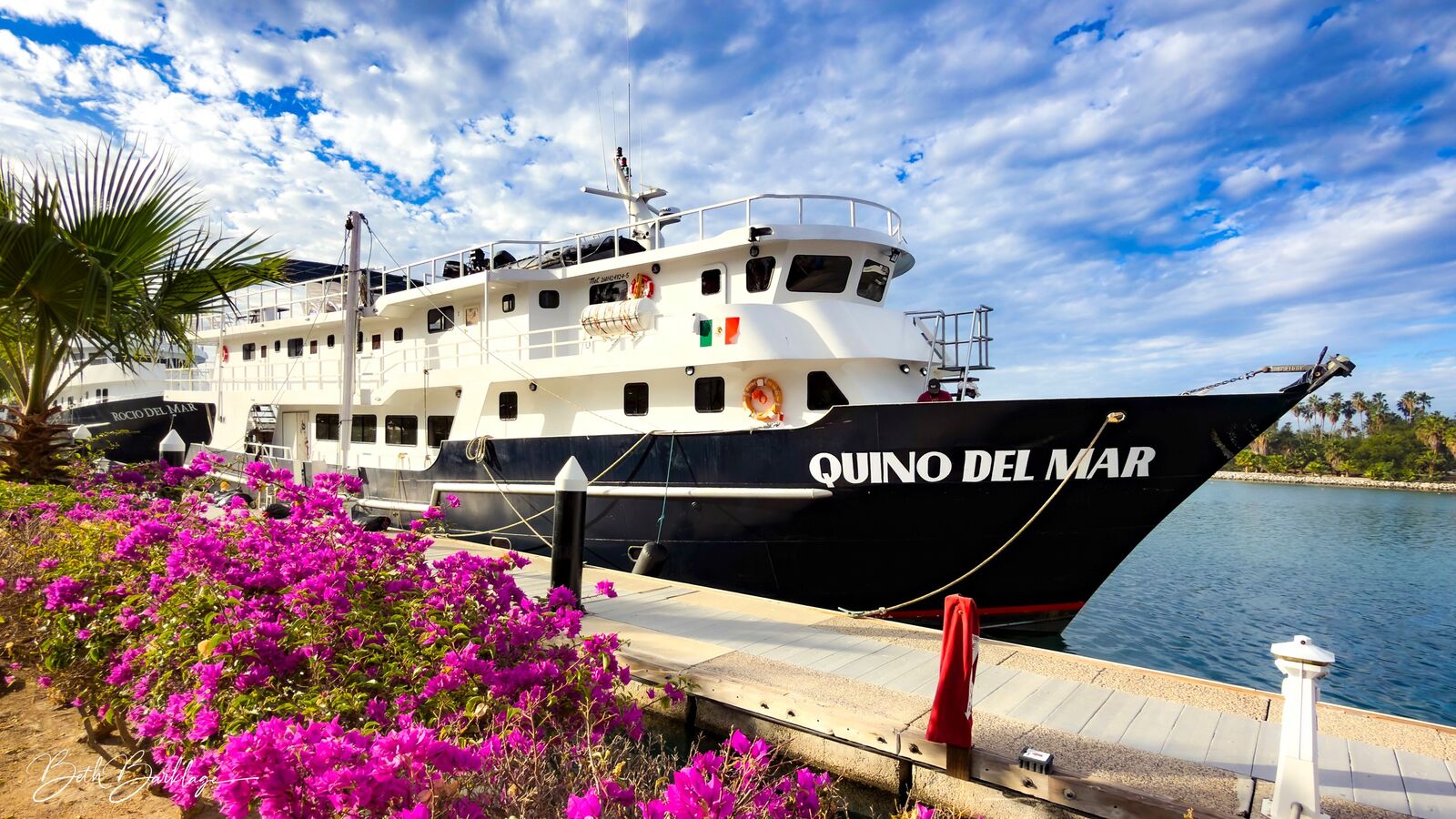
Quino del Mar
Mexico
20 guests36 m
$392/day
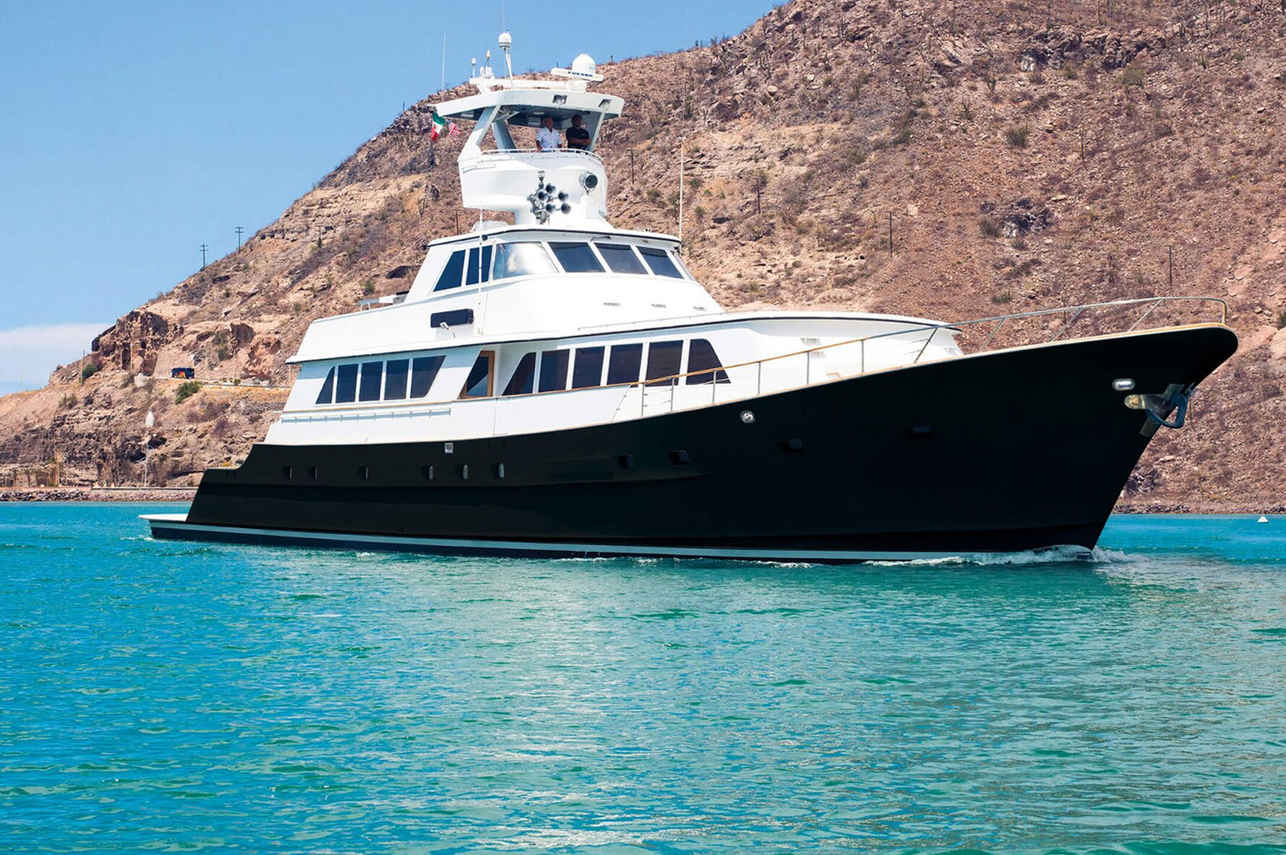
Nautilus Gallant Lady
Mexico
12 guests35.36 m
$332/day
Dive sites similar to Socorro - Cabo Pearce
Same character, same waters — six more sites divers love for the exact same reasons.Compare seasons, access and liveaboard routes — then pick the site that fits your trip best.
© Esri — Maxar, Earthstar, GIS
Pelican Rock
Mexico
Pelican Rock is a renowned dive site located within the Cabo San Lucas Marine Park in Baja California Sur, Mexico, just a few minutes by boat from the marina.
- Suitable for
- Beginner
- Current
- Mild
- Access
- Liveaboard or dayboat
- Depth
- 5–40 m
- Theme
- Wall
© Esri — Maxar, Earthstar, GIS
Isla Montserrat
Mexico
Isla Montserrat is one of the five major islands within the Bahía de Loreto National Park, offering a diverse range of diving opportunities.
- Suitable for
- Intermediate
- Current
- Mild
- Access
- Liveaboard only
- Depth
- —
- Theme
- Reef / Wall
© Esri — Maxar, Earthstar, GIS
Cenote Kukulkan, often referred to as Chikin Ha, is a captivating underwater cavern system located in the heart of the Yucatán Peninsula, approximately 25 kilometers (15 miles) from Playa del Carmen.
- Suitable for
- Intermediate
- Current
- No current
- Access
- Dayboat
- Depth
- 10–15 m
- Theme
- Cavern / Pinnacle
© Esri — Maxar, Earthstar, GIS
Moc-Che Shallow
Mexico
Moc-Che Shallow is a vibrant reef dive situated directly off Playa del Carmen in Mexico, forming part of the Mesoamerican Barrier Reef.
- Suitable for
- Beginner
- Current
- Moderate
- Access
- Liveaboard or dayboat
- Depth
- 7–14 m
- Theme
- Drift
© Esri — Maxar, Earthstar, GIS
The Ramparts of Coronados Island, located in Mexican waters just over 17-20 miles south of San Diego, offers an exhilarating wall dive experience characterized by spectacular granite cliffs and rich marine biodiversity.
- Suitable for
- Intermediate
- Current
- Mild
- Access
- Liveaboard only
- Depth
- 5–30 m
- Theme
- Wall / Reef