About San Benedicto Island - The Canyon
San Benedicto Island's dive site "The Canyon" is a renowned location within Mexico's Revillagigedo Archipelago, frequently compared to the Galapagos for its exceptional big-animal encounters. Located on the south end of the island, this site is a magnet for large pelagic species, making it a highlight for advanced divers seeking thrilling interactions in the open ocean. The topography features a reef edge and rocky areas, with depths extending beyond typical recreational limits. Divers typically follow the reef, encountering diverse marine life that utilizes the area as a cleaning station and hunting ground. While not known for coral gardens, the sheer abundance of large creatures creates a dramatic underwater landscape. "The Canyon" is particularly celebrated for close encounters with giant Pacific manta rays, often seen alongside various shark species including Galapagos, silvertip, silky, and hammerheads. Dolphins are also frequent visitors, and during certain months, there is a chance to spot humpback whales. The optimal diving season for these interactions spans from November to May. Liveaboard trips are the only way to access this remote site, departing from Cabo San Lucas or San Jose del Cabo. Divers should be comfortable with open ocean conditions, as strong currents can be present. The focus here is entirely on the majestic megafauna, providing an unparalleled experience for those prioritizing encounters with large marine animals.
Highlights
Giant Pacific manta ray encountersDiverse shark species sightingsDolphin interactionsPelagic big animal divingRemote volcanic island sceneryCleaning station activity
Season calendar
Best months to dive here
Jan
Feb
Mar
Apr
May
Jun
Jul
Aug
Sep
Oct
Nov
Dec
Good
Dive site facts: San Benedicto Island - The Canyon
- Depth
- 5–49 m (15–160 ft)
- Current
- Medium to strong
- Visibility
- 15–50 m (49–164 ft)
- Water temperature
- 21–28°C (70–84°F)
- Entry
- Liveaboard / tender / negative entry
- Level
- Advanced recommended, current experience helpful
- Dive type
- Pelagic, big animal
- Night dive
- Not permitted
- Region / port
- Revillagigedo Archipelago, Mexico
- Coordinates
- 18.7892, -110.8167
Conditions & Currents
Currents at "The Canyon" can range from medium to strong, posing a challenge for less experienced divers. Divers often follow the reef edge to mitigate the effects of the current, particularly when moving towards or positioning at cleaning stations. Negative entries are common to reach desired depths quickly. Visibility is highly variable, influenced by plankton blooms that attract pelagic life, but generally good. Water temperatures fluctuate seasonally, impacting wetsuit choice, and thermoclines can occur. Divers must be proficient in buoyancy control and comfortable with open ocean conditions and potential blue-water safety stops due to the site's exposure.
Marine life & sighting chances

Giant Pacific manta ray
Year-round, particularly Nov-May · common
Hammerhead shark
Year-round · common
Silky shark
Year-round · common
Galapagos shark
Year-round · common
Bottlenose dolphin
Year-round, frequent Jan-Mar · common
Whale shark
Nov-Dec, late Apr-Jul · occasional
Humpback whale
Jan-Apr · occasional
White tip reef shark
Year-round · common
Giant Pacific octopus
Year-round · occasional
Moray eel
Year-round · common
Blackjack
Year-round · common
Silver tip shark
Year-round · commonDive profile & how the dive runs
Dives at "The Canyon" typically begin with a negative entry from a panga (tender) to quickly descend to about 23 meters (75 feet), avoiding strong surface currents. Divers then follow the reef's edge, using it as protection from the main current, exploring rock formations where various sharks are frequently spotted. The main attraction, giant manta rays, are often encountered hovering at cleaning stations around 23 meters. The dive progresses along the wall, observing the dynamic pelagic action in the blue. Turnaround is based on air consumption and no-decompression limits, maintaining a generally similar depth profile to maximize time with large animals. Safety stops are often conducted in the blue water, requiring excellent buoyancy control due to potentially strong currents and the remote nature of the site.
Underwater photography
Capturing the pelagic action at "The Canyon" requires thoughtful preparation. A wide-angle lens, such as a fisheye or wide zoom, is essential to encompass the vastness of the ocean and the imposing size of manta rays, sharks, and dolphins. External strobes are highly recommended to bring out color and detail in the blue water, especially when subjects are further away. Focus on capturing the interaction and scale; be patient and allow the animals to approach. Ethical conduct is paramount: maintain a respectful distance, avoid chasing, and let the curious mantas come to you. Buoyancy control is critical, particularly during blue-water safety stops and in strong currents, to avoid disturbing the environment or other divers.
Combine with nearby dive sites
- San Benedicto - El Fondeadero
Often used for check-out dives, featuring pinnacles with lobster, fish, eels, and occasional sharks.
- San Benedicto - The Boiler
A famous cleaning station for giant Pacific manta rays, often showing curious behavior towards divers.
- Socorro - Cabo Pearce
Known for frequent dolphin encounters and manta ray cleaning stations along a rock wall.
- Socorro - Punta Tosca
A reef dive with two lava arms, known for dolphins, whitetip sharks, and occasional tiger shark and manta sightings.
- Roca Partida
A remote pinnacle teeming with pelagic activity, including whitetip reef sharks, hammerheads, mantas, and sometimes whale sharks.
Getting there & logistics
Access to "The Canyon" and the Revillagigedo Archipelago is exclusively via liveaboard. Divers fly into San Jose del Cabo (SJD), located about 30 minutes from Cabo San Lucas. From either Cabo San Lucas or San Jose del Cabo, liveaboards embark for a crossing that typically takes around 24 hours to reach the remote islands. Trips are usually 8 to 10 nights, offering multiple dives daily across the various islands of the archipelago. Park fees are applicable for the UNESCO World Heritage site. There are no land-based operations or day trips to this site due to its extreme remoteness.
Safety & environment
Diving at "The Canyon" requires a high level of experience due to strong currents and deep dive profiles. Divers must be proficient in advanced diving techniques and comfortable with open ocean conditions, including blue-water safety stops. The nearest recompression chamber is located in Cabo San Lucas, necessitating a long-distance evacuation by liveaboard. Comprehensive dive insurance, including evacuation and recompression coverage, is mandatory. It is crucial to follow the dive guide's instructions, maintain excellent buoyancy, and avoid chasing marine life to ensure both diver safety and animal welfare in this protected marine area.
Who it suits — and who it doesn't
Suited for
- Advanced divers with experience in strong currents
- Divers seeking large pelagic encounters
- Underwater photographers focusing on wide-angle subjects
- Liveaboard enthusiasts
- Those comfortable with remote, challenging dive environments
Less suited for
- Beginner divers or those new to currents
- Divers primarily interested in macro life or coral reefs
- Individuals prone to severe seasickness
- Those who prefer resort-based diving
- Divers without adequate dive insurance
FAQ
San Benedicto Island - The Canyon FAQ
What marine life can I expect to see at San Benedicto's 'The Canyon'?
At "The Canyon," you can expect thrilling encounters with giant Pacific manta rays, which are particularly curious and interactive. The site is also frequented by various shark species, including hammerheads, silvertips, Galapagos, and whitetip reef sharks. Pods of bottlenose dolphins are common, and during specific seasons, there's a chance to spot humpback whales and whale sharks.
What are the typical dive conditions at 'The Canyon'?
"The Canyon" can present challenging dive conditions, including medium to strong currents, requiring advanced diving skills and excellent buoyancy control. Visibility is generally good, ranging from 15 to 50 meters, though it can vary with plankton blooms that attract pelagic life. Water temperatures fluctuate seasonally, necessitating appropriate thermal protection.
Is 'The Canyon' suitable for beginner divers?
No, "The Canyon" is not suitable for beginner divers. Its remote location, potential for strong currents, and deep dive profiles make it best suited for advanced divers who are comfortable in challenging open ocean conditions and have experience with current. Liveaboards often require a minimum certification level, such as Advanced Open Water, and a certain number of logged dives.
How do I get to San Benedicto Island and 'The Canyon'?
San Benedicto Island, including "The Canyon," is only accessible via liveaboard. These trips typically depart from Cabo San Lucas or San Jose del Cabo after divers fly into Los Cabos International Airport (SJD). The crossing to the Revillagigedo Archipelago takes approximately 24 hours, and itineraries usually span 8 to 10 nights.
What is the best time of year to dive 'The Canyon'?
The best time to dive "The Canyon" and the Revillagigedo Archipelago is from November through May. During these months, sea conditions are generally calmer, and the chances of encountering the abundant pelagic marine life, such as mantas, sharks, and dolphins, are at their peak. The marine park closes from mid-summer through October due to increased storm activity.
Are there any specific photography considerations for 'The Canyon'?
For underwater photography at "The Canyon," a wide-angle lens is essential to capture the scale of the large pelagic subjects. External strobes are highly recommended for optimal lighting in the blue water. Patience and respecting marine life are key; allow the animals, especially mantas, to approach you for the best photographic opportunities. Strong currents necessitate excellent buoyancy control to maintain position and stability for shots.
Why dive San Benedicto Island - The Canyon from a liveaboard?
San Benedicto Island - The Canyon is one of Mexico's signature dive sites. A liveaboard sleeps you on the water and puts you in the water for three to four guided dives per day, including dawn and night dives that day-boat operators rarely offer. You skip the daily commute back to port and reach quieter, less-crowded sites in the same region on a single trip.
Below are the liveaboards that include San Benedicto Island - The Canyon on their Mexico itineraries.
Liveaboards diving San Benedicto Island - The Canyon
These liveaboards may visit San Benedicto Island - The Canyon on selected itineraries — the exact dive sites depend on departure, weather and conditions.
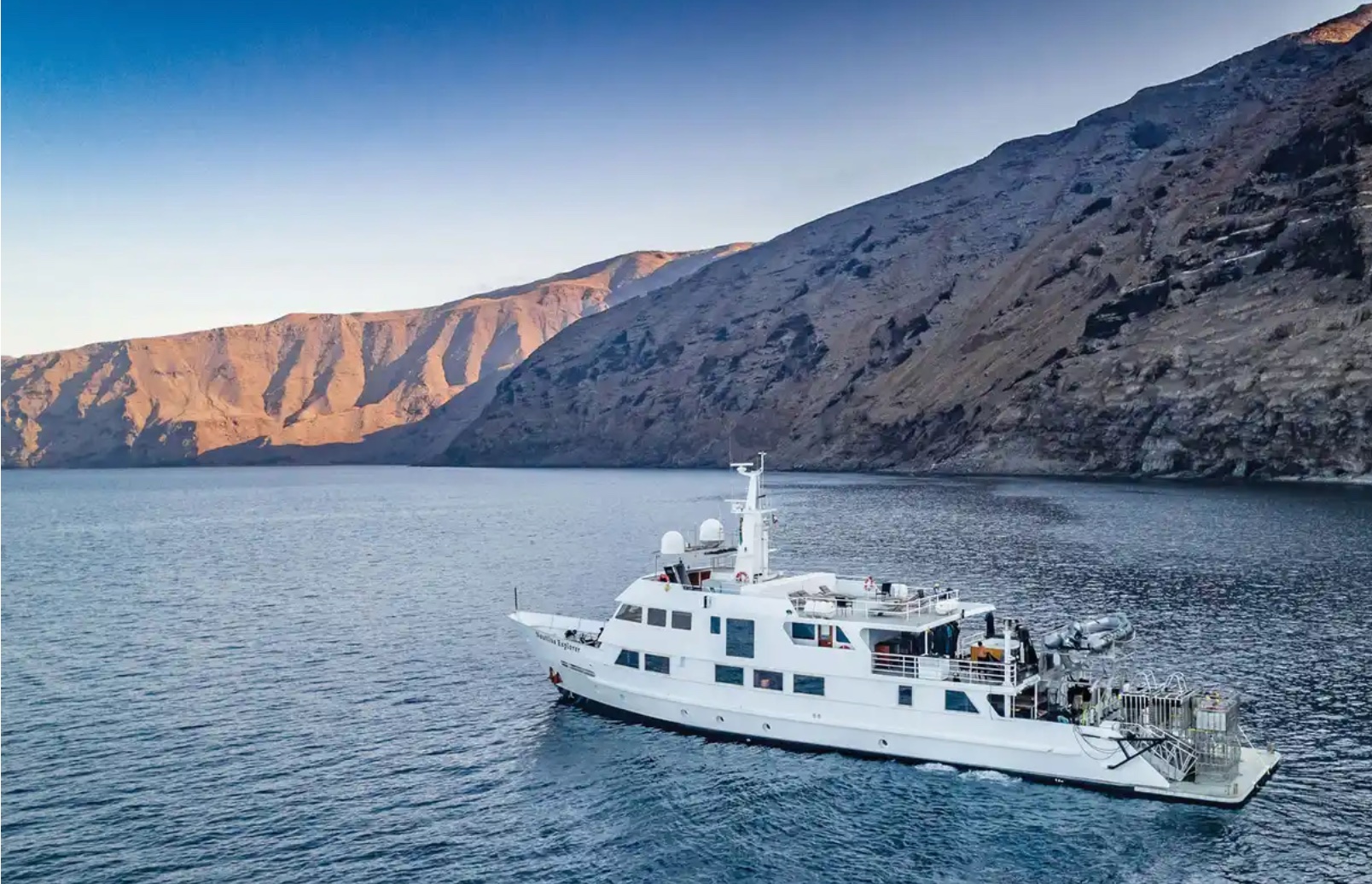
Nautilus Explorer
Mexico
25 guests44.8 m
$330/day
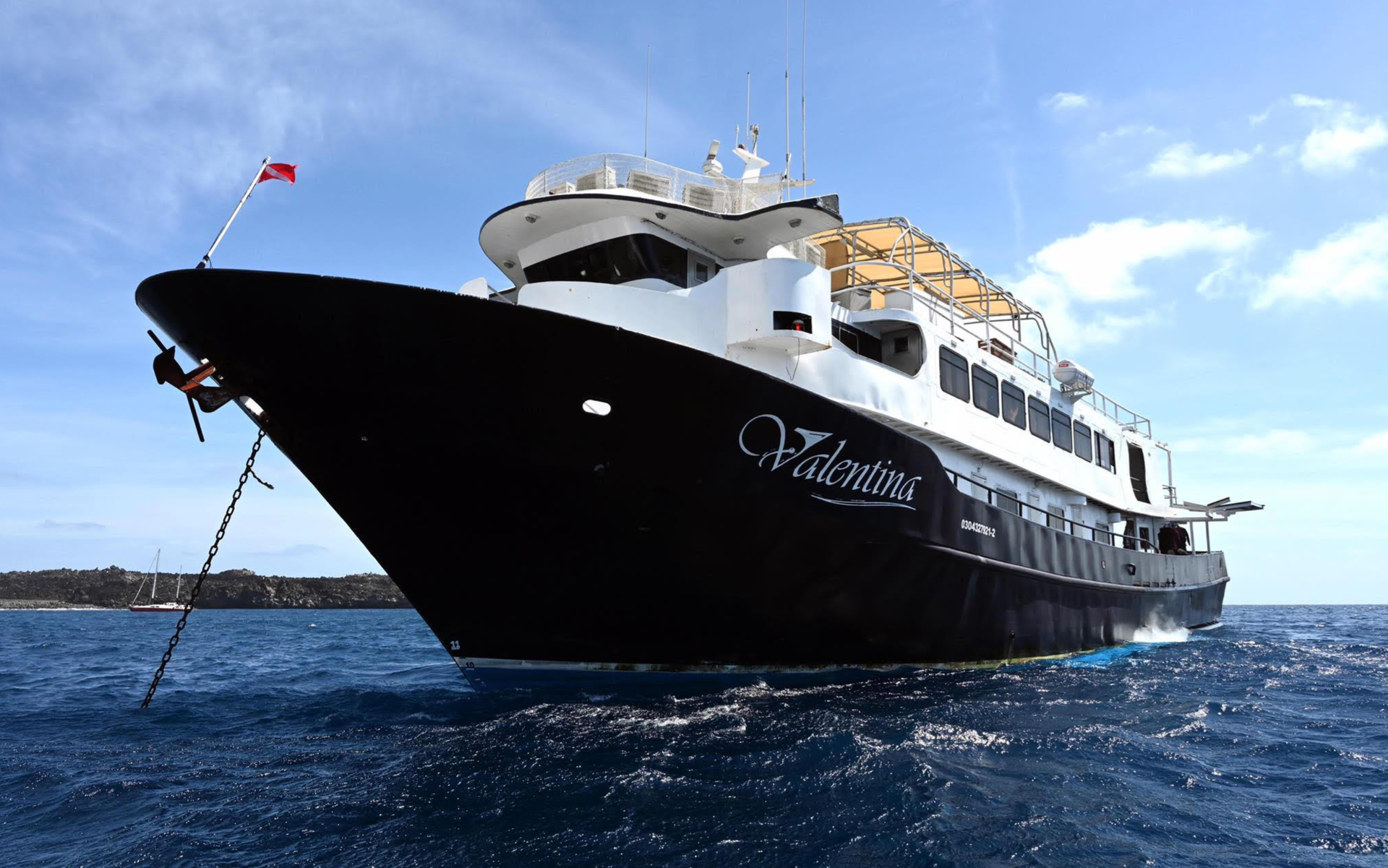
Valentina
Mexico
20 guests38.1 m
$430/day
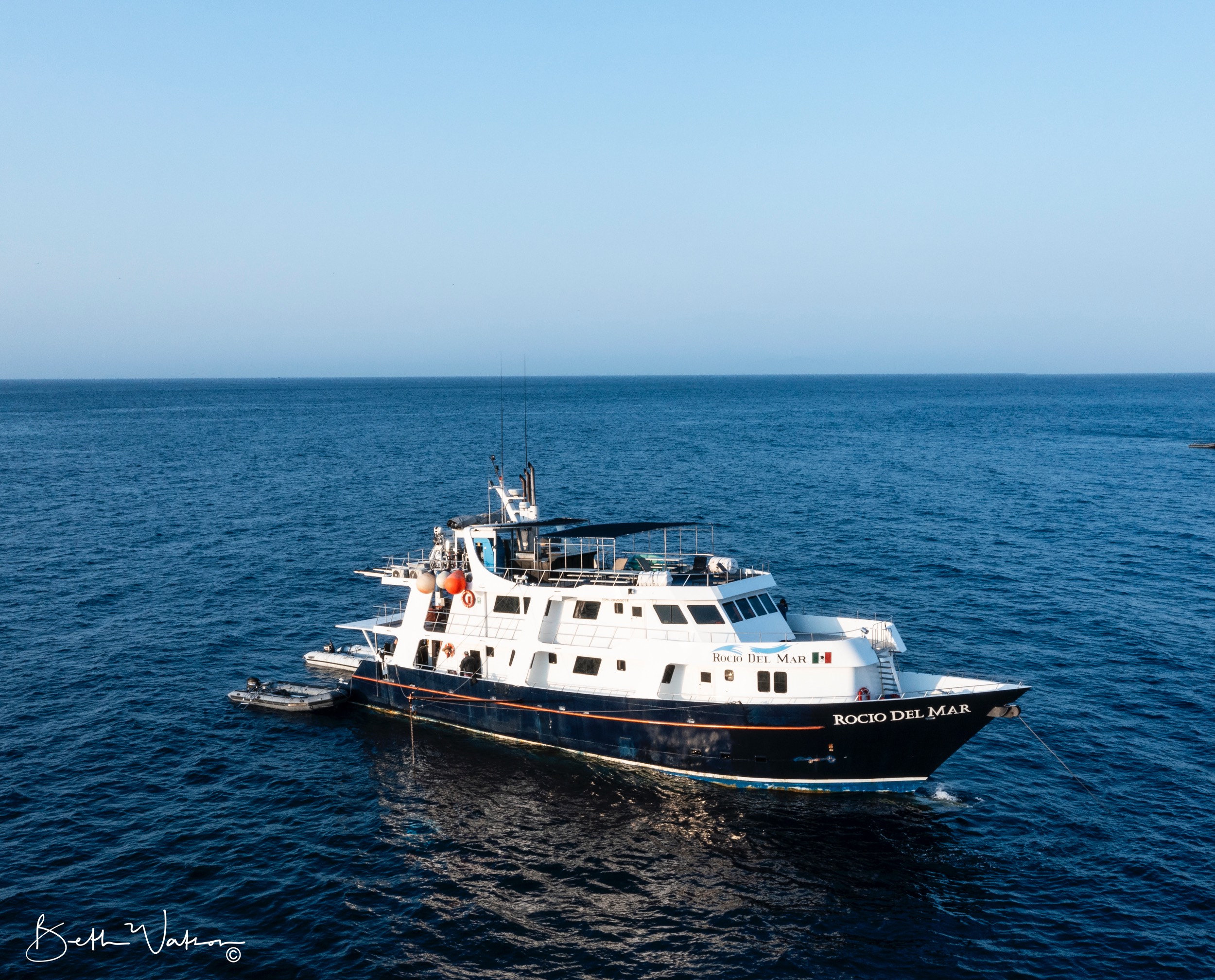
Rocio del Mar
Mexico
20 guests33.5 m
$392/day
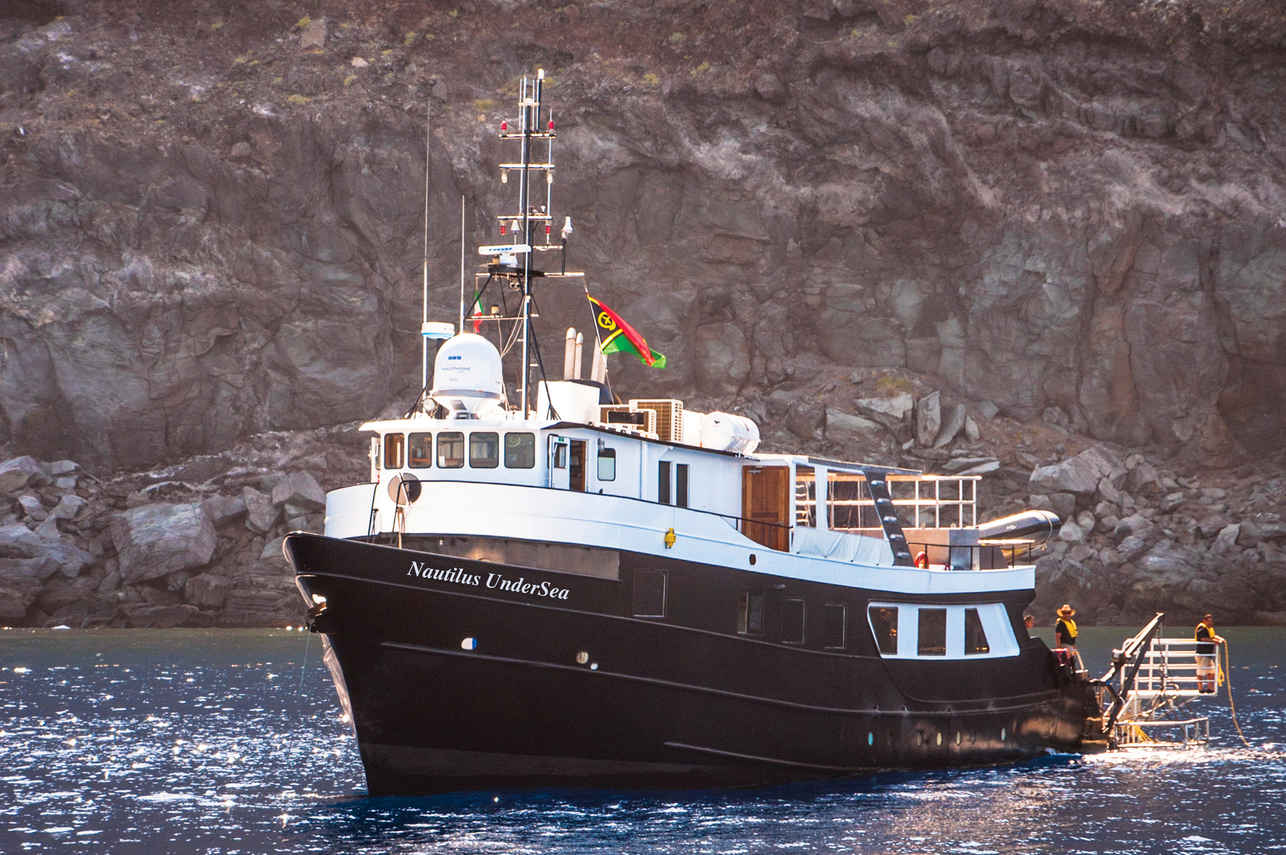
Nautilus Under Sea
Mexico
19 guests32 m
$261/day
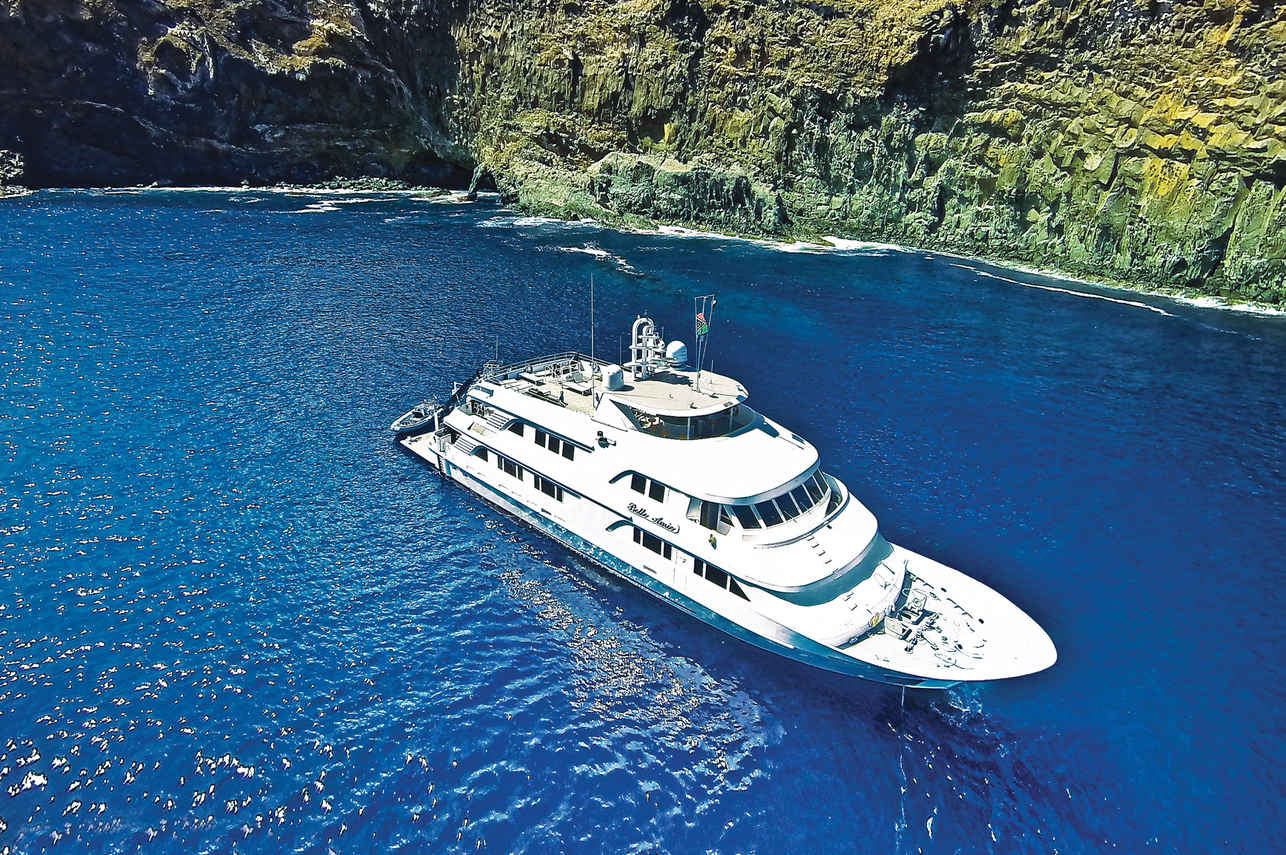
Nautilus Belle Amie
Mexico
32 guests44.8 m
$323/day
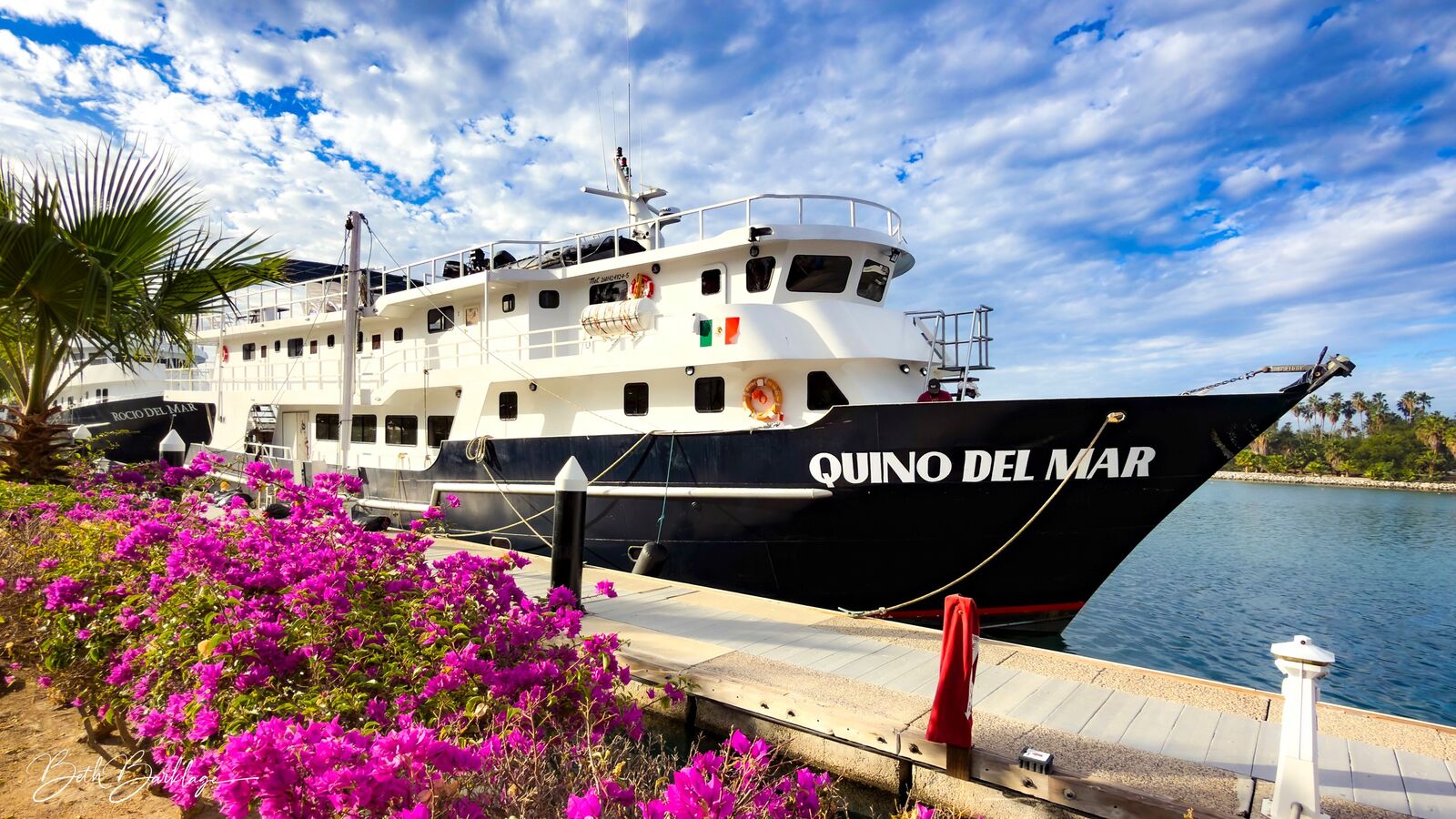
Quino del Mar
Mexico
20 guests36 m
$377/day
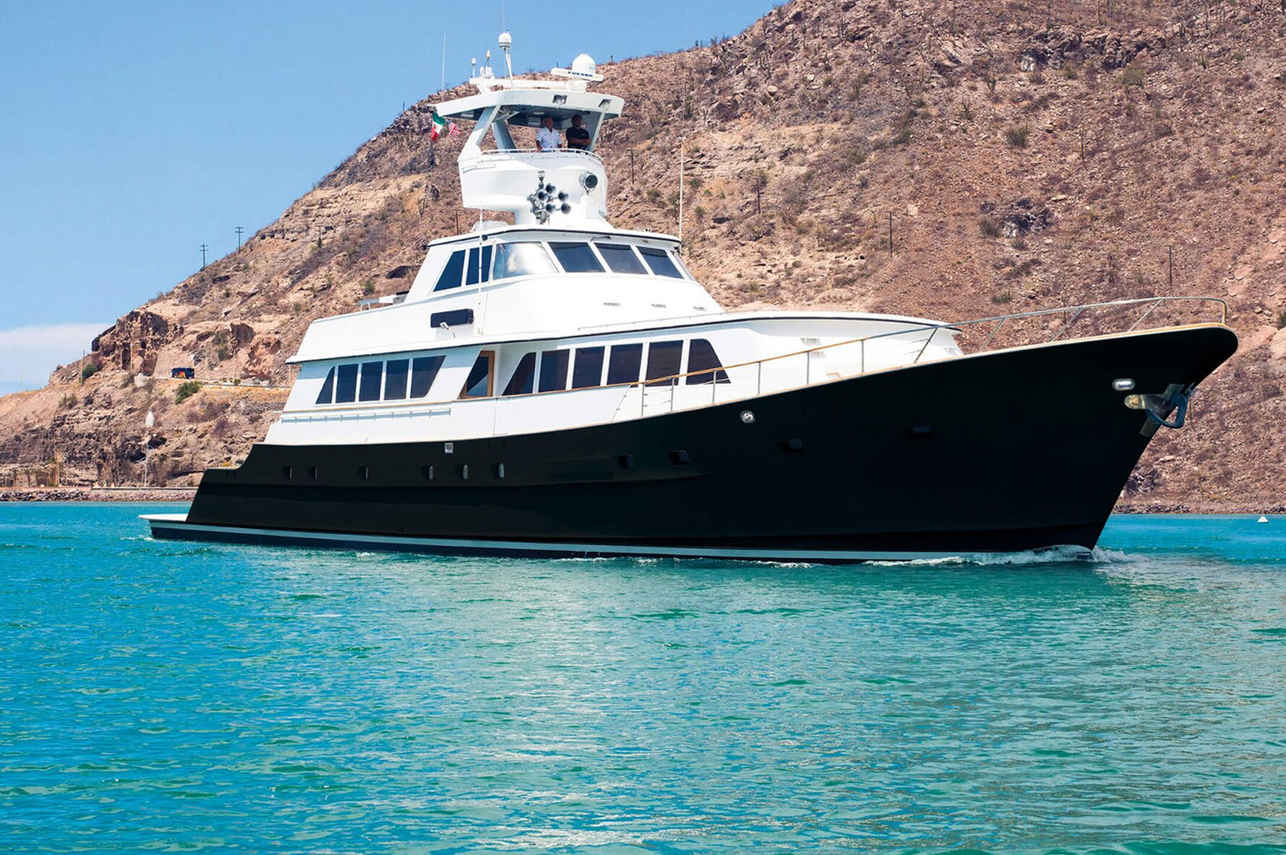
Nautilus Gallant Lady
Mexico
12 guests35.36 m
$332/day
Dive sites similar to San Benedicto Island - The Canyon
Same character, same waters — six more sites divers love for the exact same reasons.Compare seasons, access and liveaboard routes — then pick the site that fits your trip best.
© Esri — Maxar, Earthstar, GIS
Elizabeth Bay
Galápagos
Elizabeth Bay, located on the eastern coast of Isabela Island, presents a wide and sheltered marine environment rich in biodiversity.
- Suitable for
- Beginner
- Current
- No current
- Access
- Liveaboard only
- Depth
- 3–20 m
- Theme
- —
© Esri — Maxar, Earthstar, GIS
Floreana - Devil's Crown
Galápagos
Devil's Crown, located off Floreana Island in the Galápagos, is renowned as one of the archipelago's premier diving and snorkeling destinations.
- Suitable for
- Beginner
- Current
- Strong
- Access
- Liveaboard only
- Depth
- 3–15 m
- Theme
- Reef
© Esri — Maxar, Earthstar, GIS
Bajo Negro
Costa Rica
Bajo Negro, or Black Rock, is a captivating dive site located within the Bat Islands in Santa Rosa National Park, off Costa Rica's Pacific coast.
- Suitable for
- Advanced
- Current
- Strong
- Access
- Shore / dayboat
- Depth
- 20–30 m
- Theme
- Pinnacle / Seamount
© Esri — Maxar, Earthstar, GIS
Dos Sombreros
Costa Rica
Dos Sombreros is a renowned dive site located offshore from Playa Flamingo, forming part of the Catalina Islands chain in Costa Rica's North Pacific region.
- Suitable for
- Intermediate
- Current
- Moderate
- Access
- Dayboat
- Depth
- 12–25 m
- Theme
- Pinnacle
© Esri — Maxar, Earthstar, GIS
Pelican Rock
Mexico
Pelican Rock is a renowned dive site located within the Cabo San Lucas Marine Park in Baja California Sur, Mexico, just a few minutes by boat from the marina.
- Suitable for
- Beginner
- Current
- Mild
- Access
- Liveaboard or dayboat
- Depth
- 5–40 m
- Theme
- Wall
© Esri — Maxar, Earthstar, GIS
Isla Montserrat
Mexico
Isla Montserrat is one of the five major islands within the Bahía de Loreto National Park, offering a diverse range of diving opportunities.
- Suitable for
- Intermediate
- Current
- Mild
- Access
- Liveaboard only
- Depth
- —
- Theme
- Reef / Wall