About Punta Tosca
Punta Tosca is a notable dive site located on Socorro Island, which is part of the remote Revillagigedo Archipelago, also known as the Socorro Islands, off the Pacific coast of Baja California, Mexico. This UNESCO World Heritage Site is celebrated for its abundant pelagic life, drawing divers to its unique underwater landscapes. The site features distinctive hardened lava formations that extend from the island's shore into the ocean. These lava fingers create a semi-protected cove, offering a diverse topography. Divers can explore between these outcroppings or along the perimeter of the inlet, observing more coral and colorful reef inhabitants compared to other sites in the archipelago. While depths can extend significantly, divers should remain mindful of their depth, especially when encountering captivating marine life. Punta Tosca is renowned for interactions with playful bottlenose dolphins and giant oceanic manta rays. Divers frequently encounter whitetip reef sharks, and lobster are also common. The site also supports a variety of smaller, colorful reef fish like Panamic green moray eels, Guinea fowl pufferfish, and Moorish idols, adding a macro element to the dive. Although primarily a reef dive, pelagic sightings are frequent here. Diving Punta Tosca typically occurs via liveaboard, which is the only way to access the Revillagigedo Archipelago. Currents can be present and may be strong, requiring divers to sometimes hold onto rocks while waiting for marine life to appear. Divers are encouraged to monitor their depth, particularly during exciting encounters, as the site offers opportunities for deeper exploration.
Highlights
Playful bottlenose dolphinsGiant oceanic manta raysHardened lava formationsWhitetip reef sharksPanamic green moray eelsColorful reef fishLobster encounters
Best Season
The optimal time for diving in Socorro, including Punta Tosca, spans from November through June. During this season, water temperatures range between 23°C and 28°C (73°F to 82°F), and visibility can be excellent, reaching 10 to 50 meters.
Dive site facts: Punta Tosca
- Depth
- 0–38 m
- Current
- Moderate
- Entry
- Liveaboard only
- Level
- Advanced
- Dive type
- Reef, Reef
- Region / port
- Mexico
- Coordinates
- 18.7291° N, 110.9168° W
Conditions & Currents
Currents at Punta Tosca can range from medium to strong, often requiring divers to seek shelter or use reef hooks to maintain position, especially when observing pelagic animals. A negative entry may be beneficial depending on conditions. The site's unique lava topography provides some natural protection, allowing for varied dive profiles along or between the rock formations. Visibility is generally very good, typically ranging from 10 to 50 meters, though thermoclines are possible in the region due to converging currents. Divers must be attentive to depth, as the excitement of interacting with large marine life can be distracting, leading to deeper excursions. Due to the potential for strong currents and deeper profiles, this site is best suited for advanced divers with experience in open ocean conditions.
Why dive Punta Tosca from a liveaboard?
Punta Tosca is one of Mexico's signature dive sites. A liveaboard sleeps you on the water and puts you in the water for three to four guided dives per day, including dawn and night dives that day-boat operators rarely offer. You skip the daily commute back to port and reach quieter, less-crowded sites in the same region on a single trip.
Below are the liveaboards that include Punta Tosca on their Mexico itineraries.
Liveaboards diving Punta Tosca
These liveaboards may visit Punta Tosca on selected itineraries — the exact dive sites depend on departure, weather and conditions.
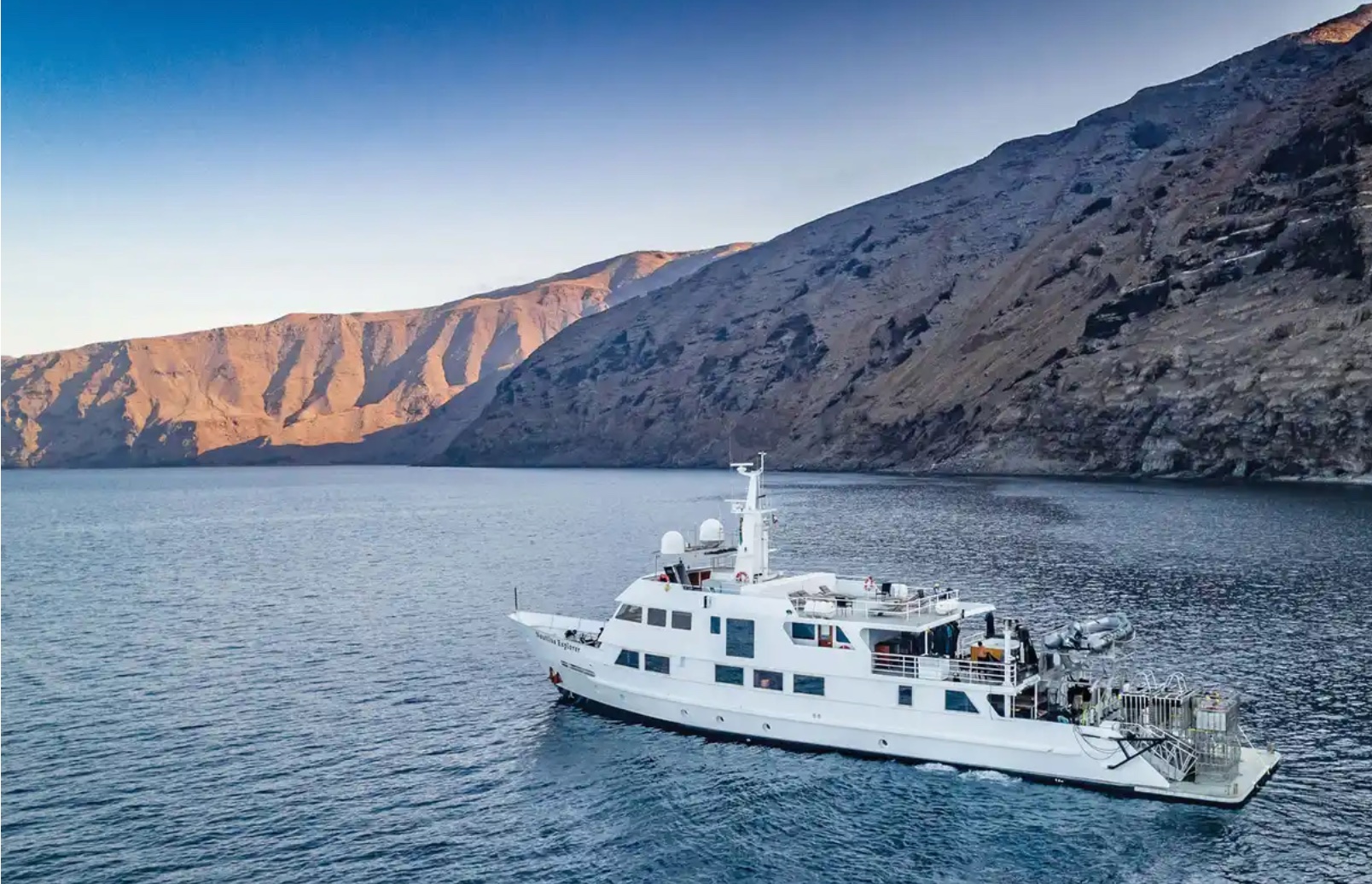
Nautilus Explorer
Mexico
25 guests44.8 m
$230/day
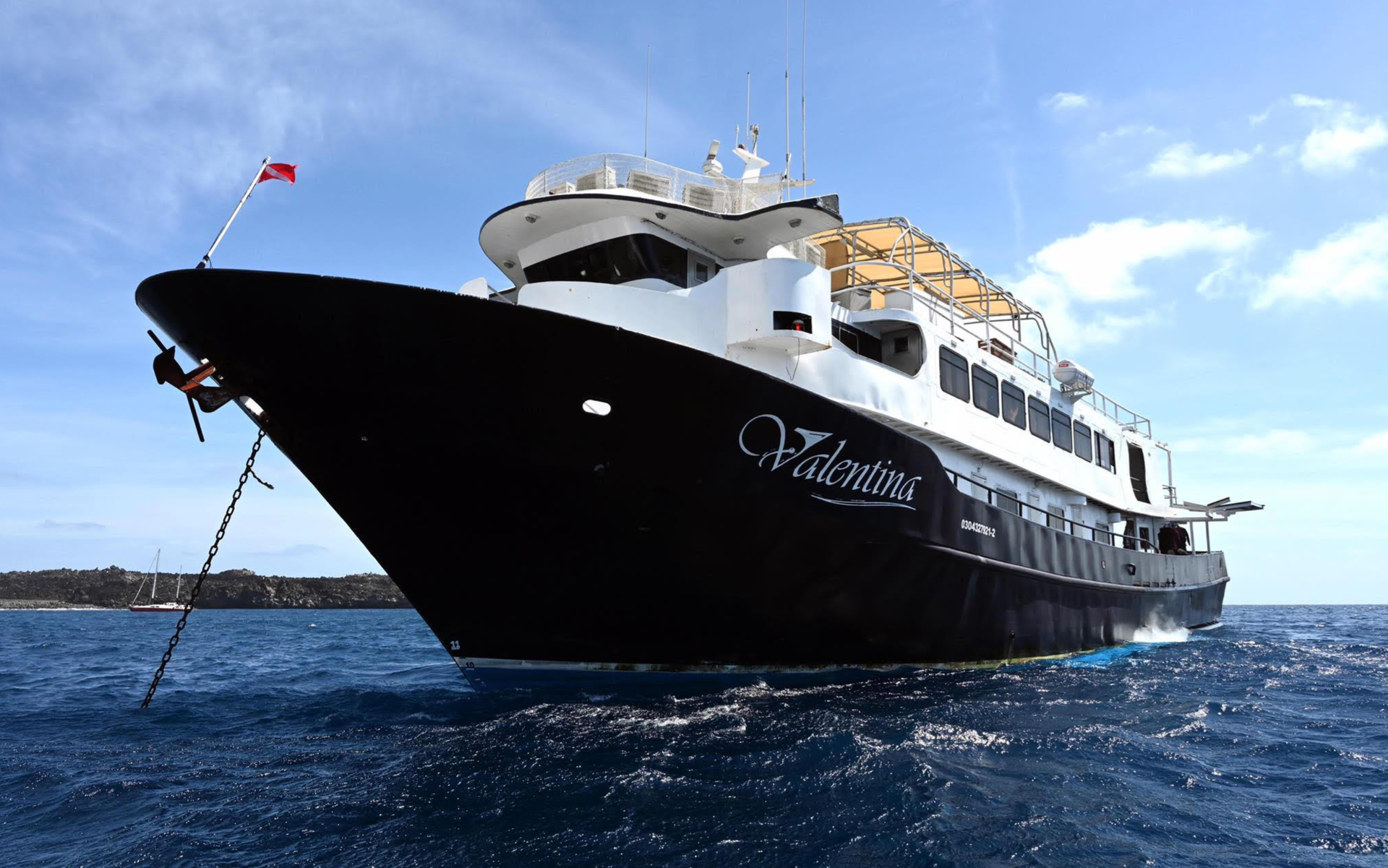
Valentina
Mexico
20 guests38.1 m
$430/day
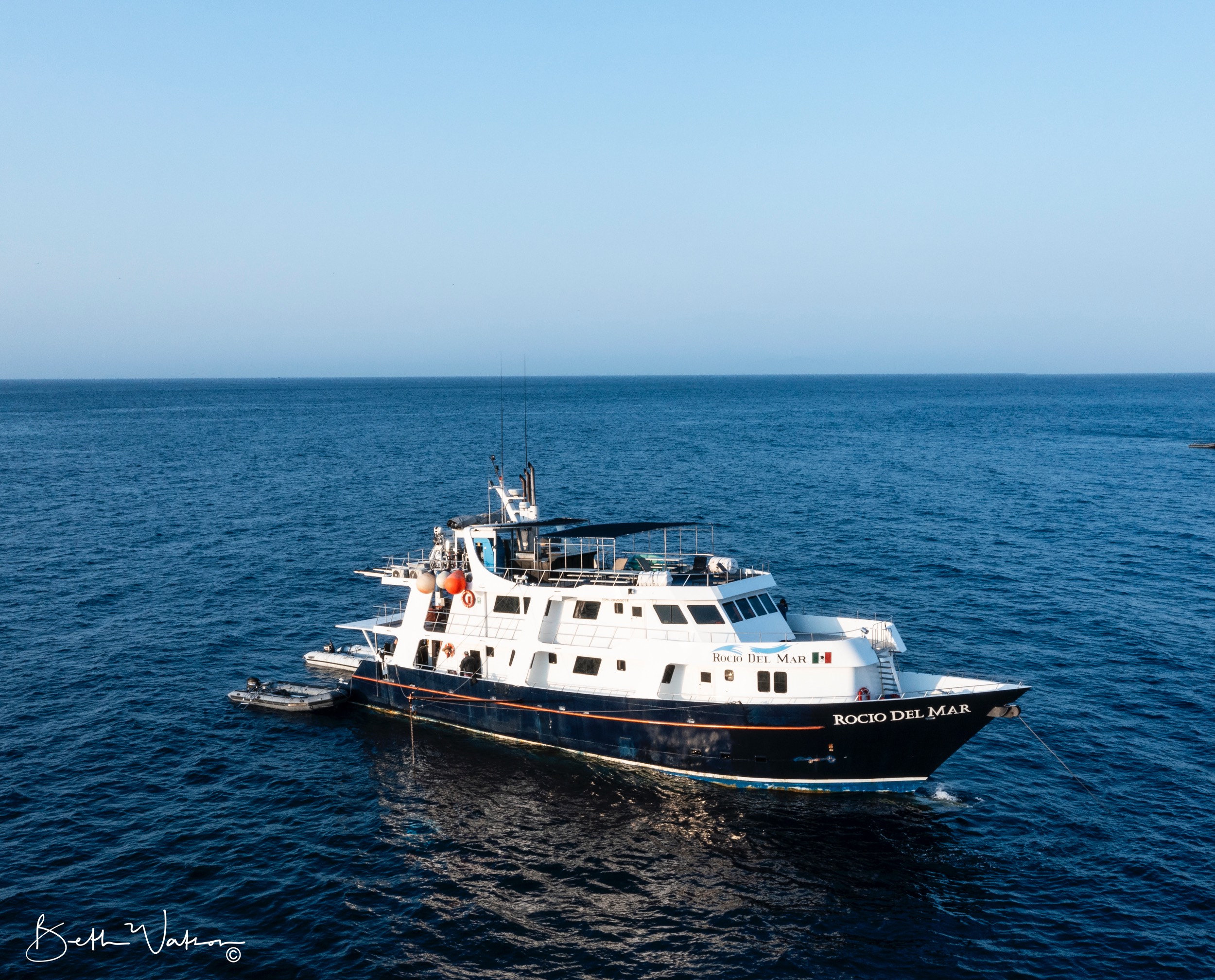
Rocio del Mar
Mexico
20 guests33.5 m
$392/day
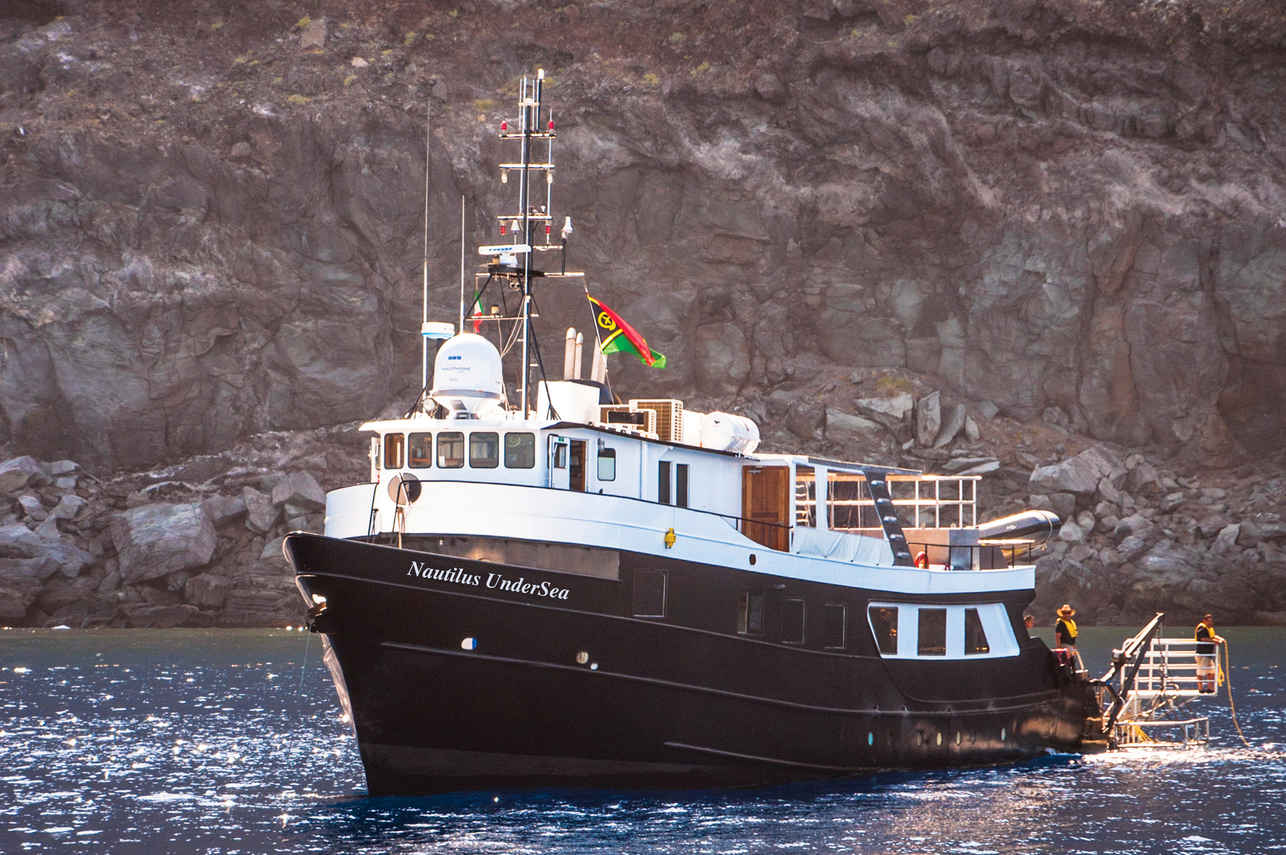
Nautilus Under Sea
Mexico
19 guests32 m
$261/day
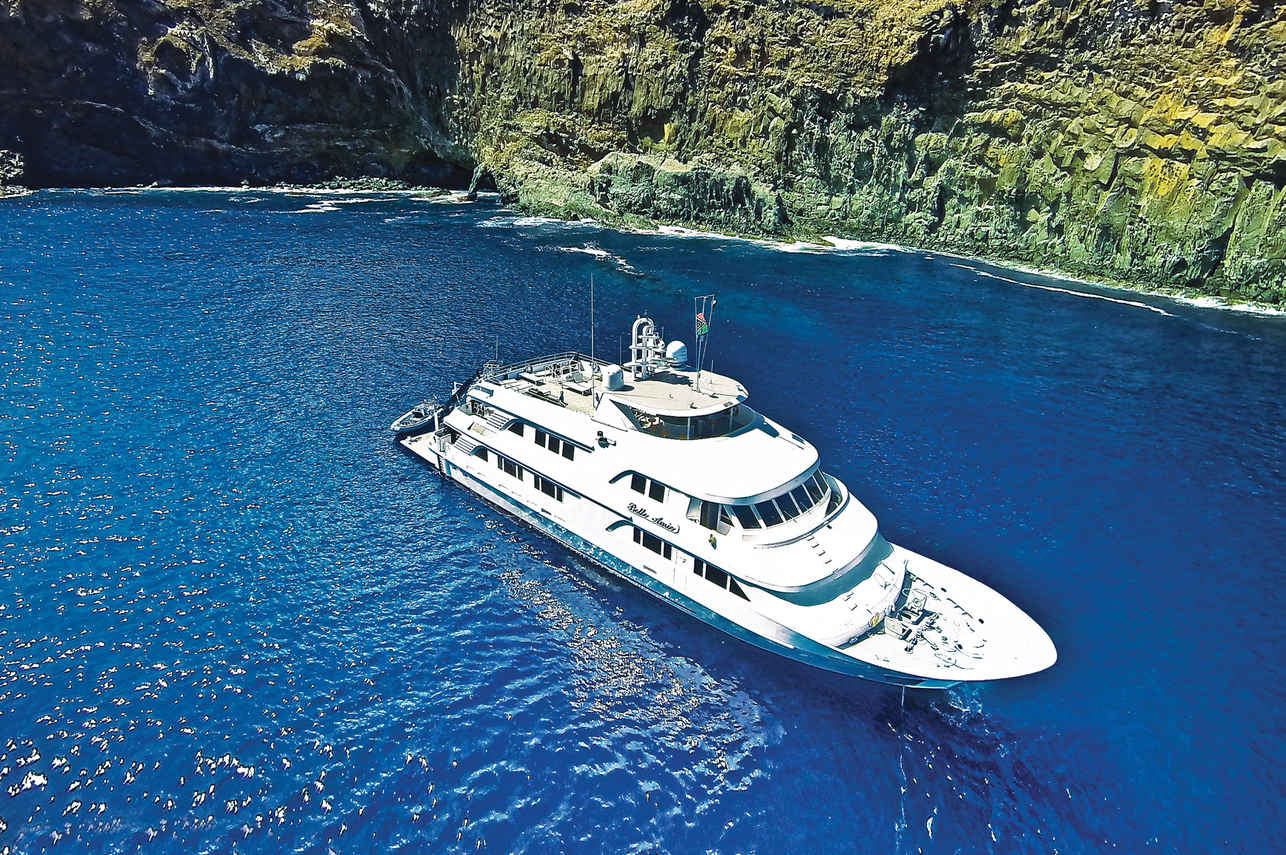
Nautilus Belle Amie
Mexico
32 guests44.8 m
$323/day
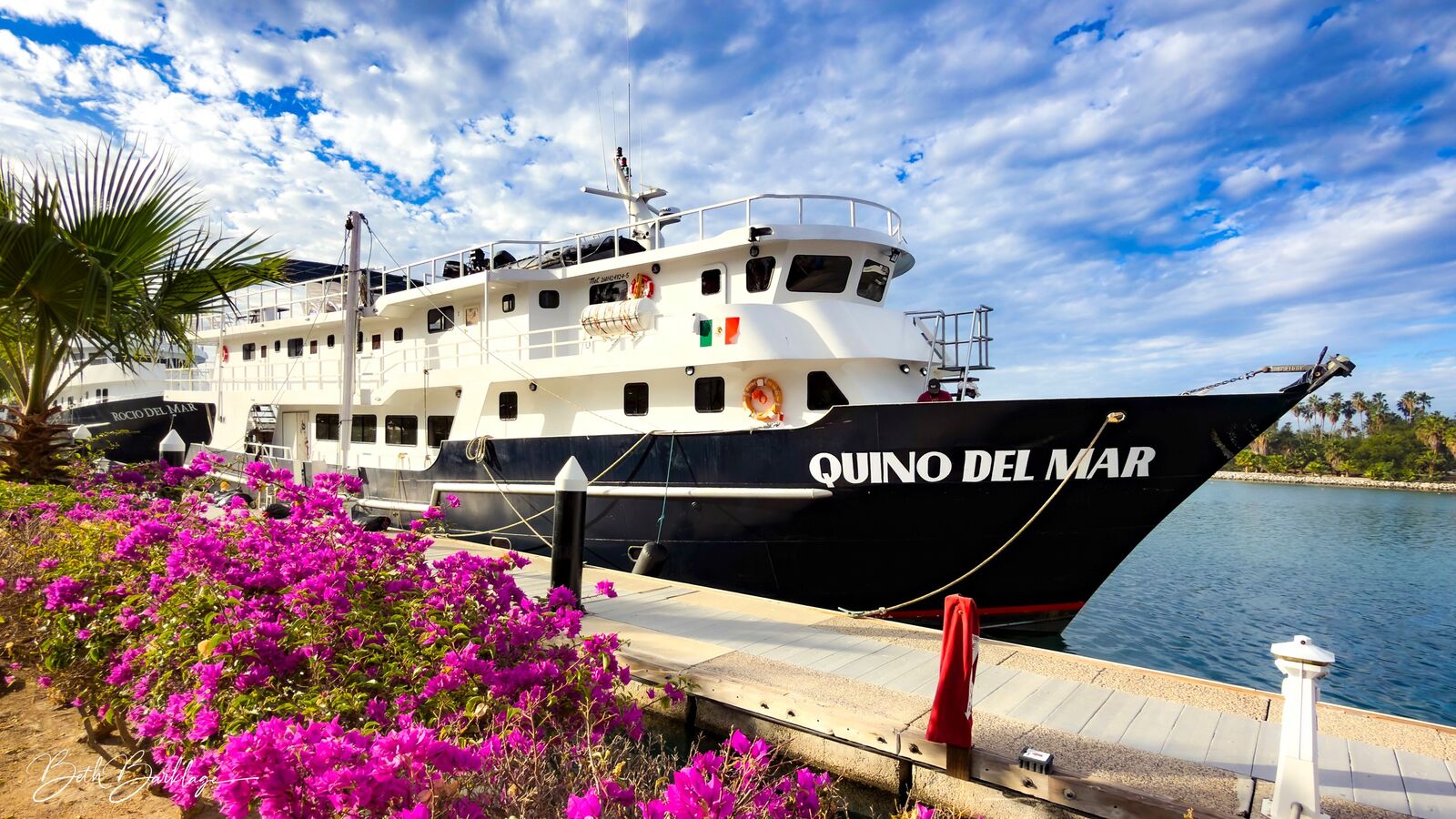
Quino del Mar
Mexico
20 guests36 m
$377/day
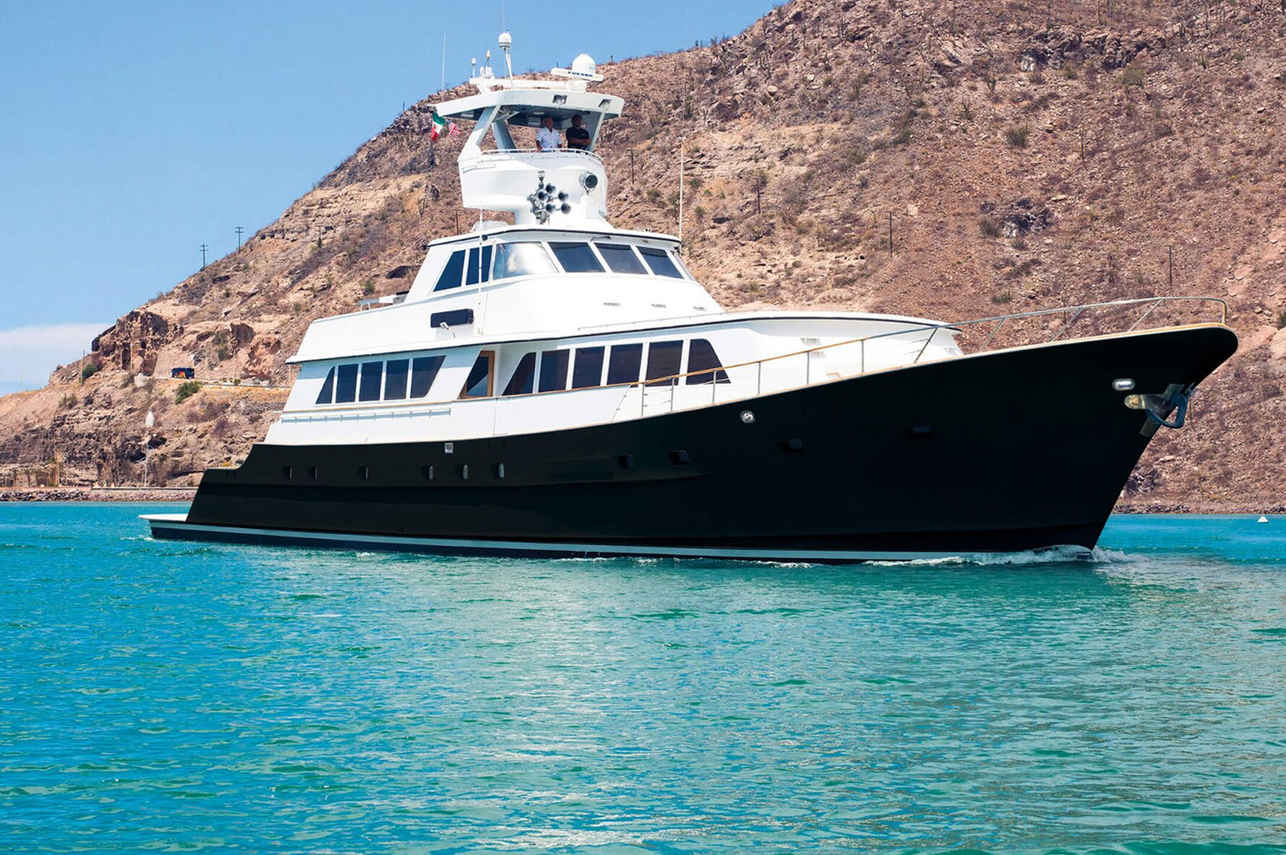
Nautilus Gallant Lady
Mexico
12 guests35.36 m
$332/day
Dive sites similar to Punta Tosca
Same character, same waters — six more sites divers love for the exact same reasons.Compare seasons, access and liveaboard routes — then pick the site that fits your trip best.
© Esri — Maxar, Earthstar, GIS
Tak Be Luum
Mexico
Cenote Tak Be Luum, located in the Mexican state of Quintana Roo, is an exceptional cavern dive that forms part of the vast Sac Actun underwater cave system, one of the world's largest.
- Suitable for
- Advanced
- Current
- No current
- Access
- Shore / dayboat
- Depth
- 4–9 m
- Theme
- Reef
© Esri — Maxar, Earthstar, GIS
Neptune's Finger
Mexico
Neptune's Finger is a renowned dive site located in Cabo San Lucas, Mexico, at the southern tip of the Baja California Peninsula.
- Suitable for
- Beginner
- Current
- Mild
- Access
- Liveaboard or dayboat
- Depth
- 4–152 m
- Theme
- Reef
© Esri — Maxar, Earthstar, GIS
Majahuitas
Mexico
Majahuitas is a pristine and secluded cove located on the southern coast of Banderas Bay, near Puerto Vallarta, Mexico.
- Suitable for
- Beginner
- Current
- Mild
- Access
- Dayboat
- Depth
- 8–14 m
- Theme
- Reef
La Poza is a remarkable dive site located in Xcalak, a serene fishing village situated on Mexico's Caribbean coast, near the Belize border.
- Suitable for
- Advanced
- Current
- Mild
- Access
- Shore / dayboat
- Depth
- 20–25 m
- Theme
- Reef
© Esri — Maxar, Earthstar, GIS
Siete Bocas
Mexico
Cenote Siete Bocas, meaning "Seven Mouths," is a unique cavern dive site nestled along the Ruta de los Cenotes near Puerto Morelos in Mexico's Riviera Maya.
- Suitable for
- Intermediate
- Current
- No current
- Access
- Shore / dayboat
- Depth
- ≤ 30 m
- Theme
- Reef
© Esri — Maxar, Earthstar, GIS
Sleeping Shark Cave
Mexico
Sleeping Shark Cave is a legendary underwater site situated off the eastern coast of Isla Mujeres, Mexico.
- Suitable for
- Intermediate
- Current
- No current
- Access
- Liveaboard or dayboat
- Depth
- 16–20 m
- Theme
- Reef