About Pelican Rock
Pelican Rock is a renowned dive site located within the Cabo San Lucas Marine Park in Baja California Sur, Mexico, just a few minutes by boat from the marina. This site holds significance as part of Mexico's second marine protected area, established in 1973, and later designated a UNESCO World Heritage Site. It's nestled within a mountainous ridge that protects the bay from oceanic elements, marking a dramatic transition from the Pacific Ocean to the Sea of Cortez. The site is named after a smaller rock closer to shore where pelicans frequently perch, though a larger pinnacle is the main focus for divers. The topography features a prominent pinnacle that rises above the surface, extending underwater to about 14 meters at its deepest point. This pinnacle gives way to a vibrant wall dive and one of Cabo's unique sand falls, which cascades down rocky canyon walls, visible from around 65 feet (20 meters) and continuing to depths beyond 250 feet (76 meters). Below 30-33 feet (9-10 meters), the structure plunges dramatically into the 'Cabo Canyon,' reaching depths over 1,200 feet (365 meters). The site also offers shallower sandy shelves perfect for newer divers. Pelican Rock is a magnet for marine life year-round, offering consistent animal encounters. Common sightings include Cownose rays, schooling snapper, angelfish, porcupinefish, damselfish, butterflyfish, and seahorses. While many species are present throughout the year, some seasonal changes occur. Cooler, nutrient-rich currents in April and May, for instance, can attract a greater diversity of marine life. This site caters to all levels of divers, from beginners to advanced and technical explorers, providing easy access to varied terrain. Dive boats typically embark on a short ride from the marina. The standard dive plan often involves dropping in on the south side of a buoyed area, moving along shallow sand to the main pinnacle, then exploring the outer plateau and wall before circling back via the small canyon and its sand falls. It’s also a popular spot for courses and first-time divers due to its easy conditions and sheltered location.
Highlights
Pelican Rock pinnacleCabo Canyon sand fallsCownose ray encountersSchooling snapperDramatic wall diveShallow training areasSeahorsesPurple fan corals
Best Season
The clearest visibility is typically found from late August through December, coinciding with warmer water conditions. Conversely, April and May often present reduced visibility, although these cooler, nutrient-rich currents tend to attract a wider array of marine life. Diving is accessible year-round, with good to moderate conditions often seen during drier months with lower wave activity.
Dive site facts: Pelican Rock
- Depth
- 5–40 m
- Current
- Mild
- Entry
- Liveaboard or dayboat
- Level
- Beginner
- Dive type
- Reef, Wall
- Region / port
- Mexico
- Coordinates
- 22.8694° N, 109.9827° W
Conditions & Currents
Pelican Rock, being situated within a protective bay, generally experiences moderated oceanic influences, contributing to stable diving conditions. The site is sheltered from significant waves, with typical heights ranging from 1.1 to 1.6 meters, though wind speeds can be higher in April and May. Water temperature can fluctuate seasonally, from around 60°F (15.5°C) in May to 85°F (29.4°C) in October. While the marine life appears undisturbed by boat traffic, divers should be aware of potential noise from cruise ships and other vessels. Entry is typically by boat, suitable for various skill levels due to the diverse topography ranging from shallow reefs to deep walls, making it accessible for open water and technical divers alike.
Why dive Pelican Rock from a liveaboard?
Pelican Rock is one of Mexico's signature dive sites. A liveaboard sleeps you on the water and puts you in the water for three to four guided dives per day, including dawn and night dives that day-boat operators rarely offer. You skip the daily commute back to port and reach quieter, less-crowded sites in the same region on a single trip.
Below are the liveaboards that include Pelican Rock on their Mexico itineraries.
Liveaboards diving Pelican Rock
These liveaboards may visit Pelican Rock on selected itineraries — the exact dive sites depend on departure, weather and conditions.
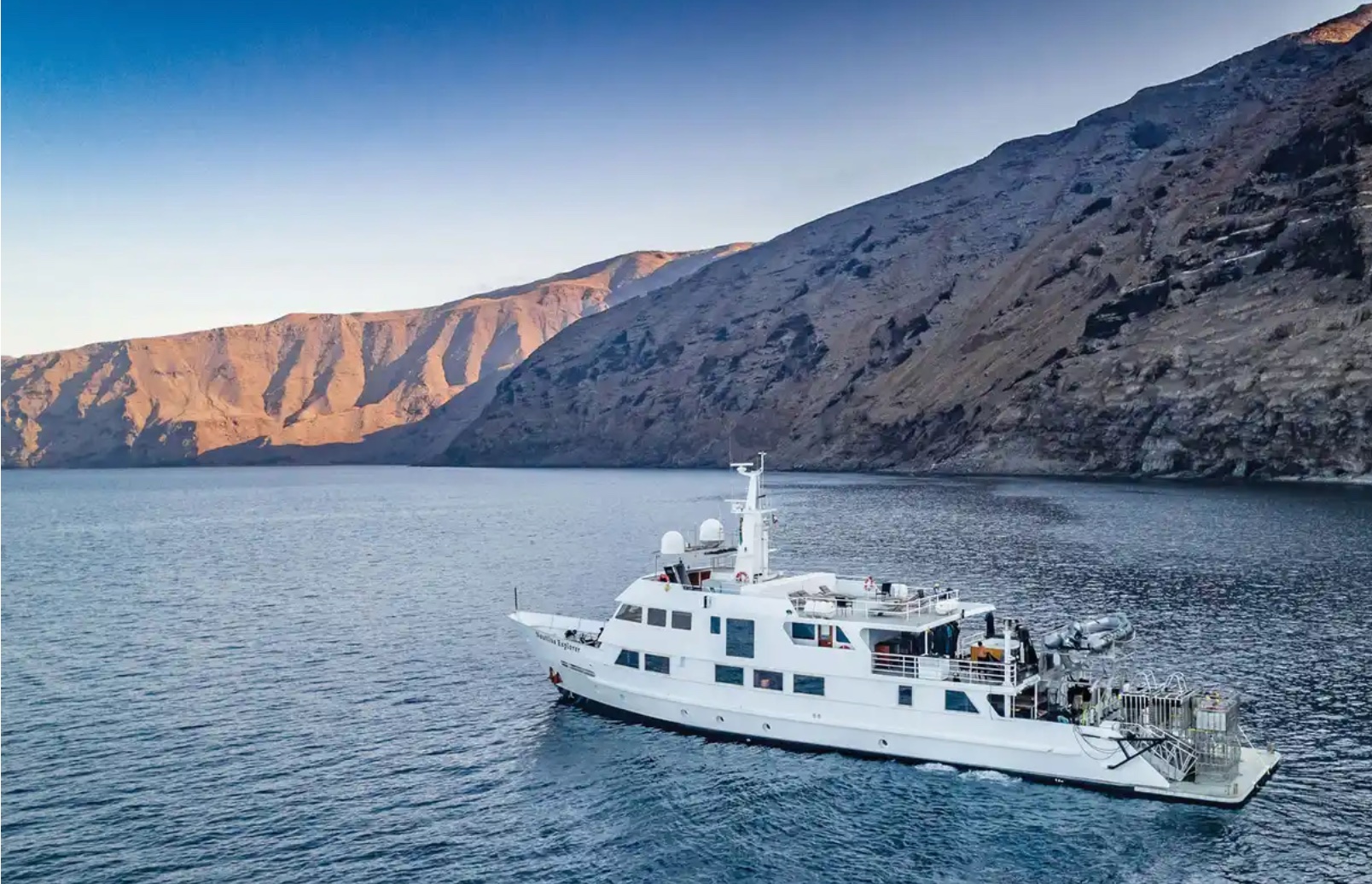
Nautilus Explorer
Mexico
25 guests44.8 m
$230/day
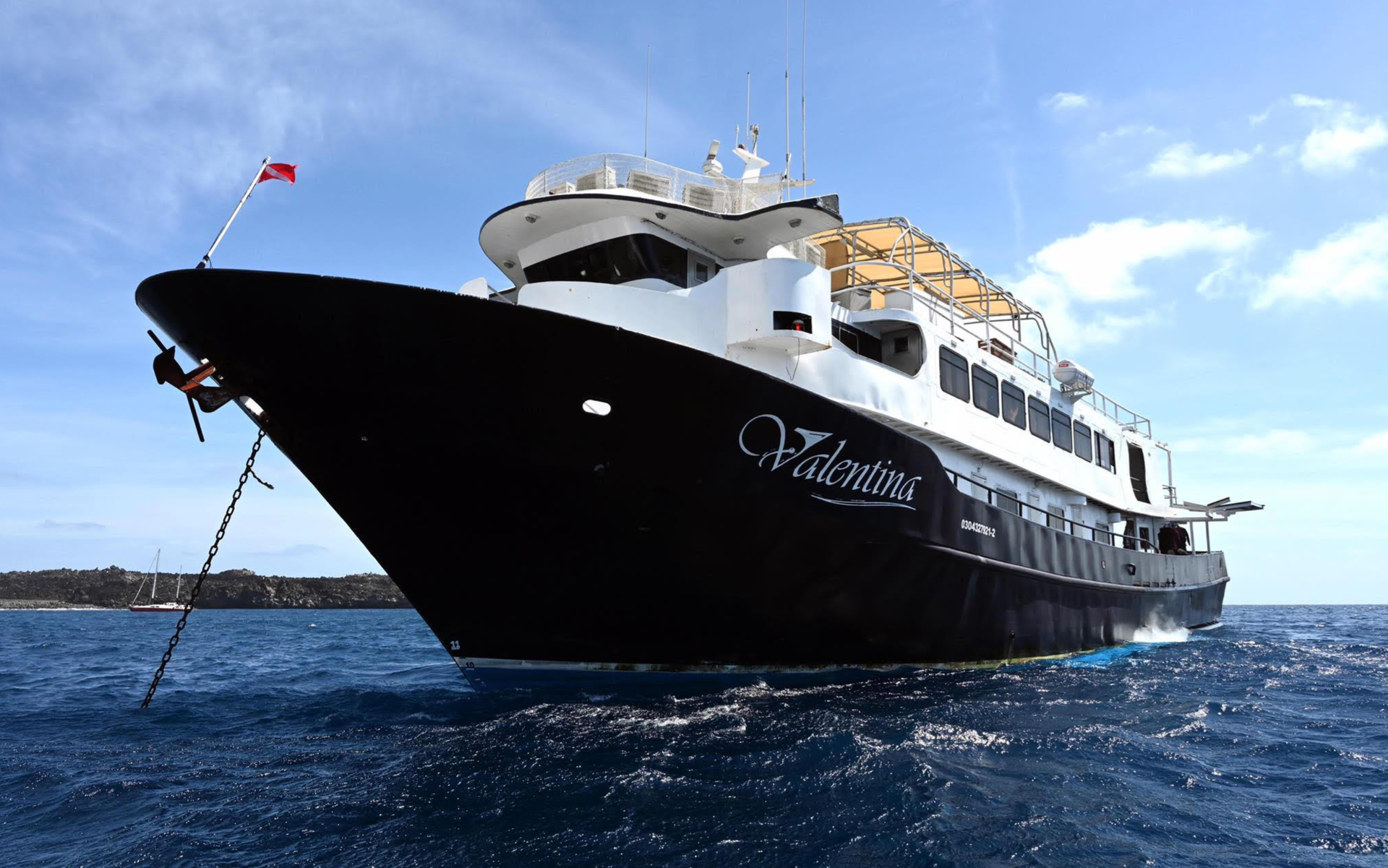
Valentina
Mexico
20 guests38.1 m
$430/day
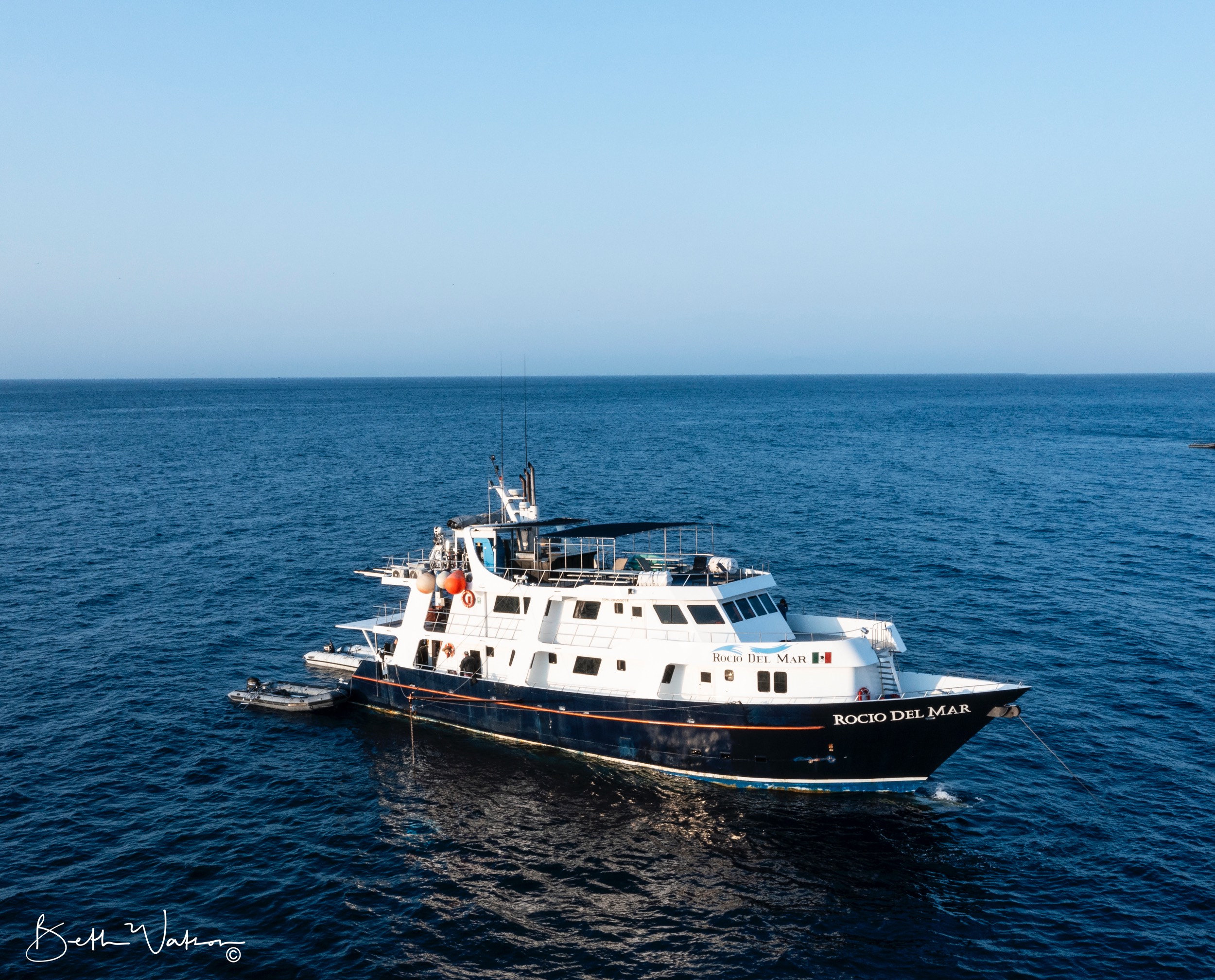
Rocio del Mar
Mexico
20 guests33.5 m
$392/day
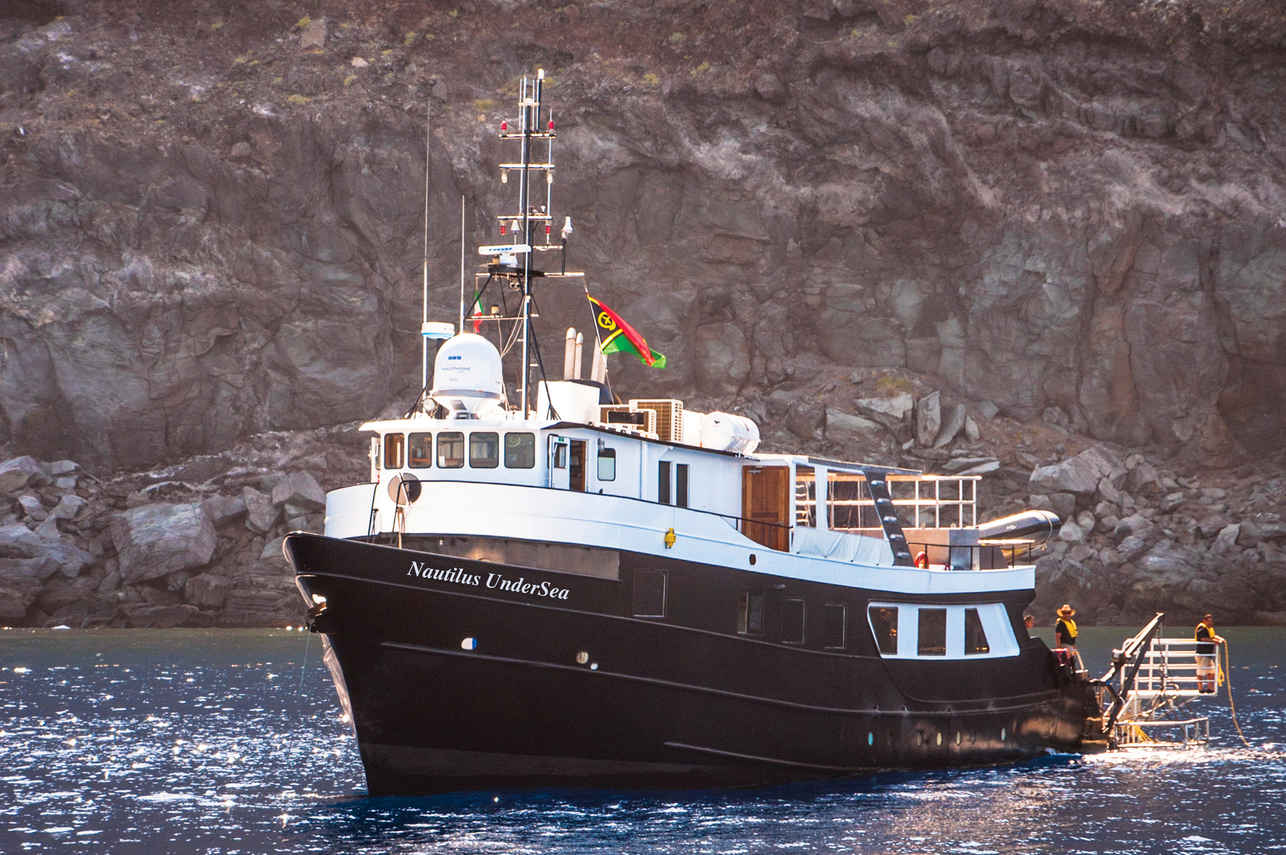
Nautilus Under Sea
Mexico
19 guests32 m
$261/day
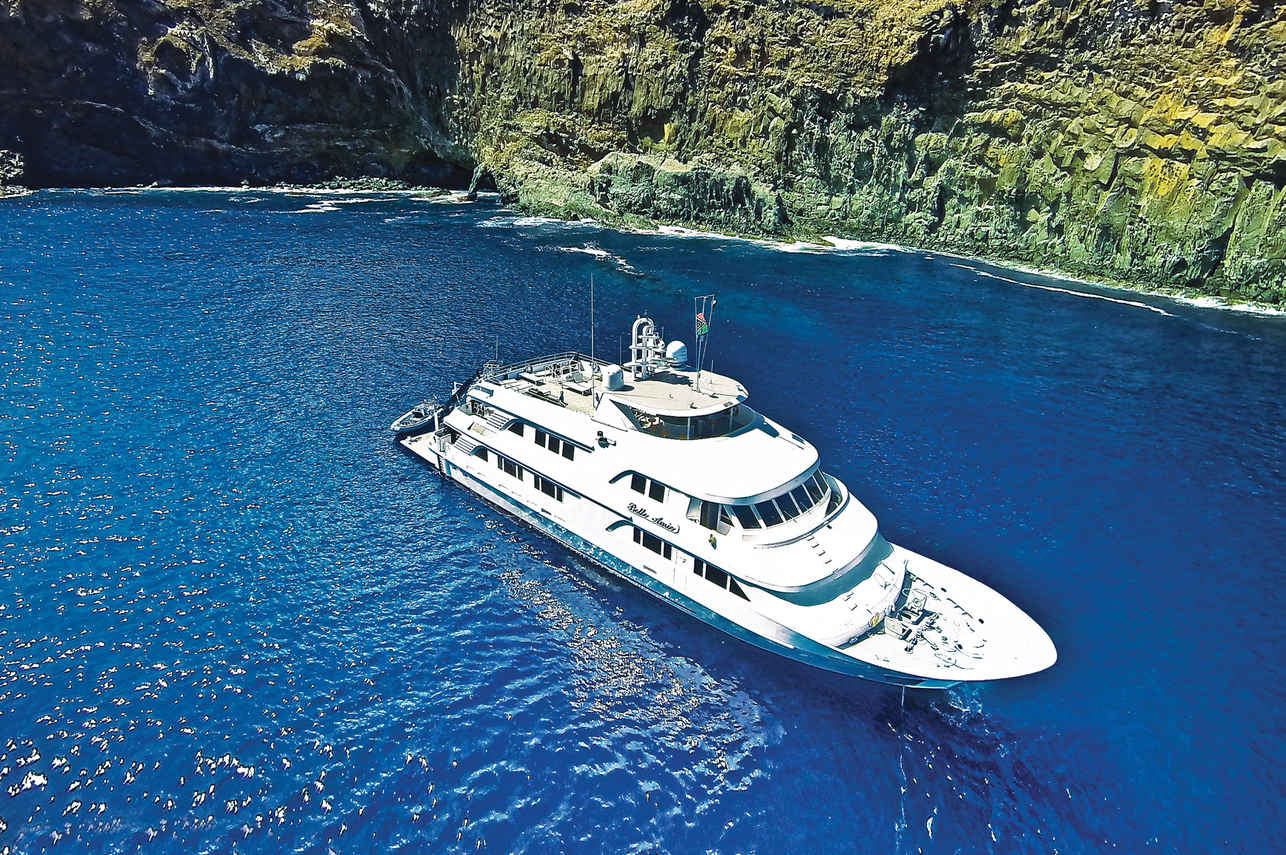
Nautilus Belle Amie
Mexico
32 guests44.8 m
$249/day
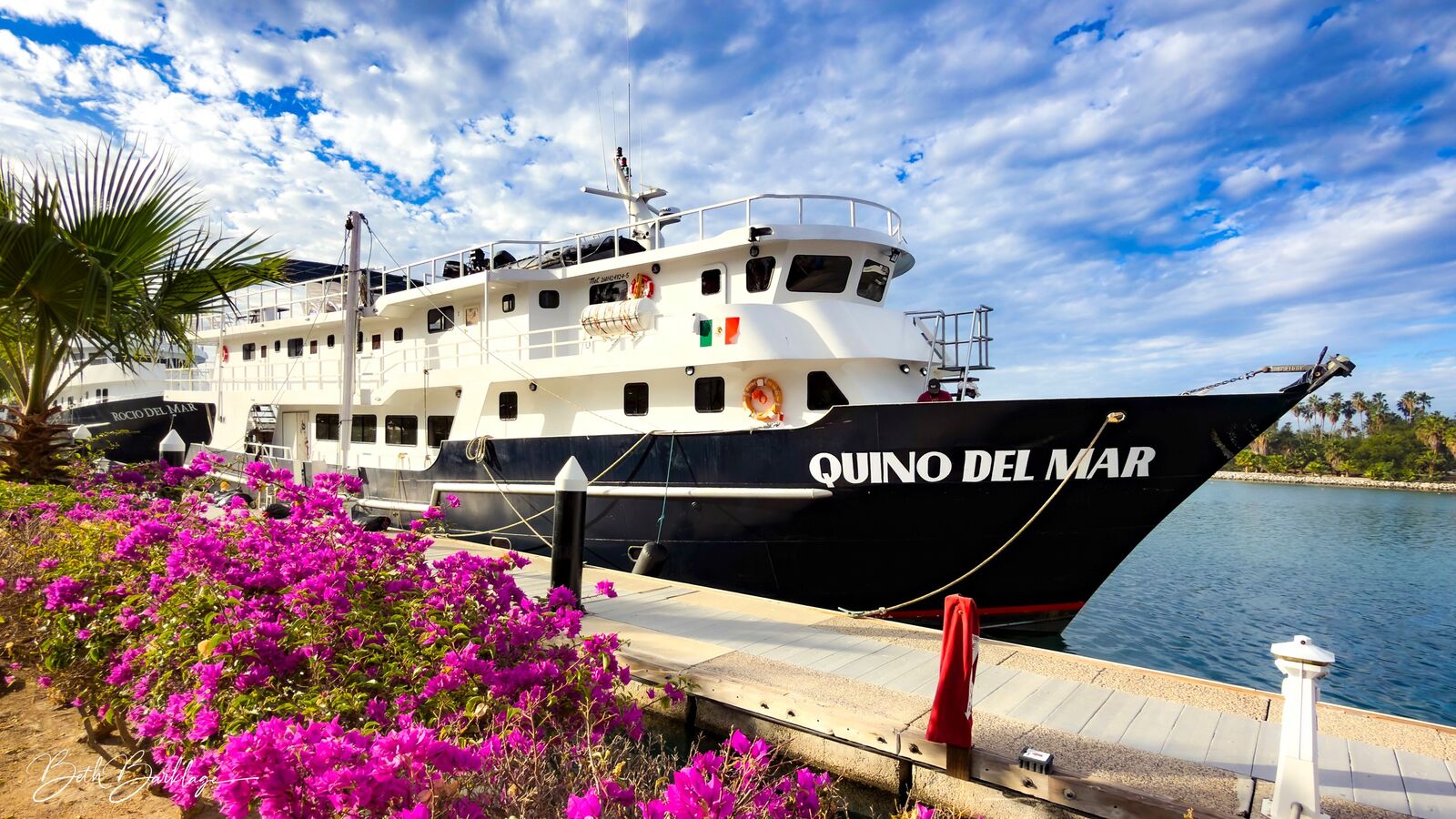
Quino del Mar
Mexico
20 guests36 m
$392/day
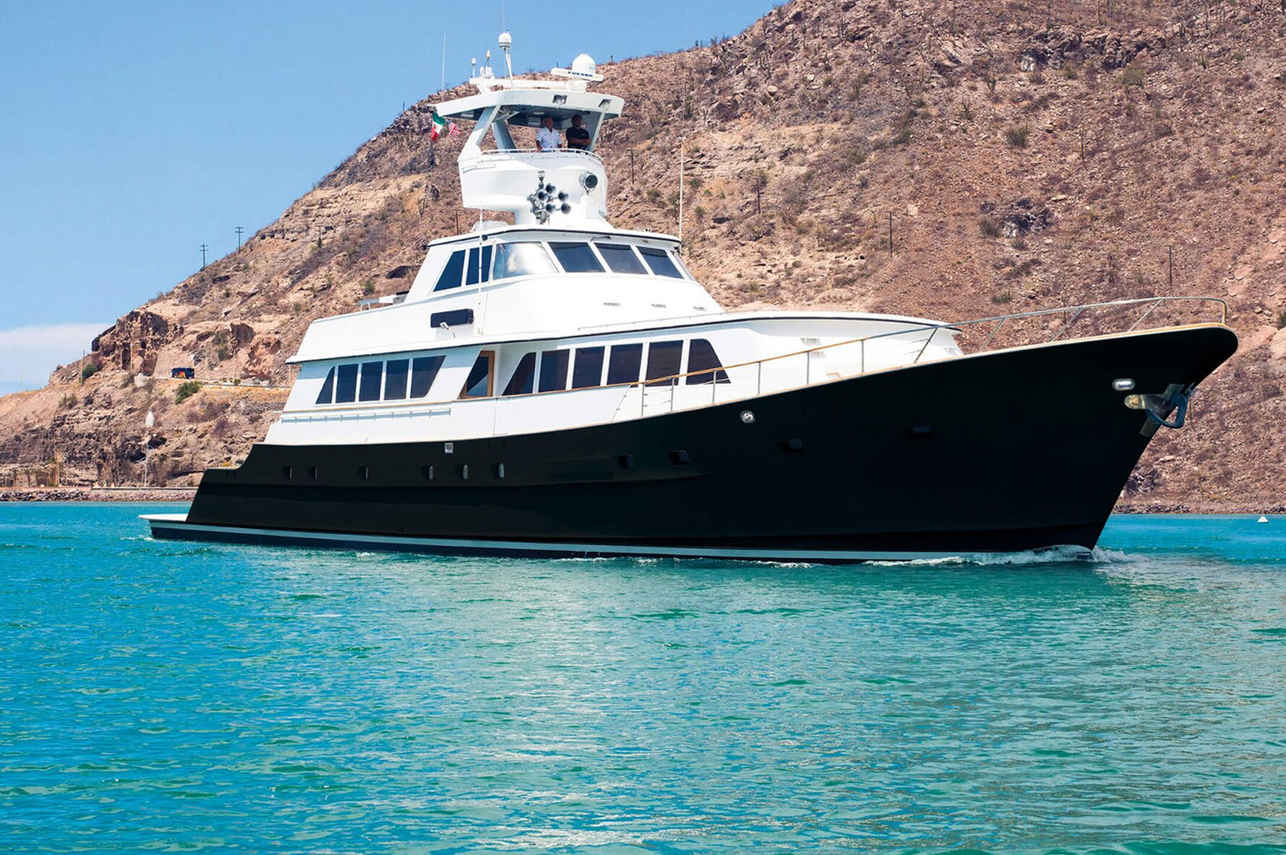
Nautilus Gallant Lady
Mexico
12 guests35.36 m
$332/day
Dive sites similar to Pelican Rock
Same character, same waters — six more sites divers love for the exact same reasons.Compare seasons, access and liveaboard routes — then pick the site that fits your trip best.
Cenote Kukulkan, often referred to as Chikin Ha, is a captivating underwater cavern system located in the heart of the Yucatán Peninsula, approximately 25 kilometers (15 miles) from Playa del Carmen.
- Suitable for
- Intermediate
- Current
- No current
- Access
- Dayboat
- Depth
- 10–15 m
- Theme
- Cavern / Pinnacle
El Morro
Mexico
El Morro is acclaimed as one of the best diving locations in the Puerto Vallarta area, situated just beyond the sheltered waters of Banderas Bay.
- Suitable for
- Advanced
- Current
- Strong
- Access
- Dayboat
- Depth
- 18–37 m
- Theme
- Reef / Wall
Cabo San Lucas
Mexico
Cabo San Lucas, situated at the southern tip of Mexico's Baja California Peninsula, offers a surprisingly rich underwater environment despite its popular tourism.
- Suitable for
- Beginner
- Current
- Mild
- Access
- Dayboat
- Depth
- 8–40 m
- Theme
- Reef / Wall
The Abyss
Mexico
The Abyss is a renowned deep wall dive site located off Isla del Carmen in Loreto, known for its dramatic underwater topography.
- Suitable for
- Advanced
- Current
- Mild
- Access
- Liveaboard only
- Depth
- —
- Theme
- Wall / Drift
Isla Santa Catalina
Mexico
Isla Santa Catalina is one of the five significant islands protected within the Bahía de Loreto National Park, known for its rocky formations that contribute to some of the best dive sites in Mexico.
- Suitable for
- Intermediate
- Current
- Mild
- Access
- Liveaboard only
- Depth
- —
- Theme
- Reef / Wall
Isla Montserrat
Mexico
Isla Montserrat is one of the five major islands within the Bahía de Loreto National Park, offering a diverse range of diving opportunities.
- Suitable for
- Intermediate
- Current
- Mild
- Access
- Liveaboard only
- Depth
- —
- Theme
- Reef / Wall