About Dos Sombreros
Dos Sombreros is a renowned dive site located offshore from Playa Flamingo, forming part of the Catalina Islands chain in Costa Rica's North Pacific region. It stands out for its volcanic rock pinnacles that create a dynamic underwater topography, providing varied habitats for marine life. The site is a favorite among divers seeking encounters with significant pelagic species and robust reef inhabitants. Underwater, Dos Sombreros features rock formations and pinnacles that descend to depths of 25 meters or more, interspersed with sandy patches at shallower depths. Thermoclines are a common occurrence, especially in deeper sections, and while they can affect visibility, they often indicate nutrient-rich waters that attract a high concentration of marine life. This varied structure allows for exploration at multiple depth bands, catering to different diving interests. Marine life is a major draw, with frequent sightings of whitetip reef sharks patrolling the ledges and schools of eagle rays gliding through the blue. Giant manta rays are seasonally present, particularly from January to March, drawn by the colder, nutrient-rich currents. Divers also encounter diverse reef fish, moray eels, and occasional sea turtles, making every dive a rich experience in biodiversity. Diving at Dos Sombreros typically involves a backroll entry from a boat, with divers making a free descent to begin their exploration. Due to the potential for moderate to strong currents, good buoyancy control is essential, and divers should be comfortable with non-anchored descents and ascents. The site is best enjoyed by intermediate to advanced divers who can manage dynamic conditions and appreciate the thriving pelagic action.
Highlights
Frequent whitetip reef sharksGiant manta ray encountersVolcanic rock pinnaclesSchools of eagle and cownose raysDiverse pelagic actionModerate to strong currents
Season calendar
Best months to dive here
Jan
Feb
Mar
Apr
May
Jun
Jul
Aug
Sep
Oct
Nov
Dec
Excellent
Good
Dive site facts: Dos Sombreros
- Depth
- 12–25 m (max 80 feet)
- Typical dive
- 12–25 m, 50–60 min
- Current
- Light to strong
- Visibility
- 5–30 m
- Water temperature
- 16–30°C
- Entry
- Tender / backroll, negative entry
- Level
- Intermediate to Advanced
- Dive type
- Pinnacle, big animals, pelagic
- Region / port
- Guanacaste, Catalina Islands
- Coordinates
- 7.9154° N, 86.2702° W
Conditions & Currents
Currents at Dos Sombreros can range from light to moderate, and at times become strong, requiring divers to be proficient in buoyancy control. The site is typically non-anchored, necessitating a swift descent upon entry to avoid being swept away from the dive leader or main feature. Surge is also frequently present, sometimes strong, which adds to the dynamic nature of the dive and requires divers to be aware of their positioning, especially near rocky formations. While visibility is generally good, it can fluctuate due to plankton blooms, which, ironically, are indicators of the rich food source attracting large pelagic species. Divers should pay close attention to the dive briefing regarding current direction and entry/exit procedures to ensure a safe and enjoyable experience, as currents can attract larger marine life but also demand greater situational awareness.
Marine life & sighting chances
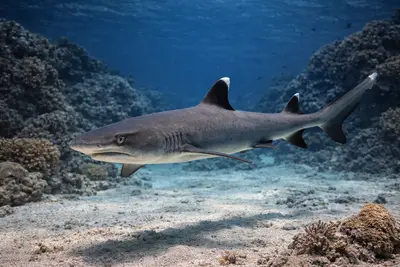
Whitetip reef shark
common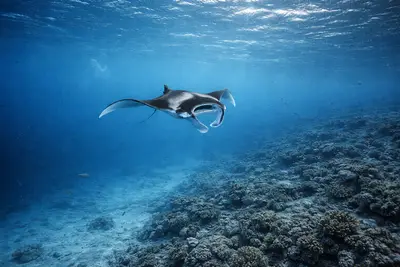
Giant manta ray
January-March · occasional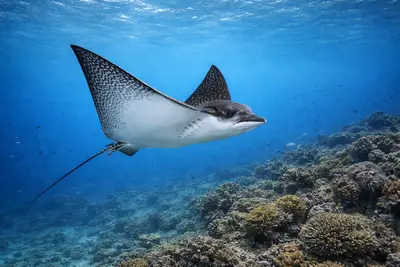
Eagle ray
commonCow nose ray
common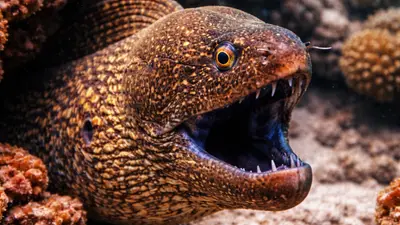
Moray eel
common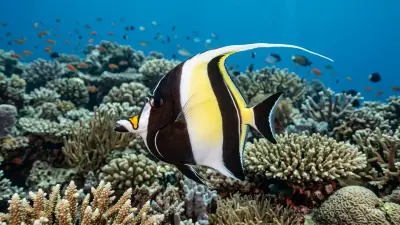
Moorish idol
common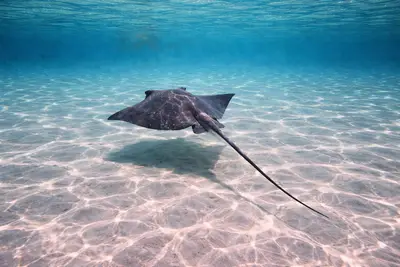
Southern stingray
commonSea turtle
occasional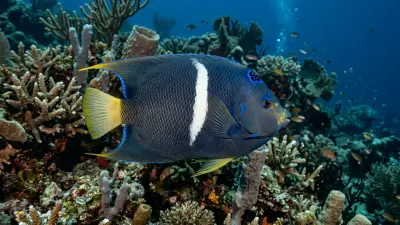
King angelfish
occasional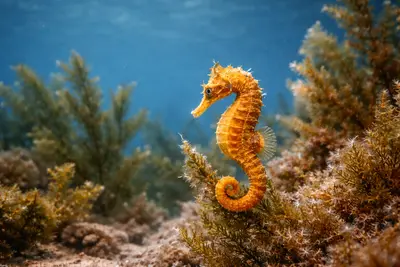
Seahorse
rare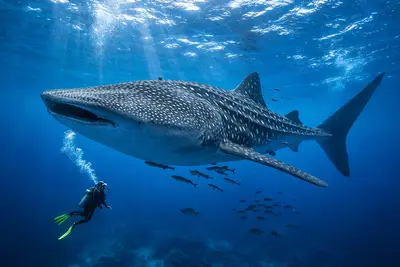
Whale shark
June-August · rare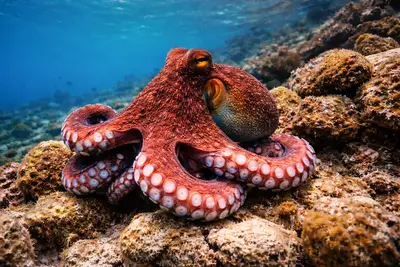
Octopus
occasionalDive profile & how the dive runs
Dives at Dos Sombreros begin with a backroll entry from the boat, followed by a free descent to quickly reach the main rock formations, as the sites are typically non-anchored. Divers will follow the contours of the primary pinnacles, exploring rocky walls and overhangs. The initial depth for exploration is often around 12 to 25 meters, where whitetip reef sharks and rays are frequently sighted patrolling the deeper sections. As the dive progresses, the route gradually ascends to shallower areas, typically between 10 to 15 meters, where schools of tropical fish gather among the vibrant reef. The turnaround point is determined by air consumption and bottom time, maintaining a slow and controlled ascent along the reef. Safety stops are performed in the blue at 5 meters, often with the boat tracking the divers for recovery due to potential currents. Excellent buoyancy and situational awareness are crucial throughout the dive profile.
Underwater photography
Dos Sombreros provides excellent opportunities for wide-angle photography, especially during the peak manta season from January to March, to capture majestic giant manta rays and large schools of other pelagic species. A dome port is highly recommended to maximize the field of view for these expansive subjects. While the visibility can be variable, the sheer volume of marine life, including whitetip reef sharks and eagle rays, makes it rewarding for capturing big animal encounters. Pay attention to the currents; utilizing them to approach subjects discreetly or finding sheltered spots can enhance shot stability. For macro enthusiasts, explore crevices and rock formations for smaller subjects like moray eels or nudibranchs during the green season when nutrient-rich waters encourage their presence.
Combine with nearby dive sites
- Chatham Bay
Chatham Bay serves as a pivotal and popular dive site at Cocos Island, strategically positioned on the northeast side of the bay, off…
- Los Sombreros
Los Sombreros, named for its two small islets resembling Mexican hats, offers a boat dive experience in the Catalina Islands suitable for…
- Dirty Rock
Dirty Rock, an iconic dive site at Cocos Island, is primarily known as an exceptional location to encounter schooling hammerheads.
- El Paraíso
El Paraíso, while not an explicitly named site in the provided sources, likely refers to the overall diving experience around Cocos Island…
- Black Rock
Black Rock, also known as Bajo Negro, is a remote and challenging pinnacle dive site situated within the Bat Islands, part of Costa Rica's…
- La Punta
La Punta, part of the Catalina Islands archipelago in Costa Rica, offers an exhilarating dive experience for those seeking encounters with…
Getting there & logistics
Access to Dos Sombreros is primarily via day boats departing from Playa Flamingo, which is a common departure point for the Catalina Islands. The nearest international airport is Liberia (Daniel Oduber Quirós International Airport - LIR), approximately a 45-minute drive from Playa Flamingo. Dive trips are typically two-tank dives combined with other Catalina Islands sites, lasting half a day. There are no specific park fees mentioned for this site itself, but dive operators often include any necessary charges in their trip pricing. It's advisable to carry motion sickness medication as boat rides to the islands can be choppy, especially during certain seasons. Equipment rental is readily available from local dive shops in the area.
Safety & environment
The nearest recompression chamber is located in Puntarenas, approximately 2 hours drive from Playa Flamingo. In case of a diving emergency, evacuation would likely involve a boat transfer to shore, followed by road transport to the chamber or a medical facility. Dive insurance, specifically covering hyperbaric treatment and emergency evacuation, is highly recommended and often a prerequisite for diving with reputable operators. Site-specific hazards at Dos Sombreros include potentially strong currents and surge, which demand excellent buoyancy control and situational awareness to avoid contact with the reef. Divers must follow dive guide instructions closely, especially regarding non-anchored entries and ascents. Being comfortable with free descents and safety stops without a line is essential.
Who it suits — and who it doesn't
Suited for
- Experienced Open Water divers comfortable with currents
- Advanced Open Water divers seeking pelagic encounters
- Photographers focused on wide-angle and large marine life
- Divers interested in diverse volcanic underwater topography
- Those who enjoy dynamic drift-like conditions
Less suited for
- New divers with limited buoyancy control experience
- Divers prone to seasickness in choppy conditions
- Individuals uncomfortable with moderate to strong currents and surge
- Those who prefer static, current-free dive sites
- Divers seeking exclusively macro subjects
FAQ
Dos Sombreros FAQ
What kind of marine life can I expect to see at Dos Sombreros?
Dos Sombreros is famous for its pelagic encounters. Divers frequently see whitetip reef sharks, large schools of eagle rays, and southern stingrays. Giant manta rays are a seasonal highlight, especially from January to March, and you might also spot various moray eels and tropical reef fish.
Are the currents strong at Dos Sombreros?
Currents at Dos Sombreros can vary from light to strong, and surge is often present. Divers should be comfortable with dynamic conditions and have good buoyancy control. Dive operators provide briefings on current direction and entry procedures to ensure safety.
Do I need advanced certification to dive Dos Sombreros?
While Open Water certification might be technically sufficient, an Advanced Open Water certification is highly recommended due to the potential for strong currents and deeper dive profiles. Experience with currents and good buoyancy control will significantly enhance your dive experience at this site.
What is the water temperature and recommended wetsuit for Dos Sombreros?
Water temperatures at Dos Sombreros range from 16°C to 30°C depending on the season, with colder temperatures from January to March. A 3mm wetsuit is generally sufficient, but a 5mm suit or a 3mm with a vest and hood is recommended during the cooler months for comfort.
How long is the boat ride to Dos Sombreros from Playa Flamingo?
Dos Sombreros is part of the Catalina Islands, located a short distance offshore from Playa Flamingo. The boat ride typically takes around 20 to 30 minutes, depending on sea conditions. It's a convenient site for day trips from the Guanacaste region.
Why dive Dos Sombreros from a liveaboard?
Dos Sombreros is one of Costa Rica's signature dive sites. A liveaboard sleeps you on the water and puts you in the water for three to four guided dives per day, including dawn and night dives that day-boat operators rarely offer. You skip the daily commute back to port and reach quieter, less-crowded sites in the same region on a single trip.
Below are the liveaboards that include Dos Sombreros on their Costa Rica itineraries.
Liveaboards diving Dos Sombreros
These liveaboards may visit Dos Sombreros on selected itineraries — the exact dive sites depend on departure, weather and conditions.
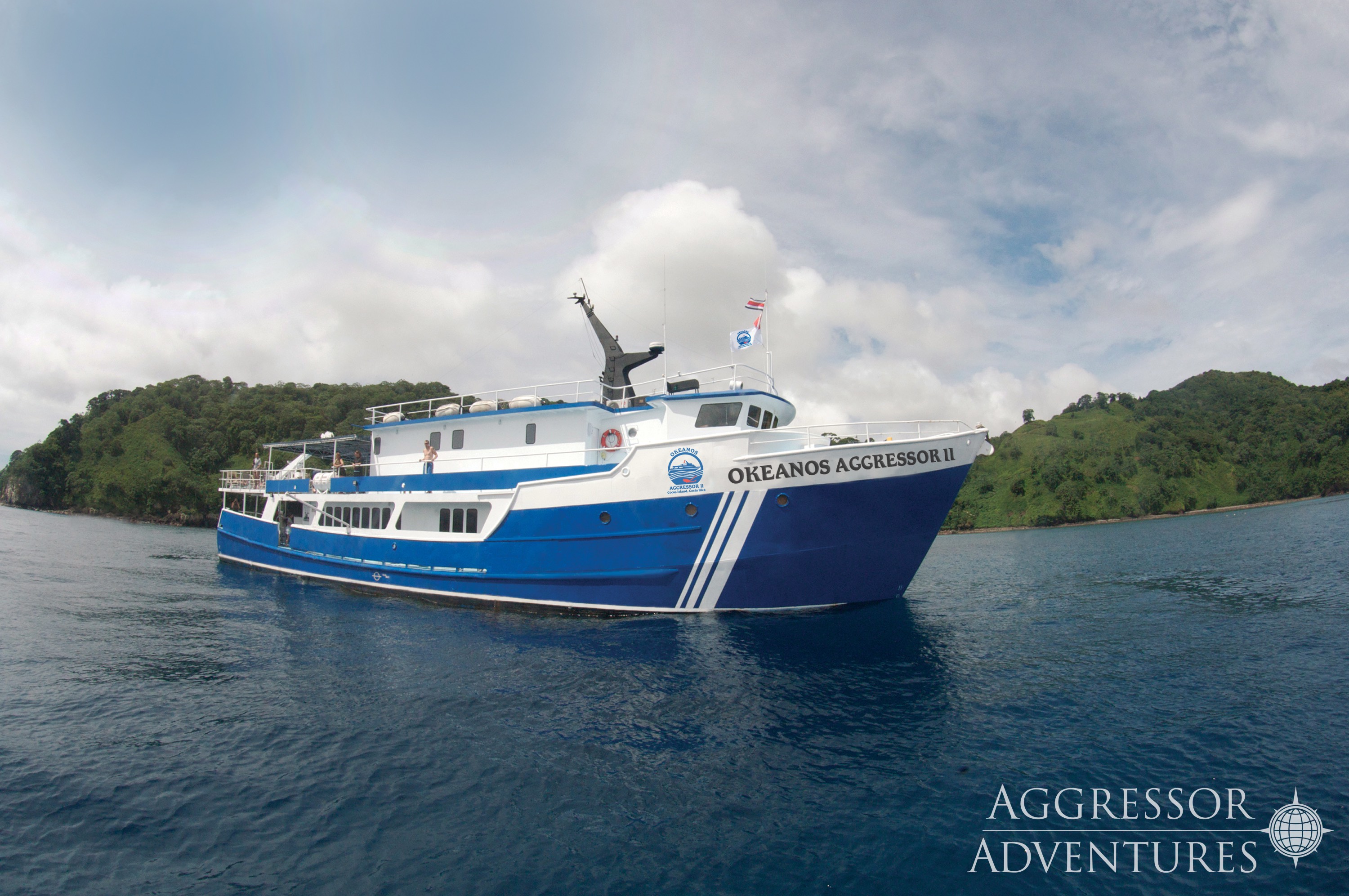
Okeanos Aggressor II
Costa Rica
24 guests36.6 m
$582/day
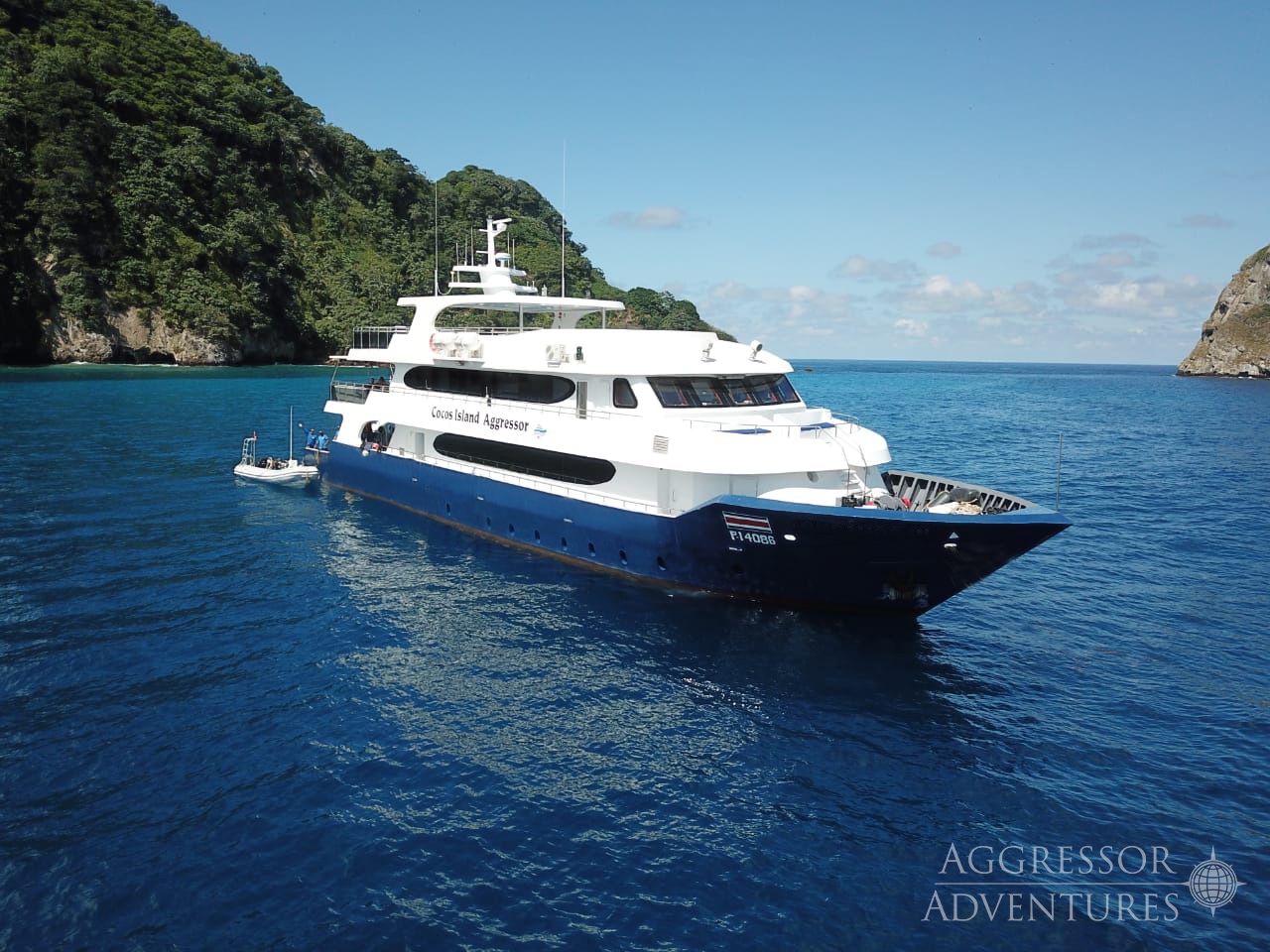
Cocos Aggressor
Costa Rica
22 guests37.8 m
$477/day
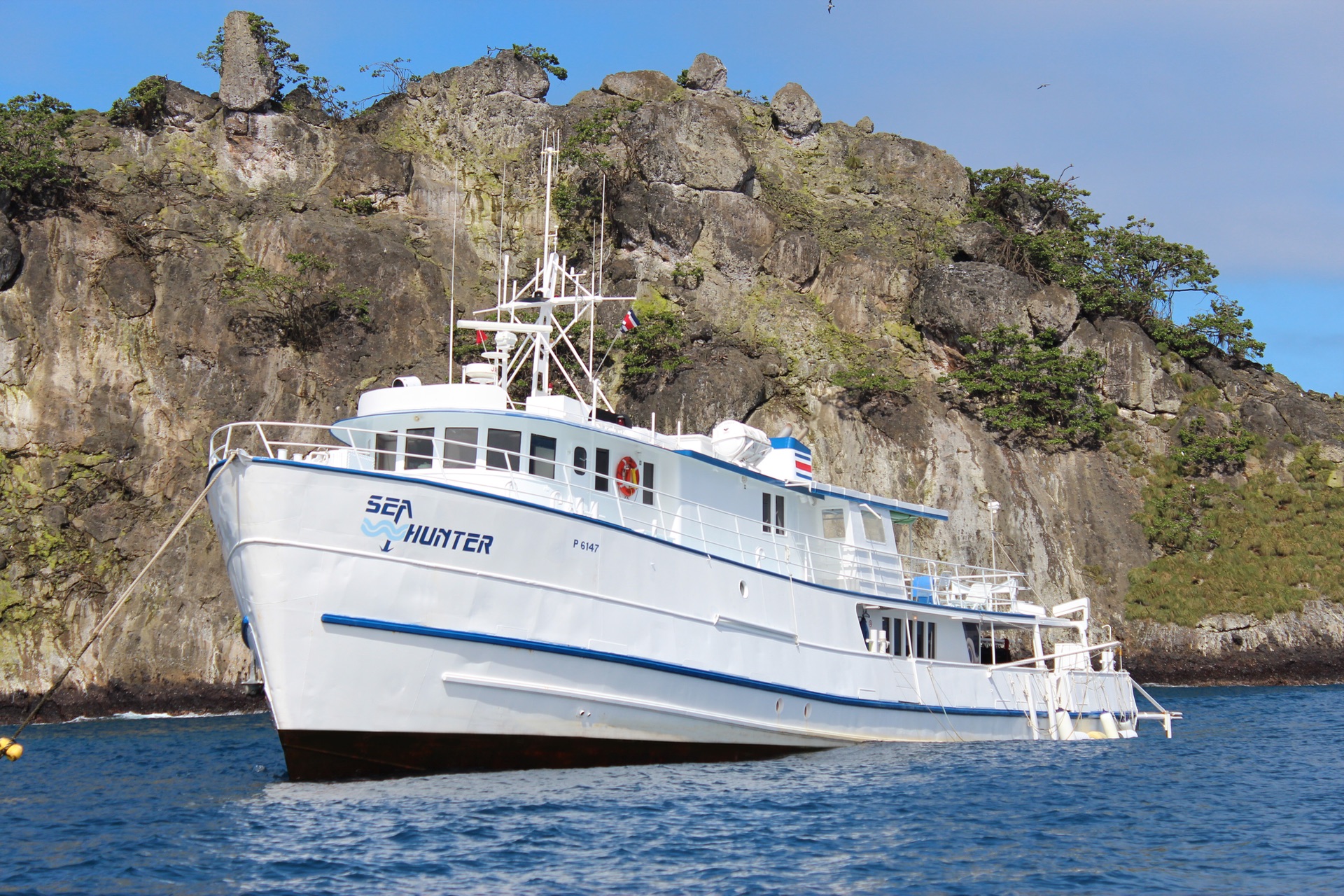
Sea Hunter
Costa Rica
20 guests
$690/day
Dive sites similar to Dos Sombreros
Same character, same waters — six more sites divers love for the exact same reasons.Compare seasons, access and liveaboard routes — then pick the site that fits your trip best.
Bajo Negro
Costa Rica
Bajo Negro, or Black Rock, is a captivating dive site located within the Bat Islands in Santa Rosa National Park, off Costa Rica's Pacific coast.
- Suitable for
- Advanced
- Current
- Strong
- Access
- Shore / dayboat
- Depth
- 20–30 m
- Theme
- Pinnacle / Seamount
Submerged Rock
Costa Rica
Submerged Rock is a distinctive dive site located off Cocos Island, approximately 500 km (340 miles) west of mainland Costa Rica.
- Suitable for
- Advanced
- Current
- Strong
- Access
- Liveaboard only
- Depth
- 15–20 m
- Theme
- Pinnacle
Devil's Rock
Costa Rica
Devil's Rock is a prominent dive site located in Costa Rica's Caño Island Biological Reserve, positioned to the northwest as an extension of the larger Bajo del Diablo platform.
- Suitable for
- Advanced
- Current
- Strong
- Access
- Liveaboard or dayboat
- Depth
- 18–35 m
- Theme
- Reef / Pinnacle
Black Rock
Costa Rica
Black Rock, also known as Bajo Negro, is a remote and challenging pinnacle dive site situated within the Bat Islands, part of Costa Rica's Santa Rosa National Park.
- Suitable for
- Advanced
- Current
- Strong
- Access
- Dayboat
- Depth
- 20–30 m
- Theme
- Reef / Pinnacle
Wafer Bay
Costa Rica
Wafer Bay, located on the northeastern side of Cocos Island, serves as a crucial entry and exit point for liveaboards exploring this remote Pacific outpost.
- Suitable for
- Advanced
- Current
- Strong
- Access
- Liveaboard only
- Depth
- 6–33 m
- Theme
- Pinnacle / Seamount
Viking Rock
Costa Rica
Viking Rock, situated off Cocos Island, provides a serene and captivating dive experience, often serving as a peaceful counterpoint to the island's more current-swept sites.
- Suitable for
- Advanced
- Current
- Mild
- Access
- Liveaboard only
- Depth
- 12–30 m
- Theme
- Pinnacle