About El Paraíso
El Paraíso, while not an explicitly named site in the provided sources, likely refers to the overall diving experience around Cocos Island, a renowned UNESCO World Heritage Site located 550 kilometers off Costa Rica's Pacific coast. This remote volcanic island is a magnet for pelagic action, driven by nutrient-rich currents that converge around its seamounts and rocky pinnacles. The topography features submerged mountains, sheer walls, coral gardens, and distinctive geological formations like natural arches and pinnacles, providing varied habitats for marine life. Diving here offers encounters with an incredible diversity of large marine animals. Cocos Island is most famous for its schooling hammerhead sharks, which gather in large numbers, often at cleaning stations. Divers also frequently see white-tip reef sharks, tiger sharks, silky sharks, Galapagos sharks, and occasional silvertips. Beyond sharks, the waters teem with giant oceanic manta rays, eagle rays, marble rays, and massive schools of jacks and yellowfin tuna. Whale sharks and humpback whales are seasonal visitors, particularly from May to November, when upwellings bring an abundance of plankton and nutrients. The dive experience is generally considered advanced due to potential depth and strong currents, though liveaboard itineraries often include sites suitable for a range of experience levels. Operators typically recommend a minimum of 30 logged dives and an Advanced Open Water certification. Dives are conducted from tenders, exploring pinnacles, walls, and seamounts. Water temperatures range from 72-82°F (22-28°C), with cooler thermoclines present, making a 3-5mm wetsuit advisable. Visibility often extends up to 30 meters, ensuring excellent viewing of the vibrant underwater world.
Highlights
Whitetip Reef SharksBarracudaCoral FormationsSea Turtles
Season calendar
Best months to dive here
Jan
Feb
Mar
Apr
May
Jun
Jul
Aug
Sep
Oct
Nov
Dec
Good
Dive site facts: El Paraíso
- Depth
- 10-30 m
- Typical dive
- 12-25 m, 50-60 min
- Current
- Moderate to strong
- Visibility
- 6-30 m
- Water temperature
- 20-30°C
- Entry
- Negative entry / live boat
- Level
- Open Water Diver, Advanced certification beneficial
- Dive type
- Drift, pelagic, volcanic reef
- Region / port
- Guanacaste, Pacific Coast
- Coordinates
- 8.71, -83.89
Conditions & Currents
El Paraíso frequently experiences strong ocean currents, which are a major factor in attracting its abundant marine life. Divers should anticipate drift diving conditions, where the current dictates the dive trajectory, necessitating a negative entry and careful buoyancy control from the start. Briefings will emphasize current direction, entry techniques, and exit procedures, as the boat tracks divers and picks them up down-current. Visibility can range significantly, typically between 6 to 30 meters, influenced by plankton blooms that also draw in large pelagics. While thermoclines are not consistently noted for this specific site, general Costa Rican waters can experience cooler influxes, particularly during the dry season, which might affect comfort levels and require appropriate wetsuit thickness.
Marine life & sighting chances

Giant oceanic manta ray
November-May (peak), year-round possible · common
Whitetip reef shark
common
Eagle ray
common
Moray eel
common
Sea turtle
occasional
Pufferfish
common
Harlequin shrimp
occasional
Nudibranch
occasional
Devil ray
occasional
Humpback whale
August, January-March · rareDive profile & how the dive runs
Dives at El Paraíso typically begin with a negative entry, especially given the potential for strong currents. Upon entry, divers quickly descend to a planned depth, often following the contours of the volcanic rock formations. The dive progresses as a drift, allowing the current to carry divers along the reef, showcasing walls and pinnacles. The route usually involves a general direction along the main formations, with the dive guide leading and managing the group's trajectory. Depths can range, but most of the activity and marine encounters occur between 10 to 30 meters. Turn points are dictated by air consumption and dive time, with the safety stop conducted in the blue, often while still drifting, as the boat positions itself for pickup down-current. Communication and buddy awareness are critical throughout the entire dive.
Underwater photography
El Paraíso offers fantastic opportunities for wide-angle photography, especially to capture the dramatic volcanic topography and schooling pelagics like manta rays and schooling fish. A fisheye or wide-angle lens will be essential for encompassing the vastness of the underwater landscape and large animal encounters. Consider bringing strobes to bring out the vibrant colors of reef fish and invertebrates, even in deeper sections or during lower visibility. Given the frequent currents, maintaining excellent buoyancy control is crucial to avoid disturbing the environment or getting swept away from your subject. Be mindful of marine life, particularly large pelagics; give them space and avoid disruptive behavior to capture natural shots.
Combine with nearby dive sites
- Los Sombreros
Another popular site within the Catalina Islands, known for varied marine life.
- El Clasico
A deep dive site on the west side of the Catalinas, offering deeper encounters.
- Brumel Shallow
Part of the Catalina Islands, suitable for less experienced divers or for macro photography.
- La Punta
A site in the Catalina Islands known for its pinnacles and pelagic life.
- Lone Stone
A single rock formation in the Catalinas attracting diverse species.
Getting there & logistics
Access to El Paraíso and the Catalina Islands typically involves flying into Daniel Oduber Quirós International Airport (LIR) near Liberia, Guanacaste. From there, transfers are arranged to coastal towns like Playa Flamingo or Playas del Coco, which serve as common departure points for dive boats. Dive trips are usually full-day excursions, offering two-tank dives at various Catalina Islands sites, including El Paraíso. Most operators do not charge separate park fees for the Catalina Islands, as they are not a national park like Cocos or Bat Islands. It's common for dive operators to combine different sites in the Catalina archipelago to provide a diverse experience during a single trip.
Safety & environment
For diving at El Paraíso, it's essential to ensure comprehensive dive insurance that covers emergency evacuations and recompression chamber treatments. The nearest recompression chamber is located in San José, requiring a significant transfer time from the Pacific coast. Site-specific hazards include strong and unpredictable currents, which demand good buoyancy control and excellent communication within buddy teams and with the dive guide. Divers should be comfortable with drift diving procedures and prepared for potential surface chop during pickups. Always adhere to your dive guide's instructions, maintain close proximity to your buddy, and carry a surface marker buoy for safety in the event of surfacing away from the boat.
Who it suits — and who it doesn't
Suited for
- Experienced Open Water Divers comfortable with currents
- Advanced divers seeking pelagic encounters
- Photographers focusing on wide-angle marine life and landscapes
- Divers interested in volcanic underwater topography
- Those looking for exhilarating drift dives
Less suited for
- Beginner divers without current experience
- Divers prone to seasickness in choppy conditions
- Individuals seeking calm, shallow reef dives
- Divers uncomfortable with negative entries
- Those who prefer static, current-free environments
FAQ
El Paraíso FAQ
What kind of marine life can I expect to see at El Paraíso?
El Paraíso is renowned for its abundant pelagic life. You can frequently encounter giant oceanic manta rays, whitetip reef sharks, eagle rays, and large schools of tropical fish. Occasional sightings also include sea turtles, moray eels, and various smaller reef inhabitants like harlequin shrimp and nudibranchs.
Are the currents strong at El Paraíso?
Yes, El Paraíso is known for experiencing moderate to strong ocean currents. These currents are responsible for attracting the rich marine life, but they require divers to be comfortable with drift diving techniques and have good buoyancy control. Dive briefings will cover specific current conditions for each dive.
What is the best time of year to dive El Paraíso?
Diving is possible year-round, but the dry season from December to April often brings cooler water and is excellent for large pelagic sightings, especially manta rays. The rainy season, from May to November, can offer better visibility and calmer surface conditions at times, despite the occasional rain showers.
What certification level is recommended for El Paraíso?
While Open Water Divers can dive here, an Advanced Open Water certification is highly recommended due to the potential for strong currents and deeper sections of the dive site. Experience with drift diving is beneficial to fully enjoy the site safely.
How is El Paraíso typically accessed?
El Paraíso is part of the Catalina Islands, which are accessed via boat trips from coastal towns in Guanacaste, such as Playa Flamingo or Playas del Coco. These trips usually involve a 30-minute boat ride to the dive sites and typically include two-tank dives.
Why dive El Paraíso from a liveaboard?
El Paraíso is one of Costa Rica's signature dive sites. A liveaboard sleeps you on the water and puts you in the water for three to four guided dives per day, including dawn and night dives that day-boat operators rarely offer. You skip the daily commute back to port and reach quieter, less-crowded sites in the same region on a single trip.
Below are the liveaboards that include El Paraíso on their Costa Rica itineraries.
Liveaboards diving El Paraíso
These liveaboards may visit El Paraíso on selected itineraries — the exact dive sites depend on departure, weather and conditions.
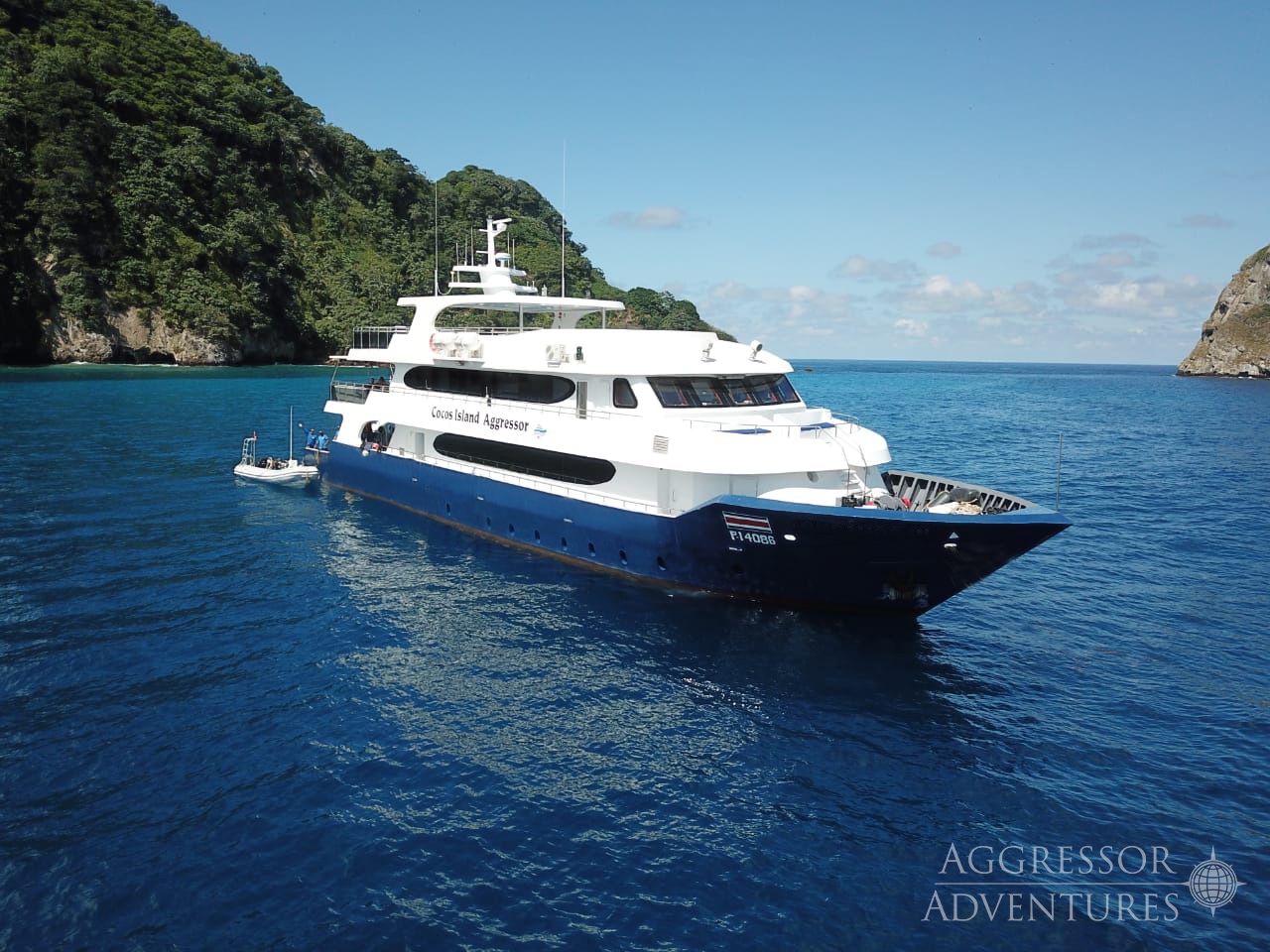
Cocos Aggressor
Costa Rica
22 guests37.8 m
$636/day
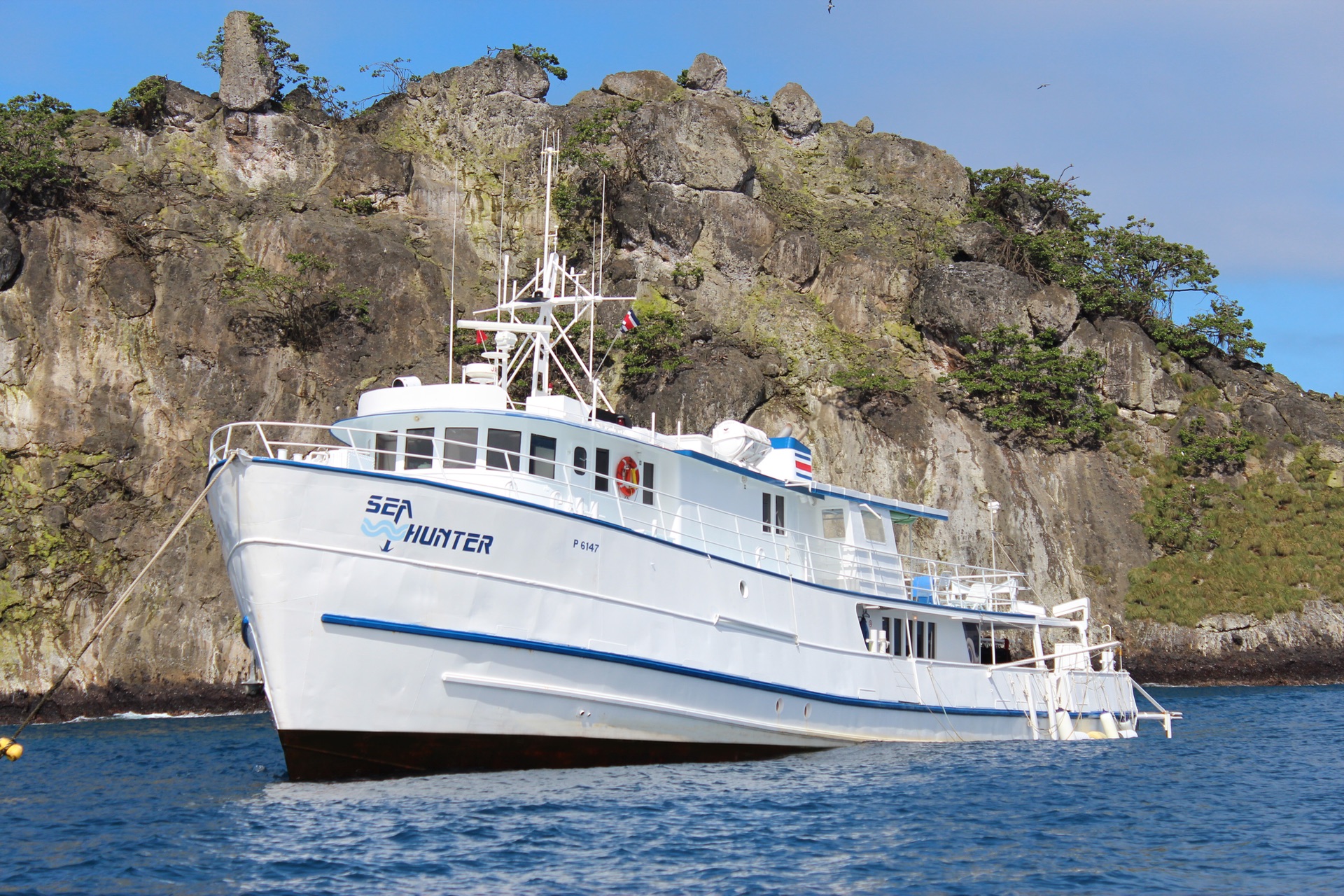
Sea Hunter
Costa Rica
20 guests
$690/day
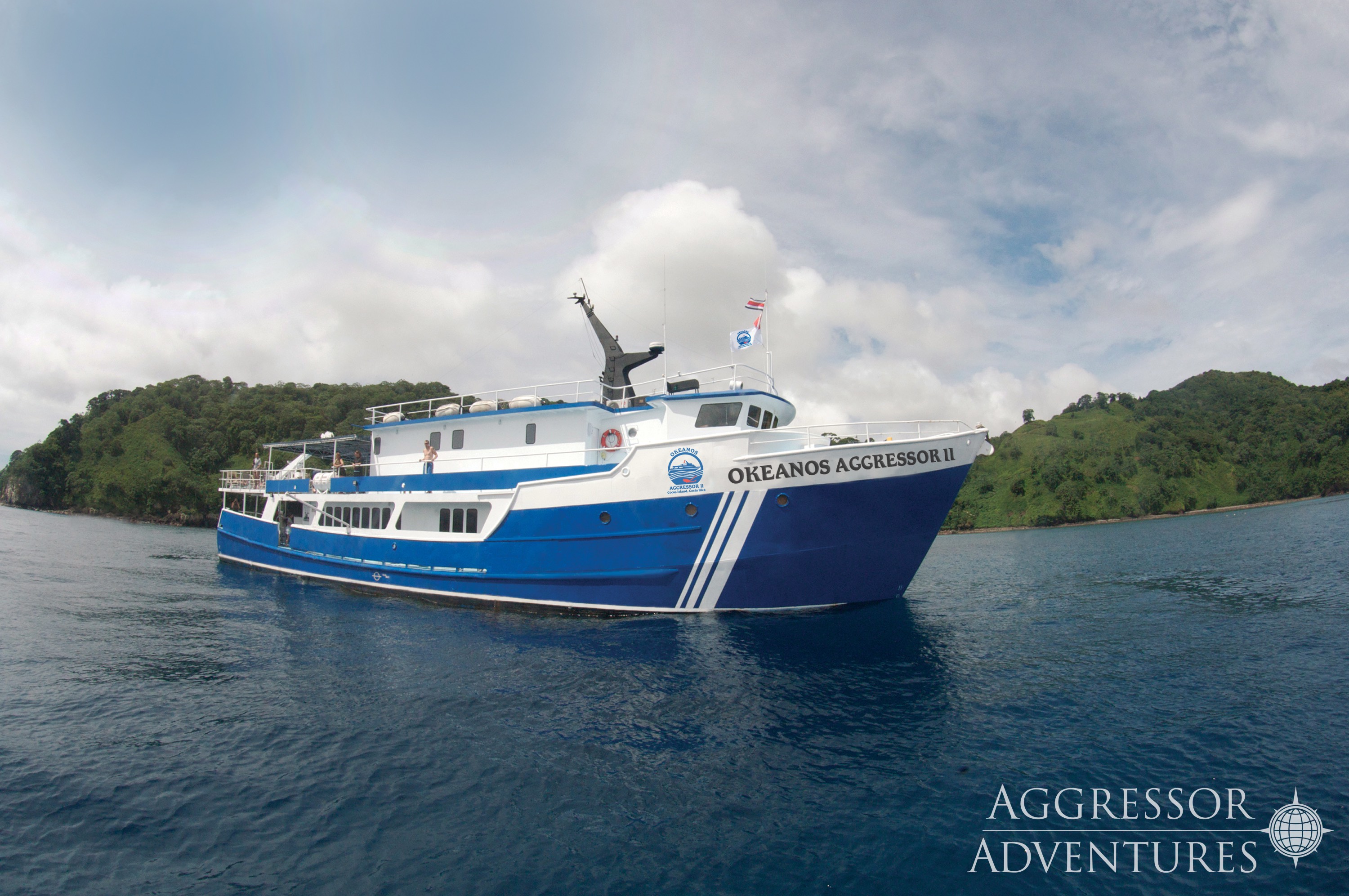
Okeanos Aggressor II
Costa Rica
24 guests36.6 m
$504/day
Dive sites similar to El Paraíso
Same character, same waters — six more sites divers love for the exact same reasons.Compare seasons, access and liveaboard routes — then pick the site that fits your trip best.
© Esri — Maxar, Earthstar, GIS
Bajo Alcyone
Costa Rica
Bajo Alcyone, a submerged seamount near Cocos Island, stands as a world-renowned dive site.
- Suitable for
- Advanced
- Current
- Strong
- Access
- Liveaboard only
- Depth
- 25–40 m
- Theme
- Drift / Seamount
© Esri — Maxar, Earthstar, GIS
Bajo del Diablo
Costa Rica
Bajo del Diablo, also known as Devil’s Pinnacle, is widely regarded as one of the premier dive sites within Costa Rica's Caño Island Biological Reserve.
- Suitable for
- Advanced
- Current
- Strong
- Access
- Liveaboard only
- Depth
- 10–20 m
- Theme
- Pinnacle
© Esri — Maxar, Earthstar, GIS
Bajo Negro
Costa Rica
Bajo Negro, or Black Rock, is a captivating dive site located within the Bat Islands in Santa Rosa National Park, off Costa Rica's Pacific coast.
- Suitable for
- Advanced
- Current
- Strong
- Access
- Shore / dayboat
- Depth
- 20–30 m
- Theme
- Pinnacle / Seamount
© Esri — Maxar, Earthstar, GIS
Black Rock
Costa Rica
Black Rock, also known as Bajo Negro, is a remote and challenging pinnacle dive site situated within the Bat Islands, part of Costa Rica's Santa Rosa National Park.
- Suitable for
- Advanced
- Current
- Strong
- Access
- Dayboat
- Depth
- 20–30 m
- Theme
- Reef / Pinnacle
© Esri — Maxar, Earthstar, GIS
Catalina Grande
Costa Rica
Catalina Grande is a premier dive site within the Catalina Islands archipelago, a collection of volcanic pinnacles located off the North Pacific coast of Guanacaste, Costa Rica.
- Suitable for
- Intermediate
- Current
- Strong
- Access
- Liveaboard only
- Depth
- 14–40 m
- Theme
- Wall
© Esri — Maxar, Earthstar, GIS
Cuatro Piedras
Costa Rica
Cuatro Piedras, part of the volcanic Catalina Islands off Costa Rica's Pacific coast, is named for its unique rock formations.
- Suitable for
- Intermediate
- Current
- Moderate
- Access
- Dayboat
- Depth
- 7–28 m
- Theme
- Reef / Pinnacle