About Bajo Negro
Bajo Negro, or Black Rock, is a captivating dive site located within the Bat Islands in Santa Rosa National Park, off Costa Rica's Pacific coast. This remote pinnacle offers an exhilarating experience for advanced divers, characterized by its steep volcanic walls, vibrant black corals, and sponges. The site's allure lies in its potential for dramatic encounters with pelagic species, making it a highlight for those seeking thrilling offshore dives. The underwater topography consists of a prominent seamount that rises from deeper waters, with slopes descending beyond 30 meters. This structure, combined with nutrient-rich currents, attracts a diverse array of marine life. While the site is known for strong and variable currents, these conditions also contribute to exceptional sightings of schooling fish, sharks, and various rays. Water temperatures generally range from 26° to 29°C, with visibility typically between 10 to 15 meters, though it can fluctuate with ocean conditions. The unique combination of volcanic formations and abundant marine activity provides a thrilling environment for divers. Entry to the site is boat-only, requiring coordination with licensed Bat Islands operators. Diving Bajo Negro demands experience with strong currents and offshore conditions. Its wild nature promises unforgettable encounters, but also requires careful planning and adherence to safety protocols. The site is a testament to Costa Rica's rich marine biodiversity, offering a raw and untamed diving adventure.
Highlights
Remote Bat Islands pinnacleBull shark encountersStrong, variable currentsVolcanic rock topographyDense schooling fishPelagic marine lifeBlack coral and sponges
Best Season
The optimal time to dive Bajo Negro is during the rainy season, from May through October. This period often coincides with shark season and generally offers calmer weather offshore. While visibility can vary due to plankton blooms, these nutrient-rich waters attract larger pelagic species, enhancing the dive experience.
Dive site facts: Bajo Negro
- Depth
- 20–30 m
- Typical dive
- 20–22 m, 50–60 min
- Current
- Strong and variable
- Visibility
- 10–15 m
- Water temperature
- 26–29°C
- Entry
- Tender / negative entry
- Level
- Advanced, current experience essential
- Dive type
- Pinnacle, pelagic, drift
- Night dive
- Not typically offered
- Region / port
- Guanacaste, Bat Islands
- Coordinates
- 10.855, -85.925
Conditions & Currents
Bajo Negro is renowned for its strong and highly variable currents, which can shift rapidly from mild to vigorous during a single dive. This necessitates a cautious and well-planned approach, often involving negative entries to reach the main pinnacle quickly. Divers must be proficient in current diving techniques, including buoyancy control and group adherence, as the site is an offshore location where conditions can change unpredictably. Visibility typically ranges from 10 to 15 meters, but can be impacted by these currents and nutrient upwellings. Due to the dynamic nature of the site, divers should treat it as a moving-water dive, always being prepared for stronger flows and potential downcurrents, and planning their gas consumption accordingly. Entry and exit are exclusively by boat, usually with a tender, and require coordinated efforts with the dive guide.
Marine life & sighting chances

Bull Shark
May–November · occasional
Whitetip Reef Shark
occasional
Eagle Ray
April–September · common
Giant Oceanic Manta Ray
May–July, October · occasional
Moray Eel
April–October · common
Barracuda
May, July, September, November, December · occasional
Octopus
rareDive profile & how the dive runs
Diving Bajo Negro typically involves a negative entry to quickly descend to the main pinnacle, usually around 20 to 22 meters. Due to potentially strong and variable currents, divers generally follow the contours of the seamount, often performing a guided pinnacle circuit. The route involves exploring the steep volcanic walls adorned with black corals and sponges, keeping an eye on the blue for pelagic activity. Divers commonly maintain depths between 20 and 30 meters, turning the dive when air consumption or bottom time dictates. The safety stop is usually conducted in the open water, mindful of any prevailing currents, before ascending to the surface for a boat pickup.
Underwater photography
Bajo Negro offers exciting opportunities for wide-angle photography, focusing on its dramatic volcanic topography and abundant pelagic life. A fisheye or wide-angle lens is ideal for capturing the scale of the pinnacle and schools of fish. Given the potential for strong currents and deeper dives, ensuring your camera rig is neutrally buoyant and easy to maneuver is crucial. Be prepared for variable visibility, which can range from decent to murky, and adjust your strobes or video lights accordingly to cut through any particulate. When photographing sharks or rays, maintain a respectful distance and avoid aggressive pursuit, allowing for natural interactions. Fast shutter speeds are beneficial to freeze the action of quick-moving subjects like barracuda or passing pelagics.
Combine with nearby dive sites
Getting there & logistics
Access to Bajo Negro requires flying into San José (SJC) or Liberia (LIR) airports, then transferring to Pacific coast departure points like Playas del Coco or Playa Potrero. Trips to Bajo Negro are exclusively boat-based, typically as part of a day trip to the Bat Islands, which are located within Santa Rosa National Park. This involves park fees and necessitates booking with licensed operators who regularly run trips to the Bat Islands. Due to the remote location and the time required for travel, it's not a casual local dive. Dive packages often combine a visit to Bajo Negro with other Bat Island sites or nearby destinations in the Guanacaste region, with typical trip durations ranging from a single day to multi-day dive excursions.
Safety & environment
Diving Bajo Negro demands a high level of preparedness due to its strong and variable currents, remote location, and potential for encountering large marine life. Divers should carry valid dive insurance that covers emergency medical evacuation and recompression, as the nearest recompression chamber is in San José, requiring significant travel time. It is imperative to dive with experienced guides familiar with the site's dynamic conditions and to adhere strictly to their instructions regarding entry, current management, and ascent procedures. Maintaining excellent buoyancy control and staying close to your buddy or group are critical for safety. Given the offshore nature of the site, a reliable surface marker buoy (SMB) and audible signaling device are essential for every diver. Always plan your gas consumption conservatively, accounting for potential current resistance.
Who it suits — and who it doesn't
Suited for
- Advanced divers comfortable with strong currents
- Experienced divers seeking pelagic encounters
- Underwater photographers targeting wide-angle shots
- Adventure seekers who enjoy challenging dive conditions
- Divers interested in remote, offshore pinnacle dives
Less suited for
- Beginner divers or those new to currents
- Divers with limited experience in open ocean conditions
- Macro photographers, due to the site's focus on pelagics
- Those prone to seasickness on long boat rides
- Divers preferring calm, shallow reef environments
FAQ
Bajo Negro FAQ
What kind of marine life can I expect at Bajo Negro?
Bajo Negro is celebrated for its pelagic encounters. Divers frequently spot bull sharks, whitetip reef sharks, and various rays such as eagle rays and occasional giant oceanic mantas. The site also boasts dense schools of barracuda and other schooling fish, creating a vibrant underwater spectacle for those comfortable with strong currents.
How challenging is diving at Bajo Negro?
Diving at Bajo Negro is considered advanced due to its remote location and the presence of strong, variable currents. Divers should possess excellent buoyancy control and experience in drift diving. It's crucial to be prepared for rapid changes in current direction and strength, making it suitable for experienced divers seeking an exhilarating challenge.
What are the typical dive conditions at Bajo Negro?
Typical conditions include water temperatures ranging from 26° to 29°C. Visibility generally hovers between 10 to 15 meters but can fluctuate depending on plankton blooms and current activity. The site is an offshore pinnacle, so surface conditions can sometimes be choppy, especially during certain times of the year.
When is the best time of year to dive Bajo Negro?
The prime diving season for Bajo Negro is from May through October, which is often referred to as the 'rainy season' but typically offers calmer seas in the mornings. This period aligns with higher chances of encountering sharks and other large pelagics, making it ideal for those seeking thrilling marine life interactions.
Is Bajo Negro suitable for all levels of divers?
No, Bajo Negro is explicitly recommended for advanced divers who are proficient in navigating strong currents and open ocean conditions. Its dynamic environment and remote location make it unsuitable for beginners or those lacking experience in challenging dive scenarios. Prior experience with current diving is highly beneficial.
Why dive Bajo Negro from a liveaboard?
Bajo Negro is one of Costa Rica's signature dive sites. A liveaboard sleeps you on the water and puts you in the water for three to four guided dives per day, including dawn and night dives that day-boat operators rarely offer. You skip the daily commute back to port and reach quieter, less-crowded sites in the same region on a single trip.
Below are the liveaboards that include Bajo Negro on their Costa Rica itineraries.
Liveaboards diving Bajo Negro
These liveaboards may visit Bajo Negro on selected itineraries — the exact dive sites depend on departure, weather and conditions.
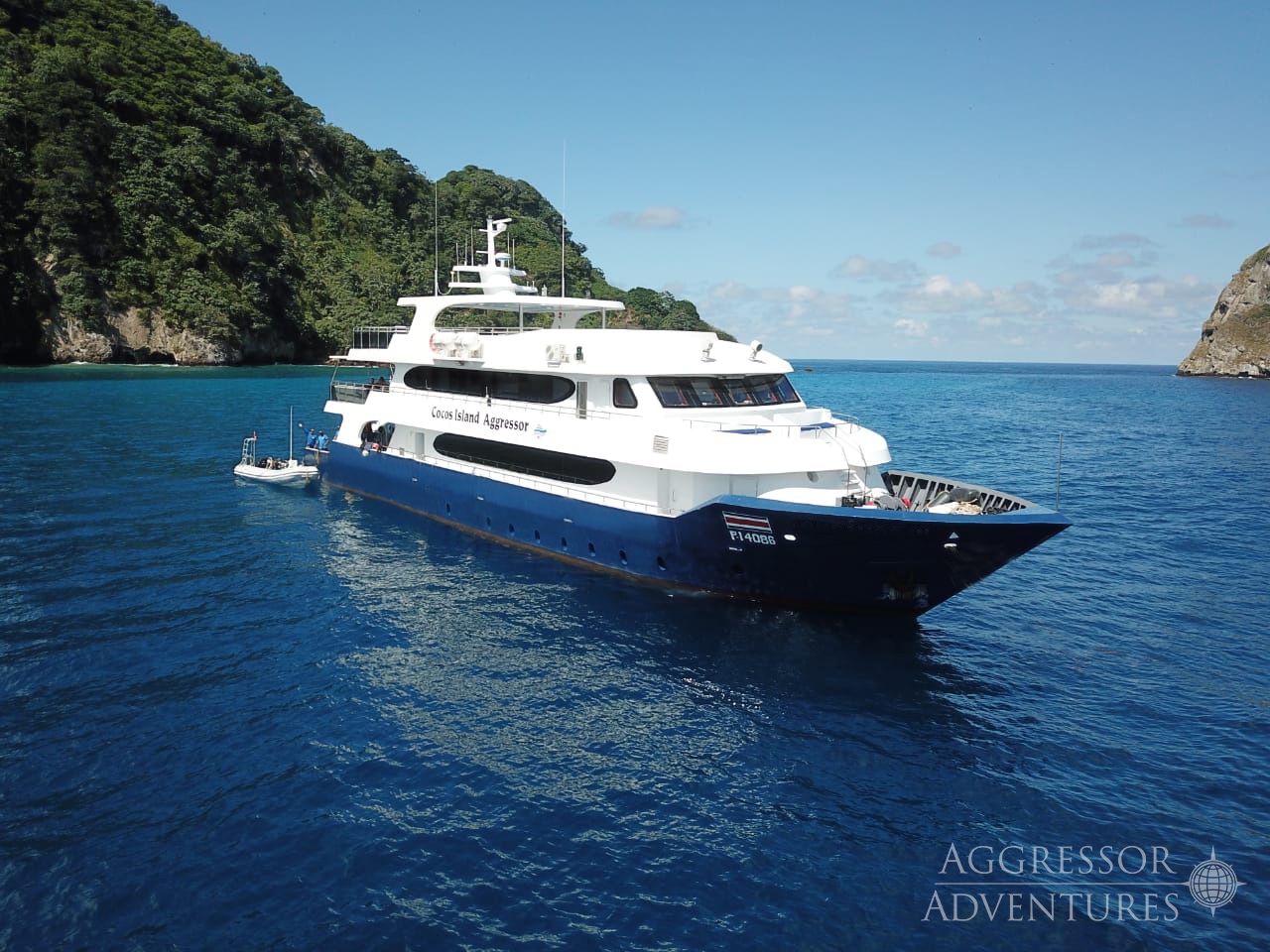
Cocos Aggressor
Costa Rica
22 guests37.8 m
$636/day
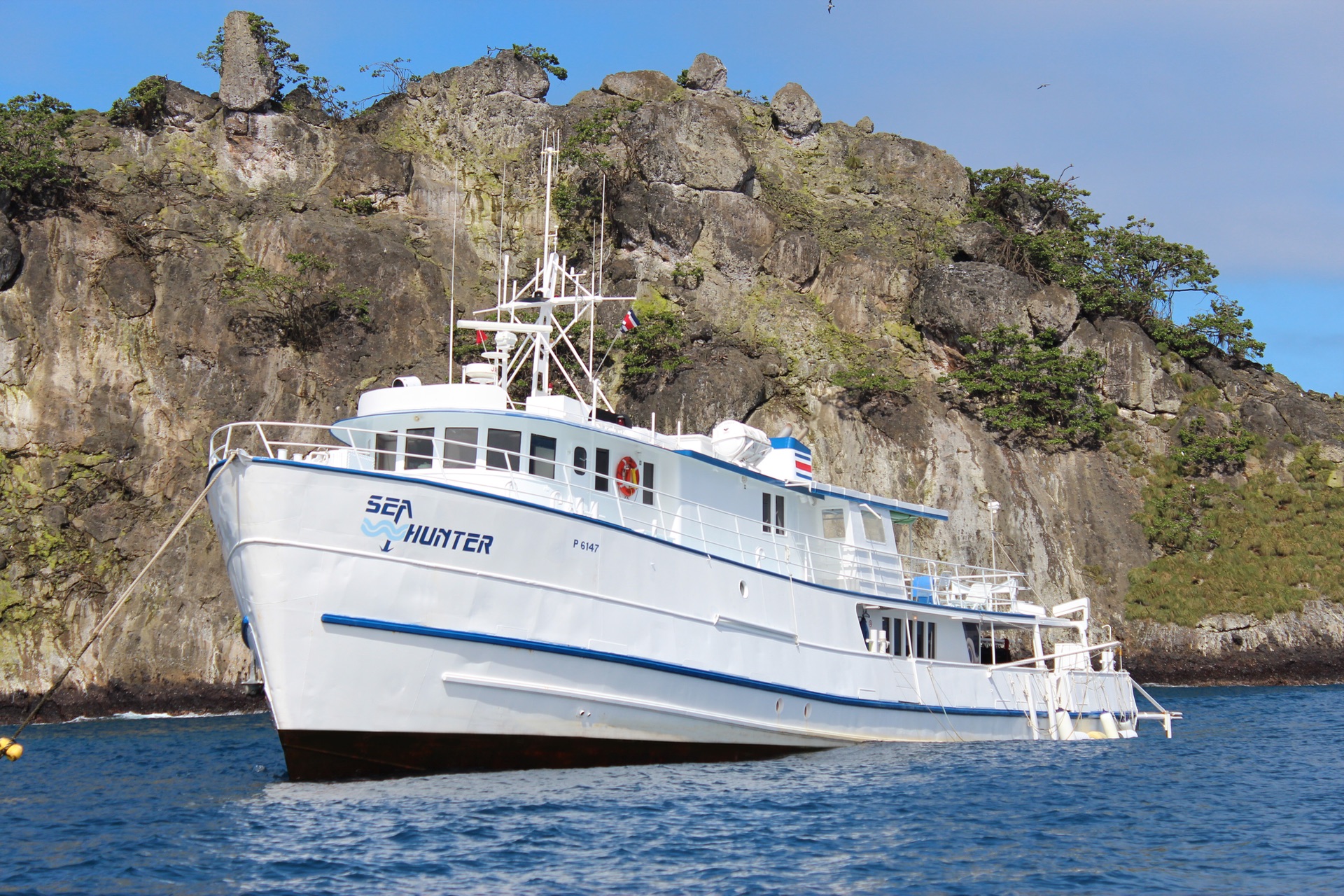
Sea Hunter
Costa Rica
20 guests
$690/day
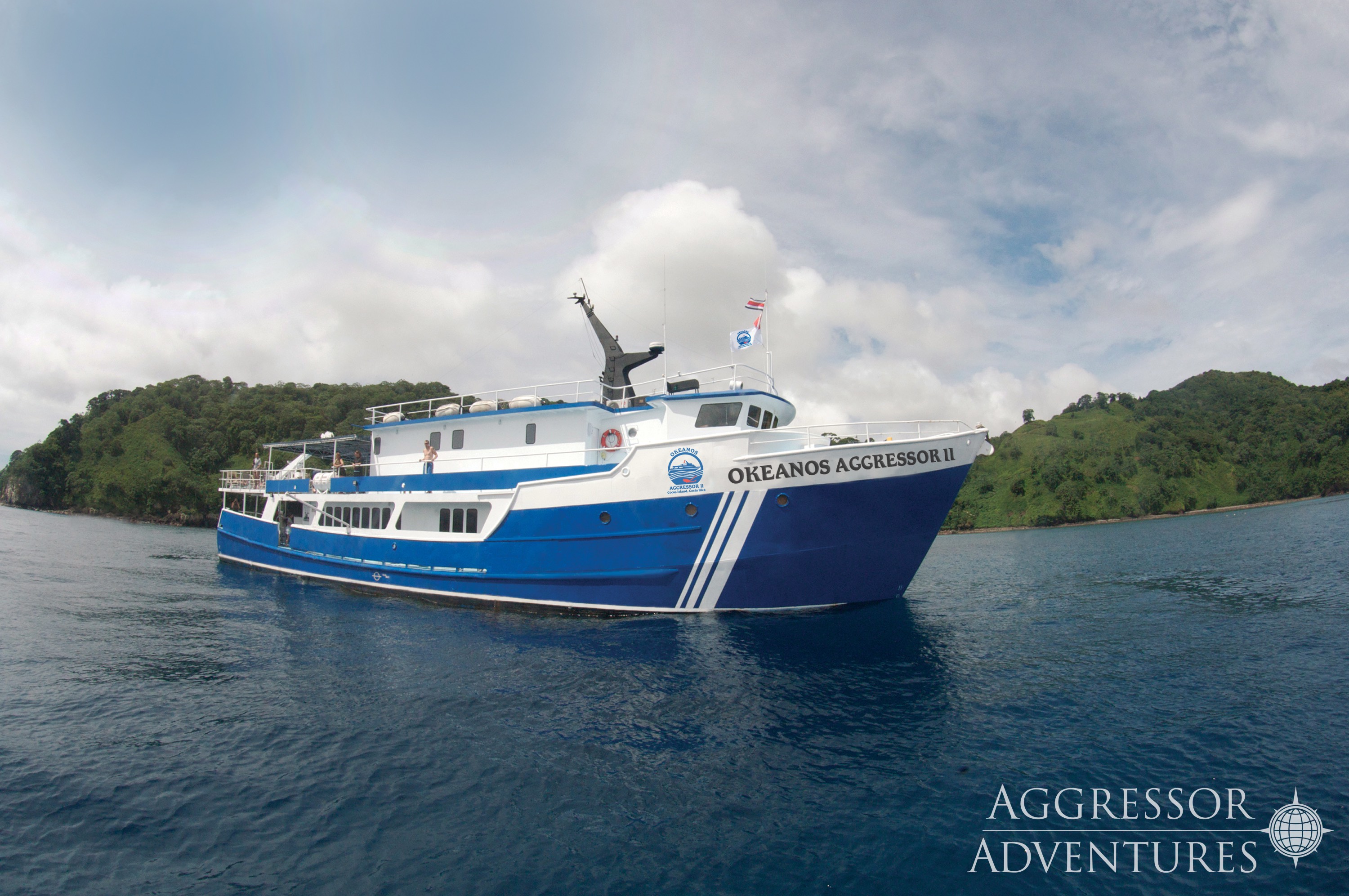
Okeanos Aggressor II
Costa Rica
24 guests36.6 m
$504/day
Dive sites similar to Bajo Negro
Same character, same waters — six more sites divers love for the exact same reasons.Compare seasons, access and liveaboard routes — then pick the site that fits your trip best.
© Esri — Maxar, Earthstar, GIS
Elizabeth Bay
Galápagos
Elizabeth Bay, located on the eastern coast of Isabela Island, presents a wide and sheltered marine environment rich in biodiversity.
- Suitable for
- Beginner
- Current
- No current
- Access
- Liveaboard only
- Depth
- 3–20 m
- Theme
- —
© Esri — Maxar, Earthstar, GIS
Floreana - Devil's Crown
Galápagos
Devil's Crown, located off Floreana Island in the Galápagos, is renowned as one of the archipelago's premier diving and snorkeling destinations.
- Suitable for
- Beginner
- Current
- Strong
- Access
- Liveaboard only
- Depth
- 3–15 m
- Theme
- Reef
© Esri — Maxar, Earthstar, GIS
Dos Sombreros
Costa Rica
Dos Sombreros is a renowned dive site located offshore from Playa Flamingo, forming part of the Catalina Islands chain in Costa Rica's North Pacific region.
- Suitable for
- Intermediate
- Current
- Moderate
- Access
- Dayboat
- Depth
- 12–25 m
- Theme
- Pinnacle
© Esri — Maxar, Earthstar, GIS
Pelican Rock
Mexico
Pelican Rock is a renowned dive site located within the Cabo San Lucas Marine Park in Baja California Sur, Mexico, just a few minutes by boat from the marina.
- Suitable for
- Beginner
- Current
- Mild
- Access
- Liveaboard or dayboat
- Depth
- 5–40 m
- Theme
- Wall
© Esri — Maxar, Earthstar, GIS
Isla Montserrat
Mexico
Isla Montserrat is one of the five major islands within the Bahía de Loreto National Park, offering a diverse range of diving opportunities.
- Suitable for
- Intermediate
- Current
- Mild
- Access
- Liveaboard only
- Depth
- —
- Theme
- Reef / Wall
© Esri — Maxar, Earthstar, GIS
Guy Fawkes Islands
Galápagos
The Guy Fawkes Islands are a pair of small islands located close to Santa Cruz, offering a more accessible dive experience compared to the remote northern sites.
- Suitable for
- Intermediate
- Current
- Strong
- Access
- Liveaboard only
- Depth
- 5–25 m
- Theme
- Cave & cavern / Wall