About San Benedicto - El Cañón
El Cañón, located off San Benedicto Island, is a renowned dive site within Mexico's Revillagigedo Archipelago, also known as the Socorro Islands. This remote volcanic island chain, a UNESCO World Heritage Site and North America’s largest marine protected area, is celebrated for its abundant pelagic life. El Cañón specifically functions as a vital cleaning station, attracting an impressive array of large marine animals. The dive site itself features a ridge system extending from Manta Rock, starting at approximately 7 to 20 meters (22 to 65 feet) and descending to around 29 meters (95 feet). The surrounding areas consist of rocky rubble, providing structure for marine interactions. Divers position themselves along this ridge to observe the regular congregations of manta rays and various shark species. While the topography primarily consists of volcanic rock rather than extensive coral reefs, the focus here is undeniably on the megafauna. Giant oceanic manta rays, with wingspans up to 7 meters (20 feet), are a primary attraction, often interacting closely with divers. The seasonal migration of other pelagics, including several shark species, further enriches the diving experience. Access to El Cañón is exclusively via liveaboard, departing from ports like Cabo San Lucas or San Jose del Cabo. The dives often involve tender entries and require divers to manage potentially strong currents, making it suitable for experienced divers. The sheer diversity and size of the marine life encounters make El Cañón a highlight of any Revillagigedo itinerary.
Highlights
Giant oceanic manta ray encountersHammerhead shark observationsCleaning station activityVolcanic underwater topographyDiverse shark speciesPelagic marine life abundance
Season calendar
Best months to dive here
Jan
Feb
Mar
Apr
May
Jun
Jul
Aug
Sep
Oct
Nov
Dec
Excellent
Good
Nov – Apr (Peak)
Socorro season open (Nov–May) for giant mantas and hammerheads. Cozumel bull sharks Dec–Mar. Cenotes excellent year-round. Best overall conditions.
May – Oct (Transition & Sea of Cortez)
Socorro closing, Cozumel still good. Whale sharks arrive at Isla Mujeres Jun–Sep. From August, the Sea of Cortez comes alive: Midriff Islands offer massive sea lion colonies and schooling mobulas. September and October bring world-class diving around La Paz and Cabo Pulmo with whale sharks, hammerheads, and bull sharks on the Explore Baja route.
Dive site facts: San Benedicto - El Cañón
- Depth
- 7–95 m
- Typical dive
- 12–29 m, 50–60 min
- Current
- Mild to strong
- Visibility
- 15–50 m
- Water temperature
- 21–28°C
- Entry
- Tender / negative entry
- Level
- Advanced Open Water, current experience beneficial
- Dive type
- Pelagic, cleaning station
- Night dive
- Not typically offered
- Region / port
- Revillagigedo Archipelago
- Coordinates
- 19.295, -110.812
Conditions & Currents
Currents at El Cañón can vary from mild to strong, especially around the cleaning station, necessitating an advanced level of diving experience. Divers often position themselves behind rock lips or along the reef wall to mitigate the current's force while observing marine life. Visibility is generally excellent, often reaching 30-50 meters (100-164 feet), but can be influenced by plankton blooms that attract large pelagics. Surge can also be present, especially on days with larger swells. Entry is typically by tender, often requiring a negative entry to reach the main action quickly. Due to the site's exposure and pelagic nature, maintaining good buoyancy and situational awareness is crucial for safety and optimal viewing.
Marine life & sighting chances

Giant Oceanic Manta Ray
Year-round, peak Nov-May · common
Hammerhead Shark
Year-round · common
Blacktip Shark
Year-round · occasional
Silky Shark
Year-round · occasional
Galapagos Shark
Year-round · occasional
Silvertip Shark
Year-round · occasional
Whitetip Reef Shark
Year-round · occasional
Bottlenose Dolphin
Year-round · occasional
Giant Pacific Octopus
Year-round · occasional
Moray Eel
Year-round · occasional
Yellowfin Tuna
April-May · occasional
Humpback Whale
Dec-March · rareDive profile & how the dive runs
Dives at El Cañón typically begin with a tender drop at the shallower end of the ridge, near Manta Rock, at around 7 to 20 meters (22 to 65 feet). Divers often perform a negative entry to quickly descend and position themselves along the ridge, which slopes to depths of 29 meters (95 feet) or more. The primary objective is to reach the cleaning station where manta rays and sharks congregate. Divers will settle in an appropriate spot, often behind a rock formation to shield from currents, and observe the pelagic activity. After significant interaction, the dive progresses shallower along the reef structure or into the blue, allowing for extended bottom time and a safety stop, often accompanied by playful manta rays.
Underwater photography
Capturing the pelagic action at El Cañón demands specific photographic approaches. For the large manta rays and sharks, a wide-angle lens is essential to encompass their impressive size and the vast blue backdrop. Since interactions are often close, a dome port for minimal distortion underwater is highly recommended. Given the potential for strong currents, excellent buoyancy control is paramount to avoid disturbing the cleaning station and to maintain a stable shot. External strobes are beneficial for color and contrast, especially when shooting into the sun or in deeper areas, ensuring highlights on the animals. Maintain respectful distances, allowing the animals to approach you, as chasing will deter them and yield poor results. Be prepared for fast-moving subjects; a camera with quick autofocus and burst mode will be advantageous.
Combine with nearby dive sites
- San Benedicto Island - The Canyon
El Cañón is part of this site name, emphasizing its specific location on San Benedicto.
- Socorro - Cabo Pearce
Another renowned cleaning station on Socorro Island, famous for manta rays.
- Roca Partida
A remote, iconic rock pinnacle known for schooling sharks and pelagic activity.
- El Bajo Seamount
A seamount known for schooling hammerheads, often included in Socorro itineraries.
Getting there & logistics
Access to El Cañón and the Revillagigedo Archipelago is exclusively via liveaboard. Expeditions typically depart from Cabo San Lucas or San Jose del Cabo, both situated in Baja California Sur. The closest international airport is Los Cabos International Airport (SJD), which receives flights from the United States, Canada, and various Mexican cities. Liveaboard trips usually span 8-10 days, allowing sufficient travel time to the remote islands and multiple dives at various sites. There are no specific individual site fees, but park permits are covered within the liveaboard package. Itineraries are designed to combine El Cañón with other Revillagigedo highlights like The Boiler, Roca Partida, and Cabo Pearce.
Safety & environment
Diving at El Cañón requires a robust approach to safety due to its remote location and potential for strong currents. All divers should have comprehensive dive accident insurance that covers hyperbaric treatment and emergency evacuation. The nearest recompression chamber is located in Cabo San Lucas, several hours away by boat and air, emphasizing the critical need for safe diving practices. Liveaboards are equipped with trained medical personnel and emergency oxygen. Divers must adhere strictly to dive guide instructions, especially regarding depth limits, bottom time, and maintaining a safe distance from marine life. Buoyancy control is crucial, particularly around cleaning stations, to avoid disturbing the ecosystem. Given the pelagic encounters, maintaining situational awareness for other divers and large animals is always advised.
Who it suits — and who it doesn't
Suited for
- Experienced open water divers (AOWD recommended)
- Divers comfortable with strong currents
- Pelagic and shark enthusiasts
- Underwater photographers with wide-angle setups
- Liveaboard adventurers
Less suited for
- Entry-level open water divers
- Divers prone to seasickness
- Those uninterested in large pelagic encounters
- Divers seeking extensive coral reefs
- Individuals with limited current diving experience
FAQ
San Benedicto - El Cañón FAQ
What kind of marine life can I expect to see at El Cañón?
El Cañón is a prime location for encountering large pelagic species. You can expect to see giant oceanic manta rays with impressive wingspans, multiple shark species including hammerheads, blacktips, silkies, Galapagos, and silvertips, as well as dolphins. Occasionally, you might also spot various eels and octopuses nestled in the rocky crevices.
What are the typical dive conditions at El Cañón?
Dive conditions at El Cañón vary but often include strong currents, especially around the main cleaning station. Visibility is generally excellent, ranging from 15 to 50 meters, and water temperatures are warmest from November to May, typically between 21-28°C. Divers should be prepared for potential surge and be comfortable with advanced diving techniques.
Is El Cañón suitable for beginner divers?
El Cañón is generally not recommended for beginner divers. Due to the potential for strong currents, deep sections, and the need for advanced buoyancy control, it is best suited for experienced divers, preferably those with an Advanced Open Water certification and prior experience diving in currents. Liveaboards visiting the area often have minimum dive experience requirements.
How do I get to El Cañón?
Access to El Cañón is exclusively by liveaboard. These trips typically depart from Cabo San Lucas or San Jose del Cabo, Mexico. You would fly into Los Cabos International Airport (SJD) and then embark on a multi-day liveaboard journey to the remote Revillagigedo Archipelago, where San Benedicto Island is located.
What makes El Cañón a significant dive site?
El Cañón is significant primarily because it serves as a crucial cleaning station for giant oceanic manta rays and various shark species. This natural phenomenon provides divers with unparalleled opportunities for close, interactive encounters with these magnificent creatures in their natural habitat, making it a highlight of the Socorro Islands.
Why dive San Benedicto - El Cañón from a liveaboard?
San Benedicto - El Cañón is one of Mexico's signature dive sites. A liveaboard sleeps you on the water and puts you in the water for three to four guided dives per day, including dawn and night dives that day-boat operators rarely offer. You skip the daily commute back to port and reach quieter, less-crowded sites in the same region on a single trip.
Below are the liveaboards that include San Benedicto - El Cañón on their Mexico itineraries.
Liveaboards diving San Benedicto - El Cañón
These liveaboards may visit San Benedicto - El Cañón on selected itineraries — the exact dive sites depend on departure, weather and conditions.
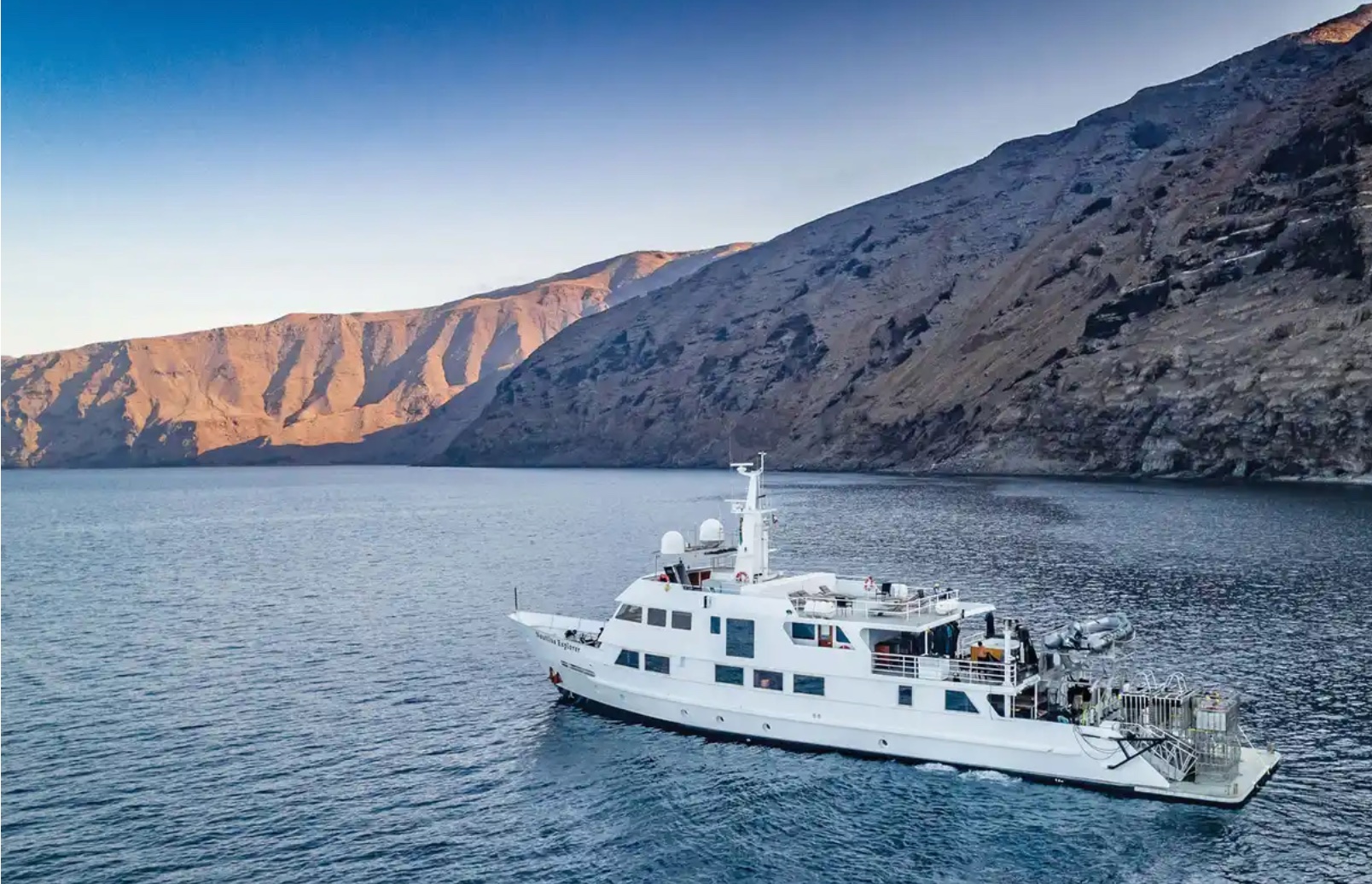
Nautilus Explorer
Mexico
25 guests45 m
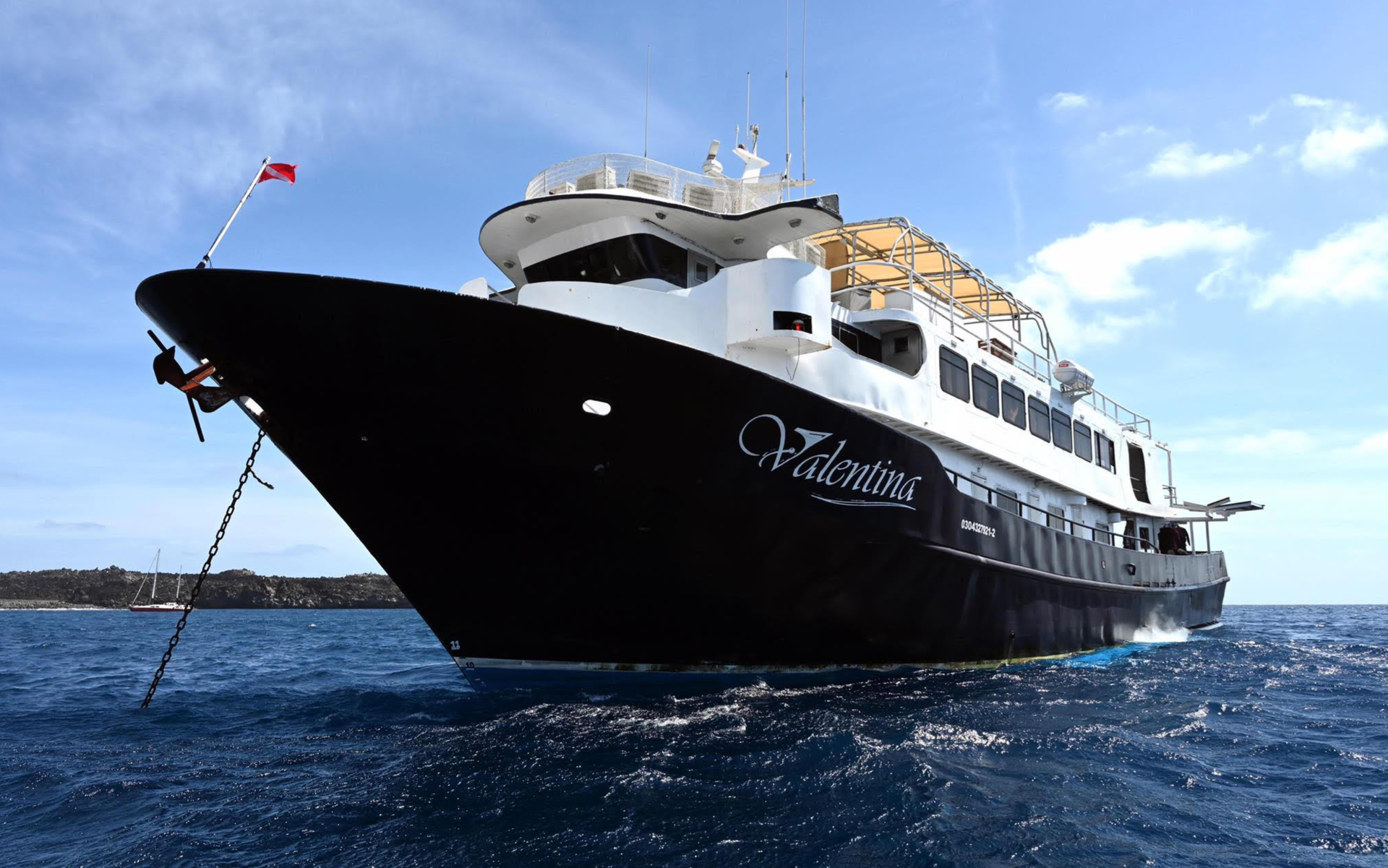
Valentina
Mexico
20 guests38 m
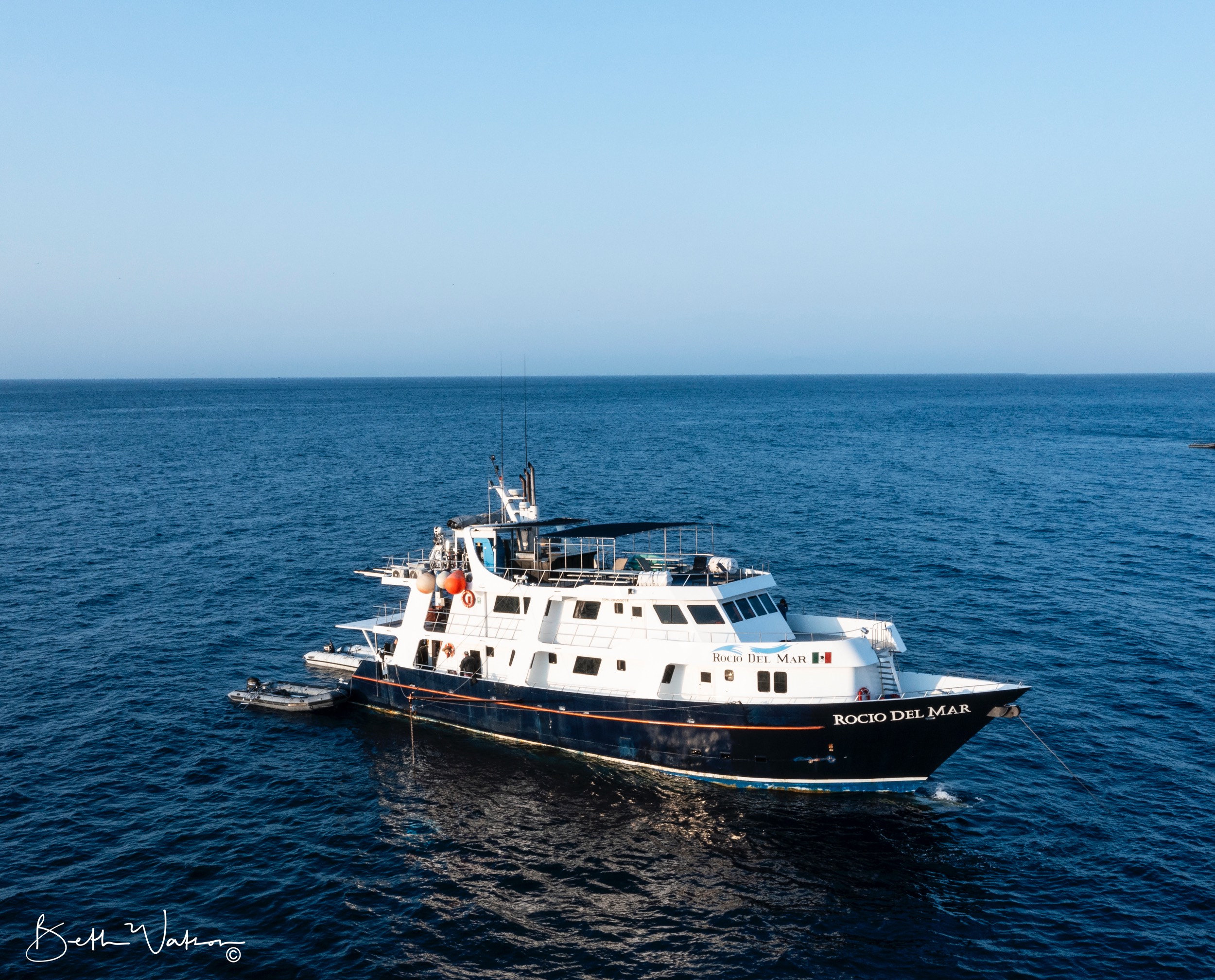
Rocio del Mar
Mexico
20 guests34 m
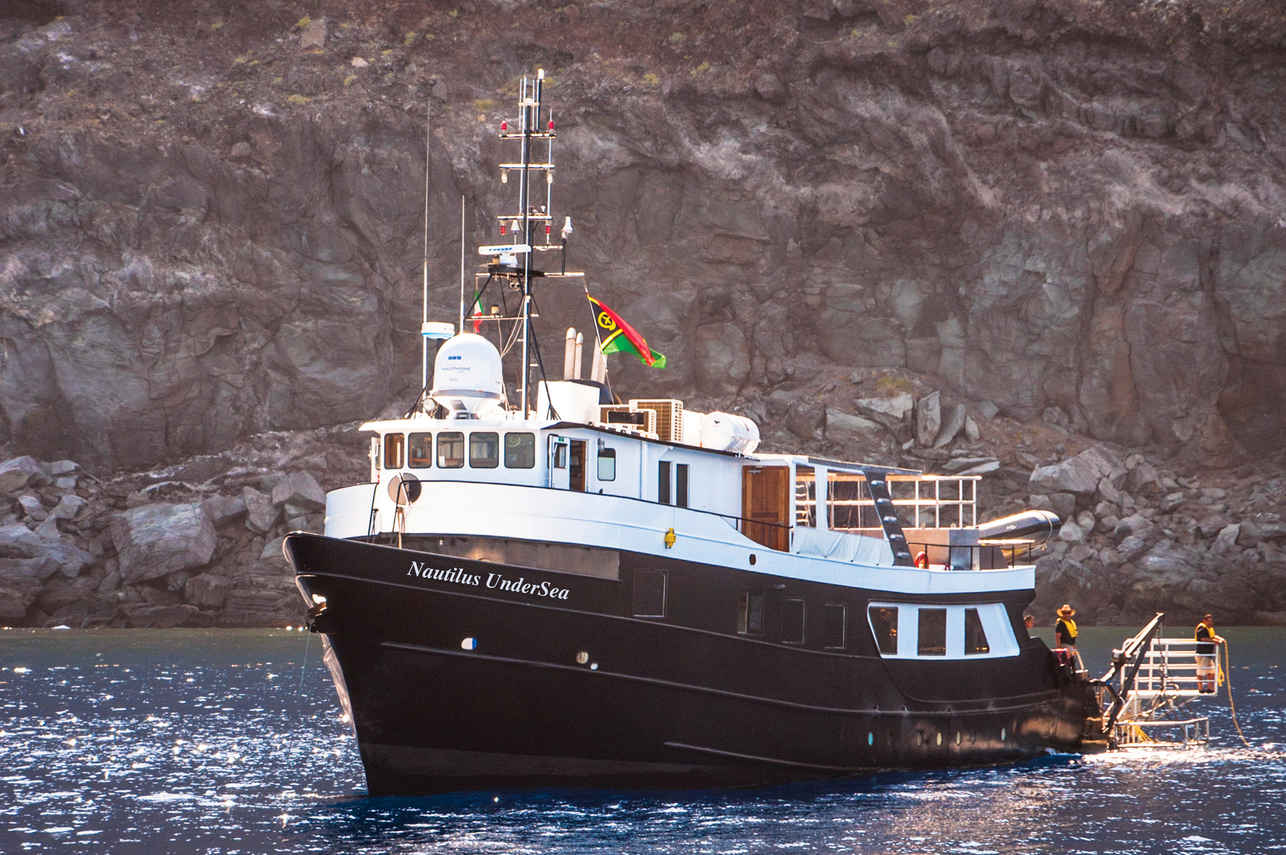
Nautilus Under Sea
Mexico
19 guests32 m
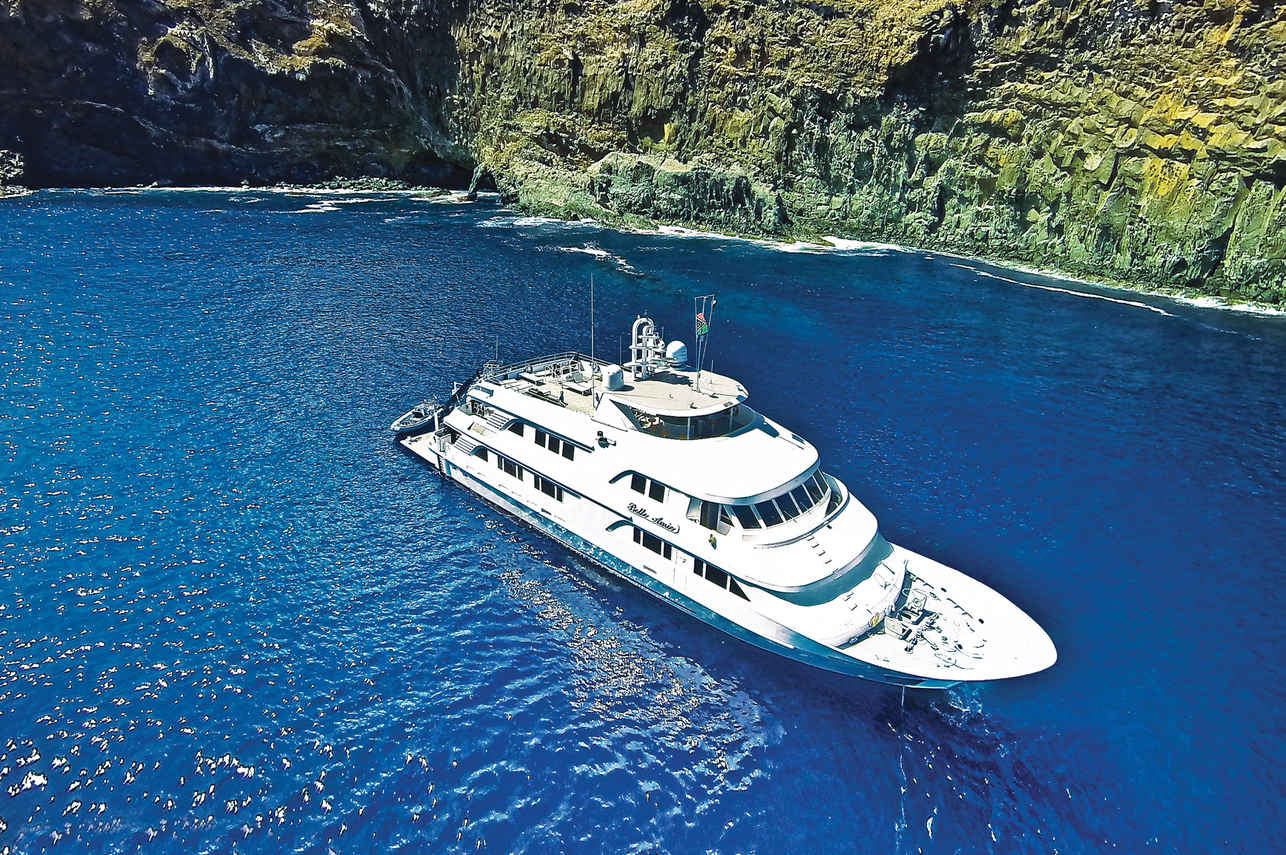
Nautilus Belle Amie
Mexico
32 guests45 m
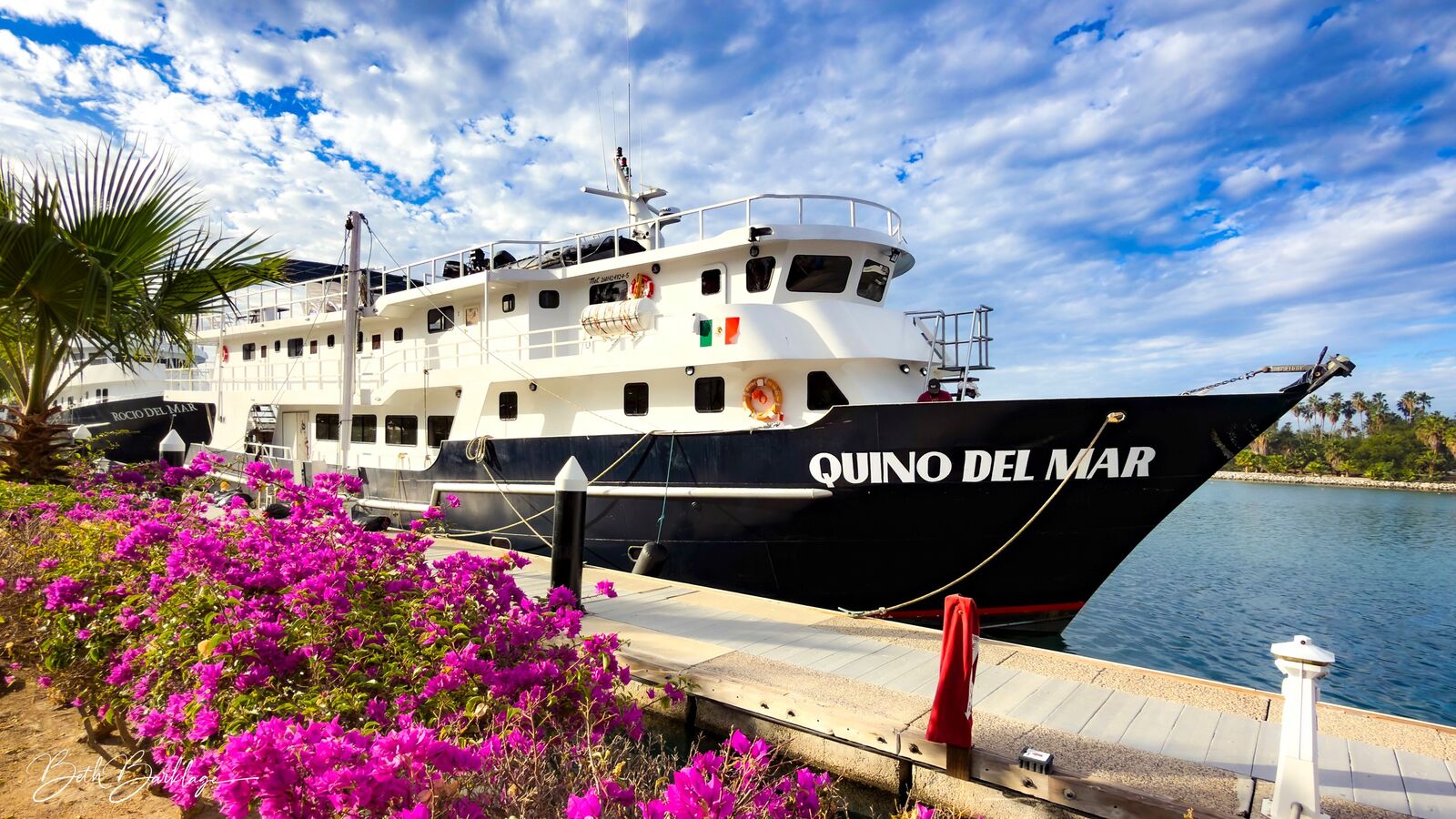
Quino del Mar
Mexico
20 guests36 m
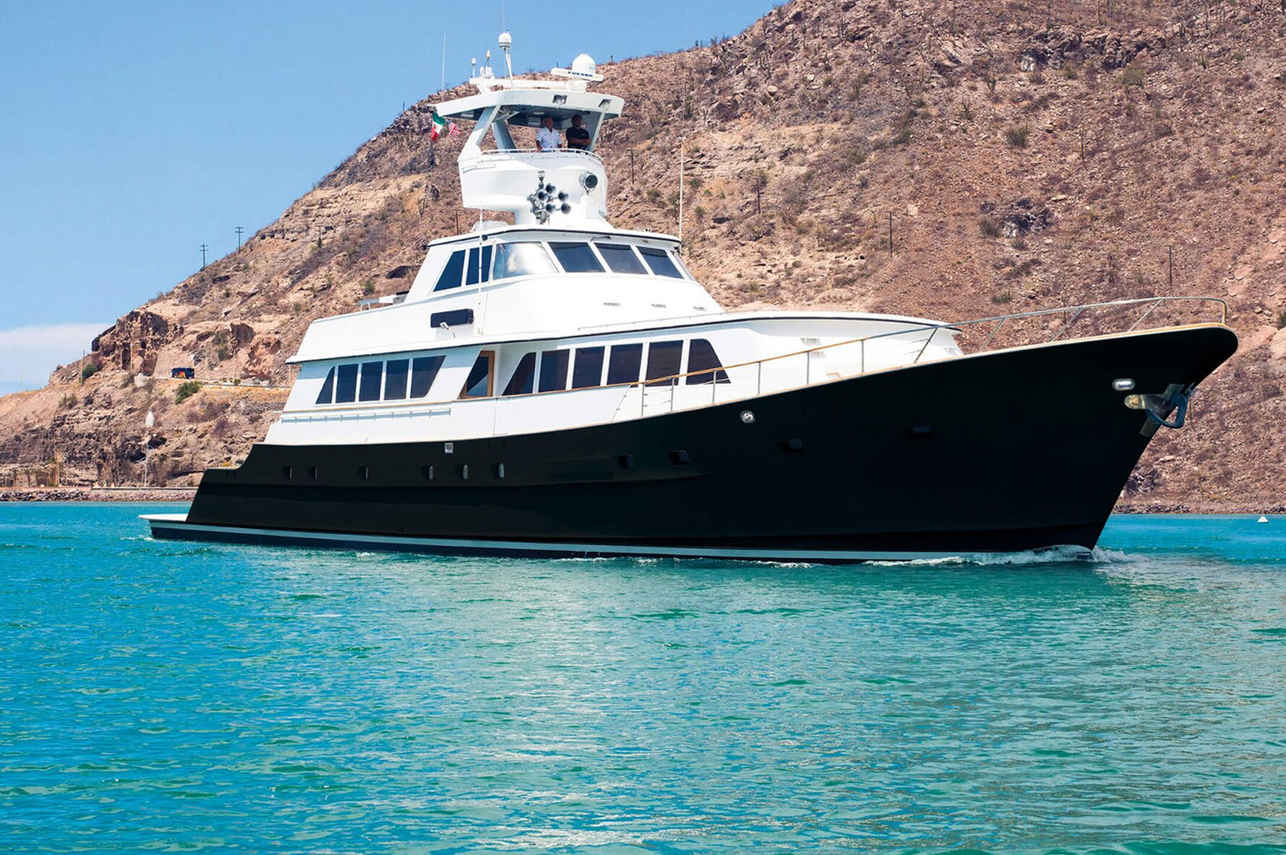
Nautilus Gallant Lady
Mexico
12 guests35 m
Dive sites similar to San Benedicto - El Cañón
Same character, same waters — six more sites divers love for the exact same reasons.Compare seasons, access and liveaboard routes — then pick the site that fits your trip best.
© Esri — Maxar, Earthstar, GIS
Agustín Melgar shipwreck
Mexico
The Agustín Melgar, also known as the C-54, is a 56-meter (185-foot) former minesweeper that rests on a sandy bottom at 24 meters (80 feet) south of Puerto Escondido within the Loreto Bay National Park.
- Suitable for
- Intermediate
- Current
- Mild
- Access
- Liveaboard only
- Depth
- 12–24 m
- Theme
- Wreck
Arco Iris, or "Rainbow" in Spanish, is a prominent dive site located near Brumel Island (Penahuaste), approximately 8km north of Playa Potrero in Costa Rica.
- Suitable for
- Beginner
- Current
- Moderate
- Access
- Dayboat
- Depth
- 9–30 m
- Theme
- Reef
© Esri — Maxar, Earthstar, GIS
Bahía de La Paz
Mexico
Bahía de La Paz serves as the capital of Baja California Sur and the primary gateway to the Sea of Cortez, a region famously dubbed the "world's aquarium" by Jacques Cousteau due to its exceptional biodiversity.
- Suitable for
- Advanced
- Current
- Mild
- Access
- Dayboat
- Depth
- 17–27 m
- Theme
- Big animals / Reef
© Esri — Maxar, Earthstar, GIS
Bahía de los Ángeles
Mexico
Bahía de los Ángeles, nestled in the northern Sea of Cortez, is a remarkable dive destination primarily known for its seasonal aggregations of whale sharks.
- Suitable for
- Intermediate
- Current
- Moderate
- Access
- Liveaboard only
- Depth
- 3–15 m
- Theme
- Reef
© Esri — Maxar, Earthstar, GIS
Bajo Alcyone
Costa Rica
Bajo Alcyone, a submerged seamount near Cocos Island, stands as a world-renowned dive site.
- Suitable for
- Advanced
- Current
- Strong
- Access
- Liveaboard only
- Depth
- 25–40 m
- Theme
- Drift / Seamount
© Esri — Maxar, Earthstar, GIS
Bajo de la Ballena
Mexico
El Bajo, often referred to as Bajo de la Ballena, is a prominent seamount situated approximately eight miles northeast of La Paz, Mexico.
- Suitable for
- Advanced
- Current
- Strong
- Access
- Liveaboard or dayboat
- Depth
- 18–35 m
- Theme
- Pinnacle