About Cabo Marshall
Cabo Marshall, also known as Cape Marshall, is a renowned dive site located off the northeastern coast of Isabela Island in the Galápagos, often referred to by divers as "Manta City" due to its frequent sightings of giant manta rays. This site is celebrated for its rich biodiversity and consistent pelagic action, making it a highlight for advanced divers exploring the Galápagos. The topography here features a compelling mix of steep walls and vibrant reef sections, descending to depths of up to 40 meters, which provides a diverse habitat for marine life. The nutrient-rich waters, driven by strong ocean currents, attract a remarkable array of large marine species. Beyond the iconic giant manta rays, divers frequently encounter large schools of hammerhead sharks, barracuda, and playful sea lions. While visibility can vary between 6 and 20 meters, the sheer quantity and variety of marine animals ensure a consistently spectacular diving experience throughout the year. Diving at Cabo Marshall typically involves a drift dive along the coast, propelled by the site's moderate to heavy currents. This technique allows divers to effortlessly observe the dynamic underwater environment and its inhabitants. The site's conditions, while demanding, are precisely what contribute to its reputation as a world-class destination for encountering significant pelagic life. Liveaboard itineraries often incorporate Cabo Marshall for its guaranteed big animal encounters, distinguishing it as a must-visit location for experienced divers seeking the unique thrill of Galápagos diving. The combination of its geological features, consistent currents, and abundant marine life solidifies Cabo Marshall’s status as a premier dive site in the archipelago.
Highlights
Giant manta ray encountersWall and reef divingHammerhead shark schoolsSea lion interactionsDrift diving experienceRich pelagic life
Season calendar
Best months to dive here
Jan
Feb
Mar
Apr
May
Jun
Jul
Aug
Sep
Oct
Nov
Dec
Good
Dive site facts: Cabo Marshall
- Depth
- 5–40 m
- Current
- Moderate to heavy
- Visibility
- 6–20 m
- Water temperature
- 18–26 °C
- Entry
- Tender / Negative entry
- Level
- Advanced, current experience required
- Dive type
- Wall, reef, drift, pelagic
- Region / port
- Isabela Island, Galápagos
- Coordinates
- -0.295, -91.375
Conditions & Currents
Cabo Marshall consistently experiences moderate to heavy currents, making it primarily a drift diving site. Divers typically enter the water and allow the current to carry them along the wall and reef, with little to no surge. Due to the strength of the currents, experienced divers are best suited for this site, often utilizing negative entry techniques.
Marine life & sighting chances

Giant manta ray
Warm season (Dec-May) · common
Hammerhead shark
Warm season (Dec-May) in larger schools due to mating · common
Sea lion
common
Barracuda
common
Galapagos shark
occasional
White tip reef shark
occasional
Green sea turtle
occasional
Eagle ray
occasional
Marine iguana
occasional
Mola mola
Cool season (Jun-Nov) · rareDive profile & how the dive runs
Diving at Cabo Marshall is typically a drift dive along the wall and reef of Isabela's northeastern coast. Divers usually perform a negative entry due to the moderate to heavy currents, quickly descending to the target depth to avoid being swept away from the wall. The dive progresses with the current, allowing divers to observe the abundant pelagic life that congregates along the nutrient-rich currents. You can expect to maintain depths anywhere between 15 to 30 meters, following the contours of the wall and occasionally venturing closer to the reef. The dive plan is flexible, adapting to the current's direction and strength. Turn points are not fixed, as the dive is a continuous drift. Safety stops are conducted in the blue, usually at shallower depths, while continuing to drift, with tender boats positioned to pick up divers at the surface.
Underwater photography
Cabo Marshall is an exceptional site for wide-angle photography, focusing on the abundant pelagic life attracted by the strong currents. A fisheye or wide-angle rectilinear lens is essential for capturing giant manta rays, schools of hammerhead sharks, and barracuda. While strobes can enhance colors, be mindful of backscatter in varying visibility conditions. Buoyancy control is paramount due to the strong currents; maintaining a stable position helps in composing shots and avoids disturbing marine life. Patience is key for capturing marine iguana interactions or sea lions playing in the water. For smaller subjects, a macro lens may be used if you can find shelter from the current, but the primary draw here is the big animal action.
Combine with nearby dive sites
- Punta Vicente Roca
Known for cold water species and mola mola sightings.
- Punta Albemarle
Remote site for marine iguanas and flightless cormorants.
- Punta Moreno
Punta Moreno, located on the west coast of Isabela Island, offers a distinctive Galápagos diving experience characterized by its unique…
- Tagus Cove
Tagus Cove, nestled on the western coast of Isabela Island, is a captivating dive and snorkel destination known for its dramatic volcanic…
Getting there & logistics
Access to Cabo Marshall is primarily via liveaboard trips originating from San Cristóbal Island or Santa Cruz Island (Puerto Ayora), with flights into either San Cristóbal (SCY) or Baltra (GPS) airports. International flights arrive at Quito (UIO) or Guayaquil (GYE), followed by domestic connections. Most Galápagos liveaboard itineraries are 7 to 10 nights, offering comprehensive coverage of the archipelago's best dive sites. A Galápagos National Park entrance fee and a transit control card are mandatory for all visitors. Cabo Marshall is typically combined with other western and northern sites, forming a pelagic-focused itinerary due to its remote location and the demanding dive conditions.
Safety & environment
Diving in Galápagos, including Cabo Marshall, requires a high level of experience due to strong currents and variable conditions. Divers should possess advanced open water certification and experience with drift diving. The nearest recompression chamber is located in Puerto Ayora on Santa Cruz Island. Evacuation from remote sites like Cabo Marshall can be lengthy and complex, often involving tender boats and inter-island transport. Comprehensive dive insurance, including coverage for medical emergencies and evacuation, is highly recommended. Always follow your dive guide's instructions, maintain proper buoyancy, and carry a surface marker buoy (SMB) for safety and surface visibility. Be aware of thermoclines and potential cold water, even near the equator.
Who it suits — and who it doesn't
Suited for
- Experienced divers
- Advanced Open Water certified divers
- Divers comfortable with strong currents
- Those seeking large pelagic encounters
- Photographers with wide-angle setups
Less suited for
- Novice divers
- Beginner photographers
- Divers uncomfortable with drift diving
- Those prone to seasickness
- Divers with limited cold water exposure experience
FAQ
Cabo Marshall FAQ
What marine life can I expect to see at Cabo Marshall?
Cabo Marshall is renowned for its big animal encounters. You can expect to see giant manta rays, large schools of hammerhead sharks, barracuda, and playful sea lions. Occasionally, you might also spot Galapagos sharks, white tip reef sharks, and green sea turtles.
What are the typical dive conditions at Cabo Marshall?
Cabo Marshall is characterized by moderate to heavy currents, making it primarily a drift diving site. Visibility typically ranges from 6 to 20 meters, and water temperatures can vary from 18°C to 26°C. There is generally little to no surge, but strong currents necessitate careful planning.
Is Cabo Marshall suitable for beginner divers?
No, Cabo Marshall is not recommended for beginner divers. The site features strong, consistent currents and deep walls that require advanced diving skills and experience with drift diving. It is best suited for experienced divers with an Advanced Open Water certification.
Why is Cabo Marshall also called "Manta City"?
Cabo Marshall earned the nickname "Manta City" due to the frequent and reliable sightings of giant manta rays. The nutrient-rich waters and specific topography of the site create an ideal environment that attracts these magnificent creatures, making it a prime location for observing them.
What type of dive equipment is recommended for Cabo Marshall?
Given the potential for colder water and strong currents, a 5mm or 7mm wetsuit is recommended, possibly with a hood and gloves for thermal protection. A reef hook can be useful for holding position against strong currents, and a surface marker buoy (SMB) is essential for safety and surface visibility during drift dives.
How do liveaboards manage diving at a site with strong currents like Cabo Marshall?
Liveaboards manage diving at Cabo Marshall by employing specific techniques for strong currents. Divers typically perform a negative entry, descending quickly to avoid being swept away. Dive guides are experienced in reading the currents, and tender boats are always on standby for pick-ups, ensuring diver safety and efficient surface retrieval.
Why dive Cabo Marshall from a liveaboard?
Cabo Marshall is one of Galápagos's signature dive sites. A liveaboard sleeps you on the water and puts you in the water for three to four guided dives per day, including dawn and night dives that day-boat operators rarely offer. You skip the daily commute back to port and reach quieter, less-crowded sites in the same region on a single trip.
Below are the liveaboards that include Cabo Marshall on their Galápagos itineraries.
Liveaboards diving Cabo Marshall
These liveaboards may visit Cabo Marshall on selected itineraries — the exact dive sites depend on departure, weather and conditions.
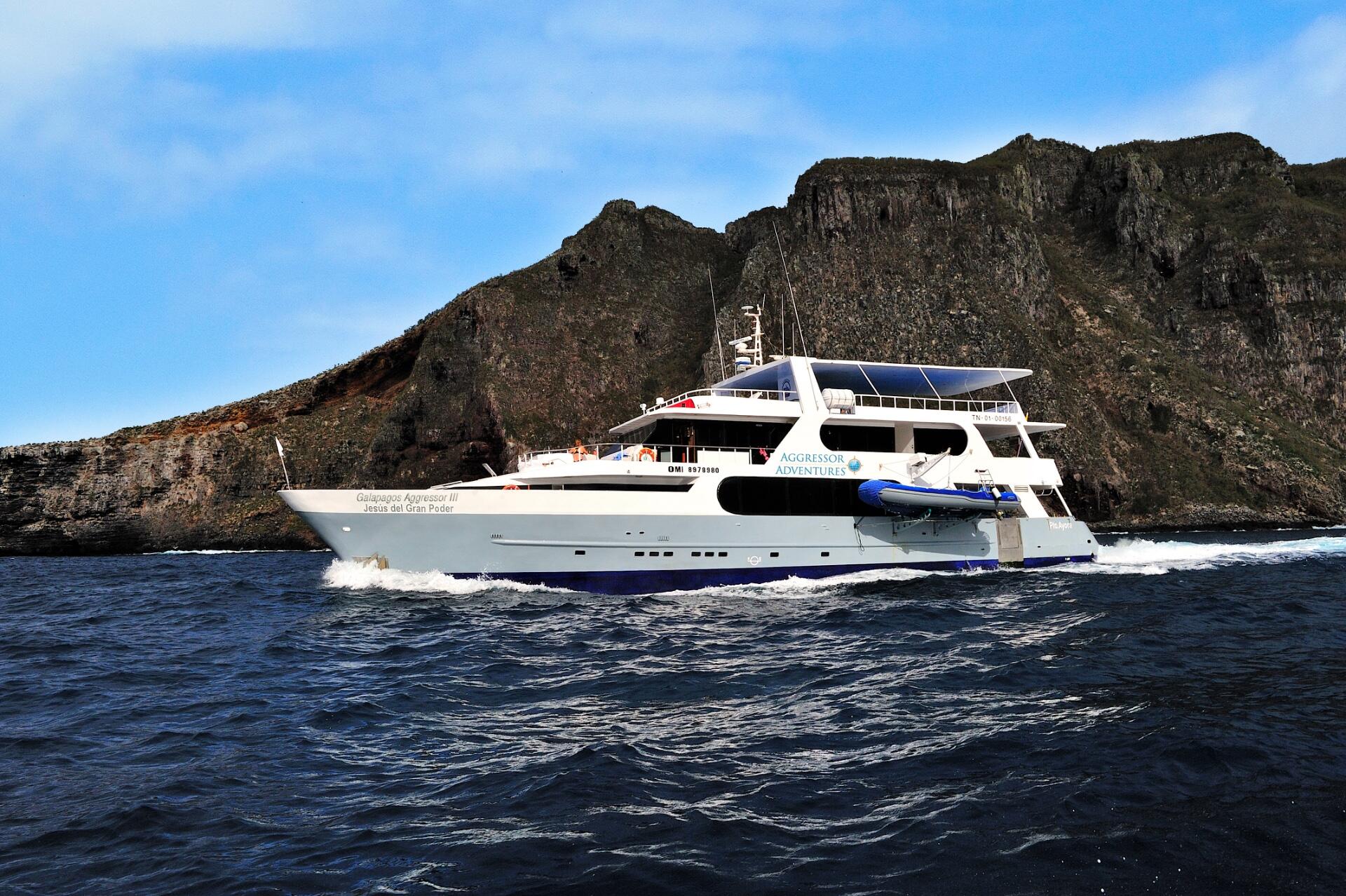
Galapagos Aggressor III
Galápagos
16 guests30.5 m
$913/day
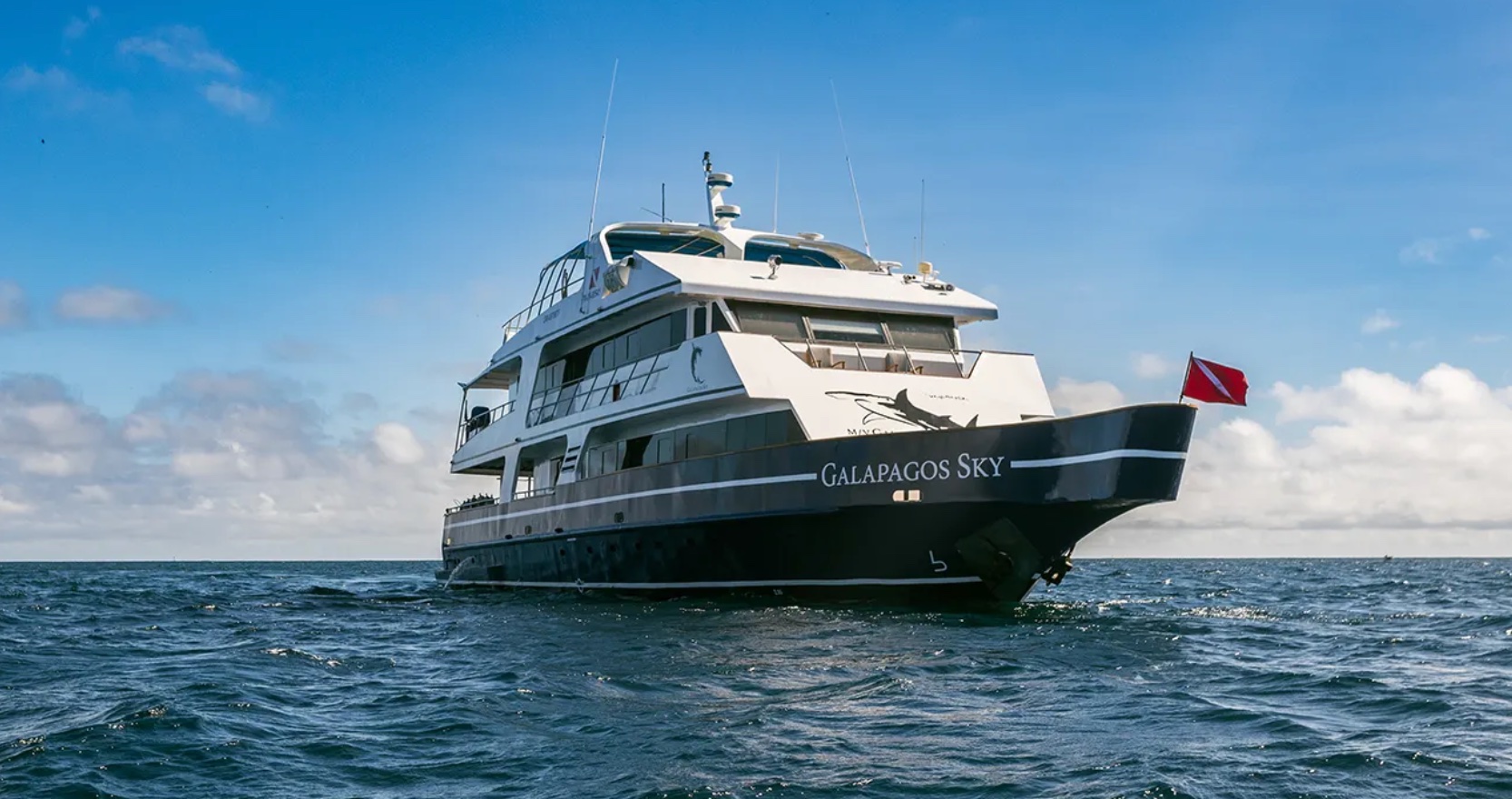
Galapagos Sky
Galápagos
16 guests
$937/day
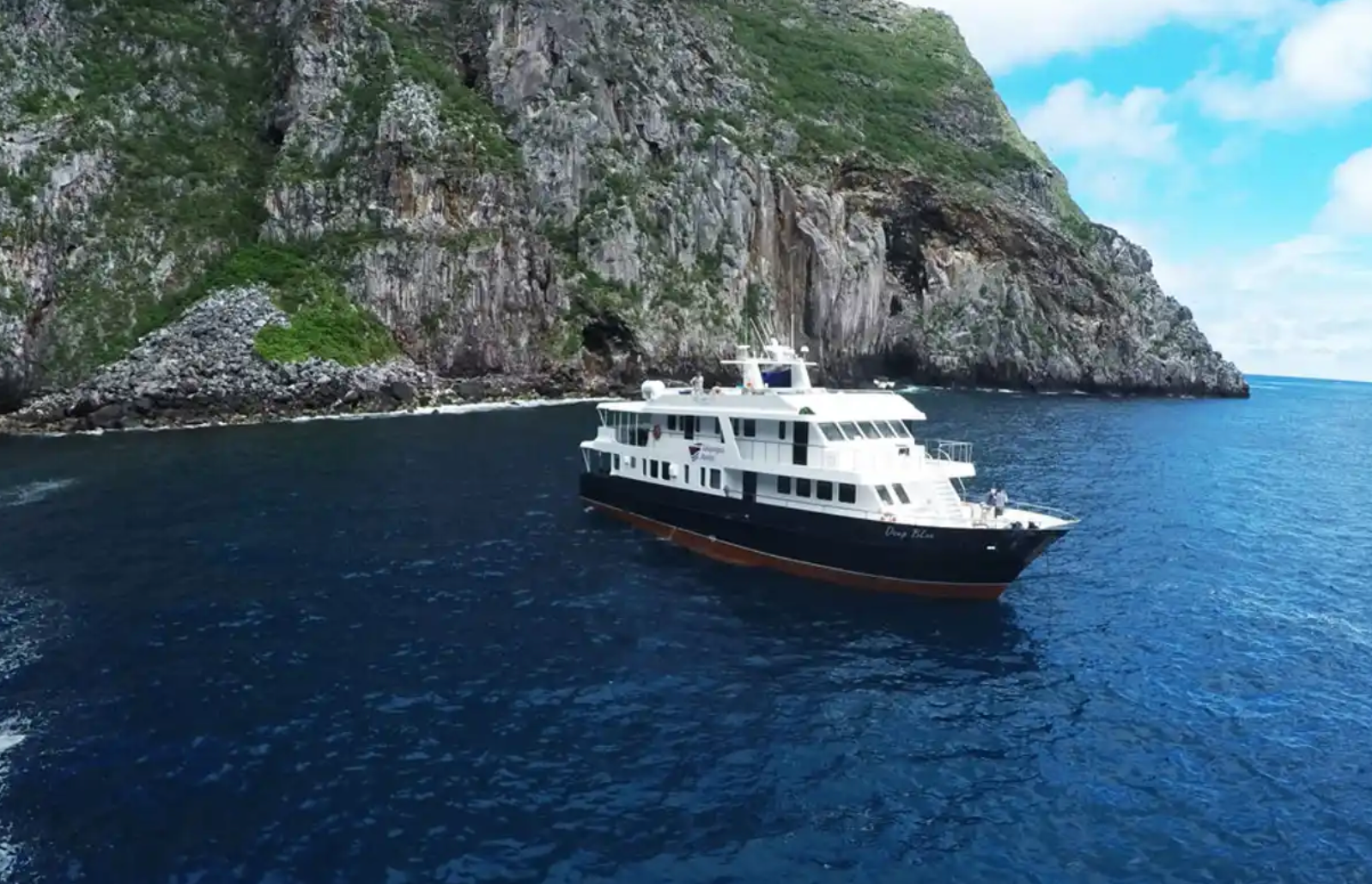
Galapagos Master
Galápagos
16 guests
$669/day
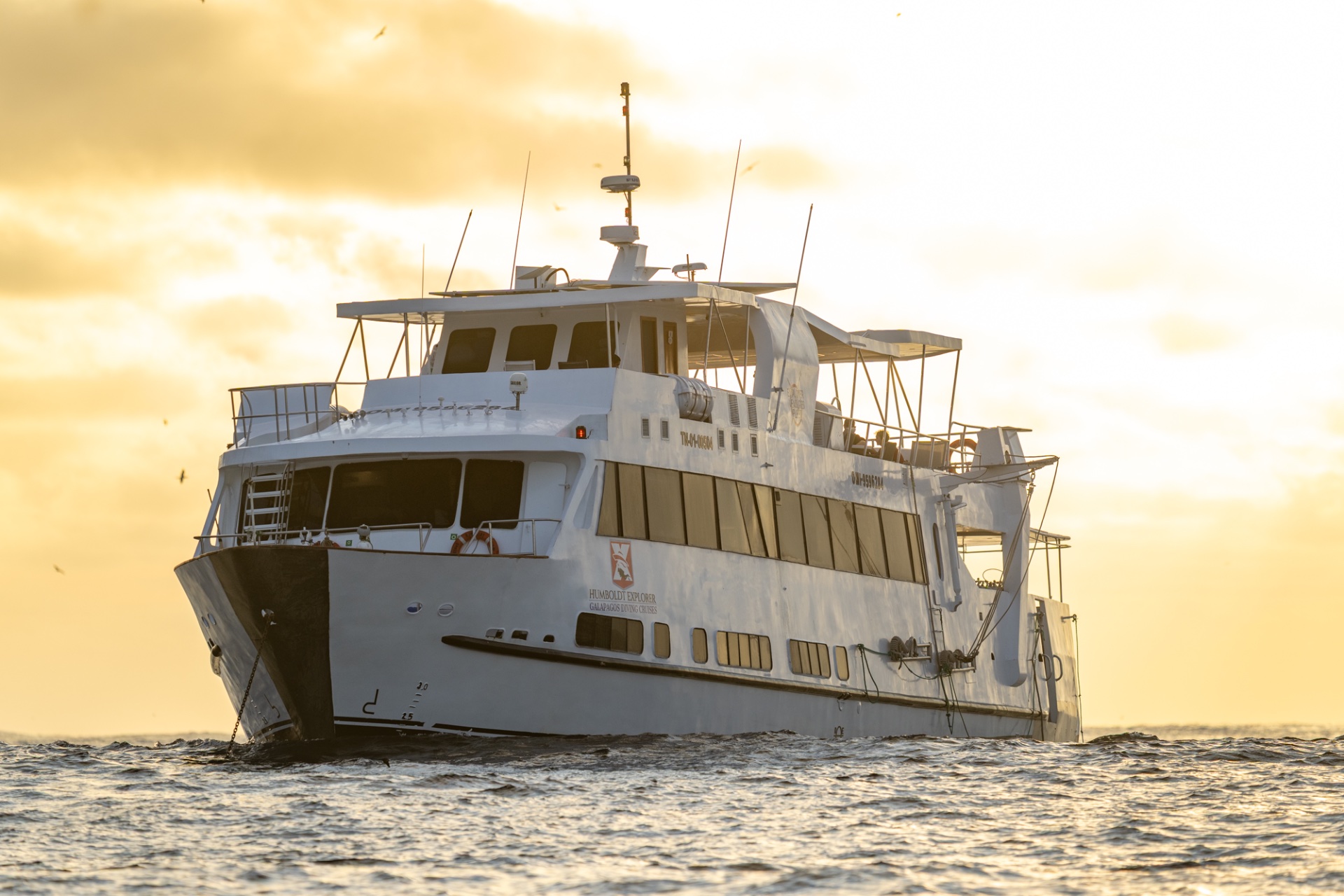
Humboldt Explorer
Galápagos
16 guests
$612/day
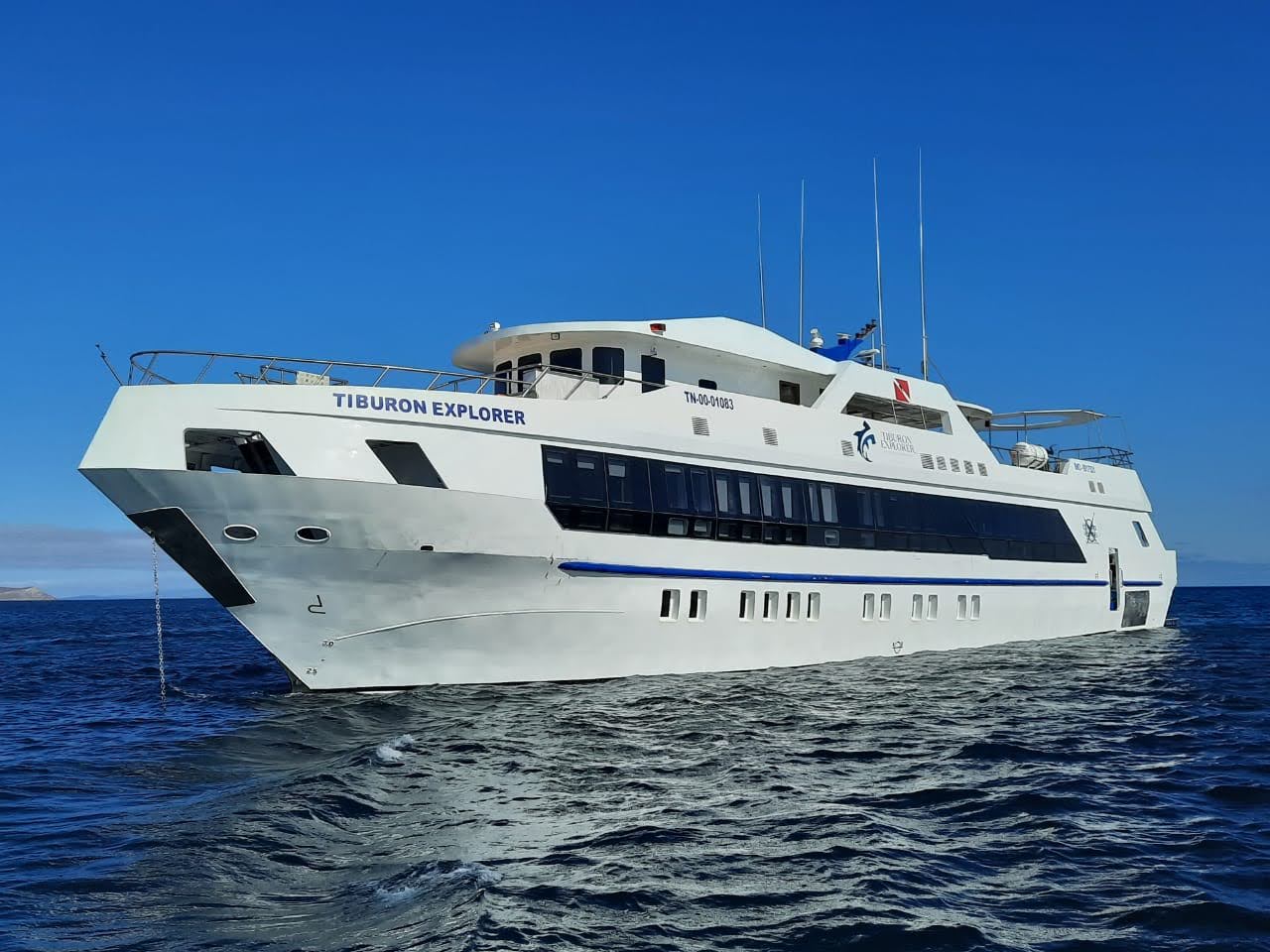
Tiburon Explorer
Galápagos
16 guests
$924/day
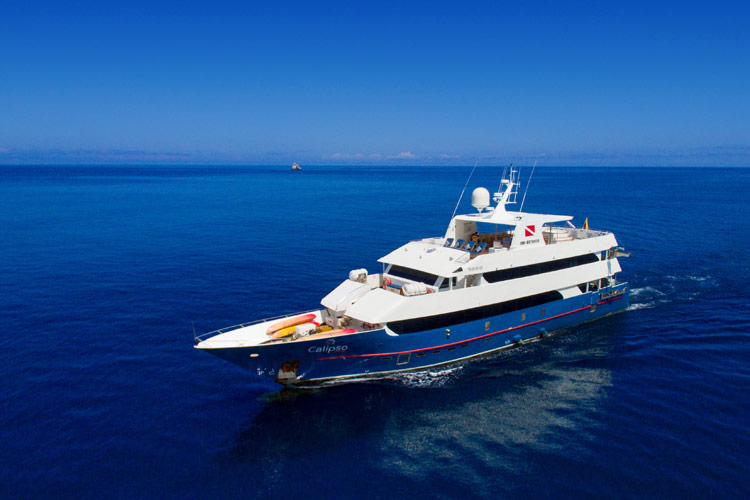
Calipso
Galápagos
16 guests
$819/day
Dive sites similar to Cabo Marshall
Same character, same waters — six more sites divers love for the exact same reasons.Compare seasons, access and liveaboard routes — then pick the site that fits your trip best.
© Esri — Maxar, Earthstar, GIS
Guy Fawkes Islands
Galápagos
The Guy Fawkes Islands are a pair of small islands located close to Santa Cruz, offering a more accessible dive experience compared to the remote northern sites.
- Suitable for
- Intermediate
- Current
- Strong
- Access
- Liveaboard only
- Depth
- 5–25 m
- Theme
- Cave & cavern / Wall
Landslide, known locally as El Derrumbe, is a renowned dive site situated off Wolf Island in the remote northern Galápagos archipelago.
- Suitable for
- Advanced
- Current
- Ripping
- Access
- Liveaboard only
- Depth
- 9–37 m
- Theme
- Drift
Shark Bay, known in Spanish as Bahia de Tiburones, is a celebrated dive site located off Wolf Island in the remote northern reaches of the Galapagos archipelago.
- Suitable for
- Advanced
- Current
- Ripping
- Access
- Liveaboard only
- Depth
- —
- Theme
- Drift
© Esri — Maxar, Earthstar, GIS
Cabo Douglas - Fernandina
Galápagos
Cabo Douglas, located on Fernandina Island, offers a truly unique underwater experience as the sole location worldwide where divers can observe marine iguanas grazing on algae beneath the surface.
- Suitable for
- Advanced
- Current
- Strong
- Access
- Liveaboard only
- Depth
- 6–6 m
- Theme
- Drift
Pinzon is situated among the central islands of the Galápagos archipelago, an area characterized by waters that are generally warmer and more protected compared to the northern or western regions.
- Suitable for
- Advanced
- Current
- Strong
- Access
- Liveaboard or dayboat
- Depth
- ≤ 18 m
- Theme
- Reef / Drift