About Guy Fawkes Islands
The Guy Fawkes Islands are a pair of small islands located close to Santa Cruz, offering a more accessible dive experience compared to the remote northern sites. These islets are a popular spot for both diving and snorkeling, featuring unique underwater topography with steep walls, volcanic caves, and a rich, rocky reef system. The environment here is dynamic, influenced by the convergence of major ocean currents that bring abundant nutrients, sustaining a diverse marine ecosystem. Divers can anticipate encountering various shark species, rays, turtles, and playful sea lions. While currents can be present, they are often manageable, making Guy Fawkes a suitable location for a broader range of diver skill levels. Marine life thrives due to the upwelling of cold, nutrient-rich waters mixing with warmer currents. This creates a vibrant habitat where large pelagics are regularly sighted alongside reef dwellers. The volcanic origins of the islands are evident in the dramatic underwater landscape, providing interesting swim-throughs and hidden crevices for exploration. Visibility can vary, but generally offers good viewing of the bustling marine scene. Guy Fawkes is typically visited as a day trip from Santa Cruz, making it a convenient option for those not on a liveaboard. The dive profiles often involve exploring the walls and caves, with opportunities to observe cleaning stations and schooling fish. The dive experience here balances exciting marine encounters with relatively predictable conditions, ensuring an engaging dive for most.
Highlights
White-tip SharksEagle RaysNight DivingMoray Eels
Season calendar
Best months to dive here
Jan
Feb
Mar
Apr
May
Jun
Jul
Aug
Sep
Oct
Nov
Dec
Good
Dive site facts: Guy Fawkes Islands
- Depth
- 5–30 m
- Typical dive
- 15–25 m, 50–60 min
- Current
- Moderate to strong
- Visibility
- 10–25 m
- Water temperature
- 18–27°C
- Entry
- Tender / negative entry
- Level
- Advanced Open Water recommended
- Dive type
- Wall, drift, pelagic encounters
- Night dive
- Possible, but rare on itineraries
- Region / port
- Santa Cruz Island, Galápagos
- Coordinates
- -0.515, -90.435
Conditions & Currents
Currents at Guy Fawkes Islands are dynamic and can range from mild to strong, typical of many Galápagos dive sites. These currents are influenced by the confluence of the Humboldt and Panama Flow currents, creating a nutrient-rich environment but also requiring divers to be proficient in drift diving techniques. Divers should anticipate potential downcurrents, especially around pinnacles and seamounts, necessitating excellent buoyancy control. Visibility can vary, often improving during the warmer season, but local upwellings can cause sudden thermoclines and reduce clarity. Entry into the water is typically a negative entry from a tender, ensuring all divers descend quickly together to avoid being separated by surface currents. Always maintain close contact with your buddy and monitor your dive computer carefully due to the varying depths and current conditions.
Marine life & sighting chances

Scalloped hammerhead shark
Warm season (Dec-May) · common
Galápagos shark
common
White-tip reef shark
common
Green sea turtle
common
Manta ray
occasional
Eagle ray
common
Barracuda
common
Moray eel
common
Galápagos sea lion
common
Marine iguana
occasional
Whale shark
Cool season (Jun-Dec) · rareDive profile & how the dive runs
Your dive at Guy Fawkes Islands typically begins with a negative entry from a panga, ensuring a swift descent to avoid strong surface currents. The usual route involves exploring the rocky wall and slopes that drop away from the islets. You'll drift along these volcanic formations, keeping an eye out for crevices and overhangs where white-tip reef sharks and moray eels often reside. Depths can range from 15 to 25 meters, with a maximum recommended depth of 30 meters to maximize bottom time. The turn point is determined by current strength and air consumption, often after observing schooling fish and pelagics in the blue. The safety stop is usually conducted as a controlled drift in the shallower, calmer waters near the end of the dive, before ascending to meet the tender for pickup.
Underwater photography
Guy Fawkes Islands offers excellent opportunities for both wide-angle and macro photography, though wide-angle is often preferred for capturing schooling hammerheads, Galápagos sharks, and large pelagics. A wide-angle lens with external strobes is recommended to illuminate subjects in the often dimmer deep blue and to bring out colors. For macro enthusiasts, patience will be rewarded with endemic gobies, blennies, and nudibranchs nestled within the rocky topography. Due to potentially strong currents, maintaining good buoyancy is critical to avoid disturbing marine life and to keep your camera steady. Be mindful of ethical diving practices, such as not chasing or disturbing animals for a shot, particularly the marine iguanas found foraging underwater.
Combine with nearby dive sites
Getting there & logistics
Access to Guy Fawkes Islands primarily occurs via liveaboard dive cruises departing from Baltra Island (Seymour Airport, GPS code: GPS). Divers typically fly into Quito (UIO) or Guayaquil (GYE) in Ecuador, then take a connecting flight to Baltra. Most liveaboard trips are 7 to 10 days, incorporating Guy Fawkes into an itinerary that covers other central and northern Galápagos dive sites. All visitors to the Galápagos must pay a national park entrance fee upon arrival. Combining a liveaboard dive trip with a land-based tour is a popular option to experience both the underwater and terrestrial wonders of the archipelago.
Safety & environment
Diving in the Galápagos, including Guy Fawkes Islands, demands a high level of preparedness due to strong currents and varying conditions. A recompression chamber is located in Puerto Ayora on Santa Cruz Island, but evacuation can be time-consuming and expensive. Comprehensive dive accident insurance, such as DAN, is mandatory. Divers should be physically fit, proficient in drift diving, and comfortable with negative entries. Always follow dive briefings meticulously, stay close to your dive guide, and maintain communication with your buddy. Be aware of thermoclines and sudden drops in temperature, and ensure your thermal protection is adequate. Do not touch marine life or venture into restricted areas.
Who it suits — and who it doesn't
Suited for
- Experienced divers comfortable with strong currents
- Divers seeking pelagic encounters and large marine life
- Underwater photographers with wide-angle equipment
- Liveaboard guests exploring central Galápagos sites
- Divers with excellent buoyancy control
Less suited for
- Beginner divers or those new to strong currents
- Divers without advanced open water certification
- Individuals prone to seasickness (due to potential choppy seas)
- Divers who prefer calm, shallow, reef-only dives
- Those who struggle with swift negative entries
FAQ
Guy Fawkes Islands FAQ
What kind of marine life can I expect at Guy Fawkes Islands?
At Guy Fawkes Islands, you can anticipate diverse marine life. Common sightings include schooling scalloped hammerhead sharks, Galápagos sharks, and white-tip reef sharks. Green sea turtles, various species of rays like manta and eagle rays, barracudas, and moray eels are also frequently observed in the area. Marine iguanas can occasionally be seen foraging underwater.
Are the currents strong at Guy Fawkes Islands?
Yes, currents at Guy Fawkes Islands can be quite strong, reflecting the dynamic nature of Galápagos diving. Divers should be proficient in drift diving techniques and possess excellent buoyancy control. The strength of the current can vary depending on tidal conditions and seasonal influences.
What is the best time of year to dive Guy Fawkes Islands?
The warm season, from December to May, is generally considered the best time to dive Guy Fawkes Islands. During these months, the water temperatures are warmer, and surface conditions are typically calmer. This period also offers improved visibility and larger aggregations of hammerhead sharks.
What kind of dive experience is required for Guy Fawkes Islands?
An Advanced Open Water certification is recommended for diving at Guy Fawkes Islands due to the potential for strong currents and deeper dive profiles. Divers should be comfortable with negative entries, drift diving, and managing varying underwater conditions. Prior experience in similar challenging environments is beneficial.
Can I see marine iguanas underwater at Guy Fawkes Islands?
Yes, marine iguanas are occasionally sighted underwater at Guy Fawkes Islands, especially near the shorelines where they forage for algae. While not a guaranteed encounter, it's a unique opportunity to witness these endemic reptiles diving and feeding, adding to the site's distinctive biodiversity.
Why dive Guy Fawkes Islands from a liveaboard?
Guy Fawkes Islands is one of Galápagos's signature dive sites. A liveaboard sleeps you on the water and puts you in the water for three to four guided dives per day, including dawn and night dives that day-boat operators rarely offer. You skip the daily commute back to port and reach quieter, less-crowded sites in the same region on a single trip.
Below are the liveaboards that include Guy Fawkes Islands on their Galápagos itineraries.
Liveaboards diving Guy Fawkes Islands
These liveaboards may visit Guy Fawkes Islands on selected itineraries — the exact dive sites depend on departure, weather and conditions.
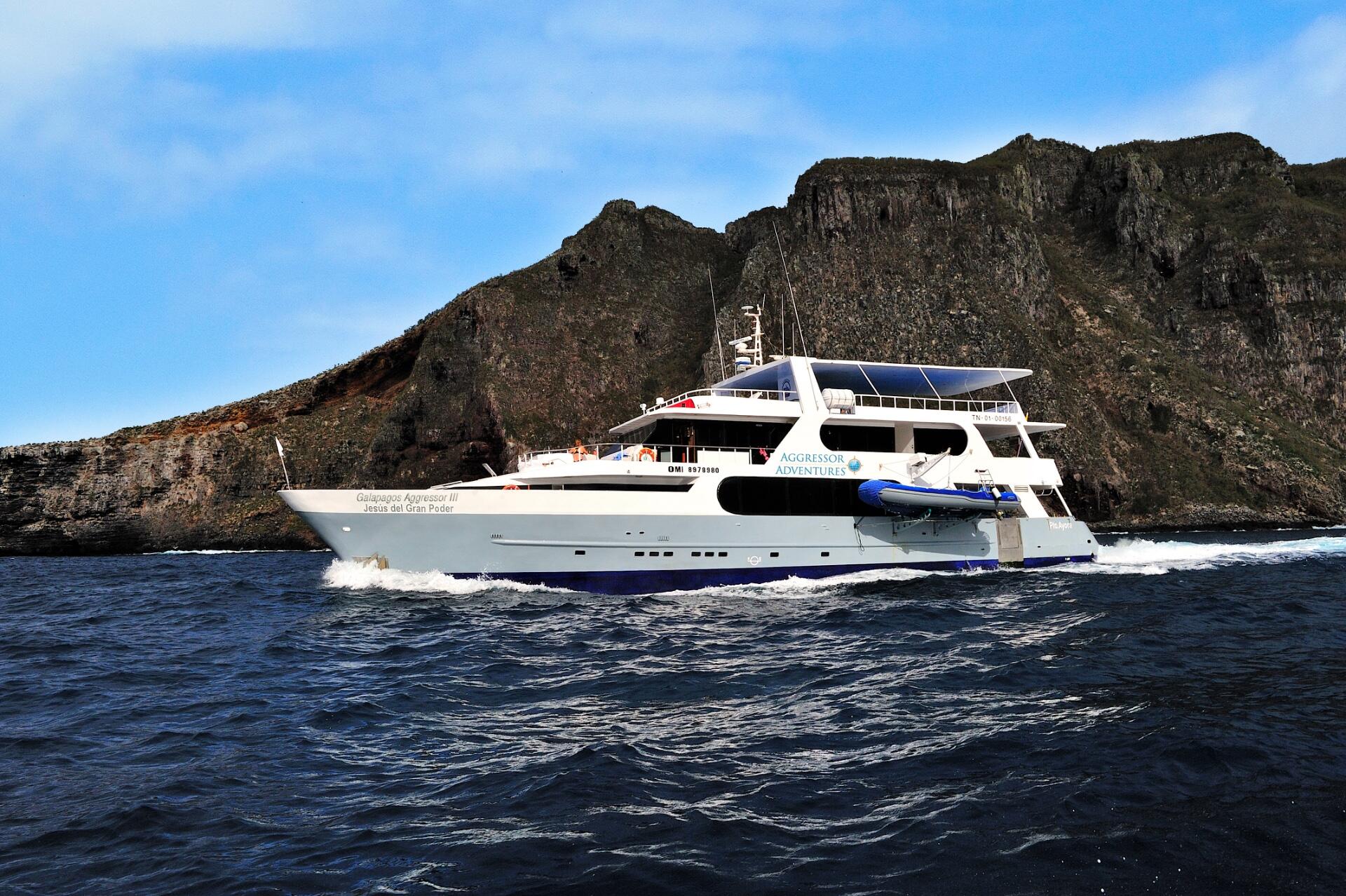
Galapagos Aggressor III
Galápagos
16 guests30.5 m
$913/day
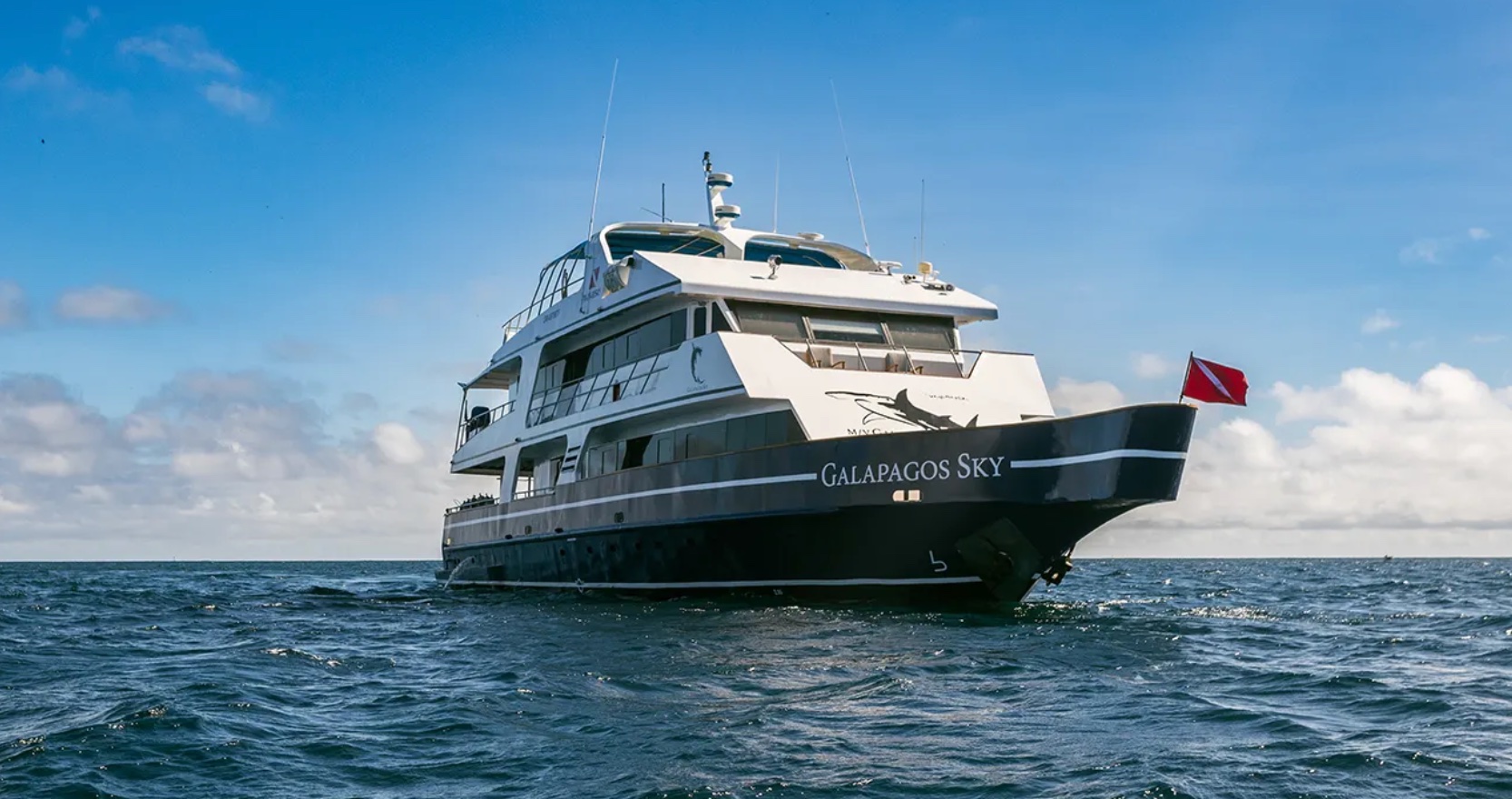
Galapagos Sky
Galápagos
16 guests
$937/day
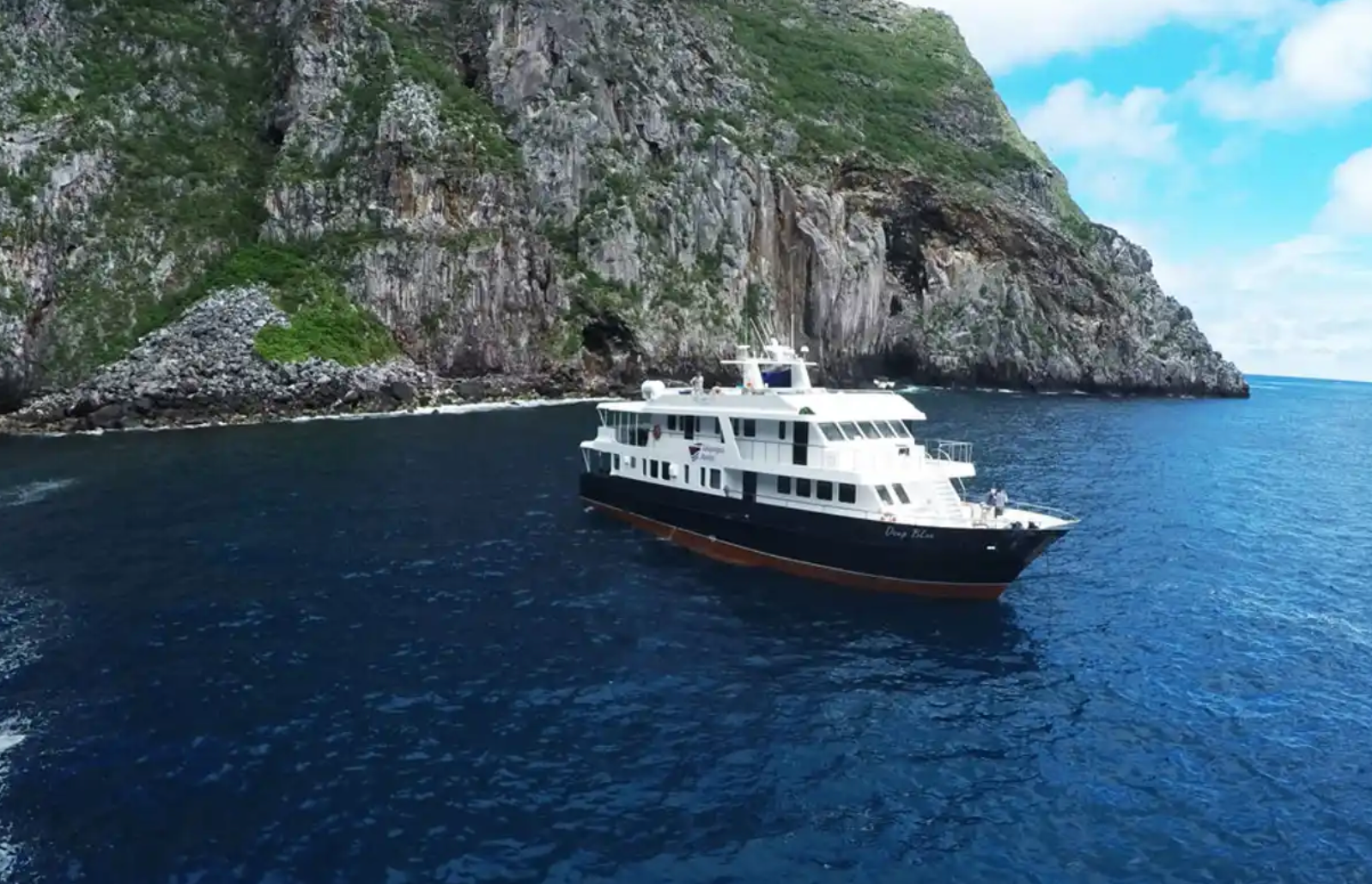
Galapagos Master
Galápagos
16 guests
$669/day
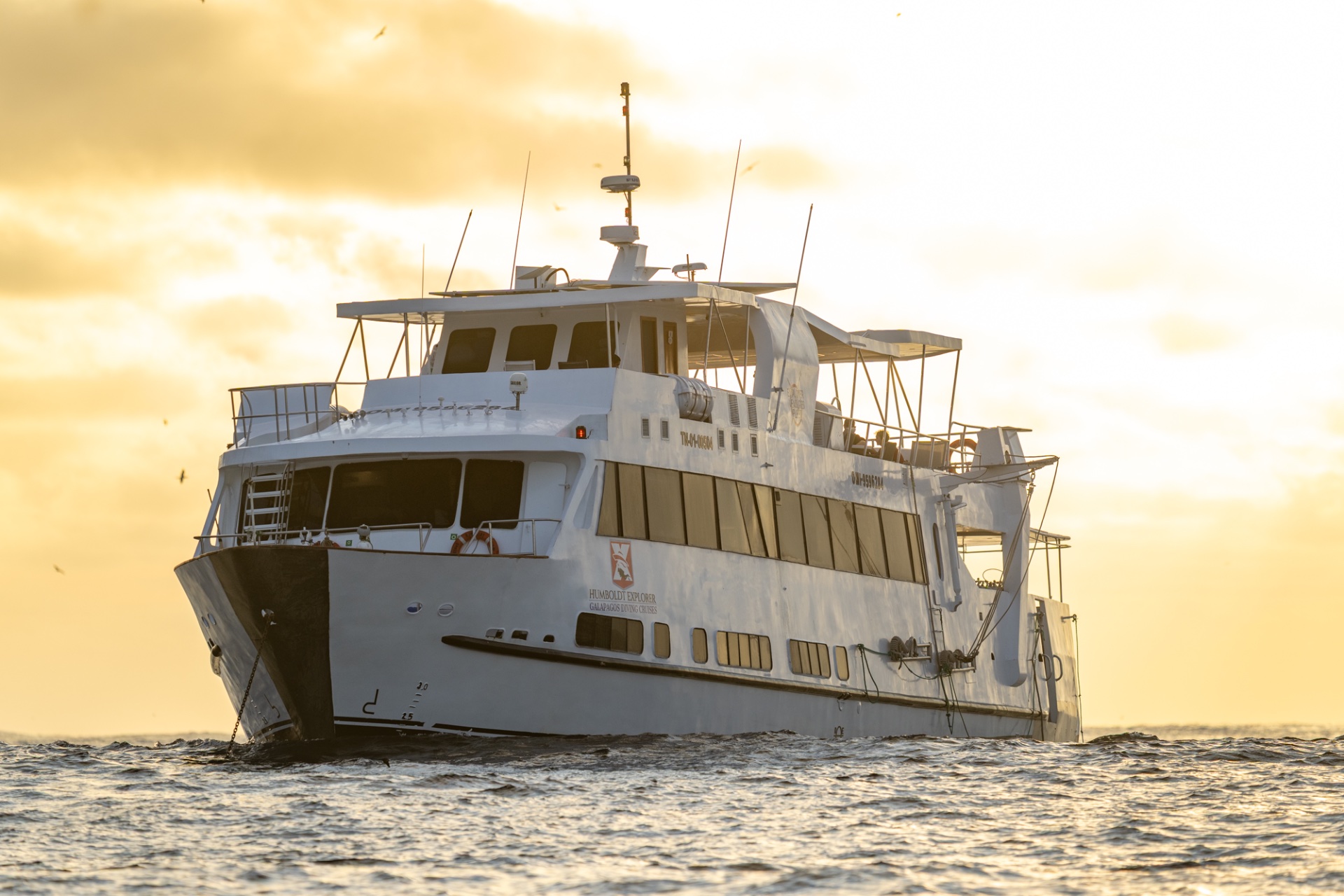
Humboldt Explorer
Galápagos
16 guests
$612/day
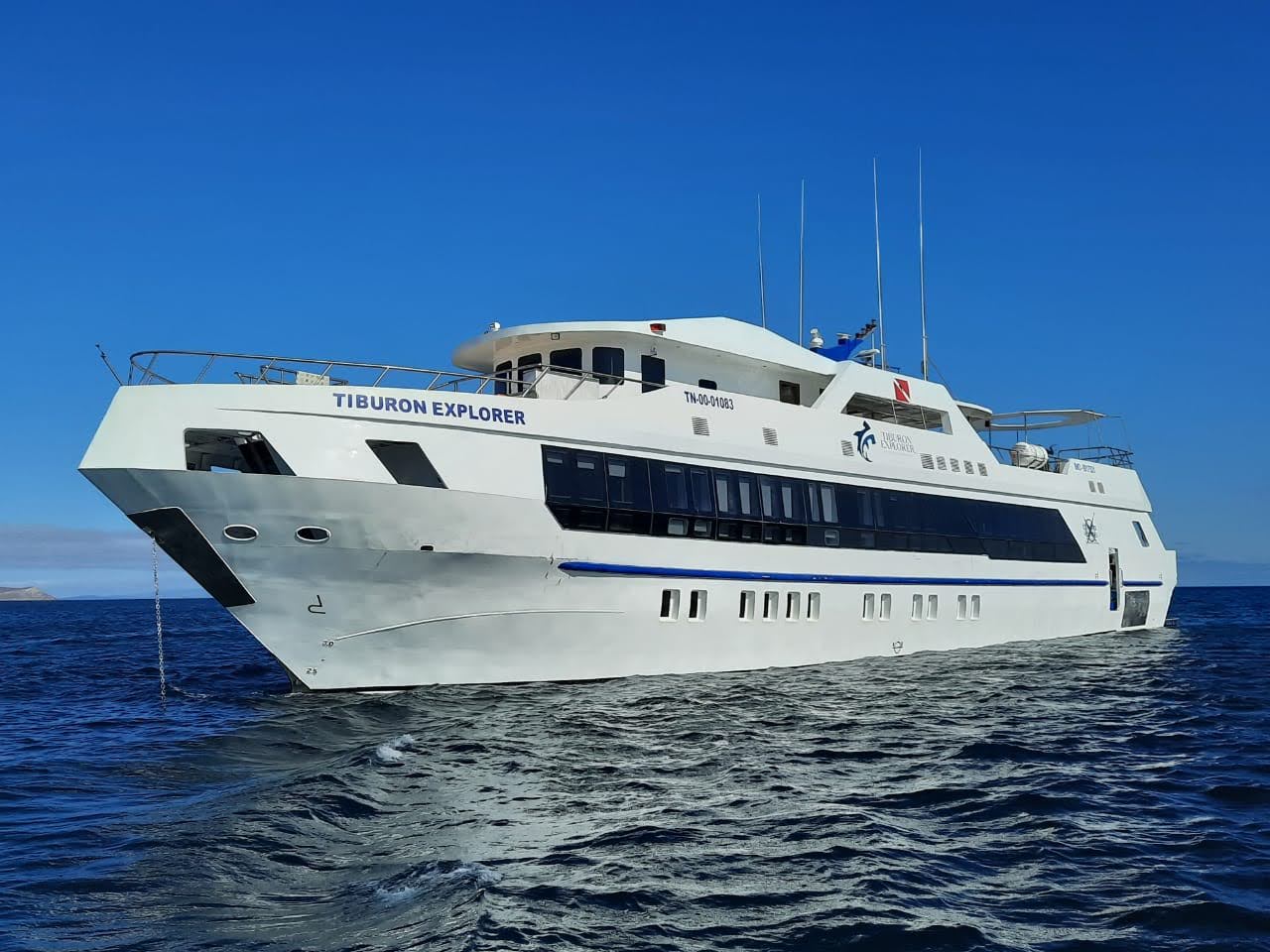
Tiburon Explorer
Galápagos
16 guests
$924/day
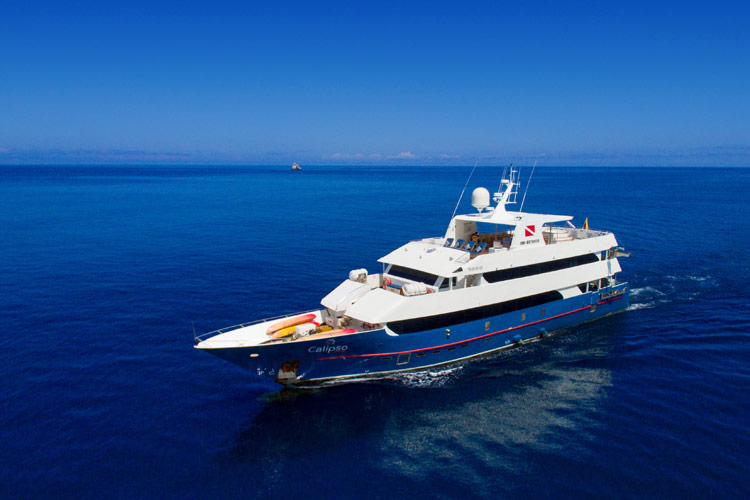
Calipso
Galápagos
16 guests
$819/day
Dive sites similar to Guy Fawkes Islands
Same character, same waters — six more sites divers love for the exact same reasons.Compare seasons, access and liveaboard routes — then pick the site that fits your trip best.
© Esri — Maxar, Earthstar, GIS
Elizabeth Bay
Galápagos
Elizabeth Bay, located on the eastern coast of Isabela Island, presents a wide and sheltered marine environment rich in biodiversity.
- Suitable for
- Beginner
- Current
- No current
- Access
- Liveaboard only
- Depth
- 3–20 m
- Theme
- —
© Esri — Maxar, Earthstar, GIS
Floreana - Devil's Crown
Galápagos
Devil's Crown, located off Floreana Island in the Galápagos, is renowned as one of the archipelago's premier diving and snorkeling destinations.
- Suitable for
- Beginner
- Current
- Strong
- Access
- Liveaboard only
- Depth
- 3–15 m
- Theme
- Reef
© Esri — Maxar, Earthstar, GIS
Bajo Negro
Costa Rica
Bajo Negro, or Black Rock, is a captivating dive site located within the Bat Islands in Santa Rosa National Park, off Costa Rica's Pacific coast.
- Suitable for
- Advanced
- Current
- Strong
- Access
- Shore / dayboat
- Depth
- 20–30 m
- Theme
- Pinnacle / Seamount
© Esri — Maxar, Earthstar, GIS
Dos Sombreros
Costa Rica
Dos Sombreros is a renowned dive site located offshore from Playa Flamingo, forming part of the Catalina Islands chain in Costa Rica's North Pacific region.
- Suitable for
- Intermediate
- Current
- Moderate
- Access
- Dayboat
- Depth
- 12–25 m
- Theme
- Pinnacle
© Esri — Maxar, Earthstar, GIS
Pelican Rock
Mexico
Pelican Rock is a renowned dive site located within the Cabo San Lucas Marine Park in Baja California Sur, Mexico, just a few minutes by boat from the marina.
- Suitable for
- Beginner
- Current
- Mild
- Access
- Liveaboard or dayboat
- Depth
- 5–40 m
- Theme
- Wall
© Esri — Maxar, Earthstar, GIS
Isla Montserrat
Mexico
Isla Montserrat is one of the five major islands within the Bahía de Loreto National Park, offering a diverse range of diving opportunities.
- Suitable for
- Intermediate
- Current
- Mild
- Access
- Liveaboard only
- Depth
- —
- Theme
- Reef / Wall