About Cabo San Lucas
Cabo San Lucas, situated at the southern tip of Mexico's Baja California Peninsula, offers a surprisingly rich underwater environment despite its popular tourism. The region is known for its diverse dive sites, ranging from the calm waters within Cabo San Lucas Bay to the more exposed areas along The Corridor. These sites are easily accessible, often just a short boat ride from the Marina. The underwater topography in the bay includes distinctive features like Pelican Rock, Neptune’s Finger, and Land’s End, with a substantial canyon wall on the Sea of Cortez side. Depths at various sites can range from 5 meters (15 feet) to 40 meters (120 feet), accommodating a wide range of diver experience levels. Some areas feature sandy bottoms, while others showcase reef and wall diving opportunities. Marine life encounters are frequent and varied, with sightings of California sea lions, schooling snapper, angelfish, porcupinefish, damselfish, and even seahorses. The area is also frequented by cownose rays, tropical reef fish, and a variety of macro life. Further afield, larger pelagic species, mobula rays, and even humpback whales during winter months, are highlights in adjacent regions like Gordo Banks or Socorro Islands. Most local dives are done as two-tank excursions within the bay, typically by boat, suitable for beginners to advanced divers. Easy entry conditions make it appealing for dive courses and first-timers. The diving community in Cabo provides comprehensive services, including PADI certifications from open water to professional levels, and offers options for daily boat diving or private charters.
Highlights
Underwater sandfallsPlayful California sea lionsSeasonal Mobula ray aggregationsPelagic encounters at Gordo BanksMeeting of two oceansProtected marine parkHumpback and gray whales
Season calendar
Best months to dive here
Jan
Feb
Mar
Apr
May
Jun
Jul
Aug
Sep
Oct
Nov
Dec
Excellent
Good
Dive site facts: Cabo San Lucas
- Depth
- 8–40 m (recreational)
- Current
- Minimal to moderate
- Visibility
- 9–30 m
- Water temperature
- 19–28 °C
- Entry
- Speedboat / Panga
- Level
- All levels
- Dive type
- Reef, wall, pelagic, macro
- Night dive
- Possible
- Region / port
- Baja California Sur, Mexico
- Coordinates
- 22.8700° N, 109.8700° W
Conditions & Currents
Currents in Cabo San Lucas are generally minimal within the sheltered bay area, providing calm conditions suitable for all dive levels. However, where the Pacific Ocean meets the Sea of Cortez, currents can be more pronounced, especially at sites further offshore like Gordo Banks or some wall dives, attracting larger pelagics. Visibility also varies significantly throughout the year; late August through December sees the clearest waters, potentially up to 30 meters. Conversely, colder months like April and May can experience reduced visibility, dropping to 5-10 meters due to nutrient-rich upwellings. Water temperatures range from 19°C in spring to 28°C in autumn, necessitating appropriate wetsuit thickness. Entry to most dive sites is from speedboats or traditional pangas, requiring comfortable giant stride or back roll entries. Divers should plan for varying conditions, particularly for
Marine life & sighting chances

California sea lion
Year-round · common
Mobula ray
Spring, Autumn · common
White tip shark
occasional
Humpback whale
December-May · occasional
Gray whale
December-May · occasional
Hammerhead shark
August-December · occasional
Green sea turtle
occasional
Moray eel
Year-round · common
Nudibranch
Year-round · common
Frogfish
Year-round · occasional
Guitarfish
occasional
Seahorse
Year-round · occasionalDive profile & how the dive runs
Dives in Cabo San Lucas typically begin with a boat entry from a panga or speedboat, reaching sites like Land's End or Pelican Rock within a 10-minute ride from the marina. Depending on the site, divers may descend along a rocky wall or reef. At Land's End, the dive often involves exploring the unique sandfalls and rock formations at depths ranging from 10 to 27 meters, with some areas dropping much deeper. Encounters with playful sea lions are common here. Pelican Rock offers calmer, shallower conditions, ideal for macro life and tropical fish, typically around 5-15 meters. Divers generally follow the natural contours of the reef or wall, maintaining good buoyancy to avoid disturbing the environment. The safety stop is usually conducted in shallower areas, often around 5 meters, where schools of fish and smaller critters provide entertainment. Surface intervals are spent on the boat, returning to the marina after a two-tank dive.
Underwater photography
Cabo San Lucas offers diverse photographic opportunities for both wide-angle and macro subjects. For landscapes and pelagic encounters, such as the impressive sandfalls at Neptune's Finger, schooling jacks, or migrating whales, a wide-angle lens is essential. The clear water during peak season (August-December) provides excellent visibility for these shots. When interacting with curious sea lions, be prepared for fast-moving subjects; a fast shutter speed and good ambient light or strobes will be beneficial. For macro enthusiasts, especially around sites like Pelican Rock or the walls, a dedicated macro lens will capture nudibranchs, seahorses, and frogfish. Buoyancy control is paramount to avoid silting the sandy bottom or damaging delicate reef structures, particularly in areas with less visibility. Always respect marine life, maintaining a safe distance and avoiding harassment to capture natural behaviours.
Combine with nearby dive sites
- Cabo Pulmo - El Vencedor Wreck
Known for abundant fish life and coral reefs within a protected marine park.
- El Bajo
A seamount attracting large pelagics, including schooling hammerhead sharks and whales.
- La Paz
Gateway to whale shark encounters and sea lion colonies.
- San Benedicto - The Boiler
A renowned site for encounters with giant manta rays and other pelagics, typically via liveaboard.
- San Benedicto - El Fondeadero
Another Revillagigedo site known for pelagic action, accessible by liveaboard.
Getting there & logistics
Access to Cabo San Lucas is primarily via the Los Cabos International Airport (SJD), which is approximately a 34-minute drive to Cabo San Lucas town. Shuttles are available at a lower cost than taxis, or the bus offers the most budget-friendly option. Diving operations typically depart directly from the Cabo San Lucas marina, with most sites like Land's End or Pelican Rock just a 10-minute boat ride away. Day trips often consist of two tanks, returning to port in the afternoon. For more remote sites like Cabo Pulmo or Gordo Banks, full-day excursions are common. Cabo San Lucas also serves as a departure point for liveaboards heading to the Revillagigedo Islands (Socorro), though these are multi-day trips. No specific park fees are mentioned for diving within the immediate Cabo San Lucas Marine Park, but liveaboard and day trips to other marine parks will incur fees.
Safety & environment
For dive emergencies in Cabo San Lucas, the nearest recompression chamber is located in the region, typically within a reasonable travel time from dive centers. Divers should always ensure they have comprehensive dive insurance covering hyperbaric treatment and emergency evacuation, as medical facilities for diving-related incidents might require transfers. Site-specific hazards include boat traffic near high-traffic areas like Cabo Arch, necessitating careful surface interval procedures and dive planning. Strong currents can occasionally be encountered at exposed sites, requiring appropriate training and experience. Divers should maintain excellent buoyancy control to protect the delicate marine environment and avoid contact with marine life. Always dive with a reputable operator and follow local dive guide instructions meticulously.
Who it suits — and who it doesn't
Suited for
- Beginner divers looking for calm conditions
- Experienced divers seeking pelagic encounters
- Underwater photographers interested in diverse subjects
- Divers who enjoy playful marine life interactions
- Travelers seeking a vibrant resort town with excellent diving
Less suited for
- Divers uncomfortable with boat entries
- Those strictly seeking remote, untouched reef systems
- Divers sensitive to cooler water temperatures in spring
- Individuals who prefer purely shore-based diving
- Divers who dislike occasional reduced visibility
FAQ
Cabo San Lucas FAQ
What kind of marine life can I expect to see in Cabo San Lucas?
Cabo San Lucas offers a rich diversity of marine life, including year-round residents like playful California sea lions, moray eels, and nudibranchs. Seasonally, you can encounter large schools of Mobula rays in spring and autumn, while humpback and gray whales are present from December to May. Offshore sites may also yield sightings of various sharks, including hammerheads, and a wide array of tropical fish.
Are there any unique geological features to explore?
Yes, Cabo San Lucas is famous for its unique underwater sandfalls, particularly at Neptune's Finger near Land's End. This rare phenomenon occurs where sand pours down an underwater cliff, creating a visual spectacle akin to a waterfall. The dramatic rock formations above and below the surface, including the iconic Cabo Arch, also provide stunning backdrops for diving.
What are the water conditions like for diving throughout the year?
Water conditions in Cabo San Lucas vary significantly by season. The warmest and clearest waters, with temperatures up to 28°C and visibility exceeding 30 meters, occur from late August through December. Conversely, late spring (April-May) brings cooler water temperatures, sometimes dipping to 19°C, and reduced visibility of 5-10 meters due to nutrient-rich upwellings. These cooler periods, however, often attract specific pelagic species.
Is Cabo San Lucas suitable for beginner divers?
Absolutely. The sheltered bay areas within the Cabo San Lucas Marine Park offer clear and calm waters, making them ideal for beginner divers or those looking to gain more experience. Sites like Pelican Rock provide exceptionally calm conditions and abundant marine life in shallower depths. Reputable dive operators cater to all skill levels, often dividing groups based on experience.
How do I get to Cabo San Lucas for diving?
Travelers typically fly into Los Cabos International Airport (SJD), which is conveniently located a short drive from Cabo San Lucas. From the airport, you can choose from various transportation options including shuttles, taxis, or local buses to reach your accommodation. Dive centers are concentrated around the marina, providing easy boat access to local dive sites, many of which are only a 10-minute ride away.
Why dive Cabo San Lucas from a liveaboard?
Cabo San Lucas is one of Mexico's signature dive sites. A liveaboard sleeps you on the water and puts you in the water for three to four guided dives per day, including dawn and night dives that day-boat operators rarely offer. You skip the daily commute back to port and reach quieter, less-crowded sites in the same region on a single trip.
Below are the liveaboards that include Cabo San Lucas on their Mexico itineraries.
Liveaboards diving Cabo San Lucas
These liveaboards may visit Cabo San Lucas on selected itineraries — the exact dive sites depend on departure, weather and conditions.
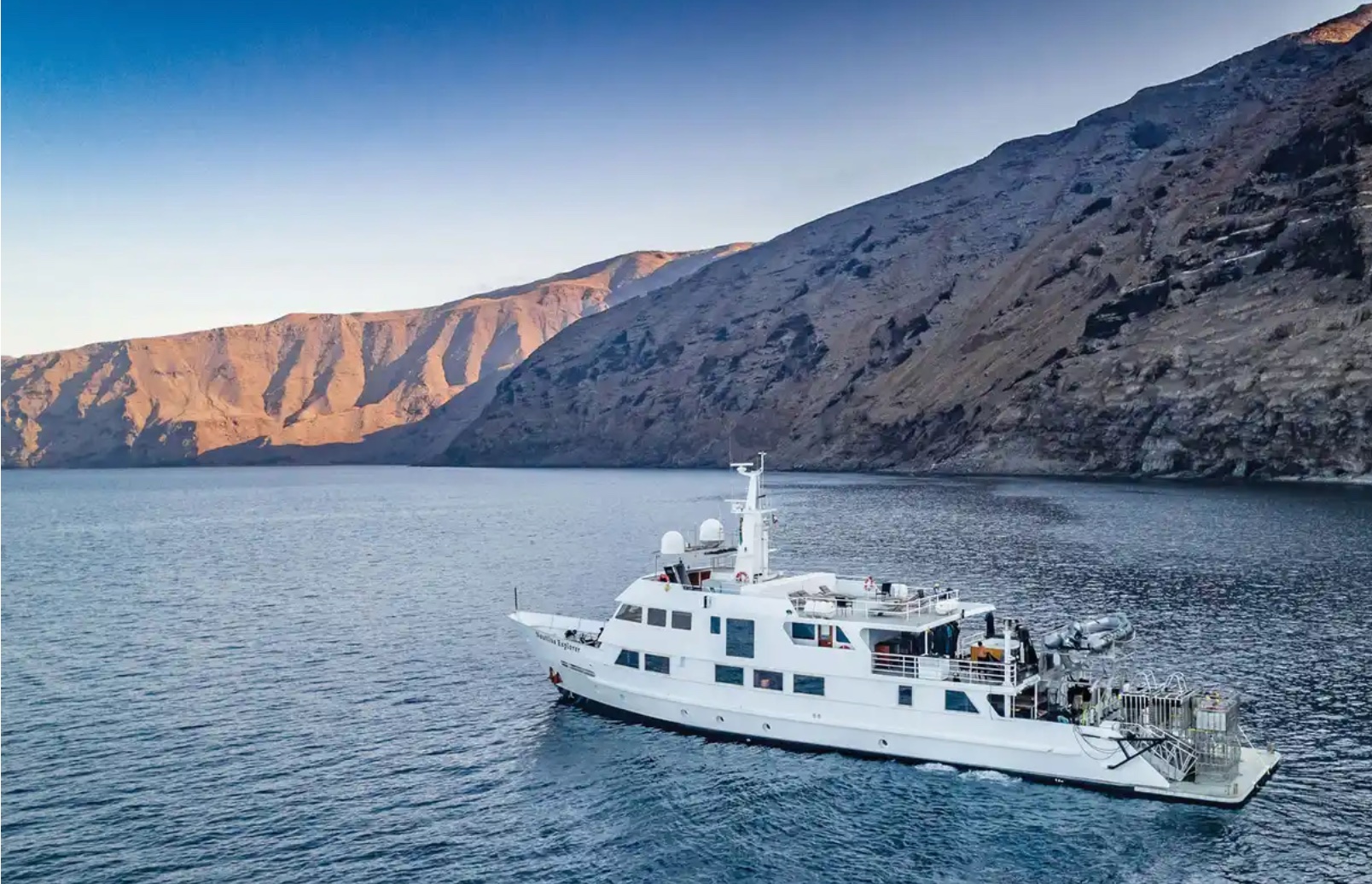
Nautilus Explorer
Mexico
25 guests44.8 m
$230/day
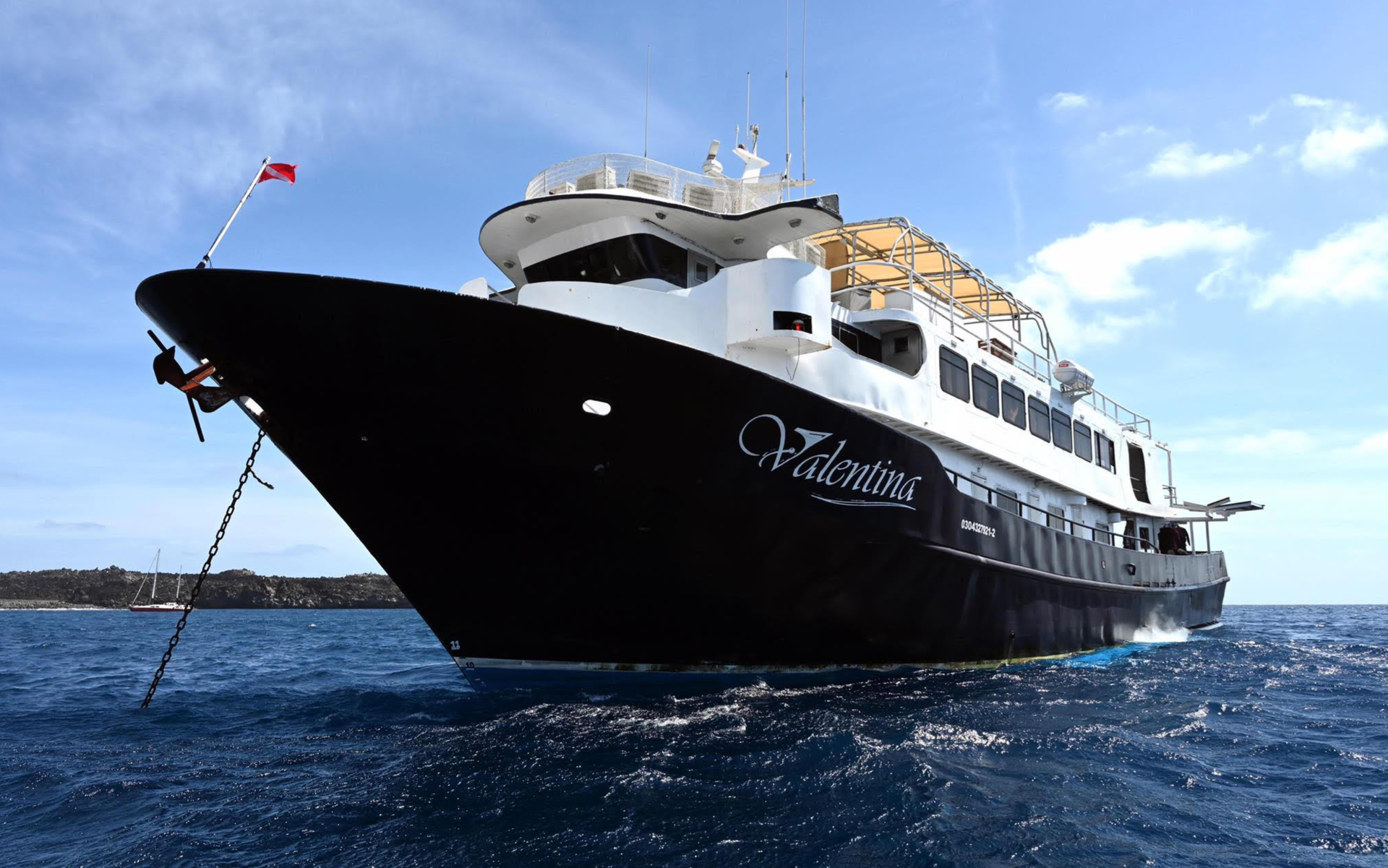
Valentina
Mexico
20 guests38.1 m
$430/day
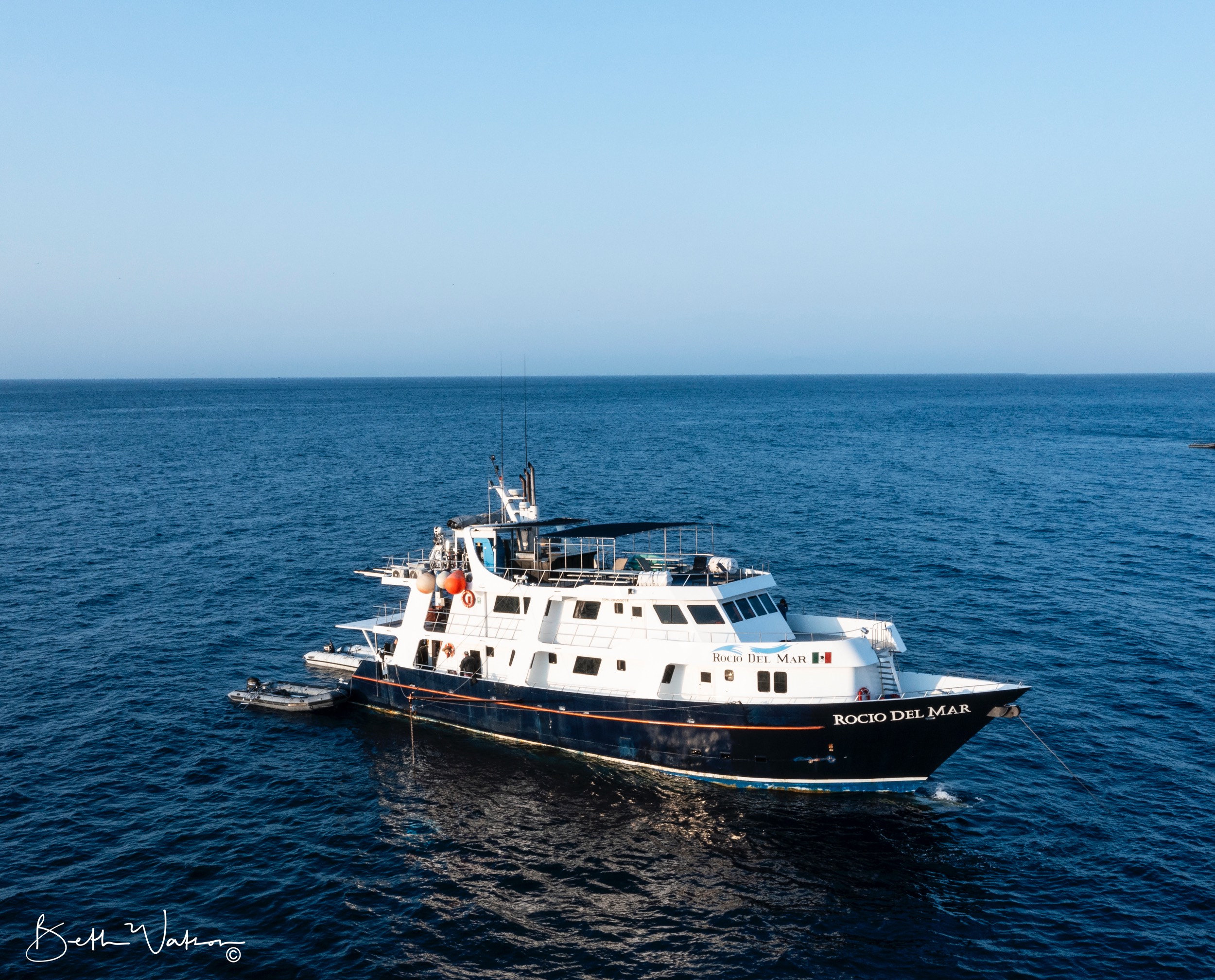
Rocio del Mar
Mexico
20 guests33.5 m
$392/day
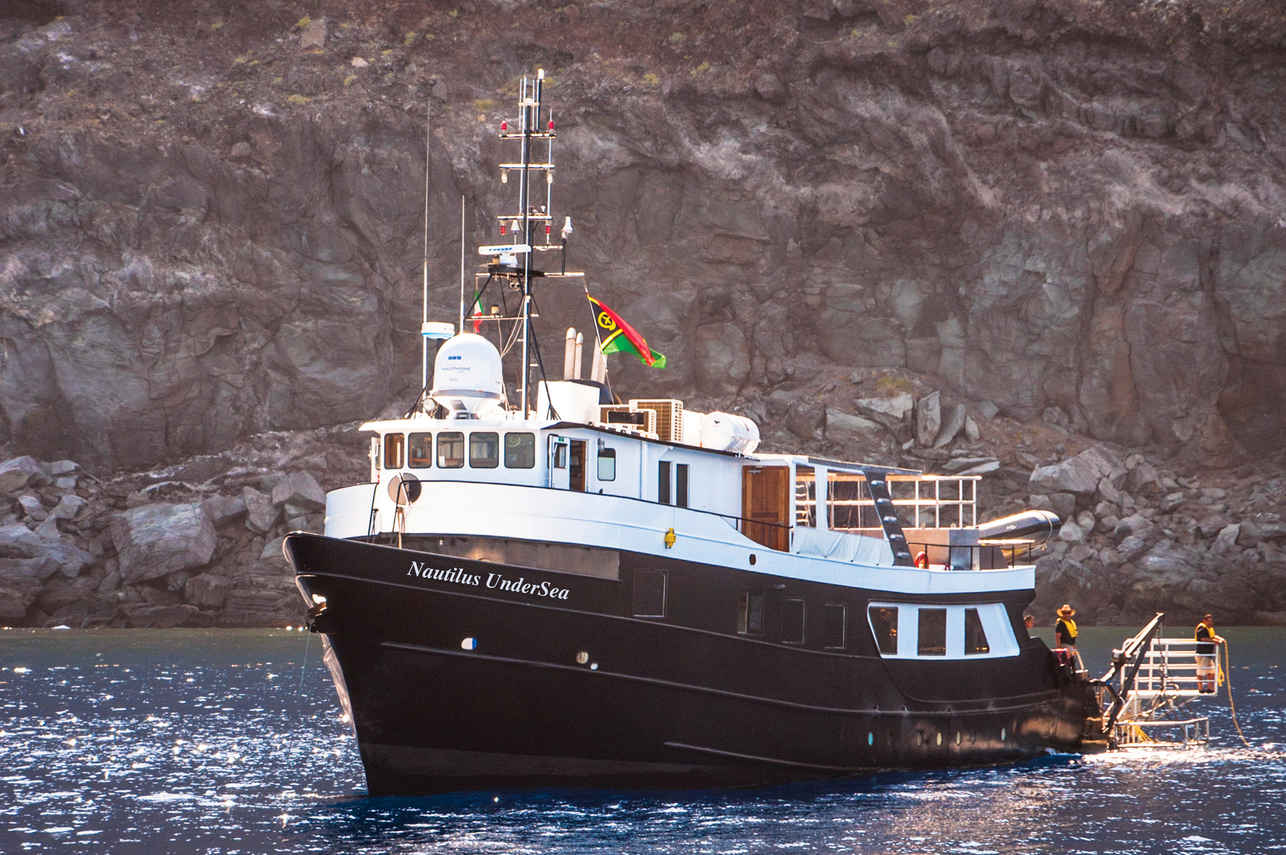
Nautilus Under Sea
Mexico
19 guests32 m
$261/day
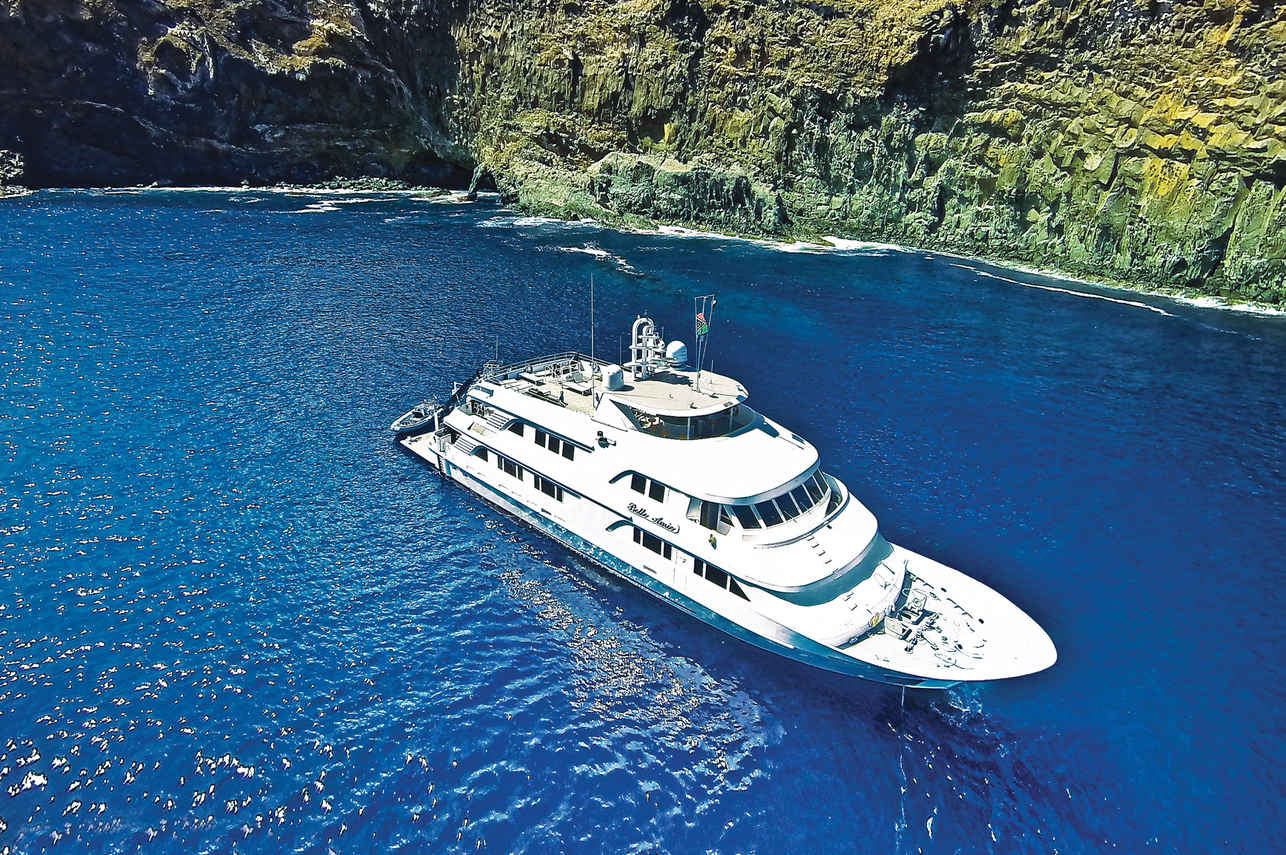
Nautilus Belle Amie
Mexico
32 guests44.8 m
$323/day
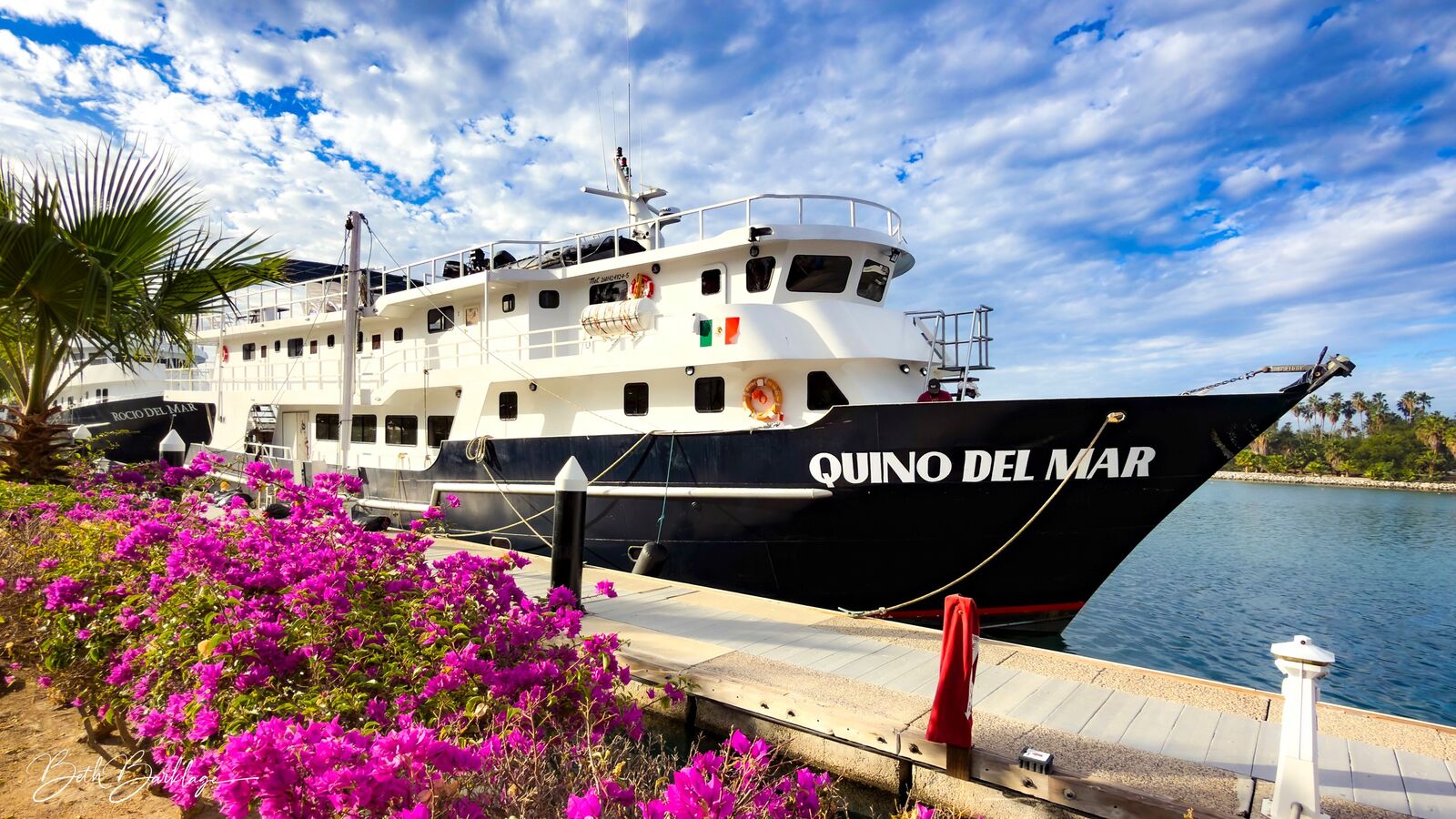
Quino del Mar
Mexico
20 guests36 m
$392/day
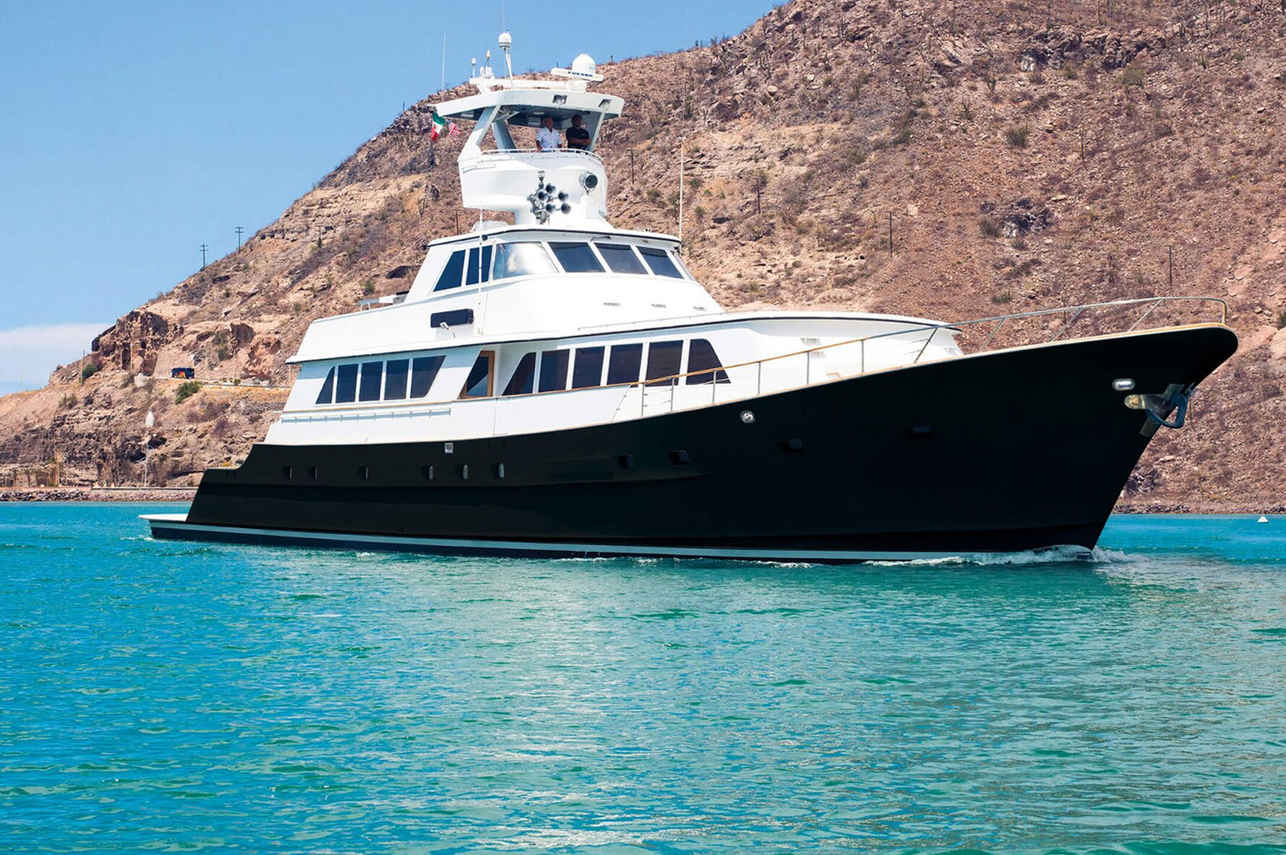
Nautilus Gallant Lady
Mexico
12 guests35.36 m
$332/day
Dive sites similar to Cabo San Lucas
Same character, same waters — six more sites divers love for the exact same reasons.Compare seasons, access and liveaboard routes — then pick the site that fits your trip best.
© Esri — Maxar, Earthstar, GIS
Tak Be Luum
Mexico
Cenote Tak Be Luum, located in the Mexican state of Quintana Roo, is an exceptional cavern dive that forms part of the vast Sac Actun underwater cave system, one of the world's largest.
- Suitable for
- Advanced
- Current
- No current
- Access
- Shore / dayboat
- Depth
- 4–9 m
- Theme
- Reef
© Esri — Maxar, Earthstar, GIS
Neptune's Finger
Mexico
Neptune's Finger is a renowned dive site located in Cabo San Lucas, Mexico, at the southern tip of the Baja California Peninsula.
- Suitable for
- Beginner
- Current
- Mild
- Access
- Liveaboard or dayboat
- Depth
- 4–152 m
- Theme
- Reef
© Esri — Maxar, Earthstar, GIS
Pelican Rock
Mexico
Pelican Rock is a renowned dive site located within the Cabo San Lucas Marine Park in Baja California Sur, Mexico, just a few minutes by boat from the marina.
- Suitable for
- Beginner
- Current
- Mild
- Access
- Liveaboard or dayboat
- Depth
- 5–40 m
- Theme
- Wall
© Esri — Maxar, Earthstar, GIS
Majahuitas
Mexico
Majahuitas is a pristine and secluded cove located on the southern coast of Banderas Bay, near Puerto Vallarta, Mexico.
- Suitable for
- Beginner
- Current
- Mild
- Access
- Dayboat
- Depth
- 8–14 m
- Theme
- Reef
La Poza is a remarkable dive site located in Xcalak, a serene fishing village situated on Mexico's Caribbean coast, near the Belize border.
- Suitable for
- Advanced
- Current
- Mild
- Access
- Shore / dayboat
- Depth
- 20–25 m
- Theme
- Reef
© Esri — Maxar, Earthstar, GIS
Siete Bocas
Mexico
Cenote Siete Bocas, meaning "Seven Mouths," is a unique cavern dive site nestled along the Ruta de los Cenotes near Puerto Morelos in Mexico's Riviera Maya.
- Suitable for
- Intermediate
- Current
- No current
- Access
- Shore / dayboat
- Depth
- ≤ 30 m
- Theme
- Reef