About Catalina Grande
Catalina Grande is a premier dive site within the Catalina Islands archipelago, a collection of volcanic pinnacles located off the North Pacific coast of Guanacaste, Costa Rica. This site is renowned for its rich pelagic encounters, offering divers consistent sightings of various ray species and sharks. The underwater topography consists of dramatic volcanic rock formations, providing ample habitat and foraging grounds for a wide array of marine life. The site's depths range significantly, attracting both abundant reef fish and larger oceanic creatures. Nutrient-rich currents, particularly during cooler water periods, draw in large schools of rays and other pelagics. While specific details on the coral structures are less emphasized, the rocky substrate provides a foundation for diverse ecosystems. Divers here can expect to navigate varied conditions, including potential thermoclines and surge, which contribute to the dynamic environment. Despite these factors, the site is accessible to a range of skill levels, though comfort with free descent and ascent is beneficial. The consistent presence of iconic marine animals makes Catalina Grande a highly sought-after destination for those seeking thrilling encounters in Costa Rican waters.
Highlights
Giant manta ray encountersMassive cownose ray schoolsWhite-tip reef shark sightingsVolcanic underwater pinnaclesDiverse pelagic marine lifeNutrient-rich currents
Season calendar
Best months to dive here
Jan
Feb
Mar
Apr
May
Jun
Jul
Aug
Sep
Oct
Nov
Dec
Excellent
Good
Jun – Dec (Wet Season)
Paradoxically the best diving! Peak hammerhead season with schools of hundreds. Whale sharks Jun–Aug. Strongest currents attract massive pelagic action.
Jan – May (Dry Season)
Calmer seas, warmer water, good visibility. Fewer hammerheads but still excellent manta and shark encounters. May is transition month.
Dive site facts: Catalina Grande
- Depth
- 13–36 m
- Typical dive
- 12–25 m, 50–60 min
- Current
- Strong at times, moderate surge
- Visibility
- 50–69 ft (15–21 m)
- Water temperature
- 16–30°C (60–86°F)
- Entry
- Tender / back-roll
- Level
- AOWD recommended, comfortable with currents and buoyancy
- Dive type
- Pelagic, rock formations
- Region / port
- Guanacaste Province, Pacific Coast
- Coordinates
- 10.475, -85.81
Conditions & Currents
Currents at Catalina Grande can be strong, posing a rewarding challenge for divers. While not typically drift dives, divers should be prepared for free descents and ascents, necessitating good buoyancy control. Surge can also be present and, at times, considerable, so divers unfamiliar with such conditions should inform their divemaster. Thermoclines are common, indicating layers of varying water temperatures and often attracting diverse marine life. Visibility can change site to site and day to day, but the absence of river run-off helps maintain overall clarity. These dynamic conditions underscore the need for a comfortable skill level, especially regarding buoyancy and air management, to safely enjoy the rich environment.
Marine life & sighting chances

Giant Oceanic Manta Ray
Jan-Mar (peak), Nov-May (general) · common
White-tip Reef Shark
common
Cownose Ray
common
Spotted Eagle Ray
common
Mobula Ray
common
Green Moray Eel
common
Octopus
common
Hawksbill Sea Turtle
occasional
Humpback Whale
Aug-Sep (heard underwater) · occasional
Moorish Idol
common
Pufferfish
commonDive profile & how the dive runs
Your dive at Catalina Grande typically begins with a back-roll entry from the tender, followed by a free descent to the main rock formation. Divers often explore the wall and surrounding volcanic pinnacles, with depths commonly ranging between 13 to 36 meters. The route is often guided by the divemaster to optimize sightings of pelagic life, such as manta rays and sharks, which frequent the deeper sections and current-swept areas. Pay attention to thermoclines that can shift visibility and temperature. The dive usually progresses shallower, allowing for extended bottom time and observation of smaller reef inhabitants. The turn point is determined by air consumption and no-decompression limits, with the safety stop conducted in mid-water, maintaining good buoyancy control for a safe and controlled ascent.
Underwater photography
To capture the dynamic pelagic action at Catalina Grande, a wide-angle lens is essential for documenting the impressive manta ray and schooling cownose ray encounters. Given the potential for lower visibility and thermoclines, external strobes are highly recommended to bring out natural colors and details in your subjects. Be prepared for varying light conditions and swift-moving subjects, often requiring faster shutter speeds. Excellent buoyancy control is critical, especially when positioning yourself for shots in stronger currents or near the often-uneven volcanic rock formations. Patience is key, as some of the most spectacular sightings can be brief; always prioritize responsible diving practices and avoid disturbing marine life for a photo.
Combine with nearby dive sites
- Clasico
Another dive site within the Catalina Islands, offering similar marine encounters.
- La Pared or The Wall
A beautiful and often shallower site within Catalina Islands.
- Sombrero
A dive site within the Catalinas Islands, part of common itineraries.
- Punta Norte
Located within the Catalinas Islands, known for diverse marine life.
- Punta Sur
Another Catalinas Islands dive site, typically part of local dive tours.
Getting there & logistics
Most dive trips to Catalina Grande depart from towns like Playa del Coco, Flamingo, Conchal, or Tamarindo in the Guanacaste Province. The journey to the Catalina Islands typically takes about 30 minutes by boat from Flamingo. Divers usually fly into Daniel Oduber Quirós International Airport (LIR) in Liberia, which is the closest international gateway to this region. Day trips usually include two dives, often combining Catalina Grande with another site within the archipelago. There are no specific park fees mentioned for Catalina Grande itself, but dive operator packages will cover boat transfers and guide services. It's common for dive operations to offer both certified dives and discovery dives for uncertified individuals, with a maximum depth of 12 meters for the latter.
Safety & environment
While diving at Catalina Grande offers incredible encounters, safety is paramount due to potentially strong currents and surge. Divers should possess good buoyancy control and be comfortable with free ascents and descents. The nearest recompression chamber is located in San José, approximately a 4-hour drive from the Guanacaste coast, emphasizing the importance of prudent dive planning and adherence to safety protocols. Comprehensive dive insurance, covering emergency evacuation and hyperbaric treatment, is highly recommended. Always follow your divemaster's instructions, especially concerning entry and exit procedures, and maintain awareness of your surroundings. Proper wetsuit thickness is crucial for managing thermoclines and preventing hypothermia, particularly during cooler months.
Who it suits — and who it doesn't
Suited for
- Advanced Open Water Divers
- Divers comfortable with strong currents
- Pelagic enthusiasts
- Underwater photographers with wide-angle setups
- Divers seeking large marine animal encounters
Less suited for
- Beginner divers without current experience
- Divers uncomfortable with free descents/ascents
- Divers prone to seasickness in choppy conditions
- Photographers exclusively interested in macro subjects
- Divers seeking easy, calm, and shallow reef dives
FAQ
Catalina Grande FAQ
What marine life can I expect to see at Catalina Grande?
Catalina Grande is famous for its pelagic encounters. You can frequently see giant oceanic manta rays, large schools of cownose rays, mobula rays, and spotted eagle rays. White-tip reef sharks are also common, along with various reef fish, moray eels, and octopuses.
When is the best time of year to dive Catalina Grande?
The peak season for diving Catalina Grande, especially for giant manta ray sightings, is from February through March. However, excellent diving conditions and marine life encounters can be expected from November through May, with warmer waters and calmer seas typically from May to November.
Do I need an advanced certification to dive here?
While not strictly required for all dives within the Catalina Islands, an Advanced Open Water Diver certification is highly recommended for Catalina Grande. The site can feature strong currents, surge, and deeper sections, making experience with these conditions and good buoyancy control essential for a safe and enjoyable dive.
What are the water temperatures and visibility like?
Water temperatures at Catalina Grande vary significantly, ranging from 16-20°C (60-68°F) in cooler months (Jan-Mar) to 24-30°C (76-86°F) in warmer months (May-Nov). Visibility typically ranges from 15 to 21 meters (50-69 feet) but can fluctuate daily and be affected by thermoclines.
Can I do a discovery dive at Catalina Grande if I'm not certified?
Yes, many dive operators offer discovery dives for uncertified individuals at the Catalina Islands, allowing you to experience the underwater world with an instructor. However, these dives are typically limited to a maximum depth of 12 meters (40 feet), meaning you may not reach the deeper sections of Catalina Grande where some of the larger pelagic action occurs.
Why dive Catalina Grande from a liveaboard?
Catalina Grande is one of Costa Rica's signature dive sites. A liveaboard sleeps you on the water and puts you in the water for three to four guided dives per day, including dawn and night dives that day-boat operators rarely offer. You skip the daily commute back to port and reach quieter, less-crowded sites in the same region on a single trip.
Below are the liveaboards that include Catalina Grande on their Costa Rica itineraries.
Liveaboards diving Catalina Grande
These liveaboards may visit Catalina Grande on selected itineraries — the exact dive sites depend on departure, weather and conditions.
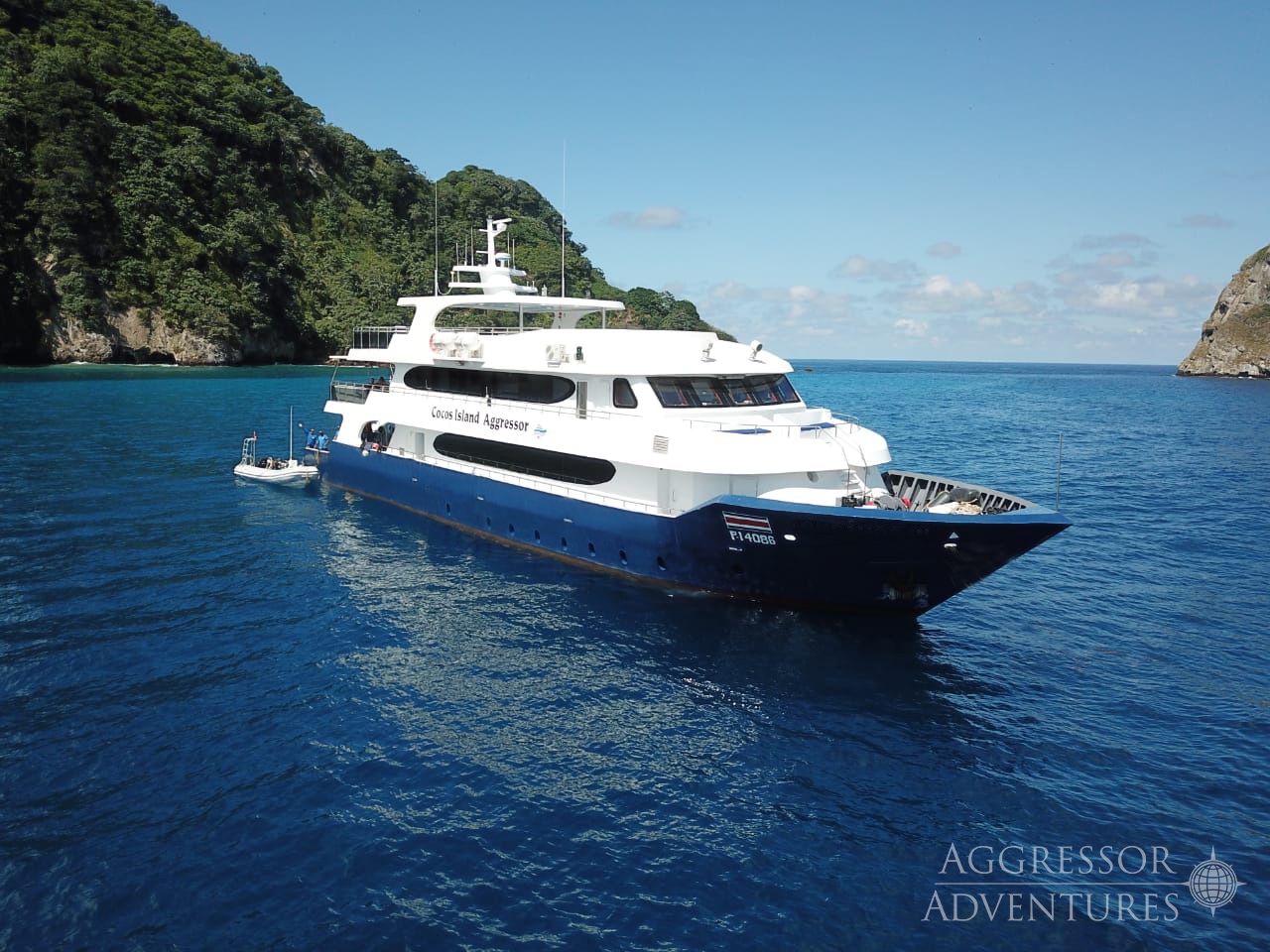
Cocos Aggressor
Costa Rica
22 guests38 m
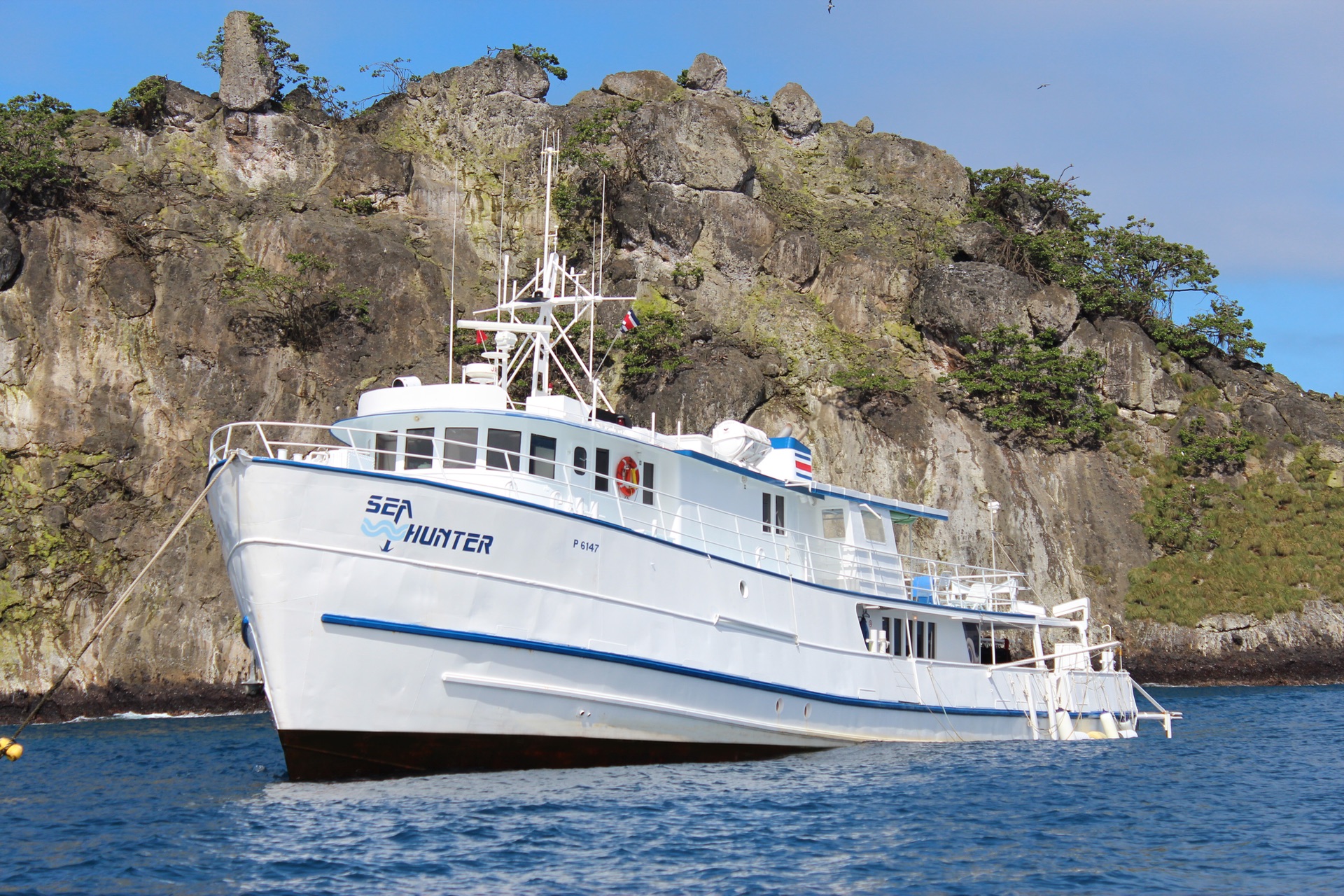
Sea Hunter
Costa Rica
20 guests
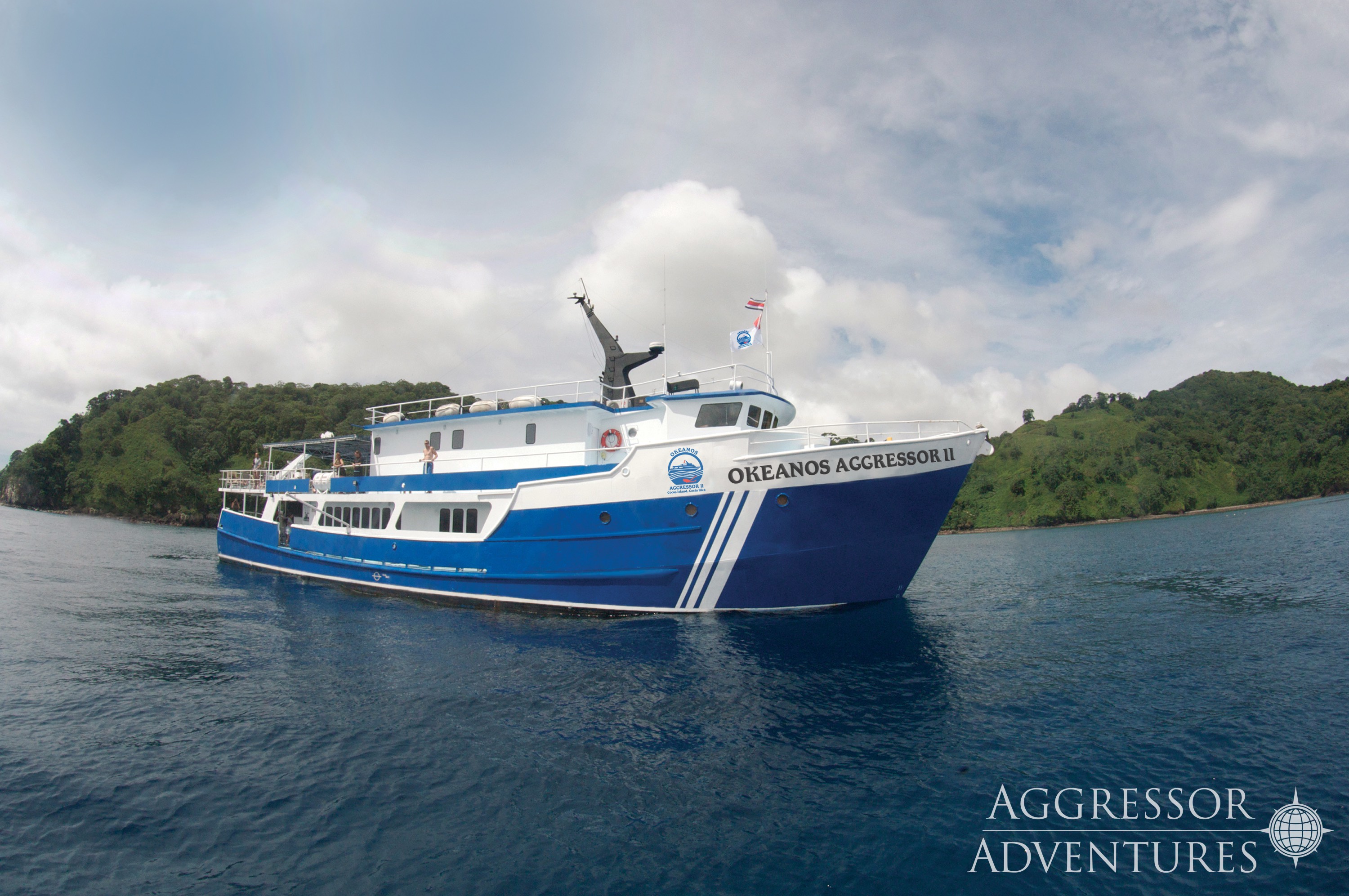
Okeanos Aggressor II
Costa Rica
24 guests37 m
Dive sites similar to Catalina Grande
Same character, same waters — six more sites divers love for the exact same reasons.Compare seasons, access and liveaboard routes — then pick the site that fits your trip best.
© Esri — Maxar, Earthstar, GIS
Agustín Melgar shipwreck
Mexico
The Agustín Melgar, also known as the C-54, is a 56-meter (185-foot) former minesweeper that rests on a sandy bottom at 24 meters (80 feet) south of Puerto Escondido within the Loreto Bay National Park.
- Suitable for
- Intermediate
- Current
- Mild
- Access
- Liveaboard only
- Depth
- 12–24 m
- Theme
- Wreck
Arco Iris, or "Rainbow" in Spanish, is a prominent dive site located near Brumel Island (Penahuaste), approximately 8km north of Playa Potrero in Costa Rica.
- Suitable for
- Beginner
- Current
- Moderate
- Access
- Dayboat
- Depth
- 9–30 m
- Theme
- Reef
© Esri — Maxar, Earthstar, GIS
Bahía de La Paz
Mexico
Bahía de La Paz serves as the capital of Baja California Sur and the primary gateway to the Sea of Cortez, a region famously dubbed the "world's aquarium" by Jacques Cousteau due to its exceptional biodiversity.
- Suitable for
- Advanced
- Current
- Mild
- Access
- Dayboat
- Depth
- 17–27 m
- Theme
- Big animals / Reef
© Esri — Maxar, Earthstar, GIS
Bahía de los Ángeles
Mexico
Bahía de los Ángeles, nestled in the northern Sea of Cortez, is a remarkable dive destination primarily known for its seasonal aggregations of whale sharks.
- Suitable for
- Intermediate
- Current
- Moderate
- Access
- Liveaboard only
- Depth
- 3–15 m
- Theme
- Reef
© Esri — Maxar, Earthstar, GIS
Bajo Alcyone
Costa Rica
Bajo Alcyone, a submerged seamount near Cocos Island, stands as a world-renowned dive site.
- Suitable for
- Advanced
- Current
- Strong
- Access
- Liveaboard only
- Depth
- 25–40 m
- Theme
- Drift / Seamount
© Esri — Maxar, Earthstar, GIS
Bajo de la Ballena
Mexico
El Bajo, often referred to as Bajo de la Ballena, is a prominent seamount situated approximately eight miles northeast of La Paz, Mexico.
- Suitable for
- Advanced
- Current
- Strong
- Access
- Liveaboard or dayboat
- Depth
- 18–35 m
- Theme
- Pinnacle