About Beagle Rocks
Beagle Rocks is a captivating dive site situated off Santiago Island in the central Galápagos Archipelago, renowned for its dramatic underwater topography. The site is characterized by an islet with a wall that plunges from the surface into profound depths, fostering a rich and diverse marine environment. Its location within the central islands means it is readily accessible via day trips from Puerto Ayora, often combined with other notable sites in the region. This site is particularly celebrated for its unique geological formations and the convergence of various ocean currents. These conditions contribute to a vibrant ecosystem, attracting a wide array of marine species. The underwater landscape features sloping rock plates, known as "Planchonal," providing diverse habitats for both large pelagic creatures and smaller, more elusive organisms. Diving at Beagle Rocks often yields encounters with significant pelagic life such as hammerhead sharks, as well as unique local inhabitants like sea horses and fur seals. The strong currents, while challenging, enhance the biodiversity and create an exhilarating dive experience. The presence of endemic young black corals also adds to the site's distinct appeal, offering stunning visual elements. While some sources mistakenly associate Beagle Rocks with Cousins Rock, it is a distinct site found off Santiago. It offers a rewarding experience for divers seeking dynamic conditions and abundant marine encounters, making it a compelling highlight of any Galápagos diving itinerary.
Highlights
Dramatic wall dropsStrong currentsHammerhead shark encountersEndemic black coralPlayful fur sealsDiverse pelagic life
Season calendar
Best months to dive here
Jan
Feb
Mar
Apr
May
Jun
Jul
Aug
Sep
Oct
Nov
Dec
Good
Dive site facts: Beagle Rocks
- Depth
- 10–30 m
- Current
- Strong
- Entry
- Tender / negative entry
- Level
- Intermediate to Advanced
- Dive type
- Wall, drift
- Night dive
- Not permitted
- Region / port
- Central Galápagos / Santiago Island
- Coordinates
- -0.31, -90.625
Conditions & Currents
Beagle Rocks is known for its potentially strong currents, which contribute significantly to the site's high biodiversity and make for an exhilarating drift dive. These currents are a key factor in attracting large pelagic species, necessitating careful dive planning and good buoyancy control from divers. Entry is typically a negative entry to quickly descend and avoid being swept away from the desired dive path. Divers should be comfortable with varying current strengths and be prepared for dynamic underwater conditions. Surface marker buoys and personal location devices are highly recommended for safety due to the potential for separation or being carried off course. Visibility can fluctuate with the currents, but the rich marine life typically compensates for any reduced clarity.
Marine life & sighting chances

Hammerhead shark
Year-round, best June–November · common
Sea horse
Year-round · occasional
Fur seal
Year-round · common
Sea turtle
Year-round · common
Whitetip reef shark
Year-round · common
Eagle ray
December–April · common
Stingray
Year-round · common
Frogfish
occasional
Galapagos shark
Year-round · occasional
Black coral
Year-round · commonDive profile & how the dive runs
Diving at Beagle Rocks typically involves a negative entry due to the strong currents. Upon entry, divers quickly descend along the wall, which plunges from the surface into significant depths. The dive often follows the contour of the islet, navigating the sloping rock plates of the "Planchonal" area. This route maximizes encounters with pelagic life attracted by the currents. Divers maintain a depth that allows for observing both the wall's unique black corals and the open blue where hammerheads and other large species patrol. The turn point is usually dictated by air consumption and current conditions, leading into a safety stop along a more sheltered part of the wall or in the blue, depending on the current flow, ensuring constant awareness of the boat's position for pick-up.
Underwater photography
Capturing the dynamic environment of Beagle Rocks requires robust photography skills, especially given the strong currents. Wide-angle lenses are essential for documenting the impressive wall drops, the schools of hammerhead sharks, and the expansive underwater vistas. For macro subjects like sea horses, a macro lens and steady hands are crucial; consider using a snoot to highlight specific details against the rocky backdrop. Strong strobes are necessary to cut through any murkiness and bring out the vibrant colors of black corals and other reef life. Maintaining excellent buoyancy is paramount to avoid damaging delicate ecosystems and to stabilize shots in challenging conditions. Always prioritize safety and respect marine life, especially when photographing large pelagics, ensuring not to disrupt their natural behavior.
Combine with nearby dive sites
- Cousin's Rock
Known for dramatic walls and pelagic encounters.
- Gordon Rocks
Famous for large schools of hammerhead sharks.
- North Seymour
Diverse marine life, cleaning stations, and pelagic sightings.
- Daphne Minor
Isolated tuff cone with a shelf of boulders, known for Galapagos sharks.
- Mosquera Island
Sandy bottom and reef, often visited by sea lions and sharks.
Getting there & logistics
Access to Beagle Rocks is primarily via daily dive tours from Puerto Ayora on Santa Cruz Island. Divers typically fly into Baltra Airport (GPS), then take a bus and ferry to Puerto Ayora. Dive operators in Puerto Ayora offer fast boat transfers to Beagle Rocks, which is approximately two hours away. Tours usually include two dives, lunch, and all necessary gear. While it is possible to book dives a day or two in advance during off-peak seasons, booking ahead is recommended, especially for specific sites like Beagle Rocks known for its unique conditions and marine life. Park fees are typically included in liveaboard packages, but day trips may require separate payment.
Safety & environment
Diving at Beagle Rocks, with its strong currents, demands a high level of preparedness and adherence to safety protocols. A PADI Open Water certification is a minimum requirement, but intermediate to advanced experience, especially with drift diving, is highly recommended. Divers should always carry a surface marker buoy (SMB) and consider personal location devices like EPIRBs, as strong currents can lead to separation from the group or boat. The nearest recompression chamber is located in Puerto Ayora. Dive insurance that covers emergency medical evacuation and hyperbaric treatment is mandatory. Always follow your dive master's briefing closely, maintain excellent buoyancy, and be mindful of your dive computer's limits to prevent decompression sickness, especially given the typical depths reached.
Who it suits — and who it doesn't
Suited for
- Experienced divers comfortable with strong currents
- Divers seeking large pelagic encounters
- Underwater photographers with wide-angle capabilities
- Those looking for dramatic underwater topography
- Divers with advanced buoyancy control skills
Less suited for
- Beginner divers or those without drift experience
- Divers uncomfortable with strong, unpredictable currents
- Those prone to seasickness on longer boat rides
- Divers without personal safety equipment like SMBs
- Individuals seeking calm, shallow dives
FAQ
Beagle Rocks FAQ
What kind of marine life can I expect to see at Beagle Rocks?
Beagle Rocks is known for its diverse marine life, largely due to the strong currents that bring in nutrients. Divers commonly encounter hammerhead sharks, various ray species like eagle and stingrays, sea turtles, and playful fur seals. Unique sightings include sea horses and endemic young black corals, adding to the site's rich biodiversity.
Are the currents at Beagle Rocks strong?
Yes, Beagle Rocks is characterized by strong and sometimes unpredictable currents. These currents are a key feature of the dive, attracting abundant marine life but also requiring divers to have good current diving experience and buoyancy control. A negative entry is often necessary to manage the descent effectively.
What is the best time of year to dive Beagle Rocks?
The best time to dive Beagle Rocks, particularly for spotting large pelagics, is during the cool season from June to November. While water temperatures are cooler and visibility might be slightly reduced, the nutrient-rich waters attract a higher concentration of marine animals, including whale sharks and significant schools of hammerheads.
What dive certification level is recommended for Beagle Rocks?
Beagle Rocks is generally recommended for intermediate to advanced divers. A PADI Open Water certification is a minimum, but experience with drift diving and comfort in strong currents are highly advisable. Good buoyancy control and an understanding of dynamic underwater conditions are crucial for a safe and enjoyable dive.
Where do day trips to Beagle Rocks typically depart from?
Day trips to Beagle Rocks usually depart from Puerto Ayora on Santa Cruz Island. Divers would typically fly into Baltra Airport, then transfer to Puerto Ayora to board a fast boat with a local dive operator. The boat ride to the site can take approximately two hours.
Why dive Beagle Rocks from a liveaboard?
Beagle Rocks is one of Galápagos's signature dive sites. A liveaboard sleeps you on the water and puts you in the water for three to four guided dives per day, including dawn and night dives that day-boat operators rarely offer. You skip the daily commute back to port and reach quieter, less-crowded sites in the same region on a single trip.
Below are the liveaboards that include Beagle Rocks on their Galápagos itineraries.
Liveaboards diving Beagle Rocks
These liveaboards may visit Beagle Rocks on selected itineraries — the exact dive sites depend on departure, weather and conditions.
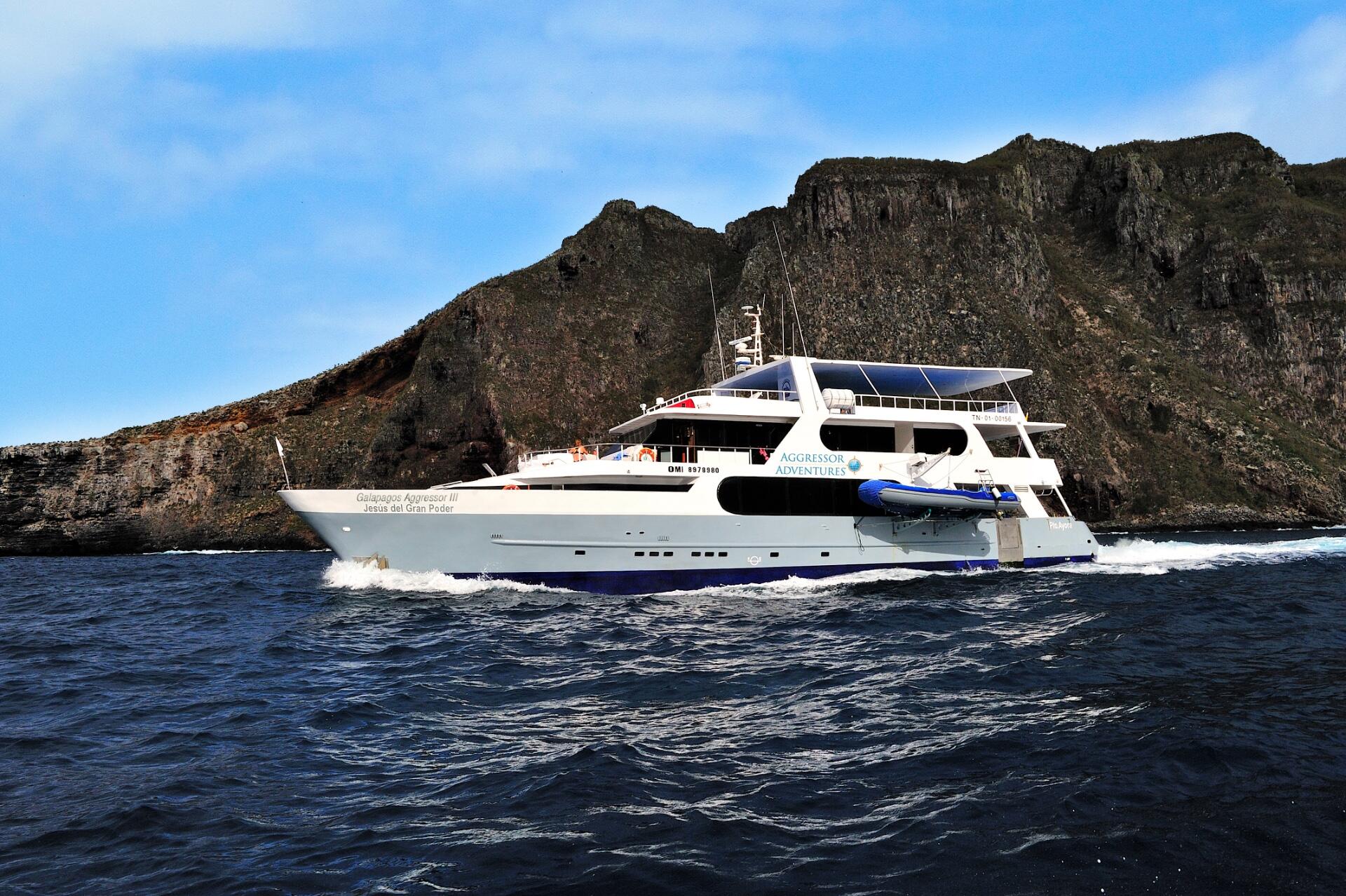
Galapagos Aggressor III
Galápagos
16 guests30.5 m
$913/day
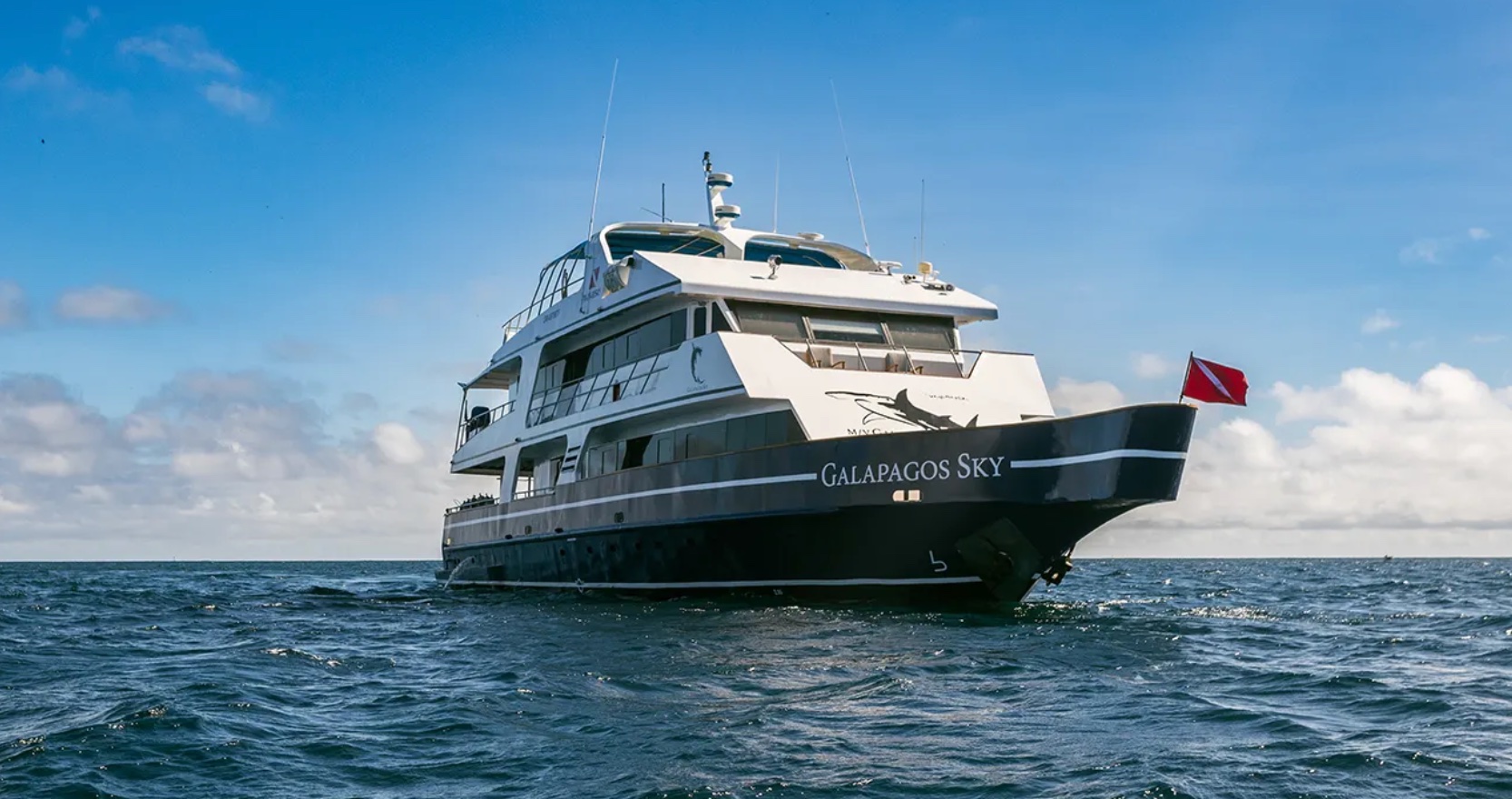
Galapagos Sky
Galápagos
16 guests
$937/day
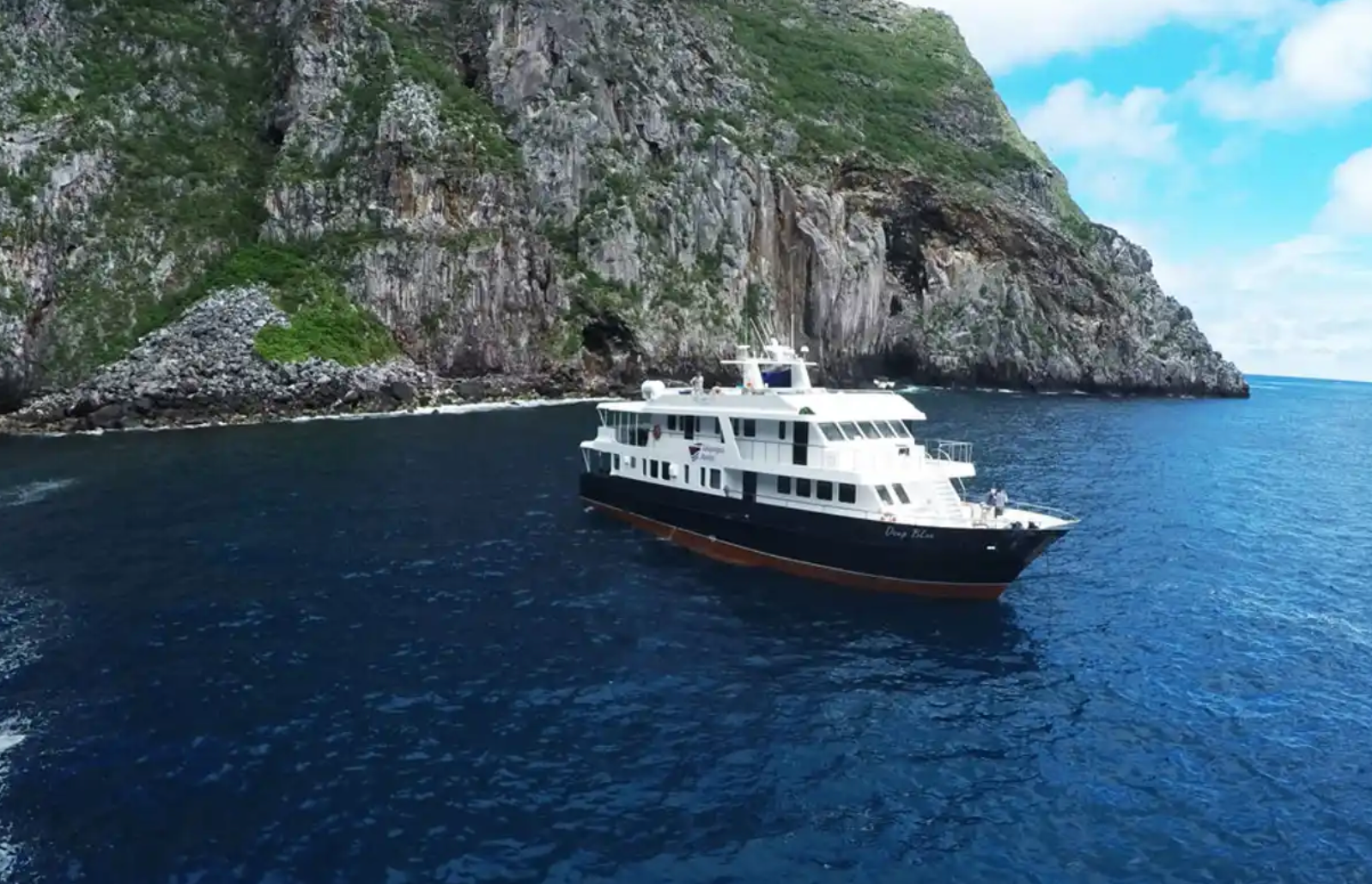
Galapagos Master
Galápagos
16 guests
$669/day
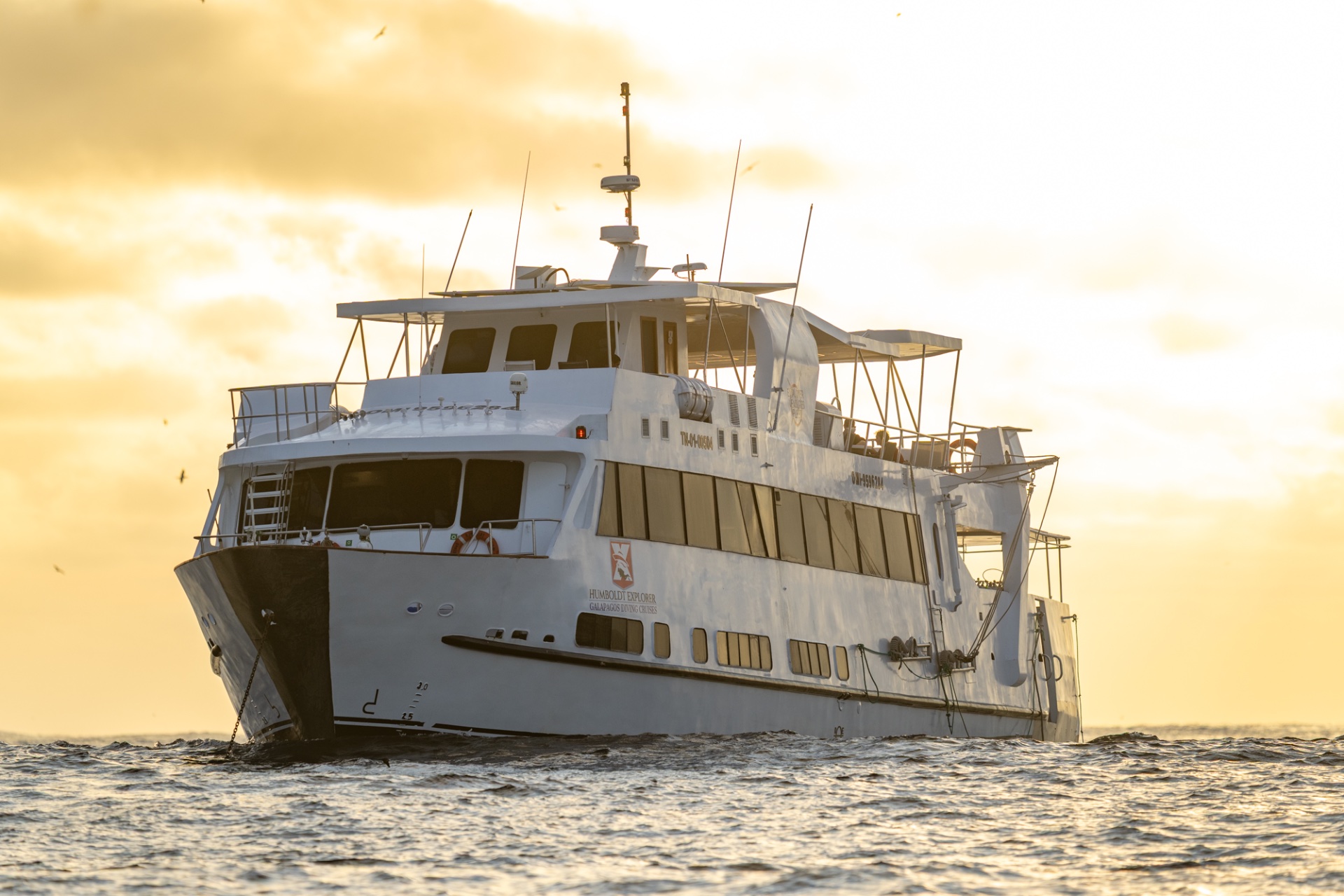
Humboldt Explorer
Galápagos
16 guests
$612/day
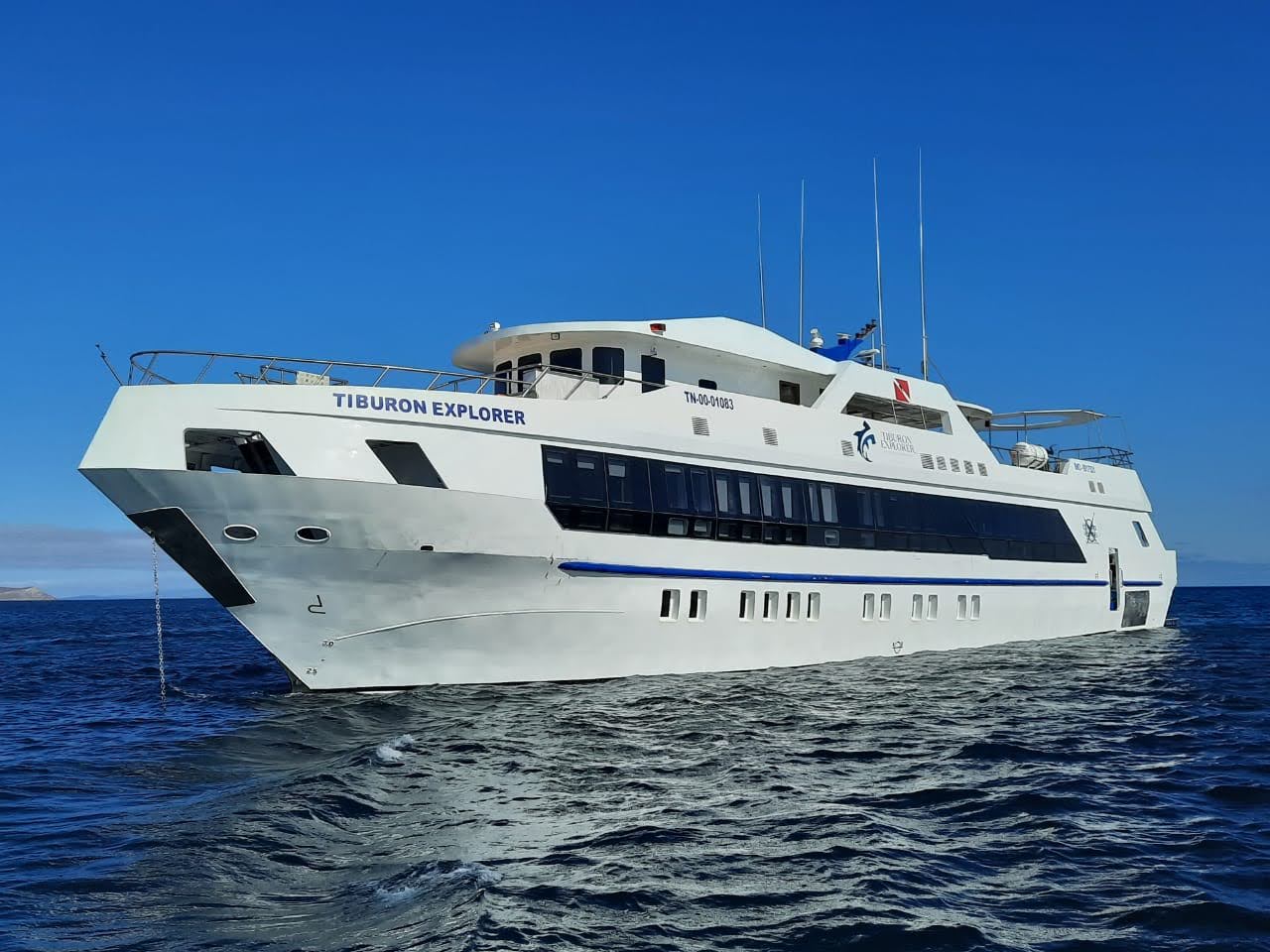
Tiburon Explorer
Galápagos
16 guests
$924/day
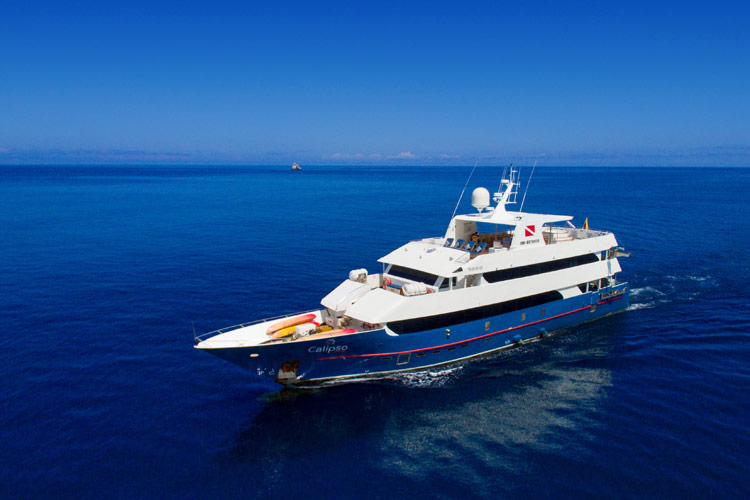
Calipso
Galápagos
16 guests
$819/day
Dive sites similar to Beagle Rocks
Same character, same waters — six more sites divers love for the exact same reasons.Compare seasons, access and liveaboard routes — then pick the site that fits your trip best.
© Esri — Maxar, Earthstar, GIS
Santa Cruz - Academy Bay
Galápagos
Academy Bay, located in Puerto Ayora on Santa Cruz Island, serves as a primary hub for Galápagos diving adventures.
- Suitable for
- Beginner
- Current
- Strong
- Access
- Liveaboard only
- Depth
- 3–15 m
- Theme
- Reef
© Esri — Maxar, Earthstar, GIS
Bartolomé Island
Galápagos
Bartolomé Island in the Galápagos archipelago is a distinctive dive site, known for its iconic Pinnacle Rock and accessible from Santa Cruz.
- Suitable for
- Beginner
- Current
- Strong
- Access
- Liveaboard only
- Depth
- 5–18 m
- Theme
- Drift / Reef
© Esri — Maxar, Earthstar, GIS
Cabo Douglas - Marine Iguana Wall
Galápagos
Cabo Douglas, located on the northwest side of Fernandina Island in the central Galápagos, offers a truly unique diving experience.
- Suitable for
- Intermediate
- Current
- Strong
- Access
- Liveaboard only
- Depth
- 5–33 m
- Theme
- Wall
© Esri — Maxar, Earthstar, GIS
Cabo Marshall
Galápagos
Cabo Marshall, also known as Cape Marshall, is a renowned dive site located off the northeastern coast of Isabela Island in the Galápagos, often referred to by divers as "Manta…
- Suitable for
- Advanced
- Current
- Moderate
- Access
- Liveaboard only
- Depth
- 12–40 m
- Theme
- Drift / Wall
© Esri — Maxar, Earthstar, GIS
Caleta Iguana - Isabela
Galápagos
Caleta Iguana, located on Isabela Island in the Galápagos, is a notable dive site primarily recognized for its unique resident population of Galápagos penguins.
- Suitable for
- Beginner
- Current
- Mild
- Access
- Liveaboard only
- Depth
- 3–52 m
- Theme
- Reef
© Esri — Maxar, Earthstar, GIS
Camano Islet
Galápagos
The Galápagos Islands offer an unparalleled diving experience year-round, renowned for their exceptional marine biodiversity and unique blend of oceanic currents.
- Suitable for
- Beginner
- Current
- Mild
- Access
- Liveaboard or dayboat
- Depth
- 21–35 m
- Theme
- Reef