About Mosquera Island
Mosquera Island is a unique dive site in the Galápagos Marine Reserve, located between Seymour and Baltra islands. This small, volcanic islet, primarily a sandbank, was formed by volcanic uplift and has accumulated sand from strong currents. It offers divers an easy yet spectacular experience, contrasting with some of the more challenging sites in the archipelago. Its relatively shallow depths and diverse marine ecosystem make it a popular spot for both new and experienced divers. The topography features a sandy bottom at depths of 15-18 meters, where garden eels are frequently observed. An underwater wall extends from the shallows into deeper sections, providing varied habitats. The island is particularly famous for its large colony of Galápagos sea lions, whose playful interactions are a highlight of any visit. Occasional sightings of orcas have been reported, drawn by the abundant sea lion population. The waters surrounding Mosquera are rich in nutrients due to strong currents, attracting a wide array of marine life year-round. Divers can expect to see various shark species, including hammerheads, blacktip, and whitetip reef sharks, as well as several types of rays and sea turtles. While the marine life is consistently present, the specific abundance of certain pelagic species can vary with the seasons. Typically combined with dives around North Seymour, Mosquera offers a memorable experience for those seeking encounters with iconic Galápagos marine creatures in a dynamic underwater environment. The site is accessible through licensed tour operators and requires permits as it lies within protected waters.
Highlights
Large Galápagos sea lion colonyFrequent hammerhead shark sightingsPlayful sea lion interactionsCurious garden eelsDiverse reef shark encountersVarious ray species
Season calendar
Best months to dive here
Jan
Feb
Mar
Apr
May
Jun
Jul
Aug
Sep
Oct
Nov
Dec
Good
Dive site facts: Mosquera Island
- Depth
- 6–27 m
- Current
- Moderate to strong
- Visibility
- 12–15 m
- Entry
- Boat only
- Level
- Advanced recommended
- Dive type
- Pelagic, drift
- Region / port
- Galápagos, Ecuador
- Coordinates
- -0.3833, -90.2667
Conditions & Currents
Currents at Mosquera Island range from moderate to strong, influenced by its location in the Canal del Norte between Baltra and North Seymour. These powerful currents are responsible for bringing nutrient-rich waters that attract the site's abundant pelagic life. Divers should be prepared for drift diving conditions and possess solid current awareness and water skills. Visibility and depth can fluctuate significantly depending on the tides and current strength, making local operator knowledge crucial for planning. Entry techniques may sometimes involve negative entry to quickly descend below surface currents. While not always extreme, divers should anticipate dynamic conditions.
Marine life & sighting chances
Galápagos sea lion
commonScalloped hammerhead shark
commonBlacktip reef shark
commonWhitetip reef shark
commonGalápagos shark
commonSea turtle
commonBarracuda
commonStingray
commonEagle ray
commonMobula ray
commonGarden eel
commonReef fish
commonOrca
occasionalDive profile & how the dive runs
Diving at Mosquera typically involves a boat entry, often combined with a negative entry to quickly descend past any surface currents. The site features a sandy bottom between 15-18 meters, where divers can observe garden eels and various reef fish. A key part of the dive involves exploring an underwater wall that slopes from shallower areas into deeper water, providing an excellent opportunity to spot pelagic species. The dive often follows a drift profile due to the moderate to strong currents. Turnaround points are determined by air consumption and current conditions, ensuring divers remain within safe limits. Safety stops are conducted in the calmer, shallower sections of the dive site, usually with the support of the dive boat.
Underwater photography
Mosquera Island offers fantastic opportunities for wide-angle photography, especially to capture the large schools of hammerheads, other sharks, and the playful Galápagos sea lions. A fisheye or wide-angle lens will be ideal for these dynamic encounters. Be prepared for potentially strong currents; good buoyancy control is essential to hold position for shots without disturbing the sandy bottom. Natural light can be effective in the clearer visibility, but strobes will enhance color and detail, particularly for subjects further away or in deeper sections of the wall. When photographing sea lions, maintain a respectful distance and allow them to approach if they are curious, capturing their natural behavior without interference. For macro subjects like garden eels, a macro lens can be useful on the sandy patches, but the site's primary draw is its pelagic action.
Combine with nearby dive sites
- North Seymour
Often combined with Mosquera in dive itineraries
- Daphne Minor
Offers snorkeling and panga rides near colorful underwater organisms
- Daphne Major
Excellent for snorkeling and observing seabirds
- Gordon Rocks
Known for strong currents and abundant hammerheads, requiring advanced certification
- Kicker Rock (León Dormido)
Popular for shark and sea lion encounters, good for all levels
Getting there & logistics
Access to Mosquera Island usually begins with flights into Baltra Island (GPS airport), which is the primary airport for the Galápagos. From there, divers typically transfer to a liveaboard cruise or a day-trip boat operating from the Itabaca Channel. Mosquera is located approximately 25 minutes north of Baltra and is often included in itineraries that combine it with dives around North Seymour. All diving in the Galápagos Marine Reserve requires permits and must be done through licensed tour operators. Trip lengths vary, but Mosquera is commonly part of multi-day liveaboard excursions exploring the central islands.
Safety & environment
Diving at Mosquera requires adherence to strict safety protocols due to the presence of moderate to strong currents. Divers should always carry valid dive insurance, including coverage for evacuation and hyperbaric treatment. The nearest recompression chamber is located in Puerto Ayora on Santa Cruz Island. Emergency procedures are well-established through licensed operators, but remote evacuations can still be complex and time-consuming. Divers must maintain excellent buoyancy, monitor air consumption closely, and be proficient in drift diving techniques. Respect for marine life and park regulations is paramount; touching animals or corals is strictly prohibited. Listen carefully to dive briefings and follow your guide's instructions at all times.
Who it suits — and who it doesn't
Suited for
- Advanced divers comfortable with currents
- Divers seeking pelagic encounters and large marine life
- Underwater photographers focusing on wide-angle subjects
- Those interested in interacting with playful sea lions
Less suited for
- Beginner divers without current experience
- Divers uncomfortable with drift diving
- Individuals prone to seasickness in choppy conditions
- Those strictly preferring calm, clear, no-current conditions
FAQ
Mosquera Island FAQ
What kind of marine life can I expect to see at Mosquera?
Mosquera is renowned for its diverse marine life, especially pelagic species. You can frequently encounter Galápagos sea lions, various sharks including hammerheads, blacktip, and whitetip reef sharks, as well as multiple species of rays like eagle and mobula rays. Garden eels are common on the sandy bottom, and sea turtles are also regular sightings. Occasionally, orcas are spotted in the area.
Are the currents strong at Mosquera Island?
Yes, currents at Mosquera Island can range from moderate to strong. This is due to its location in the Canal del Norte, which brings nutrient-rich waters through the area. Divers should be prepared for drift diving conditions and possess good current awareness. It is generally recommended for advanced divers who are comfortable with these dynamic conditions.
What is the typical depth and visibility at Mosquera?
The dive site at Mosquera ranges in depth from 6 to 27 meters (20 to 90 feet). Visibility averages between 12 to 15 meters (40 to 50 feet), though this can vary with tides and current strength. The underwater topography includes a sandy bottom at about 15-18 meters and an impressive wall that descends into deeper sections.
Is Mosquera suitable for beginner divers?
While Mosquera is considered an easy yet spectacular dive site, its moderate to strong currents make it more suitable for advanced divers or those with prior current experience. Beginner divers might find the conditions challenging. Some sources suggest it's suitable for all levels due to its relatively calm areas, but overall, current proficiency is beneficial for a comfortable and safe experience.
When is the best time of year to dive Mosquera Island?
Mosquera Island is a year-round dive destination. The warm season (December to May) offers calmer seas and warmer water, while the cool, dry season (June to November) features cooler water and choppier conditions but often boasts greater abundance of marine life due to the nutrient-rich Humboldt Current. Your preference for water temperature and sea conditions will determine your ideal time.
Why dive Mosquera Island from a liveaboard?
Mosquera Island is one of Galápagos's signature dive sites. A liveaboard sleeps you on the water and puts you in the water for three to four guided dives per day, including dawn and night dives that day-boat operators rarely offer. You skip the daily commute back to port and reach quieter, less-crowded sites in the same region on a single trip.
Below are the liveaboards that include Mosquera Island on their Galápagos itineraries.
Liveaboards diving Mosquera Island
These liveaboards may visit Mosquera Island on selected itineraries — the exact dive sites depend on departure, weather and conditions.
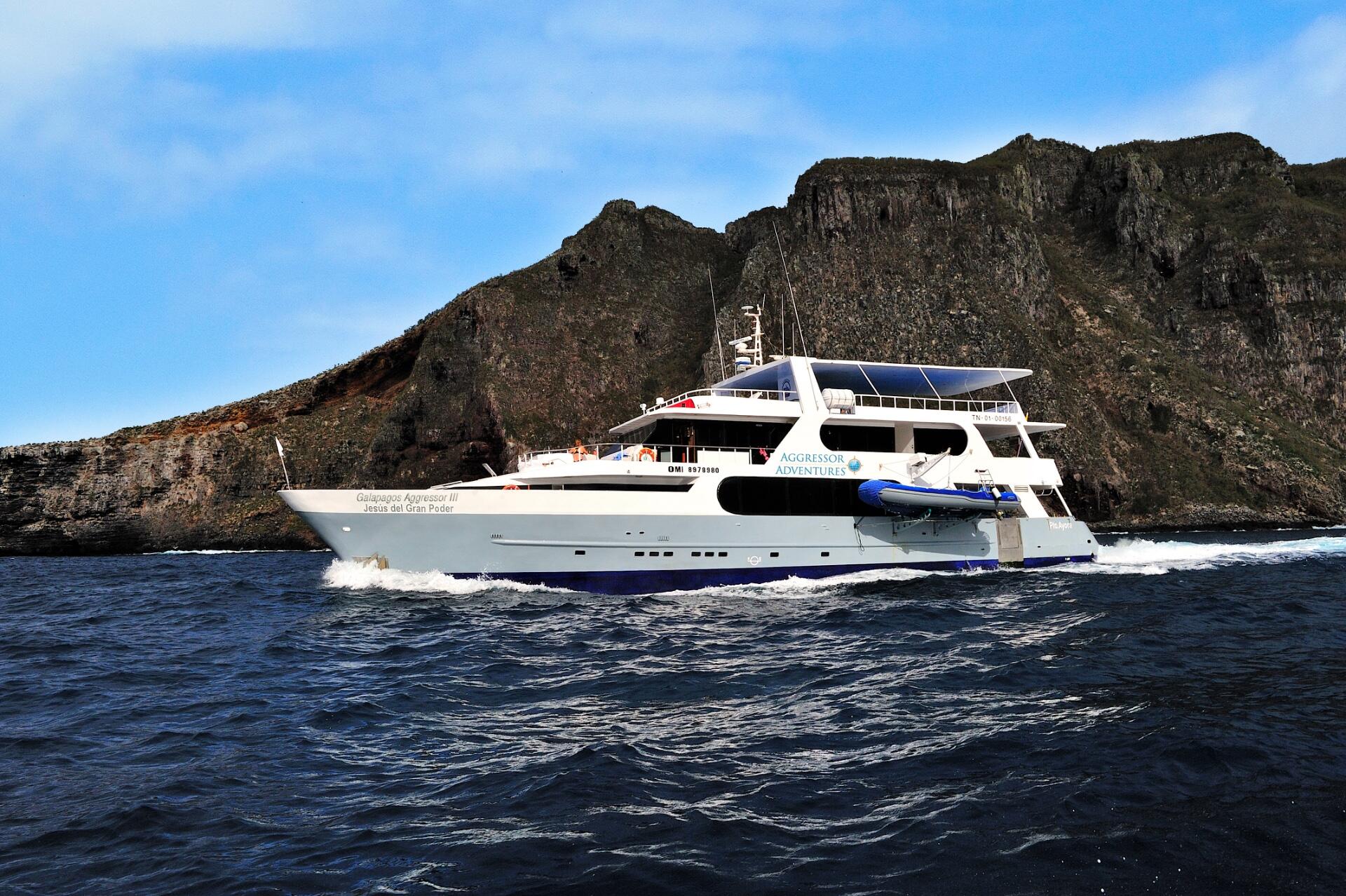
Galapagos Aggressor III
Galápagos
16 guests30.5 m
$913/day
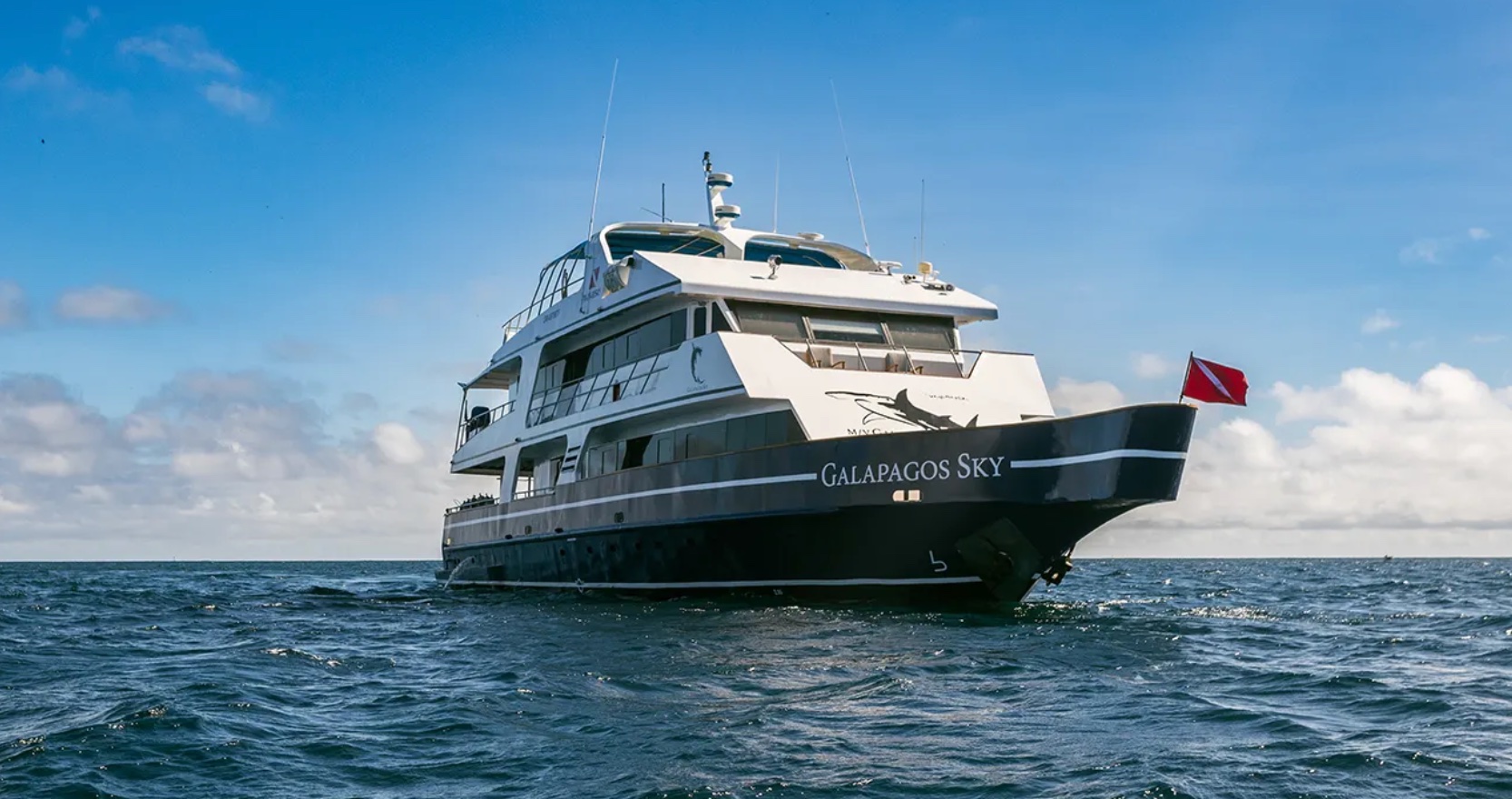
Galapagos Sky
Galápagos
16 guests
$937/day
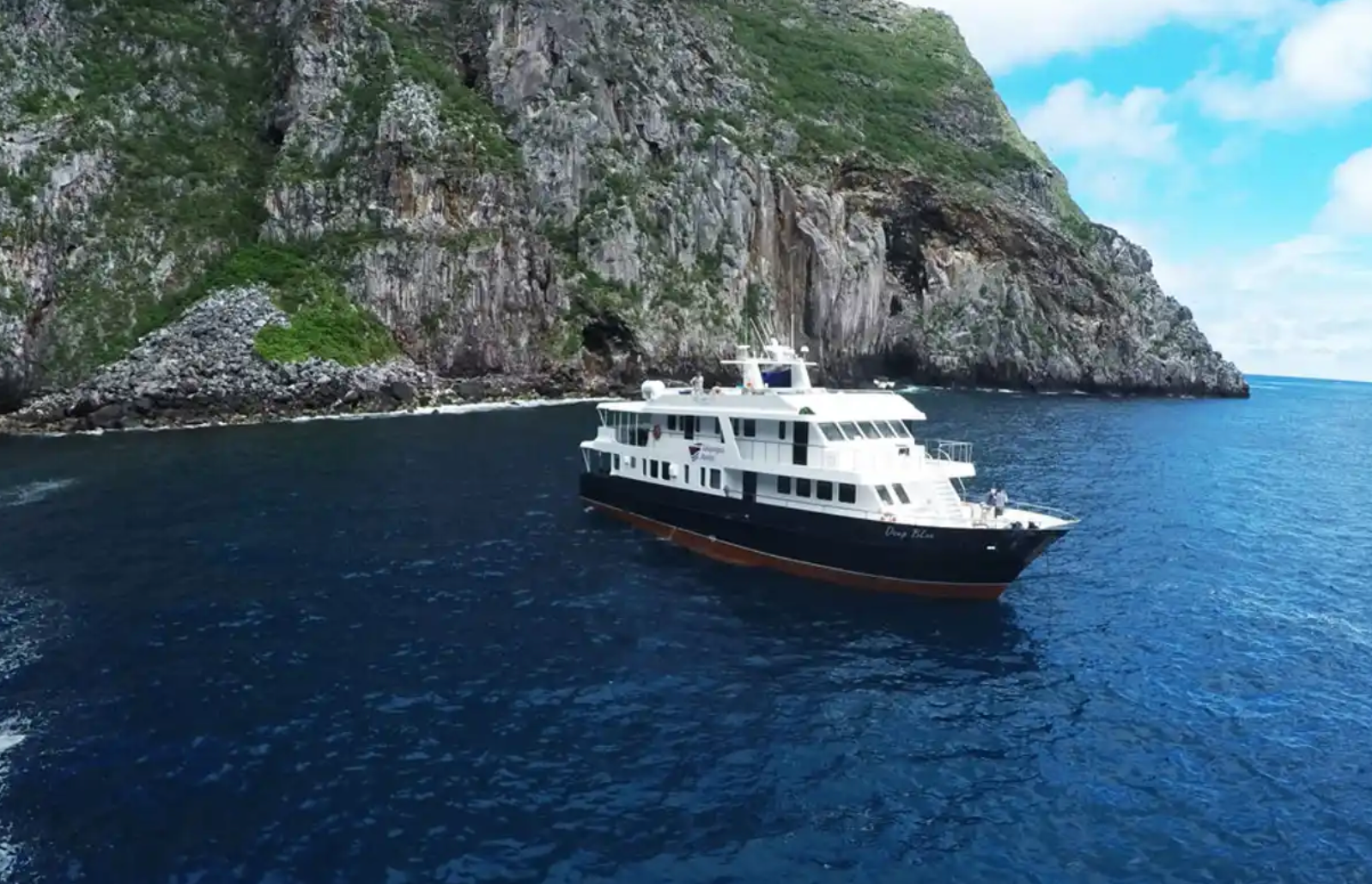
Galapagos Master
Galápagos
16 guests
$669/day
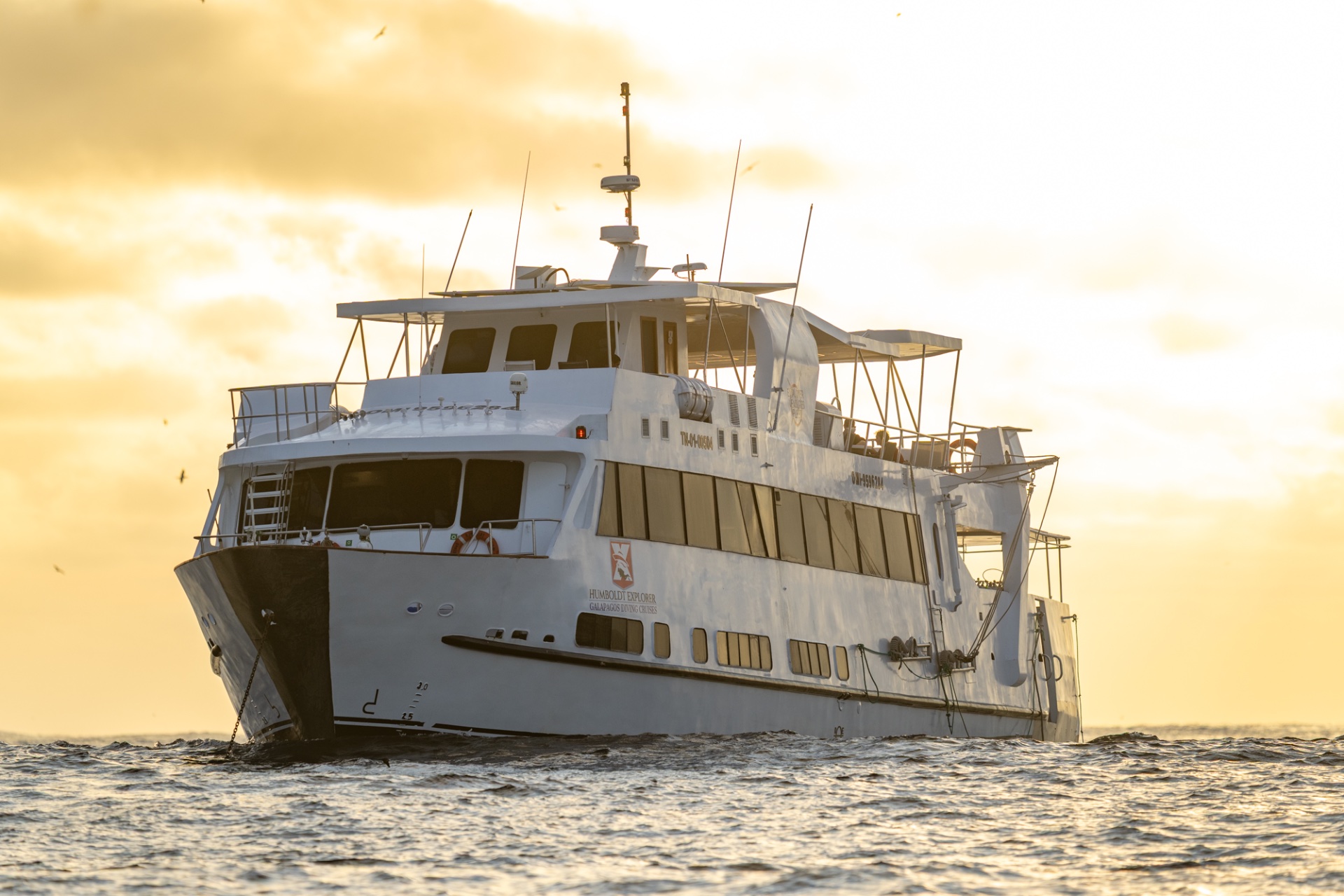
Humboldt Explorer
Galápagos
16 guests
$612/day
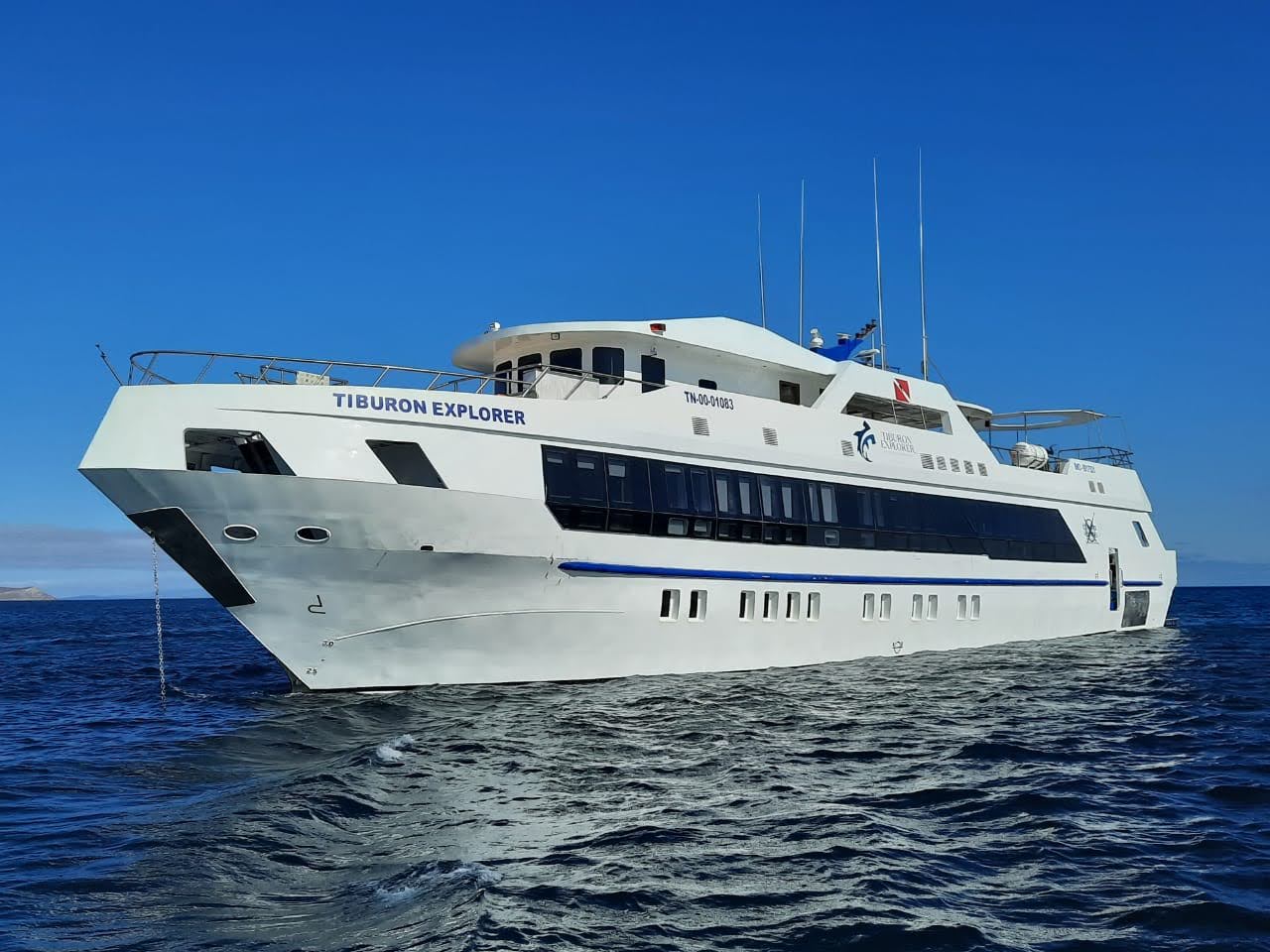
Tiburon Explorer
Galápagos
16 guests
$924/day
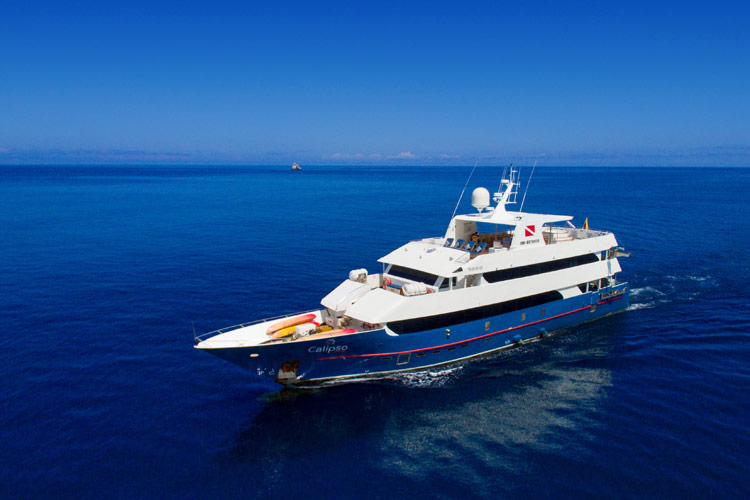
Calipso
Galápagos
16 guests
$819/day
Dive sites similar to Mosquera Island
Same character, same waters — six more sites divers love for the exact same reasons.Compare seasons, access and liveaboard routes — then pick the site that fits your trip best.
© Esri — Maxar, Earthstar, GIS
Guy Fawkes Islands
Galápagos
The Guy Fawkes Islands are a pair of small islands located close to Santa Cruz, offering a more accessible dive experience compared to the remote northern sites.
- Suitable for
- Intermediate
- Current
- Strong
- Access
- Liveaboard only
- Depth
- 5–25 m
- Theme
- Cave & cavern / Wall
© Esri — Maxar, Earthstar, GIS
Floreana - Devil's Crown
Galápagos
Devil's Crown, located off Floreana Island in the Galápagos, is renowned as one of the archipelago's premier diving and snorkeling destinations.
- Suitable for
- Beginner
- Current
- Strong
- Access
- Liveaboard only
- Depth
- 3–15 m
- Theme
- Reef
© Esri — Maxar, Earthstar, GIS
Plaza Islands
Galápagos
Plaza Islands offers exceptional diving within Ecuador's Galápagos Marine Reserve, renowned for its abundant marine life and position in one of the world's most biodiverse ocean zones.
- Suitable for
- Beginner
- Current
- Mild
- Access
- Liveaboard or dayboat
- Depth
- —
- Theme
- Reef
Pinzon is situated among the central islands of the Galápagos archipelago, an area characterized by waters that are generally warmer and more protected compared to the northern or western regions.
- Suitable for
- Advanced
- Current
- Strong
- Access
- Liveaboard or dayboat
- Depth
- ≤ 18 m
- Theme
- Reef / Drift
Santa Fe Island, also known by its English name Barrington, is a unique dive location within the Galápagos archipelago, notable for its significant geological age and high degree of endemism.
- Suitable for
- Beginner
- Current
- Mild
- Access
- Liveaboard or dayboat
- Depth
- 5–30 m
- Theme
- Reef
© Esri — Maxar, Earthstar, GIS
Camano Islet
Galápagos
The Galápagos Islands offer an unparalleled diving experience year-round, renowned for their exceptional marine biodiversity and unique blend of oceanic currents.
- Suitable for
- Beginner
- Current
- Mild
- Access
- Liveaboard or dayboat
- Depth
- 21–35 m
- Theme
- Reef