About Punta Sur Sur
Punta Sur, located at the exposed southern tip of Cozumel, represents one of the region's most dramatic and challenging dive experiences. This site is a system of deep walls, extensive coral formations, and large passages, with its standout feature being the entrance to the Devil’s Throat cave system. The dive site is commonly divided into two primary sections: the northern area, which encompasses the main Punta Sur reef with its large passages and the spectacular Cathedral cavern, and further south, the renowned Devil's Throat at the island's very tip. Divers often combine both sections in a single dive to explore the full spectrum of its unique topography. Marine life encounters are frequent, with graceful eagle rays commonly observed, particularly from December to March. Caribbean reef sharks are occasionally seen in deeper sections, which also host vibrant black coral and enormous barrel sponges, creating rich habitats. Following the deeper portions, the dive often transitions into shallower areas, where divers can find stingrays foraging in the sand and nurse sharks resting, offering a serene contrast to the deeper, more complex sections. Due to consistently strong and sometimes unpredictable currents, alongside significant depths, Punta Sur is exclusively an advanced dive. Divers are required to hold an Advanced Open Water certification, and many operators mandate a prior skills-assessment dive to ensure proficiency in Cozumel's demanding conditions. This preparation guarantees that divers can safely navigate the complex passages and deep sections, making it a highly rewarding experience for those ready for its unique challenges.
Highlights
Devil's Throat cave systemCathedral cavernDeep vertical wallsEnormous coral formationsEagle ray sightingsBlack coral and barrel spongesStrong drift currents
Best Season
The months from December to March are considered a prime time to dive Punta Sur, coinciding with increased eagle ray sightings. While Cozumel offers excellent visibility ranging from 30 to 50 meters year-round, these months also see cooler water temperatures, which may require additional thermal protection.
Dive site facts: Punta Sur Sur
- Depth
- 18–41 m
- Current
- Moderate
- Entry
- Liveaboard only
- Level
- Advanced
- Dive type
- Wall, Reef
- Region / port
- Mexico
- Coordinates
- 20.2741° N, 87.0016° W
Conditions & Currents
Punta Sur is characterized by strong and often unpredictable currents due to its exposed location, making it a premier drift diving destination. Visibility at the site is consistently excellent, typically ranging from 80 to 120 feet (24 to 37 meters), which is crucial for navigation despite the swift water movement. Entry is usually a negative entry, allowing divers to quickly descend and integrate with the current flow. Divers must demonstrate proficient buoyancy control to avoid contact with the reef while moving through the water column. The significant currents and depths necessitate meticulous gas planning and the ability to manage both rapid descents and ascents, particularly when traversing the site's various tunnels and passages. Surface conditions and potential boat traffic should always be considered when planning safety stops and surfacing.
Why dive Punta Sur Sur from a liveaboard?
Punta Sur Sur is one of Mexico's signature dive sites. A liveaboard sleeps you on the water and puts you in the water for three to four guided dives per day, including dawn and night dives that day-boat operators rarely offer. You skip the daily commute back to port and reach quieter, less-crowded sites in the same region on a single trip.
Below are the liveaboards that include Punta Sur Sur on their Mexico itineraries.
Liveaboards diving Punta Sur Sur
These liveaboards may visit Punta Sur Sur on selected itineraries — the exact dive sites depend on departure, weather and conditions.
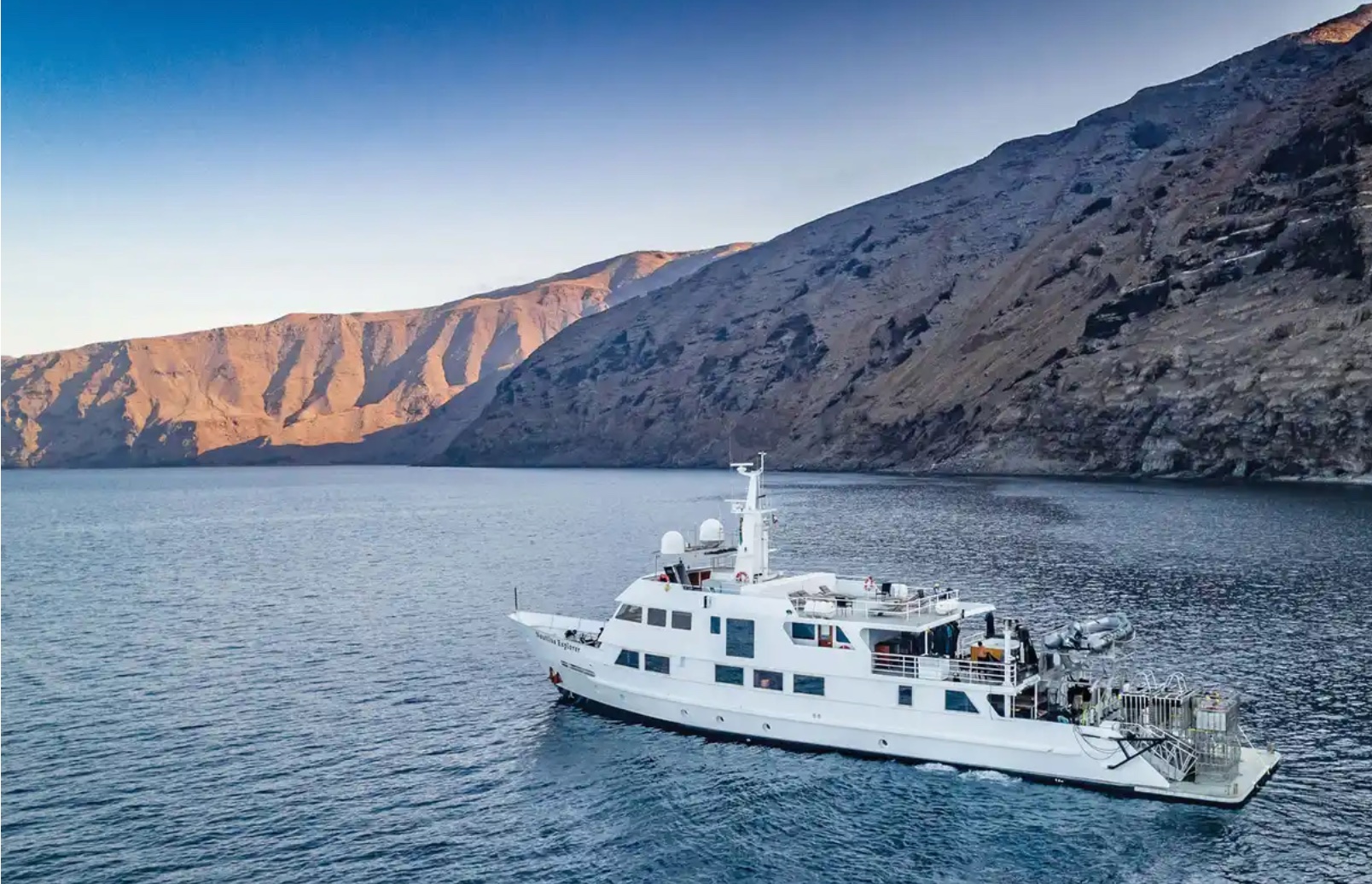
Nautilus Explorer
Mexico
25 guests44.8 m
$336/day
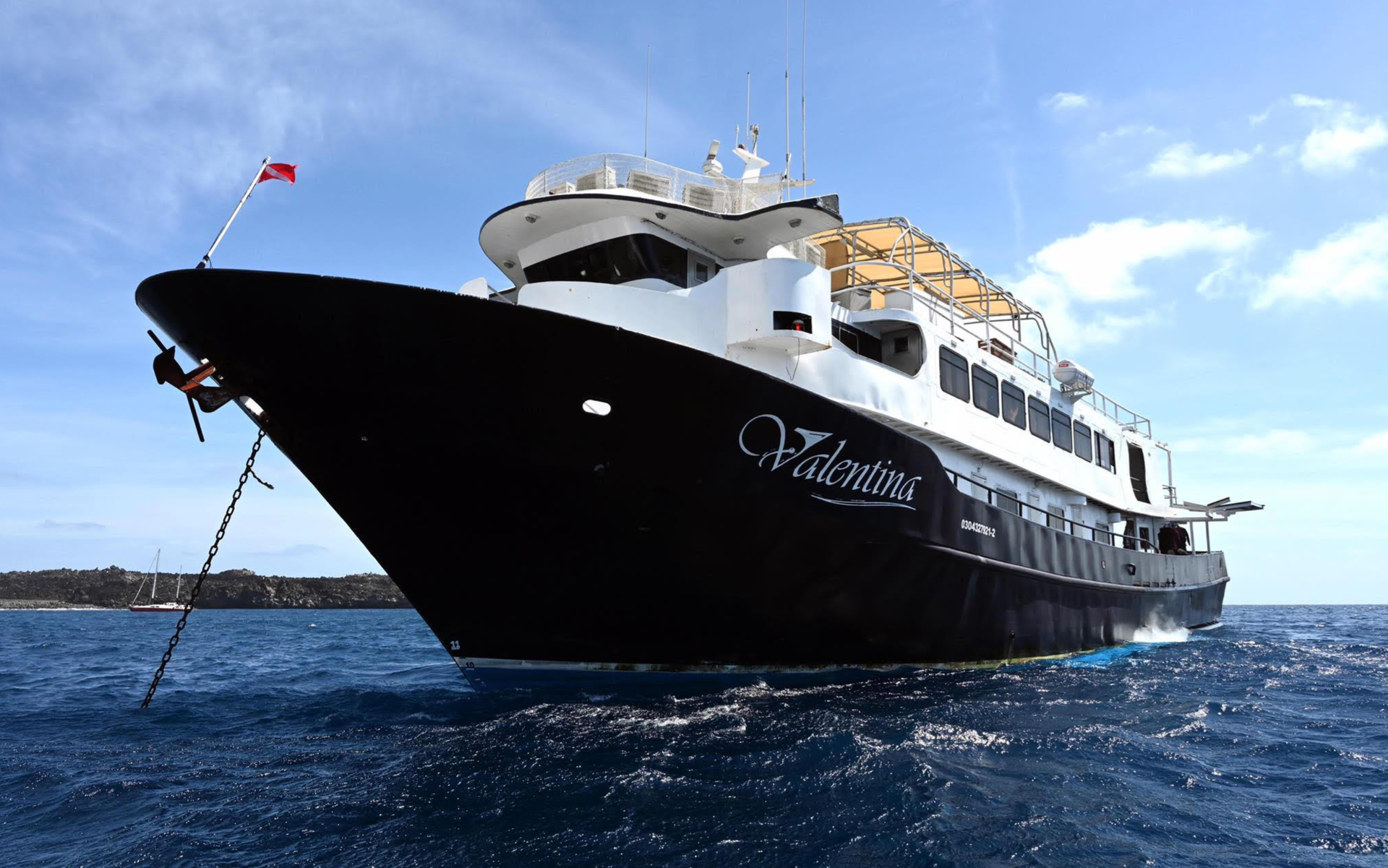
Valentina
Mexico
20 guests38.1 m
$430/day
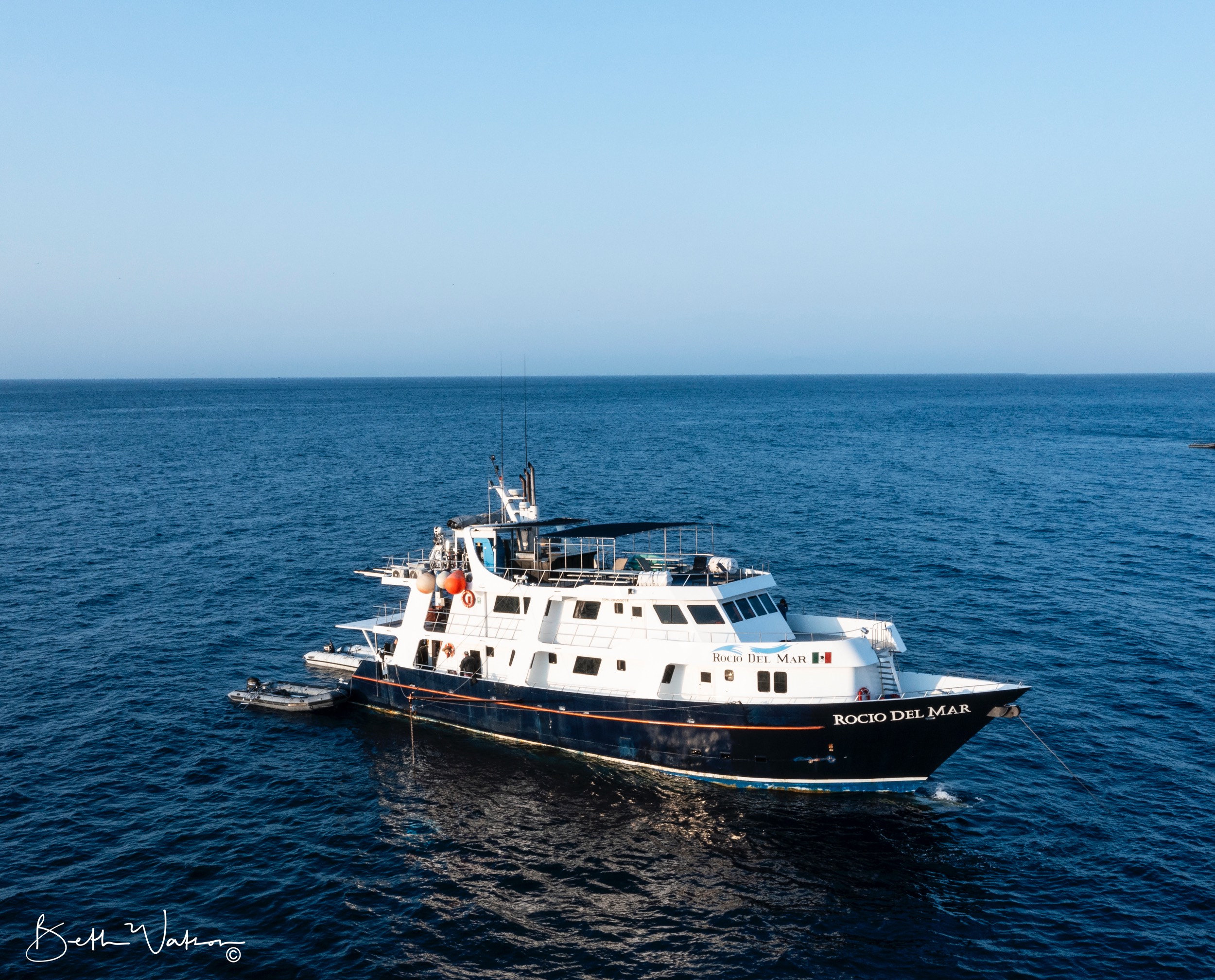
Rocio del Mar
Mexico
20 guests33.5 m
$392/day
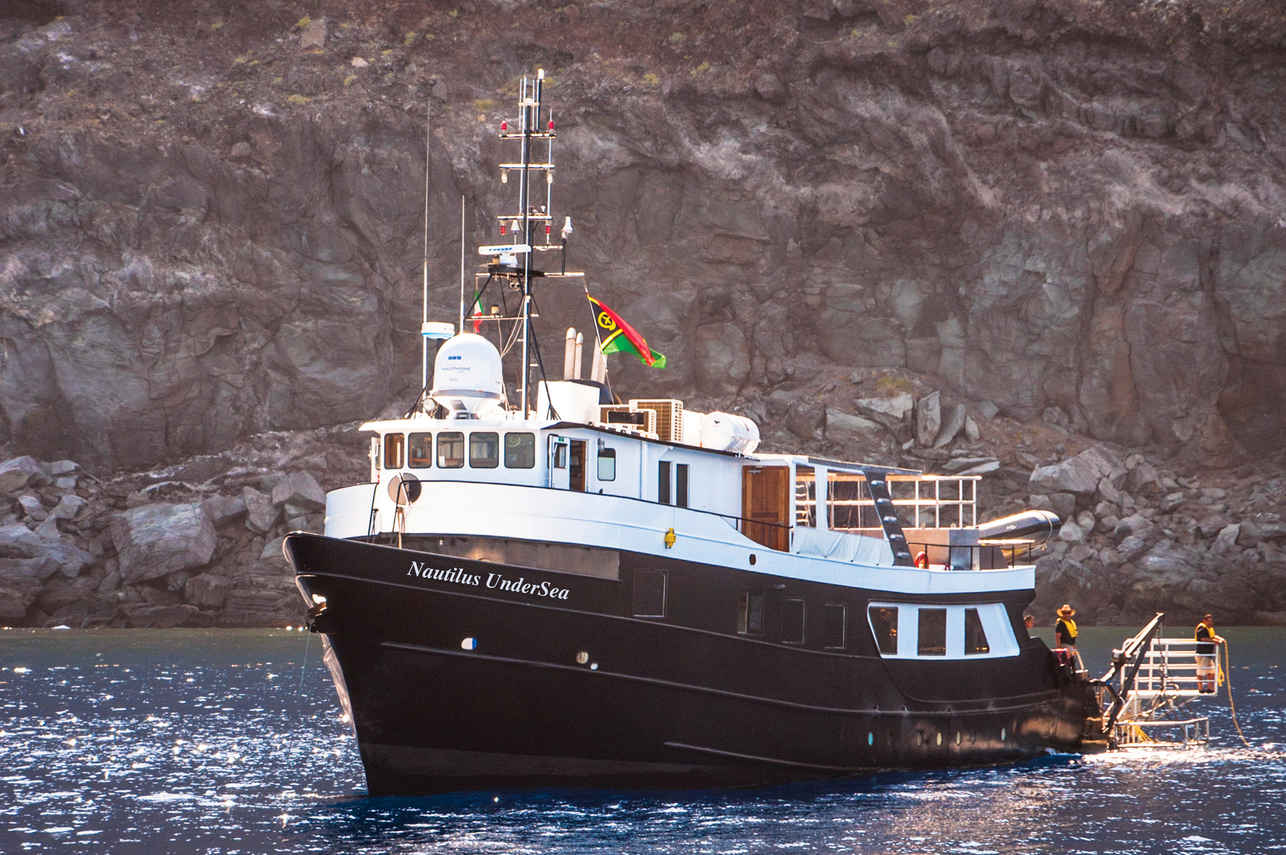
Nautilus Under Sea
Mexico
19 guests32 m
$261/day
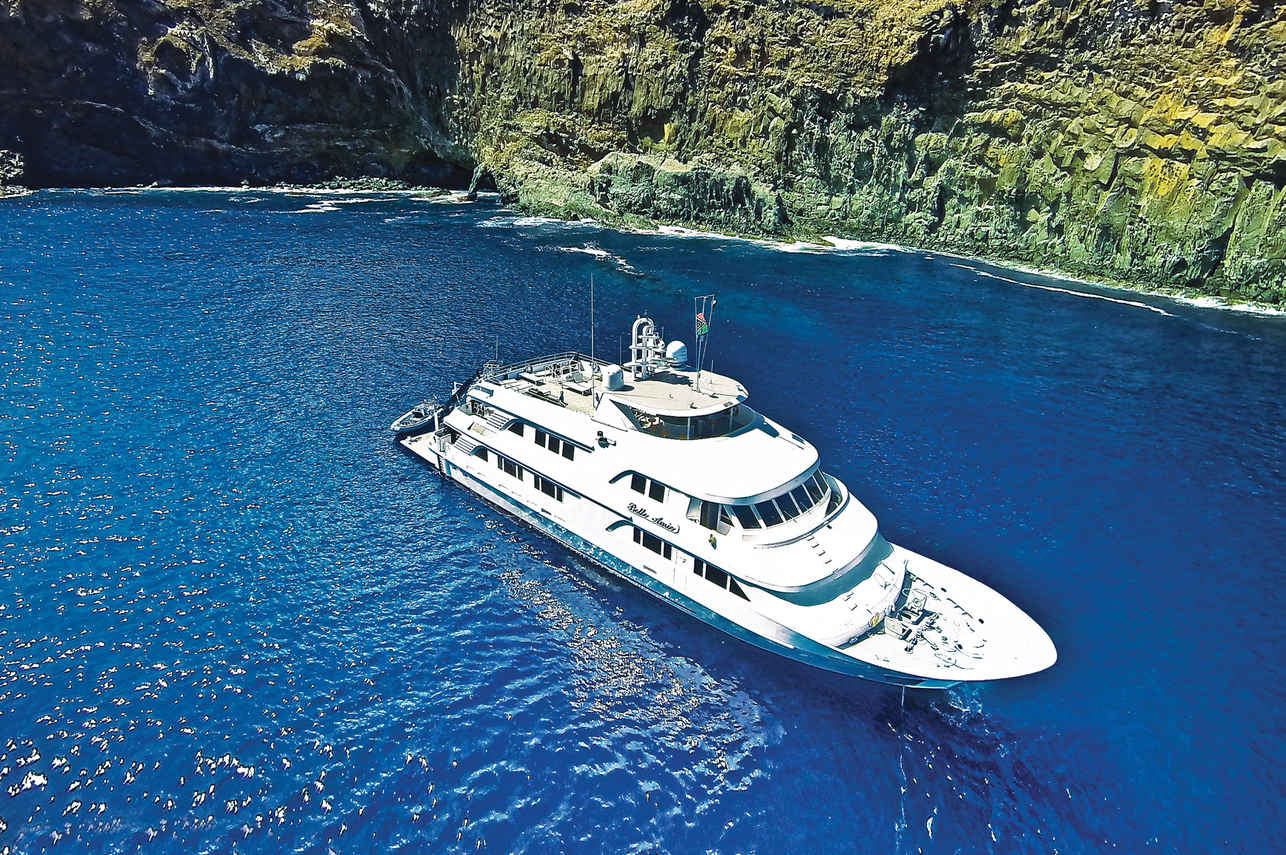
Nautilus Belle Amie
Mexico
32 guests44.8 m
$323/day
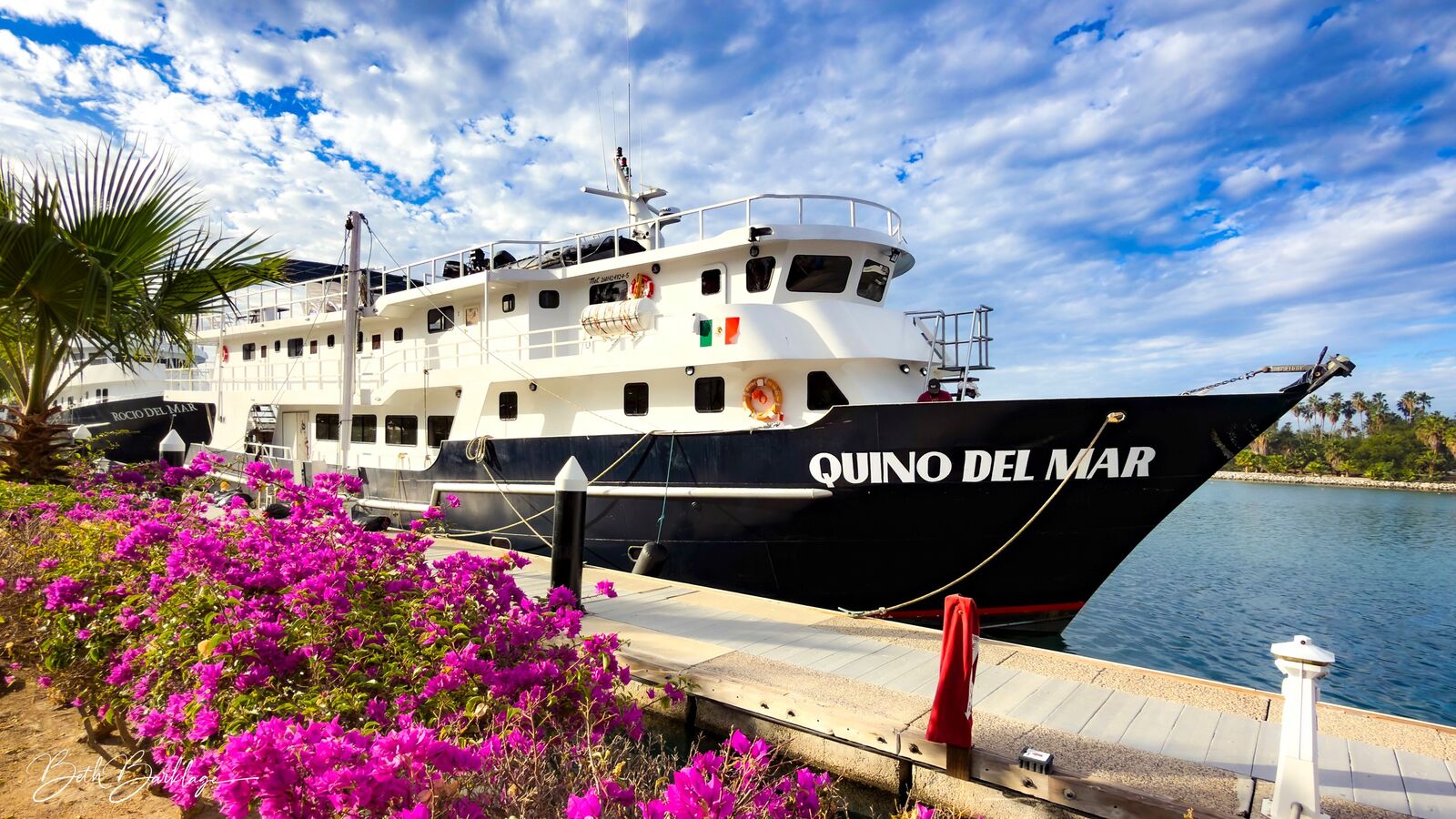
Quino del Mar
Mexico
20 guests36 m
$377/day
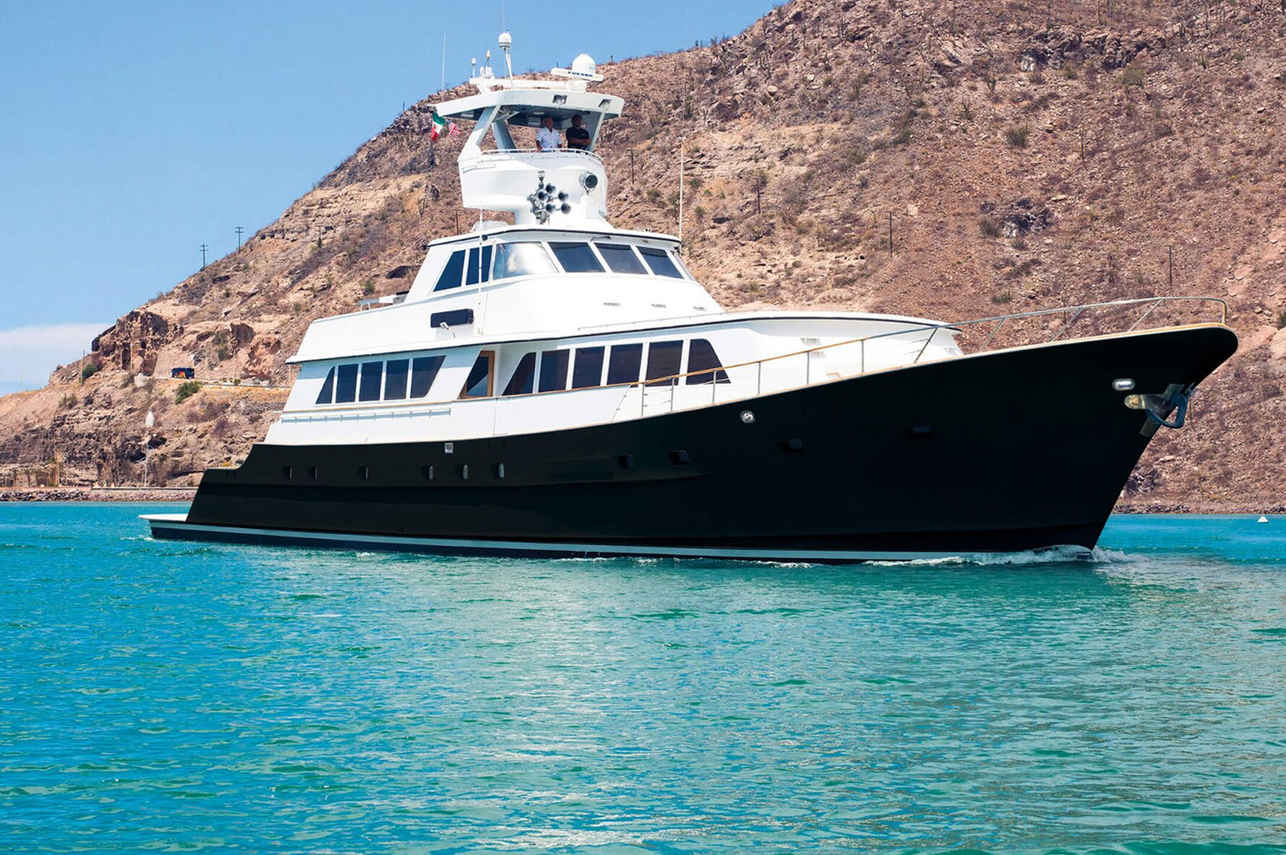
Nautilus Gallant Lady
Mexico
12 guests35.36 m
$332/day
Dive sites similar to Punta Sur Sur
Same character, same waters — six more sites divers love for the exact same reasons.Compare seasons, access and liveaboard routes — then pick the site that fits your trip best.
© Esri — Maxar, Earthstar, GIS
Tak Be Luum
Mexico
Cenote Tak Be Luum, located in the Mexican state of Quintana Roo, is an exceptional cavern dive that forms part of the vast Sac Actun underwater cave system, one of the world's largest.
- Suitable for
- Advanced
- Current
- No current
- Access
- Shore / dayboat
- Depth
- 4–9 m
- Theme
- Reef
© Esri — Maxar, Earthstar, GIS
Neptune's Finger
Mexico
Neptune's Finger is a renowned dive site located in Cabo San Lucas, Mexico, at the southern tip of the Baja California Peninsula.
- Suitable for
- Beginner
- Current
- Mild
- Access
- Liveaboard or dayboat
- Depth
- 4–152 m
- Theme
- Reef
© Esri — Maxar, Earthstar, GIS
Majahuitas
Mexico
Majahuitas is a pristine and secluded cove located on the southern coast of Banderas Bay, near Puerto Vallarta, Mexico.
- Suitable for
- Beginner
- Current
- Mild
- Access
- Dayboat
- Depth
- 8–14 m
- Theme
- Reef
La Poza is a remarkable dive site located in Xcalak, a serene fishing village situated on Mexico's Caribbean coast, near the Belize border.
- Suitable for
- Advanced
- Current
- Mild
- Access
- Shore / dayboat
- Depth
- 20–25 m
- Theme
- Reef
© Esri — Maxar, Earthstar, GIS
Siete Bocas
Mexico
Cenote Siete Bocas, meaning "Seven Mouths," is a unique cavern dive site nestled along the Ruta de los Cenotes near Puerto Morelos in Mexico's Riviera Maya.
- Suitable for
- Intermediate
- Current
- No current
- Access
- Shore / dayboat
- Depth
- ≤ 30 m
- Theme
- Reef
© Esri — Maxar, Earthstar, GIS
Sleeping Shark Cave
Mexico
Sleeping Shark Cave is a legendary underwater site situated off the eastern coast of Isla Mujeres, Mexico.
- Suitable for
- Intermediate
- Current
- No current
- Access
- Liveaboard or dayboat
- Depth
- 16–20 m
- Theme
- Reef