About Tongo Sanctuary
Tongo Sanctuary, located in Moalboal, Cebu, is a marine protected area renowned for its dramatic underwater topography. This site primarily features a steep wall that plunges from a relatively shallow reef top into significant depths, making it a popular destination for divers of varying experience levels. The wall is adorned with a rich display of hard and soft corals, creating a vivid underwater landscape. Divers can explore various small caves and crevices along the wall, adding an element of adventure to the dive profile. The depth range of the site, from 5 meters down to 55 meters, allows for different types of exploration, from shallow reef observation to deeper wall dives. Marine life here is diverse and often includes sightings of electric clams, various nudibranchs, and sea turtles. More elusive species like ghost pipefish and even whale sharks can occasionally be spotted, enhancing the excitement of the dive. The sanctuary's protected status helps maintain a healthy ecosystem, supporting this array of marine creatures. Characterized by minimal currents and good visibility, Tongo Sanctuary provides a generally comfortable diving experience. Its accessibility and relatively gentle conditions make it suitable for a wide range of divers, from those recently certified to more experienced individuals seeking vibrant reef life without challenging currents.
Highlights
Steep coral-covered wallProtected marine areaVibrant hard and soft coralsSmall caves and crevicesMinimal currentsDiverse macro lifeOccasional pelagic sightings
Best Season
The best time to dive Tongo Sanctuary is from December to May. During these months, the seas are typically calm, and visibility is excellent, offering optimal conditions for exploring the site's rich marine life and vibrant corals.
Dive site facts: Tongo Sanctuary
- Depth
- 5–55 m
- Current
- Minimal
- Visibility
- 15–25 m
- Water temperature
- 25–30°C
- Entry
- Boat
- Level
- All levels
- Dive type
- Wall, reef, macro
- Night dive
- Possible
- Region / port
- Moalboal, Cebu, Visayas
- Coordinates
- 11.3520° N, 122.0470° E
Conditions & Currents
Tongo Sanctuary generally experiences minimal currents, which contributes to its suitability for divers of all levels. This allows for relaxed exploration of the steep wall and its intricate features without the need for advanced drift diving techniques. Visibility typically ranges between 15 to 25 meters, providing clear views of the abundant marine life. While specific thermocline data for Tongo Sanctuary is not detailed, water temperatures in the Philippines are consistently warm, ranging from 25°C to 30°C year-round. These calm conditions ensure a comfortable and accessible diving experience, minimizing concerns related to entry, exit, or gas planning due to current.
Marine life & sighting chances
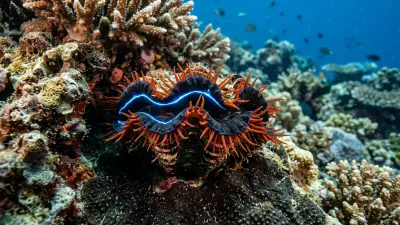
Electric Clam
occasional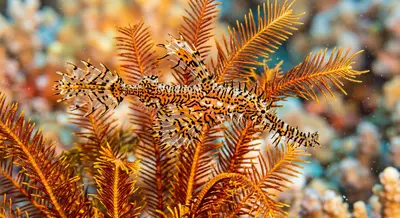
Ghost Pipefish
occasional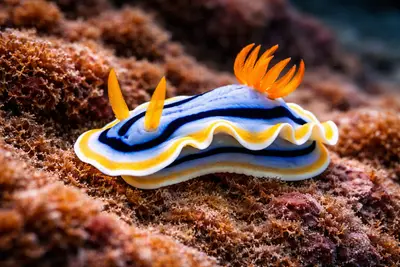
Nudibranch
common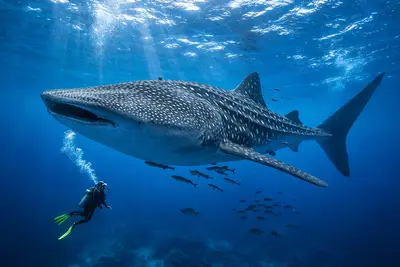
Whale Shark
rare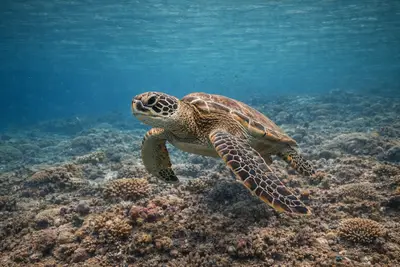
Green Turtle
common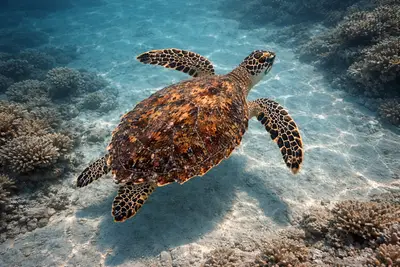
Hawksbill Turtle
common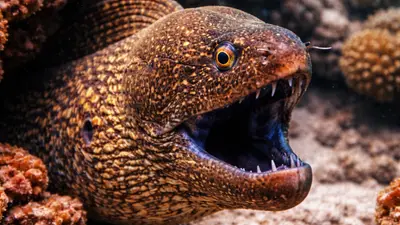
Moray Eel
common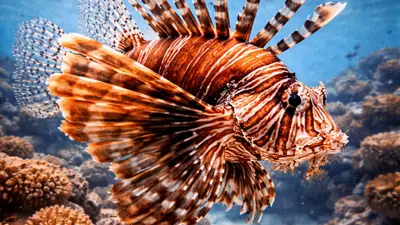
Lionfish
common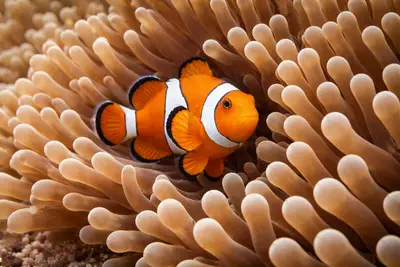
Clownfish
common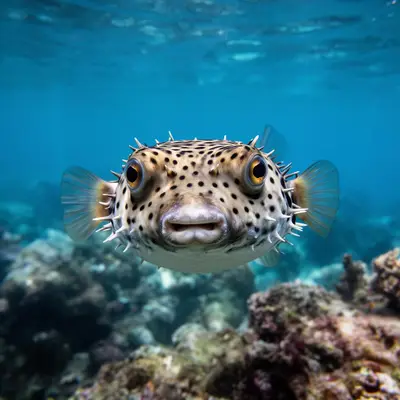
Pufferfish
common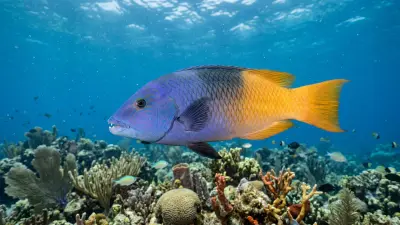
Wrasse
common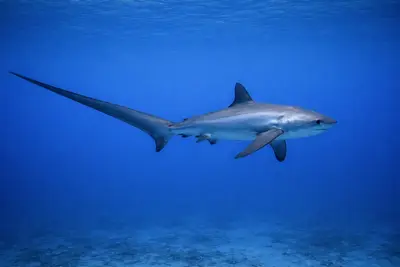
Thresher Shark
rareDive profile & how the dive runs
Dives at Tongo Sanctuary typically begin with a boat entry, often combined with trips to nearby sites like Pescador Island. Upon descending, divers immediately encounter a steep wall that extends from 5 meters down to 55 meters. The route generally follows the contours of this wall, allowing for exploration of the vibrant hard and soft coral formations and smaller caves embedded in its structure. Depth progression can be tailored to diver certification, with shallower sections offering ample marine life for Open Water divers. Turning points are usually determined by air consumption and planned bottom time, often involving a gradual ascent along the wall. The safety stop is commonly conducted in the shallower sections of the reef, around 5 meters, where divers can enjoy the reef top's bustling activity before surfacing.
Underwater photography
Tongo Sanctuary provides excellent opportunities for both wide-angle and macro photography, thanks to its vibrant wall and diverse inhabitants. For wide-angle shots, a fisheye or wide-angle lens is ideal to capture the expansive coral formations, the steep drop-off, and any schooling fish or pelagics. Macro photographers will thrive on the wall and in its crevices, where nudibranchs, ghost pipefish, and electric clams can be found. Careful buoyancy control is essential to avoid disturbing the delicate corals and silting the bottom, especially near the wall. External strobes are recommended to bring out the true colors of the corals and marine life, particularly in deeper sections. When photographing wildlife, maintain a respectful distance and avoid harassing subjects to ensure their natural behavior.
Combine with nearby dive sites
- Pescador Island
Known for its 'Cathedral' cavern and strong currents, often combined with Tongo Sanctuary in a two-tank dive.
- The House Reef
Refers to Panagsama Beach, famous for its sardine run.
- Kabansoy
Often called 'Turtle Village' due to its high concentration of sea turtles.
- Sampaguita
A wall dive featuring diverse corals and a variety of reef fish, sea turtles, and sea snakes.
Getting there & logistics
Tongo Sanctuary is primarily accessed from Moalboal, Cebu. Divers typically fly into Mactan-Cebu International Airport (CEB), then take a land transfer to Moalboal, which can take approximately 2-3 hours. Most dive operators in Moalboal offer day trips to Tongo Sanctuary, often combining it with other nearby sites like Pescador Island as part of a two-tank dive package. Trips are usually conducted by local dive boats, with a short travel time to the site. Marine park fees may apply as it is a protected area, usually included in dive package costs. Liveaboards operating in the Visayas region might also include Moalboal in their itineraries, though day boat trips from Moalboal are the most common way to dive Tongo Sanctuary.
Safety & environment
While Tongo Sanctuary is suitable for all levels due to minimal currents, divers should always adhere to standard safety protocols. Ensure your dive insurance is current and covers diving in the Philippines, including emergency medical evacuation. The nearest recompression chamber is typically located in Cebu City, which entails a significant land transfer from Moalboal. Divers should maintain good buoyancy control, especially on the steep wall, to prevent damage to corals and avoid stirring up sediment. Always dive with a reputable operator, follow your guide's instructions, and stay within your certification limits. Be mindful of marine park regulations, as it is a protected area, and practice responsible diving to preserve the delicate ecosystem.
Who it suits — and who it doesn't
Suited for
- Beginner divers seeking easy wall diving
- Photographers looking for diverse macro and wide-angle subjects
- Divers interested in vibrant coral ecosystems
- Those who prefer minimal current conditions
- Marine life enthusiasts keen on turtles and nudibranchs
Less suited for
- Divers seeking strong current or drift diving experiences
- Those primarily interested in large pelagic action (though rare sightings occur)
- Individuals who prefer shore entry dives
- Divers unwilling to adhere to marine sanctuary rules
FAQ
Tongo Sanctuary FAQ
What kind of marine life can I expect to see at Tongo Sanctuary?
At Tongo Sanctuary, you can expect a rich variety of marine life. Common sightings include various species of nudibranchs, ghost pipefish, and electric clams. Sea turtles, both Green and Hawksbill, are frequently observed, along with colorful reef fish such as clownfish, lionfish, pufferfish, moray eels, and wrasse. Occasionally, lucky divers might even spot rare visitors like whale sharks or thresher sharks.
Is Tongo Sanctuary suitable for beginner divers?
Yes, Tongo Sanctuary is highly suitable for beginner divers. It features minimal currents and good visibility, making for a comfortable and safe diving experience. The reef top starts at a shallow depth of 5 meters, allowing new divers to explore the vibrant coral formations and marine life without descending too deep or facing challenging conditions.
What are the typical diving conditions at Tongo Sanctuary?
Typical diving conditions at Tongo Sanctuary are generally excellent. Visibility ranges from 15 to 25 meters, providing clear views of the underwater landscape. Currents are minimal, making it an easy and relaxing dive. Water temperatures are consistently warm, between 25°C and 30°C, meaning a 3mm wetsuit or even a rash guard is usually sufficient for comfort.
How deep is Tongo Sanctuary and what is the dive profile like?
Tongo Sanctuary features a steep wall that descends from 5 meters down to 55 meters. Dives typically involve a boat entry, followed by an exploration along the coral-covered wall. Divers can choose to stay in shallower sections, ideal for Open Water certification, or venture deeper along the wall. The safety stop is usually performed in the lively, shallow reef areas near the top of the wall.
Can I combine a dive at Tongo Sanctuary with other sites?
Yes, Tongo Sanctuary is often combined with other popular dive sites in Moalboal. Many local dive operators offer two-tank dive trips that include Tongo Sanctuary and Pescador Island. It can also be easily combined with a visit to Moalboal's famous sardine run at Panagsama Beach or a turtle encounter at Kabansoy, offering a diverse day of diving experiences.
Why dive Tongo Sanctuary from a liveaboard?
Tongo Sanctuary is one of Philippines's signature dive sites. A liveaboard sleeps you on the water and puts you in the water for three to four guided dives per day, including dawn and night dives that day-boat operators rarely offer. You skip the daily commute back to port and reach quieter, less-crowded sites in the same region on a single trip.
Below are the liveaboards that include Tongo Sanctuary on their Philippines itineraries.
Liveaboards diving Tongo Sanctuary
These liveaboards may visit Tongo Sanctuary on selected itineraries — the exact dive sites depend on departure, weather and conditions.
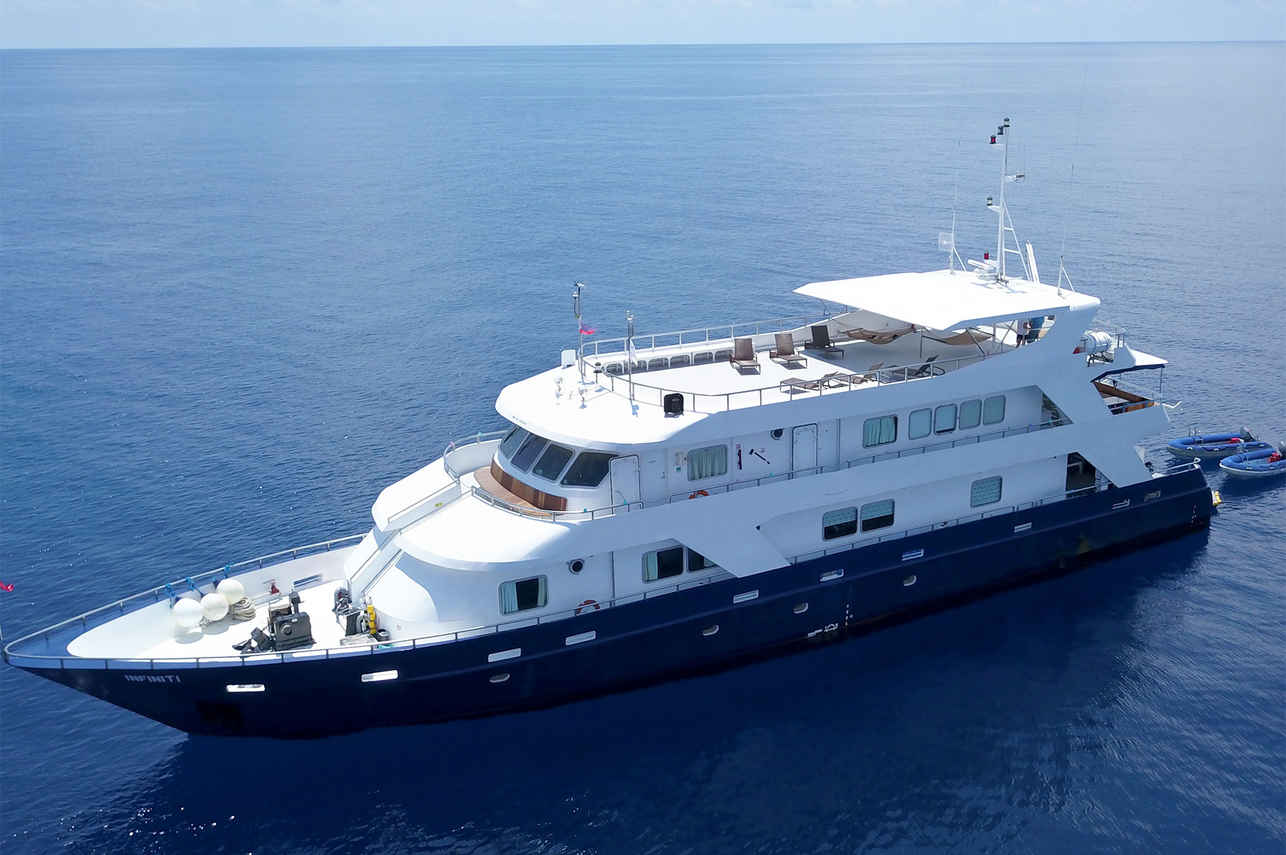
Infiniti
Philippines
25 guests39 m
$280/day
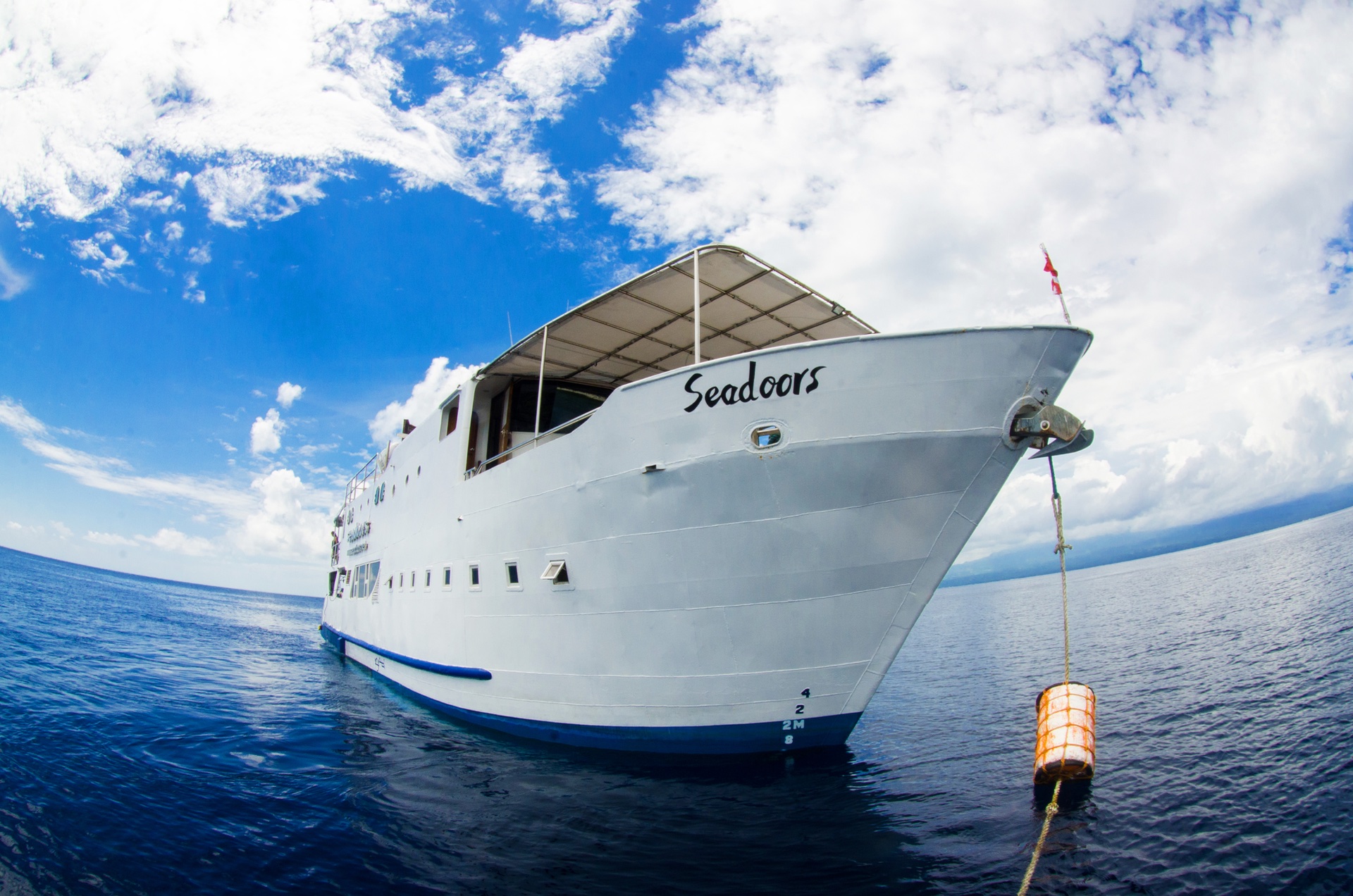
Seadoors
Philippines
16 guests25 m
$335/day
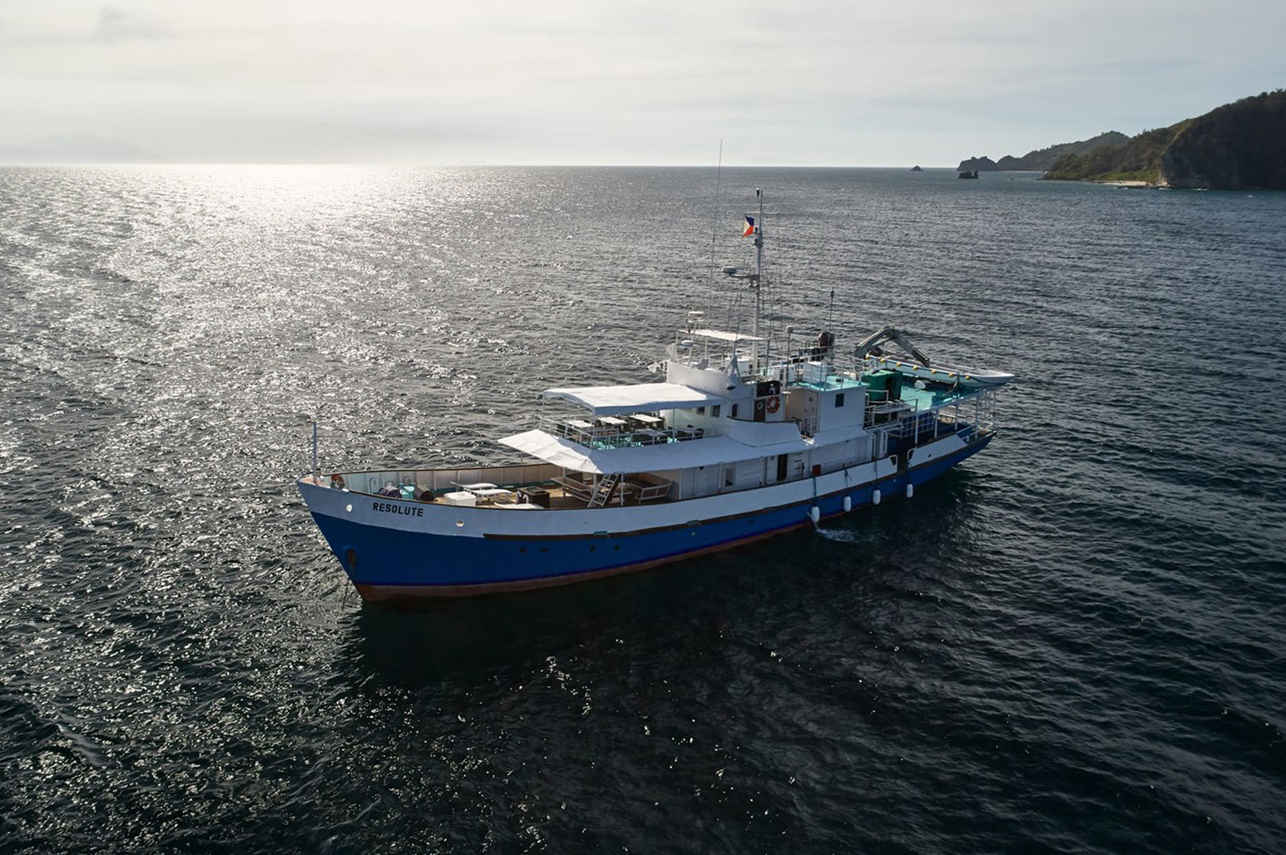
Resolute
Philippines
16 guests34.6 m
$314/day
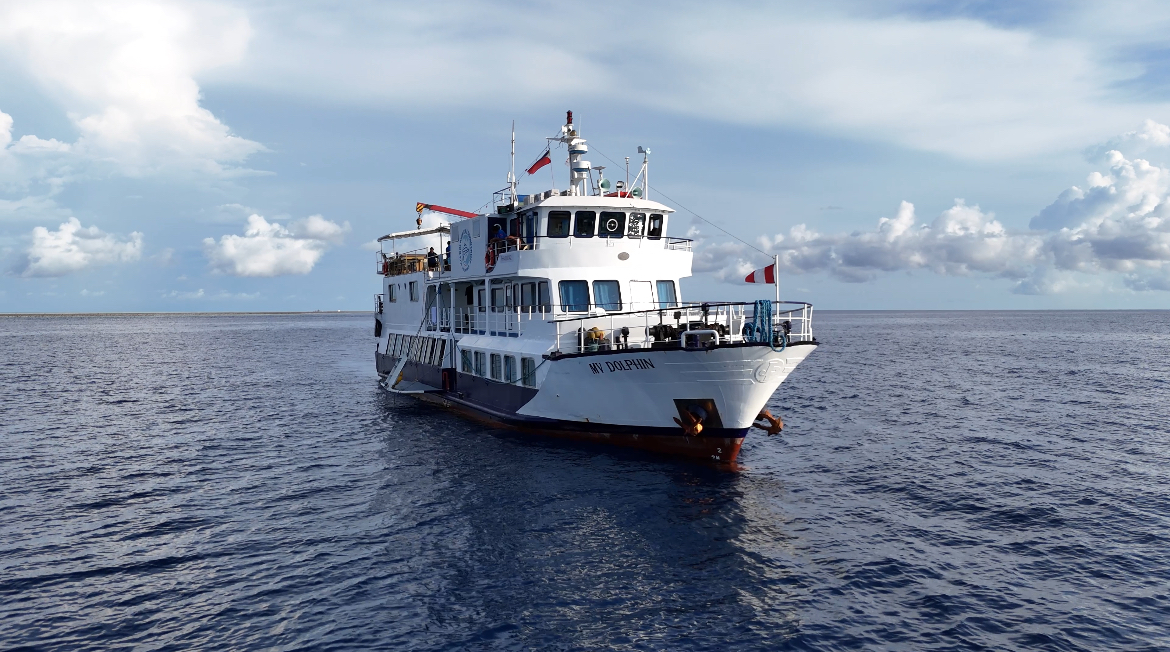
Dolphin
Philippines
18 guests31 m
$326/day
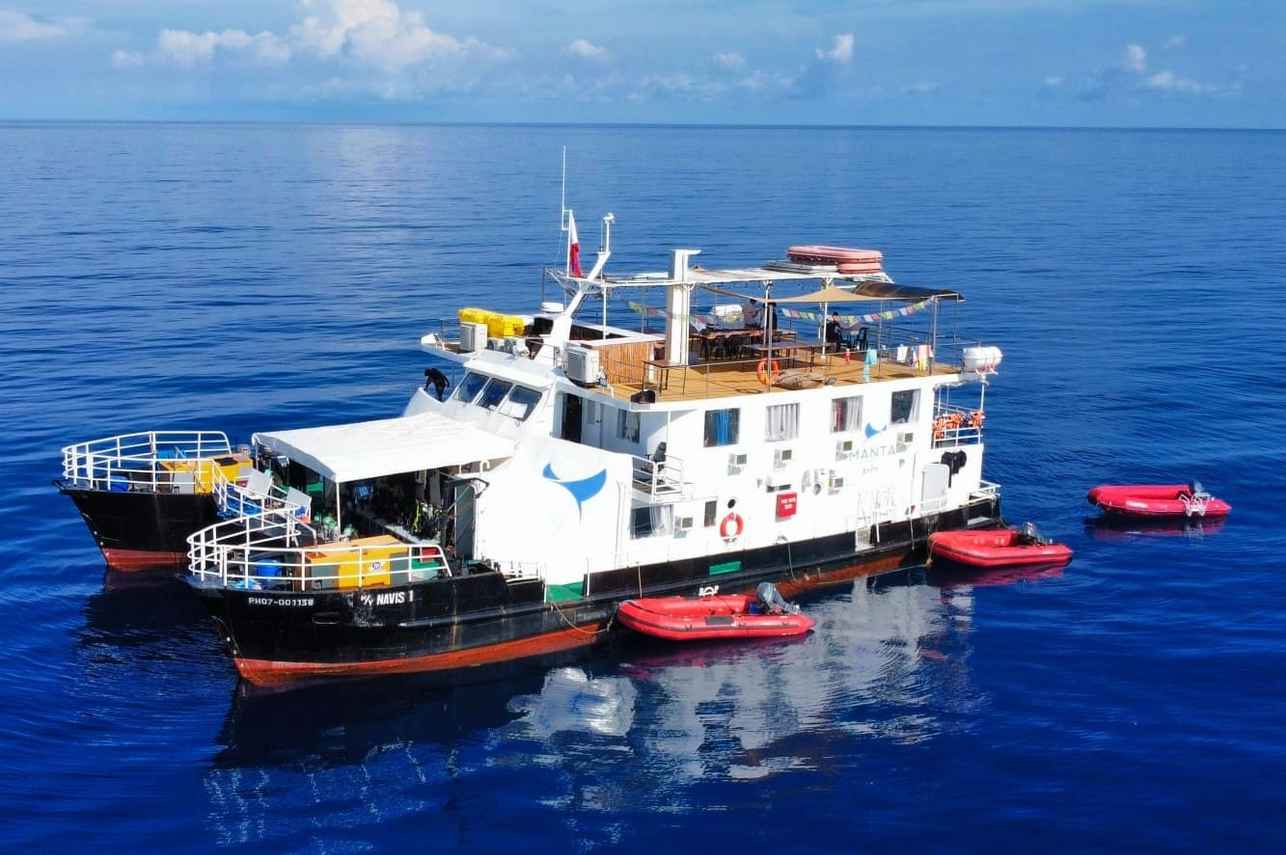
Navis 1
Philippines
22 guests23 m
$250/day
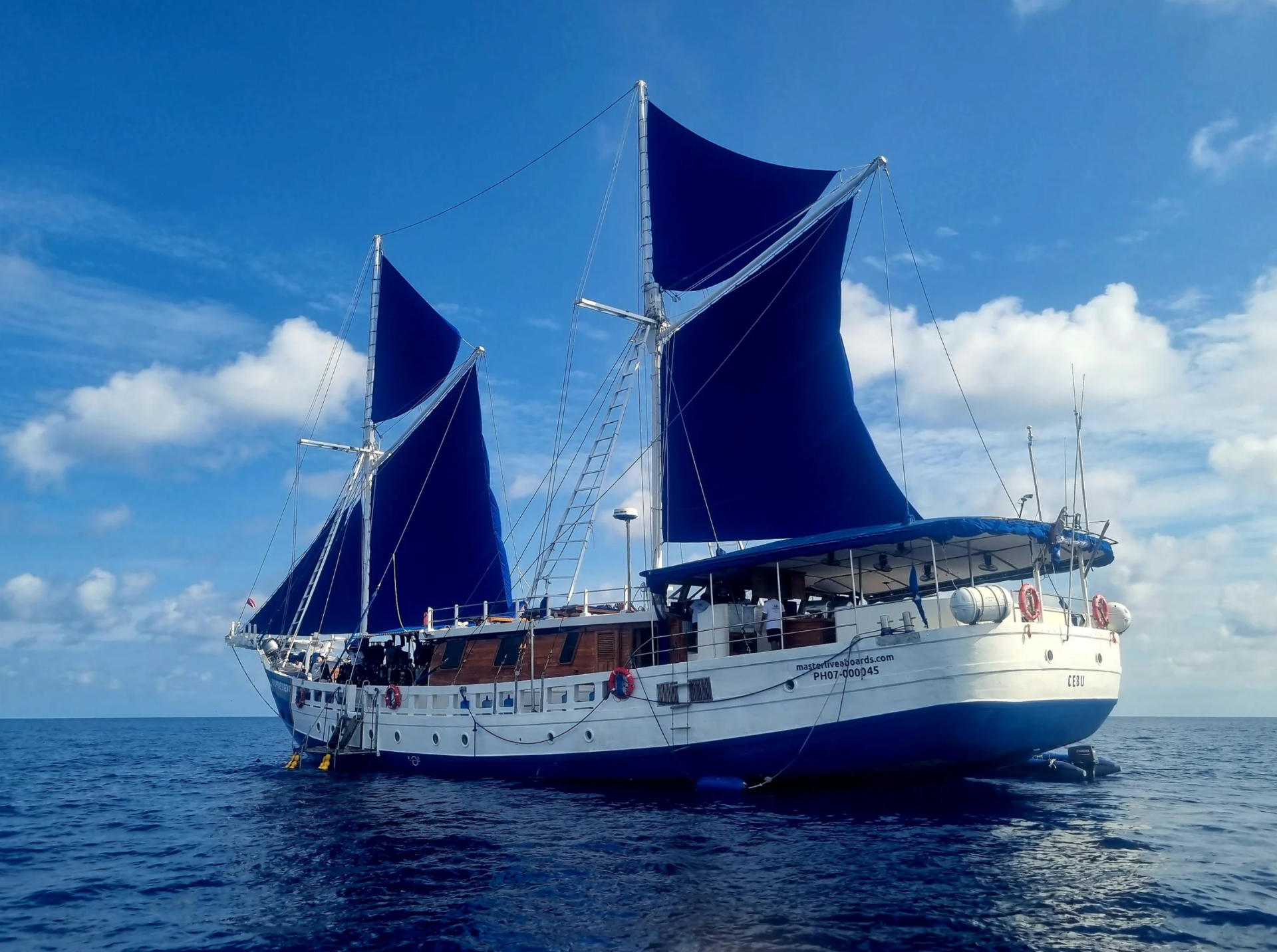
Philippine Siren
Philippines
16 guests
$309/day
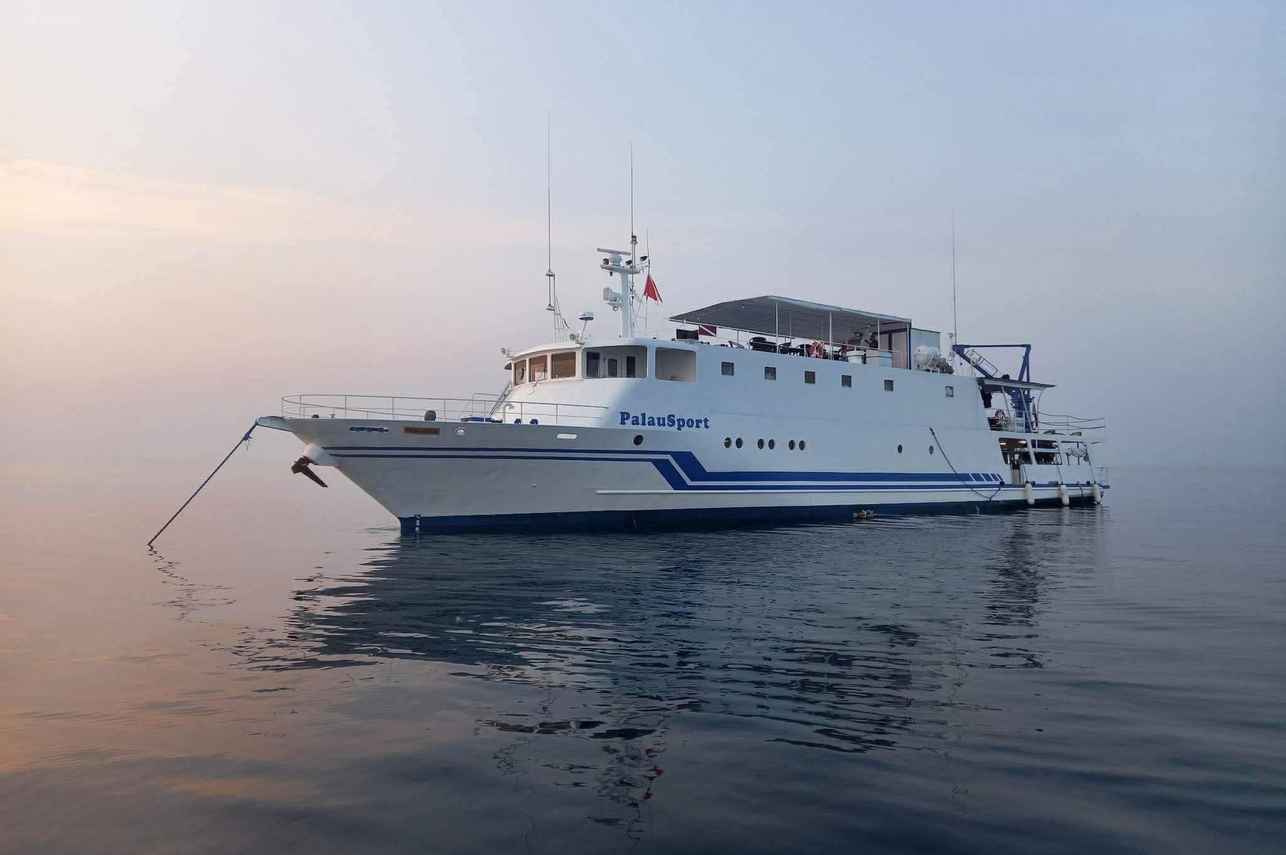
Palau Sport
Philippines
24 guests38.35 m
$215/day
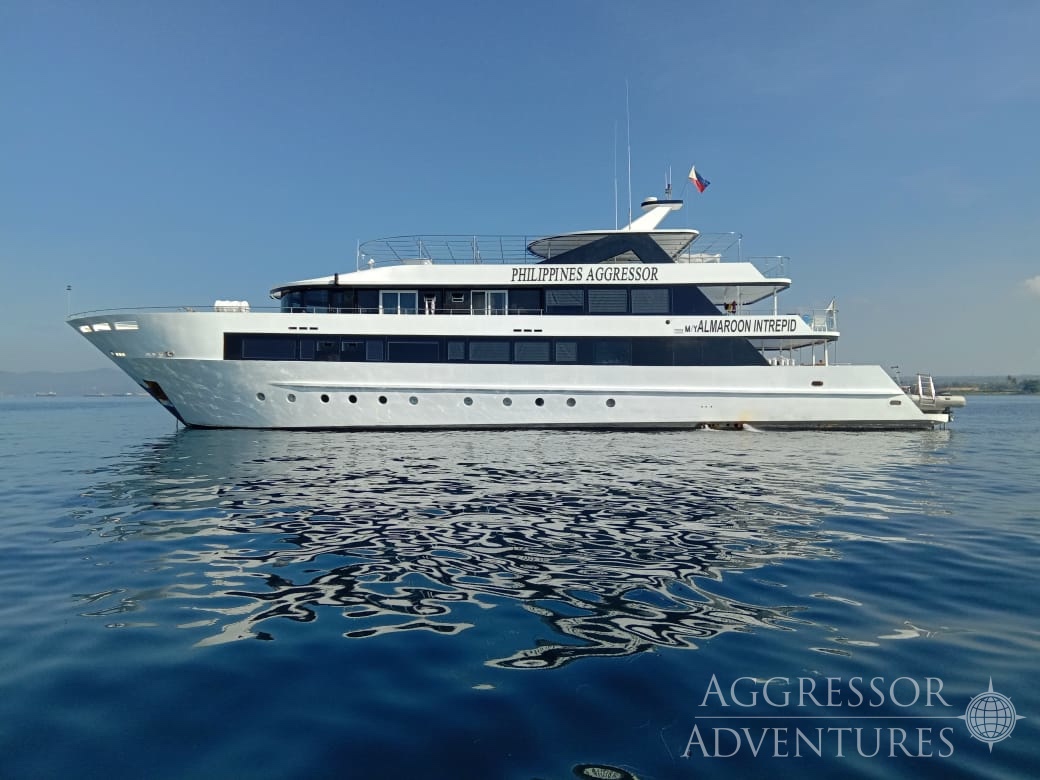
Philippines Aggressor
Philippines
26 guests42.7 m
$381/day
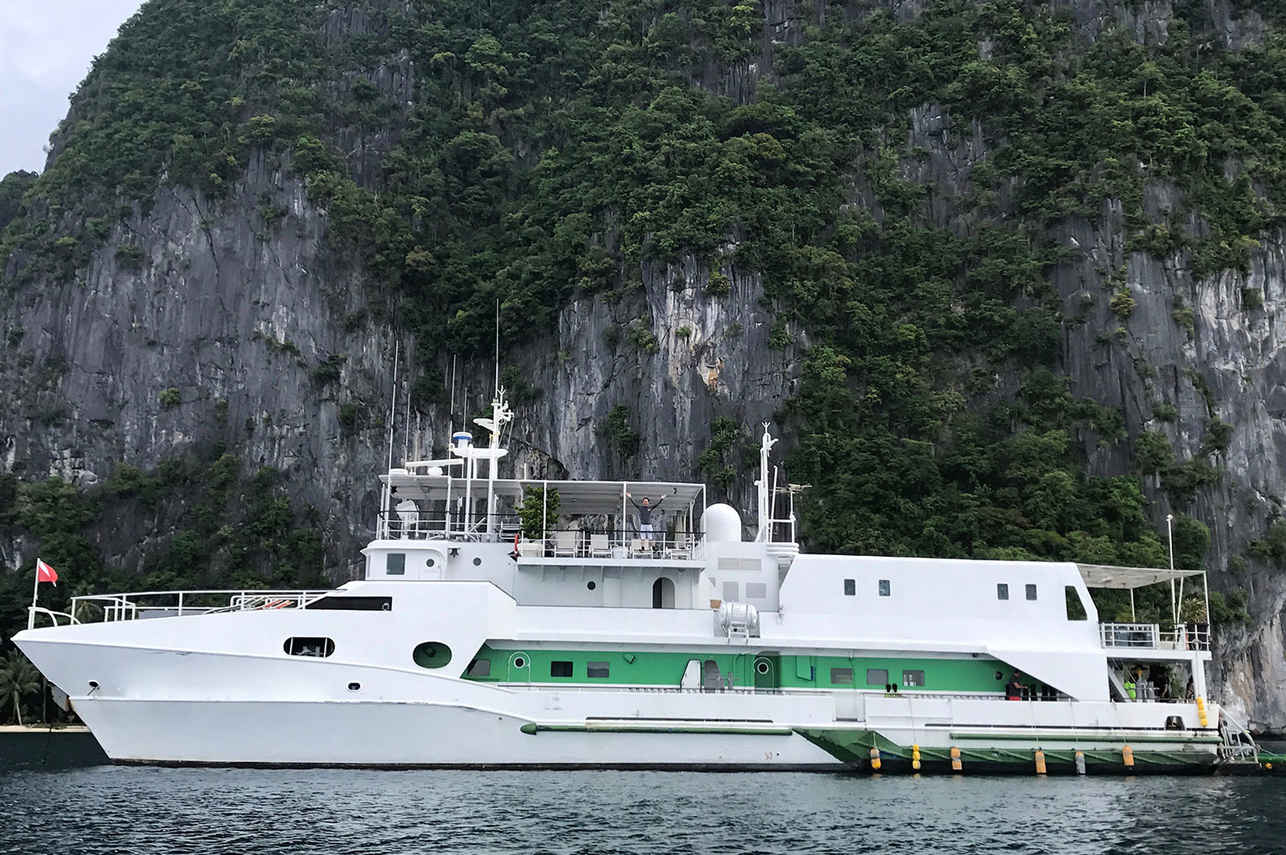
Stella Maris Explorer
Philippines
20 guests33 m
$398/day
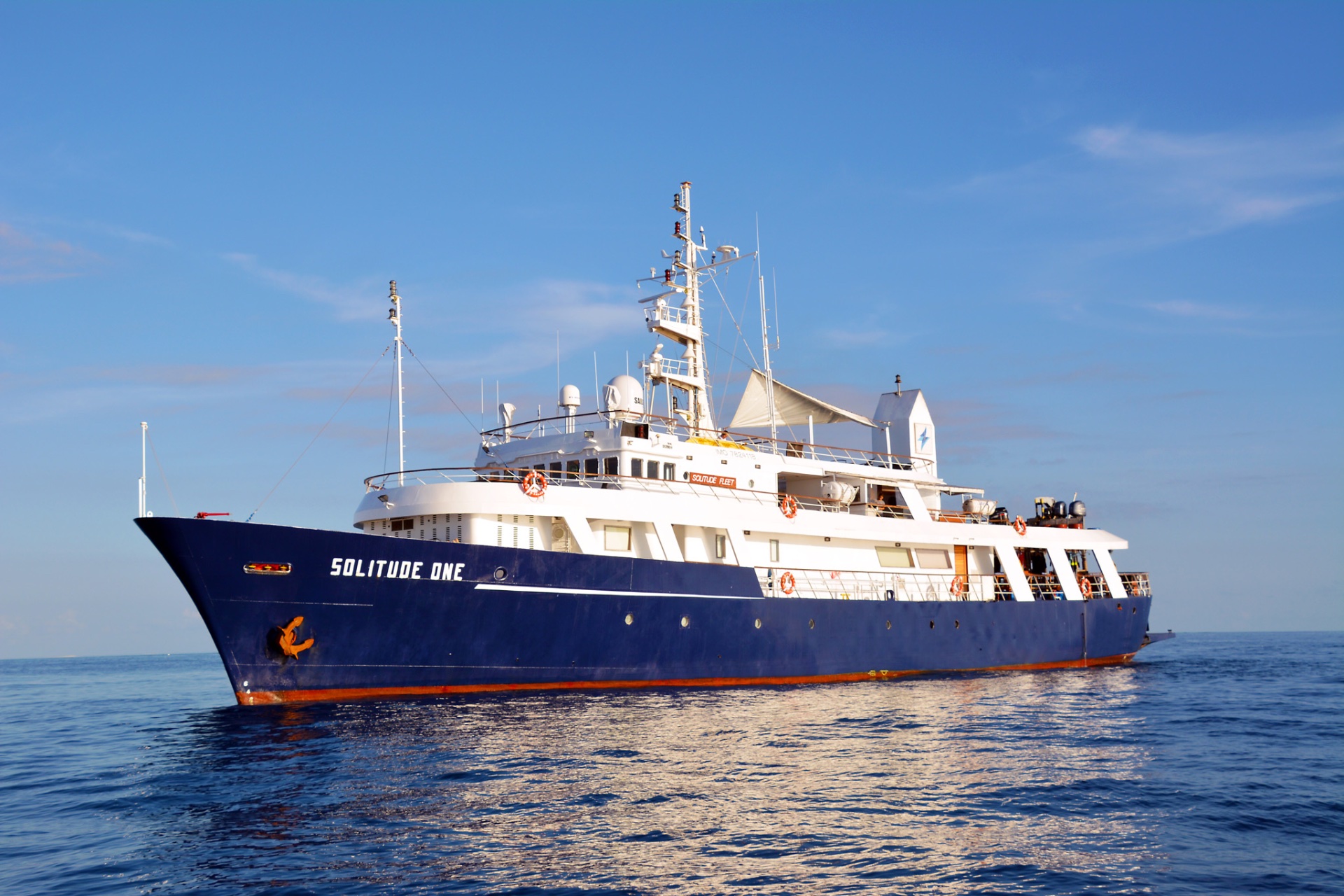
Solitude One
Philippines
24 guests52 m
$460/day
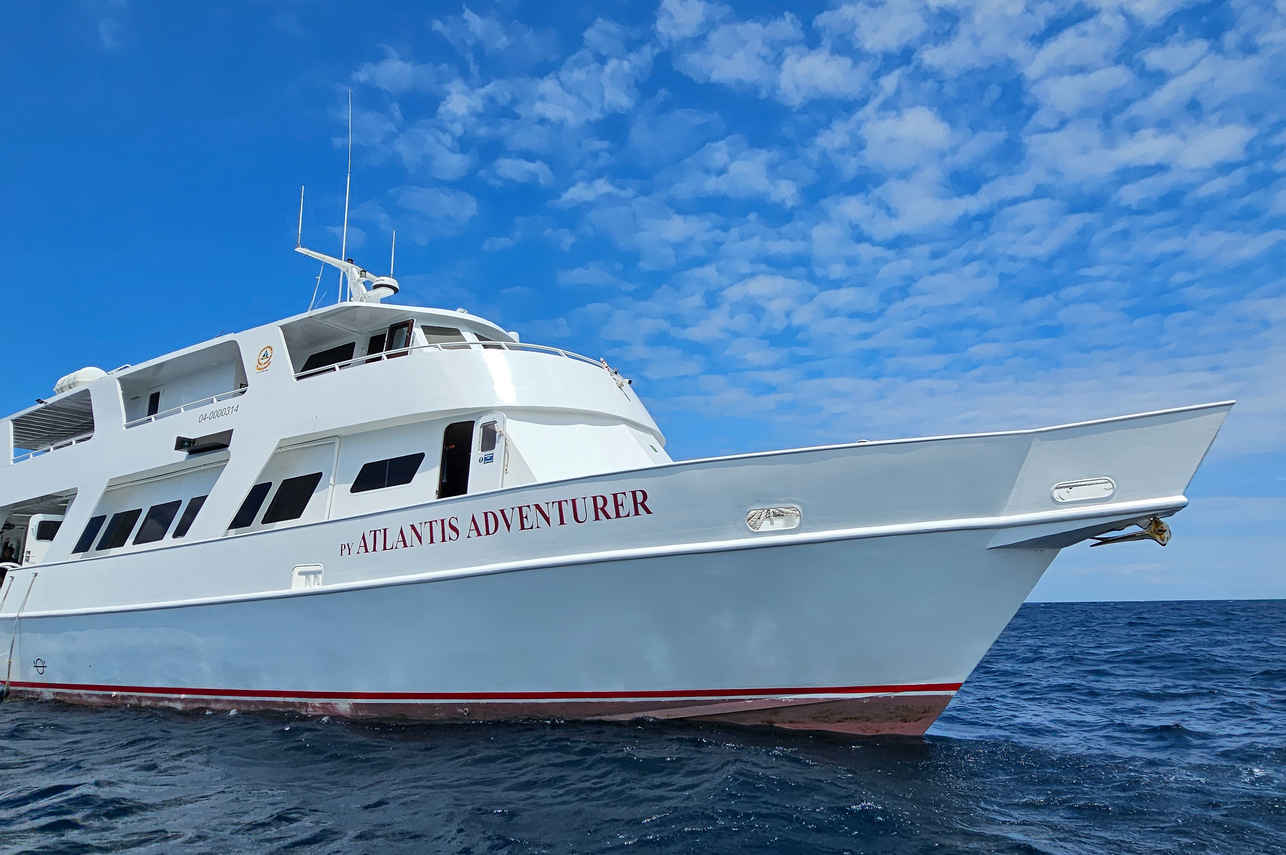
Atlantis Adventurer
Philippines
16 guests32.5 m
$421/day
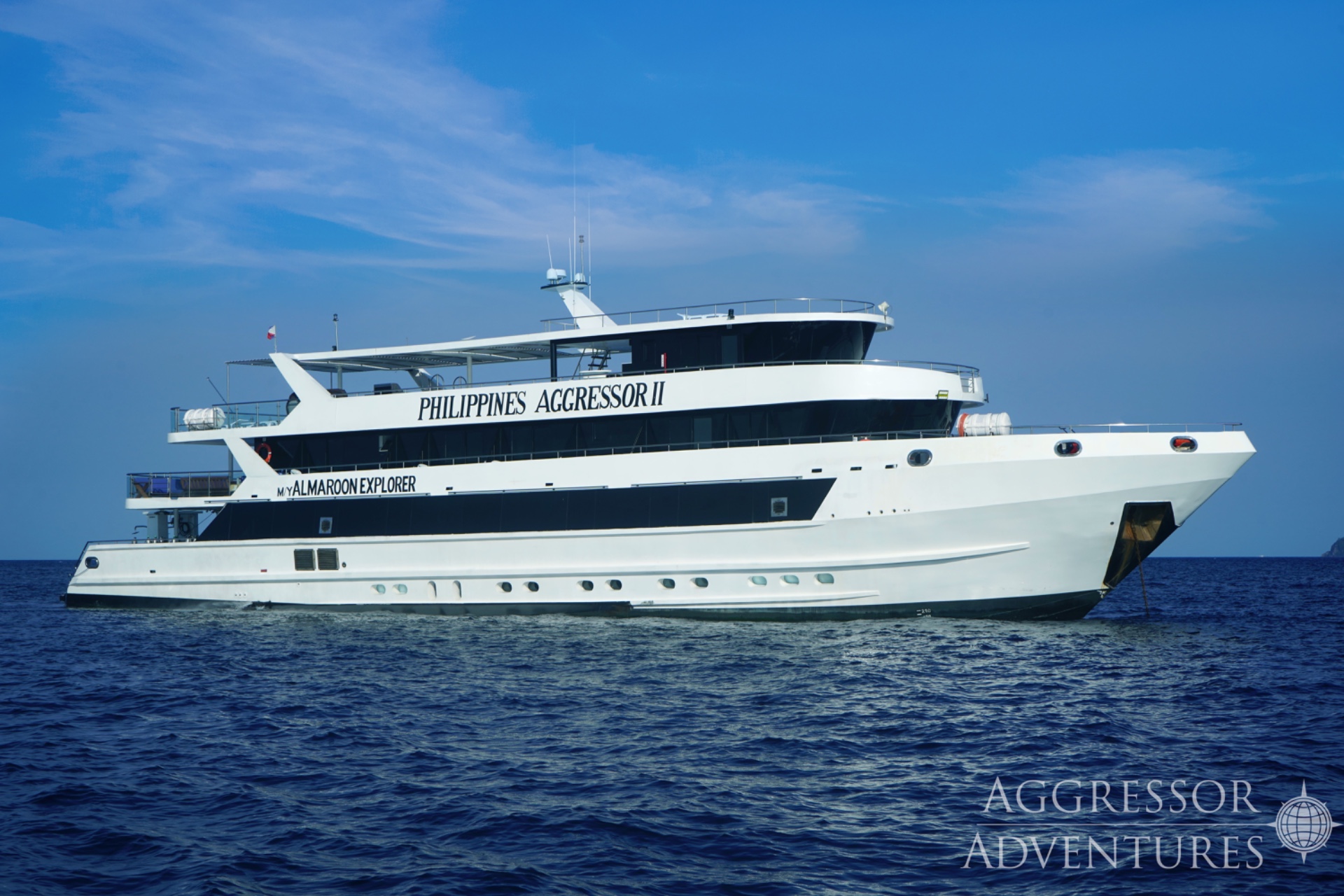
Philippines Aggressor II
Philippines
26 guests42.7 m
$247/day
Dive sites similar to Tongo Sanctuary
Same character, same waters — six more sites divers love for the exact same reasons.Compare seasons, access and liveaboard routes — then pick the site that fits your trip best.
© Esri — Maxar, Earthstar, GIS
Big La Laguna
Philippines
Big La Laguna is a beach community situated on the western edge of the Sabang Peninsula, a popular dive region on Mindoro Island, Philippines.
- Suitable for
- Intermediate
- Current
- Moderate
- Access
- Dayboat
- Depth
- 5–35 m
- Theme
- Reef / Wall
© Esri — Maxar, Earthstar, GIS
Black Forest
Philippines
Black Forest is a premier dive site located off Balicasag Island, renowned for its exceptional marine biodiversity and distinct topography.
- Suitable for
- Intermediate
- Current
- Strong
- Access
- Liveaboard or dayboat
- Depth
- 10–30 m
- Theme
- Drift / Reef
© Esri — Maxar, Earthstar, GIS
Panagsama Beach
Philippines
Panagsama Beach, situated on a peninsula near Moalboal town in Cebu, serves as a central hub for diving activities in the region, boasting over 20 dive sites along its shoreline.
- Suitable for
- Intermediate
- Current
- Moderate
- Access
- Liveaboard or dayboat
- Depth
- ≤ 30 m
- Theme
- Reef / Wall
© Esri — Maxar, Earthstar, GIS
Binangaan Drop Off
Philippines
Binangaan Drop Off is a premier dive site within Apo Reef National Park, located off Occidental Mindoro in the Philippines.
- Suitable for
- Advanced
- Current
- Strong
- Access
- Liveaboard only
- Depth
- 10–40 m
- Theme
- Wall / Drift
© Esri — Maxar, Earthstar, GIS
Olympia Maru
Philippines
The Olympia Maru is a prominent Japanese cargo ship wreck from World War II, located within Coron Bay, Philippines.
- Suitable for
- Intermediate
- Current
- Mild
- Access
- Dayboat
- Depth
- 17–24 m
- Theme
- Wreck / Reef
© Esri — Maxar, Earthstar, GIS
Balinghai Wall
Philippines
Balinghai Wall is a notable dive site located on the northwest side of Boracay, known for its accessible wall and coral slope formations.
- Suitable for
- Intermediate
- Current
- Mild
- Access
- Dayboat
- Depth
- 8–24 m
- Theme
- Wall / Reef