About Tulamben Drop-Off
Tulamben Drop-Off, located along the southern edge of Tulamben Bay, offers a dramatic wall diving experience in Bali. This site stands out due to its unique geological formation, a steep underwater cliff created by ancient lava flows from Mount Agung's eruption. It begins in shallow water and plummets to significant depths, providing a varied dive profile for different experience levels. The wall itself is a vibrant canvas, extensively covered with an impressive array of corals, sponges, and large gorgonian sea fans. This rich ecosystem supports a thriving community of marine life. Divers can explore the various ledges and overhangs that provide shelter for smaller creatures, as well as observe the deeper sections of the wall. Marine life includes reef fish species such as pufferfish, Napoleon wrasse, and angelfish, with diverse varieties like blue-striped and emperor angelfish. With a keen eye, you might spot octopuses, lionfish, scorpionfish, cuttlefish, and moray eels camouflaged among the reef. Occasionally, reef sharks patrol the deeper blue, and schools of big-eye trevally can be encountered in the shallows. The site is a shore entry, accessible to various diver certifications, from beginners to technical divers, allowing most to explore comfortably to a maximum depth of 30 meters, though the wall extends much further. Diving at the Drop-Off typically involves a shore entry, followed by a short swim to the main wall. Currents are generally moderate along the wall, but good buoyancy control is essential, especially given the excellent visibility that can sometimes make depth perception challenging. Dive guides are highly recommended to help spot elusive species and navigate the site effectively.
Highlights
Dramatic volcanic wall formationAbundant soft and hard coralsLarge gorgonian sea fansNapoleon wrasse sightingsVariety of angelfish speciesElusive octopus and cuttlefishSchools of big-eye trevally
Season calendar
Best months to dive here
Jan
Feb
Mar
Apr
May
Jun
Jul
Aug
Sep
Oct
Nov
Dec
Excellent
Good
Dive site facts: Tulamben Drop-Off
- Depth
- 1–70 m (typically 1–30 m)
- Typical dive
- 10–30 m, 50–60 min
- Current
- Mild to moderate
- Visibility
- 15–30 m
- Water temperature
- 27–29 °C
- Entry
- Shore
- Level
- Open Water Diver
- Dive type
- Wall, coral reef, wide angle, macro
- Night dive
- Possible
- Region / port
- Tulamben, Bali
- Coordinates
- -8.273, 115.595
Conditions & Currents
Currents at Tulamben Drop-Off are generally moderate, typically sweeping along the wall rather than directly into it. This allows for comfortable drift dives along the extensive wall. Entry is from the shore, requiring a short swim to reach the main drop-off. Visibility is often excellent, frequently exceeding 30 meters, which can sometimes lead to disorientation regarding depth, especially for less experienced divers. Maintaining precise buoyancy control and regularly checking depth gauges are crucial. While surge is not a primary concern, the presence of currents necessitates attentive diving and proper gas planning. The site's conditions are generally suitable for a wide range of diver certifications, from beginner to advanced, though deeper sections require appropriate training.
Marine life & sighting chances

Emperor angelfish
common
Yellow-faced angelfish
commonBlue-banded angelfish
commonDuke fish
common
Trevally
common
Bumphead parrotfish
common
Reef shark
occasionalAngelfish
common
Parrotfish
common
Surgeonfish
common
Blue-spotted stingrays
occasional
Groupers
occasional
Black-tip reef sharks
occasionalDive profile & how the dive runs
Your dive at Tulamben Drop-Off begins with an easy shore entry, typically walking directly into the water. Descend along the black sandy slope, which quickly transitions into the dramatic vertical wall that characterizes this site. The route usually involves drifting gently along the wall, exploring the vibrant coral, sponges, and sea fans that cover its face. Depths can range significantly, but most recreational dives stay within the 10-30 meter range to maximize bottom time and enjoy the rich reef life. Keep an eye out for angelfish and other reef fish among the corals, and schools of trevally or bumphead parrotfish in the blue. The dive typically progresses with the wall on your right shoulder, following its contours and overhanging rock formations. The turn point is determined by air consumption and bottom time, after which you'll gradually ascend, performing your safety stop in the shallower, coral-rich areas near the shore.
Underwater photography
Tulamben Drop-Off offers excellent opportunities for both wide-angle and macro photography. For capturing the sheer scale and impressive coral coverage of the wall, a wide-angle lens is ideal. You can highlight the dramatic drops and schooling fish like trevally and bumphead parrotfish. To bring out the vibrant colors of the corals and sponges, external strobes are highly recommended, especially at deeper sections. For macro enthusiasts, while the site is known for its larger features, diligent searching along the wall's crevices and coral formations can reveal smaller critters. Patience and good buoyancy are crucial to avoid damaging the delicate corals and to get clear shots of fast-moving reef fish. Remember to maintain a respectful distance from marine life and avoid disturbing their natural behavior.
Combine with nearby dive sites
- USAT Liberty Wreck
A famous WWII wreck teeming with marine life, often combined with Drop-Off dives.
- Coral Garden
A shallow site with extensive coral growth and artificial reef structures.
- Seraya Secrets
Renowned for muck diving and macro photography opportunities.
- Kubu Reef
Features a black sand slope with garden eels and diverse corals.
- Batu Kelebit
Known for clear waters and pelagic sightings, with a mix of coral and volcanic rock.
Getting there & logistics
Accessing Tulamben Drop-Off is straightforward, typically via a 2.5-3 hour private transfer from Ngurah Rai International Airport (DPS) in Denpasar. Many dive resorts and centers are located directly on the shoreline, offering convenient shore entries. Most dive trips to Tulamben, including dives at the Drop-Off, are part of multi-day packages or day trips from other areas of Bali. There are no specific park fees for diving this site, but dive operator costs apply. A common itinerary includes combining the Drop-Off with the USAT Liberty Wreck and Coral Garden, allowing divers to experience the diverse underwater landscapes of the Tulamben area within a single day or a multi-day stay.
Safety & environment
Diving at Tulamben Drop-Off is generally considered safe, with mild to moderate currents. However, divers should always be aware of their depth and air consumption, especially on a wall dive that descends beyond recreational limits. The nearest hyperbaric chamber is located in Denpasar, approximately 2.5-3 hours away, making comprehensive dive insurance essential for all divers. Maintain good buoyancy control to protect the fragile coral formations on the wall and avoid contact with any potentially stinging marine life. Always dive with a reputable dive center and follow your guide's instructions for a safe and enjoyable experience.
Who it suits — and who it doesn't
Suited for
- Open Water divers
- Multi-level dive enthusiasts
- Underwater photographers (wide-angle and macro)
- Divers seeking easy shore access
- Those who enjoy dramatic wall topography
Less suited for
- Divers uncomfortable with greater depths (beyond 30m)
- Divers seeking exclusively pelagic encounters
- Those who prefer boat diving only
- Divers who struggle with buoyancy control
FAQ
Tulamben Drop-Off FAQ
What kind of marine life can I expect to see at Tulamben Drop-Off?
At Tulamben Drop-Off, you can expect to encounter abundant reef fish, including various species of angelfish like emperor, yellow-faced, and blue-banded angelfish. Large schools of trevally and bumphead parrotfish are common sightings. Occasionally, you might spot reef sharks patrolling the deeper sections and blue-spotted stingrays closer to the reef.
Is Tulamben Drop-Off suitable for beginner divers?
Yes, Tulamben Drop-Off is generally suitable for Open Water certified divers. The site features an easy shore entry, and while the wall plunges deep, most recreational dives stay within the 10-30 meter range. Currents are typically mild to moderate, making it a manageable and enjoyable experience for less experienced divers.
What are the typical diving conditions at Tulamben Drop-Off?
Diving conditions at Tulamben Drop-Off are usually favorable year-round. Water temperatures average between 27-29°C, and visibility is often excellent, ranging from 15 to 30 meters. Currents are generally mild to moderate, providing a comfortable drift dive along the wall. The dry season (April-October) offers the calmest surface conditions.
Can I combine a dive at Tulamben Drop-Off with other sites?
Yes, Tulamben Drop-Off is frequently combined with other famous dive sites in the area. It is very common to dive the Drop-Off as part of a multi-dive day that also includes the iconic USAT Liberty Wreck and the vibrant Coral Garden, allowing you to experience the diverse underwater attractions of Tulamben.
Is shore entry common for this dive site?
Yes, shore entry is the standard and most convenient way to access Tulamben Drop-Off. Many dive centers are situated directly on the beach, allowing divers to walk directly into the water and begin their descent. This easy access contributes to the site's popularity and makes it ideal for multiple dives.
Why dive Tulamben Drop-Off from a liveaboard?
Tulamben Drop-Off is one of Bali's signature dive sites. A liveaboard sleeps you on the water and puts you in the water for three to four guided dives per day, including dawn and night dives that day-boat operators rarely offer. You skip the daily commute back to port and reach quieter, less-crowded sites in the same region on a single trip.
Below are the liveaboards that include Tulamben Drop-Off on their Bali itineraries.
Liveaboards diving Tulamben Drop-Off
These liveaboards may visit Tulamben Drop-Off on selected itineraries — the exact dive sites depend on departure, weather and conditions.
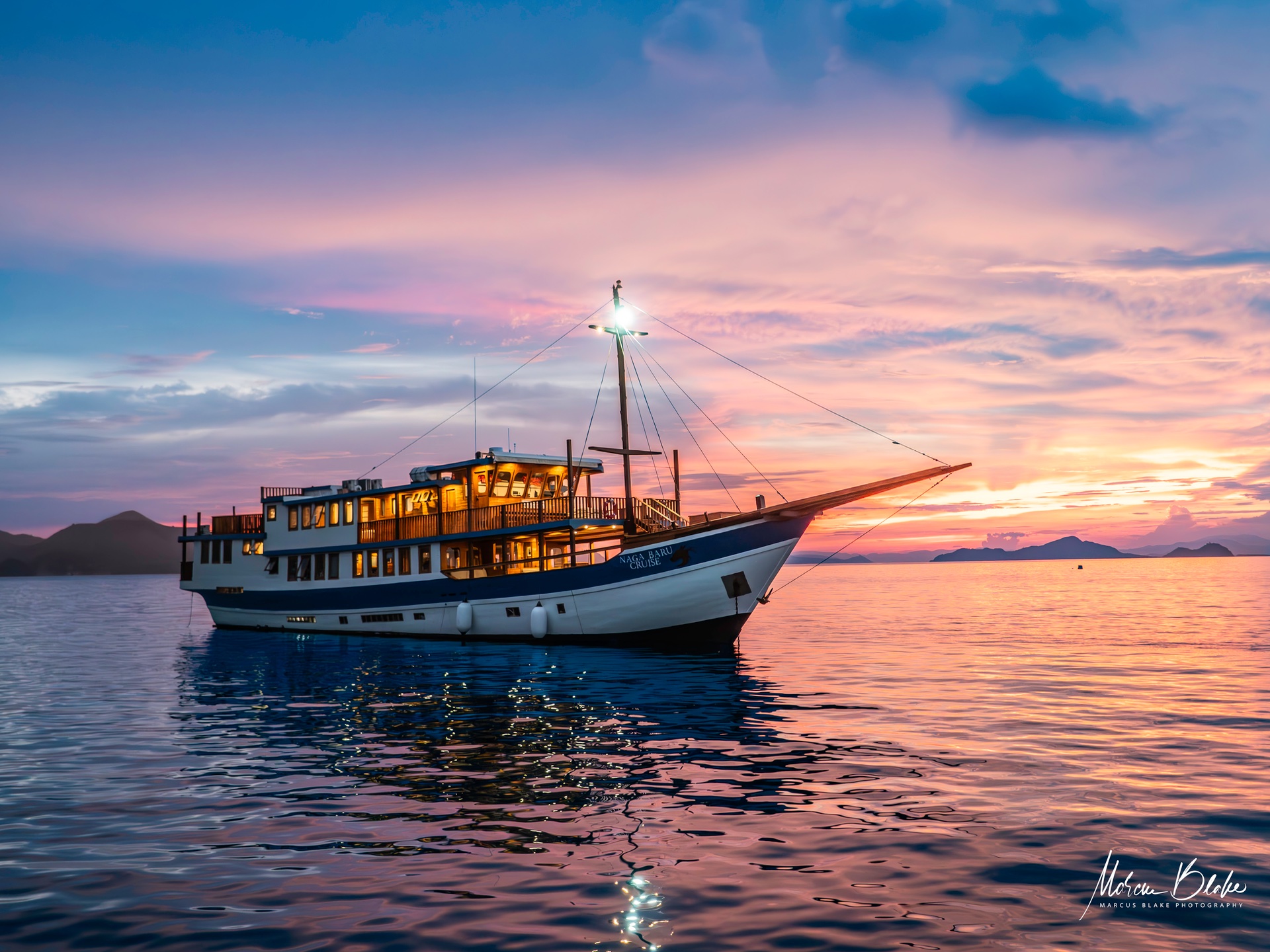
Naga Biru
Indonesia
12 guests40 m
$273/day
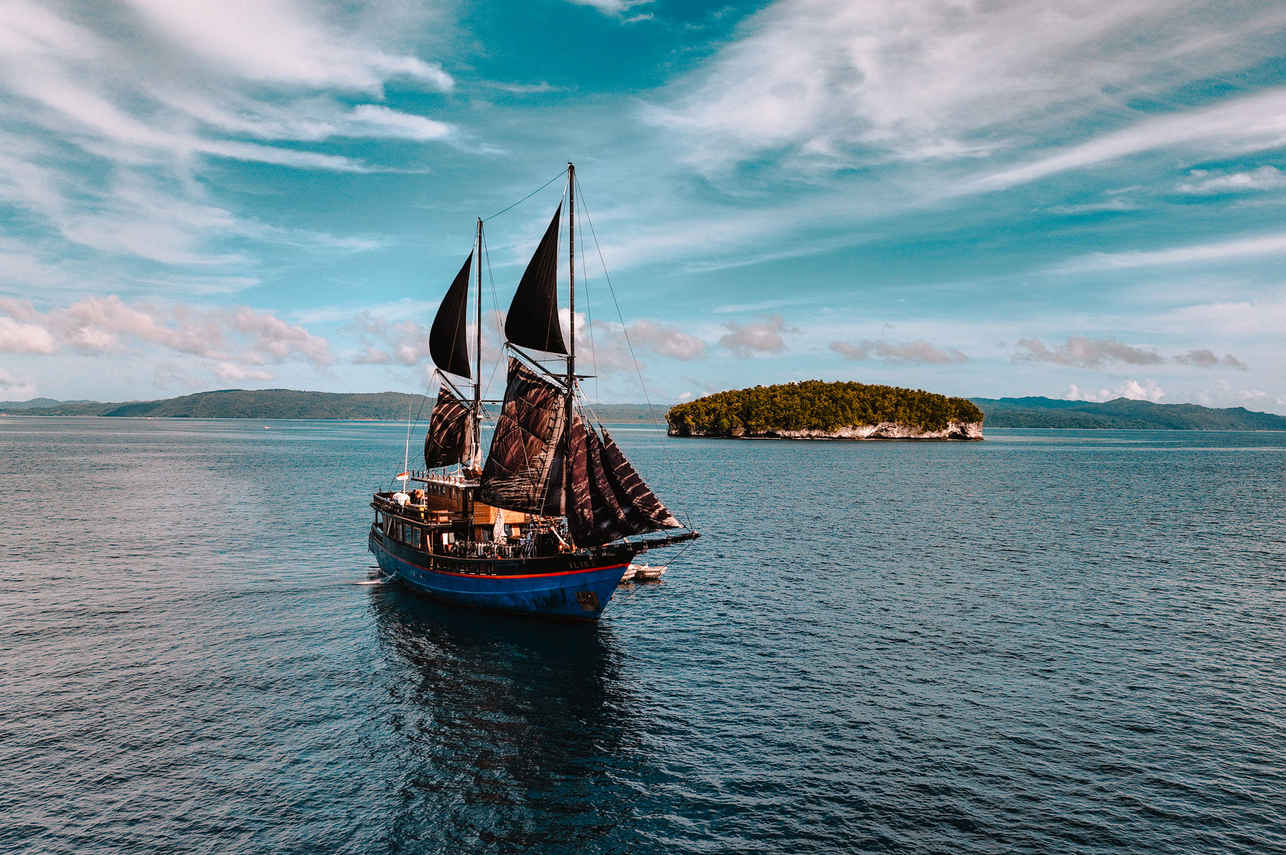
Ilike
Indonesia
16 guests40 m
$350/day
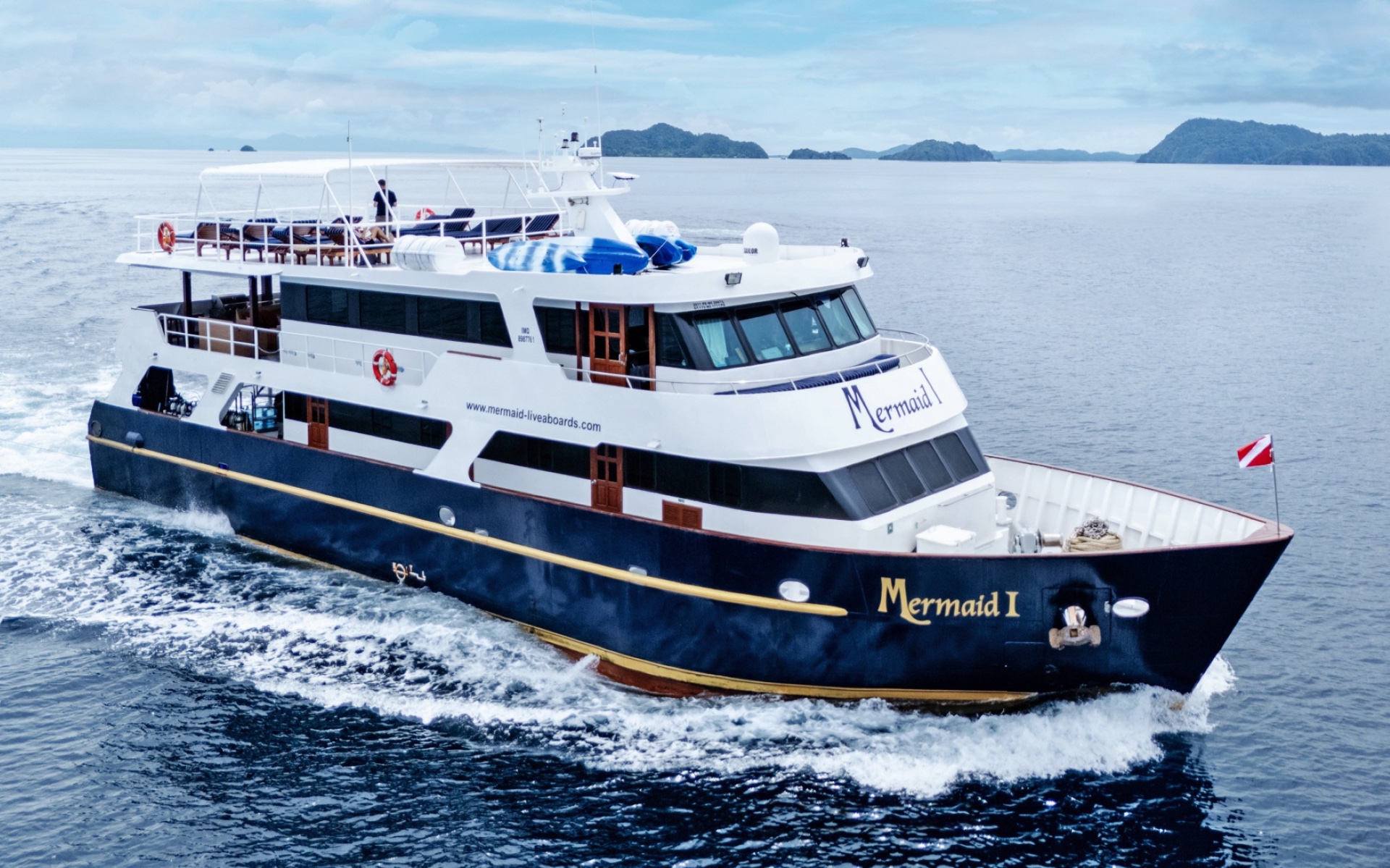
Mermaid I
Alor
15 guests28 m
$478/day
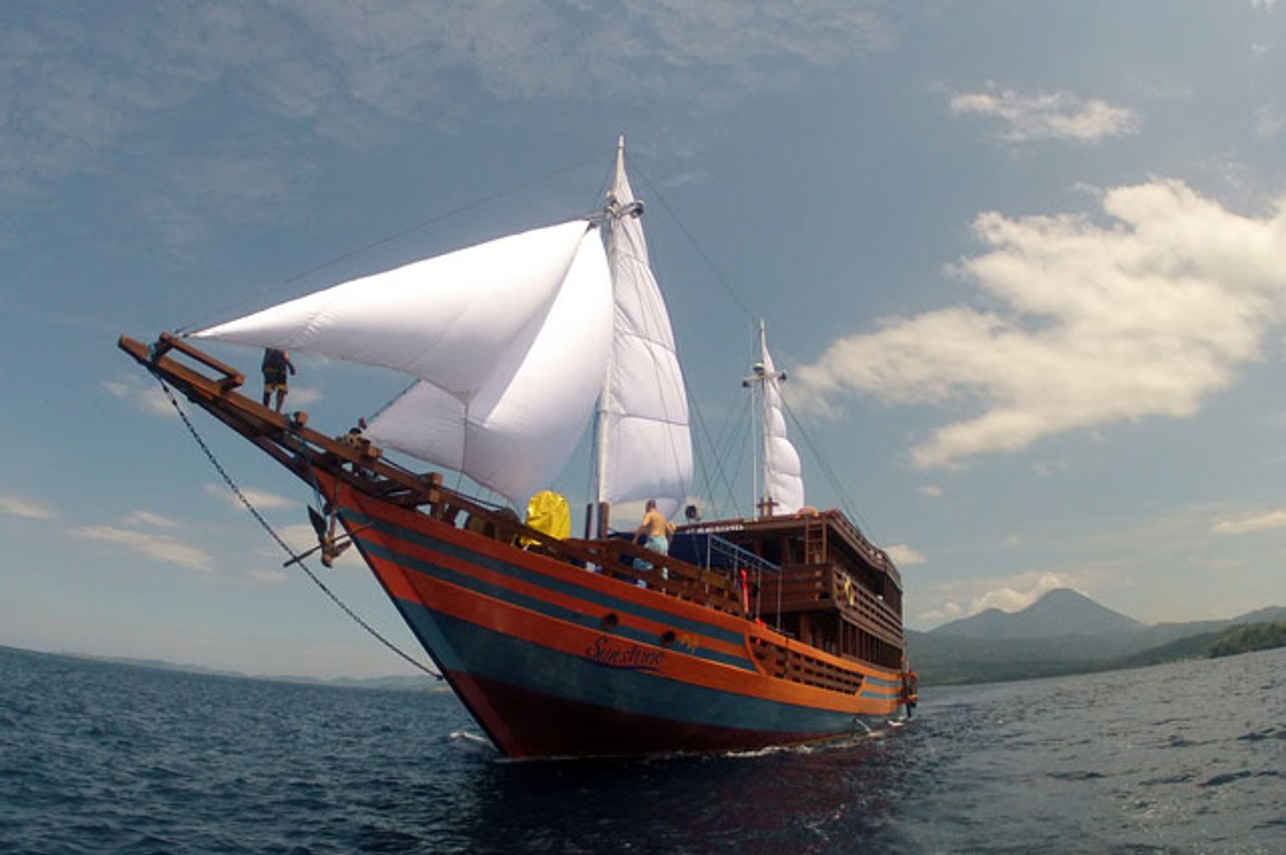
Sunshine Liveaboard
Indonesia
10 guests31 m
$191/day
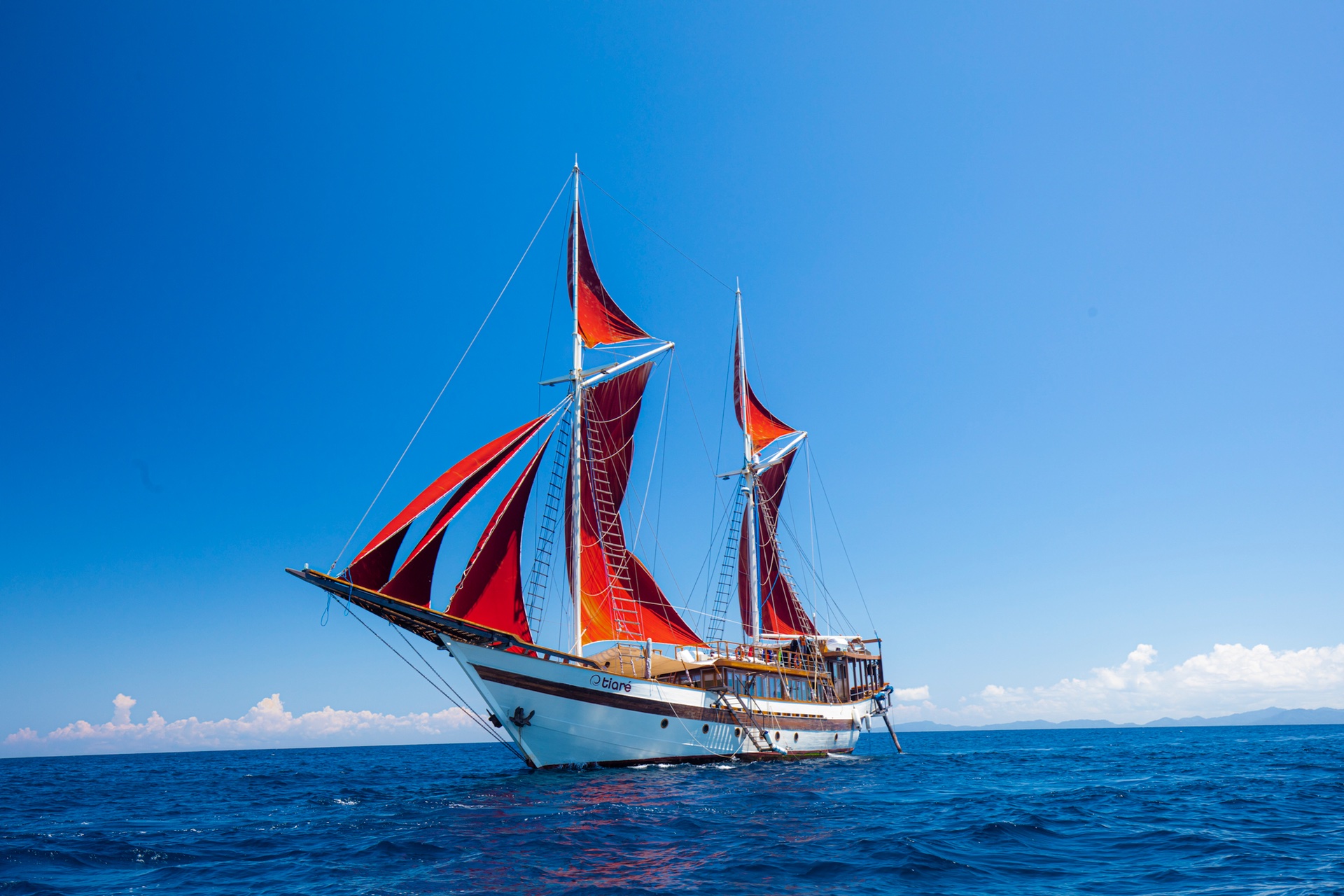
Tiare Cruise
Indonesia
12 guests36.5 m
$473/day
Dive sites similar to Tulamben Drop-Off
Same character, same waters — six more sites divers love for the exact same reasons.Compare seasons, access and liveaboard routes — then pick the site that fits your trip best.
© Esri — Maxar, Earthstar, GIS
Batununggul
Bali
Batununggul, also known as Suana or Batumulapan by some operators, is a dynamic wall and sloping reef dive site situated on the eastern side of Nusa Penida, Bali.
- Suitable for
- Advanced
- Current
- Strong
- Access
- Liveaboard or dayboat
- Depth
- 10–40 m
- Theme
- Wall
© Esri — Maxar, Earthstar, GIS
Gili Tepekong
Bali
Gili Tepekong is one of three volcanic islets situated off the coast of Amuk Bay, near Padang Bai and Candidasa in East Bali.
- Suitable for
- Advanced
- Current
- Strong
- Access
- Liveaboard or dayboat
- Depth
- 10–40 m
- Theme
- Cave & cavern / Drift
© Esri — Maxar, Earthstar, GIS
Dream Wall
Bali
Dream Wall is one of Menjangan Island's premier dive sites, located within the protected West Bali National Park marine area.
- Suitable for
- Beginner
- Current
- Mild
- Access
- Dayboat
- Depth
- 10–60 m
- Theme
- Wall / Reef
© Esri — Maxar, Earthstar, GIS
Gili Selang
Bali
Gili Selang is a small island located off Bali's easternmost tip, forming a striking geological feature at the foot of Mount Seraya.
- Suitable for
- Advanced
- Current
- Strong
- Access
- Liveaboard or dayboat
- Depth
- 4–50 m
- Theme
- Drift / Wall
© Esri — Maxar, Earthstar, GIS
Anker Wreck
Bali
The Anker Wreck, sometimes referred to as Angker Wreck, is a small, historically significant wooden shipwreck located off Menjangan Island in the protected Bali Barat National Park.
- Suitable for
- Intermediate
- Current
- Mild
- Access
- Dayboat
- Depth
- 5–40 m
- Theme
- Wreck / Wall
© Esri — Maxar, Earthstar, GIS
Anchor Wreck
Bali
The Anchor Wreck is a celebrated dive site located off Menjangan Island, within the protected West Bali National Park.
- Suitable for
- Intermediate
- Current
- Moderate
- Access
- Dayboat
- Depth
- 4–40 m
- Theme
- Wall / Reef