About Batu Kelebit
Batu Kelebit is a captivating dive site located near Tulamben Bay in northeast Bali, a short 15-minute journey by local jukung (outrigger fishing boat). This site is celebrated for its stunning topography, featuring two prominent rocks just offshore that transition into a gently sloping reef, becoming more dramatic as depth increases. The dive unfolds across three steep ridges exquisitely adorned with a rich diversity of hard and soft corals, including fire and table corals, alongside numerous vibrant sea fans and sponges. Between these impressive ridges, channels of grey and white sand extend to depths of 25–40 meters. These sandy expanses are prime locations to spot schools of big-eyed trevallys, fire dartfish, gold-specs jawfish, starry puffers, and cuttlefish. The unique steepness of the site, combined with its ridge formations and plankton-rich waters, creates an environment where pelagic encounters are more frequent than in Tulamben Bay. Divers here often encounter barracudas, large tunas, white-tip reef sharks, turtles, and dogtooth tunas, with occasional sightings of manta rays and even the elusive mola-mola (ocean sunfish) at deeper levels. Batu Kelebit offers a distinct marine ecosystem compared to nearby Tulamben Bay, with different species of common reef fish thriving here. Currents can range from mild to quite strong, with occasional deceptive down currents, necessitating careful depth monitoring and staying close to the dive guide. The water temperature is often cooler, around 26°C, due to cold upwellings, and visibility typically ranges from 15 to 20 meters or better. This site is ideal for intermediate to advanced divers seeking diverse coral structures and the thrill of encountering larger marine life.
Highlights
Submerged pinnacleSchooling pelagicsReef shark encountersVibrant soft coralsAdvanced diving
Season calendar
Best months to dive here
Jan
Feb
Mar
Apr
May
Jun
Jul
Aug
Sep
Oct
Nov
Dec
Excellent
Good
Dive site facts: Batu Kelebit
- Depth
- 3–60+ m
- Typical dive
- 25 m average, 45–60 min
- Current
- Mild to strong
- Visibility
- 10–30 m
- Water temperature
- 25–30°C
- Entry
- Boat / shore (high tide)
- Level
- Advanced
- Dive type
- Wall, drift, deep
- Region / port
- Tulamben, Bali
- Coordinates
- -8.26, 115.598
Conditions & Currents
Batu Kelebit is known for occasional strong currents, which can make it a challenging dive site, better suited for advanced divers. While currents are often mild, divers should be prepared for varying strengths and directions, particularly at depth. This site demands attention to current planning, negative entry skills, and effective communication with dive leaders. Stronger currents can lead to excellent drift diving opportunities, but also require diligent buoyancy control and awareness of depth changes. Divers should be comfortable with currents to fully enjoy the site's rich marine life and dramatic topography.
Marine life & sighting chances

Scorpionfish
common
Southern Eagle Ray
occasional

Napoleon Wrasse
common
Reef Shark
occasional
Green Sea Turtle
occasional
Trevally
common
Barracuda
occasional
Nudibranchs
common
Shrimp
commonDive profile & how the dive runs
Dives at Batu Kelebit often begin with a boat entry, or a shore entry at high tide, leading to the deep coral walls. You'll typically descend along the wall, observing the vibrant coral and sponges that adorn it. The profile often involves exploring the various overhangs and deeper sections, where larger pelagic species may cruise by. Given the potential for currents, a drift dive is common, requiring divers to move with the flow while maintaining good buoyancy control. The turn point is usually dictated by air consumption and current direction, allowing for a gradual ascent along the reef. Safety stops are conducted in shallower, more protected areas of the reef or in the blue, depending on current conditions, before surfacing.
Underwater photography
Batu Kelebit offers diverse photographic opportunities, from wide-angle shots of its impressive coral walls and schooling fish to macro subjects hidden within the reef. For wide-angle photography, a fisheye or wide-angle lens will capture the grandeur of the deep walls and the expansive coral formations. When currents are present, stability is key, so consider using strobes to bring out vibrant colors, especially in deeper sections. Macro photographers will find plenty of critters like nudibranchs and shrimp in the intricate coral crevices, best captured with a dedicated macro lens and a snoot for precise lighting. Due to the deep nature and potential currents, excellent buoyancy control is essential to avoid disturbing the delicate ecosystem and to maintain stable shots.
Combine with nearby dive sites
- Tulamben Drop-Off
A dramatic wall dive plunging to over 70 meters, known for vibrant corals and reef fish.
- USAT Liberty Wreck
Iconic 120m WWII cargo ship, a teeming artificial reef accessible to all levels.
- Seraya Secrets
Premier muck diving site known for rare macro critters on black volcanic sand.
- Pyramids Amed
Artificial reef structures attracting diverse fish life, good for macro and wide-angle.
- Amed Wall
Shallow coral garden leading to a vibrant, deep wall, suitable for various skill levels.
Getting there & logistics
Access to Tulamben, the nearest dive hub for Batu Kelebit, is typically via Ngurah Rai International Airport (DPS) in Denpasar, Bali. From there, it's approximately a 2.5 to 3-hour drive to Tulamben. Dive operators in Tulamben offer day trips to Batu Kelebit, usually involving a boat transfer from the shore or other nearby dive sites like the Tulamben Drop Off. There are no specific marine park fees for this site, but dive packages generally include boat fees and guide services. Trips often combine Batu Kelebit with other Tulamben sites like the Liberty Wreck or the Drop Off to maximize dive time in the area.
Safety & environment
While diving Batu Kelebit, it is crucial to carry appropriate dive insurance that covers medical emergencies and evacuation, as the nearest recompression chamber is in Denpasar, requiring significant travel time. Due to the site's depth and potential for strong currents, advanced certification and experience are mandatory. Always dive with a reputable operator and follow your dive guide's instructions closely, especially regarding entry, exit, and current management. Maintain excellent buoyancy control to avoid damaging the fragile coral ecosystem and be aware of boat traffic if surfacing away from the designated entry/exit points. Emergency procedures and communication methods should be thoroughly reviewed before the dive.
Who it suits — and who it doesn't
Suited for
- Advanced divers comfortable with currents
- Technical divers
- Photographers (macro and wide-angle)
- Divers seeking large pelagic encounters
- Experienced drift divers
Less suited for
- Beginner divers
- Divers uncomfortable with strong currents
- Divers with limited deep diving experience
- Snorkelers or freedivers (due to depth and currents)
- Divers prone to seasickness on boat rides
FAQ
Batu Kelebit FAQ
What kind of marine life can I expect at Batu Kelebit?
Batu Kelebit boasts a rich diversity of marine life, including giant Napoleon wrasse, schooling humphead parrotfish, reef sharks, and green sea turtles. You'll also find numerous scorpionfish, eagle rays, and a variety of macro critters like nudibranchs and shrimp among the corals.
Is Batu Kelebit suitable for beginner divers?
No, Batu Kelebit is not recommended for beginner divers. Its deep coral walls, which extend beyond 60 meters, and the occasional presence of strong currents make it better suited for advanced divers with experience in deeper dives and varying current conditions.
How do I access the Batu Kelebit dive site?
Batu Kelebit is typically accessed by boat, often departing from nearby Tulamben dive centers. It can also be reached via a short 10-minute shore walk at high tide, usually from the Tulamben Drop Off area. Check with your dive operator for the most suitable access method on your dive day.
What are the typical dive conditions like at Batu Kelebit?
The average depth for recreational diving at Batu Kelebit is around 25 meters, with visibility ranging from 10 to 30 meters. Water temperatures usually hover between 25-30°C. While currents can be mild, they are often strong, making it an exciting drift dive, but requiring proper planning.
Can I combine a dive at Batu Kelebit with other sites?
Yes, dive operators frequently combine Batu Kelebit with other renowned dive sites in the Tulamben area to create a full day of diving. Popular combinations include the USAT Liberty Wreck or the Tulamben Drop-Off, allowing divers to experience the diverse underwater landscapes of the region.
Why dive Batu Kelebit from a liveaboard?
Batu Kelebit is one of Bali's signature dive sites. A liveaboard sleeps you on the water and puts you in the water for three to four guided dives per day, including dawn and night dives that day-boat operators rarely offer. You skip the daily commute back to port and reach quieter, less-crowded sites in the same region on a single trip.
Below are the liveaboards that include Batu Kelebit on their Bali itineraries.
Liveaboards diving Batu Kelebit
These liveaboards may visit Batu Kelebit on selected itineraries — the exact dive sites depend on departure, weather and conditions.
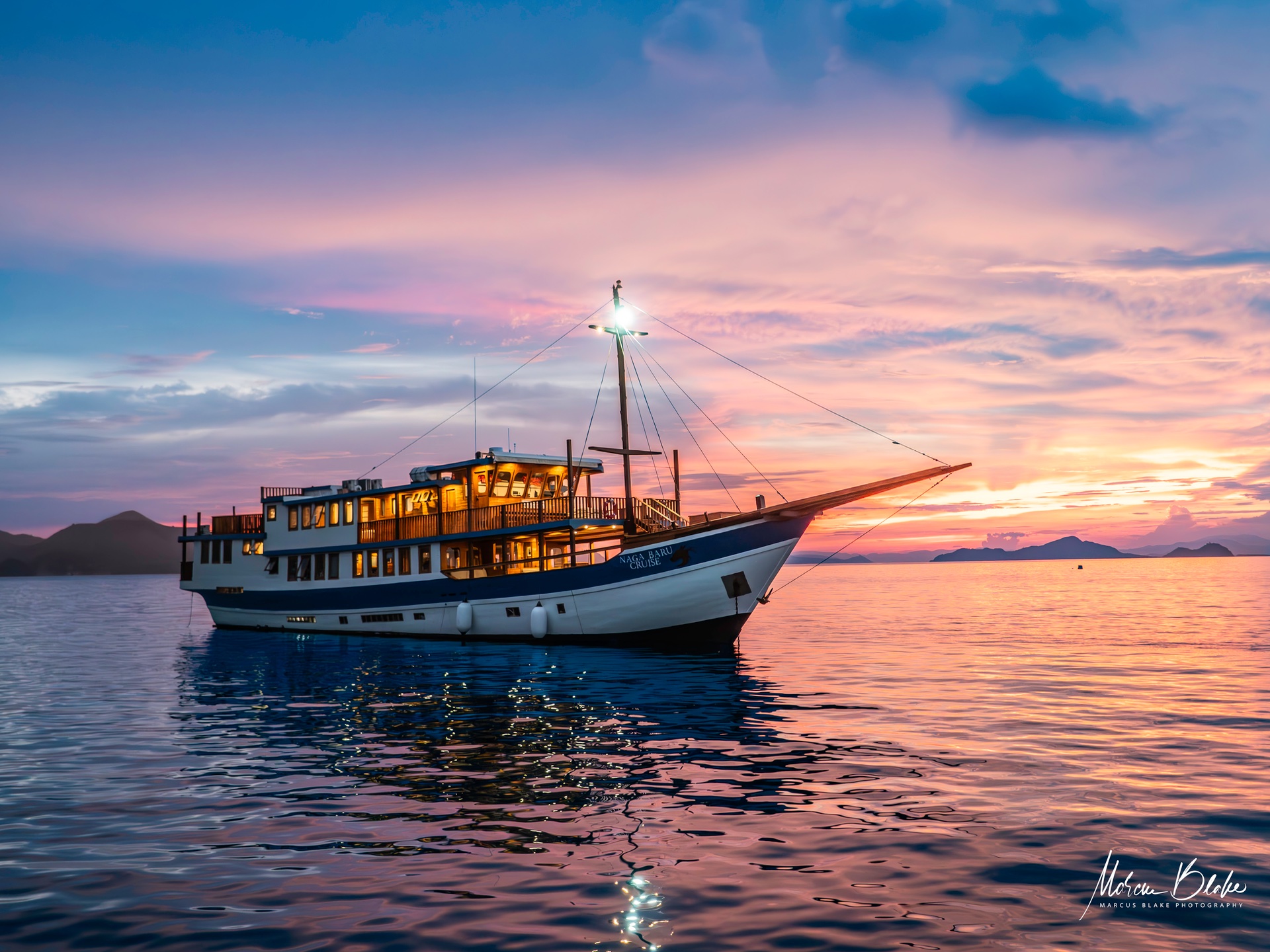
Naga Biru
Indonesia
12 guests40 m
$309/day
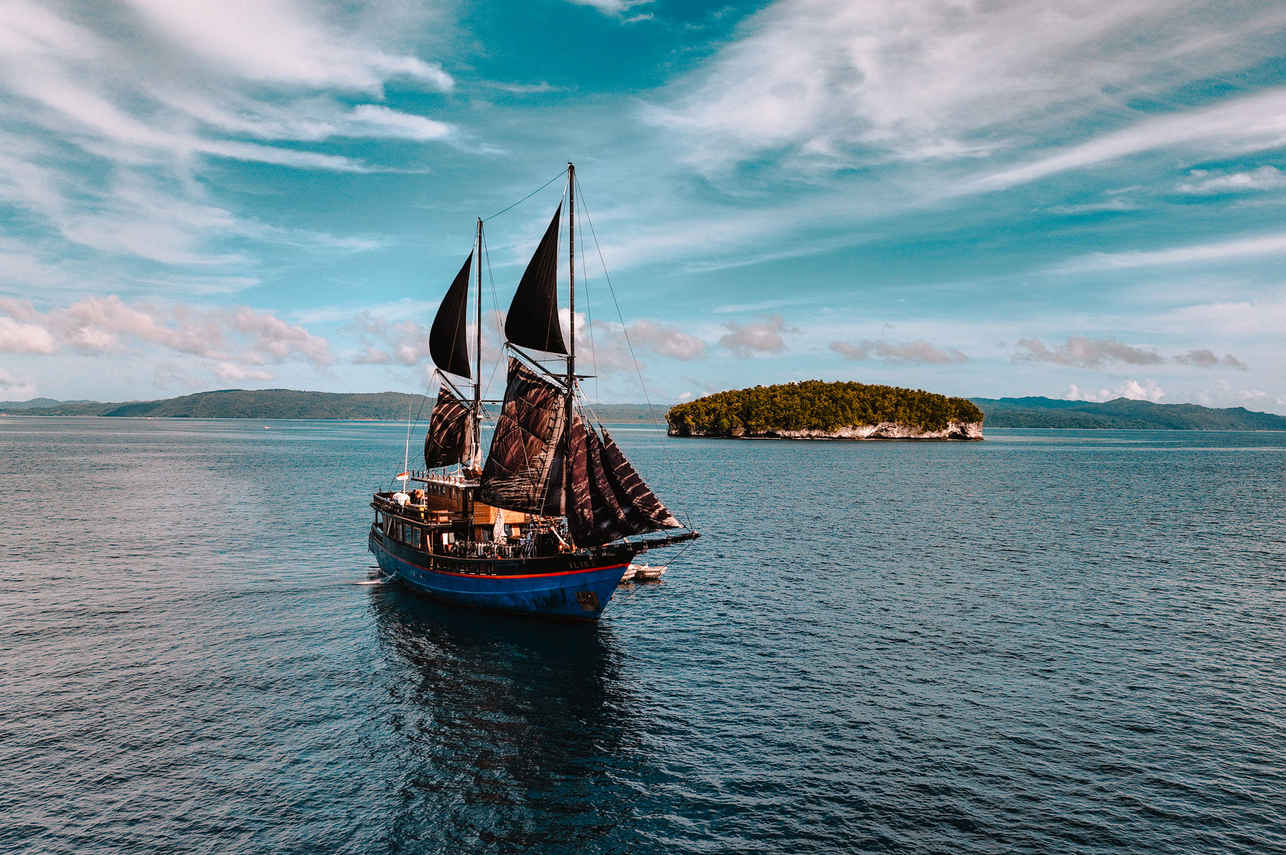
Ilike
Indonesia
16 guests40 m
$350/day
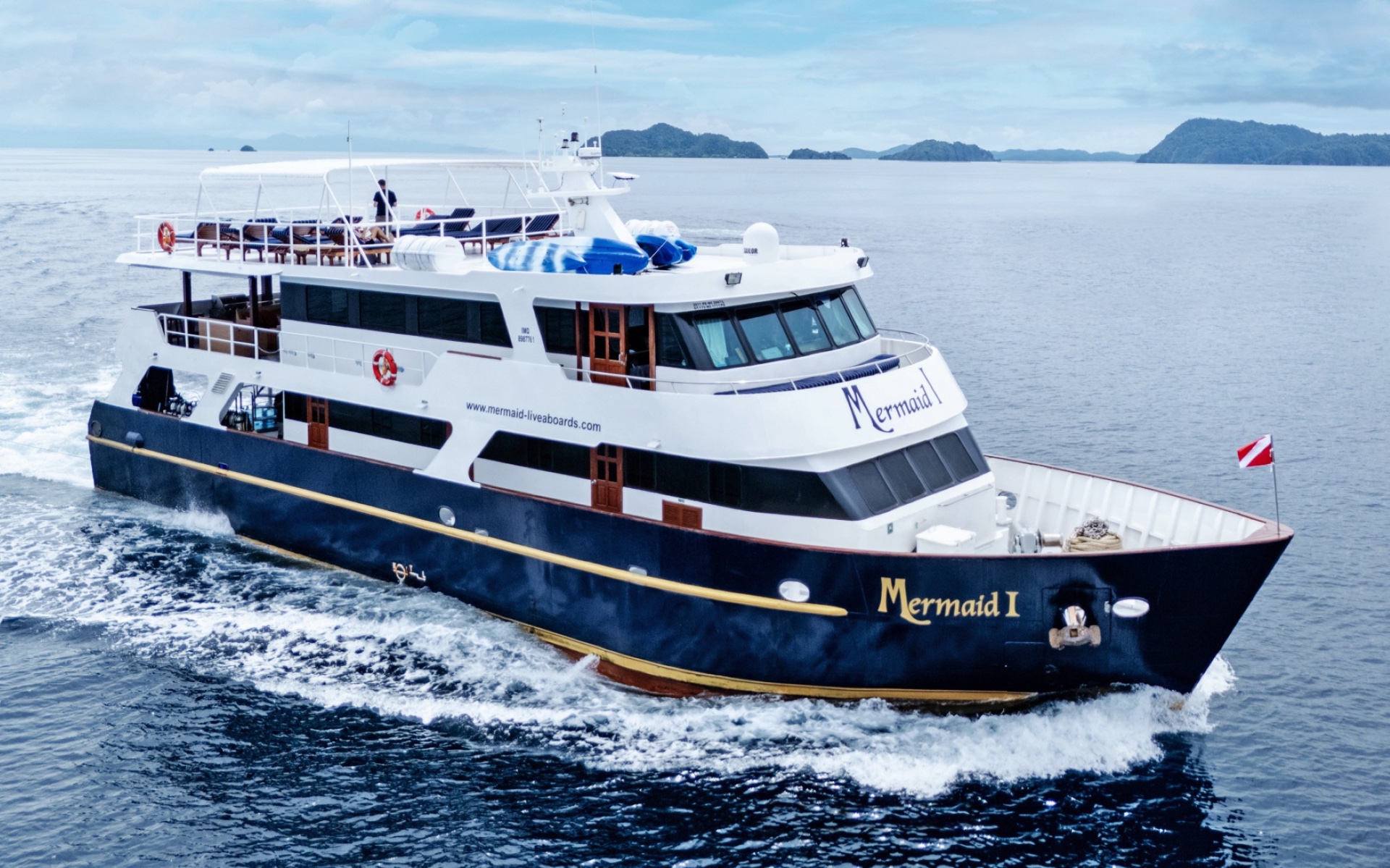
Mermaid I
Alor
15 guests28 m
$542/day
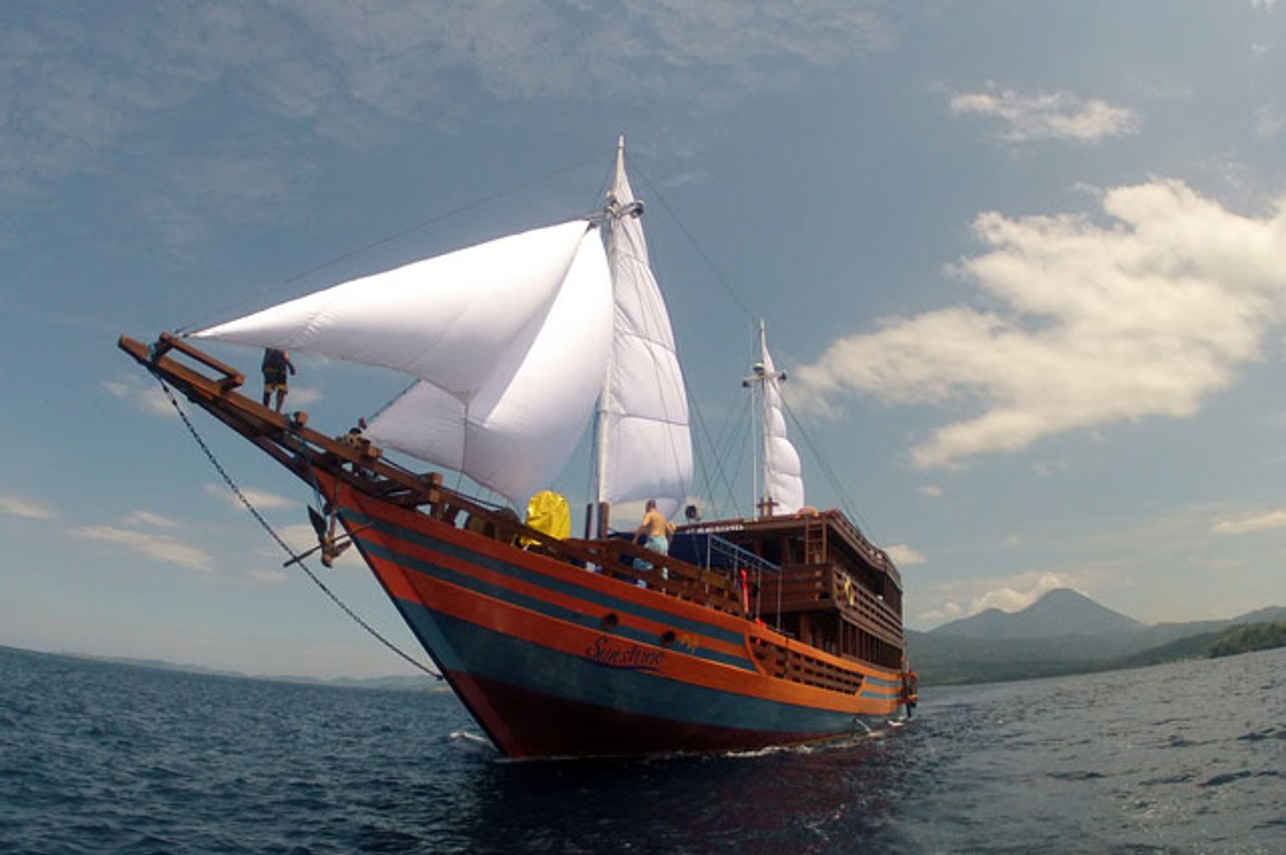
Sunshine Liveaboard
Indonesia
10 guests31 m
$216/day
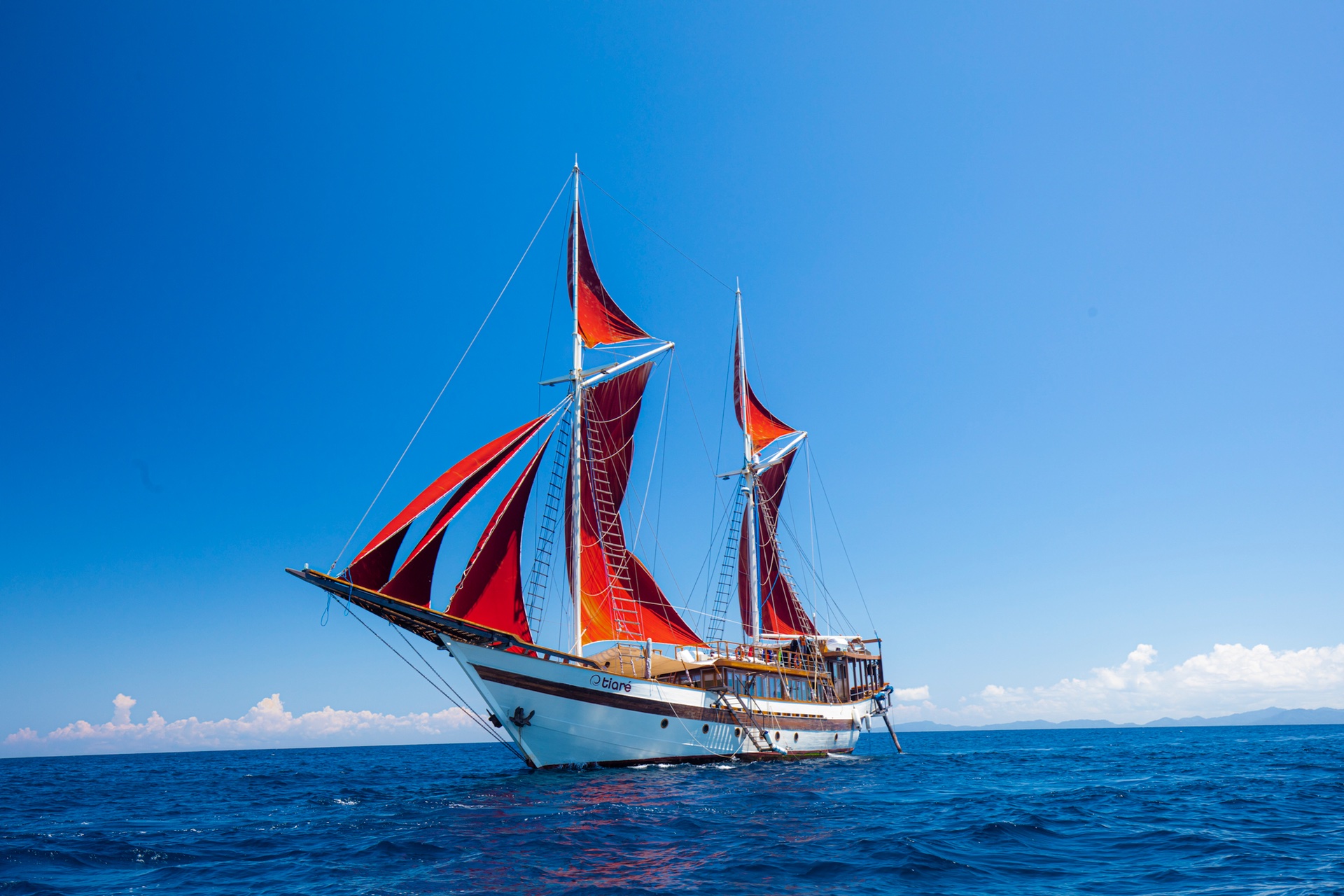
Tiare Cruise
Indonesia
12 guests36.5 m
$473/day
Dive sites similar to Batu Kelebit
Same character, same waters — six more sites divers love for the exact same reasons.Compare seasons, access and liveaboard routes — then pick the site that fits your trip best.
Lipah Bay is situated on Bali's northeast coast within the Amed area, nestled against the dramatic backdrop of Gunung Agung.
- Suitable for
- Beginner
- Current
- Mild
- Access
- Liveaboard or dayboat
- Depth
- 5–30 m
- Theme
- Reef / Drift
Puri Jati, often referred to as PJ, is located on Bali's north coast near Lovina, on the outskirts of Seririt village.
- Suitable for
- Intermediate
- Current
- No current
- Access
- Shore / dayboat
- Depth
- 6–12 m
- Theme
- Reef
© Esri — Maxar, Earthstar, GIS
Japanese Wreck
Bali
The Japanese Wreck is a compelling dive site located in Banyuning Bay, just off the beach in Amed, Bali.
- Suitable for
- Beginner
- Current
- Moderate
- Access
- Shore / dayboat
- Depth
- 6–12 m
- Theme
- Wreck / Reef
© Esri — Maxar, Earthstar, GIS
Dream Wall
Bali
Dream Wall is one of Menjangan Island's premier dive sites, located within the protected West Bali National Park marine area.
- Suitable for
- Beginner
- Current
- Mild
- Access
- Dayboat
- Depth
- 10–60 m
- Theme
- Wall / Reef
Pura Ped, located on the northern coast of Nusa Penida, is a celebrated dive site known for its extensive and healthy reef system.
- Suitable for
- Intermediate
- Current
- Strong
- Access
- Liveaboard or dayboat
- Depth
- 5–30 m
- Theme
- Drift / Reef
© Esri — Maxar, Earthstar, GIS
Biaha Reef
Bali
Situated near Candidasa, Biaha Reef is a captivating dive site characterized by its dramatic underwater landscapes and the potential for exhilarating encounters with large pelagic marine life.
- Suitable for
- Intermediate
- Current
- Moderate
- Access
- Liveaboard or dayboat
- Depth
- 10–35 m
- Theme
- Reef