About Pyramids Amed
Pyramids Amed is a unique artificial reef site off Bali's northeastern coast, designed to foster marine biodiversity and offer an engaging dive experience. The site features clusters of hollow pyramid structures, intentionally submerged to create new habitats for corals and various marine species. These structures, now covered in soft corals and sponges, have successfully attracted a rich array of small reef fish and intriguing macro life. Located within easy reach of Amed's coastline, this site is typically accessed via short boat rides in traditional jukung boats. The depths at Pyramids range from 5 to 20 meters, making it suitable for a broad spectrum of divers, from beginners to those with more advanced certifications. Its gentle conditions and abundant macro subjects also make it a favored spot for underwater photography. The black volcanic sand that characterizes much of Amed's underwater landscape provides a striking contrast to the colorful marine growth on the pyramids. This backdrop enhances the visual appeal of the site, particularly for photographers seeking dramatic compositions. Divers often encounter blue-spotted stingrays resting on the sandy patches between the structures, adding to the site's allure. Pyramids offers a relaxed diving environment, generally free from strong currents and with good visibility for most of the year. This allows for extended bottom times and thorough exploration of the artificial structures and their inhabitants. It perfectly embodies Amed's reputation for accessible, rewarding, and relatively uncrowded diving.
Highlights
Artificial reef structuresAbundant blue-spotted stingraysDiverse macro lifeSoft corals and sea fansVolcanic sand backdropRelaxed, easy divingUnderwater photography haven
Season calendar
Best months to dive here
Jan
Feb
Mar
Apr
May
Jun
Jul
Aug
Sep
Oct
Nov
Dec
Excellent
Good
Dive site facts: Pyramids Amed
- Depth
- 5–20 m
- Typical dive
- 5–20 m, 50–60 min
- Current
- Mild to moderate
- Visibility
- 10–25 m
- Water temperature
- 27–30°C
- Entry
- Jukung boat
- Level
- Beginner-Intermediate
- Dive type
- Artificial reef, macro, sandy slope
- Night dive
- Possible
- Region / port
- Amed, East Bali
- Coordinates
- -8.347, 115.652
Conditions & Currents
Pyramids Amed generally experiences calm conditions with mild to moderate currents, making it accessible for divers of varying experience levels. Entry to the site is typically via a short ride in a traditional jukung boat, followed by a controlled descent to the artificial reef structures. While conditions are often tranquil, occasional shifts in current direction or strength can occur, so divers should remain aware of their surroundings and maintain good buoyancy control. Visibility here is usually excellent, ranging from 10 to 25 meters, though it can fluctuate with rainfall, particularly during the wet season. The site's protected nature and gentle profile minimize surge, allowing for relaxed exploration of the pyramids and their inhabitants. Divers should plan for extended bottom times to fully appreciate the macro life and stingray populations, making conservative gas planning advi
Marine life & sighting chances

Blue-spotted stingray
common
Nudibranch
common
Leaf scorpionfish
occasional
Frogfish
occasional
Ghost pipefish
occasional
Pygmy seahorse
rare
Moray eel
common
Stonefish
occasional
Reef shark
rare
Turtle
occasional
Boxer shrimp
occasional
Mantis shrimp
occasional
Garden eel
occasionalDive profile & how the dive runs
Your dive at Pyramids typically begins with a short jukung boat ride from shore to the main site. Upon entry, you'll descend directly to the artificial structures, which are spread across a sandy slope from 5 meters down to 20 meters. The dive usually involves exploring several clusters of these pyramids, which are covered in soft corals and sponges and host a variety of macro life. Between these structures, you'll encounter vast sandy patches where numerous blue-spotted stingrays are commonly seen resting. The typical route involves a gentle descent, moving between the pyramid groups, with the turn point determined by air consumption or dive time. As you ascend, you'll often encounter fields of creamy soft corals at shallower depths. The safety stop is conducted at 5 meters, usually near the boat or a suitable shallow structure, before a comfortable ascent and return to the surface.
Underwater photography
Pyramids Amed is a macro photographer's dream, with its unique artificial structures providing an ideal backdrop for critter hunting. A macro lens (e.g., 60mm or 100mm/105mm) is highly recommended to capture the intricate details of nudibranchs, frogfish, and ghost pipefish hiding amongst the corals and sand. For the expansive sandy areas populated by blue-spotted stingrays, a wide-angle or fisheye lens can be effective, capturing multiple rays in a single frame. Dual strobes are essential to properly light your subjects and minimize backscatter from the black volcanic sand. Pay close attention to buoyancy to avoid disturbing the sand and marine life, especially when getting close for macro shots. Be patient when approaching stingrays, as they are easily spooked. The contrasting black sand against colorful corals and creatures offers excellent compositional opportunities.
Combine with nearby dive sites
Getting there & logistics
Accessing Pyramids Amed typically begins with a flight into Ngurah Rai International Airport (DPS) in Denpasar, Bali. From the airport, Amed is a scenic 2.5 to 3-hour car or private transfer drive along the eastern coast. Many dive centers in Amed provide airport pickups and arrange local transport. Once in Amed, dives to Pyramids are commonly done via short rides in traditional jukung boats, avoiding long travel times to the site. Dive packages in Amed often combine Pyramids with other local sites like Jemeluk Bay or the nearby Japanese Wreck. Day trips from Amed can also extend to Tulamben, allowing divers to explore the famous USAT Liberty wreck. Most dive operations offer daily trips, and permits or fees are generally included in the dive package price.
Safety & environment
For diving in Amed, including Pyramids, it is highly recommended to have comprehensive dive insurance that covers emergency medical treatment and evacuation. The nearest hyperbaric chamber is located in Denpasar, which is approximately a 2.5 to 3-hour drive from Amed. Evacuation from Amed, particularly in a medical emergency, would involve road transport to Denpasar, so response times can be significant. Divers should always dive within their certification limits and experience, particularly if currents are present, even if mild. Maintain excellent buoyancy control to protect the delicate artificial reef structures and avoid disturbing marine life, especially the abundant blue-spotted stingrays. Always follow your dive guide's instructions, perform thorough buddy checks, and monitor your air consumption and bottom time carefully.
Who it suits — and who it doesn't
Suited for
- Beginner divers seeking easy conditions
- Intermediate divers honing buoyancy skills
- Underwater photographers focusing on macro
- Divers interested in artificial reef ecosystems
- Those who appreciate calm, uncrowded dive sites
Less suited for
- Divers seeking strong currents and large pelagics exclusively
- Those who prefer deep wall diving
- Divers who dislike artificial structures
- Anyone unwilling to practice careful buoyancy control
FAQ
Pyramids Amed FAQ
What kind of marine life can I expect to see at Pyramids Amed?
Pyramids Amed is renowned for its diverse macro life, including nudibranchs, frogfish, ghost pipefish, and various small reef fish. It is particularly famous for the abundant blue-spotted stingrays that rest on the sandy patches between the artificial structures. Occasionally, you might also spot moray eels, stonefish, and even small reef sharks or turtles.
Are the currents strong at Pyramids Amed?
Generally, Pyramids Amed experiences mild to moderate currents, making it suitable for divers of all levels, including beginners. The conditions are typically calm, allowing for relaxed exploration of the artificial reef. However, as with any dive site, currents can occasionally vary, so divers should always remain vigilant and follow their dive guide's instructions.
Is Pyramids Amed suitable for underwater photography?
Yes, Pyramids Amed is an excellent site for underwater photography, especially macro photography. The black volcanic sand provides a striking contrast to the colorful corals and critters, enhancing photographic compositions. Photographers often bring macro lenses to capture the detailed marine life and wide-angle lenses to showcase the extensive stingray population and pyramid structures.
How deep is Pyramids Amed and what is the visibility like?
The dive site at Pyramids Amed ranges in depth from approximately 5 meters down to 20 meters, making it accessible for Open Water certified divers. Visibility is generally good, often ranging from 10 to 25 meters. However, visibility can be affected by rainfall during the wet season, so it's always best to check conditions with your local dive center.
How do I get to Pyramids Amed?
Pyramids Amed is typically accessed via short rides in traditional Balinese jukung boats from the shore. These boats are operated by local dive centers in Amed, which will arrange your transport to and from the dive site. Amed itself is about a 2.5 to 3-hour drive from Bali's Ngurah Rai International Airport (DPS).
Why dive Pyramids Amed from a liveaboard?
Pyramids Amed is one of Bali's signature dive sites. A liveaboard sleeps you on the water and puts you in the water for three to four guided dives per day, including dawn and night dives that day-boat operators rarely offer. You skip the daily commute back to port and reach quieter, less-crowded sites in the same region on a single trip.
Below are the liveaboards that include Pyramids Amed on their Bali itineraries.
Liveaboards diving Pyramids Amed
These liveaboards may visit Pyramids Amed on selected itineraries — the exact dive sites depend on departure, weather and conditions.
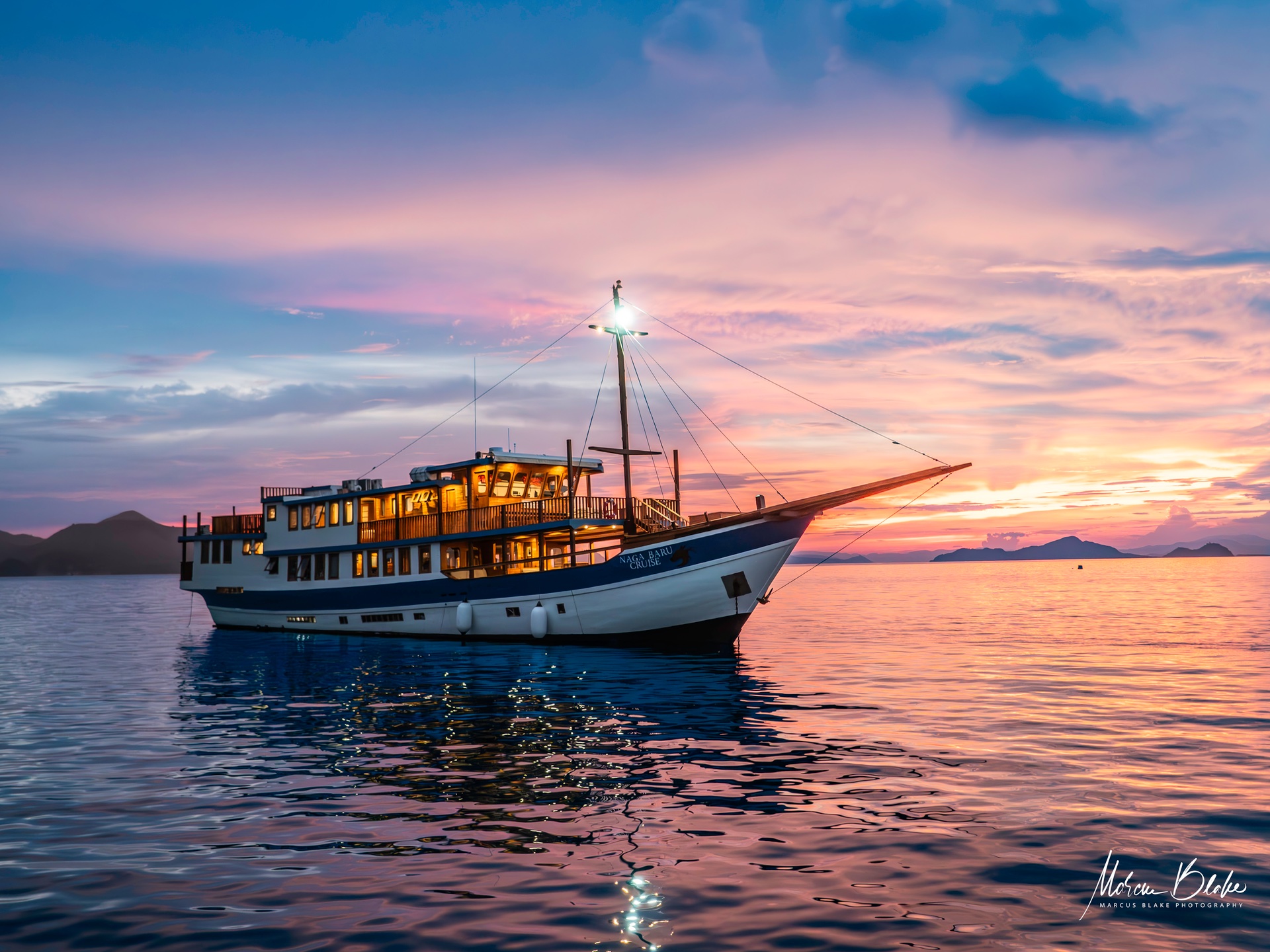
Naga Biru
Indonesia
12 guests40 m
$273/day
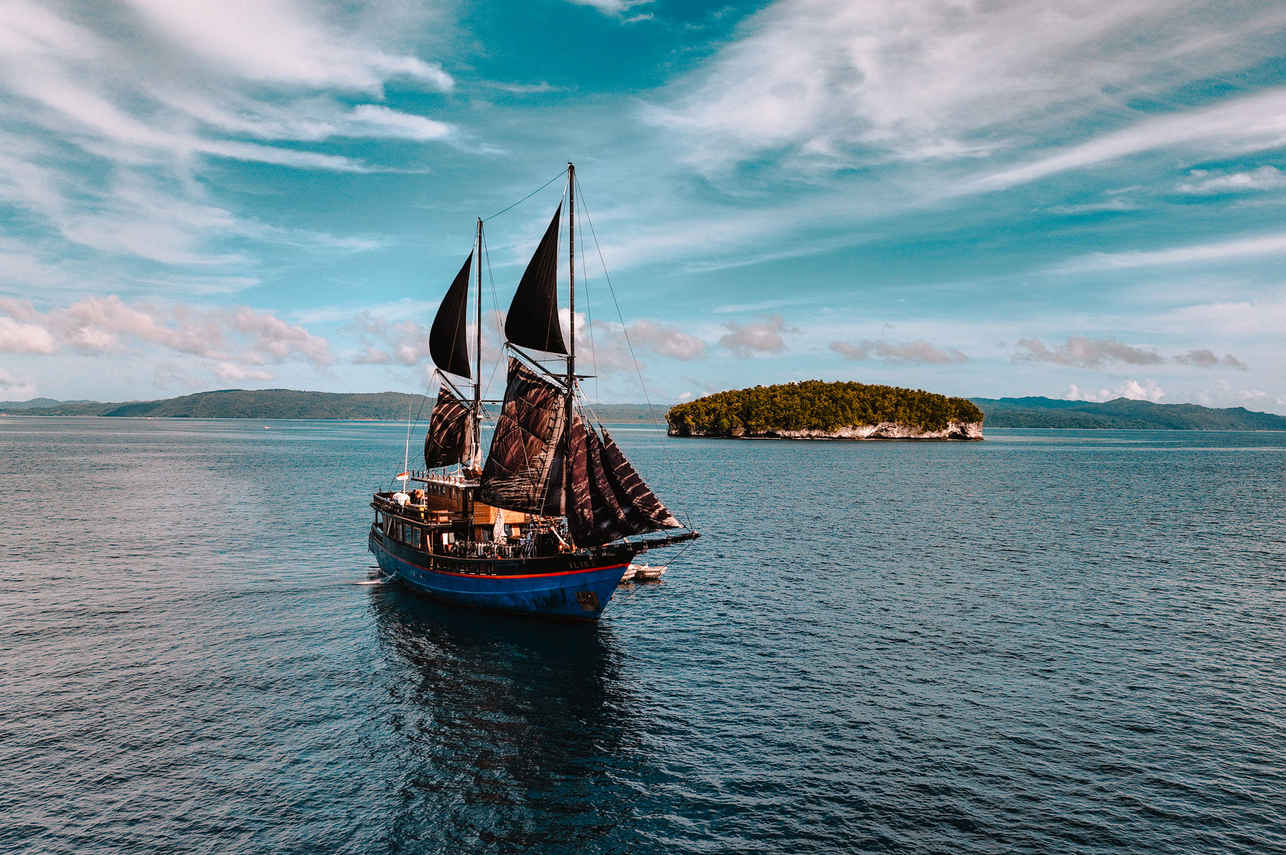
Ilike
Indonesia
16 guests40 m
$350/day
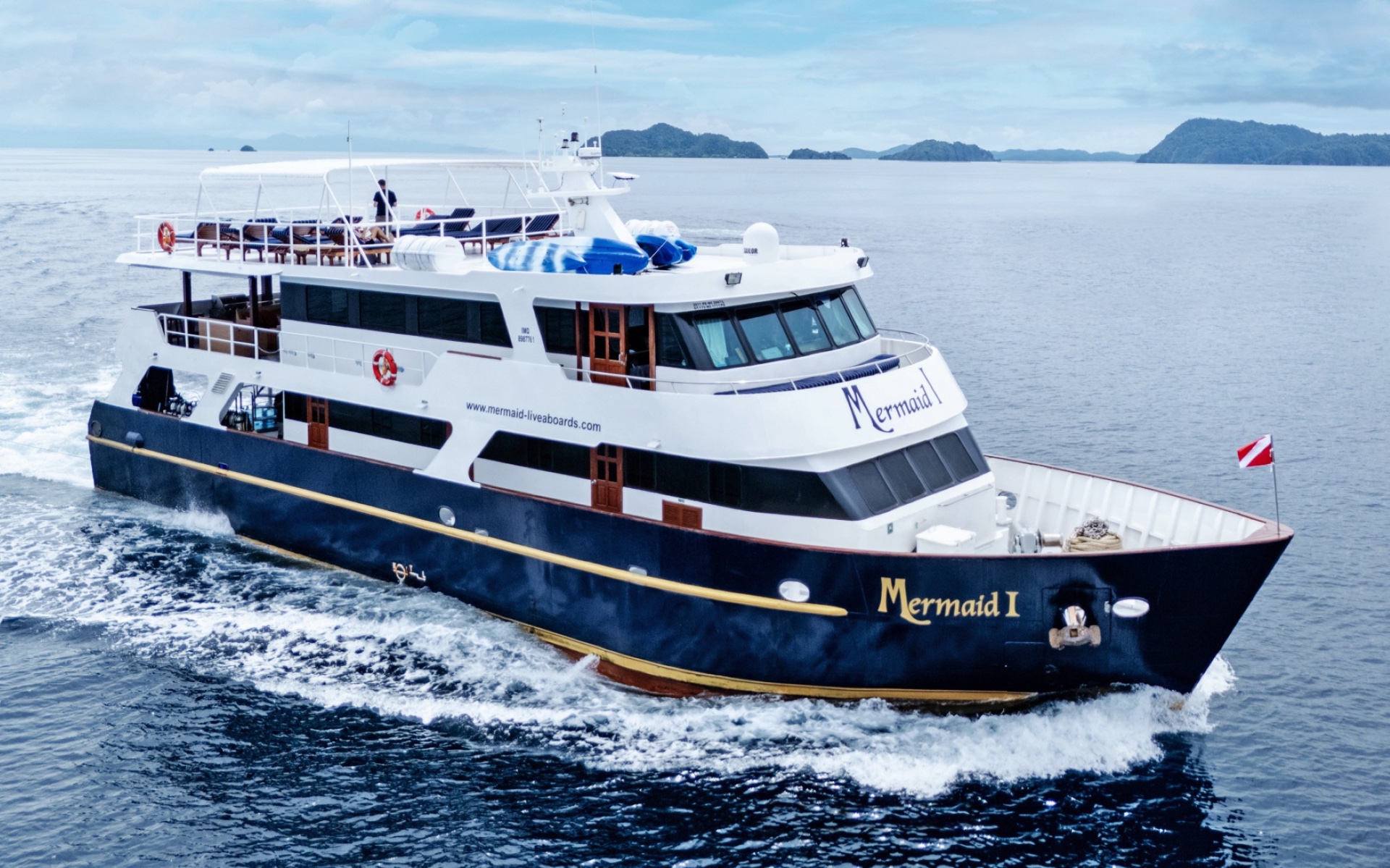
Mermaid I
Alor
15 guests28 m
$479/day
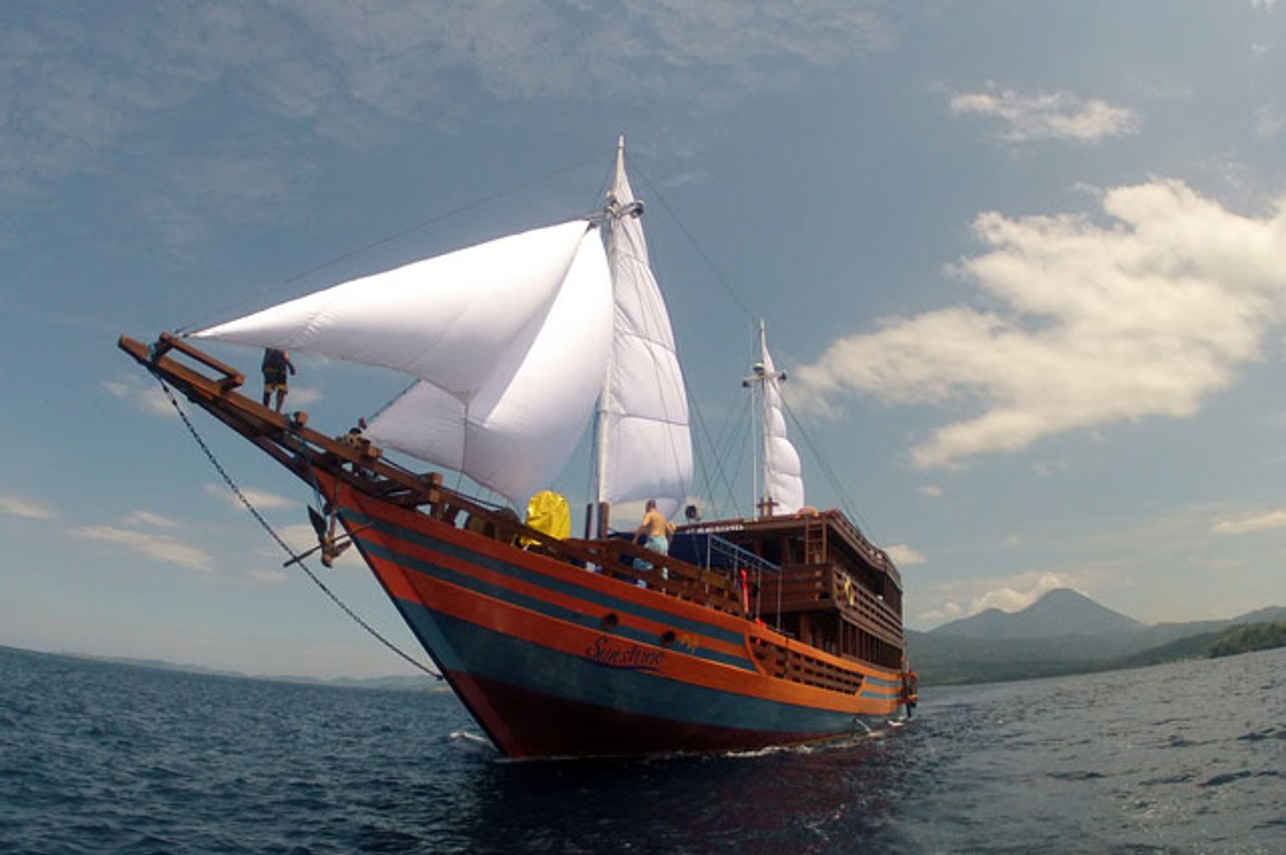
Sunshine Liveaboard
Indonesia
10 guests31 m
$191/day
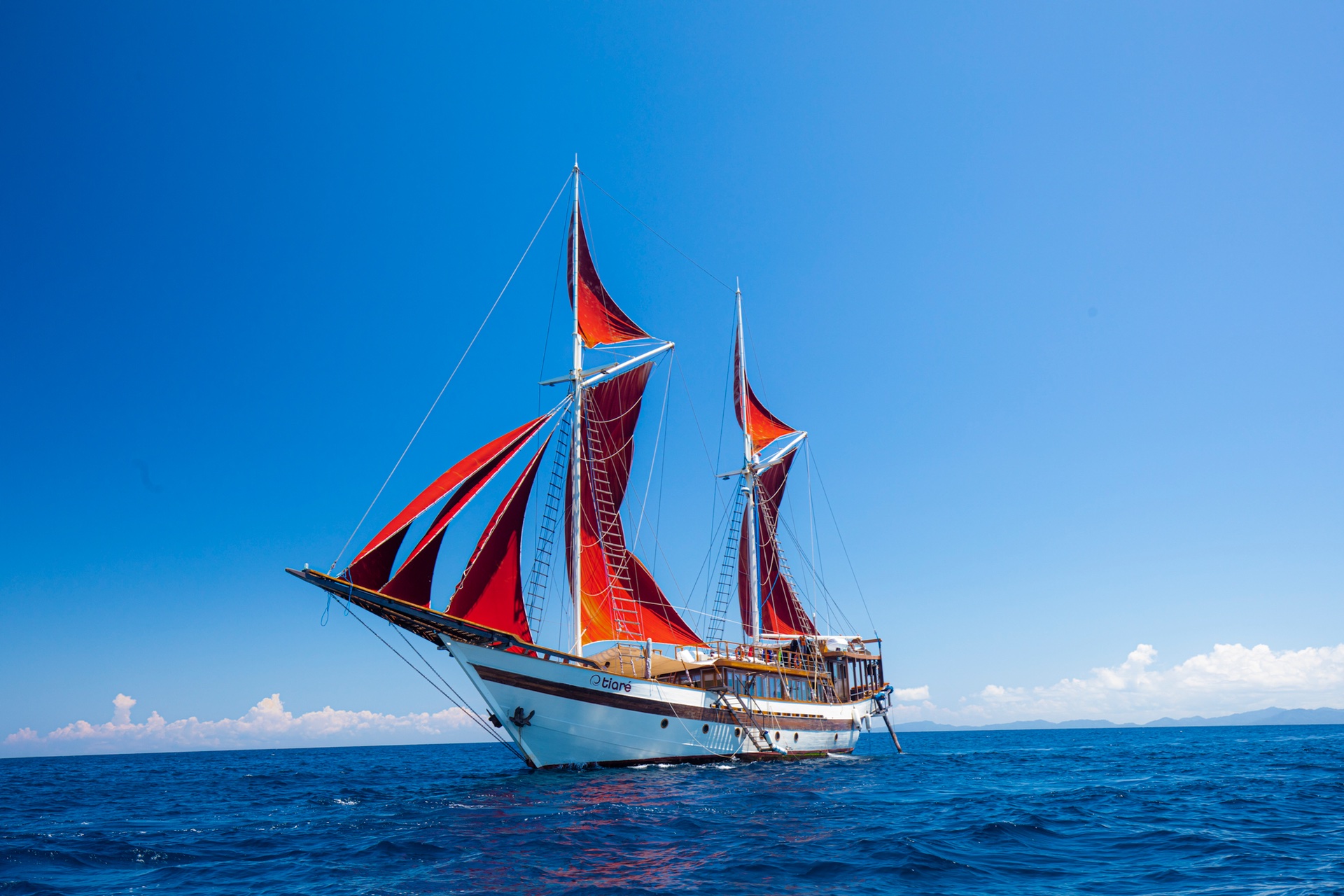
Tiare Cruise
Indonesia
12 guests36.5 m
$473/day
Dive sites similar to Pyramids Amed
Same character, same waters — six more sites divers love for the exact same reasons.Compare seasons, access and liveaboard routes — then pick the site that fits your trip best.
Lipah Bay is situated on Bali's northeast coast within the Amed area, nestled against the dramatic backdrop of Gunung Agung.
- Suitable for
- Beginner
- Current
- Mild
- Access
- Liveaboard or dayboat
- Depth
- 5–30 m
- Theme
- Reef / Drift
Puri Jati, often referred to as PJ, is located on Bali's north coast near Lovina, on the outskirts of Seririt village.
- Suitable for
- Intermediate
- Current
- No current
- Access
- Shore / dayboat
- Depth
- 6–12 m
- Theme
- Reef
© Esri — Maxar, Earthstar, GIS
Japanese Wreck
Bali
The Japanese Wreck is a compelling dive site located in Banyuning Bay, just off the beach in Amed, Bali.
- Suitable for
- Beginner
- Current
- Moderate
- Access
- Shore / dayboat
- Depth
- 6–12 m
- Theme
- Wreck / Reef
© Esri — Maxar, Earthstar, GIS
Dream Wall
Bali
Dream Wall is one of Menjangan Island's premier dive sites, located within the protected West Bali National Park marine area.
- Suitable for
- Beginner
- Current
- Mild
- Access
- Dayboat
- Depth
- 10–60 m
- Theme
- Wall / Reef
Pura Ped, located on the northern coast of Nusa Penida, is a celebrated dive site known for its extensive and healthy reef system.
- Suitable for
- Intermediate
- Current
- Strong
- Access
- Liveaboard or dayboat
- Depth
- 5–30 m
- Theme
- Drift / Reef
© Esri — Maxar, Earthstar, GIS
Biaha Reef
Bali
Situated near Candidasa, Biaha Reef is a captivating dive site characterized by its dramatic underwater landscapes and the potential for exhilarating encounters with large pelagic marine life.
- Suitable for
- Intermediate
- Current
- Moderate
- Access
- Liveaboard or dayboat
- Depth
- 10–35 m
- Theme
- Reef