About Lipah Bay
Lipah Bay is situated on Bali's northeast coast within the Amed area, nestled against the dramatic backdrop of Gunung Agung. This site is renowned for providing laid-back reef diving experiences, making it an excellent choice for divers seeking more tranquil conditions compared to other parts of Bali. It forms part of a string of villages along the coastline, each with its own bay filled with traditional fishing boats. The topography features a beautiful coral garden, particularly vibrant on the sheltered side of a tiny island, displaying large barrel sponges, gorgonian fans, and expansive plate corals. The depth range for diving is typically between 5 to 30 meters, accommodating various skill levels. Inside the bay, there are also areas with interesting macro life and pyramid-shaped artificial reefs. Marine life at Lipah Bay is plentiful year-round, with dense schools of reef fish, marine turtles, and a rich variety of corals. While the area is generally sheltered from strong currents, it still boasts a healthy ecosystem. The site's calmer conditions and warmer, clearer waters, along with straightforward access, contribute to a pleasant dive experience. Diving here allows for an authentic Balinese experience, away from the busier southern tourist hubs. After exploring the underwater world, divers can appreciate the traditional fishing villages and local salt-making practices that define the Amed region.
Highlights
Relaxed reef divingVibrant coral gardensSheltered bay conditionsAbundant reef fishMarine turtle sightingsTraditional Balinese settingArtificial reef pyramidsMacro life opportunities
Season calendar
Best months to dive here
Jan
Feb
Mar
Apr
May
Jun
Jul
Aug
Sep
Oct
Nov
Dec
Good
Dive site facts: Lipah Bay
- Depth
- 5–30 m
- Current
- Mild
- Visibility
- 10–25 m
- Water temperature
- 27–29°C
- Entry
- Boat / Shore
- Level
- Beginner upwards
- Dive type
- Reef, drift, coral garden
- Region / port
- Amed, Bali
- Coordinates
- 8.5162° S, 115.5117° E
Conditions & Currents
Lipah Bay is situated in an area generally sheltered from the strong currents often found in the Lombok Strait, making for typically easier dive conditions. While currents are usually mild, it's always advisable to confirm local conditions with your dive guide before entering the water. Visibility is generally good, ranging from 10 to 25 meters, but can be reduced during the wet season due to rainfall and runoff. Water temperatures are consistently warm, between 27°C and 29°C. Entry to Lipah Bay is straightforward, often from a boat or even directly from the shore for some parts of the Amed coastline. Divers should maintain good buoyancy control to avoid contact with the healthy coral formations. Air consumption will typically be lower due to the relaxed drift diving style, allowing for longer bottom times.
Marine life & sighting chances
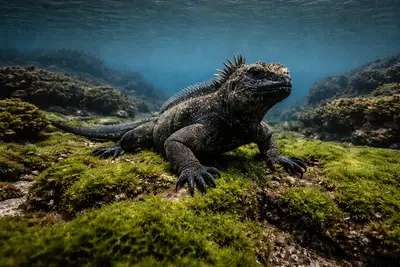
Marine turtles
Year-round · common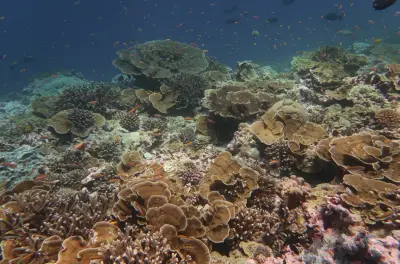
Schooling reef fish
Year-round · common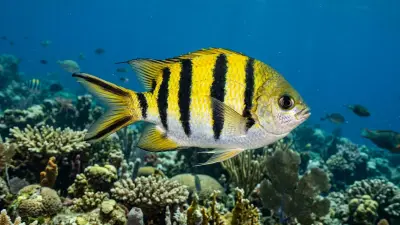
Sergeant majors
common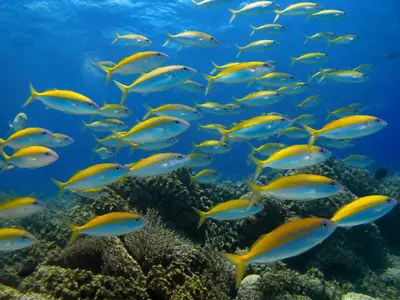
Fusiliers
common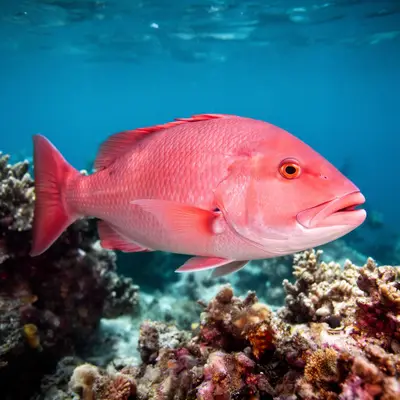
Snapper
common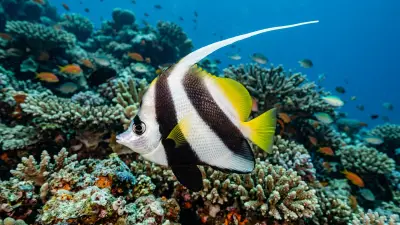
Bannerfish
commonPyramidfish
common
Barracuda
occasional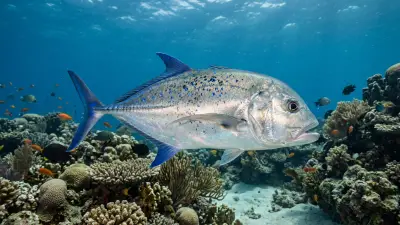
Bluefin trevally
occasional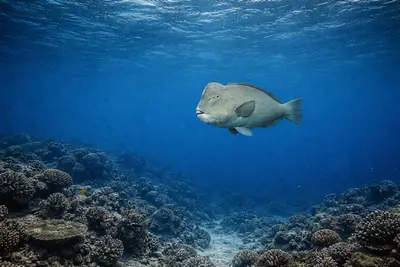
Bumphead parrotfish
occasional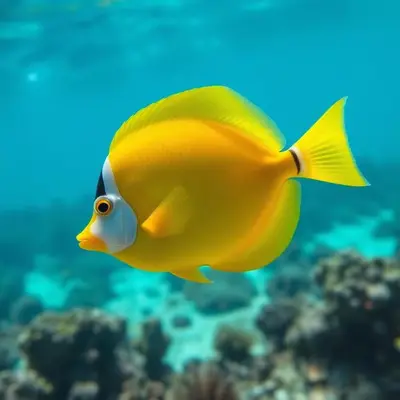
Surgeonfish
common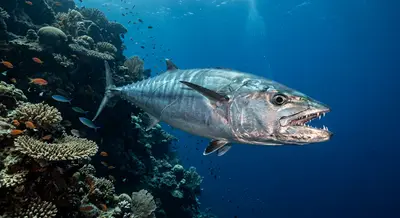
Dogtooth tuna
occasional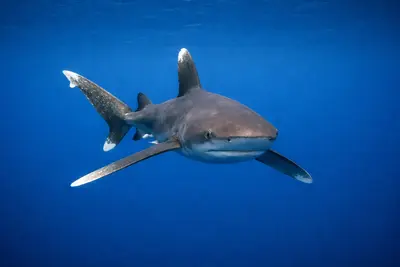
Whitetip sharks
occasionalDive profile & how the dive runs
Diving at Lipah Bay typically involves a relaxed drift over a vibrant coral garden, starting from an entry point near the shore or a short boat ride. Divers often descend to explore depths between 5 and 30 meters, navigating along the reef slope. The dive progresses with the gentle current, allowing divers to observe the diverse marine life with minimal effort. You'll encounter large barrel sponges, gorgonian fans, and schools of reef fish. Deeper sections may reveal larger pelagics or sleeping sharks, while shallower areas offer excellent macro photography opportunities among artificial reef pyramids. The ascent usually involves a slow, controlled rise, with a safety stop performed at 5 meters over the reef, before surfacing where the boat will be waiting for pickup, or swimming back to shore if conditions allow.
Underwater photography
Lipah Bay is an excellent location for both wide-angle and macro photography due to its diverse reef and abundant marine life. For wide-angle shots, a fisheye or wide rectilinear lens is ideal to capture the expansive coral gardens, large barrel sponges, and schools of fish. Consider natural light or external strobes to illuminate the vibrant colors of the hard and soft corals. For macro enthusiasts, bring a dedicated macro lens to focus on the smaller critters found among the artificial reefs and coral formations. Good buoyancy control is crucial to avoid disturbing the delicate ecosystem. Patience and observation will be rewarded with unique shots of various reef inhabitants and possibly even turtles.
Combine with nearby dive sites
- Jepun Wreck
The Jepun Wreck is a dive site nestled in Padang Bai, Bali, a coastal town offering a diverse range of underwater experiences.
- Amed Wall
Amed Wall is a pristine dive site located off the east coast of Bali, accessible by traditional Jukung boat from Amed's black sandy beaches.
- Coral Garden
Coral Garden is a significant dive site in the Dominican Republic, featuring an impressive brain coral that has thrived for over 400 years…
- Pyramids Amed
Pyramids Amed is a unique artificial reef site off Bali's northeastern coast, designed to foster marine biodiversity and offer an engaging…
- Banyuning
Near the Japanese Wreck, often conflated with it
- Gili Selang
Known for coral gardens and prolific fish life
Getting there & logistics
Lipah Bay is located in Amed, on Bali's northeast coast, an area often reached by road transfer from Bali's main airport, Denpasar (DPS). Dive operations in Amed, including those servicing Lipah Bay, typically run day trips from local dive centers, offering convenient access directly from the shore or via traditional jukung fishing boats. There are no specific permits required for diving at Lipah Bay itself. Trips often combine dives at Lipah Bay with other nearby Amed sites like the Japanese Wreck or Jemeluk Bay. Accommodation options range from budget homestays to resorts along the Amed coastline, making it easy to stay locally and enjoy multiple dives in the area.
Safety & environment
For dive emergencies originating from Lipah Bay, the nearest recompression chamber is located in Denpasar, requiring a significant road transfer time that can take several hours depending on traffic. Divers should always carry comprehensive dive insurance that covers emergency medical treatment and evacuation. Site-specific hazards are minimal due to the generally calm conditions, but divers should still be aware of occasional mild currents and practice good buoyancy control to protect the fragile coral. Always dive with a reputable guide who is familiar with local conditions and have a plan for buddy separation. Maintaining adequate air supply and adhering to dive plan limits are paramount for safety.
Who it suits — and who it doesn't
Suited for
- Beginner divers seeking relaxed conditions
- Underwater photographers (macro and wide-angle)
- Divers interested in diverse reef ecosystems
- Those looking for tranquil, uncrowded dive experiences
- Divers comfortable with gentle drift dives
Less suited for
- Divers seeking strong current action or pelagic encounters exclusively
- Those preferring deep technical dives
- Divers expecting large wreck penetrations
- Anyone unwilling to respect fragile coral environments
FAQ
Lipah Bay FAQ
What kind of marine life can I expect to see at Lipah Bay?
Lipah Bay is rich in reef biodiversity. You can commonly spot schooling reef fish like sergeant majors, fusiliers, and snappers, alongside bannerfish and pyramidfish. Marine turtles are a regular sight, and you might occasionally encounter small schools of barracuda, bluefin trevally, and even bumphead parrotfish in shallower areas. Whitetip sharks and dogtooth tuna are also sometimes seen.
How strong are the currents at Lipah Bay?
Lipah Bay is known for its generally mild currents. It is somewhat sheltered from the stronger flows found in the Lombok Strait, making it an excellent site for relaxed drift dives. While conditions are typically calm, it is always wise to consult with your dive guide for the day's specific current assessment, as local conditions can occasionally vary.
Is Lipah Bay suitable for beginner divers?
Yes, Lipah Bay is highly suitable for beginner divers and those still developing their skills. Its mild currents, accessible depths ranging from 5 to 30 meters, and straightforward entry points create a comfortable learning environment. The site's focus on reef exploration rather than challenging conditions makes it ideal for building confidence and enjoying the underwater world.
What are the typical water temperatures and visibility?
The water temperature at Lipah Bay is consistently warm throughout the year, typically ranging between 27°C and 29°C, ensuring comfortable diving. Visibility is generally very good, often between 10 to 25 meters, providing clear views of the vibrant coral gardens and marine life. However, visibility can be reduced during the wet season (November to March) due to increased rainfall and runoff.
Can I do a night dive at Lipah Bay?
The sources do not explicitly state whether night dives are permitted or common at Lipah Bay. However, given its calm conditions and rich macro life, it would likely be a suitable site for night diving if offered by local dive operators. It's best to inquire directly with Amed-based dive centers for current information on night dive availability and scheduling at Lipah Bay.
Why dive Lipah Bay from a liveaboard?
Lipah Bay is one of Bali's signature dive sites. A liveaboard sleeps you on the water and puts you in the water for three to four guided dives per day, including dawn and night dives that day-boat operators rarely offer. You skip the daily commute back to port and reach quieter, less-crowded sites in the same region on a single trip.
Below are the liveaboards that include Lipah Bay on their Bali itineraries.
Liveaboards diving Lipah Bay
These liveaboards may visit Lipah Bay on selected itineraries — the exact dive sites depend on departure, weather and conditions.
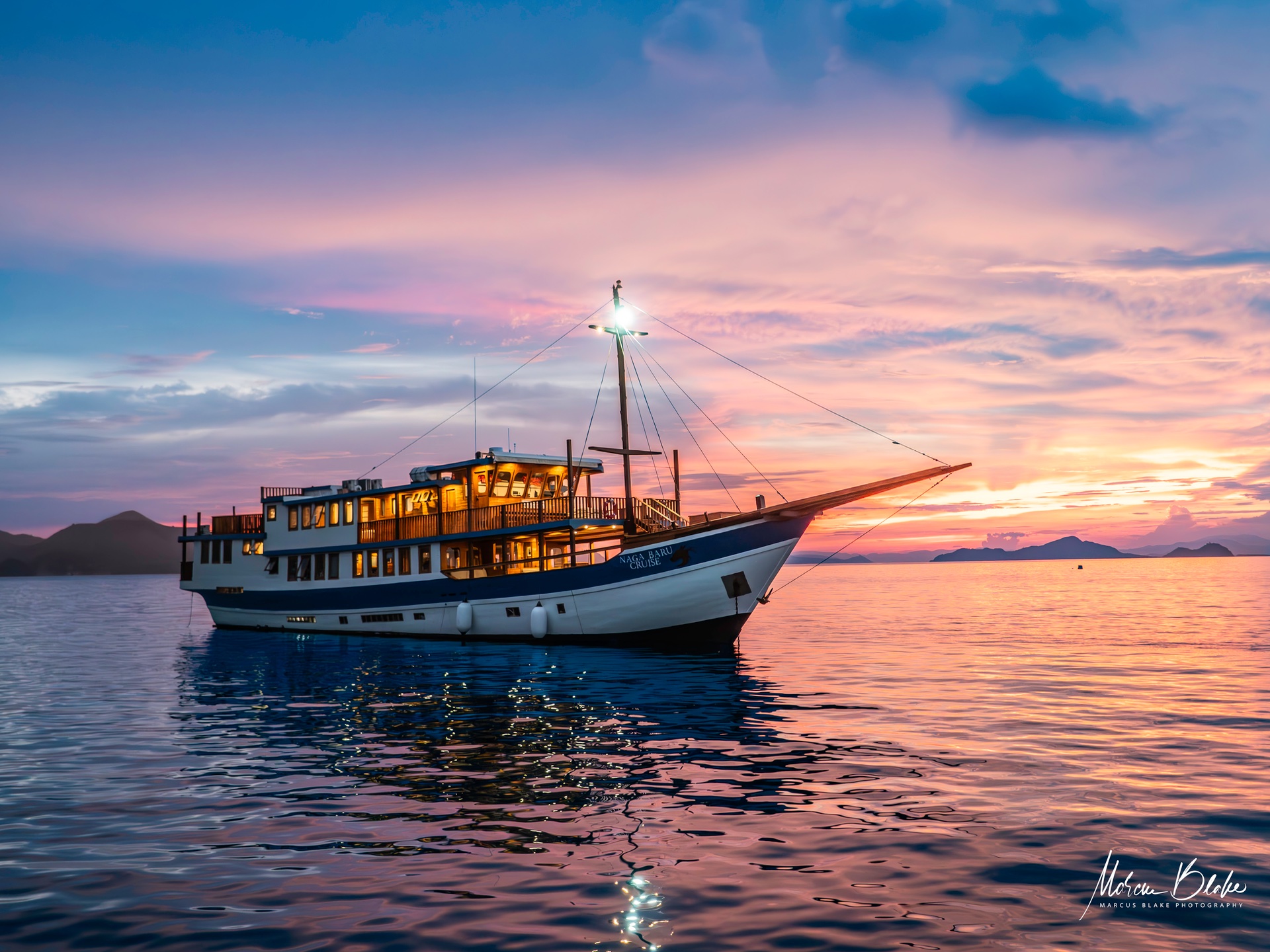
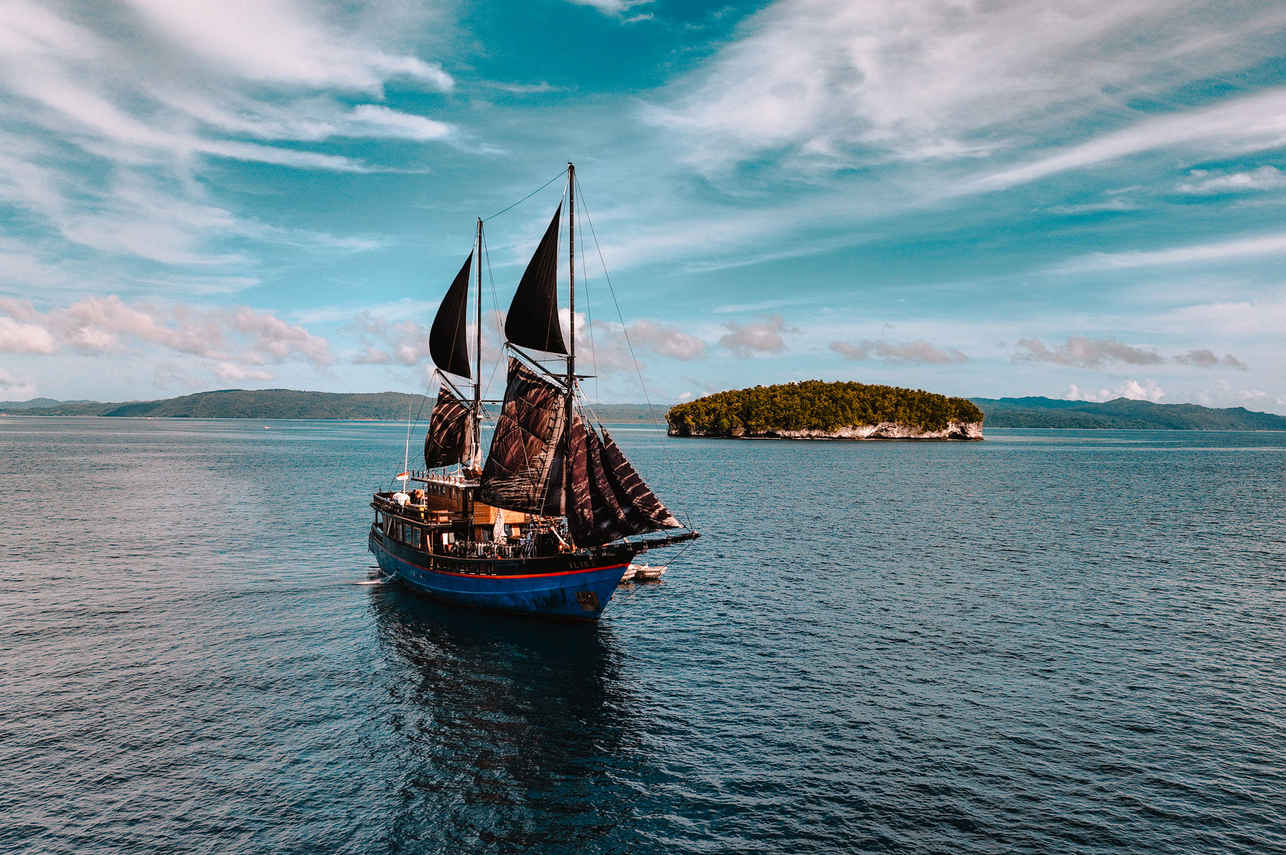
Naga Biru
Indonesia
12 guests40 m
$273/day
Ilike
Indonesia
16 guests40 m
$298/day
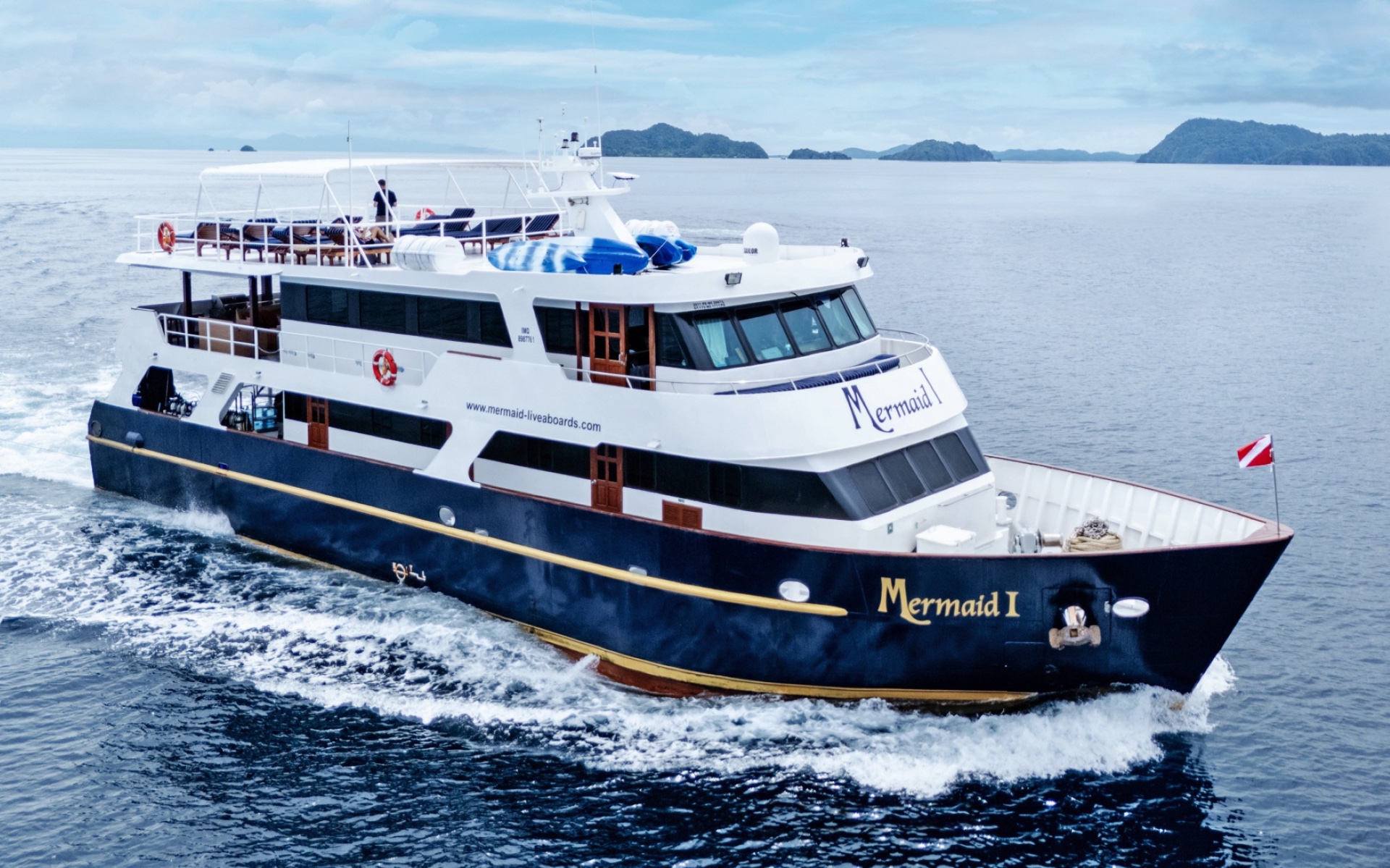
Mermaid I
Alor
15 guests28 m
$371/day
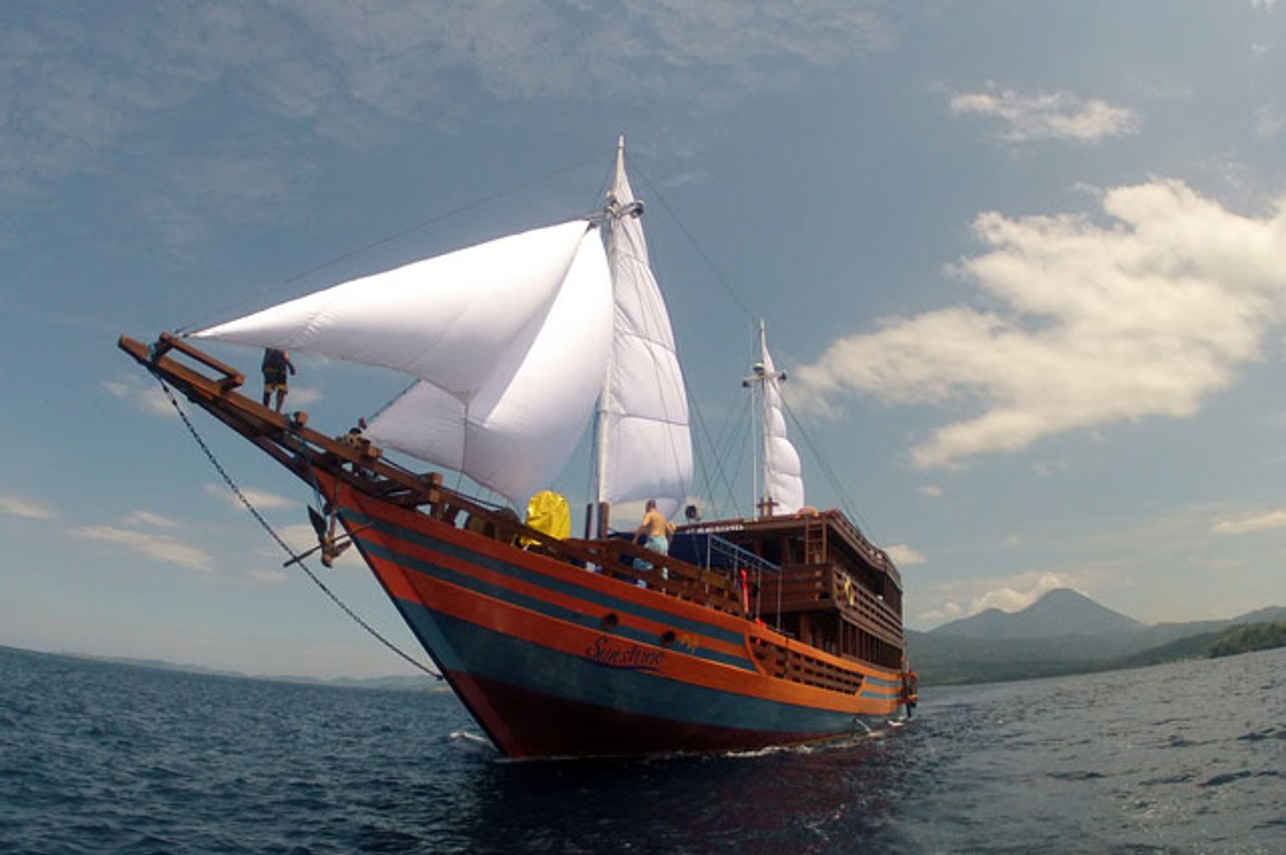
Sunshine Liveaboard
Indonesia
10 guests31 m
$191/day
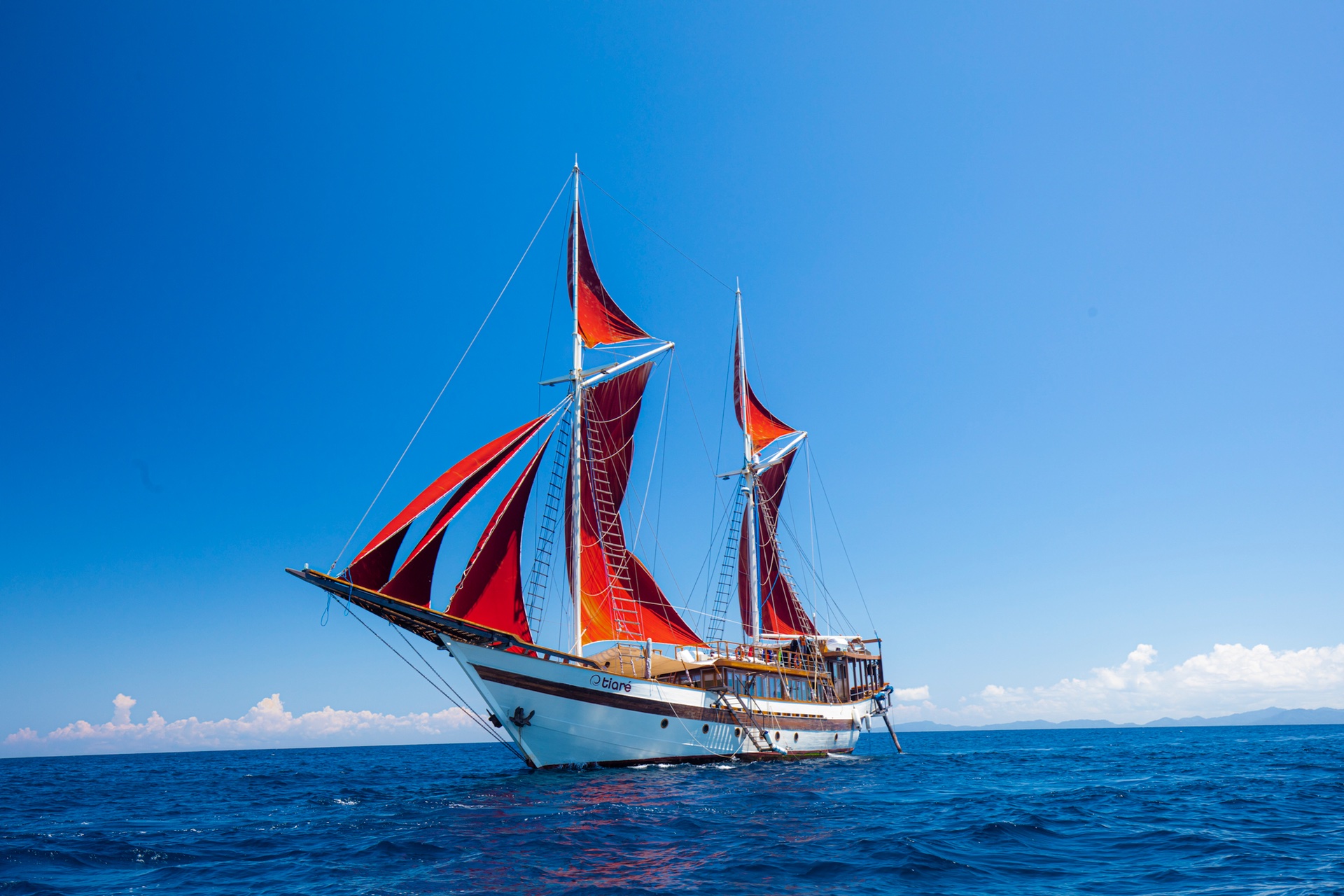
Tiare Cruise
Indonesia
12 guests36.5 m
$419/day
Dive sites similar to Lipah Bay
Same character, same waters — six more sites divers love for the exact same reasons.Compare seasons, access and liveaboard routes — then pick the site that fits your trip best.
Eel Garden
Bali
Eel Garden is a renowned dive site located on the north-western side of Menjangan Island, a protected marine area within West Bali National Park.
- Suitable for
- Intermediate
- Current
- Moderate
- Access
- Liveaboard or dayboat
- Depth
- 8–40 m
- Theme
- Drift / Reef
Gili Tepekong
Bali
Gili Tepekong is one of three volcanic islets situated off the coast of Amuk Bay, near Padang Bai and Candidasa in East Bali.
- Suitable for
- Advanced
- Current
- Strong
- Access
- Liveaboard or dayboat
- Depth
- 10–40 m
- Theme
- Cave & cavern / Drift
Puri Jati
Bali
Puri Jati, often referred to as PJ, is located on Bali's north coast near Lovina, on the outskirts of Seririt village.
- Suitable for
- Intermediate
- Current
- No current
- Access
- Shore / dayboat
- Depth
- 6–12 m
- Theme
- Reef
Japanese Wreck
Bali
The Japanese Wreck is a compelling dive site located in Banyuning Bay, just off the beach in Amed, Bali.
- Suitable for
- Beginner
- Current
- Moderate
- Access
- Shore / dayboat
- Depth
- 6–12 m
- Theme
- Wreck / Reef
Dream Wall
Bali
Dream Wall is one of Menjangan Island's premier dive sites, located within the protected West Bali National Park marine area.
- Suitable for
- Beginner
- Current
- Mild
- Access
- Dayboat
- Depth
- 10–60 m
- Theme
- Wall / Reef
Pura Ped
Bali
Pura Ped, located on the northern coast of Nusa Penida, is a celebrated dive site known for its extensive and healthy reef system.
- Suitable for
- Intermediate
- Current
- Strong
- Access
- Liveaboard or dayboat
- Depth
- 5–30 m
- Theme
- Drift / Reef