About Gili Selang
Gili Selang is a small island located off Bali's easternmost tip, forming a striking geological feature at the foot of Mount Seraya. Its strategic position means it receives the full force of the Indonesian Throughflow, making it a dynamic and often challenging dive site that offers a unique blend of marine ecosystems. Divings here typically begin on a black sand slope, rich with macro life such as nudibranchs and gobies, before transitioning into a vibrant, sheltered reef at around 4 meters. This reef boasts a diverse array of colorful soft and hard corals, including impressively large Acropora table corals and extensive soft coral fields. Further offshore, the environment shifts to a more exposed, pelagic realm, characterized by steep slopes that can drop dramatically to depths exceeding 200 meters just 100 meters east of the islet. The site is renowned for its diverse marine encounters, ranging from macro critters like pygmy seahorses on gorgonian fans to larger pelagic species. Divers frequently spot schooling big-eyed trevally, yellow margin morays, and cuttlefish, while sharks, including blacktip, whitetip, and grey reef sharks, are common. During the right season, you might also encounter hammerhead sharks, tuna, mackerel, and even mola mola. Sea snakes are regularly observed, a rare sight in nearby areas. Due to the variable and strong currents, Gili Selang is primarily suited for experienced divers. Most dives here are drift dives, leveraging the powerful currents. Divers must pay close attention to briefings and stay near their guide due to unpredictable changes in conditions. It’s often dived by boat, departing from locations like Tulamben, and may involve riding out strong currents, sometimes referred to as the 'Selang Express'.
Highlights
Indonesian Throughflow currentsPelagic marine life encountersBlacktip and grey reef sharksPygmy seahorses on gorgoniansLarge Acropora table coralsEnergetic drift divingVibrant reef with soft corals
Season calendar
Best months to dive here
Jan
Feb
Mar
Apr
May
Jun
Jul
Aug
Sep
Oct
Nov
Dec
Excellent
Good
Apr – Oct (Apr–Nov)
The dry season brings calm seas, 25–30m+ visibility, and strong currents that attract mantas, sharks, and pelagics to Komodo. Alor offers pristine reef diving with 20–40m visibility. Bali's Nusa Penida delivers Mola Mola encounters from July to October. Water temperatures range from 24–28°C — a 3mm or 5mm wetsuit is recommended.
Nov – Mar (Oct–Apr)
Raja Ampat peaks during the wet season with calmer seas, plankton-rich waters attracting manta rays, and excellent biodiversity. Water is a warm 28–30°C with 15–25m visibility. The Banda Sea opens its rare expedition window from September to December, with hammerhead sharks and pristine seamounts. Lembeh Strait offers world-class muck diving year-round. A 3mm wetsuit is sufficient.
Dive site facts: Gili Selang
- Depth
- 4–50 m
- Current
- Strong
- Entry
- Liveaboard or dayboat
- Level
- Advanced
- Dive type
- Channel, Drift, Wall
- Region / port
- Bali
- Coordinates
- 8.4013° S, 115.7167° E
Conditions & Currents
Gili Selang is notorious for its powerful and often unpredictable currents, including up, down, and swirling flows, which can be immensely strong. The site experiences the full brunt of the Indonesian Throughflow, and currents can shift rapidly, sometimes accompanied by an audible boom underwater. A negative entry may be necessary, and dives are typically planned as drift dives, with dive guides using local knowledge and tide charts to manage safety. Visibility here is generally excellent, often reaching 20-25 meters, but thermoclines are common, causing water temperatures to fluctuate between 20-30°C. Due to the severe and complex current patterns, including the 'Selang Express' that can carry divers rapidly, this site is strictly recommended for experienced, advanced divers with drift diving proficiency. Divers must remain close to their guide and understand that being caught in the strongest currents means riding them out.
Why dive Gili Selang from a liveaboard?
Gili Selang is one of Bali's signature dive sites. A liveaboard sleeps you on the water and puts you in the water for three to four guided dives per day, including dawn and night dives that day-boat operators rarely offer. You skip the daily commute back to port and reach quieter, less-crowded sites in the same region on a single trip.
Below are the liveaboards that include Gili Selang on their Bali itineraries.
Liveaboards diving Gili Selang
These liveaboards may visit Gili Selang on selected itineraries, the exact dive sites depend on departure, weather and conditions.
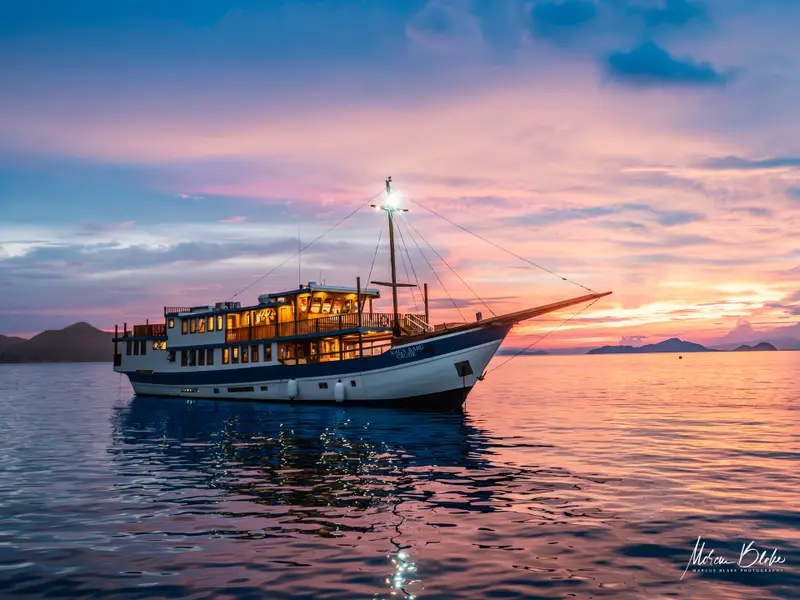
Naga Biru
Indonesia
12 guests40 m
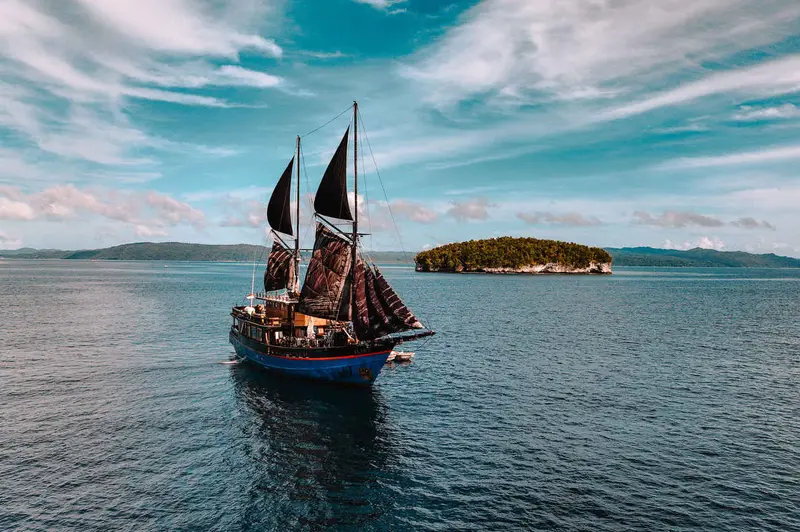
Ilike
Indonesia
16 guests40 m
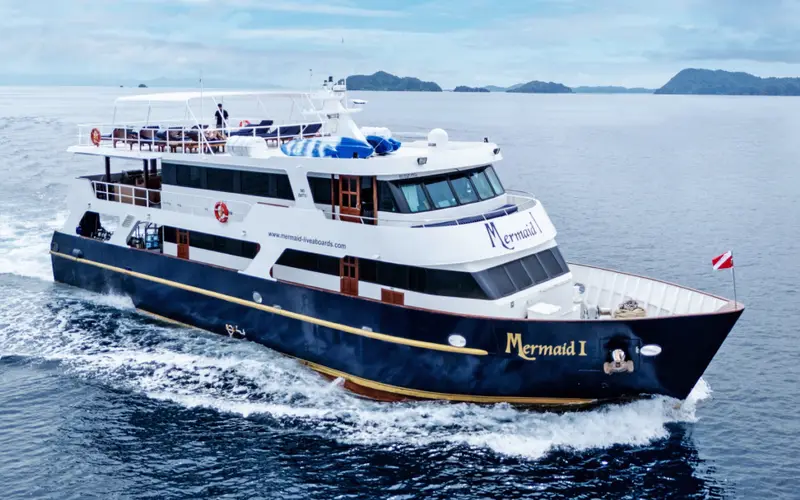
Mermaid I
Alor
15 guests28 m
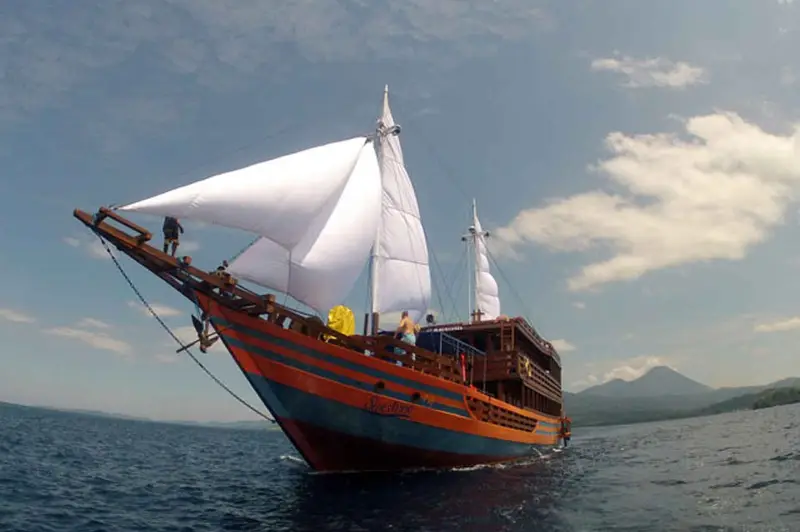
Sunshine Liveaboard
Indonesia
10 guests31 m
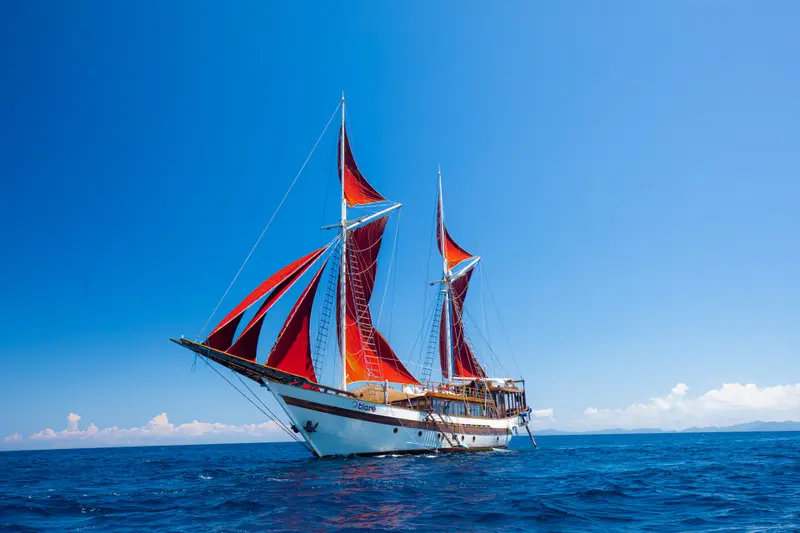
Tiare Cruise
Indonesia
12 guests37 m
Dive sites similar to Gili Selang
Same character, same waters, six more sites divers love for the exact same reasons.Compare seasons, access and liveaboard routes, then pick the site that fits your trip best.
Abila is a notable dive site located within the Alor Islands Marine Park, an area celebrated for its rich marine biodiversity due to its position in the Coral Triangle.
- Suitable for
- Beginner
- Current
- Mild
- Access
- Liveaboard only
- Depth
- —
- Theme
- Reef
© EsriMaxar, Earthstar, GIS
Adonara Channel
Alor
Adonara Channel stands as one of Alor's most iconic dive sites, celebrated for its dynamic currents and exceptionally rich biodiversity.
- Suitable for
- Advanced
- Current
- Strong
- Access
- Liveaboard or dayboat
- Depth
- 10–40 m
- Theme
- Drift / Wall
© EsriMaxar, Earthstar, GIS
Adonara Wall
Indonesia
Adonara is an Indonesian island dive site, renowned for its vibrant underwater topography characterized by submerged seamounts.
- Suitable for
- Intermediate
- Current
- Strong
- Access
- Liveaboard or dayboat
- Depth
- 5–35 m
- Theme
- Seamount / Wall
© EsriMaxar, Earthstar, GIS
Agnay Fish Sanctuary
Philippines
Agnay Fish Sanctuary is nestled in a sheltered bay near the village of Agnay in Romblon, a province celebrated for its rich marine biodiversity.
- Suitable for
- Beginner
- Current
- Mild
- Access
- Dayboat
- Depth
- 9–18 m
- Theme
- Reef
© EsriMaxar, Earthstar, GIS
Ai Island Reef
Banda Sea
Ai Island Reef, nestled within the Banda Sea, offers a remarkable diving experience characterized by its rich marine biodiversity and varied underwater topography.
- Suitable for
- Beginner
- Current
- Strong
- Access
- Liveaboard only
- Depth
- 3–30 m
- Theme
- Reef / Seamount
© EsriMaxar, Earthstar, GIS
Akitsushima
Philippines
The Akitsushima is a distinguished World War II Japanese seaplane tender, sunk in September 1944 during an American air raid in Coron Bay, Palawan.
- Suitable for
- Advanced
- Current
- Strong
- Access
- Dayboat
- Depth
- 22–38 m
- Theme
- Wreck