About Japanese Wreck
The Japanese Wreck is a compelling dive site located in Banyuning Bay, just off the beach in Amed, Bali. This fascinating World War II relic consists of the remains of a Japanese patrol boat that ran aground, now broken into several pieces. Its unique history and readily accessible location make it a popular spot for both divers and snorkelers. The wreck lies in relatively shallow water, with its stern at approximately 2 meters and the bow extending down to 12 meters. Over decades, the wreckage has been completely colonized by marine life, adorned with colorful soft corals, sponges, and various other encrusting organisms, essentially transforming it into an artificial reef. Nearby, man-made pyramids have been strategically placed to further attract and support diverse marine species. Conditions at the site are generally calm, characterized by mild to no currents, good visibility, and consistent warm water temperatures throughout the year. This makes it an ideal location for relaxed exploration and underwater photography. Divers can leisurely navigate the broken sections of the patrol boat, observing a wide array of reef fish, macro life, and occasional larger visitors. Its ease of access as a shore dive, combined with its rich biodiversity, provides a rewarding experience for beginners and experienced divers alike.
Highlights
WWII Japanese patrol boat wreckShallow, accessible shore diveVibrant coral encrustationsMan-made marine pyramidsDiverse reef fish populationsCalm, current-free conditionsExcellent macro photography subjectsHistoric relic artificial reef
Season calendar
Best months to dive here
Jan
Feb
Mar
Apr
May
Jun
Jul
Aug
Sep
Oct
Nov
Dec
Good
Dive site facts: Japanese Wreck
- Depth
- 2–12 m
- Typical dive
- 6–10 m, 45–60 min
- Current
- Mild to none
- Visibility
- 15–25 m
- Water temperature
- 27–29°C (81–84°F)
- Entry
- Shore entry
- Level
- All levels (beginner-friendly)
- Dive type
- Wreck, reef, macro
- Night dive
- Possible
- Region / port
- Amed, Bali
- Coordinates
- 8.3490° S, 115.6980° E
Conditions & Currents
Diving at the Japanese Wreck typically features calm waters with minimal to no discernible currents, making it an exceptionally relaxed dive site. This gentle environment ensures an easy entry and exit directly from the shore. Divers can enjoy an unhurried exploration of the wreck without concerns about drift or strenuous finning, which conserves air and allows for longer bottom times. Visibility is generally good throughout the year, peaking during the dry season, providing clear views of the wreck and marine life. These benign conditions make the site suitable for divers of all experience levels, from beginners to those seeking a tranquil dive. There are no known thermoclines or significant boat traffic to impact the dive experience.
Marine life & sighting chances
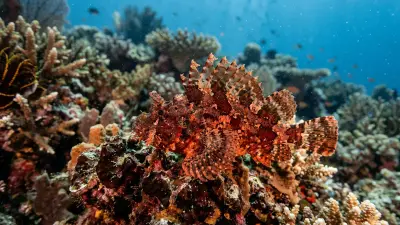
Leaf Scorpionfish
occasional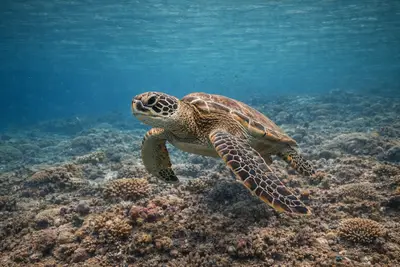
Turtles
occasional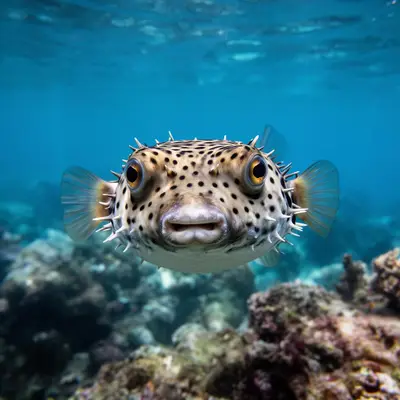
Map Pufferfish
common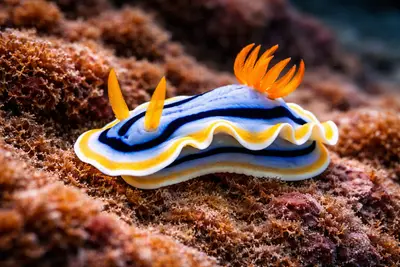
Nudibranchs
common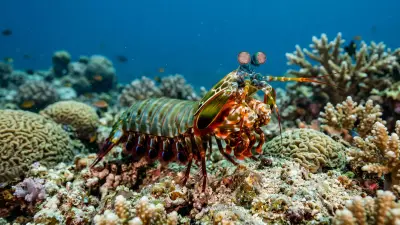
Shrimp
common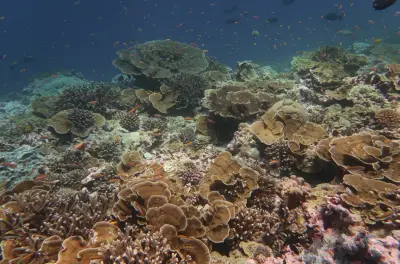
Reef fish
common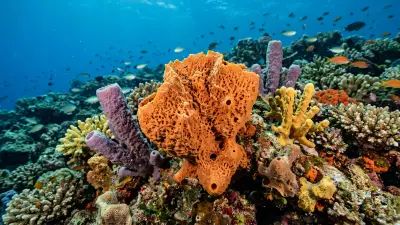
Sponges
common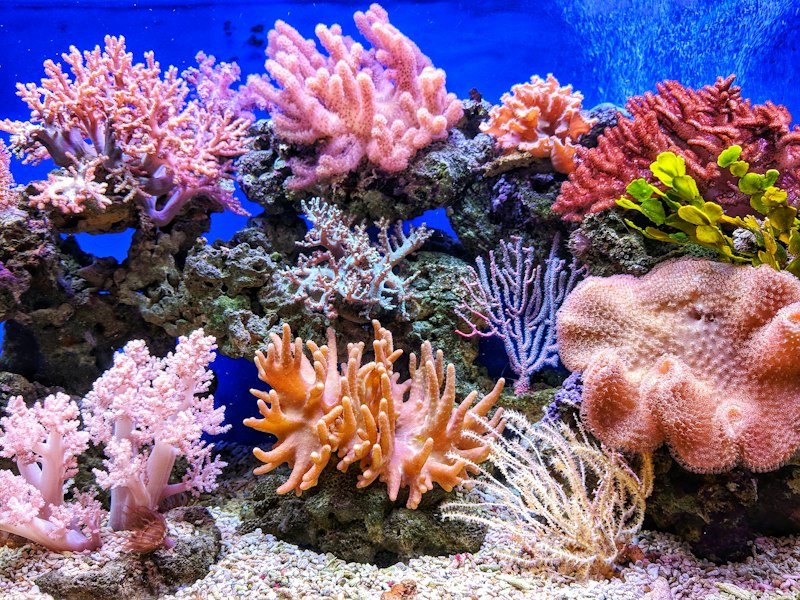
Soft corals
commonDive profile & how the dive runs
Access the Japanese Wreck via a simple shore entry from Banyuning Bay, typically involving a short walk into the calm, shallow water. The dive begins by finning a short distance offshore towards the visible markers of the wreck. The wreck itself lies on a gentle slope, starting at approximately 2 meters at its stern and gradually descending to 12 meters towards the bow. Divers typically follow the length of the broken patrol boat, exploring its various pieces and the artificial reef structures, including man-made pyramids, that are integrated into the site. The route usually involves a leisurely swim around and through accessible sections of the wreckage, allowing ample time for macro observation and fish watching. The shallow depth facilitates extended bottom times. The dive concludes by returning to the entry point for an easy exit, with a safety stop easily performed in the clear, shallow waters over the reef or nearby sandy patches.
Underwater photography
The Japanese Wreck is a macro photographer's dream due to its shallow depth, calm conditions, and abundance of small, camouflaged marine life. A macro lens (e.g., 60mm or 100mm) is highly recommended to capture the intricate details of nudibranchs, shrimp, and the occasional leaf scorpionfish often found hiding among the corals. Wide-angle photography can also be rewarding for capturing the overall wreck structure and the vibrant coral encrustation, especially with the clear visibility and good ambient light. External strobes are beneficial for color rendition and illuminating hidden subjects within the wreck's crevices. Patience and careful buoyancy control are crucial to avoid stirring up the sandy bottom and to protect the fragile corals and marine inhabitants. Approach subjects slowly to capture their natural behavior. The man-made pyramids also offer interesting compositions.
Combine with nearby dive sites
- Jepun Wreck
The Jepun Wreck is a dive site nestled in Padang Bai, Bali, a coastal town offering a diverse range of underwater experiences.
- Pyramids
Pyramids Reef in Sosúa, Dominican Republic, is a distinctive dive and snorkel site renowned for its artificial reef structures.
- Deep Blue
Deep Blue is a distinguished dive site located just off the coast of Amed in Northeast Bali, renowned for its exhilarating characteristics.
- Coral Garden
Coral Garden is a significant dive site in the Dominican Republic, featuring an impressive brain coral that has thrived for over 400 years…
- Jemeluk Bay
Jemeluk Bay, situated on Bali's northeastern coast within the Amed area, stands out as a prime diving destination known for its sheltered…
Getting there & logistics
To dive the Japanese Wreck, travelers typically fly into Denpasar Ngurah Rai International Airport (DPS) in southern Bali. From there, Amed is approximately a 2.5 to 3-hour drive northeast. Most dive operators in Amed offer day trips to the Japanese Wreck, often combining it with other local Amed sites like the Pyramids or Jemeluk Bay. As a shore dive, access is straightforward and does not involve boat fees, though dive center services for tanks and guides will apply. No specific permits beyond standard diving arrangements are usually required for this site. Trips are generally organized as half-day excursions focusing on one or two dives, with the convenience of returning to accommodations in Amed.
Safety & environment
For diving the Japanese Wreck, the nearest recompression chamber is located in Denpasar, requiring a significant drive of approximately 2.5 to 3 hours from Amed. Divers should ensure they have comprehensive dive insurance that covers medical evacuation and hyperbaric treatment. While the site is known for its calm conditions, general dive safety protocols apply, including always diving within your certified limits and with a buddy. Be mindful of potential sharp edges on the wreck, though it is heavily encrusted. Due to the shallow depth, ascend slowly and perform a safety stop as usual. Hydration is important given Bali's warm climate. Always follow your dive guide's instructions and conduct pre-dive safety checks. Visibility is generally good, reducing disorientation risks, but always be aware of your surroundings.
Who it suits — and who it doesn't
Suited for
- Beginner divers seeking an easy wreck experience
- Underwater photographers focusing on macro subjects
- Divers desiring calm conditions and no strong currents
- Snorkelers and freedivers
- Divers interested in historical sites
Less suited for
- Divers seeking challenging drift dives
- Those exclusively looking for large pelagic encounters
- Advanced divers who prefer deep wrecks only
FAQ
Japanese Wreck FAQ
What is the history of the Japanese Wreck in Amed?
The Japanese Wreck is the remains of a World War II Japanese patrol boat that reportedly ran aground in Banyuning Bay, Amed. Over the decades since its demise, the wreckage has become a vibrant artificial reef, extensively colonized by corals and marine life, transforming a historical relic into a thriving underwater ecosystem.
How deep is the Japanese Wreck, and is it suitable for beginners?
The Japanese Wreck is exceptionally shallow, with depths ranging from 2 meters at its stern to 12 meters at its bow. Its calm waters and minimal currents make it highly suitable for divers of all experience levels, including beginners and those undergoing their initial dive training.
What kind of marine life can be seen at the Japanese Wreck?
The wreck is teeming with diverse marine life. Divers frequently encounter a variety of reef fish, colorful nudibranchs, and different species of shrimp. Occasional sightings include graceful turtles, camouflaged leaf scorpionfish, and vibrant map pufferfish. Man-made pyramids near the wreck also attract additional species.
Is the Japanese Wreck accessible as a shore dive?
Yes, the Japanese Wreck is one of Amed's easily accessible shore dives. Divers can gear up directly on the beach in Banyuning Bay and walk into the water to begin their exploration. This convenient entry method contributes to its popularity among both divers and snorkelers.
What are the typical diving conditions at the Japanese Wreck?
Diving conditions at the Japanese Wreck are consistently favorable. The site is known for its calm waters with mild to no currents, good visibility that often peaks from May to November, and warm water temperatures typically ranging from 27 to 29°C. These conditions provide for a very comfortable and relaxed dive experience.
Why dive Japanese Wreck from a liveaboard?
Japanese Wreck is one of Bali's signature dive sites. A liveaboard sleeps you on the water and puts you in the water for three to four guided dives per day, including dawn and night dives that day-boat operators rarely offer. You skip the daily commute back to port and reach quieter, less-crowded sites in the same region on a single trip.
Below are the liveaboards that include Japanese Wreck on their Bali itineraries.
Liveaboards diving Japanese Wreck
These liveaboards may visit Japanese Wreck on selected itineraries — the exact dive sites depend on departure, weather and conditions.
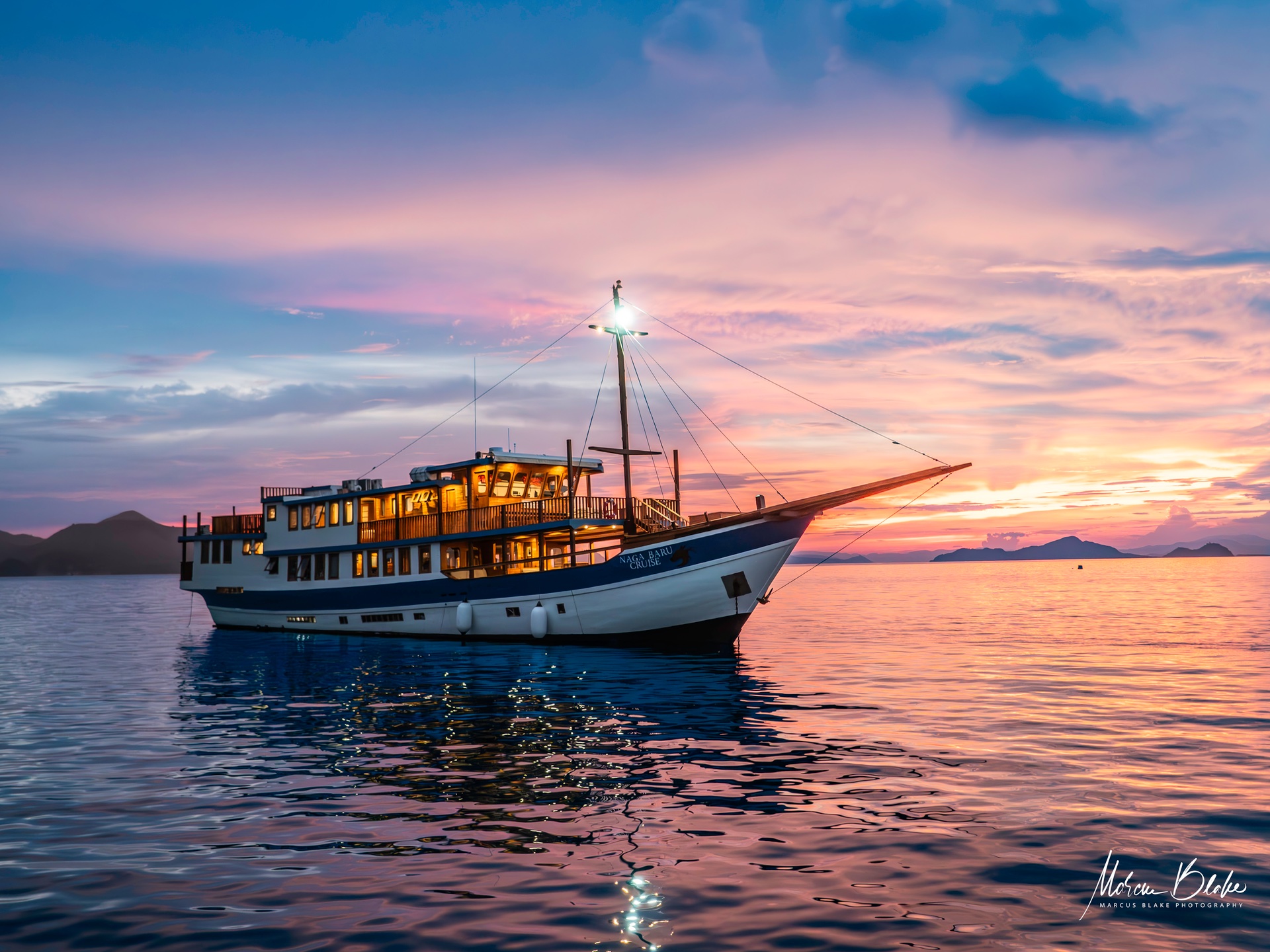
Naga Biru
Indonesia
12 guests40 m
$273/day
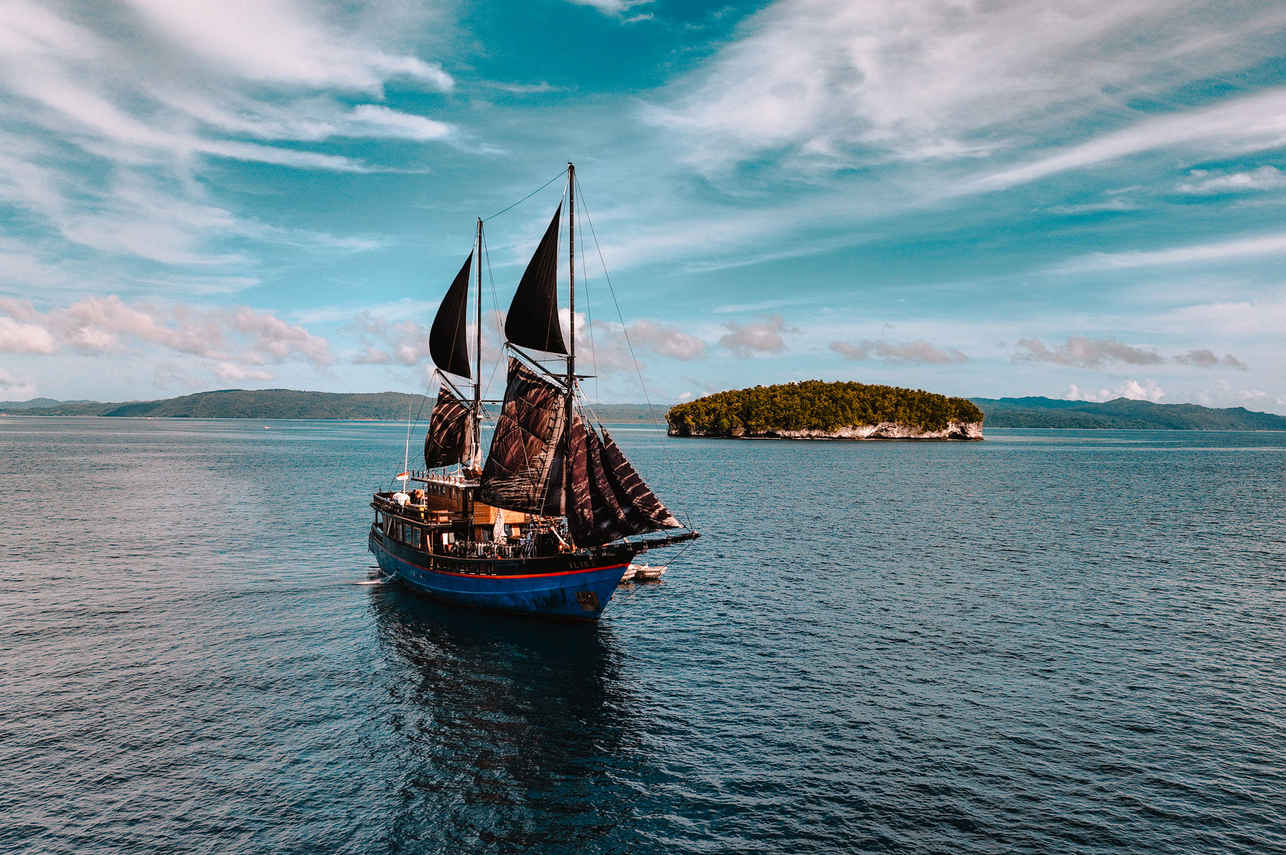
Ilike
Indonesia
16 guests40 m
$298/day
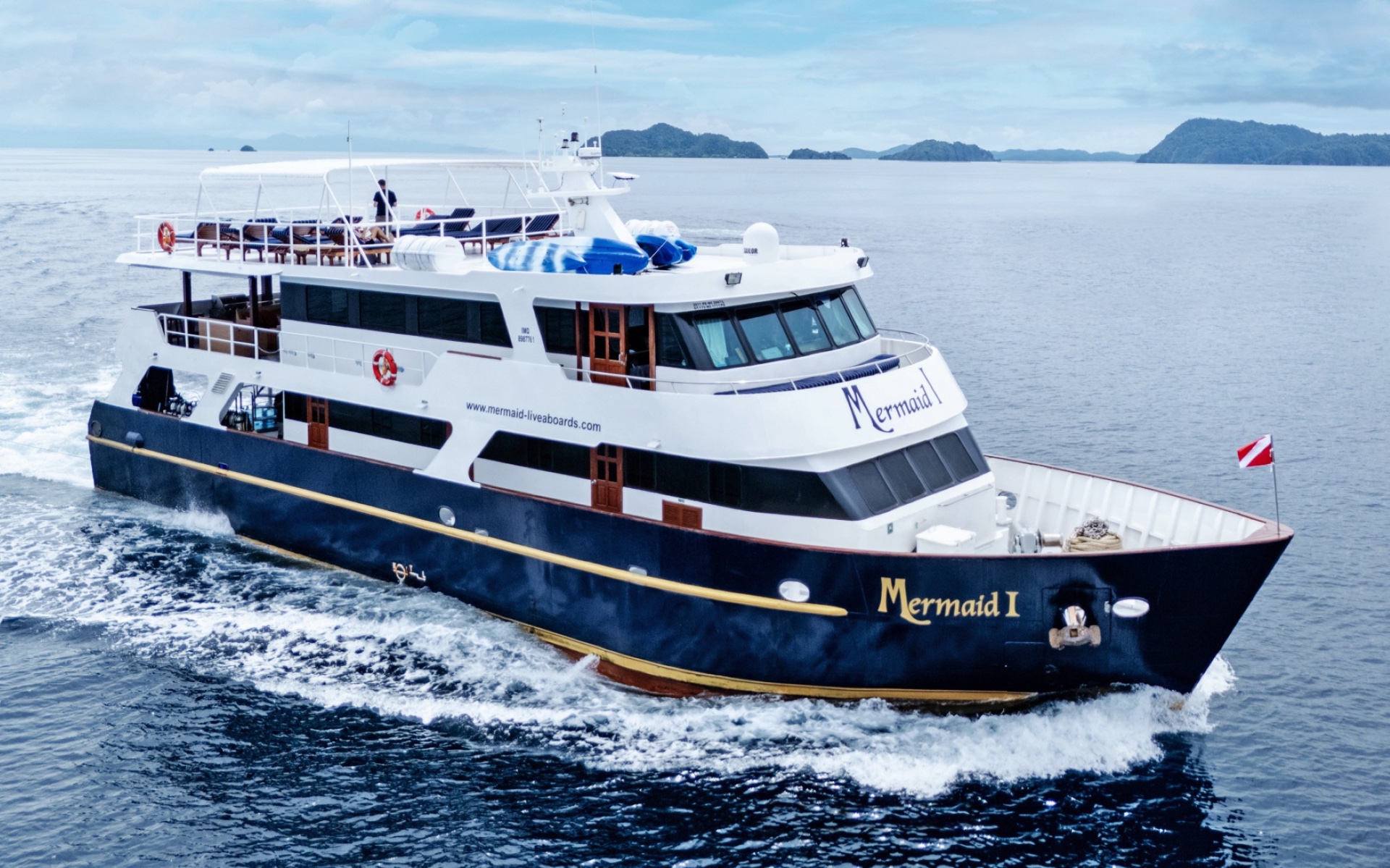
Mermaid I
Alor
15 guests28 m
$371/day
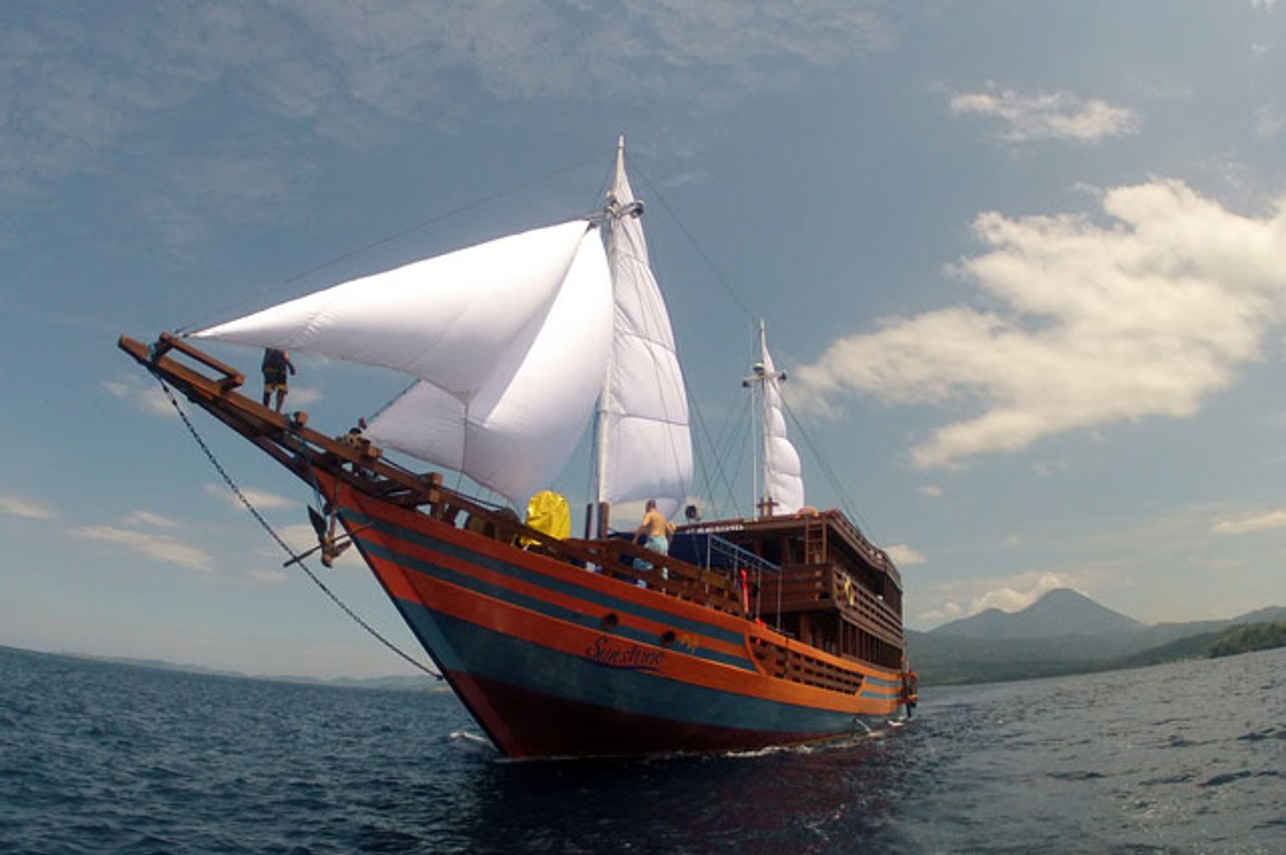
Sunshine Liveaboard
Indonesia
10 guests31 m
$191/day
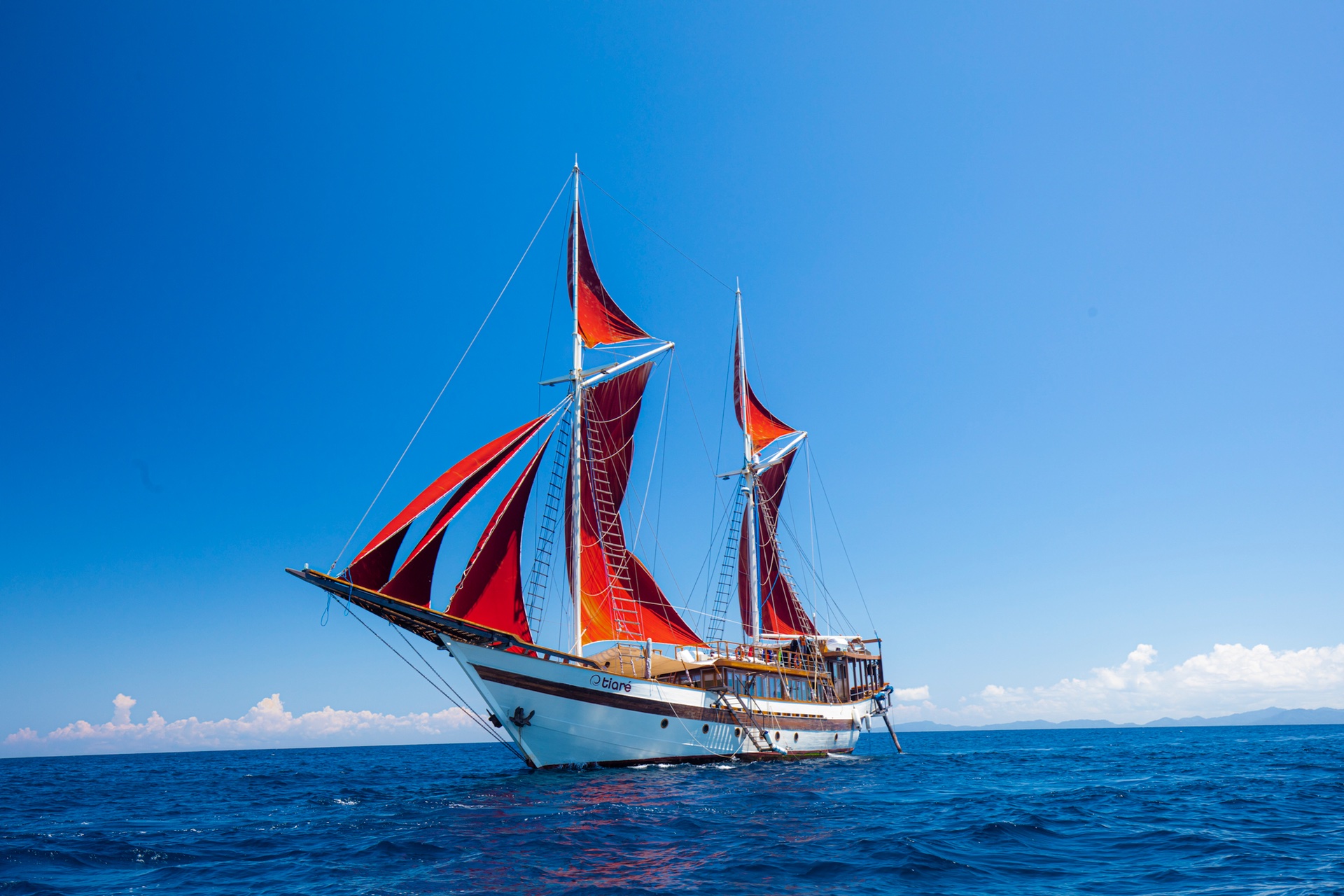
Tiare Cruise
Indonesia
12 guests36.5 m
$419/day
Dive sites similar to Japanese Wreck
Same character, same waters — six more sites divers love for the exact same reasons.Compare seasons, access and liveaboard routes — then pick the site that fits your trip best.
Lipah Bay is situated on Bali's northeast coast within the Amed area, nestled against the dramatic backdrop of Gunung Agung.
- Suitable for
- Beginner
- Current
- Mild
- Access
- Liveaboard or dayboat
- Depth
- 5–30 m
- Theme
- Reef / Drift
© Esri — Maxar, Earthstar, GIS
Eel Garden
Bali
Eel Garden is a renowned dive site located on the north-western side of Menjangan Island, a protected marine area within West Bali National Park.
- Suitable for
- Intermediate
- Current
- Moderate
- Access
- Liveaboard or dayboat
- Depth
- 8–40 m
- Theme
- Drift / Reef
Puri Jati, often referred to as PJ, is located on Bali's north coast near Lovina, on the outskirts of Seririt village.
- Suitable for
- Intermediate
- Current
- No current
- Access
- Shore / dayboat
- Depth
- 6–12 m
- Theme
- Reef
© Esri — Maxar, Earthstar, GIS
Dream Wall
Bali
Dream Wall is one of Menjangan Island's premier dive sites, located within the protected West Bali National Park marine area.
- Suitable for
- Beginner
- Current
- Mild
- Access
- Dayboat
- Depth
- 10–60 m
- Theme
- Wall / Reef
Pura Ped, located on the northern coast of Nusa Penida, is a celebrated dive site known for its extensive and healthy reef system.
- Suitable for
- Intermediate
- Current
- Strong
- Access
- Liveaboard or dayboat
- Depth
- 5–30 m
- Theme
- Drift / Reef
© Esri — Maxar, Earthstar, GIS
Biaha Reef
Bali
Situated near Candidasa, Biaha Reef is a captivating dive site characterized by its dramatic underwater landscapes and the potential for exhilarating encounters with large pelagic marine life.
- Suitable for
- Intermediate
- Current
- Moderate
- Access
- Liveaboard or dayboat
- Depth
- 10–35 m
- Theme
- Reef